
Foundation Stock Service group
American Leopard Hound
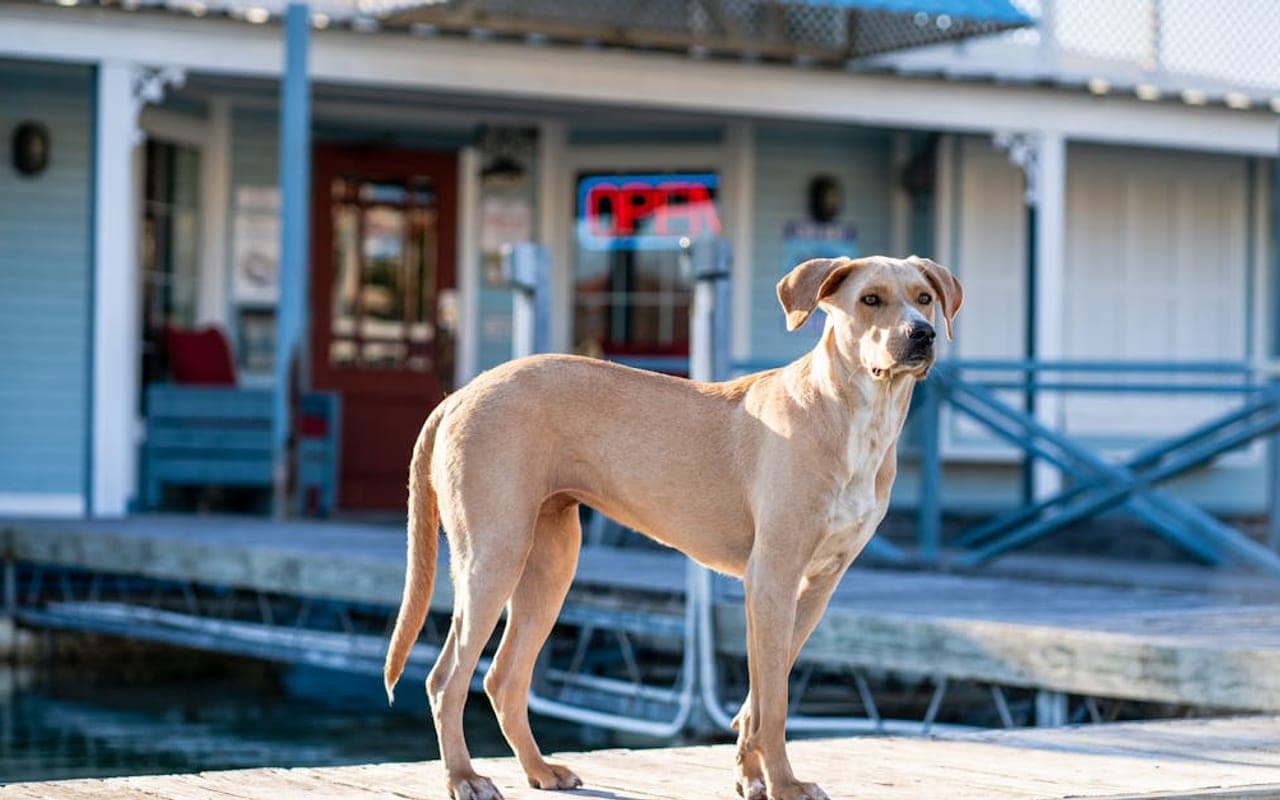
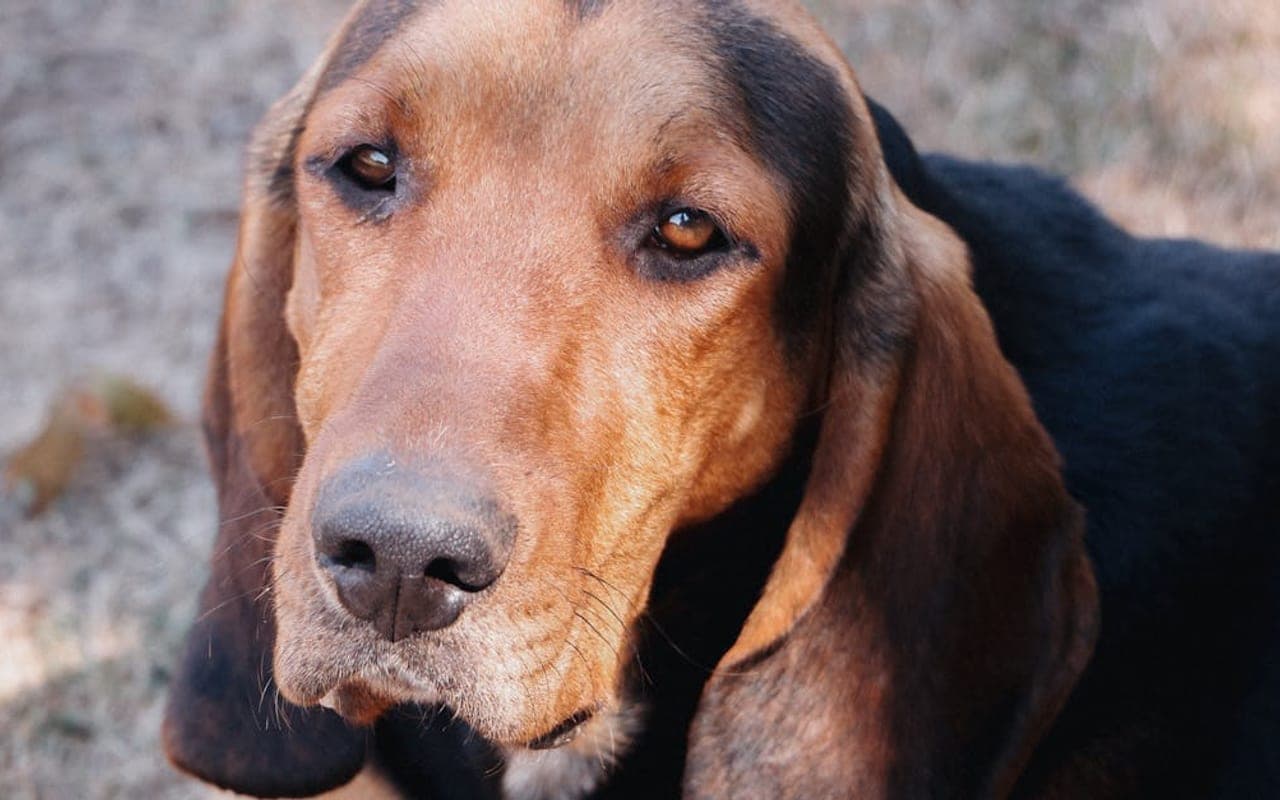
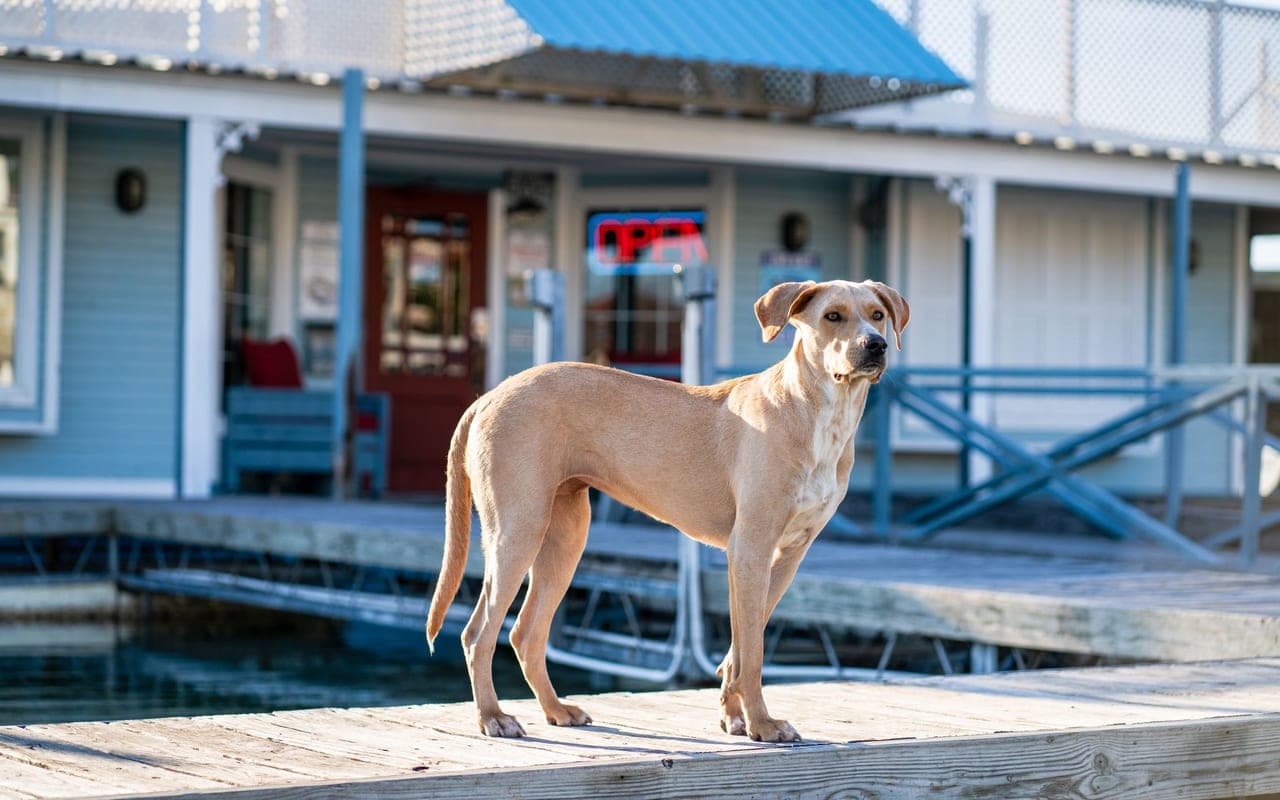
The American Leopard Hound is one of the oldest tree-dog (cur) breeds in the United States — a 16-34 kg (35-75 lb) working scent-and-sight hunter developed over generations on American farms to track and tree raccoon, bear, bobcat, cougar, and squirrel, and to handle both scorching and freezing weather.

Size
35-75 lb
Lifespan
12-15 years
Exercise
30-60 minutes
Shedding
Moderate
Experience
Match to owner routine
Decision first
Is a American Leopard Hound right for you?
Start with fit before history or trivia. These are ownership signals, not guarantees about any individual dog.
Best suited for
- Households with children.
- Homes with other compatible pets.
- Apartment homes with a consistent routine.
- Owners seeking a manageable daily exercise routine.
Think carefully if
- You need a dog with almost no daily routine.
- You cannot keep up with grooming and preventive care.
- The dog will spend most days alone without support.
Conditional fit
Apartment fit depends on exercise, enrichment, noise management, and outdoor access.
Daily reality
American Leopard Hound commitment snapshot
Daily exercise
30-60 minutes
Match activity to age, health, weather, and training goals.
Coat care
Moderate
Grooming needs vary by coat, shedding, and lifestyle.
Time alone
Needs planning
Most dogs need gradual alone-time conditioning and support.
Structured facts
American Leopard Hound at a glance
The measurements and traits that most affect day-to-day life with this breed.
Group
Foundation Stock Service
Weight
35-75 lb
Height
21-27 in
Lifespan
12-15 years
Temperament
Sociable | Energetic | Intelligent
View all characteristics and methodology
Lifestyle fit
- Apartment suitability
- Likely fit
- Child friendliness
- Often good, with socialisation and supervision
- Other-pet fit
- Often compatible with careful introductions
Owner commitment
- Exercise
- 30-60 minutes
- Grooming
- Moderate
- Shedding
- Moderate
- Training
- Low
Environment and health
- Health risk
- Needs planning
Ratings combine structured breed data, visible breed fields, and editorial context. They are planning aids, not predictions for an individual dog.
Daily life
American Leopard Hound temperament and behavior
The American Leopard Hound is one of the oldest tree-dog (cur) breeds in the United States — a 16-34 kg (35-75 lb) working scent-and-sight hunter developed over generations on American farms to track and tree raccoon, bear, bobcat, cougar, and squirrel, and to handle both scorching and freezing weather. It was registered as the American Leopard Cur in 1960, renamed the American Leopard Hound by its breed club in 2008, and remains in the AKC Foundation Stock Service. Roughly 60% of the breed is solid-colored; the rest carry the striking leopard (merle) or brindle patterning the name comes from. That leopard pattern is the most important thing an honest buyer needs to understand, and it is genetic, not cosmetic. The leopard coat is produced by the merle gene, and breeding two merle-patterned dogs together (merle-to-merle) dramatically raises the odds of 'double merle' puppies that are deaf, blind, or both. A responsible Leopard Hound litter is always merle-to-non-merle. The takeaway for a pet buyer: this is generally a robust, healthy working landrace, but the one place its genetics can bite is hearing and vision, and that risk is entirely about how the parents were paired. Temperament reflects the working history. These are highly intelligent, energetic, sociable hounds that bond hard to family, are notably protective of children, and have strong, miles-deep tracking drive. They are loving at home and relentless on a trail — which means high exercise needs and poor off-lead reliability in open ground. Who the breed is right for: an active, ideally rural or securely-fenced owner who wants a versatile, hardy, devoted hound and will insist on a non-merle-to-merle pairing with hearing-checked parents. Who it is wrong for: low-activity or apartment homes, and any buyer who skips the merle-pairing question.
Sociable | Energetic | Intelligent
Sociable
A common American Leopard Hound temperament descriptor that should be interpreted alongside training, exercise, and household fit.
Energetic
A common American Leopard Hound temperament descriptor that should be interpreted alongside training, exercise, and household fit.
Intelligent
A common American Leopard Hound temperament descriptor that should be interpreted alongside training, exercise, and household fit.
Owner note
Temperament labels are starting points, not guarantees. Meet the individual dog and ask about behavior history whenever possible.
Care essentials
How to care for a American Leopard Hound
What looking after one actually involves: exercise, grooming, food, training, and routine health.
ExerciseAs needed
- Moderately active breed needing 30-60 minutes of daily exercise through walks, play, and mental stimulation.
GroomingAs needed
- Regular grooming needed — brush 2-3 times per week and bathe monthly.
TrainingAs needed
- Independent-minded breed that may require extra patience in training. Short, engaging sessions recommended.
NutritionAs needed
- Feed a high-quality dog food appropriate for their age, size, and activity level. Monitor portions to prevent obesity.
Veterinary CareAs needed
- Annual wellness exams, core vaccinations, dental care, and parasite prevention. Breed-specific health screenings as recommended by your vet.
Health planning
American Leopard Hound health risks and screening
Every breed has individual health variation. Use this profile for planning and discuss medical decisions with a veterinarian.
Responsible ownership
Finding a American Leopard Hound responsibly
What to ask a breeder or rescue is the same conversation for every breed, so we keep it in one place and keep it current.
Health documentation, meeting the parents or foster, contracts and return support, and the warning signs worth walking away from.
Original purpose
American Leopard Hound history
History is useful when it explains today's behavior, coat, exercise needs, and training style.
Read the breed history
The American Leopard Hound is among the oldest tree-dog breeds native to the United States, with a working history that predates its formal registration by generations. Its ancestors are generally traced to dogs brought by early Spanish explorers and later crossed by American frontier and farm families with other working stock to produce a versatile cur that could trail, tree, and bay a wide range of game — raccoon, bear, bobcat, cougar, and squirrel — while surviving extreme heat and cold. The breed was organized and formally named the American Leopard Cur in 1960; the breed club voted to rename it the American Leopard Hound on May 1, 2008. The United Kennel Club recognized it (long known in registries as the Leopard Cur, recognized 1998, renamed 2008 so the dogs could compete in coonhound events), and it now sits in the AKC Foundation Stock Service. Throughout, it has remained primarily a working hunting and farm dog rather than a show creation, which is why it survives as a hardy, functional landrace.
Gallery
American Leopard Hound photos
Images are cropped consistently and loaded progressively to keep the page responsive.
Lower-page context
American Leopard Hounds in culture
Where the breed shows up in film, sport, work and folklore — the enjoyable part, once the practical questions are answered.
Fun facts
- The American Leopard Hound belongs to the Foundation Stock Service.
- With proper care, American Leopard Hound dogs can live up to 15 years or more.
- American Leopard Hound dogs are valued for their sociable, energetic, intelligent nature.
American Leopard Hound FAQs
How long do American Leopard Hounds live?
A healthy American Leopard Hound typically lives 12-15 years, which is strong for a working hound and reflects that this is a hardy landrace bred for function, not a fragile show breed. What pulls a dog below that range is rarely mysterious: cancer, joint disease worsened by obesity and under-exercise, or the consequences of poor merle breeding. A lean, well-exercised dog from a responsibly paired litter generally lives a long, robust life.
What is the merle problem in American Leopard Hounds?
The leopard pattern that gives the breed its name is the merle gene. A single copy is cosmetic and harmless, but breeding two merle-patterned dogs together produces 'double merle' puppies with a high rate of congenital deafness, blindness, or both. This is the breed's single most important genetic issue, and it is entirely a breeding-choice problem. Before buying a leopard-patterned puppy, ask the breeder directly to confirm the litter was not merle-to-merle, and ask for a BAER hearing check.
Are American Leopard Hounds good with children?
Yes — the breed is known for being notably protective of and affectionate with children in its family, and these dogs bond strongly to their household. They are intelligent and sociable rather than aggressive. The standard caveats apply: this is a powerful, high-energy working hound, so supervise interactions with young children, teach kids to respect the dog, and channel the dog's energy with real exercise so it is calm indoors rather than restless and mouthy.
How much exercise does an American Leopard Hound need?
Substantial — this is a stamina-built tree hound, not a moderate-energy companion. Plan on 60-90 minutes of genuine daily activity: hikes, securely fenced running, and scent or tracking games that work the nose and mind. Under-exercised Leopard Hounds become vocal, destructive, and prone to escaping to follow a scent, which is a common reason they end up rehomed. If you cannot reliably provide that for over a decade, this is the wrong breed for your situation.
Are American Leopard Hounds easy to train?
They are very intelligent but independent-minded, bred to make decisions on a trail away from the handler, so they are not as instantly biddable as a herding breed. They respond well to early, consistent, reward-based training, but recall in open ground is unreliable because a strong scent overrides commands. Expect to rely on secure fencing and lead work rather than off-lead obedience in unfenced terrain, and start socialization and training young while drive is shapeable.
Is the American Leopard Hound a healthy breed?
On the whole, yes. Because it was developed as a hard-working farm and hunting landrace rather than for the show ring, it is generally robust with a short hereditary disease list — the standouts being hip dysplasia, some inherited eye disease (PRA, cataracts), cancer, and the merle-linked deafness/blindness risk. The honest summary: the breed's biggest controllable risk is not an illness but a breeding choice. Buy from a breeder who pairs merle to non-merle, screens hips and eyes, and the typical dog is a tough, long-lived companion.
Sources
These are the published sources this page draws on. Each opens in a new tab so you can check it yourself.
American Kennel Club
American Leopard Hound — breed standard and profile(opens in a new tab)Supports: Breed standard and recognition details.
Similar breeds to consider
Jagdterrier
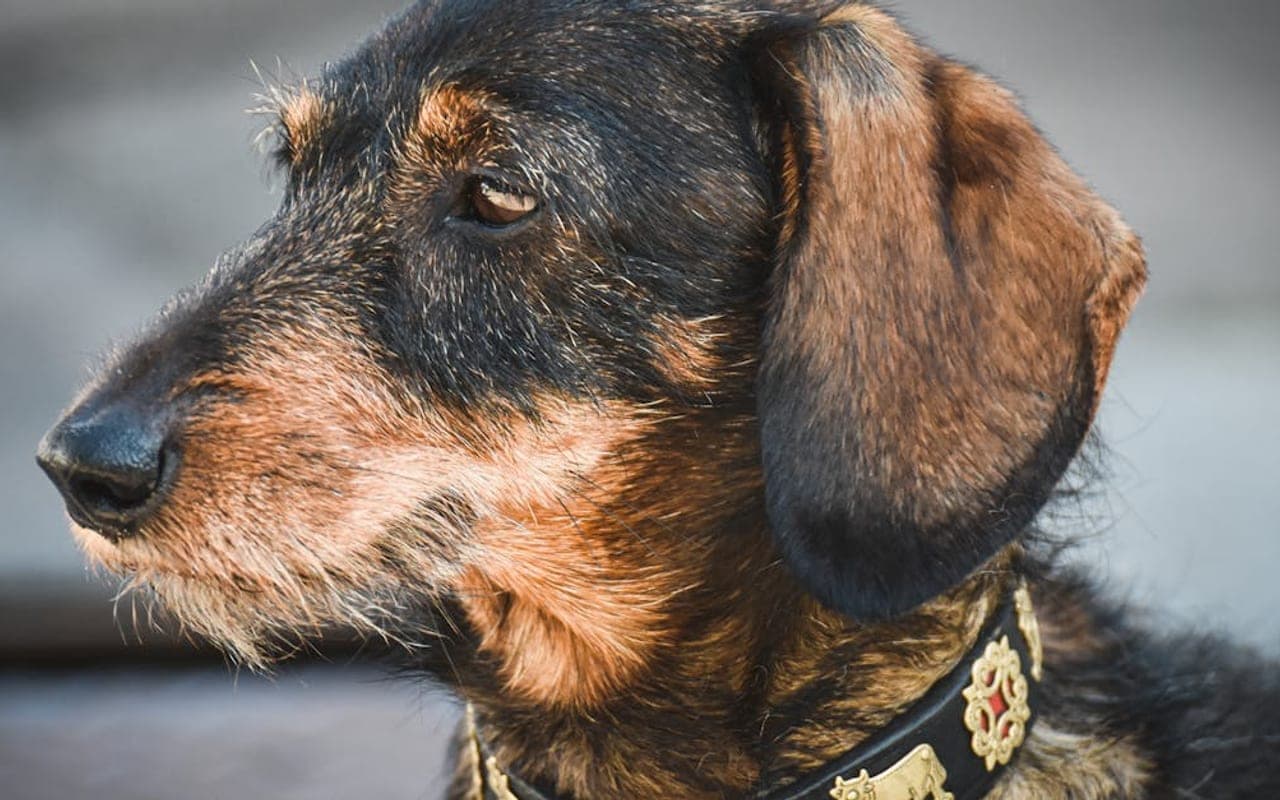
Also in the Foundation Stock Service group, with different care and temperament tradeoffs.
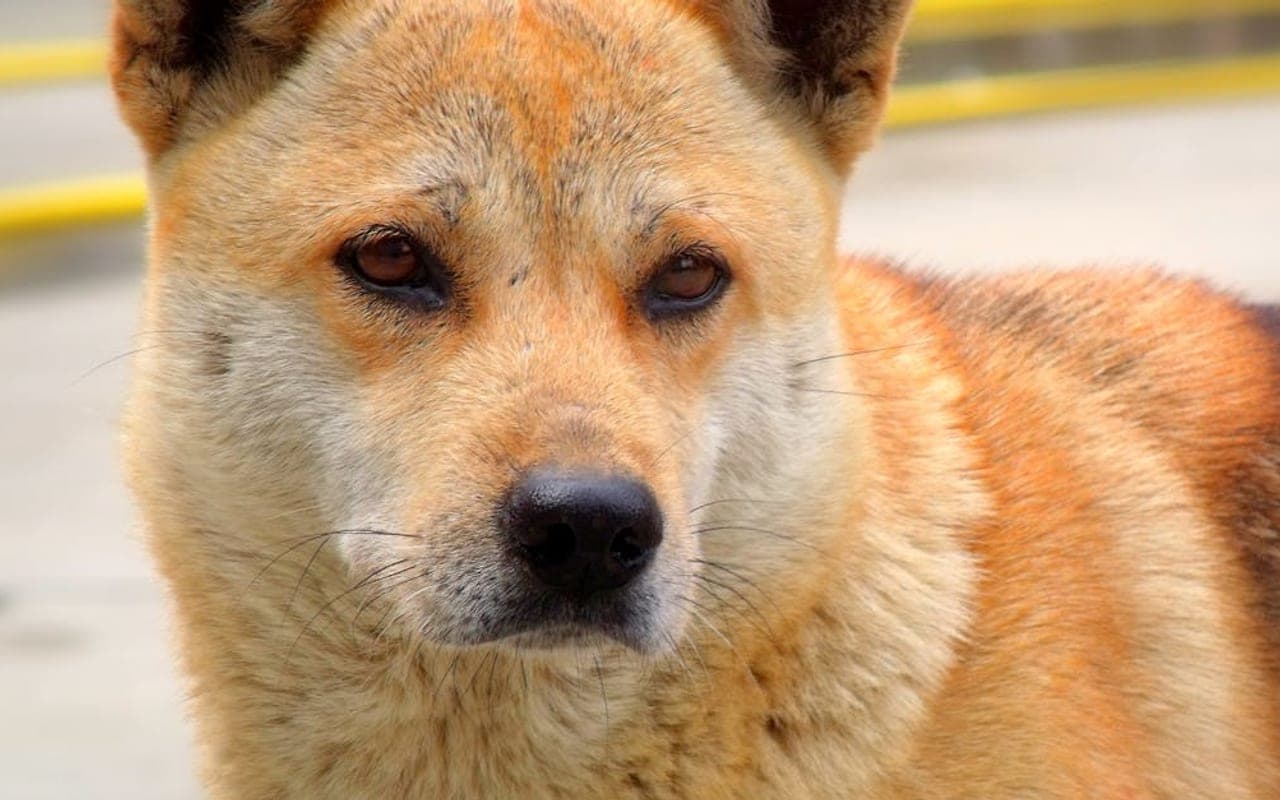
Jindo
Also in the Foundation Stock Service group, with different care and temperament tradeoffs.
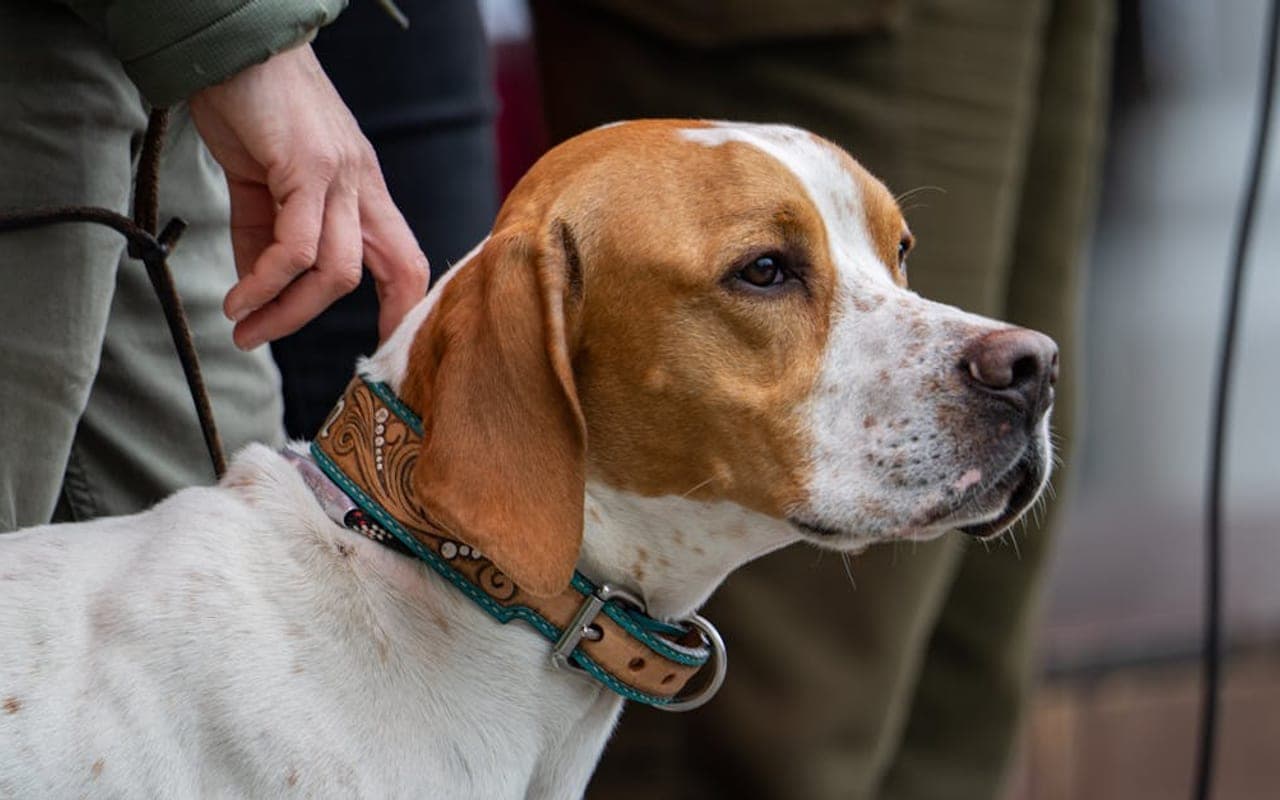
Portuguese Pointer
Also in the Foundation Stock Service group, with different care and temperament tradeoffs.
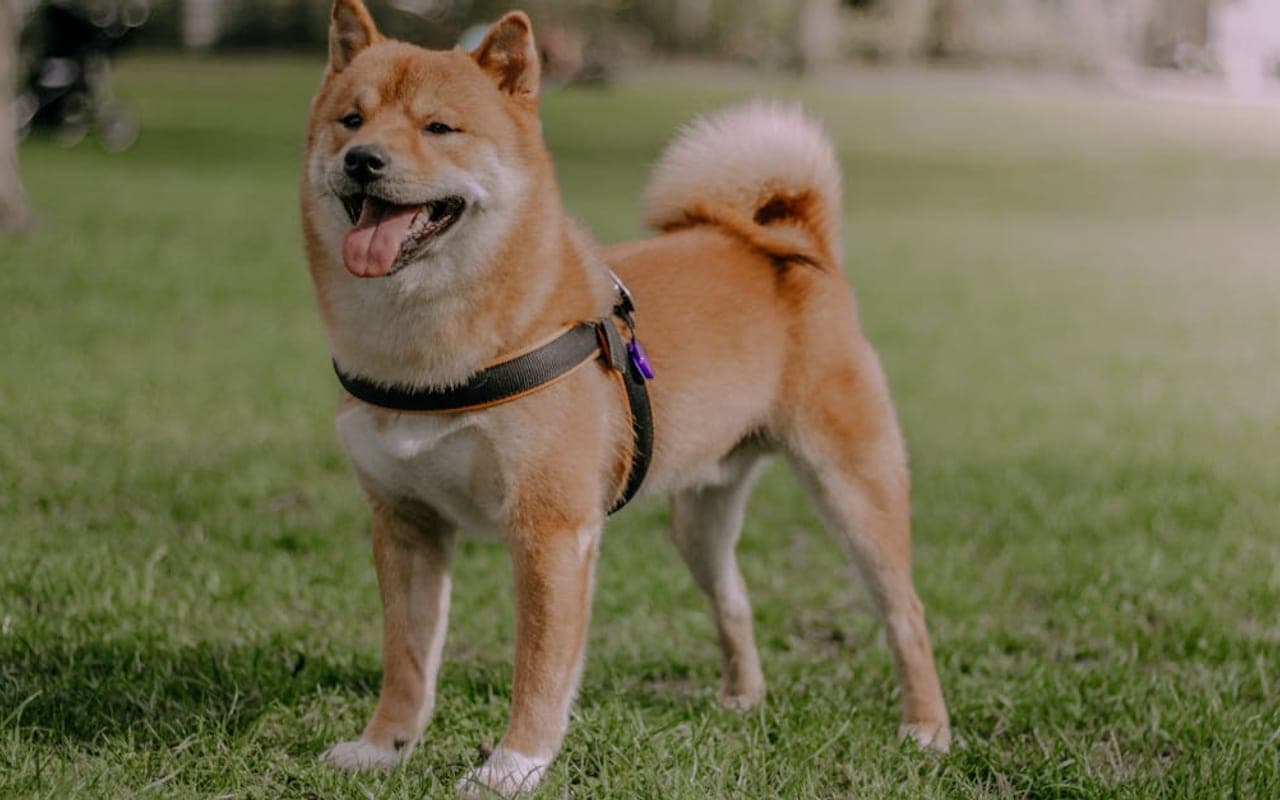
Kishu Ken
Also in the Foundation Stock Service group, with different care and temperament tradeoffs.
Explore More About American Leopard Hound
Dive deeper into everything American Leopard Hound — costs, care, and expert insights.
Considering a cat instead?
Browse Cats