
Toy group
Affenpinscher
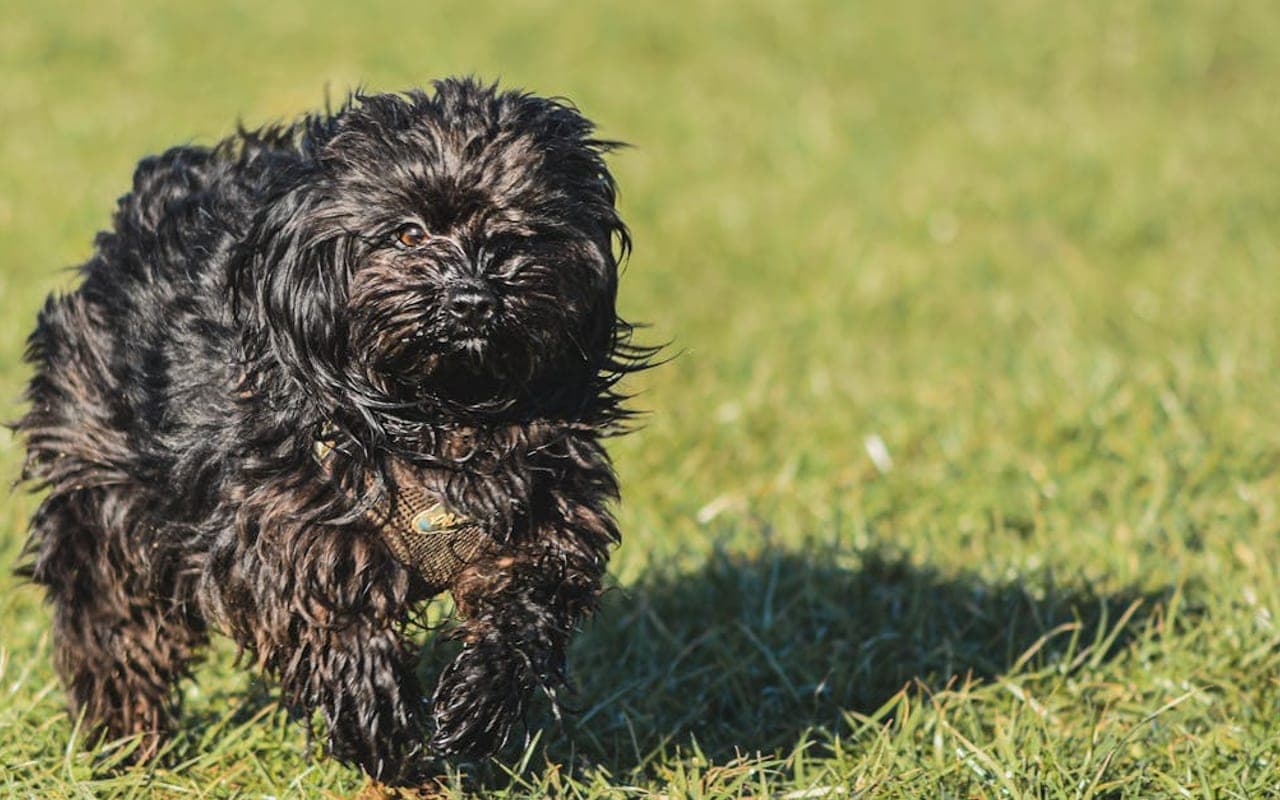
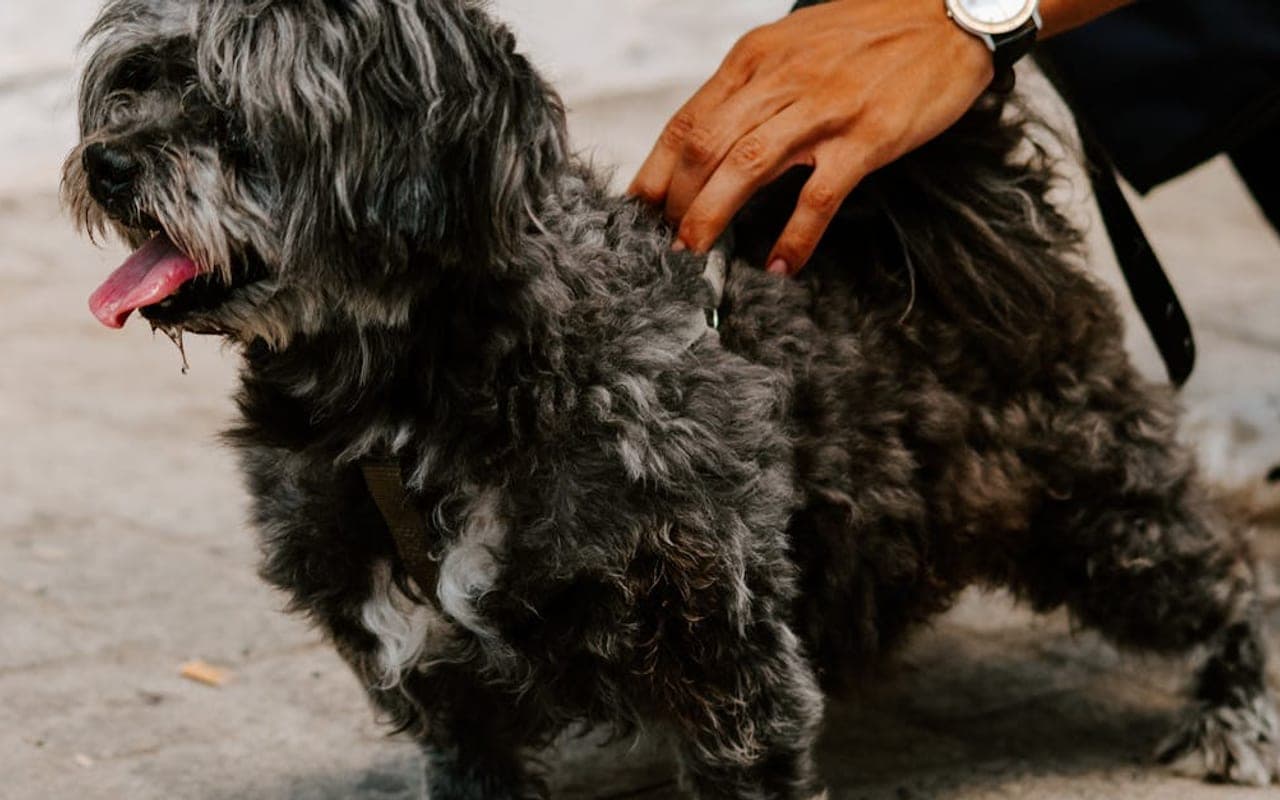
The Affenpinscher is a small terrier-type toy dog from Germany — roughly 9-11.


Size
6-13 lb
Lifespan
12-15 years
Exercise
30-60 minutes
Shedding
Moderate
Experience
Match to owner routine
Decision first
Is a Affenpinscher right for you?
Start with fit before history or trivia. These are ownership signals, not guarantees about any individual dog.
Best suited for
- Apartment homes with a consistent routine.
- Owners seeking a manageable daily exercise routine.
Think carefully if
- You need a dog with almost no daily routine.
- You cannot keep up with grooming and preventive care.
- The dog will spend most days alone without support.
Conditional fit
Apartment fit depends on exercise, enrichment, noise management, and outdoor access.
Daily reality
Affenpinscher commitment snapshot
Daily exercise
30-60 minutes
Match activity to age, health, weather, and training goals.
Coat care
Moderate
Grooming needs vary by coat, shedding, and lifestyle.
Time alone
Needs planning
Most dogs need gradual alone-time conditioning and support.
Structured facts
Affenpinscher at a glance
The measurements and traits that most affect day-to-day life with this breed.
Group
Toy
Weight
6-13 lb
Height
9-12 in
Lifespan
12-15 years
Temperament
Confident | Famously Funny | Fearless
View all characteristics and methodology
Lifestyle fit
- Apartment suitability
- Likely fit
Owner commitment
- Exercise
- 30-60 minutes
- Grooming
- Moderate
- Shedding
- Moderate
- Training
- Moderate
Environment and health
- Health risk
- Needs planning
Ratings combine structured breed data, visible breed fields, and editorial context. They are planning aids, not predictions for an individual dog.
Daily life
Affenpinscher temperament and behavior
The Affenpinscher is a small terrier-type toy dog from Germany — roughly 9-11.5 inches at the shoulder and 7-13 pounds — whose name means 'monkey-terrier,' and that name is a temperament warning as much as a description. This is not a soft, biddable lapdog. The Affenpinscher is a former ratter with a terrier's confidence, independence, and self-amusing streak packed into a toy frame, and the single most common owner mistake is expecting a velcro companion and getting a small, opinionated comedian instead. What the working-ratter heritage means in practice: high alertness and a tendency to bark at noise and strangers (they make excellent little watchdogs and indifferent quiet apartment dogs without training), a strong chase instinct toward rodents and sometimes cats, and a stubborn, distractible response to repetitive obedience drilling. Affenpinschers are fearless out of all proportion to their size — they will challenge much larger dogs, which is a genuine safety risk their owners must manage, not laugh off. They bond hard to their people, are loyal and entertaining, and tend to be a one- or two-person dog rather than indiscriminately friendly. They are generally too bold and busy to be ideal with toddlers. Who the Affenpinscher is right for: an owner who wants a low-shedding, characterful, portable dog, finds independence charming rather than frustrating, will train recall and impulse control patiently, and will physically protect a fearless small dog from its own bravado around big dogs. Who it is wrong for: someone wanting an easy first dog, a quiet apartment dog with no training investment, or a calm companion for very young children.
Confident | Famously Funny | Fearless
Confident
A common Affenpinscher temperament descriptor that should be interpreted alongside training, exercise, and household fit.
Famously Funny
A common Affenpinscher temperament descriptor that should be interpreted alongside training, exercise, and household fit.
Fearless
A common Affenpinscher temperament descriptor that should be interpreted alongside training, exercise, and household fit.
Owner note
Temperament labels are starting points, not guarantees. Meet the individual dog and ask about behavior history whenever possible.
Care essentials
How to care for a Affenpinscher
What looking after one actually involves: exercise, grooming, food, training, and routine health.
ExerciseAs needed
- Moderately active breed needing 30-60 minutes of daily exercise through walks, play, and mental stimulation.
GroomingAs needed
- Regular grooming needed — brush 2-3 times per week and bathe monthly.
TrainingAs needed
- Moderately trainable — consistent, patient training with positive methods works best.
NutritionAs needed
- Feed a high-quality dog food appropriate for their age, size, and activity level. Monitor portions to prevent obesity.
Veterinary CareAs needed
- Annual wellness exams, core vaccinations, dental care, and parasite prevention. Breed-specific health screenings as recommended by your vet.
Health planning
Affenpinscher health risks and screening
Every breed has individual health variation. Use this profile for planning and discuss medical decisions with a veterinarian.
Responsible ownership
Finding a Affenpinscher responsibly
What to ask a breeder or rescue is the same conversation for every breed, so we keep it in one place and keep it current.
Health documentation, meeting the parents or foster, contracts and return support, and the warning signs worth walking away from.
Original purpose
Affenpinscher history
History is useful when it explains today's behavior, coat, exercise needs, and training style.
Read the breed history
The Affenpinscher is one of the oldest toy breeds, developed in Germany with roots traceable to the 17th century, originally a small working terrier-type dog kept in stables, kitchens, shops, and farms to control rats and mice. The name combines the German Affe (monkey or ape) with Pinscher, reflecting the dog's distinctive simian facial expression and terrier function. Early Affenpinschers were somewhat larger and rougher than the modern dog and were bred down in size over time toward a companion role while keeping the ratting temperament intact. The breed is recognized as a foundational influence behind other rough-coated toy breeds, including the Brussels Griffon and contributing to the Miniature Schnauzer's background. It was recognized by the AKC in 1936 but remained rare; its modern profile rose sharply after an Affenpinscher won Best in Show at the Westminster Kennel Club show in 2013. That working-ratter origin — not a bred-for-the-lap origin — is why the modern Affen is bold, alert, and independent rather than soft.
Gallery
Affenpinscher photos
Images are cropped consistently and loaded progressively to keep the page responsive.
Lower-page context
Affenpinschers in culture
Where the breed shows up in film, sport, work and folklore — the enjoyable part, once the practical questions are answered.
Fun facts
- The Affenpinscher belongs to the Toy Group.
- The Affenpinscher is considered a hypoallergenic breed, making it a good choice for allergy sufferers.
- With proper care, Affenpinscher dogs can live up to 15 years or more.
Affenpinscher FAQs
How long do Affenpinschers live?
An Affenpinscher typically lives 12-15 years, normal-to-good for a toy breed. The biggest levers on quality of life are keeping it lean (excess weight directly worsens patellar luxation and hip joint disease), routine dental care because small jaws crowd teeth, and buying from a breeder who screens for patellar luxation and has puppy hearts checked for congenital defects like patent ductus arteriosus. Heart disease and joint disease, not age itself, are what usually limit this breed.
Are Affenpinschers good with children?
They are generally better with calm, dog-savvy older children than with toddlers. Affenpinschers are bold and busy rather than tolerant lapdogs, and they will not endure rough handling, being grabbed, or cornering — a small fearless dog that feels threatened may snap. They are also physically fragile: a fall from a child's arms or rough play can injure a 7-13 pound dog. Supervise all interactions and teach children to let the dog approach them, not the reverse.
Do Affenpinschers bark a lot?
Yes, by default — they were bred as alert ratters and are natural watchdogs that announce visitors, noises, and movement. Untrained and bored, an Affenpinscher can be a persistent barker, which makes it a poor choice for a noise-sensitive apartment building unless you invest in 'quiet' training and adequate daily mental stimulation. With consistent training and enough exercise the barking is manageable, but expecting a naturally silent dog from a ratting breed is the wrong expectation.
How much grooming does an Affenpinscher need?
Moderate. The harsh, shaggy double coat sheds little but mats without maintenance — brush 2-3 times a week, paying attention to the leg and beard furnishings, and have it hand-stripped or tidied every few months to keep the wiry texture and the characteristic monkey-faced shape. Clipping is easier but softens the coat and changes the breed's look. Also brush teeth several times a week, since dental disease is one of this breed's most common and most preventable problems.
Are Affenpinschers good for apartments?
They can be, with two caveats. Their size and modest exercise needs (about 30-45 minutes a day) suit apartment living, but their default alert-barking can create neighbor problems without training, and their fearlessness toward larger dogs makes shared elevators and lobbies a place to keep them leashed and close. An Affenpinscher that gets daily exercise, mental work, and consistent quiet training does very well in an apartment; one that gets none becomes a noisy, frustrated dog.
Why does my young Affenpinscher hop or skip on a back leg?
Intermittent rear-leg skipping, hopping, or briefly carrying a back leg in a young toy dog most often points to patellar luxation (a slipping kneecap) or Legg-Calvé-Perthes disease (degeneration of the hip ball), both common and often hereditary in this breed. It is not something to wait out — book a veterinary exam promptly, because severity grading determines whether the case is managed conservatively or needs surgery, and early intervention generally means a better outcome and lower lifetime cost.
Sources
These are the published sources this page draws on. Each opens in a new tab so you can check it yourself.
American Kennel Club
Affenpinscher — breed standard and profile(opens in a new tab)Supports: Breed standard and recognition details.
Similar breeds to consider
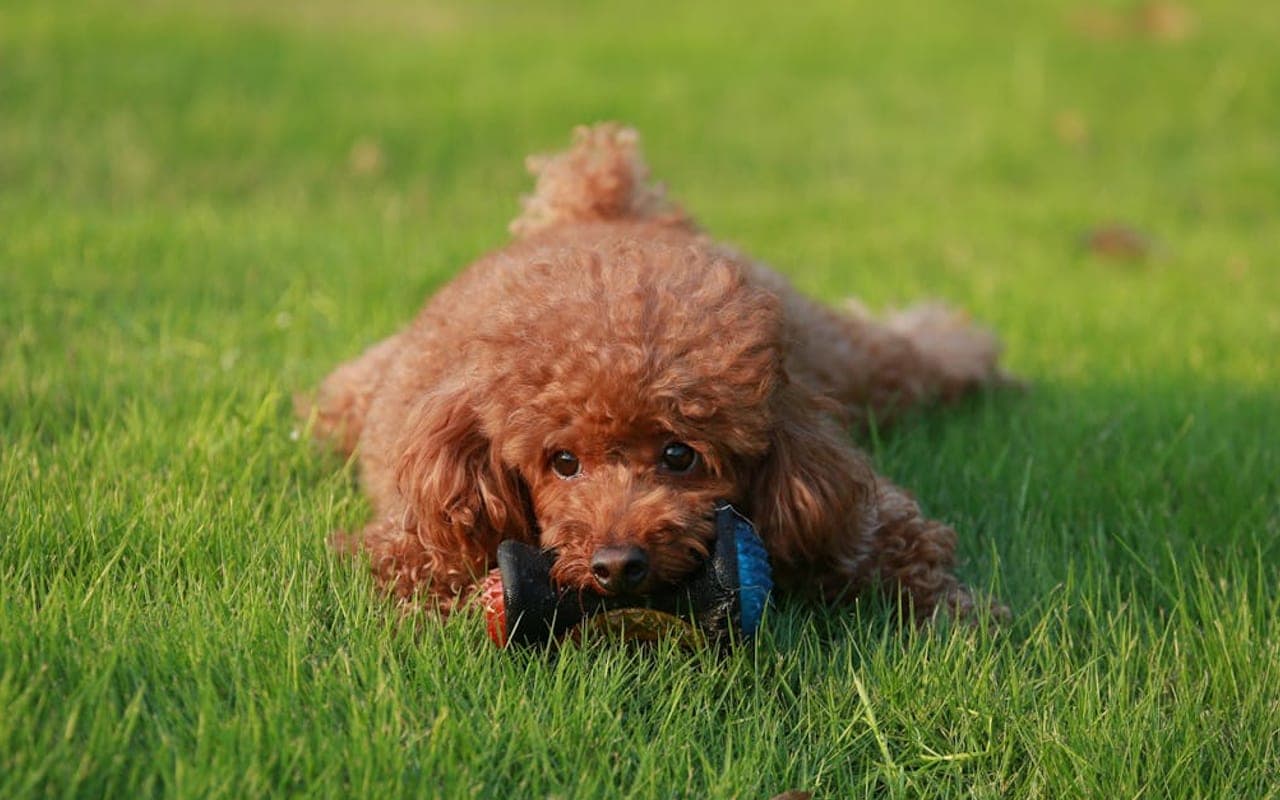
Poodle (Toy)
Also in the Toy group, with different care and temperament tradeoffs.
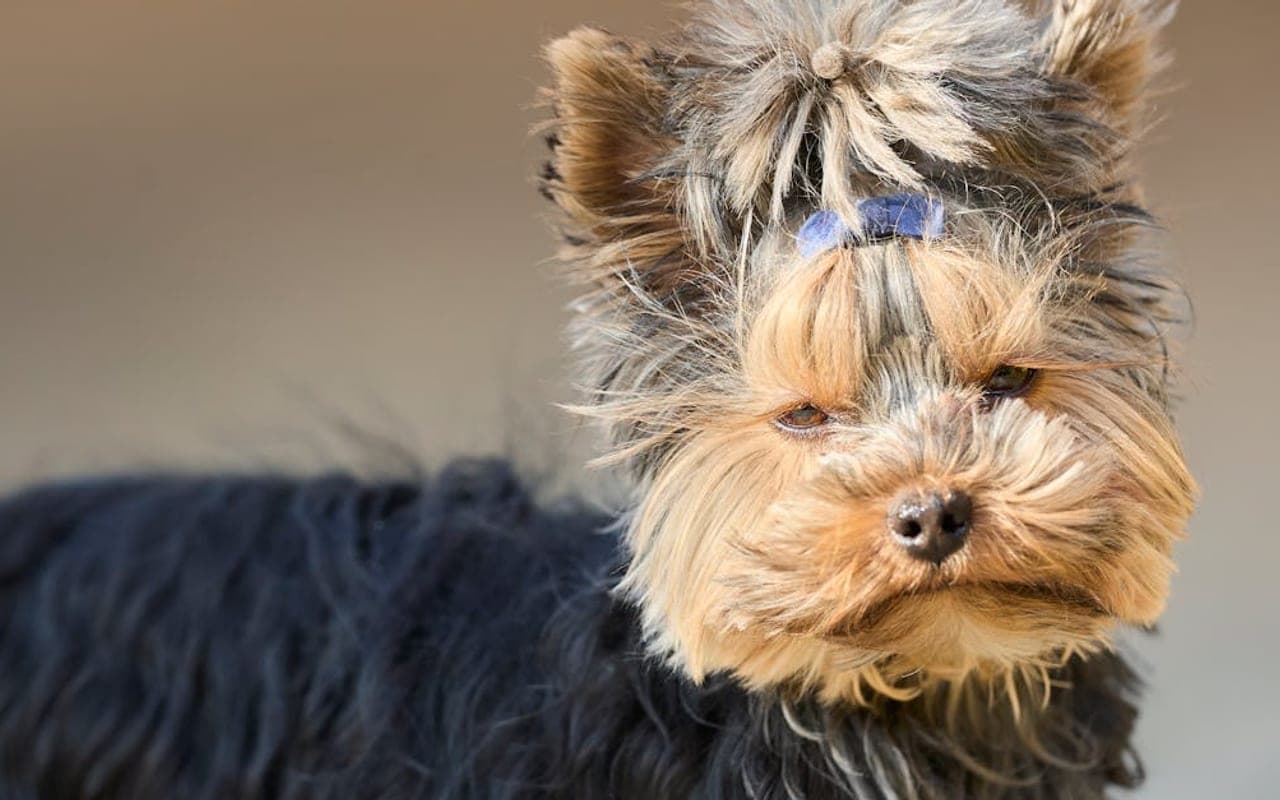
Yorkshire Terrier
Also in the Toy group, with different care and temperament tradeoffs.
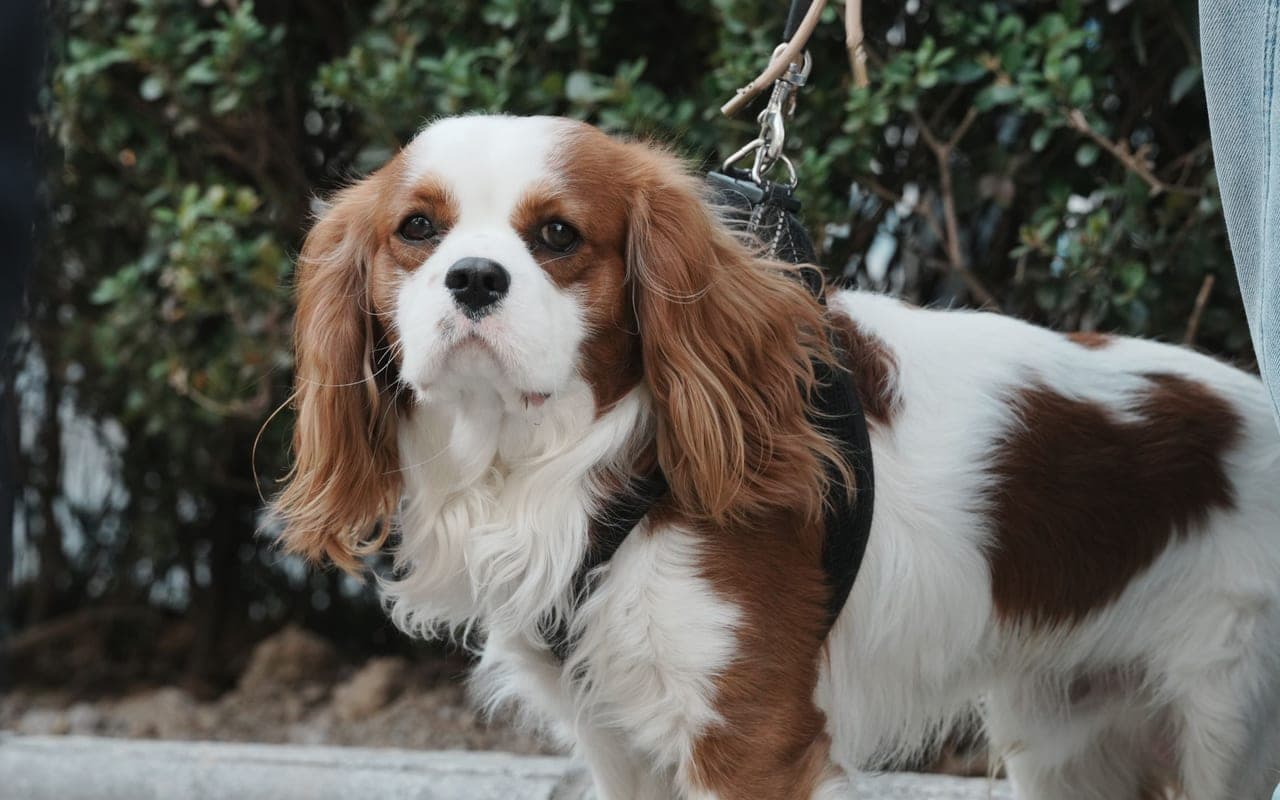
Cavalier King Charles Spaniel
Also in the Toy group, with different care and temperament tradeoffs.
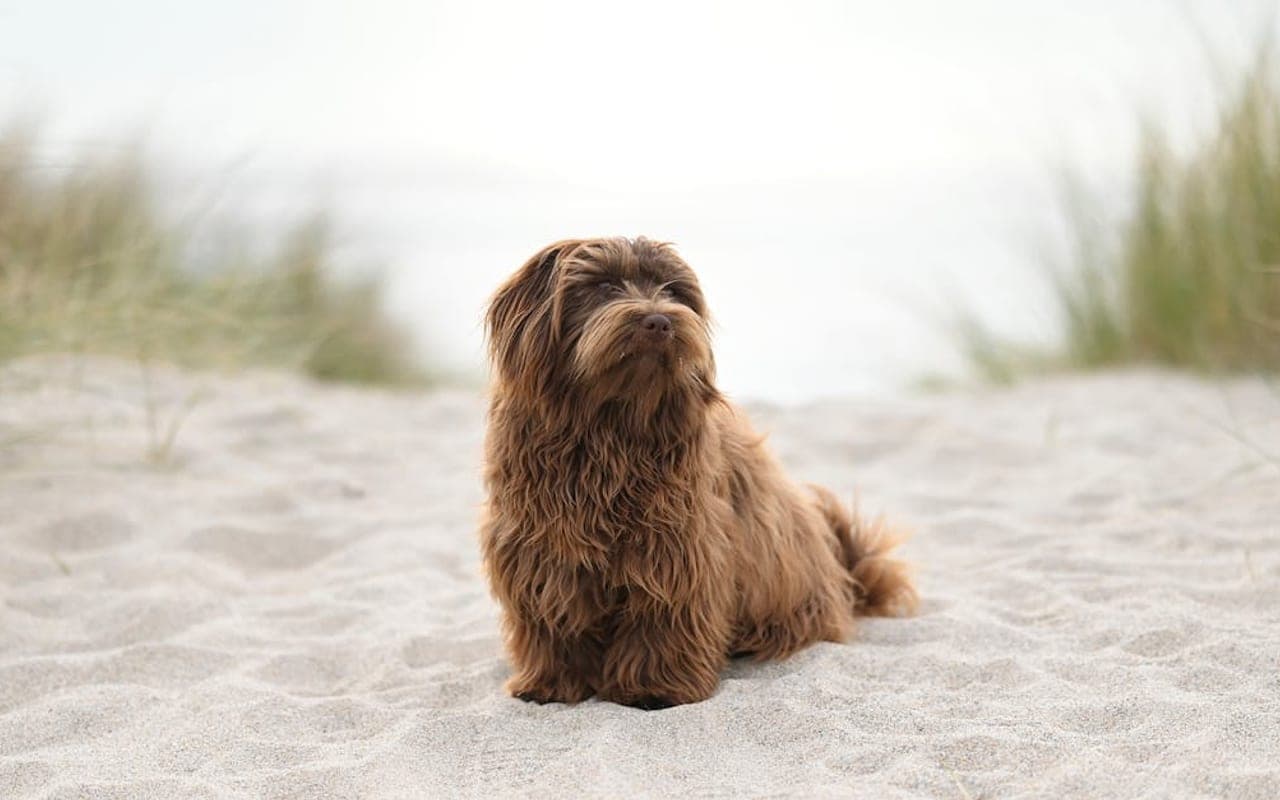
Havanese
Also in the Toy group, with different care and temperament tradeoffs.
Explore More About Affenpinscher
Dive deeper into everything Affenpinscher — costs, care, and expert insights.
Considering a cat instead?
Browse Cats