
Working group
Boxer
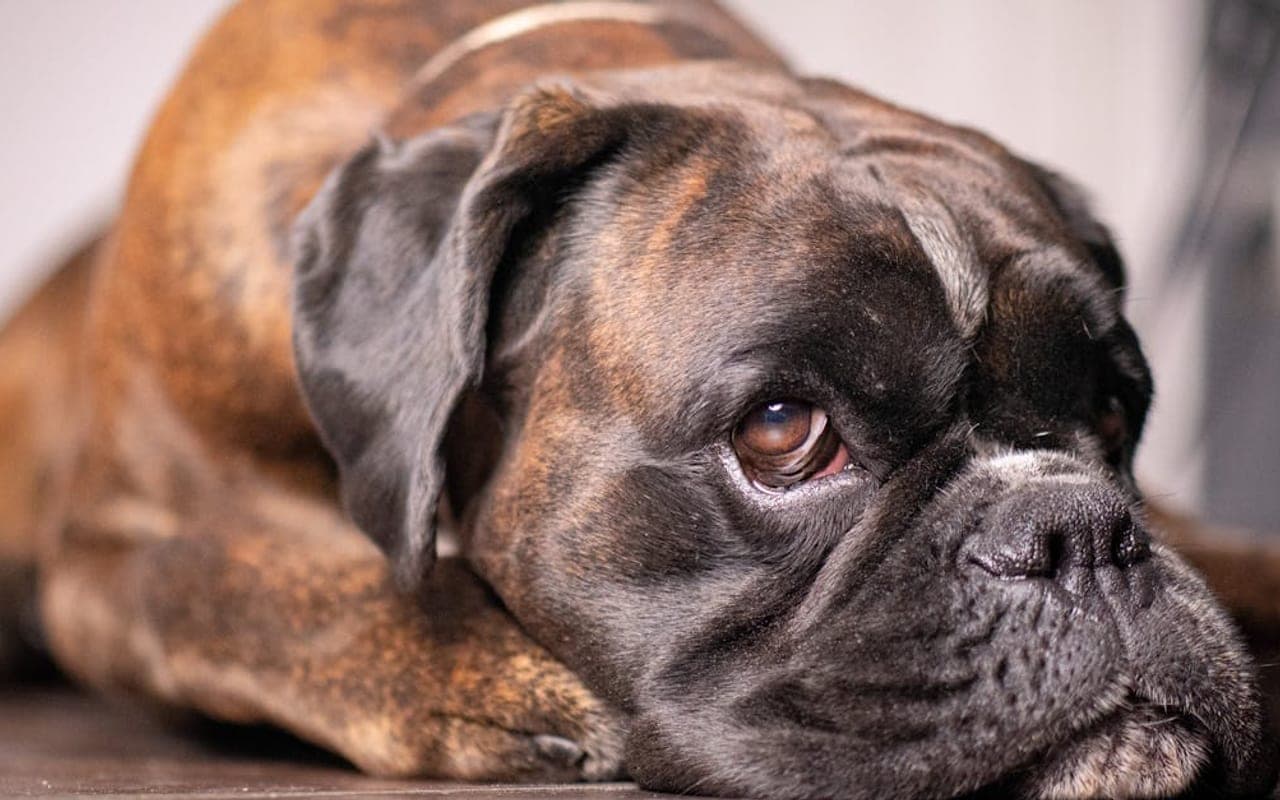
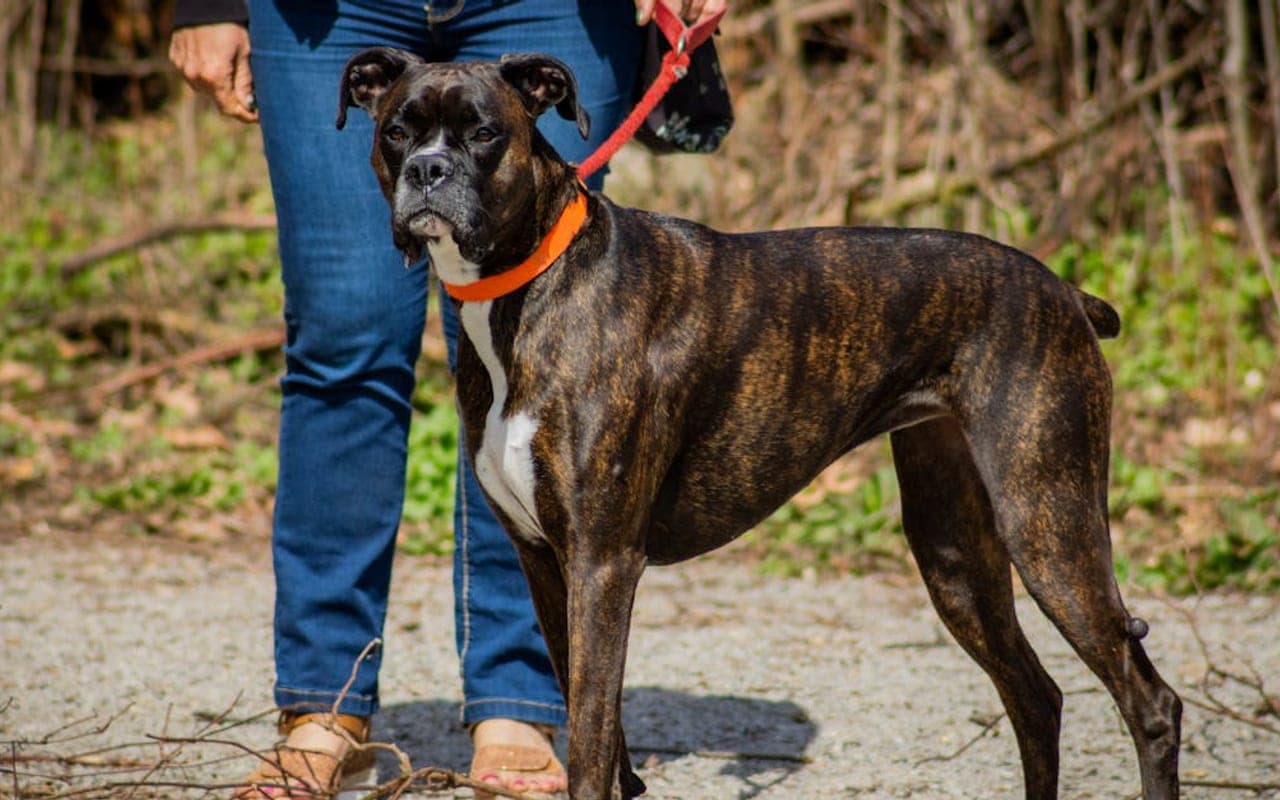
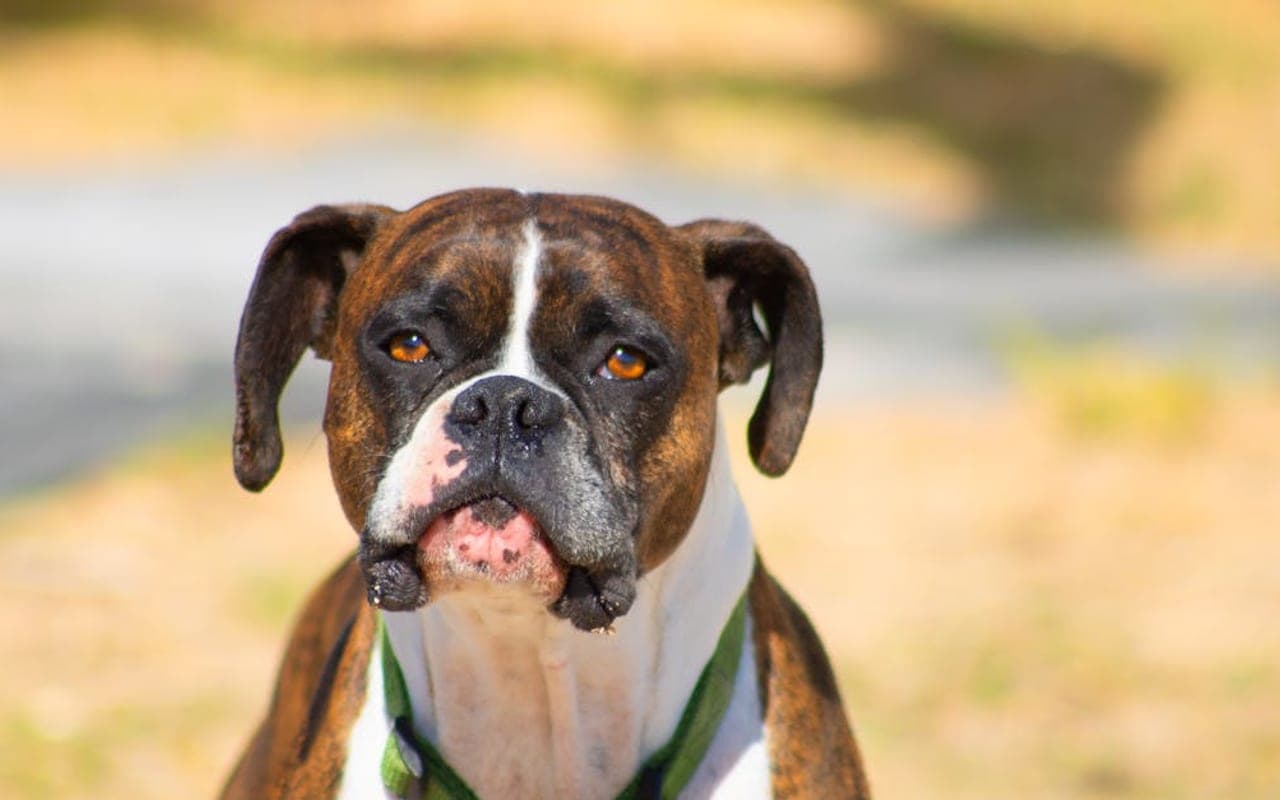
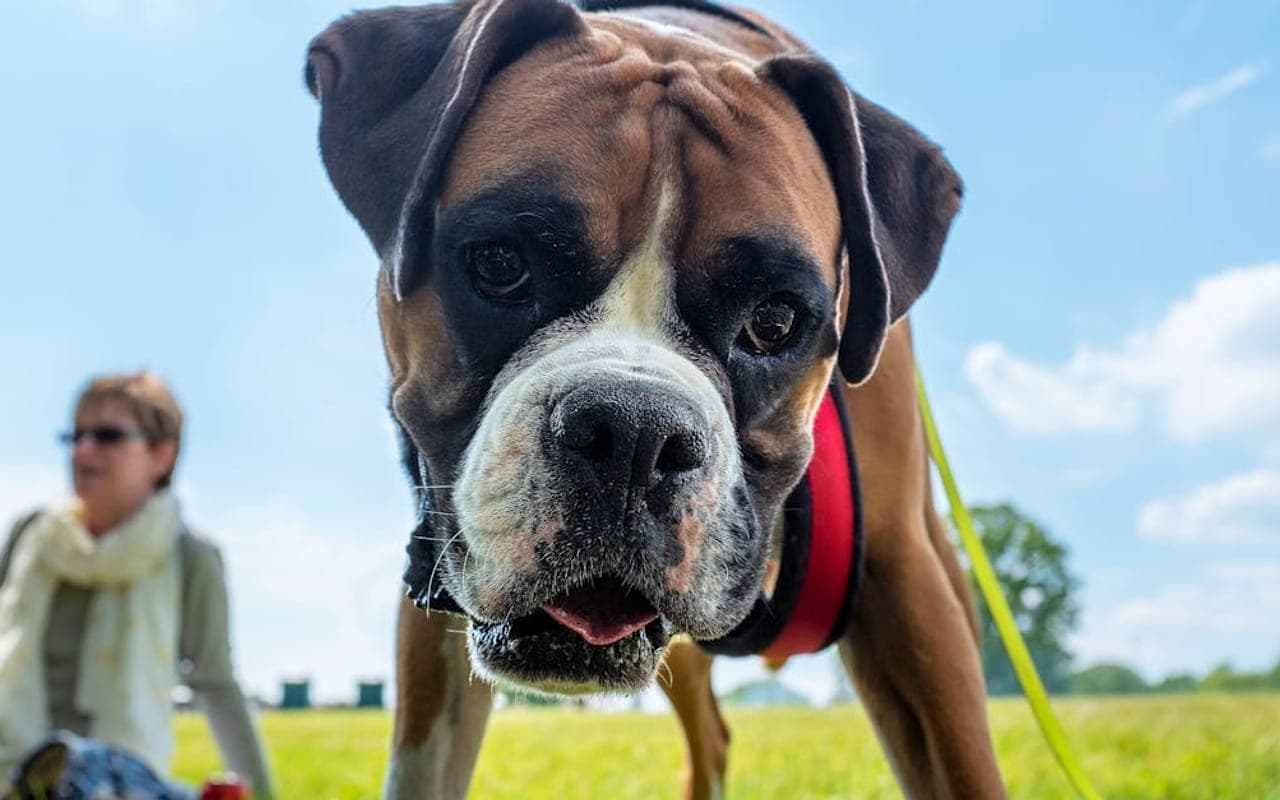
The Boxer is a medium-large working dog — typically 60-80 lb (29-36 kg) — built like an athlete and wired like a perpetual adolescent.
Size
55-71 lb
Lifespan
10-12 years
Exercise
90+ minutes
Shedding
Moderate
Experience
Match to owner routine
Decision first
Is a Boxer right for you?
Start with fit before history or trivia. These are ownership signals, not guarantees about any individual dog.
Best suited for
- Households with children.
- Active owners who enjoy daily outdoor exercise.
Think carefully if
- You cannot provide substantial daily exercise.
- You cannot keep up with grooming and preventive care.
- The dog will spend most days alone without support.
Conditional fit
Apartment living may be difficult unless the owner can meet the breed's exercise, training, and space needs.
Daily reality
Boxer commitment snapshot
Daily exercise
90+ minutes
Match activity to age, health, weather, and training goals.
Coat care
Moderate
Grooming needs vary by coat, shedding, and lifestyle.
Time alone
Needs planning
Most dogs need gradual alone-time conditioning and support.
Structured facts
Boxer at a glance
The measurements and traits that most affect day-to-day life with this breed.
Origin
Germany
Group
Working
Weight
55-71 lb
Height
21-25 in
Lifespan
10-12 years
Temperament
Fun-loving | bright | and active
View all characteristics and methodology
Lifestyle fit
- Apartment suitability
- Needs caution
- Child friendliness
- Often good, with socialisation and supervision
Owner commitment
- Exercise
- 90+ minutes
- Grooming
- Moderate
- Shedding
- Moderate
- Training
- High
Environment and health
- Health risk
- Needs planning
Ratings combine structured breed data, visible breed fields, and editorial context. They are planning aids, not predictions for an individual dog.
Daily life
Boxer temperament and behavior
The Boxer is a medium-large working dog — typically 60-80 lb (29-36 kg) — built like an athlete and wired like a perpetual adolescent. The defining thing to understand is that the Boxer combines a powerful, high-energy body with one of the most exuberant, slow-to-mature temperaments in the working group: this is a dog that often stays mentally puppyish until 2-3 years old. For the right active family that is a delight; for someone wanting a calm dog quickly, it is a 2-3 year mismatch. An honest profile leads with that, because under-exercised, under-trained Boxers are the breed's most common welfare and behaviour problem. Temperament is the breed's strongest asset. Boxers are famously devoted to their families, patient and playful with children (they were historically called a 'nanny' type for good reason), goofy and clownish, intelligent, and naturally watchful — they make excellent alert watchdogs without typically being aggressive. They bond intensely and do poorly as outdoor-only or frequently-alone dogs; separation-related behaviour is common. They are mildly brachycephalic, so they snore, snort, and overheat more easily than a long-nosed breed, though far less severely than a Bulldog or Pug. The trade-offs are serious and mostly medical. The Boxer has one of the highest cancer rates of any breed, and a breed-specific heart disease (Boxer cardiomyopathy / ARVC) that can cause sudden death even in young, apparently healthy dogs. The average lifespan is only about 10-12 years, and cancer is the leading cause of death. Who the Boxer is right for: an active owner or family who will provide 1-2 hours of daily exercise and consistent training through the long adolescence, and who accepts a cancer- and heart-prone breed. Who it is wrong for: a sedentary household, a hot climate without climate control, or anyone unprepared for the medical realities. Decide on the exercise and medical commitment first.
Fun-loving | bright | and active
Fun-loving
A common Boxer temperament descriptor that should be interpreted alongside training, exercise, and household fit.
bright
A common Boxer temperament descriptor that should be interpreted alongside training, exercise, and household fit.
and active
A common Boxer temperament descriptor that should be interpreted alongside training, exercise, and household fit.
Owner note
Temperament labels are starting points, not guarantees. Meet the individual dog and ask about behavior history whenever possible.
Care essentials
How to care for a Boxer
What looking after one actually involves: exercise, grooming, food, training, and routine health.
ExerciseAs needed
- Boxers are energetic dogs that require plenty of exercise. Daily walks and play sessions are essential. They enjoy running and make excellent jogging companions. Mental stimulation is also important for this intelligent breed.
GroomingAs needed
- The Boxer's short coat is easy to maintain. Weekly brushing will help manage shedding, which is moderate year-round. Boxers are generally clean dogs that don't require frequent baths unless they get particularly dirty.
NutritionAs needed
- Boxers benefit from high-quality dog food formulated for active, medium to large breeds. Portion control is important as they can be prone to obesity. Consider a diet that supports joint health, as Boxers can develop hip and elbow issues.
Health MonitoringAs needed
- Regular veterinary check-ups are important for Boxers as they can be prone to certain health issues including cardiomyopathy, hip dysplasia, and certain cancers. They may also be sensitive to extreme temperatures due to their short muzzles.
Health planning
Boxer health risks and screening
Every breed has individual health variation. Use this profile for planning and discuss medical decisions with a veterinarian.
Ownership cost
How much does a Boxer cost?
Cost figures are structured so first-year and lifetime estimates do not conflict with the underlying line items.
| Acquisition | $800-$2,500 |
|---|---|
| Routine monthly | About $130/month |
| Routine annual | About $1,560/year |
| First-year estimate | $2,360-$4,060 |
| Lifetime routine estimate | $15,600-$18,720 routine costs |
Currency: USD. Region: United States. Typical ranges for this breed. Equipment, insurance, emergency veterinary care, boarding and training are NOT included: we hold no sourced figures for them, and estimating them would be a guess presented as data.
Responsible ownership
Finding a Boxer responsibly
What to ask a breeder or rescue is the same conversation for every breed, so we keep it in one place and keep it current.
Health documentation, meeting the parents or foster, contracts and return support, and the warning signs worth walking away from.
Original purpose
Boxer history
History is useful when it explains today's behavior, coat, exercise needs, and training style.
Read the breed history
The Boxer was developed in Germany in the late 19th century from the now-extinct Bullenbeisser, a powerful Mastiff-type hunting dog used to seize and hold large game such as boar and bison, crossed with a Bulldog-type import from England. The Bullenbeisser's job — gripping and holding quarry until the hunter arrived — shaped the breed's wide, strong jaw and muscular front, while later refinement produced the cleaner, more athletic modern dog. The Boxer was among the earliest breeds selected for police and military work in Germany and served extensively as a messenger, guard, and patrol dog in both World Wars, which spread it internationally and cemented its reputation as a trainable working and family companion. Its name's exact origin is debated, commonly attributed to the breed's habit of using its front paws in a sparring, 'boxing' motion during play. This history explains the modern dog directly: the strength, the prey drive, the trainability, and the high energy are all the inherited product of a hunting-and-working background, not behavioural quirks.
Gallery
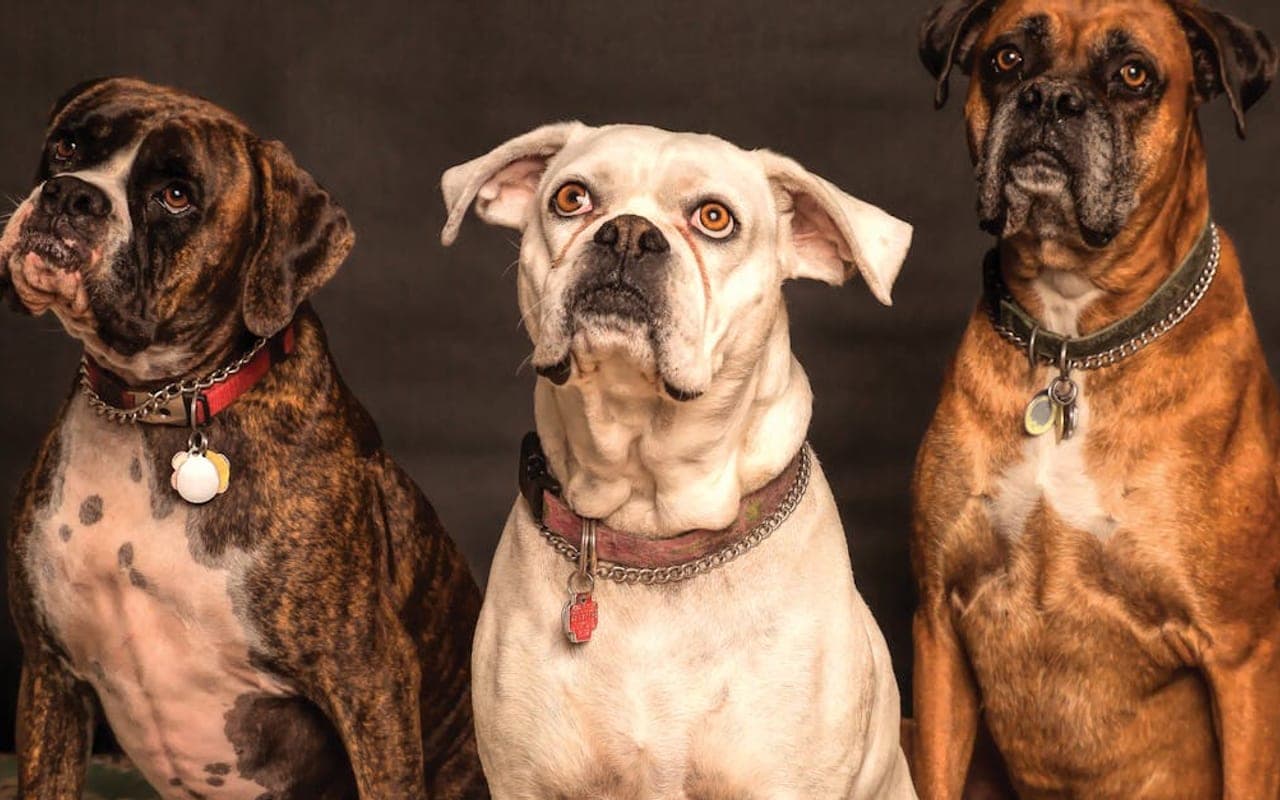
Boxer photos
Images are cropped consistently and loaded progressively to keep the page responsive.
Lower-page context
Boxers in culture
Where the breed shows up in film, sport, work and folklore — the enjoyable part, once the practical questions are answered.
Fun facts
- Boxers were among the first dogs to be employed as police dogs in Germany.
- They get their name from their tendency to stand on hind legs and 'box' with their front paws when playing.
- Boxers were originally bred to hunt large game such as wild boar, bear, and deer.
- The white markings on Boxers are called 'flash' and traditionally helped hunters spot them in low light.
- Despite their sometimes intimidating appearance, Boxers are known for being patient and loving with children.
Boxer FAQs
How long do Boxers live?
Boxers average about 10-12 years, modest for a medium-large dog, and cancer is the single biggest reason lives are cut short — the breed has one of the highest cancer rates of any breed. Heart disease, including the breed-specific cardiomyopathy, is the other major factor. Keeping the dog lean, doing monthly lump checks, screening from cardiac-tested lines, and acting fast on fainting or new masses are the practical levers that influence where in that range a dog lands.
Are Boxers good family dogs?
Yes — this is the breed's biggest strength. Boxers are intensely devoted, patient and playful with children, naturally protective without typically being aggressive, and goofy companions. The honest caveat is energy and maturity: a Boxer needs 1-2 hours of vigorous daily exercise and stays boisterously puppyish for 2-3 years, so it suits an active family that can supervise rambunctious play around small children rather than a quiet, low-activity household.
How much exercise does a Boxer need?
Plan on 60-120 minutes of vigorous daily activity — running, fetch, training games, or dog sports — not just leash walks. This is a high-energy working breed, and under-exercised Boxers become destructive, anxious, and hard to live with. The exercise must be heat-managed because the shortened muzzle limits cooling: work the dog in the cool part of the day and avoid hard exertion in heat or humidity. The exercise requirement is a firm commitment, not a flexible one.
Why does my Boxer snore and overheat?
Boxers are moderately brachycephalic — the shortened muzzle means a somewhat restricted airway, so snoring, snorting, and reduced heat tolerance are normal for the breed. It is far milder than in extreme flat-faced breeds, but it still means you must avoid hard exercise in heat, never leave the dog in a hot car or yard, and watch for panting that does not settle. Loud daytime breathing or exercise intolerance beyond mild snoring warrants a veterinary airway assessment.
What health screening should a Boxer's breeder have done?
Because the breed's most dangerous risks are inheritable, ask for cardiac screening of the parents (including for the breed-specific cardiomyopathy/ARVC and aortic stenosis), hip evaluation, and DNA testing for degenerative myelopathy. A Boxer can look perfectly healthy and still carry a fatal heart rhythm disease, so parent screening is not a formality — it is the most meaningful single thing separating a lower-risk puppy from a higher-risk one, and worth prioritizing in your decision.
Are Boxers easy to train?
Boxers are intelligent and eager to please but also high-energy and slow to mature, so training is best described as rewarding-but-demanding rather than easy. They respond well to upbeat, consistent, reward-based sessions and poorly to harsh corrections, which make them stubborn or shut down. The key is starting early and staying consistent through the long 2-3 year adolescence; owners who train in short daily sessions get a responsive dog, while those who expect quick calm obedience are usually underestimating the breed's exuberance.
Sources
These are the published sources this page draws on. Each opens in a new tab so you can check it yourself.
American Kennel Club
Boxer — breed standard and profile(opens in a new tab)Supports: Breed standard and recognition details.
Similar breeds to consider
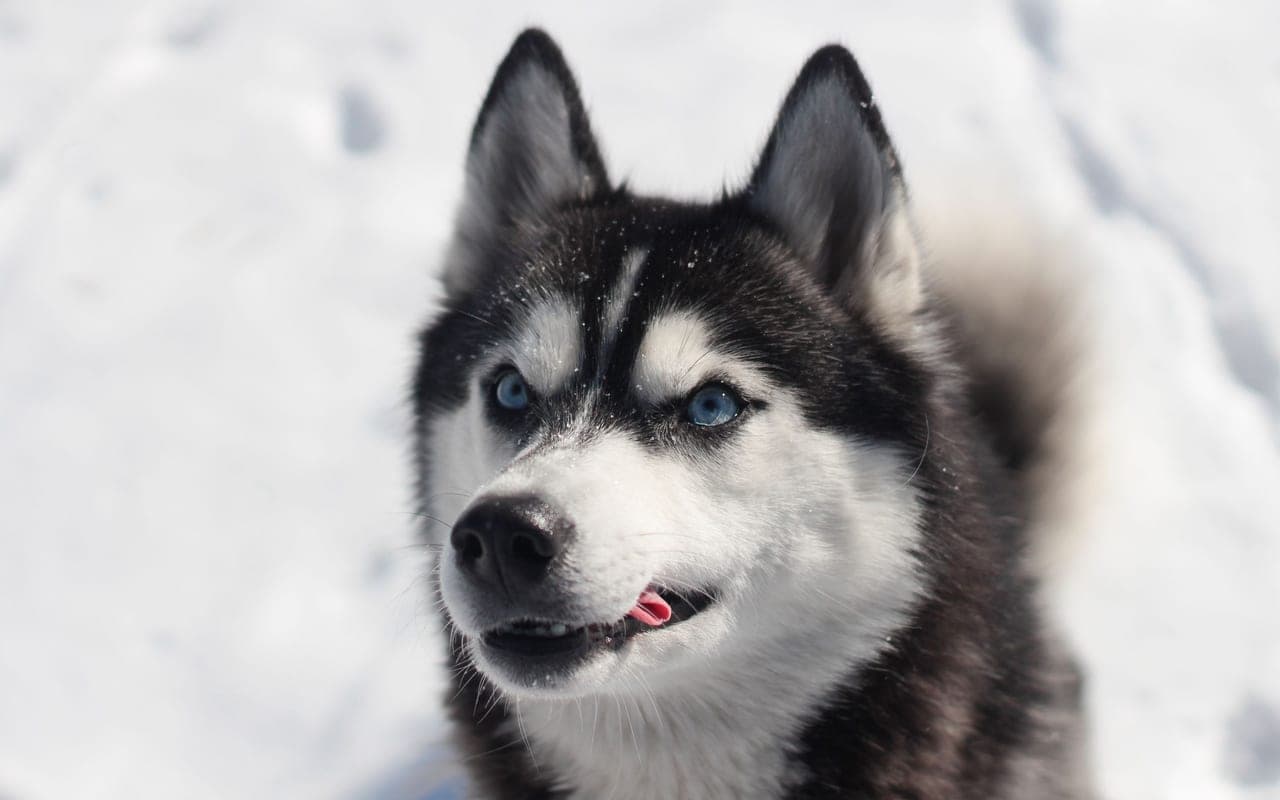
Siberian Husky
Also in the Working group, with different care and temperament tradeoffs.
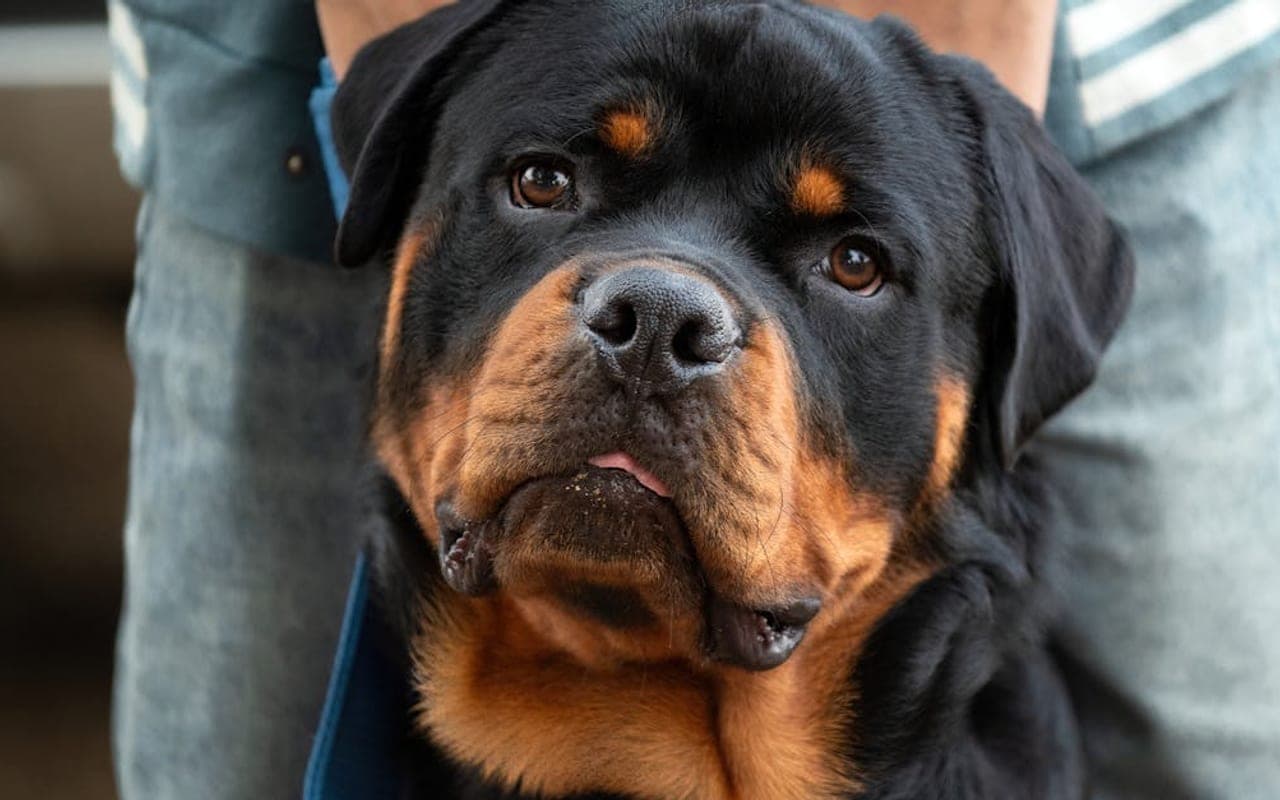
Rottweiler
Also in the Working group, with different care and temperament tradeoffs.
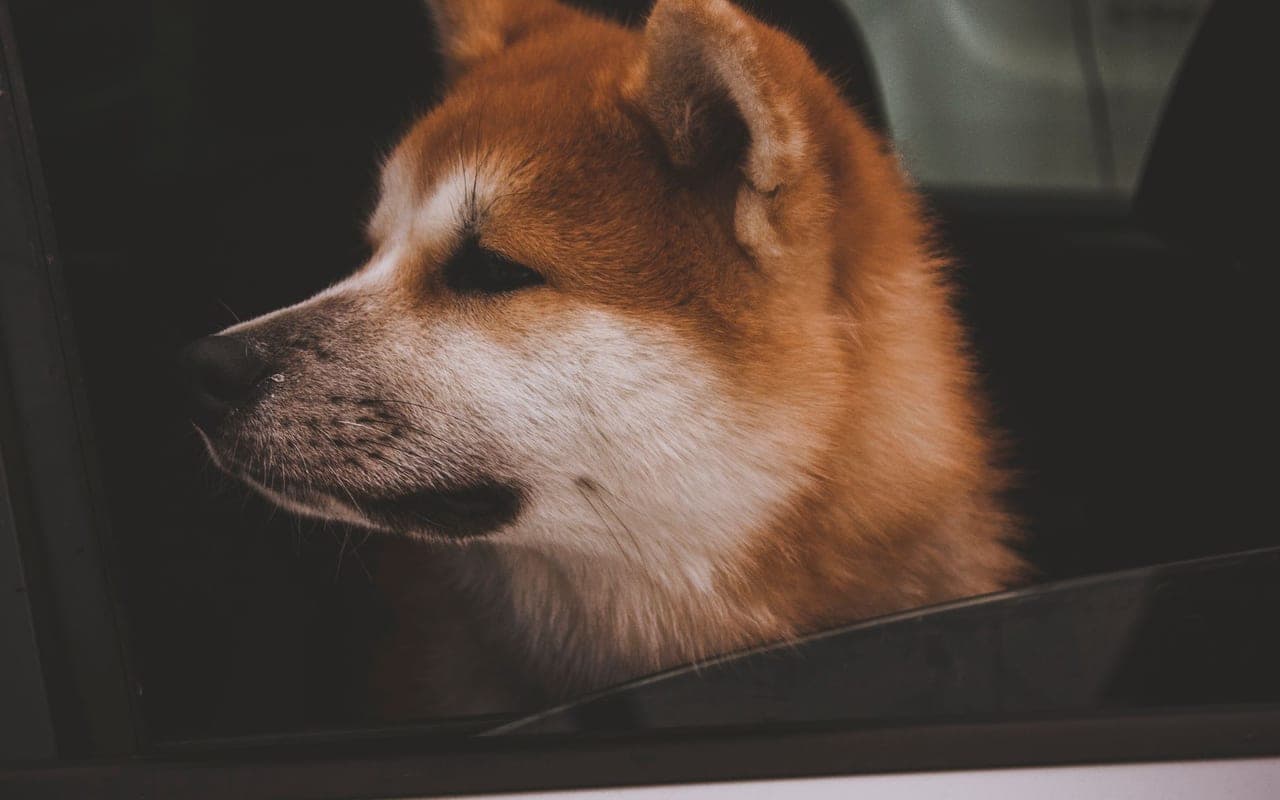
Akita
Also in the Working group, with different care and temperament tradeoffs.
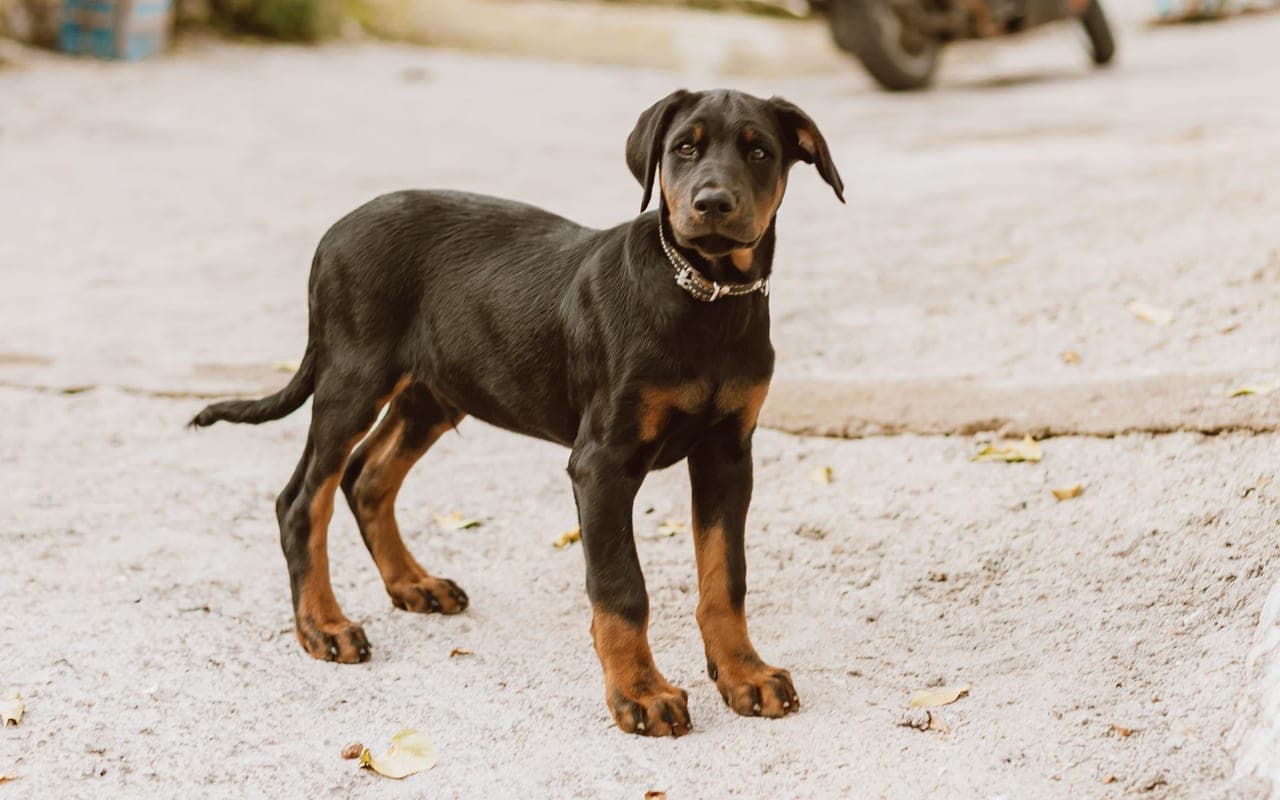
Doberman Pinscher
Also in the Working group, with different care and temperament tradeoffs.
Explore More About Boxer
Dive deeper into everything Boxer — costs, care, and expert insights.
How Much Does a Boxer Cost?
Purchase price, monthly costs, and lifetime expenses
Complete Boxer Care Guide
The Boxer who greets you at the door doesn't walk — they bounce. A full-body,...
Can Dogs Eat Eggs? How Much, How to Cook Them, and When to Call a Vet
Yes — cooked. What heat actually changes, what one large egg really costs in calories (72, not...
Considering a cat instead?
Browse Cats