
Non-Sporting group
American Eskimo Dog
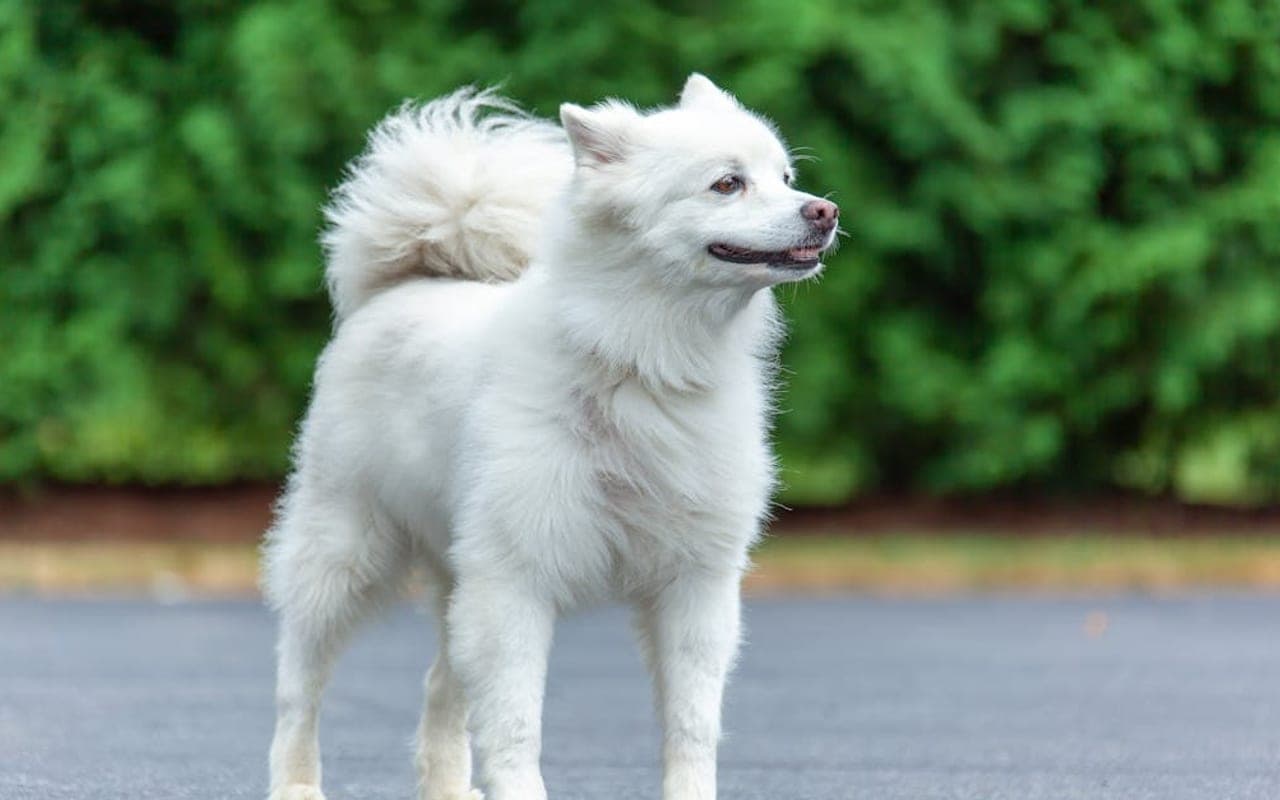
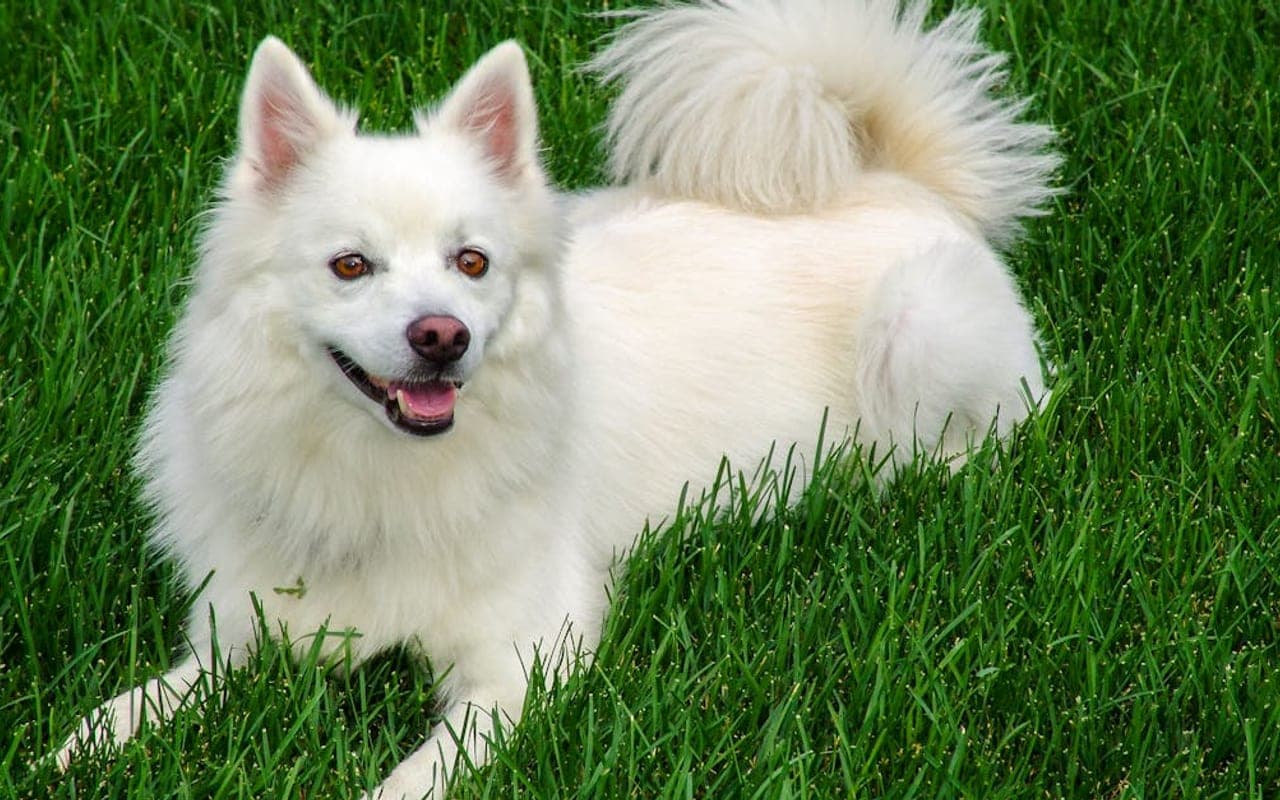
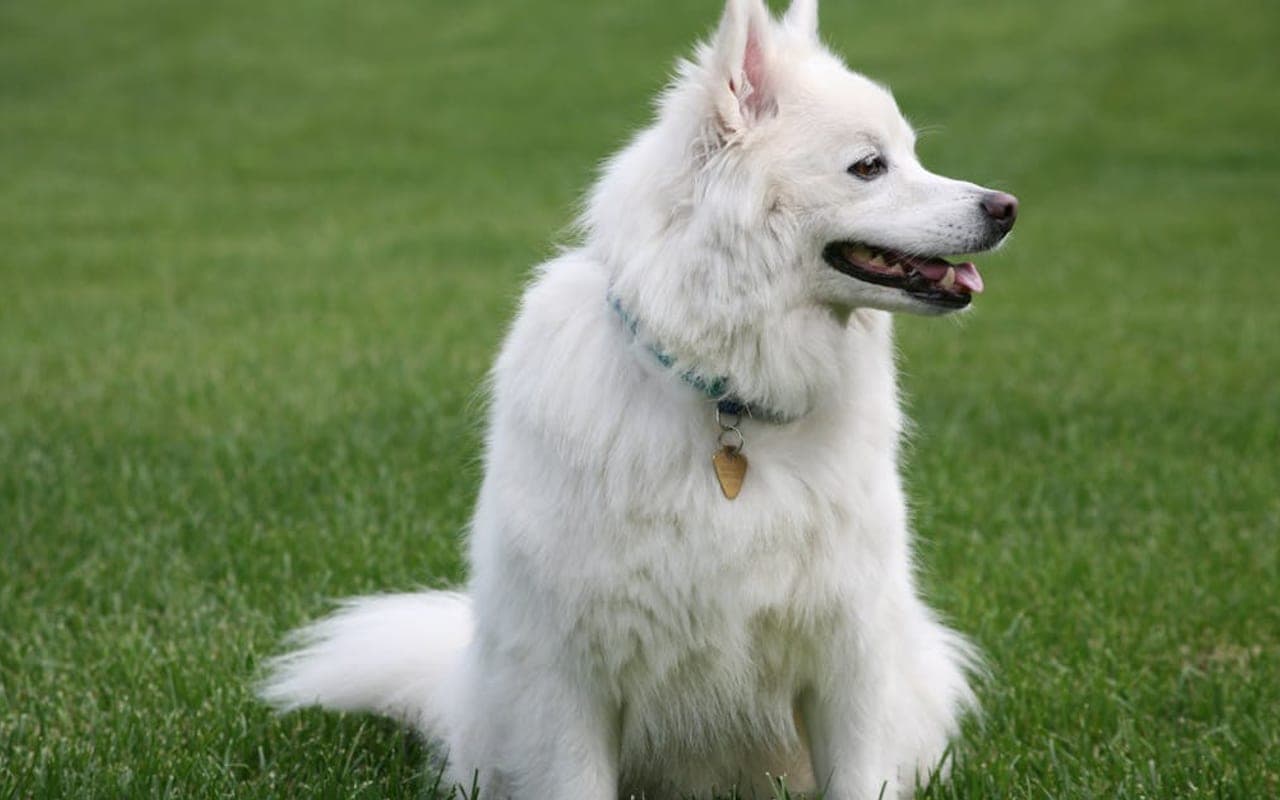
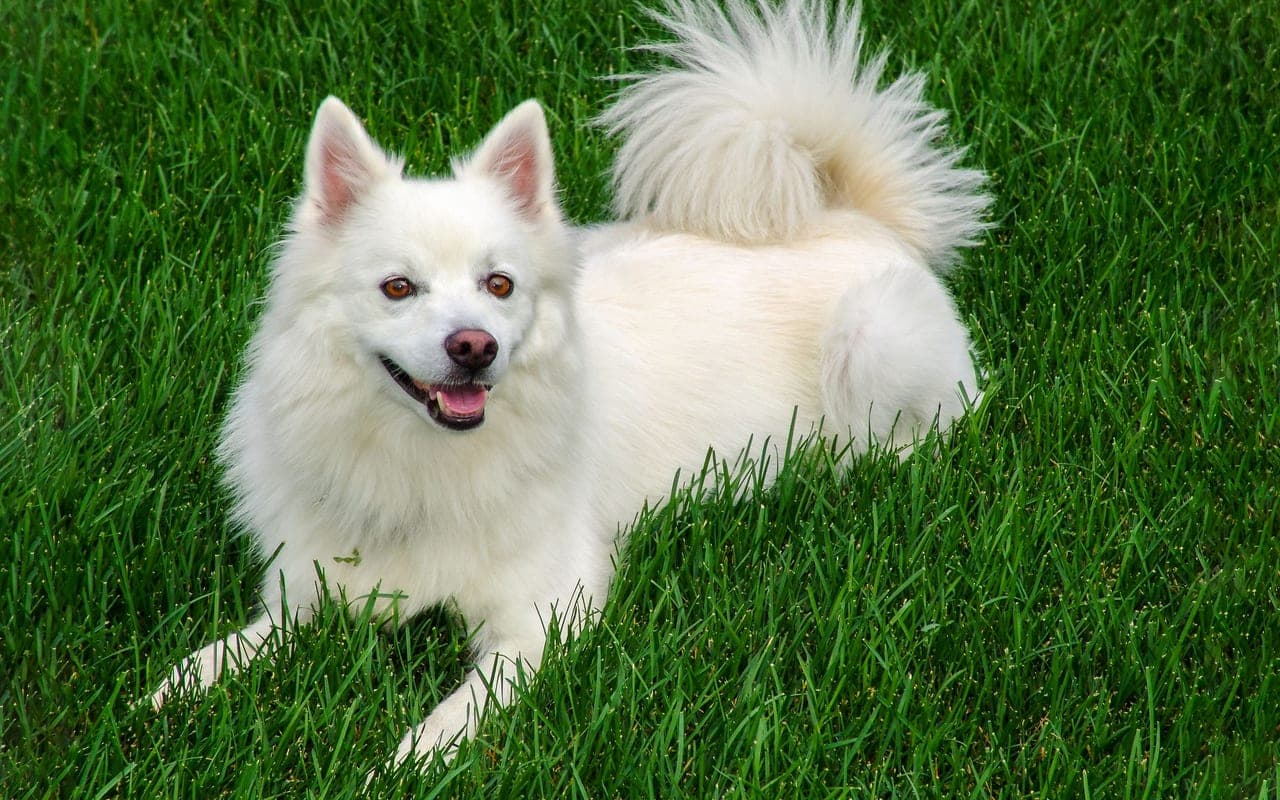
The American Eskimo Dog is a white spitz — despite the name it is not an Arctic sled breed and has no Inuit connection; it descends from German Spitz dogs and earned fame as a circus performer in early-20th-century America.
Size
6-35 lb
Lifespan
13-15 years
Exercise
30-60 minutes
Shedding
Moderate
Experience
Match to owner routine
Decision first
Is a American Eskimo Dog right for you?
Start with fit before history or trivia. These are ownership signals, not guarantees about any individual dog.
Best suited for
- Apartment homes with a consistent routine.
- Owners seeking a manageable daily exercise routine.
Think carefully if
- You need a dog with almost no daily routine.
- You cannot keep up with grooming and preventive care.
- The dog will spend most days alone without support.
Conditional fit
Apartment fit depends on exercise, enrichment, noise management, and outdoor access.
Daily reality
American Eskimo Dog commitment snapshot
Daily exercise
30-60 minutes
Match activity to age, health, weather, and training goals.
Coat care
Moderate
Grooming needs vary by coat, shedding, and lifestyle.
Time alone
Needs planning
Most dogs need gradual alone-time conditioning and support.
Structured facts
American Eskimo Dog at a glance
The measurements and traits that most affect day-to-day life with this breed.
Group
Non-Sporting
Weight
6-35 lb
Height
9-19 in
Lifespan
13-15 years
Temperament
Playful | Perky | Smart
View all characteristics and methodology
Lifestyle fit
- Apartment suitability
- Likely fit
Owner commitment
- Exercise
- 30-60 minutes
- Grooming
- Moderate
- Shedding
- Moderate
- Training
- Low
Environment and health
- Health risk
- Needs planning
Ratings combine structured breed data, visible breed fields, and editorial context. They are planning aids, not predictions for an individual dog.
Daily life
American Eskimo Dog temperament and behavior
The American Eskimo Dog is a white spitz — despite the name it is not an Arctic sled breed and has no Inuit connection; it descends from German Spitz dogs and earned fame as a circus performer in early-20th-century America. That history explains the dog you get: a strikingly pretty, brilliantly trainable, vocal, people-obsessed spitz that needs a job and an audience. The breed comes in three sizes — toy (about 6-10 lb), miniature (about 10-20 lb), and standard (about 25-35 lb), standing roughly 9-19 inches, so confirm which size you are actually getting. The Eskie is right for you if you want a highly intelligent, eager-to-please dog that thrives on training, tricks, and being woven into family life, and you can commit to real coat maintenance and the daily mental work this breed demands. Well-engaged Eskies are agile, kid-friendly, alert, and devoted. They are among the most trainable companion breeds — the circus background is literal. The Eskie is wrong for you if you want a low-interaction, quiet, wash-and-wear dog. This is a social animal that develops barking, destructiveness, and anxiety when left understimulated or isolated — low friendliness or trainability in an Eskie usually reflects neglect or under-socialization, not the breed's potential. The pristine white double coat sheds heavily and needs structured grooming, the breed is reserved with strangers and a committed alarm-barker, and these are companion-need-first dogs that punish a hands-off owner with the exact problem behaviors people complain about. Choose the Eskie for engagement, not for convenience.
Playful | Perky | Smart
Playful
A common American Eskimo Dog temperament descriptor that should be interpreted alongside training, exercise, and household fit.
Perky
A common American Eskimo Dog temperament descriptor that should be interpreted alongside training, exercise, and household fit.
Smart
A common American Eskimo Dog temperament descriptor that should be interpreted alongside training, exercise, and household fit.
Owner note
Temperament labels are starting points, not guarantees. Meet the individual dog and ask about behavior history whenever possible.
Care essentials
How to care for a American Eskimo Dog
What looking after one actually involves: exercise, grooming, food, training, and routine health.
ExerciseAs needed
- Moderately active breed needing 30-60 minutes of daily exercise through walks, play, and mental stimulation.
GroomingAs needed
- Regular grooming needed — brush 2-3 times per week and bathe monthly.
TrainingAs needed
- Independent-minded breed that may require extra patience in training. Short, engaging sessions recommended.
NutritionAs needed
- Feed a high-quality dog food appropriate for their age, size, and activity level. Monitor portions to prevent obesity.
Veterinary CareAs needed
- Annual wellness exams, core vaccinations, dental care, and parasite prevention. Breed-specific health screenings as recommended by your vet.
Health planning
American Eskimo Dog health risks and screening
Every breed has individual health variation. Use this profile for planning and discuss medical decisions with a veterinarian.
Responsible ownership
Finding a American Eskimo Dog responsibly
What to ask a breeder or rescue is the same conversation for every breed, so we keep it in one place and keep it current.
Health documentation, meeting the parents or foster, contracts and return support, and the warning signs worth walking away from.
Original purpose
American Eskimo Dog history
History is useful when it explains today's behavior, coat, exercise needs, and training style.
Read the breed history
The American Eskimo Dog descends from white German Spitz dogs brought to the United States by German immigrants in the 19th century. It was originally known as the German Spitz, but anti-German sentiment during World War I led to the name being changed to the more neutral 'American Eskimo Dog' — a label with no Arctic or Inuit basis whatsoever. In the late 19th and early 20th centuries the breed became a celebrated American circus and traveling-show dog, performing tricks, walking tightropes, and being sold to audiences along the show route, which spread it widely and cemented its reputation as one of the most trainable and showy companion breeds. It was developed and kept primarily as a watchdog and companion rather than a working stock or sled dog. The American Kennel Club recognized the breed in the Non-Sporting Group in 1995. The modern Eskie's intelligence, drive to perform, sociability, and alarm-barking are direct inheritances from that spitz-watchdog and performance history.
Gallery
American Eskimo Dog photos
Images are cropped consistently and loaded progressively to keep the page responsive.
Lower-page context
American Eskimo Dogs in culture
Where the breed shows up in film, sport, work and folklore — the enjoyable part, once the practical questions are answered.
Fun facts
- The American Eskimo Dog belongs to the Non-Sporting Group.
- With proper care, American Eskimo Dog dogs can live up to 15 years or more.
- American Eskimo Dog dogs are valued for their playful, perky, smart nature.
American Eskimo Dog FAQs
How long do American Eskimo Dogs live?
An American Eskimo Dog typically lives 13-15 years, and many reach the upper end because it is a structurally sound breed without the size-related lifespan penalty of giant dogs. What tends to compromise those years is specific rather than general: progressive retinal atrophy taking vision in middle age, unmanaged diabetes, or orthopedic problems (patellar luxation, Legg-Calvé-Perthes, hip dysplasia) eroding mobility. Lean body weight, screened parents, and early attention to vision and joint changes are what actually protect the lifespan.
Do American Eskimo Dogs bark a lot?
Yes — the Eskie is a committed alarm-barker, a direct inheritance from its watchdog history. It will announce visitors, noises, and anything novel, and an under-stimulated or isolated Eskie barks substantially more because the breed is intensely social and uses barking to protest boredom and separation. You can manage it with early 'enough' training, adequate daily mental work, and not leaving the dog alone for long stretches, but a household needing a quiet, low-alert dog should weigh this carefully — especially in an apartment.
Are American Eskimo Dogs easy to train?
Exceptionally — this is one of the most trainable companion breeds, with a literal circus-performer pedigree. Eskies learn tricks and obedience fast, enjoy the work, and excel at dog sports. The flip side is that this intelligence is a need, not just a talent: an Eskie that is not given training and mental challenge will apply that brainpower to barking, escaping, or destruction. Use short, positive, reward-based sessions daily; harsh handling backfires on this sensitive breed. Trainability here is an obligation as much as a benefit.
How much grooming does an American Eskimo Dog need?
A lot, and consistently. The dense white double coat needs thorough brushing 2-3 times a week (15-20 minutes, brushed down to the skin to prevent hidden mats), rising to daily during the heavy twice-yearly coat blow. They shed year-round. Critically, never shave the double coat to 'reduce shedding' — it damages the coat's regrowth and removes the dog's temperature regulation. Bathe only when genuinely needed and dry fully. Anyone unwilling to commit to this should not choose a white double-coated spitz.
Are American Eskimo Dogs good with children?
Yes — a well-socialized Eskie is typically playful, patient, and genuinely good with children, which is part of why it became a family favorite. The realistic caveats: it is reserved with strangers so visiting children should be introduced calmly, the smaller toy and miniature sizes can be injured by rough handling or a fall, and the breed's need for engagement means a bored Eskie in a chaotic household can become nippy or anxious. Supervise young kids, teach gentle handling, and give the dog its own quiet retreat.
What is the difference between the toy, miniature, and standard American Eskimo Dog?
They are size divisions of one breed, not separate breeds: the toy is roughly 6-10 lb and 9-12 inches, the miniature about 10-20 lb and 12-15 inches, and the standard about 25-35 lb and 15-19 inches. Temperament, coat, and care needs are the same across sizes — the practical differences are that the smaller sizes are more prone to patellar luxation and easier to injure by rough handling, while the standard carries more relevance for hip dysplasia. Confirm with the breeder exactly which size a puppy will mature into.
Sources
These are the published sources this page draws on. Each opens in a new tab so you can check it yourself.
American Kennel Club
American Eskimo Dog — breed standard and profile(opens in a new tab)Supports: Breed standard and recognition details.
Similar breeds to consider
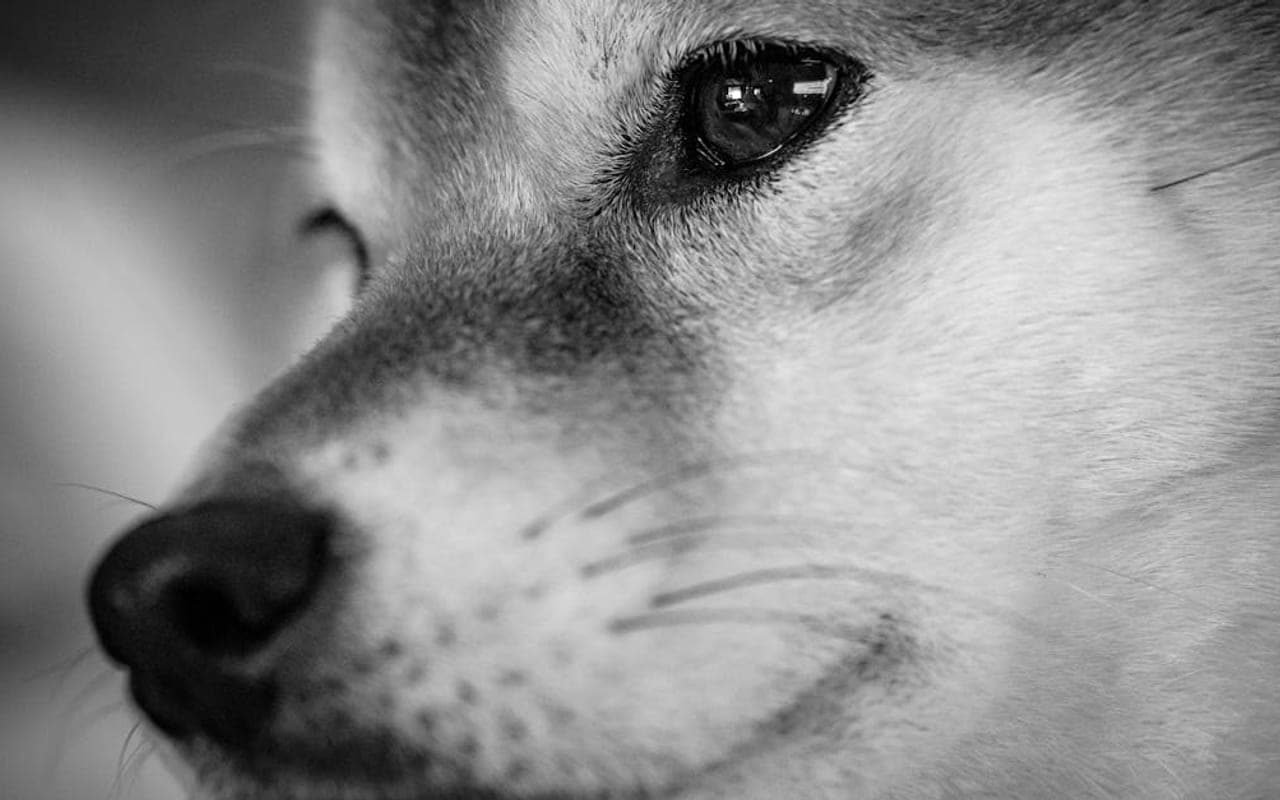
Shiba Inu
Also in the Non-Sporting group, with different care and temperament tradeoffs.
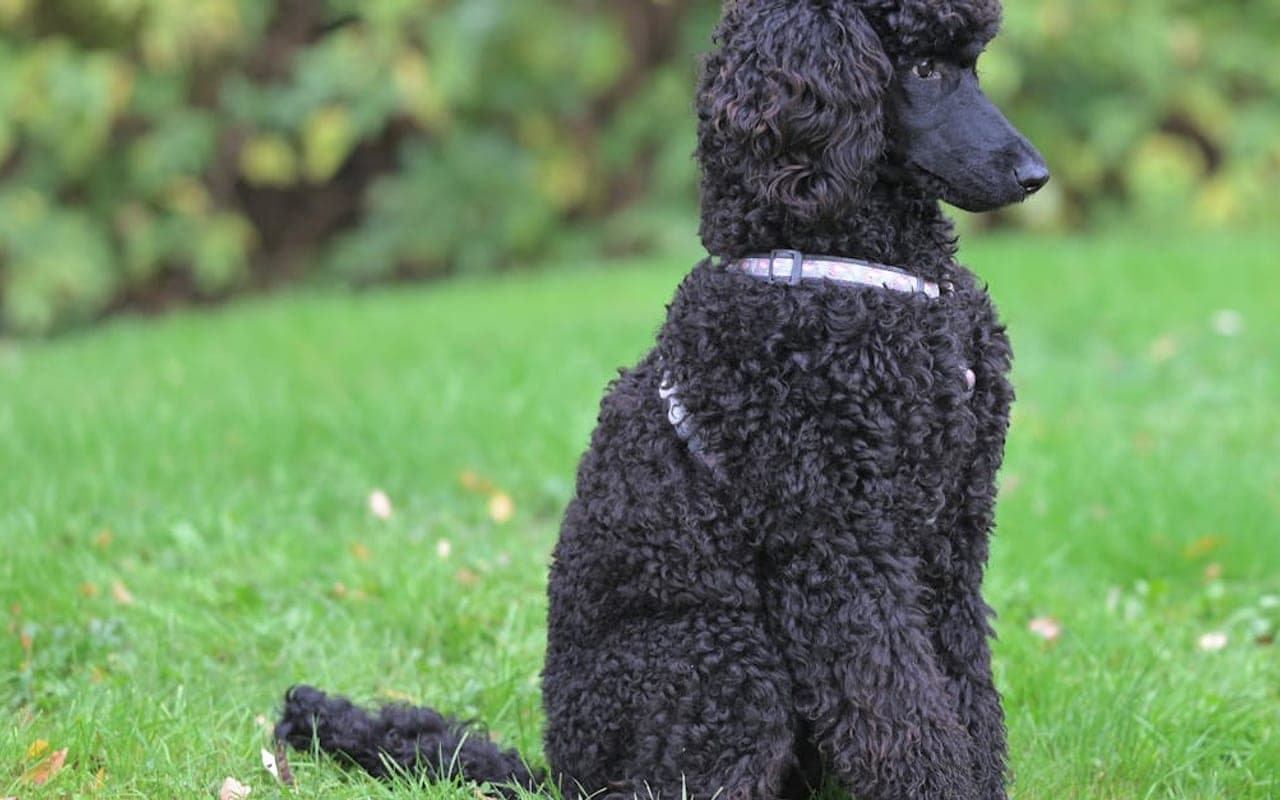
Poodle
Also in the Non-Sporting group, with different care and temperament tradeoffs.
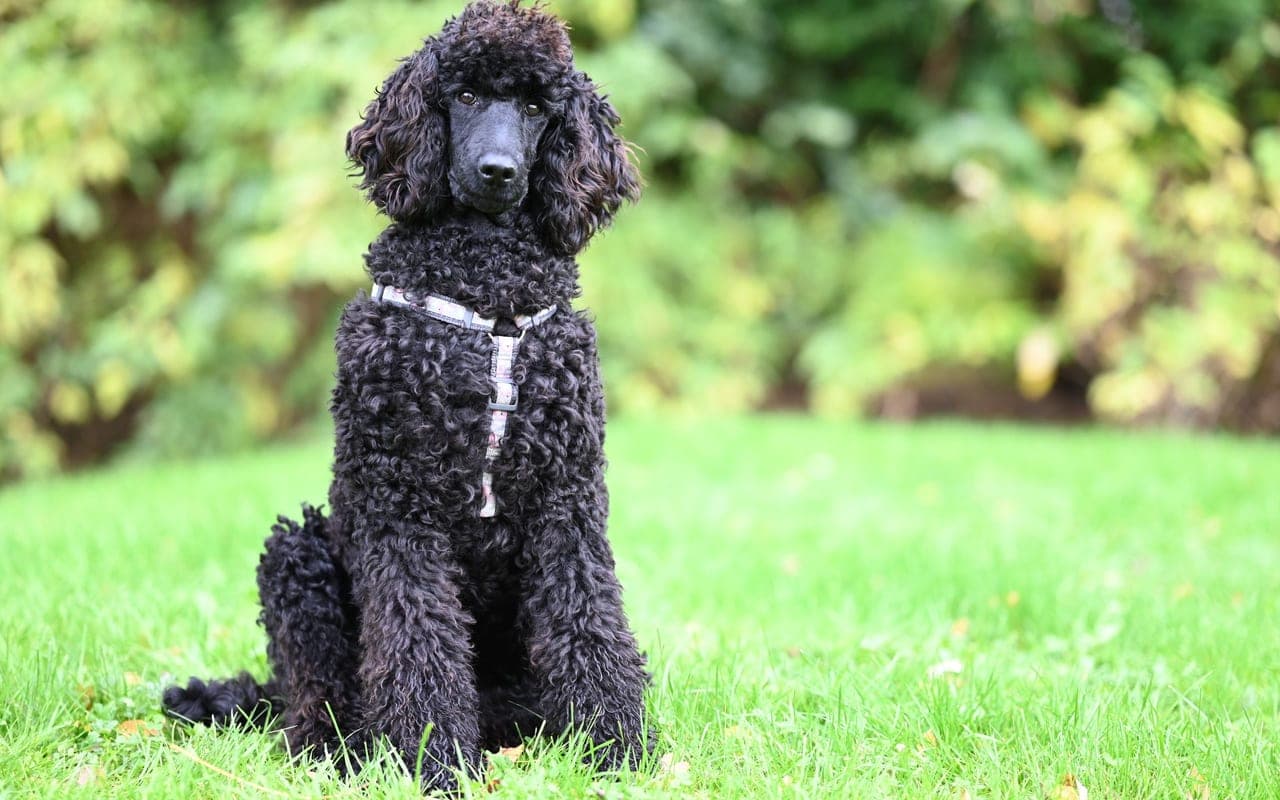
Poodle (Standard)
Also in the Non-Sporting group, with different care and temperament tradeoffs.
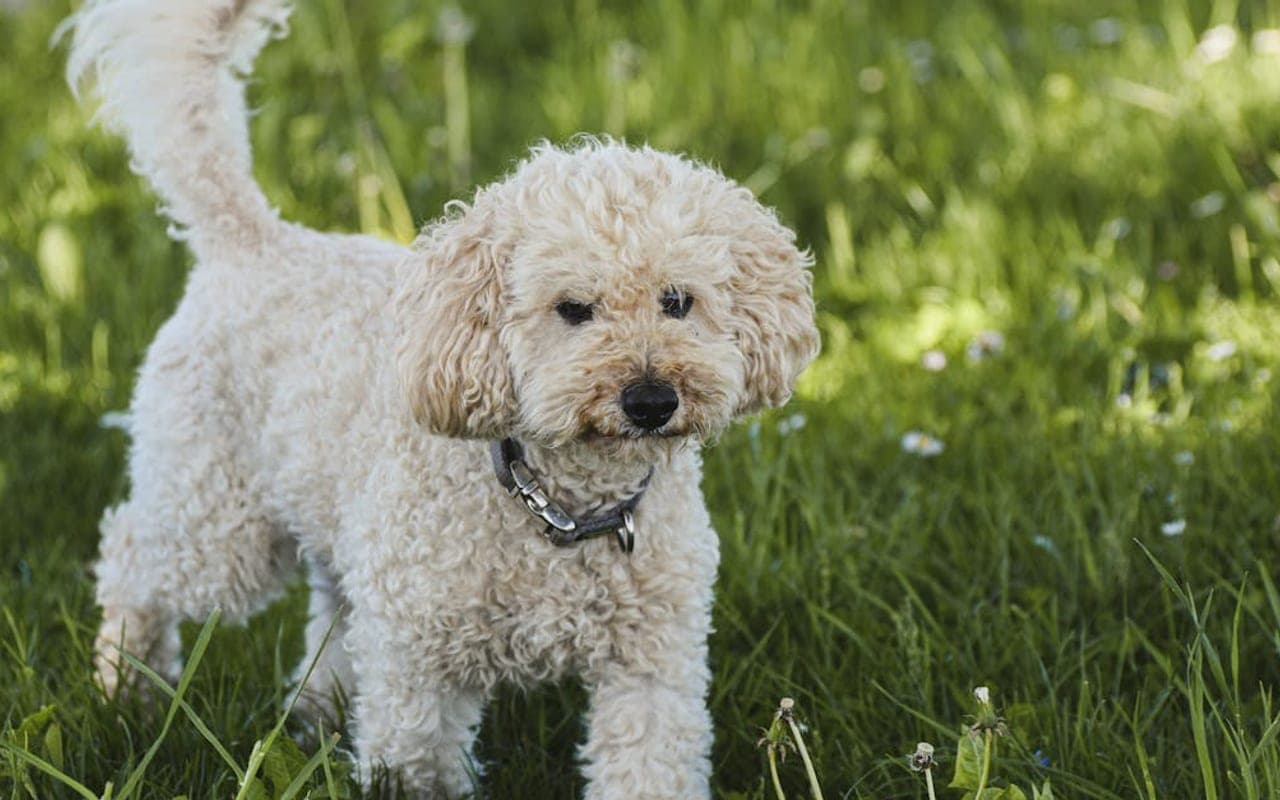
Poodle (Miniature)
Also in the Non-Sporting group, with different care and temperament tradeoffs.
Explore More About American Eskimo Dog
Dive deeper into everything American Eskimo Dog — costs, care, and expert insights.
Considering a cat instead?
Browse Cats