
Foundation Stock Service group
American Bulldog
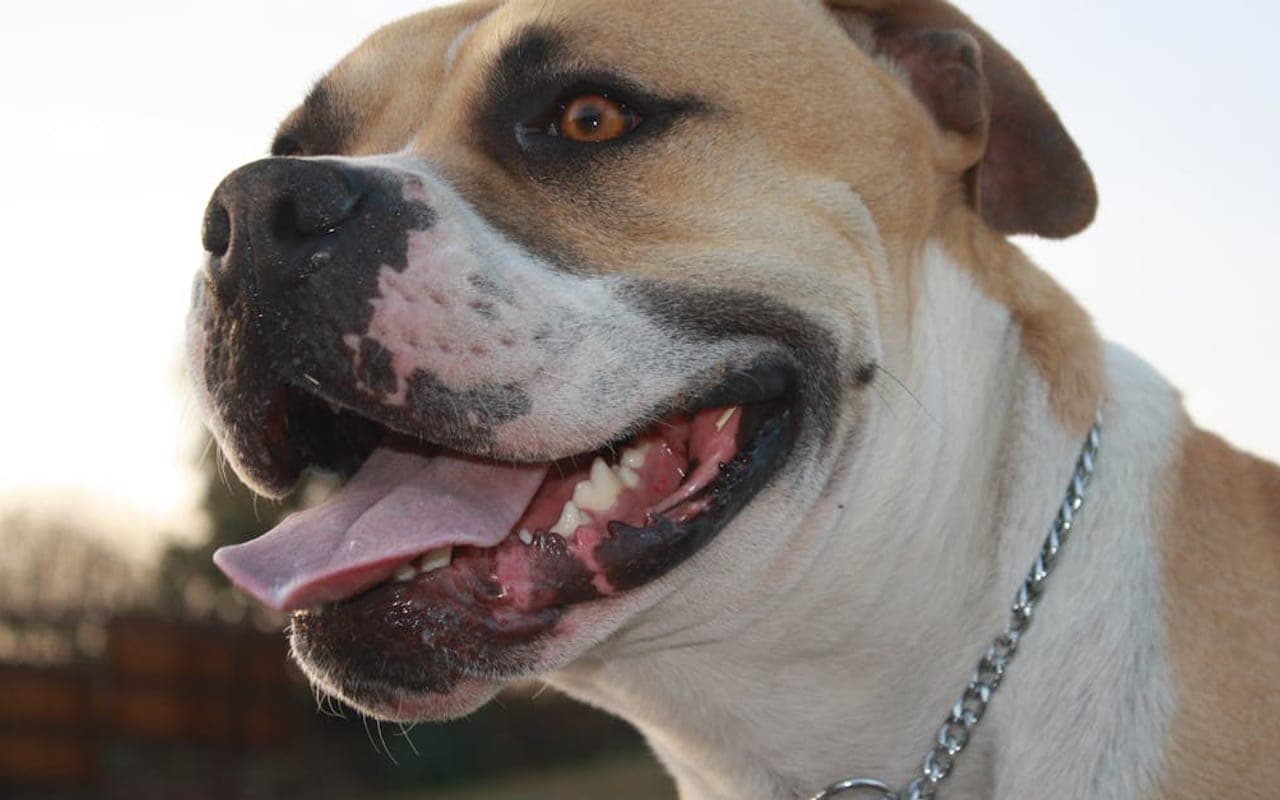
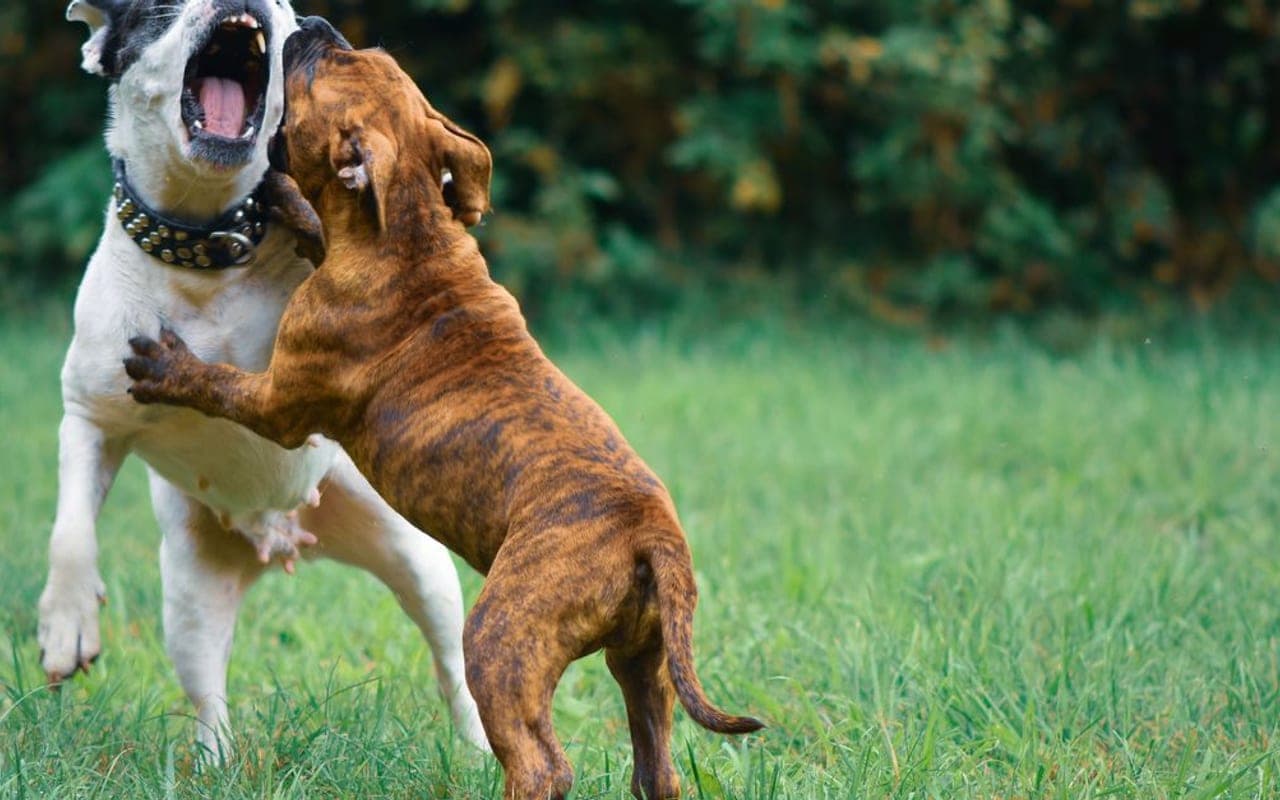
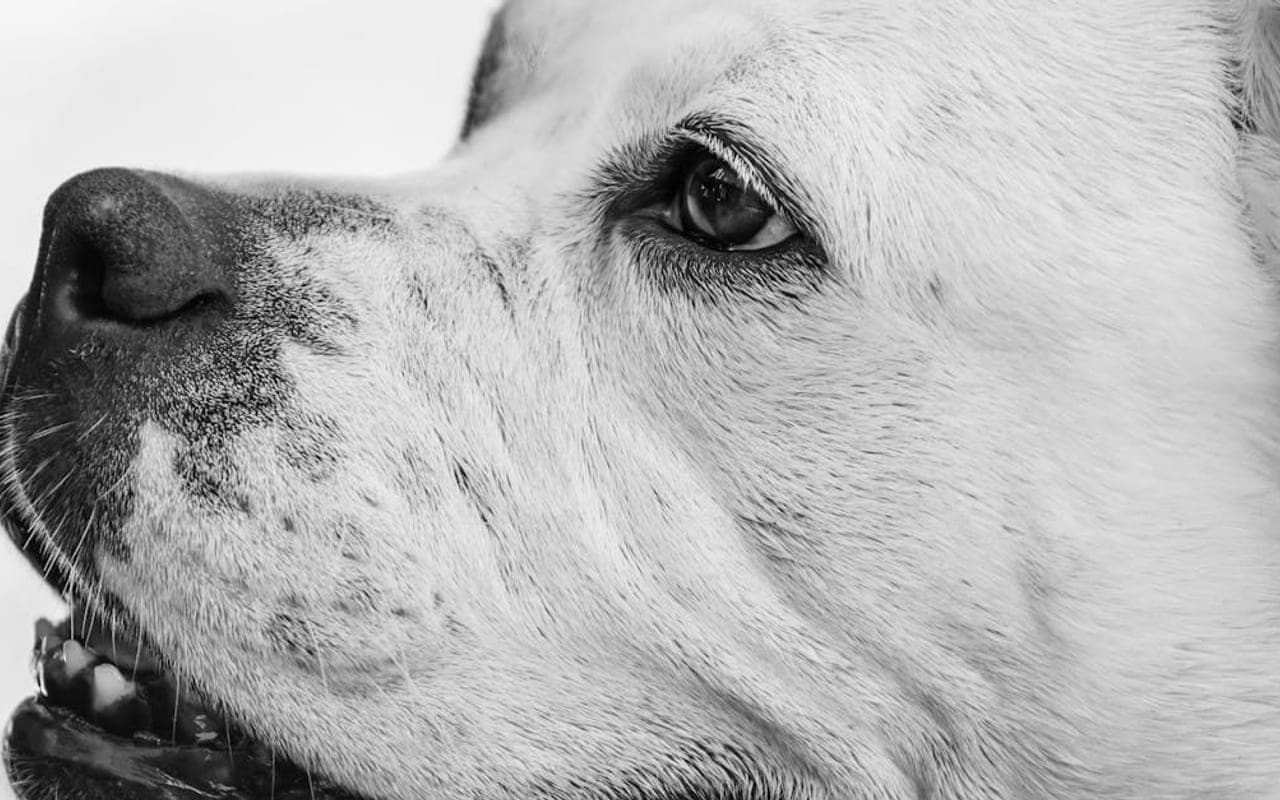
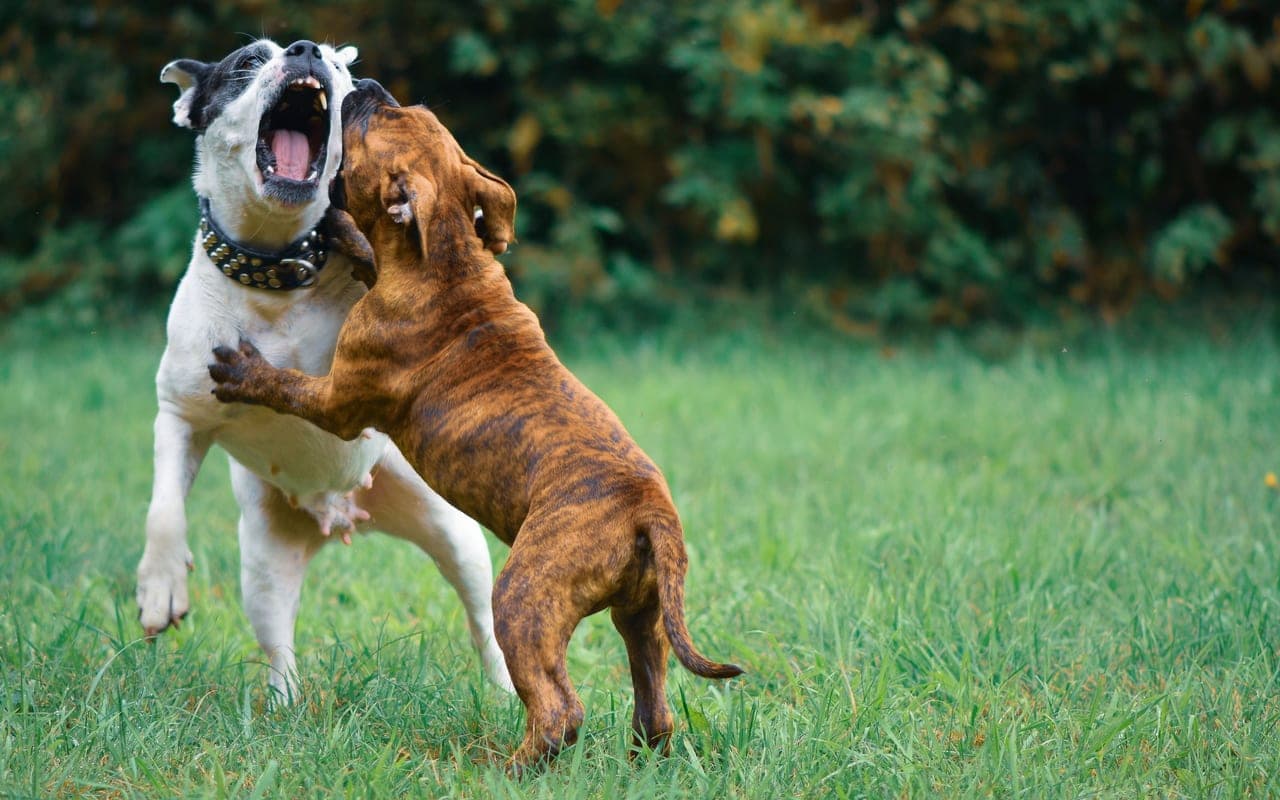
The American Bulldog is a large, powerful working dog — males roughly 32-54 kg (70-120 lb) and females 27-45 kg (60-100 lb), standing 51-71 cm at the shoulder — descended from the English working bulldogs brought to the American South by colonial-era farmers.
Size
60-128 lb
Lifespan
10-12 years
Exercise
30-60 minutes
Shedding
Moderate
Experience
Match to owner routine
Decision first
Is a American Bulldog right for you?
Start with fit before history or trivia. These are ownership signals, not guarantees about any individual dog.
Best suited for
- Households with children.
- Homes with other compatible pets.
- Apartment homes with a consistent routine.
- Owners seeking a manageable daily exercise routine.
Think carefully if
- You need a dog with almost no daily routine.
- You cannot keep up with grooming and preventive care.
- The dog will spend most days alone without support.
Conditional fit
Apartment fit depends on exercise, enrichment, noise management, and outdoor access.
Daily reality
American Bulldog commitment snapshot
Daily exercise
30-60 minutes
Match activity to age, health, weather, and training goals.
Coat care
Moderate
Grooming needs vary by coat, shedding, and lifestyle.
Time alone
Needs planning
Most dogs need gradual alone-time conditioning and support.
Structured facts
American Bulldog at a glance
The measurements and traits that most affect day-to-day life with this breed.
Group
Foundation Stock Service
Weight
60-128 lb
Height
20-28 in
Lifespan
10-12 years
Temperament
Loyal | Self-Confident
View all characteristics and methodology
Lifestyle fit
- Apartment suitability
- Likely fit
- Child friendliness
- Often good, with socialisation and supervision
- Other-pet fit
- Often compatible with careful introductions
Owner commitment
- Exercise
- 30-60 minutes
- Grooming
- Moderate
- Shedding
- Moderate
- Training
- Moderate
Environment and health
- Health risk
- Needs planning
Ratings combine structured breed data, visible breed fields, and editorial context. They are planning aids, not predictions for an individual dog.
Daily life
American Bulldog temperament and behavior
The American Bulldog is a large, powerful working dog — males roughly 32-54 kg (70-120 lb) and females 27-45 kg (60-100 lb), standing 51-71 cm at the shoulder — descended from the English working bulldogs brought to the American South by colonial-era farmers. It survived as a farm utility dog: a catch dog for feral hogs, a stock dog, and a property guardian. That working past, not the modern companion role, is what you are actually signing up for. Unlike the flat-faced English Bulldog, the American Bulldog is athletic and largely free of the extreme brachycephaly that cripples its cousin — it can run, work, and breathe. It is loyal, confident, and strongly bonded to its family, with a real guarding instinct that needs early socialization to stay sound rather than suspicious. This is a 30-45 kg dog with the strength to physically overpower most owners, so training is not a nicety — it is a safety requirement. An undertrained, under-socialized American Bulldog is a liability; a well-raised one is a steady, devoted, and surprisingly gentle family dog. There are two general types — the stockier 'Bully' (Johnson) and the leggier 'Standard' (Scott) — plus everything in between. Both share the same core needs: structured leadership, daily exercise, and an owner who understands large-breed strength. The breed's honest weak point is health. American Bulldogs carry several well-documented inherited conditions, including a serious neurological disease and a severe inherited skin disorder, both of which have DNA tests that responsible breeders use. Lifespan is a modest 10-12 years for the size. Who the American Bulldog is right for: an experienced owner who will commit to early socialization, consistent training, and DNA-tested breeding lines, and who has the physical capacity to manage a powerful dog. Who it is wrong for: first-time owners, households wanting a low-effort pet, or anyone unprepared for large-breed strength and the breed's specific health risks.
Loyal | Self-Confident
Loyal
A common American Bulldog temperament descriptor that should be interpreted alongside training, exercise, and household fit.
Self-Confident
A common American Bulldog temperament descriptor that should be interpreted alongside training, exercise, and household fit.
Owner note
Temperament labels are starting points, not guarantees. Meet the individual dog and ask about behavior history whenever possible.
Care essentials
How to care for a American Bulldog
What looking after one actually involves: exercise, grooming, food, training, and routine health.
ExerciseAs needed
- Moderately active breed needing 30-60 minutes of daily exercise through walks, play, and mental stimulation.
GroomingAs needed
- Regular grooming needed — brush 2-3 times per week and bathe monthly.
TrainingAs needed
- Moderately trainable — consistent, patient training with positive methods works best.
NutritionAs needed
- Feed a high-quality dog food appropriate for their age, size, and activity level. Monitor portions to prevent obesity.
Veterinary CareAs needed
- Annual wellness exams, core vaccinations, dental care, and parasite prevention. Breed-specific health screenings as recommended by your vet.
Health planning
American Bulldog health risks and screening
Every breed has individual health variation. Use this profile for planning and discuss medical decisions with a veterinarian.
Responsible ownership
Finding a American Bulldog responsibly
What to ask a breeder or rescue is the same conversation for every breed, so we keep it in one place and keep it current.
Health documentation, meeting the parents or foster, contracts and return support, and the warning signs worth walking away from.
Original purpose
American Bulldog history
History is useful when it explains today's behavior, coat, exercise needs, and training style.
Read the breed history
The American Bulldog descends from the working bulldogs of England, brought to North America by small farmers and ranchers from the 17th century onward. In Britain these dogs had been generalist farm and catch dogs; in the American South they kept that role, used to control and catch semi-feral hogs and cattle, guard property, and work stock. The breed survived largely because of its usefulness against feral pigs in the rural South, not through any kennel-club program. By the early 20th century the type was nearly lost after the World Wars. It was deliberately rebuilt mid-century by breeders — most notably John D. Johnson and Alan Scott — whose differing goals produced the heavier 'Bully/Johnson' and the more athletic 'Standard/Scott' types still seen today. The American Kennel Club records the breed through its Foundation Stock Service rather than full recognition. The working, catch-dog heritage is the direct source of the breed's strength, tenacity, guarding drive, and need for firm early training.
Gallery
American Bulldog photos
Images are cropped consistently and loaded progressively to keep the page responsive.
Lower-page context
American Bulldogs in culture
Where the breed shows up in film, sport, work and folklore — the enjoyable part, once the practical questions are answered.
Fun facts
- The American Bulldog belongs to the Foundation Stock Service.
- The average lifespan of a American Bulldog is 10 to 12 years.
- American Bulldog dogs are valued for their loyal, self-confident nature.
American Bulldog FAQs
Is the American Bulldog a good family dog?
For the right family, yes — it is loyal, confident, and strongly bonded, often gentle and patient with its own children. But it is a 27-54 kg guarding breed, so 'good family dog' is conditional on early socialization, consistent training, and an adult who can physically manage it. It is a poor first dog and a poor choice for households wanting a low-effort pet. Supervise interactions with small children simply because of the dog's size and strength, not its temperament.
How big does an American Bulldog get?
Larger than many owners expect. Males typically reach 32-54 kg (70-120 lb) and females 27-45 kg (60-100 lb), standing 51-71 cm at the shoulder, with the heavier 'Bully/Johnson' type at the top of that range and the athletic 'Standard/Scott' type leaner. Plan for large-breed feeding, equipment, and veterinary costs, and reckon with the fact that this dog can physically out-pull most handlers — which is exactly why obedience training is a safety requirement, not optional polish.
What is the most serious inherited disease in American Bulldogs?
Neuronal ceroid lipofuscinosis (NCL) — specifically the NCL-10 variant documented in this breed. It is an autosomal-recessive neurodegenerative disease: a young adult dog (typically 1-3 years) develops worsening coordination loss, behavioral changes, and vision decline, and it is ultimately fatal. The critical point for buyers is that a reliable DNA test exists, so NCL is entirely preventable by choosing a breeder who tests both parents and avoids carrier-to-carrier pairings. Always ask for the test results in writing.
Why does my American Bulldog have dry, flaky, scaly skin?
If the flaking is heavy, looks like fish scales, and started in early puppyhood, the likely cause is ichthyosis, an inherited skin disorder common in the breed — not a grooming failure. It is diagnosed with a DNA test (clear/carrier/affected) and managed lifelong with medicated shampoos, omega supplementation, and veterinary skin care. American Bulldogs are also prone to allergic and skin-fold dermatitis, so persistent redness, odor, or itching beyond simple dryness warrants a veterinary skin workup rather than repeated over-the-counter shampoos.
How much exercise and training does an American Bulldog need?
Plan on 45-60 minutes of real daily exercise — brisk walks, controlled play, fetch, or weight-pull — to keep muscle on and weight off the joints, plus daily training structure. Training is not about tricks here; a powerful guarding breed that learns it can overpower handlers or treat strangers as threats becomes a genuine liability. Start socialization and obedience in puppyhood and maintain it for life. Under-exercised, undertrained American Bulldogs gain weight fast and become destructive and difficult to manage safely.
How long do American Bulldogs live and what are the main costs?
Expect about 10-12 years, modest for the size. Budget for large-breed routine costs plus the breed's specific risks: cruciate (ACL) surgery commonly runs USD 3,500-6,000+ per knee, hip or elbow dysplasia management can be ongoing, and lifelong skin care for ichthyosis adds up. The cheapest insurance is upfront: buy from a breeder who DNA-tests for NCL and ichthyosis and OFA/PennHIP-screens hips and elbows, and keep the dog lean for life to slow joint disease.
Sources
These are the published sources this page draws on. Each opens in a new tab so you can check it yourself.
American Kennel Club
American Bulldog — breed standard and profile(opens in a new tab)Supports: Breed standard and recognition details.
Similar breeds to consider
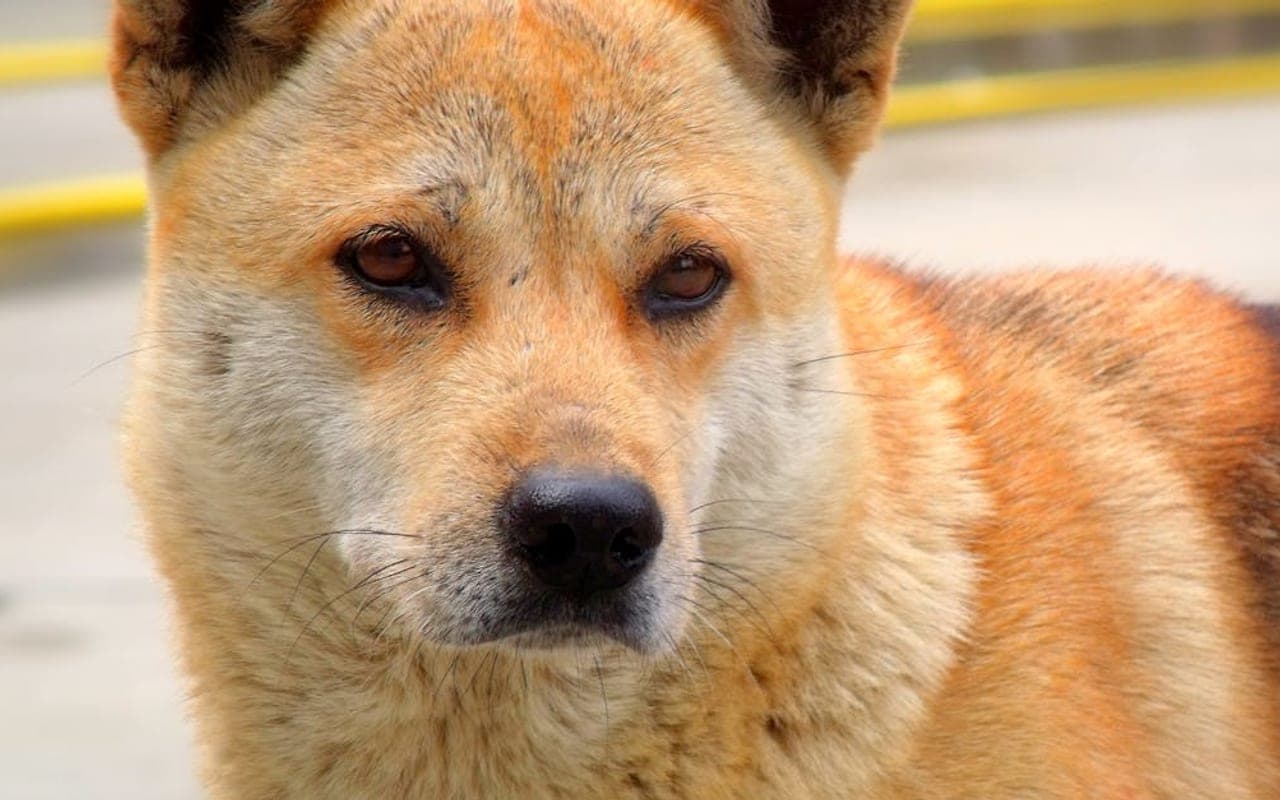
Jindo
Also in the Foundation Stock Service group, with different care and temperament tradeoffs.
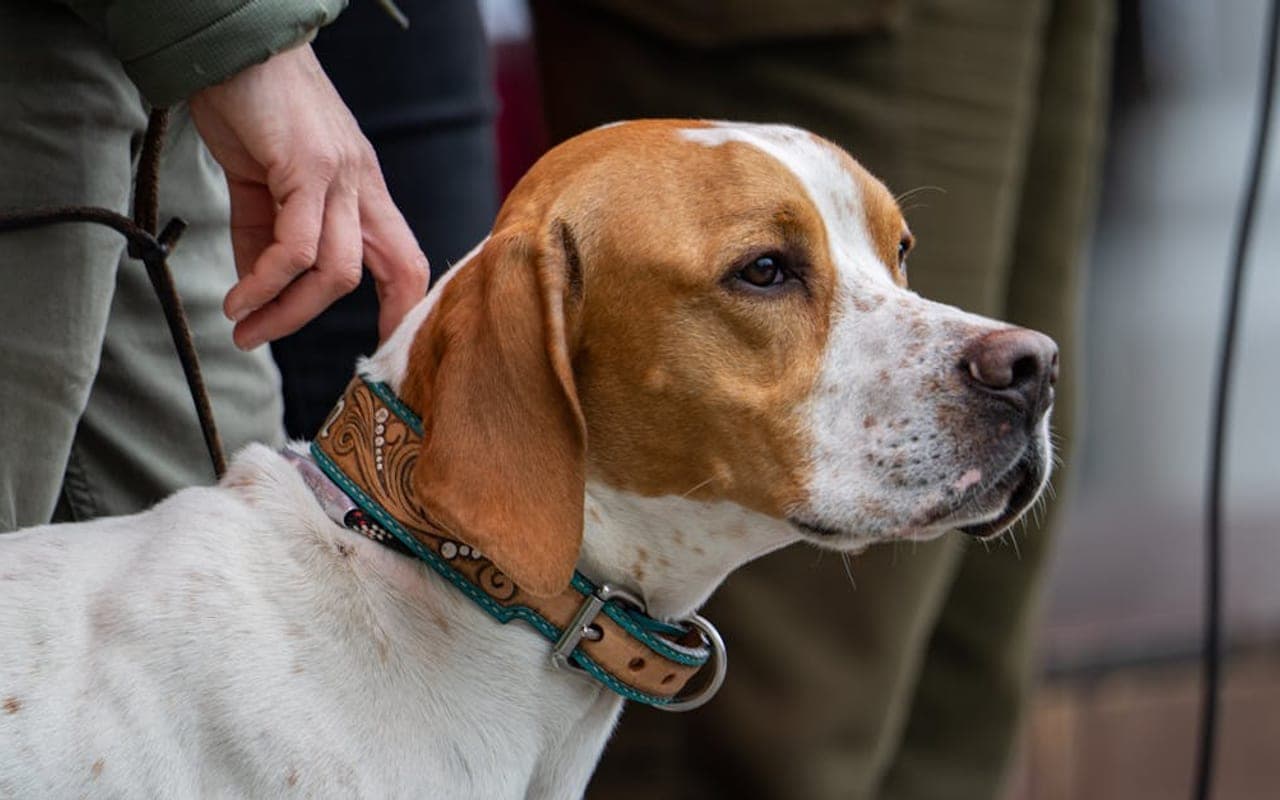
Portuguese Pointer
Also in the Foundation Stock Service group, with different care and temperament tradeoffs.
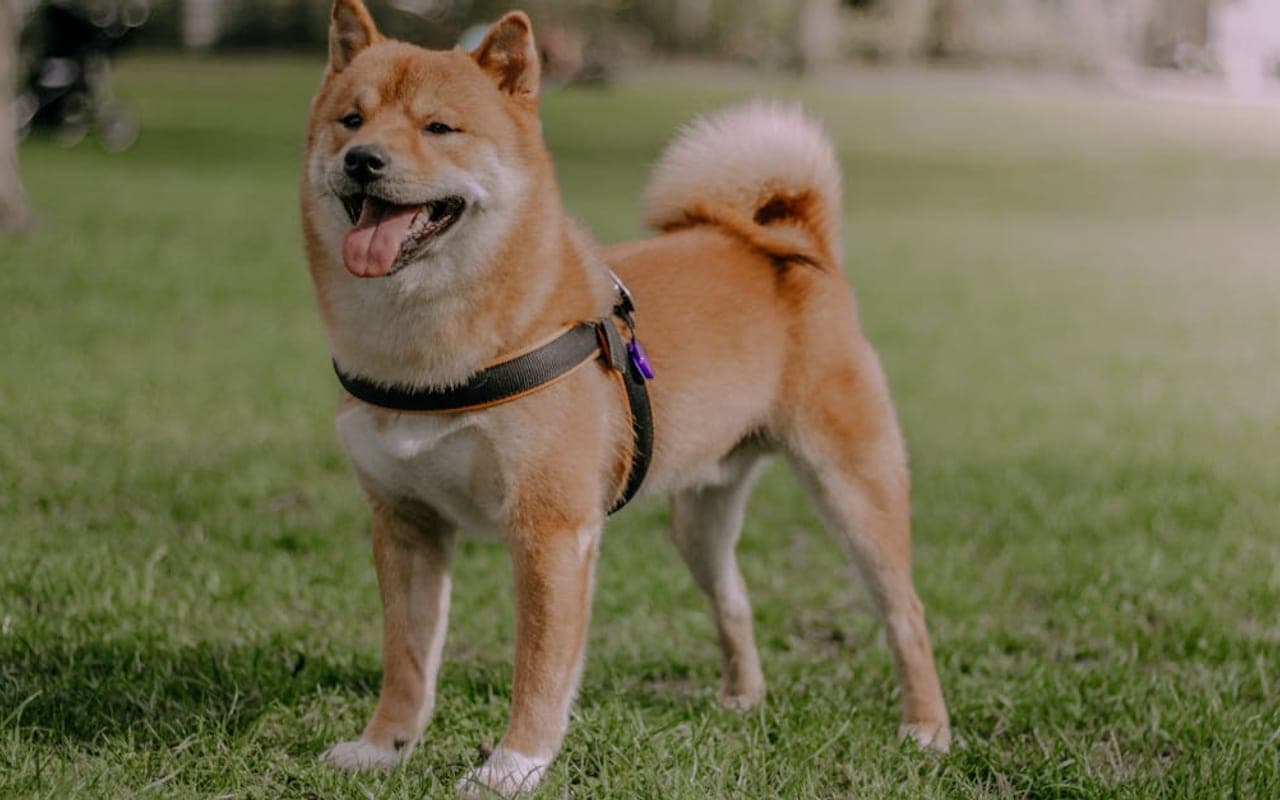
Kishu Ken
Also in the Foundation Stock Service group, with different care and temperament tradeoffs.
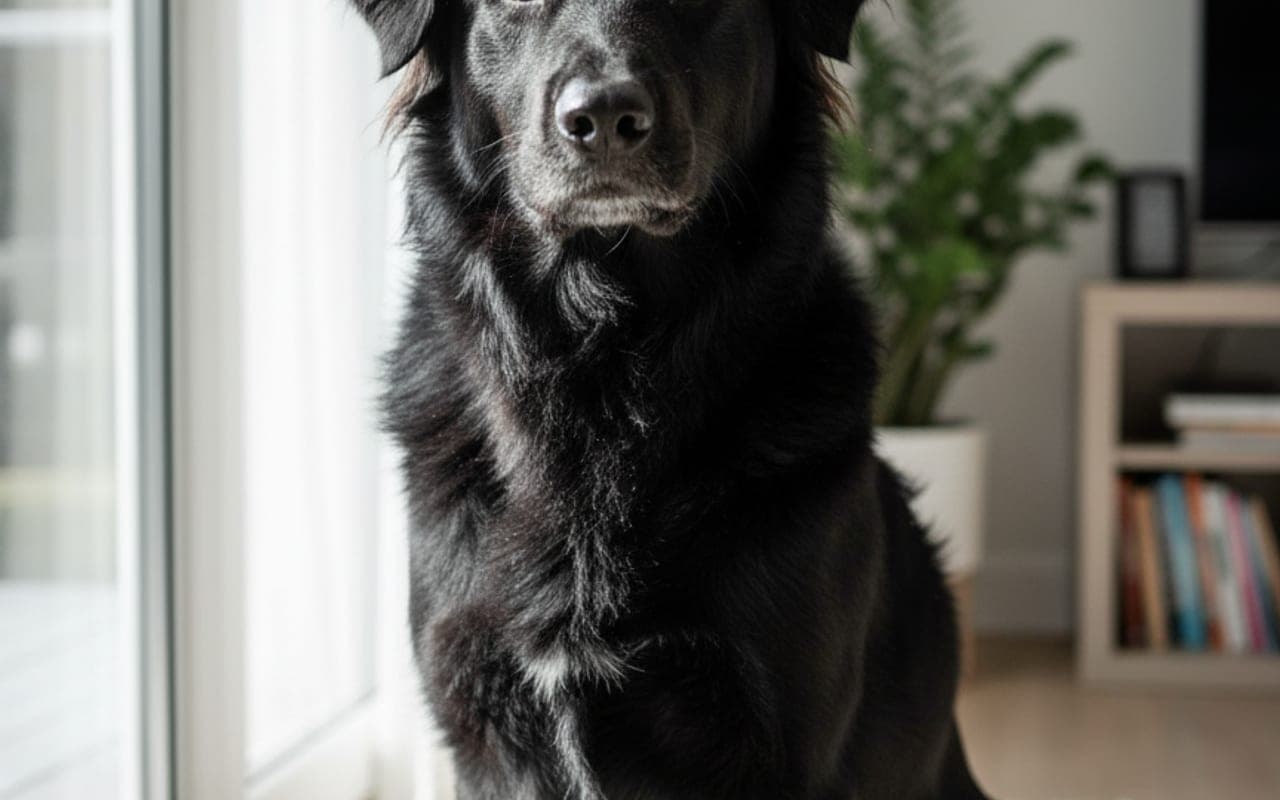
Romanian Carpathian Shepherd
Also in the Foundation Stock Service group, with different care and temperament tradeoffs.
Explore More About American Bulldog
Dive deeper into everything American Bulldog — costs, care, and expert insights.
Large Dog Care Guide: Everything Over 50 lbs
Owning a large or giant breed dog means accepting one of biology's...
Puppy Teething & Biting: Timeline and What Actually Works
A puppy has all 28 deciduous ("baby") teeth by roughly eight weeks of age, and...
Considering a cat instead?
Browse Cats