
American Bulldog Care Guide
American Bulldog Care Overview This American Bulldog care guide gives owners a practical plan for daily life with the American Bulldog. The American Bulldog is a descendant of the English Bulldog. It
In This Guide
Overview
American Bulldog Care Overview
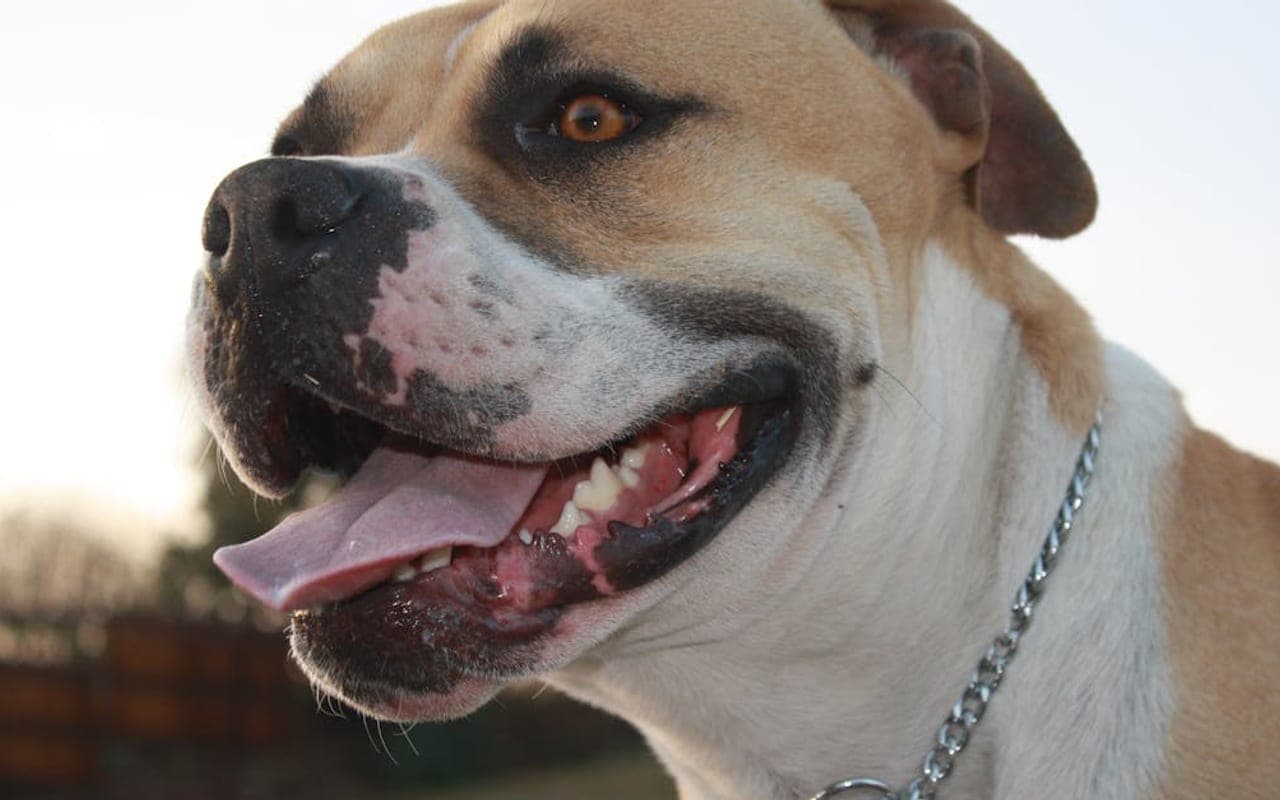
This American Bulldog care guide gives owners a practical plan for daily life with the American Bulldog. The American Bulldog is a descendant of the English Bulldog. It is believed that the bulldog was in America as early as the 17th century. They came to the United States in the 1800s, with immigrants who brought their working bulldogs with them. Small farmers and ranchers used this all-around working dog for many tasks including farm guardians, stock dogs, and catch dogs. The breed largely survived, particularly in the southern states, due to its ability to bring down and catch feral pigs.The breed we know as the American Bulldog was originally known by many different names before the name American Bulldog became the standard. In different parts of the South he was known as the White English Southern Bulldog, but most commonly just “bulldog.” The breed was not called a bulldog because of a certain look, but because they did real bulldog work. Breed Contact InformationKatrina HuffmasterPhone: 850-519-3089 American Bulldogs are a well-balanced athletic dog that demonstrate great strength, endurance, agility, and a friendly attitude. Historically, they were bred to be a utility dog used for working the farm.
The main care decision is not whether American Bulldog needs attention; every breed does. The decision is where to spend that attention each week. For this breed, owners should plan around temperament traits such as Loyal and Self-Confident, an expected lifespan of 10-12 years, typical weight around 12.3-20.6 kg, and a care routine that protects health before problems become expensive.
Use this guide as a working owner checklist. It covers daily care, nutrition, exercise and enrichment, grooming, health watch points, and realistic costs. It is especially useful before adoption because it shows the trade-off between the breed's appeal and the time, space, grooming, training, and budget it needs.
💡 Pro Tip
Save this guide and review it every few months. Puppies, adults, and seniors of the same breed often need different routines even when their personality stays familiar.
Daily Care
Daily Care for American Bulldog
Daily care should be predictable. American Bulldog owners should build a routine around meals, water, enrichment, coat checks, and a calm end-of-day inspection. Predictability prevents many behavior mistakes because the dog knows when food, activity, rest, and attention are coming.
Start the morning with a quick body check. Look at eyes, ears, skin, paws, stool quality, appetite, and energy. These checks take less than two minutes, but they help you catch changes before they turn into a vet visit. For American Bulldog, note any changes linked to Dental disease, Obesity risk, and Regular veterinary checkups recommended.
The core daily routine should include:
- Fresh water and measured meals instead of free-pouring food.
- A short training or handling session so grooming and vet care stay manageable.
- Activity matched to age, body condition, and weather.
- Rest in a quiet place where the dog is not constantly interrupted.
- A final evening check for limping, skin redness, ear odor, appetite changes, or unusual behavior.
The common mistake is waiting until the weekend to catch up on care. Small daily habits are cheaper and less stressful than emergency grooming, rushed nail trims, or delayed vet appointments. If the routine feels too complex, reduce it to three anchors: feed accurately, check the body daily, and schedule enrichment before boredom turns into behavior issues.
Nutrition
Nutrition for American Bulldog
Nutrition for American Bulldog should support lean body condition, stable digestion, and the right energy level for the breed. The best food is not the most expensive bag on the shelf; it is the formula your dog digests well, maintains healthy weight on, and can eat consistently without skin, stool, or appetite problems.
Use the feeding label as a starting point, then adjust by body condition. You should be able to feel ribs with light pressure, see a waist from above, and avoid a heavy belly. Overfeeding creates a cost problem as well as a health problem because extra weight can worsen joint stress, breathing strain, diabetes risk, and grooming difficulty.
For American Bulldog, plan for:
- Measured portions at scheduled meals.
- High-quality protein appropriate for age and activity.
- Treats limited to about 10 percent of daily calories.
- Slow diet changes over 7-10 days to reduce stomach upset.
- A vet conversation before using supplements, raw diets, or home-cooked plans.
Puppies and kittens need growth formulas. Adults need maintenance calories. Seniors often need fewer calories but enough protein to protect muscle. If American Bulldog has recurring itching, ear infections, vomiting, diarrhea, weight gain, or picky eating, do not keep switching foods at random. Bring the pattern to your veterinarian and decide whether a diet trial or medical workup is needed.
Exercise
Exercise and Enrichment for American Bulldog
Exercise is where generic care advice fails. American Bulldog needs regular walks, play, training practice, and enrichment matched to age and fitness. The right plan should leave your dog settled and content, not exhausted, sore, or overstimulated.
For dogs, split activity across the day when possible. A morning outing, a short training session, and an evening walk usually work better than one long burst. For cats, think in short hunting cycles: stalk, chase, catch, eat, groom, rest. Two or three short play sessions can do more than leaving toys scattered around the room.
Useful enrichment options include:
- Food puzzles and snuffle mats for meal-based problem solving.
- Training games that reward calm attention.
- Scent work or hide-and-seek games.
- Climbing, scratching, or safe chewing outlets depending on species.
- Rotating toys so novelty does not disappear.
The trade-off is recovery. Young pets should not be overworked on growing joints. Seniors may need shorter sessions and softer surfaces. Hot weather, icy ground, stairs, and slippery floors can all change the plan. If American Bulldog becomes restless, destructive, clingy, or noisy, first ask whether the daily schedule gives enough movement and mental work before assuming the pet is being stubborn.
Grooming
Grooming American Bulldog
Grooming for American Bulldog should focus on consistent brushing, nail trims, ear checks, and dental care on a predictable schedule. Coat care is not only cosmetic. It prevents mats, skin irritation, ear problems, painful nails, and the slow buildup of issues that owners often miss until a groomer or vet points them out.
A practical grooming rhythm:
- Brush on a schedule based on shedding and coat length.
- Check ears weekly for odor, redness, wax, or scratching.
- Trim nails before they click loudly or change posture.
- Brush teeth several times per week with pet-safe toothpaste.
- Check paws, armpits, tail area, and collar lines for tangles or irritation.
If American Bulldog has high grooming needs or heavy shedding, budget for better tools and occasional professional help. If grooming needs are low, do not ignore the basics. Short coats still shed, nails still overgrow, and dental disease still develops.
⚠️ Important
Do not cut out tight mats close to the skin with scissors. Skin can tent up into the mat and be cut. Use a professional groomer or veterinarian for severe matting.
Health
Health Watch Points for American Bulldog
The health priorities for American Bulldog include Dental disease, Obesity risk, and Regular veterinary checkups recommended. This does not mean every pet will develop these problems. It means owners should know what to watch for, what to screen for, and when a small change deserves a veterinary appointment.
Schedule wellness exams at least once a year for healthy adults and every six months for seniors or pets with chronic conditions. Keep vaccines, parasite prevention, dental care, and weight checks current. Ask your vet which screenings match your pet's age, breed, and family history.
Watch for:
- Sudden appetite, thirst, urination, or weight changes.
- Limping, stiffness, reluctance to jump, or exercise intolerance.
- Coughing, labored breathing, collapse, or unusual fatigue.
- Skin odor, hot spots, hair loss, or recurring ear infections.
- Behavior changes such as hiding, irritability, confusion, or new anxiety.
🩺 When to See Your Vet
Call your veterinarian promptly if symptoms are sudden, painful, worsening, or paired with lethargy, collapse, breathing difficulty, pale gums, repeated vomiting, or inability to urinate.
The best health strategy is early pattern recognition. Keep a simple note on weight, appetite, stool, activity, and any recurring symptoms. That record helps your vet make better decisions and can prevent repeated trial-and-error treatments.
Costs
American Bulldog Care Costs
Budgeting for American Bulldog should include food, preventive vet care, grooming, parasite prevention, training or enrichment, emergency savings, and supplies. The purchase or adoption cost is only the first line item. For this breed, initial cost may be varies by breeder, rescue, region, and health testing, while a practical monthly budget is often around $75-$250 depending on food, insurance, grooming, and regional veterinary prices.
Expected costs include:
- Food and treats.
- Annual wellness exams, vaccines, and parasite prevention.
- Grooming tools or professional grooming.
- Dental care and possible dental cleanings.
- Training, enrichment, toys, beds, crates, carriers, or scratching furniture.
- Emergency savings or pet insurance.
The most common budgeting mistake is ignoring grooming and dental care until they become expensive. A brush, nail trimmer, toothbrush, and preventive vet routine cost far less than infected skin, torn nails, dental extractions, or emergency visits.
For many owners, pet insurance or a dedicated savings account is worth considering. Insurance is not a perfect fit for every household, but the decision should be made before a diagnosis appears. Pre-existing conditions are usually excluded, so waiting until American Bulldog is already sick removes much of the value.
Frequently Asked Questions
Is American Bulldog expensive to care for?
American Bulldog can be affordable with preventive care, but costs rise when grooming, dental care, weight control, or breed-linked health concerns are delayed.
How often should I update this American Bulldog care guide routine?
Review the routine at each life stage: puppy or kitten, adult, mature adult, and senior. Activity, calories, dental care, and vet screening needs change over time.
Affiliate disclosure: We may earn a commission from qualifying purchases. This doesn't affect our recommendations.
Recommended Products
American Bulldog Care Guide Book
Breed-focused reading and owner references for American Bulldog care, training, grooming, and health planning.
American Bulldog Food and Supplies
Helpful supplies for american bulldog dog supplies routines at home.
American Bulldog Grooming Tools
Helpful supplies for american bulldog grooming tools routines at home.
Get personalized pet care tips
Join our newsletter for breed-specific advice, care guides, and expert tips delivered weekly.
No spam, ever. Unsubscribe anytime.
More Care Guides
Adopting a Senior Pet: The Honest Case (and the Real Costs)
20 min read·General
Puppy Teething & Biting: Timeline and What Actually Works
18 min read·General
Quality-of-Life Assessment: A Calm Framework for a Hard Decision
18 min read·General
Bottle-Feeding & Caring for Orphaned Kittens (0-8 Weeks)
17 min read·General