
Working group
Rottweiler
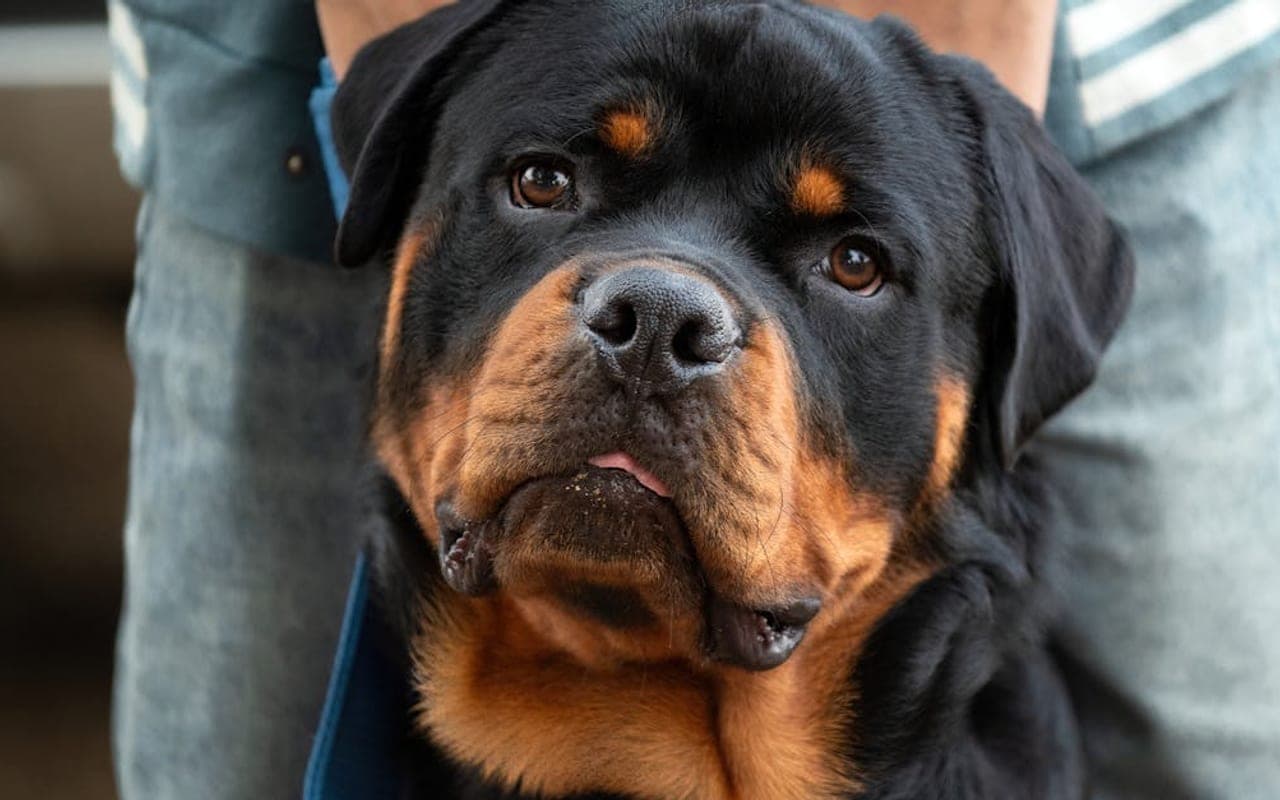
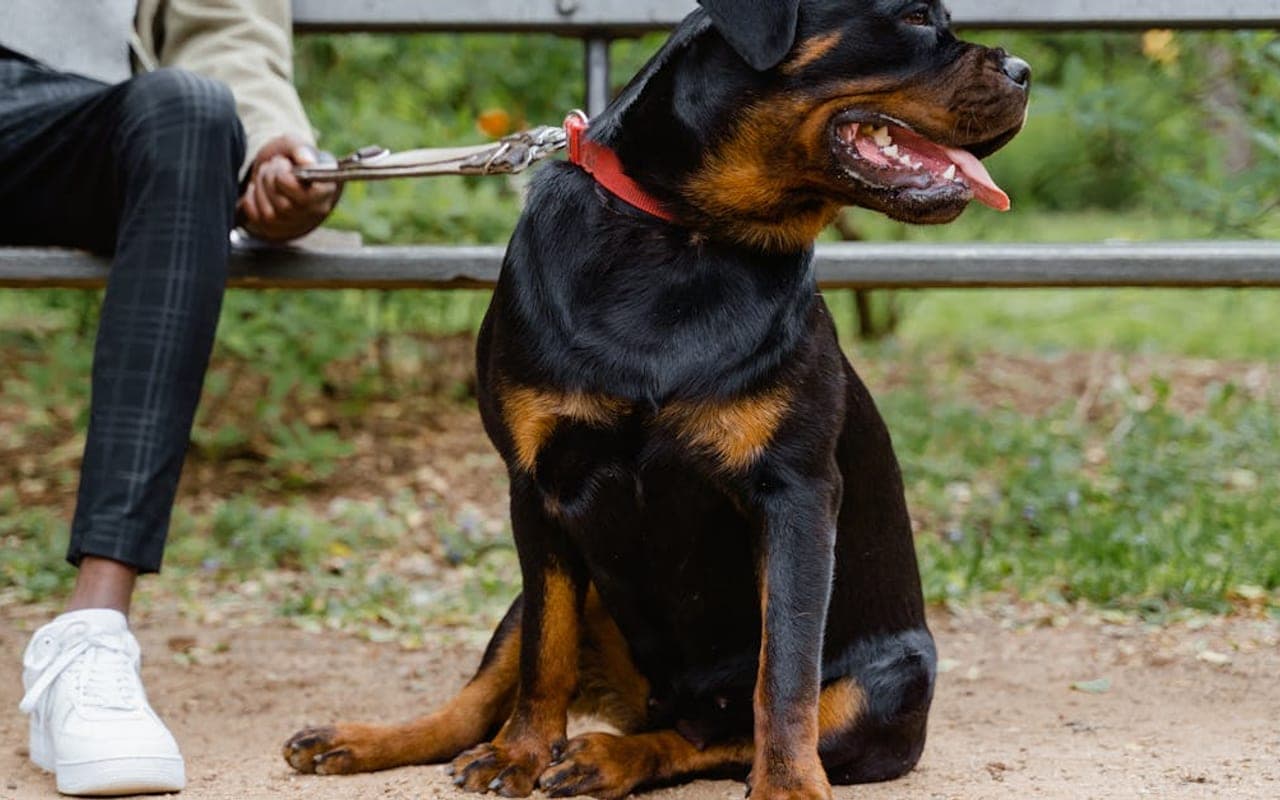
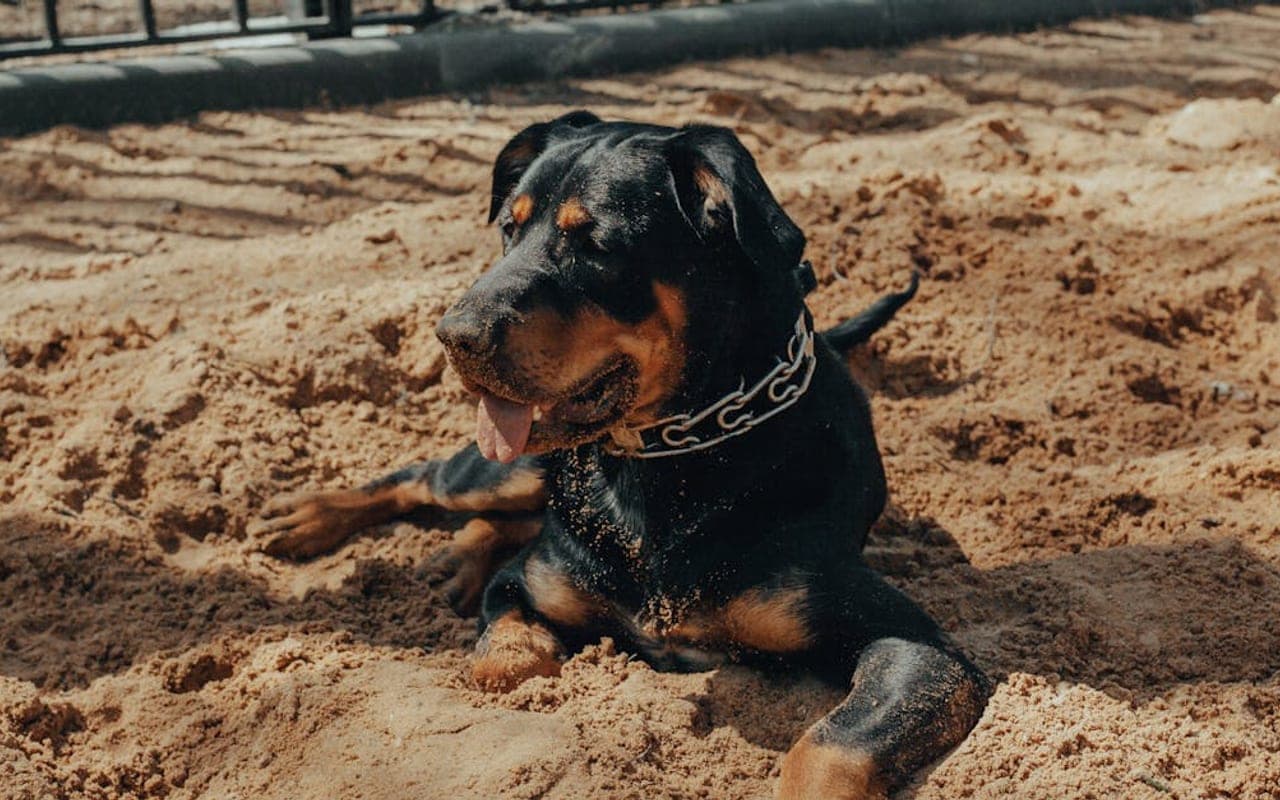
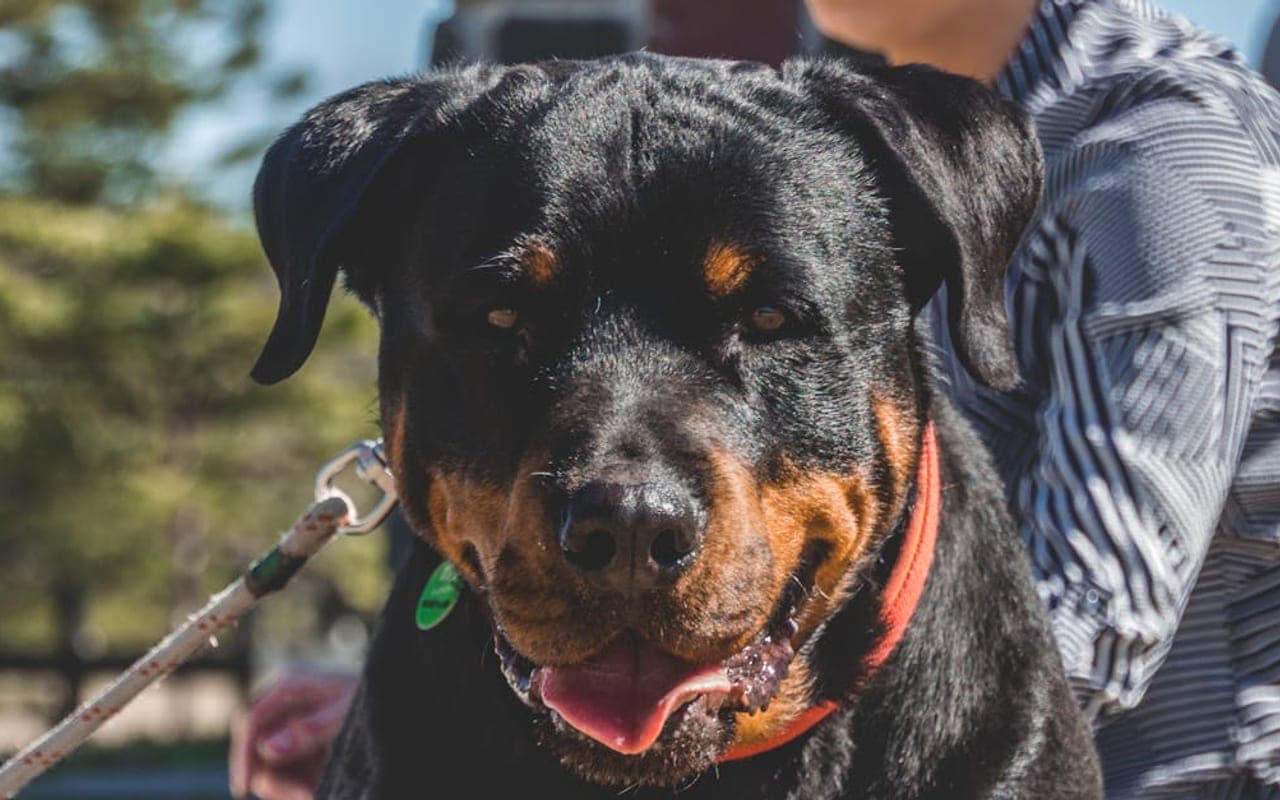
The Rottweiler is a powerful working dog — typically 80-135 lb (36-61 kg) — bred to drive cattle and guard property, and that working purpose still defines the breed today.
Size
77-132 lb
Lifespan
8-10 years
Exercise
60-90 minutes
Shedding
Moderate
Experience
Match to owner routine
Decision first
Is a Rottweiler right for you?
Start with fit before history or trivia. These are ownership signals, not guarantees about any individual dog.
Best suited for
- Households with children.
- Active owners who enjoy daily outdoor exercise.
Think carefully if
- You cannot provide substantial daily exercise.
- You cannot keep up with grooming and preventive care.
- The dog will spend most days alone without support.
Conditional fit
Apartment living may be difficult unless the owner can meet the breed's exercise, training, and space needs.
Daily reality
Rottweiler commitment snapshot
Daily exercise
60-90 minutes
Match activity to age, health, weather, and training goals.
Time alone
Needs planning
Most dogs need gradual alone-time conditioning and support.
Structured facts
Rottweiler at a glance
The measurements and traits that most affect day-to-day life with this breed.
Origin
Germany
Group
Working
Weight
77-132 lb
Height
22-27 in
Lifespan
8-10 years
Temperament
Loyal | loving | and confident guardian
View all characteristics and methodology
Lifestyle fit
- Apartment suitability
- Needs caution
- Child friendliness
- Often good, with socialisation and supervision
Owner commitment
- Exercise
- 60-90 minutes
- Shedding
- Moderate
- Training
- High
Environment and health
- Health risk
- Needs planning
Ratings combine structured breed data, visible breed fields, and editorial context. They are planning aids, not predictions for an individual dog.
Daily life
Rottweiler temperament and behavior
The Rottweiler is a powerful working dog — typically 80-135 lb (36-61 kg) — bred to drive cattle and guard property, and that working purpose still defines the breed today. The single most important thing to understand is that a Rottweiler is a large, strong, naturally protective dog whose temperament is made, not bought. Well-bred and well-raised, the Rottweiler is calm, confident, deeply loyal, and steady — one of the best family guardians there is. Poorly bred, under-socialized, or mishandled, the same dog's size and protectiveness become a genuine liability. The breed does not forgive lazy ownership the way a Labrador might, and any honest profile has to say so. Temperament in a good Rottweiler is famously stable: confident rather than nervous, affectionate with its family, naturally watchful of strangers without being indiscriminately aggressive, and intelligent and trainable to a high level. They are 'leaners' — a Rottweiler that presses its bulk against your legs is showing affection, not dominance. They bond intensely to their household and are typically excellent with children they are raised with, though their sheer mass means supervision with toddlers is common sense, not distrust. The trade-offs are real. This is a strong dog that requires early, ongoing socialization and consistent training; an owner who cannot commit to that should choose a different breed. Health-wise, the average lifespan is only about 8-10 years, shortened heavily by cancer — Rottweilers have one of the higher rates of osteosarcoma (bone cancer) of any breed. Who the Rottweiler is right for: a committed, consistent owner who will socialize and train through the dog's first two years and accepts a guardian-temperament dog. Who it is wrong for: a first-time owner wanting an easy pet, anyone who will skip training, or anyone unprepared for a short-lived, cancer-prone large breed. Decide on the commitment first.
Loyal | loving | and confident guardian
Loyal
A common Rottweiler temperament descriptor that should be interpreted alongside training, exercise, and household fit.
loving
A common Rottweiler temperament descriptor that should be interpreted alongside training, exercise, and household fit.
and confident guardian
A common Rottweiler temperament descriptor that should be interpreted alongside training, exercise, and household fit.
Owner note
Temperament labels are starting points, not guarantees. Meet the individual dog and ask about behavior history whenever possible.
Care essentials
How to care for a Rottweiler
What looking after one actually involves: exercise, grooming, food, training, and routine health.
ExerciseAs needed
- Rottweilers need regular exercise to maintain their physical and mental health. Daily walks, play sessions, and training exercises are essential. Their exercise needs are moderate to high, and they enjoy activities that challenge them mentally as well as physically.
GroomingAs needed
- The Rottweiler has a short, dense coat that is relatively easy to maintain. Weekly brushing will help manage shedding, which is moderate most of the year but heavier during seasonal changes. Bathing should be done as needed, and regular nail trimming, ear cleaning, and dental care are important.
NutritionAs needed
- Rottweilers should be fed high-quality dog food appropriate for their age and activity level. Care should be taken to prevent obesity, which can strain their joints. Adult Rottweilers typically do well with two measured meals per day, but consult with a veterinarian for specific dietary recommendations.
Health MonitoringAs needed
- Regular veterinary check-ups are crucial for Rottweilers, as they can be prone to certain health issues including hip and elbow dysplasia, heart conditions, and certain cancers. Early detection is key to managing these conditions effectively. Maintaining a healthy weight is particularly important for this breed to reduce strain on joints.
Health planning
Rottweiler health risks and screening
Every breed has individual health variation. Use this profile for planning and discuss medical decisions with a veterinarian.
Ownership cost
How much does a Rottweiler cost?
Cost figures are structured so first-year and lifetime estimates do not conflict with the underlying line items.
| Acquisition | $1,000-$3,000 |
|---|---|
| Routine monthly | About $150/month |
| Routine annual | About $1,800/year |
| First-year estimate | $2,800-$4,800 |
| Lifetime routine estimate | $14,400-$18,000 routine costs |
Currency: USD. Region: United States. Typical ranges for this breed. Equipment, insurance, emergency veterinary care, boarding and training are NOT included: we hold no sourced figures for them, and estimating them would be a guess presented as data.
Responsible ownership
Finding a Rottweiler responsibly
What to ask a breeder or rescue is the same conversation for every breed, so we keep it in one place and keep it current.
Health documentation, meeting the parents or foster, contracts and return support, and the warning signs worth walking away from.
Original purpose
Rottweiler history
History is useful when it explains today's behavior, coat, exercise needs, and training style.
Read the breed history
The Rottweiler descends from Roman cattle-driving and guarding dogs (drover dogs) that accompanied the legions across the Alps. When the Romans settled the area of present-day Rottweil in southern Germany, their dogs interbred with local stock, and the town gave the breed its name. For centuries the 'Rottweiler Metzgerhund' — the butcher's dog of Rottweil — drove cattle to market and guarded the proceeds, with cattlemen famously carrying their money in a purse tied around the dog's neck. The arrival of rail transport for livestock nearly drove the breed to extinction in the 19th century, but it was revived for police, military, and protection work in the early 20th century, which is where its modern reputation as a guardian and working dog was cemented. Understanding this history matters practically: the breed's protectiveness, intelligence, physical drive, and need for a job are not behavioural problems to suppress but the deliberate product of two thousand years of selection for driving and guarding work.
Gallery
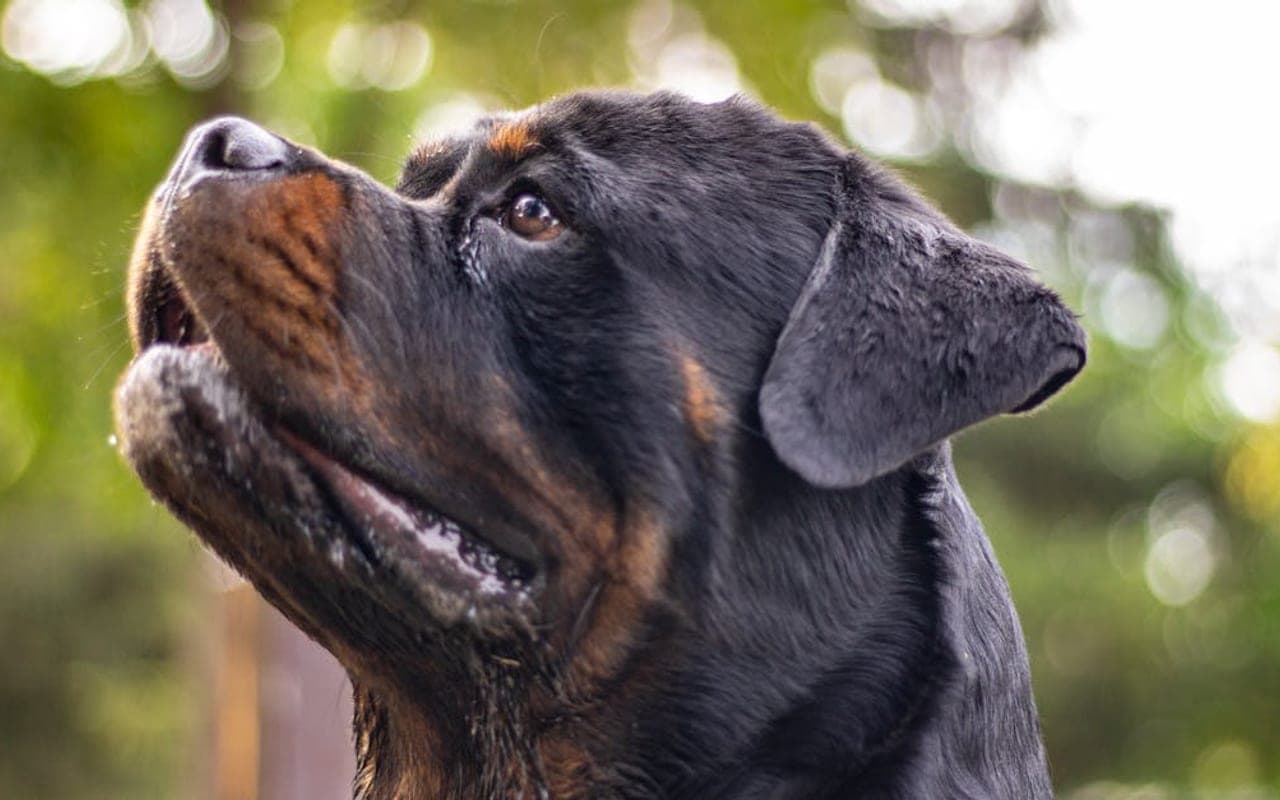
Rottweiler photos
Images are cropped consistently and loaded progressively to keep the page responsive.
Lower-page context
Rottweilers in culture
Where the breed shows up in film, sport, work and folklore — the enjoyable part, once the practical questions are answered.
Fun facts
- The Rottweiler is one of the oldest herding breeds, dating back to the Roman Empire.
- Their name comes from the German town of Rottweil, where they were used as drover dogs and to guard the money pouches of traveling butchers.
- Despite their imposing appearance, well-bred Rottweilers are typically calm, confident, and courageous but not unduly aggressive.
- Rottweilers excel in many canine sports including obedience, tracking, herding, protection, and even carting competitions.
- The breed has served with distinction in military and police roles across the world.
Rottweiler FAQs
Are Rottweilers dangerous or aggressive?
A well-bred, properly socialized, and trained Rottweiler is stable, confident, and not indiscriminately aggressive — it is a discriminating guardian, not a hair-trigger one. The honest caveat is that this is a large, strong, naturally protective breed, so temperament outcomes depend heavily on breeding and the owner's early socialization and training work. The danger is not inherent meanness; it is the combination of size, protectiveness, and an owner who skips the foundational work.
How long do Rottweilers live?
Rottweilers average only about 8-10 years, short for a dog of their size. The dominant reason is cancer, particularly osteosarcoma, which the breed suffers at one of the highest rates of any breed. Keeping the dog lean to protect joints, screening breeding lines for hips and heart, and acting fast on any persistent limp or bony swelling are the practical levers — but prospective owners should accept up front that this is a relatively short-lived breed.
Are Rottweilers good with children?
Yes, a well-raised Rottweiler is typically devoted and gentle with the children of its own family — patient, steady, and protective. The real-world caution is mass, not temperament: an 80-135 lb dog can knock down a toddler in normal play without any aggression involved, so supervision and teaching the dog calm manners are sensible. Early socialization with children and respect-both-ways training make this one of the more reliable family guardians.
Do Rottweilers need a lot of exercise?
Plan on 60-90 minutes of daily activity plus regular training and mental work — this is a working breed, not a sedentary one, and an under-exercised, under-trained Rottweiler becomes frustrated and harder to manage. Avoid hard, repetitive impact (long runs, jumping) on dogs under about 18 months to protect developing joints. The exercise requirement is moderate-to-high and is a commitment, not an option, for the dog's first several years especially.
What does owning a Rottweiler really cost?
Beyond a typical $1,500-$3,500 purchase price, budget for large-breed food, professional training in the first two years, and a realistic veterinary reserve: this breed's cancer and orthopedic risks mean procedures like cruciate surgery ($3,000-$5,000+ per knee) or cancer treatment are common, not rare. Pet insurance costs more for the breed for a reason. Treat the Rottweiler as a higher-than-average lifetime medical commitment and choose accordingly.
Can a Rottweiler be left alone or live outdoors?
No on both counts. Rottweilers bond intensely to their household and become anxious, frustrated, and potentially destructive or harder to manage when isolated for long stretches or relegated to a yard or kennel. An under-attended guardian-temperament dog of this size is a behaviour risk, not just a sad one — a bored, isolated Rottweiler is exactly the dog that develops the reputation the breed gets blamed for. The breed needs to live indoors as part of the family with daily interaction, training, and a job to do; owners who travel constantly or want a yard-only guard dog should choose a more independent breed rather than this one.
Sources
These are the published sources this page draws on. Each opens in a new tab so you can check it yourself.
American Kennel Club
Rottweiler — breed standard and profile(opens in a new tab)Supports: Breed standard and recognition details.
Similar breeds to consider
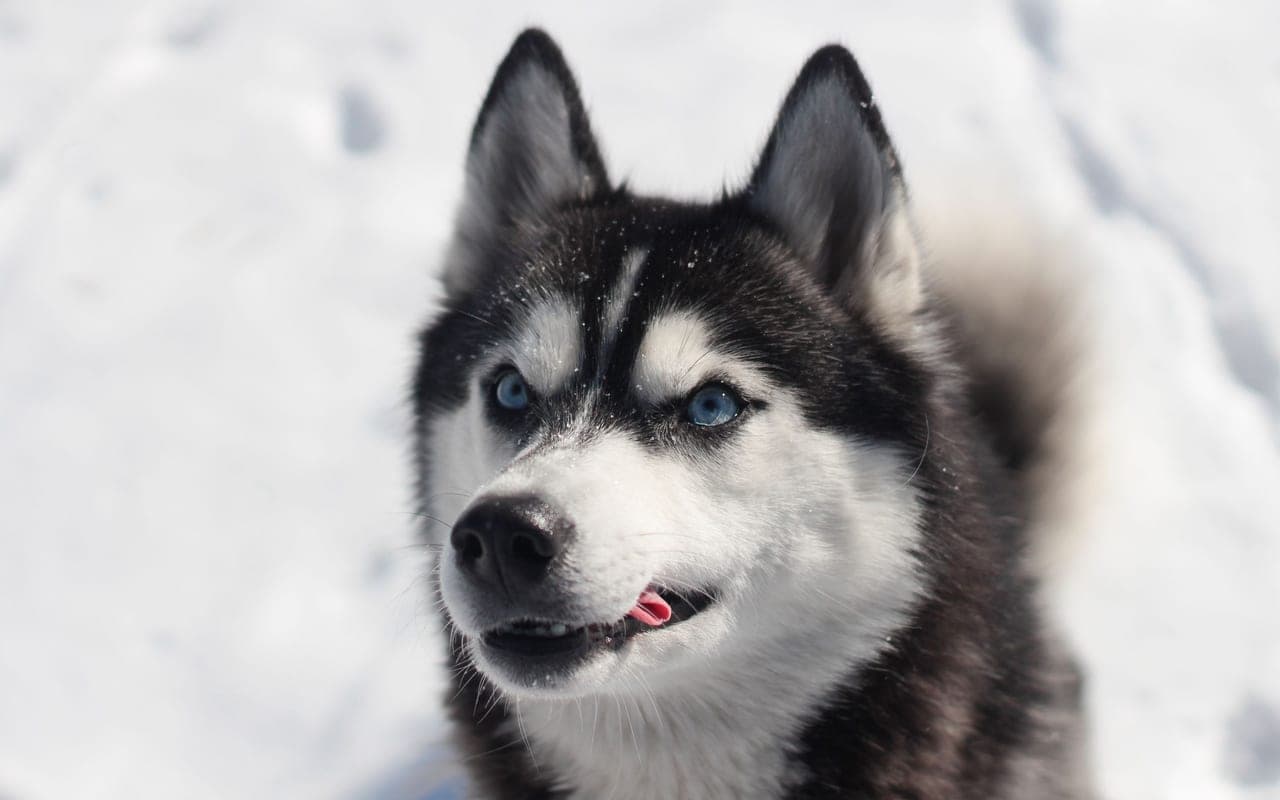
Siberian Husky
Also in the Working group, with different care and temperament tradeoffs.
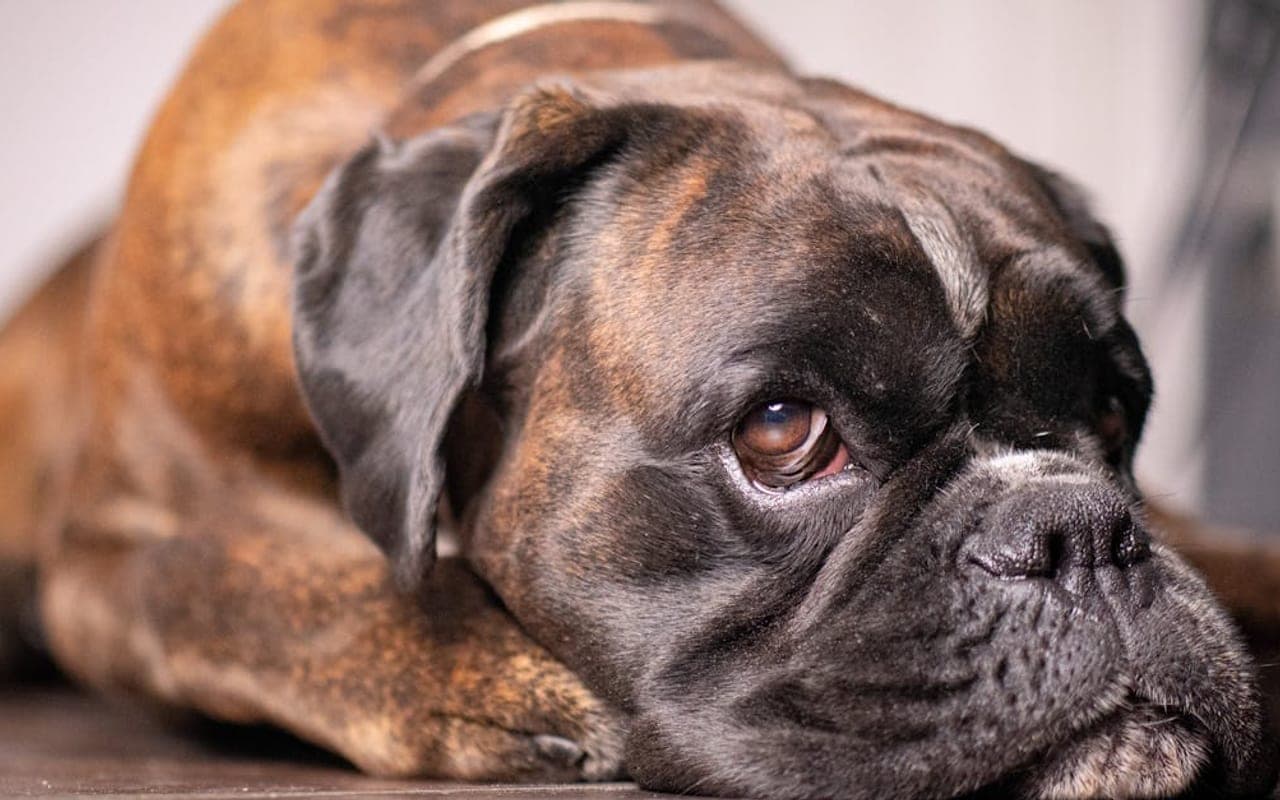
Boxer
Also in the Working group, with different care and temperament tradeoffs.
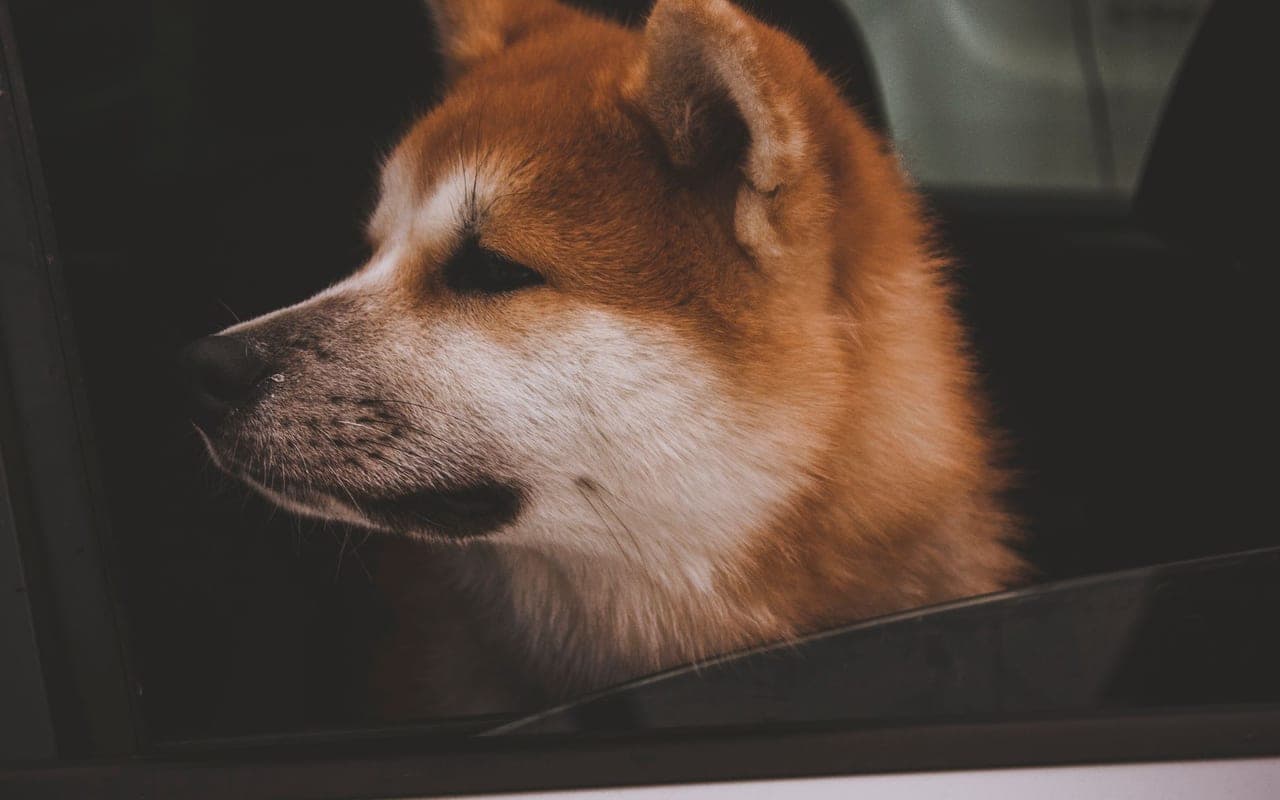
Akita
Also in the Working group, with different care and temperament tradeoffs.
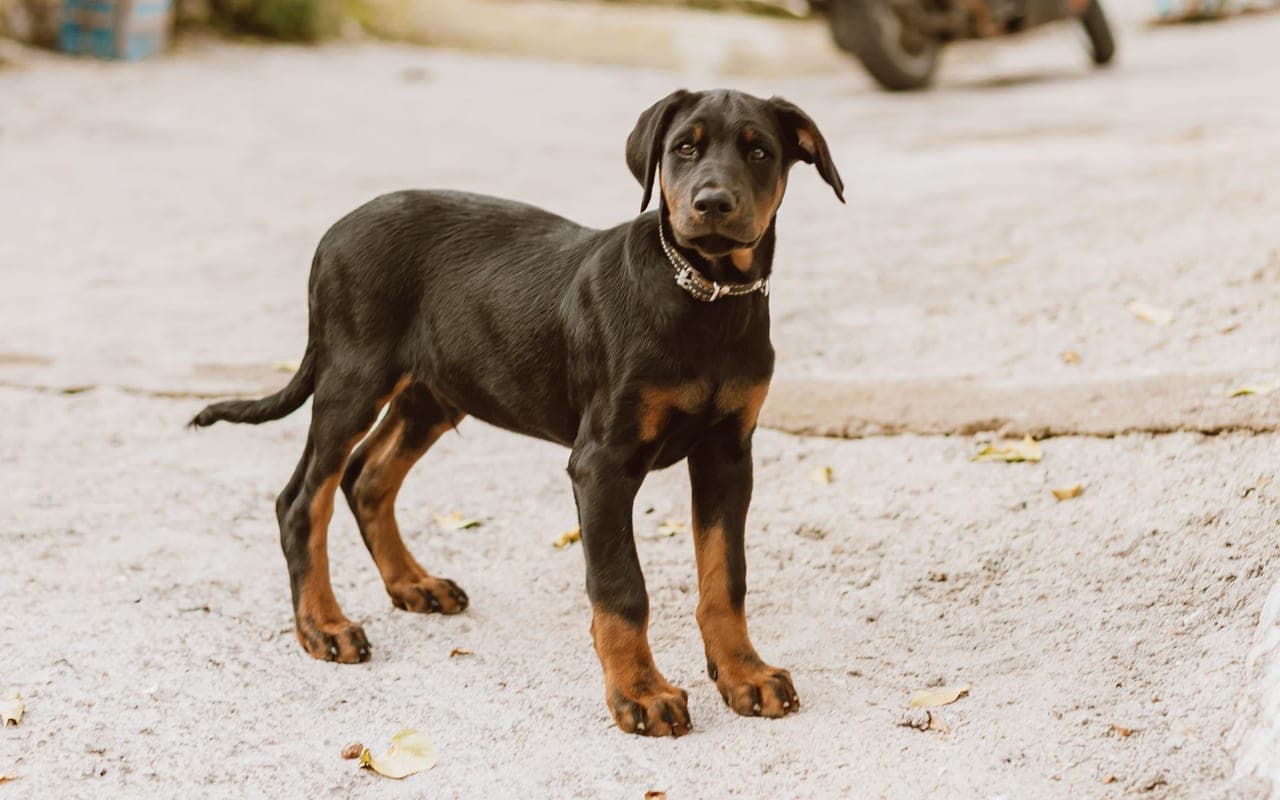
Doberman Pinscher
Also in the Working group, with different care and temperament tradeoffs.
Explore More About Rottweiler
Dive deeper into everything Rottweiler — costs, care, and expert insights.
How Much Does a Rottweiler Cost?
Purchase price, monthly costs, and lifetime expenses
Rottweiler Care Guide: The Loyal Guardian
Rottweilers are working dogs first, family pets second — the AKC standard sets height at 24 to 27...
Hip Dysplasia in Dogs: Causes, Symptoms & Treatment Options
Hip dysplasia affects millions of dogs. Learn the signs, which breeds are most at risk, and the...
Can Dogs Eat Eggs? How Much, How to Cook Them, and When to Call a Vet
Yes — cooked. What heat actually changes, what one large egg really costs in calories (72, not...
Considering a cat instead?
Browse Cats