
Hip Dysplasia in Dogs: Causes, Symptoms & Treatment Options
Not individually reviewed by a veterinarian. Read our editorial standards.
Last updated:
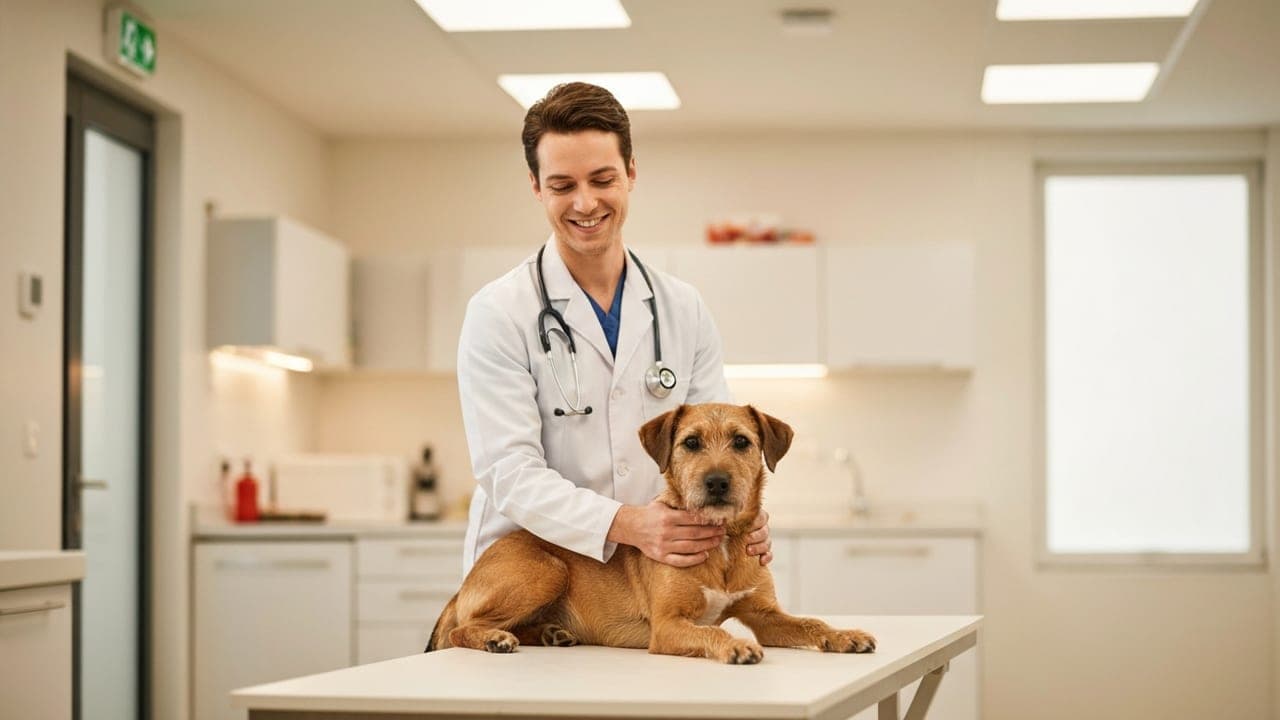
- Hip dysplasia is a genetic condition where the hip joint develops abnormally
- Large breeds (Labs, German Shepherds, Golden Retrievers) are most commonly affected
- Early signs include bunny-hopping gait, reluctance to climb, and stiffness after rest
- Weight management is the single most impactful non-surgical intervention
- Surgical options (FHO, TPO, total hip replacement) exist for severe cases
If your dog has started moving stiffly or seems reluctant to climb stairs, you might be worried about hip dysplasia. The good news is that this common condition is well understood, and there are real options to help your dog stay active and comfortable.
What Is Hip Dysplasia?
Hip dysplasia is a developmental condition where the ball-and-socket joint of the hip doesn't fit together properly. In a healthy hip, the femoral head (ball) sits snugly inside the acetabulum (socket), allowing smooth, pain-free movement. In a dog with hip dysplasia, the joint is loose, causing abnormal wear, inflammation, and eventually arthritis.
The condition begins during puppyhood as the bones grow. Genetics play the largest role, but nutrition, weight, and exercise during the growth phase all influence whether a predisposed dog develops clinical signs.
Which Breeds Are Most at Risk?
Hip dysplasia is most common in large and giant breeds, though it can occur in dogs of any size. The breeds with the highest incidence include:
- German Shepherds — one of the most commonly affected breeds, with studies showing up to 20% prevalence
- Labrador Retrievers — their popularity means hip dysplasia is one of the most frequently diagnosed conditions in labs
- Golden Retrievers — prone to both hip and elbow dysplasia
- Rottweilers — heavy build places extra stress on developing joints
Other at-risk breeds include Great Danes, Saint Bernards, Mastiffs, Bulldogs, and Old English Sheepdogs. Even medium-sized breeds like Basset Hounds and Pugs can develop the condition.
What Are the Symptoms?
Hip dysplasia symptoms can appear as early as four months of age or develop gradually in older dogs. Watch for:
In puppies and young dogs:
- "Bunny hopping" gait — using both hind legs together when running
- Difficulty rising from a lying position
- Reluctance to climb stairs or jump onto furniture
- Swaying or wobbling in the hindquarters
- Decreased activity compared to littermates
In adult and senior dogs:
- Stiffness after rest, especially on cold mornings
- Lameness in one or both hind legs
- Decreased range of motion in the hips
- Audible clicking from the hip joint
- Loss of muscle mass in the thighs
- Pain when the hip area is touched
Some dogs hide pain remarkably well. If your otherwise active dog gradually becomes less enthusiastic about walks or stops wanting to play, a vet check is worth the peace of mind.
How Is Hip Dysplasia Diagnosed?
Your veterinarian will start with a physical examination, manipulating the hip joints to check for looseness, pain, and reduced range of motion. The Ortolani test — a specific manipulation that detects joint laxity — is particularly useful in young dogs.
X-rays (radiographs) confirm the diagnosis and reveal the severity. Your vet may take films with your dog positioned on his or her back to get a clear view of both hips. Sedation is usually required for proper positioning.
For breeding evaluations, the Orthopedic Foundation for Animals (OFA) grades hip x-rays taken after age two. The PennHIP method can evaluate puppies as young as 16 weeks.
Treatment Options
Treatment depends on your dog's age, size, pain level, and how advanced the condition is. Options range from conservative management to surgery.
Conservative (Non-Surgical) Management
For mild to moderate cases, or when surgery isn't an option:
Weight management is the single most impactful intervention. Even a few extra pounds dramatically increase joint stress. Your vet can help determine your dog's ideal weight and a safe plan to reach it.
Joint supplements — glucosamine, chondroitin, and omega-3 fatty acids can support cartilage health and reduce inflammation. Results take 4-6 weeks to appear. Your vet may also recommend injectable polysulfated glycosaminoglycan (Adequan).
Anti-inflammatory medications — NSAIDs prescribed by your vet can reduce pain and swelling. Never give human NSAIDs like ibuprofen, which are toxic to dogs.
Physical therapy — underwater treadmills, swimming, and targeted exercises strengthen the muscles supporting the hip without stressing the joint. Many dogs show significant improvement with consistent rehabilitation.
Environmental modifications — ramps instead of stairs, orthopedic beds, non-slip floor mats, and raised food bowls make daily life easier.
Surgical Options
For severe cases or young dogs with significant joint laxity:
Juvenile pubic symphysiodesis (JPS) — for puppies under 20 weeks with confirmed laxity. A minimally invasive procedure that changes how the pelvis grows, improving hip coverage.
Triple pelvic osteotomy (TPO) — for dogs under 12 months without arthritis. The pelvis is cut and repositioned to improve joint coverage.
Femoral head ostectomy (FHO) — the ball of the femur is removed, allowing the body to create a "false joint" from scar tissue. Best for smaller dogs under 50 pounds.
Total hip replacement (THR) — the gold standard for large dogs with severe dysplasia. Replaces the entire joint with prosthetic components. Success rates exceed 90%, and most dogs return to full activity. Cost ranges from $3,500 to $7,000 per hip.
Can You Prevent Hip Dysplasia?
You can't change your dog's genetics, but you can reduce the risk of clinical disease:
- Choose responsible breeders who screen parents with OFA or PennHIP evaluations
- Feed appropriately — large-breed puppy food controls growth rate, reducing joint stress
- Maintain a lean body condition throughout your dog's life
- Avoid excessive exercise during the growth phase — no forced running on hard surfaces before growth plates close (12-18 months for large breeds)
- Provide joint supplements early if your dog's breed is predisposed
If you're considering bringing home a breed predisposed to hip dysplasia, check our breed guides for detailed health information.
Living Well With Hip Dysplasia
A hip dysplasia diagnosis isn't a death sentence for your dog's quality of life. Many dogs with the condition live happy, active lives with proper management. The key is early detection, maintaining a healthy weight, and working closely with your veterinarian.
If your dog is showing any signs of hip discomfort, don't wait. Early intervention makes a meaningful difference. Your vet can develop a management plan tailored to your dog's specific needs.
FAQ
Can hip dysplasia be cured?
Hip dysplasia can't be cured in the traditional sense since it's a structural abnormality. However, total hip replacement essentially eliminates the problem by replacing the malformed joint. Conservative management can control symptoms effectively in many dogs.
At what age does hip dysplasia appear?
Signs can appear as early as 4-6 months in severely affected puppies. Many dogs don't show obvious symptoms until 1-2 years of age, and some develop signs only in their senior years as arthritis progresses.
Is hip dysplasia painful for dogs?
Yes, hip dysplasia causes pain ranging from mild discomfort to severe lameness. Dogs are good at hiding pain, so stiffness, reluctance to exercise, or changes in gait should always be evaluated by a vet.
Does hip dysplasia get worse over time?
Without management, hip dysplasia typically worsens as the abnormal joint wear leads to progressive arthritis. With proper weight management, supplements, and veterinary care, the progression can be significantly slowed.
How much does hip dysplasia treatment cost?
Conservative management (supplements, medications, therapy) runs $50-200 per month. FHO surgery costs $1,500-3,500. Total hip replacement costs $3,500-7,000 per hip. Pet insurance purchased before diagnosis can cover a significant portion of surgical costs.
Mr Pet Lover Team
The Mr Pet Lover team is dedicated to providing warm, accurate, and practical pet care advice backed by veterinary research and real-world experience.
Related Articles

Separation Anxiety in Dogs: Signs, Causes & Proven Solutions
Coming home to destruction and complaints from neighbors doesn't mean your dog is bad. Separation anxiety is real, and it's treatable.

Brachycephalic Syndrome in Dogs: What Flat-Faced Breed Owners Must Know
If your flat-faced dog snores, snorts, or overheats easily, brachycephalic syndrome may be the cause. Learn how to manage it and when surgery helps.
Can Dogs Eat Chocolate? Toxicity by Weight + What to Do Right Now
No — chocolate is toxic to dogs. How much is dangerous by your dog's weight and the chocolate type, the symptoms to watch, and exactly what to do right away.