
Toy group
Yorkshire Terrier
The Yorkshire Terrier is a toy-sized dog with a full-sized terrier brain, and the gap between those two facts is the most important thing a prospective owner needs to understand.

Size
4-7 lb
Lifespan
11-15 years
Exercise
30-60 minutes
Shedding
Moderate
Experience
Match to owner routine
Decision first
Is a Yorkshire Terrier right for you?
Start with fit before history or trivia. These are ownership signals, not guarantees about any individual dog.
Best suited for
- Households with children.
- Homes with other compatible pets.
- Apartment homes with a consistent routine.
- Owners seeking a manageable daily exercise routine.
Think carefully if
- You need a dog with almost no daily routine.
- You cannot keep up with grooming and preventive care.
- The dog will spend most days alone without support.
Conditional fit
Apartment fit depends on exercise, enrichment, noise management, and outdoor access.
Daily reality
Yorkshire Terrier commitment snapshot
Daily exercise
30-60 minutes
Match activity to age, health, weather, and training goals.
Coat care
Low
Grooming needs vary by coat, shedding, and lifestyle.
Time alone
Needs planning
Most dogs need gradual alone-time conditioning and support.
Structured facts
Yorkshire Terrier at a glance
The measurements and traits that most affect day-to-day life with this breed.
Group
Toy
Weight
4-7 lb
Height
7-9 in
Lifespan
11-15 years
Temperament
Affectionate | Sprightly | Tomboyish
View all characteristics and methodology
Lifestyle fit
- Apartment suitability
- Likely fit
- Child friendliness
- Often good, with socialisation and supervision
- Other-pet fit
- Often compatible with careful introductions
Owner commitment
- Exercise
- 30-60 minutes
- Grooming
- Low
- Shedding
- Moderate
- Training
- Moderate
Environment and health
- Health risk
- Needs planning
Ratings combine structured breed data, visible breed fields, and editorial context. They are planning aids, not predictions for an individual dog.
Daily life
Yorkshire Terrier temperament and behavior
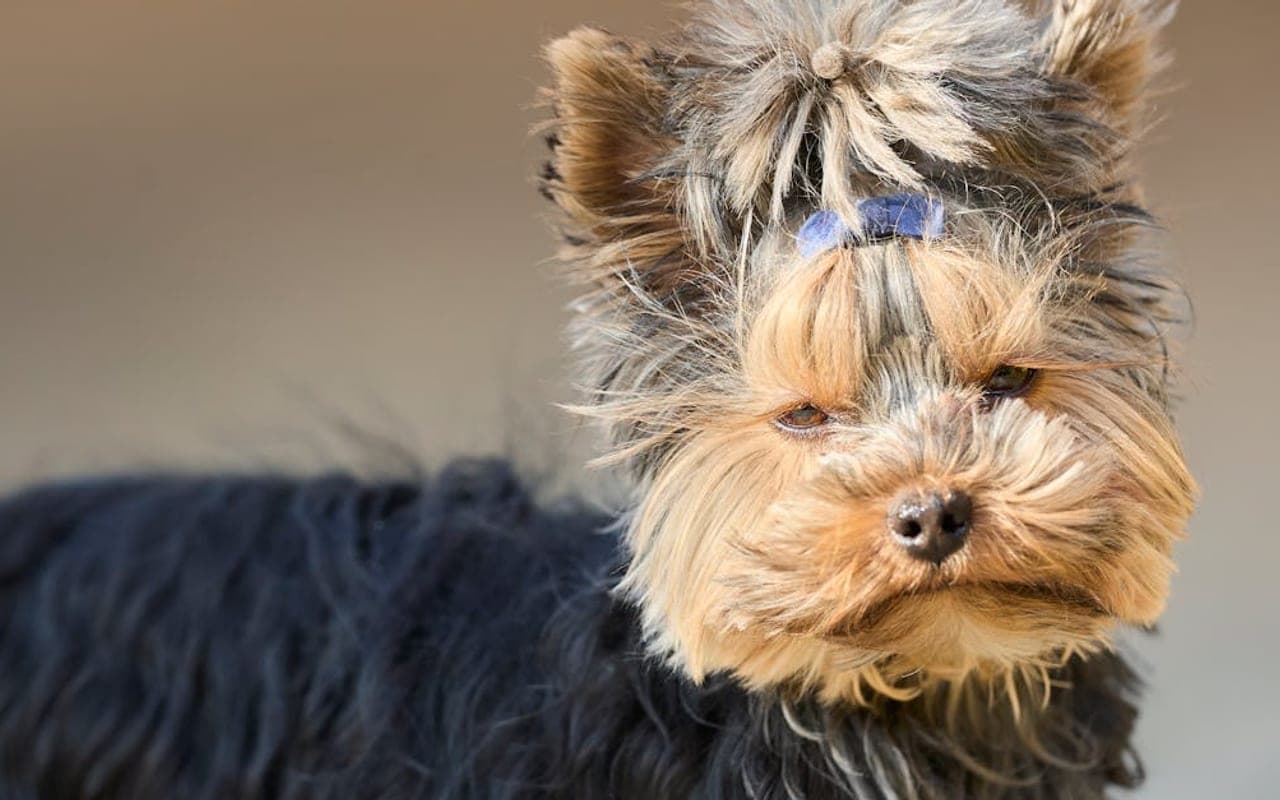
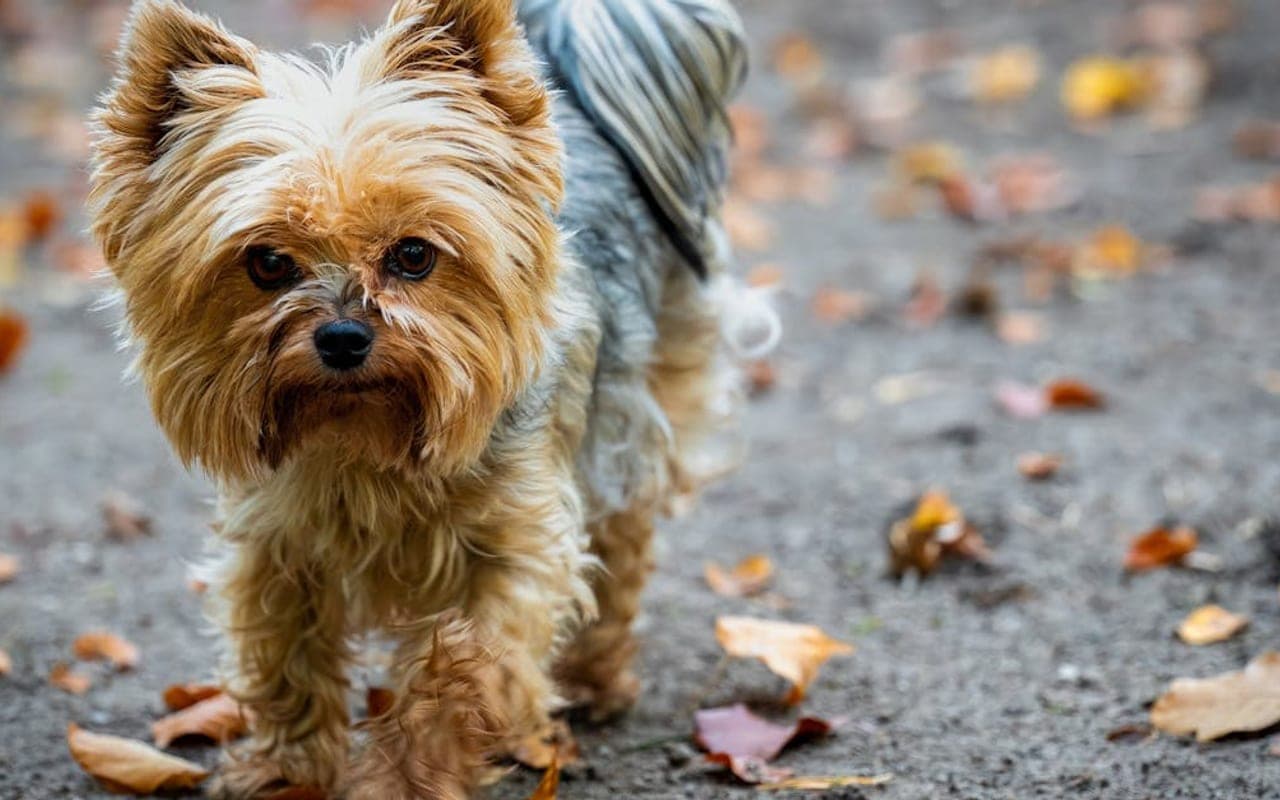
The Yorkshire Terrier is a toy-sized dog with a full-sized terrier brain, and the gap between those two facts is the most important thing a prospective owner needs to understand. The 'Yorkie' looks like a lap ornament and behaves like a working ratter — bold, opinionated, vocal, and far tougher in self-image than in body. People who buy the picture and get the personality are the ones who end up frustrated; people who want the personality and respect the fragility of the body do very well. Physically, the breed is genuinely tiny: the standard caps weight at 7 lb (about 3.2 kg), and many adults are 4-7 lb. The signature coat is long, fine, silky, and hair-like rather than furry — steel-blue and tan when fully grown — and it grows continuously, which makes grooming a defining ongoing cost, not an occasional chore. Lifespan is long, typically 11-15 years, so every commitment here is a decade-plus commitment. Temperament is classic terrier: confident, curious, affectionate with its people, often clingy, and quick to alert-bark at anything. Yorkies frequently do not realize they are small and will challenge much larger dogs, which is an injury risk owners must actively manage. Who the Yorkshire Terrier is right for: an owner who wants a portable, devoted, low-shedding companion, will commit to either daily coat care or regular professional clipping, will train consistently against small-dog 'yappiness,' and will physically protect a fragile dog from jumps, falls, rough children, and bigger animals. Who it is wrong for: someone expecting a quiet, low-maintenance accessory, a household with toddlers who cannot be supervised, or anyone unwilling to budget for grooming, dental care, and the breed's specific medical risks. The Yorkie is a small dog with a big-dog attitude and several non-trivial health exposures — choose with both of those open.
Affectionate | Sprightly | Tomboyish
Affectionate
A common Yorkshire Terrier temperament descriptor that should be interpreted alongside training, exercise, and household fit.
Sprightly
A common Yorkshire Terrier temperament descriptor that should be interpreted alongside training, exercise, and household fit.
Tomboyish
A common Yorkshire Terrier temperament descriptor that should be interpreted alongside training, exercise, and household fit.
Owner note
Temperament labels are starting points, not guarantees. Meet the individual dog and ask about behavior history whenever possible.
Care essentials
How to care for a Yorkshire Terrier
What looking after one actually involves: exercise, grooming, food, training, and routine health.
ExerciseAs needed
- Moderately active breed needing 30-60 minutes of daily exercise.
GroomingAs needed
- Weekly brushing is sufficient.
TrainingAs needed
- Consistent, patient training works best.
NutritionAs needed
- Feed high-quality dog food appropriate for age, size, and activity level.
Veterinary CareAs needed
- Annual wellness exams, vaccinations, dental care, and parasite prevention.
Health planning
Yorkshire Terrier health risks and screening
Every breed has individual health variation. Use this profile for planning and discuss medical decisions with a veterinarian.
Responsible ownership
Finding a Yorkshire Terrier responsibly
What to ask a breeder or rescue is the same conversation for every breed, so we keep it in one place and keep it current.
Health documentation, meeting the parents or foster, contracts and return support, and the warning signs worth walking away from.
Original purpose
Yorkshire Terrier history
History is useful when it explains today's behavior, coat, exercise needs, and training style.
Read the breed history
The Yorkshire Terrier was developed in the mid-19th century in the industrial counties of Yorkshire and Lancashire in northern England, not as a lapdog but as a working ratter. Scottish weavers and miners migrating south for textile and mining work brought small terriers with them, and these were crossed with local English terrier types to produce a compact, fearless dog that could kill rats in mills, mines, and homes. The early dogs were larger and rougher than today's breed; selective breeding for a smaller size and the distinctive long, silky steel-blue-and-tan coat refined the Yorkie into the glamorous companion the Victorian public came to adore. The breed was recognized in England in the 1870s and by the American Kennel Club in 1885. Its rapid social rise — from rat pit to ladies' parlor within a few decades — explains the breed's central tension: the body was bred down for fashion while the bold, tenacious working temperament was never bred out, which is exactly the dog owners meet today.
Gallery
Yorkshire Terrier photos
Images are cropped consistently and loaded progressively to keep the page responsive.
Lower-page context
Yorkshire Terriers in culture
Where the breed shows up in film, sport, work and folklore — the enjoyable part, once the practical questions are answered.
Fun facts
- The Yorkshire Terrier belongs to the Toy Group.
- The average lifespan of a Yorkshire Terrier is 11 to 15 years.
- Yorkshire Terrier dogs are valued for their affectionate, sprightly, tomboyish nature.
Yorkshire Terrier FAQs
Are Yorkshire Terriers really high-maintenance to groom?
Yes — the coat is hair that grows continuously and mats quickly, so there is no zero-effort option. A long show coat needs daily brushing and weekly baths; the practical pet alternative is a short clip that still needs brushing every 2-3 days plus professional grooming every 4-6 weeks at roughly $50-90 a visit. Treat grooming as a fixed recurring cost of the breed, not an occasional task you can defer.
Are Yorkies good with small children?
With caution. Yorkies are affectionate but physically fragile — many adults weigh only 4-7 lb, and a drop, fall, or rough handling can cause serious fractures or worse. They also do not tolerate being grabbed and can snap defensively. They suit households with older, gentle, supervised children far better than homes with toddlers. The risk runs both ways: the child can injure the dog, and the cornered dog can bite.
Why should I use a harness instead of a collar on a Yorkie?
Because the breed is prone to tracheal collapse, a weakening of the windpipe cartilage. Pressure from a neck collar — especially with a dog that pulls — directly aggravates the airway and can trigger the characteristic honking cough. A well-fitted body harness distributes pressure across the chest instead. This is one of the cheapest, highest-value preventive choices a Yorkie owner can make and should be the default from day one.
How long do Yorkshire Terriers live, and what should I budget for health?
Yorkies typically live 11-15 years, long lives that come with predictable costs. Budget for grooming every 4-6 weeks, dental cleanings every 1-2 years ($400-$1,000+), and awareness of higher-cost breed risks: patellar luxation surgery ($1,500-$4,000 per knee) and liver shunt management ($2,000-$6,000+). Pricing pet insurance while the dog is a healthy puppy is sensible given the breed's orthopedic and hepatic exposures.
Do Yorkshire Terriers bark a lot?
By default, yes. The Yorkie is a terrier bred to alert and confront, and it readily barks at noises, strangers, and other animals — and often does not register how small it is. Consistent early training, adequate mental stimulation, and not inadvertently rewarding the barking can substantially reduce it, but prospective owners, especially in apartments, should expect a vocal dog and plan to manage it rather than assume it can be eliminated.
Is a Yorkshire Terrier a good apartment dog?
Yes, with two provisos. The breed's small size and modest exercise needs (two short walks plus indoor play, about 20-30 minutes total) suit apartments well. The catches are barking, which needs active training in shared-wall living, and the breed's fragility and tracheal-collapse risk, which mean controlled stairs/jumping and a harness rather than a collar. Manage those and the Yorkie is one of the better-suited small apartment companions.
Sources
These are the published sources this page draws on. Each opens in a new tab so you can check it yourself.
American Kennel Club
Yorkshire Terrier — breed standard and profile(opens in a new tab)Supports: Breed standard and recognition details.
Similar breeds to consider
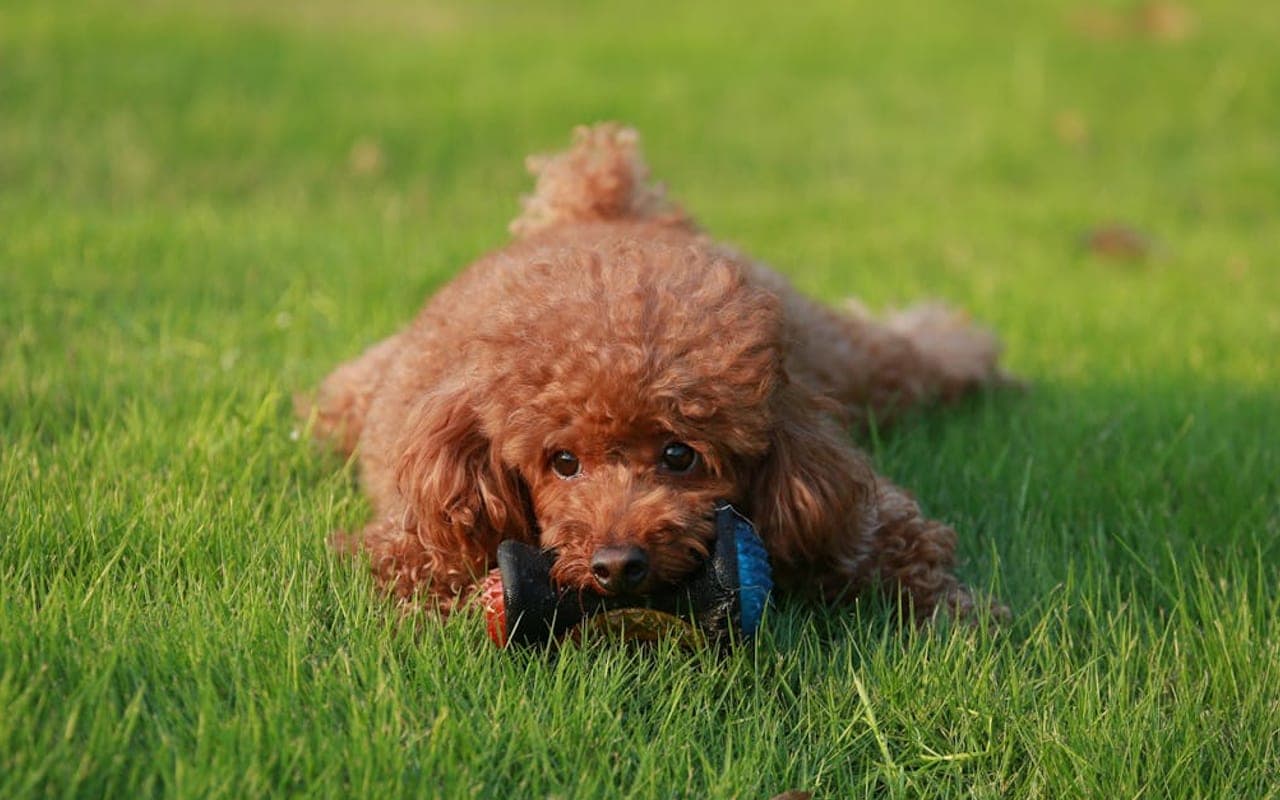
Poodle (Toy)
Also in the Toy group, with different care and temperament tradeoffs.
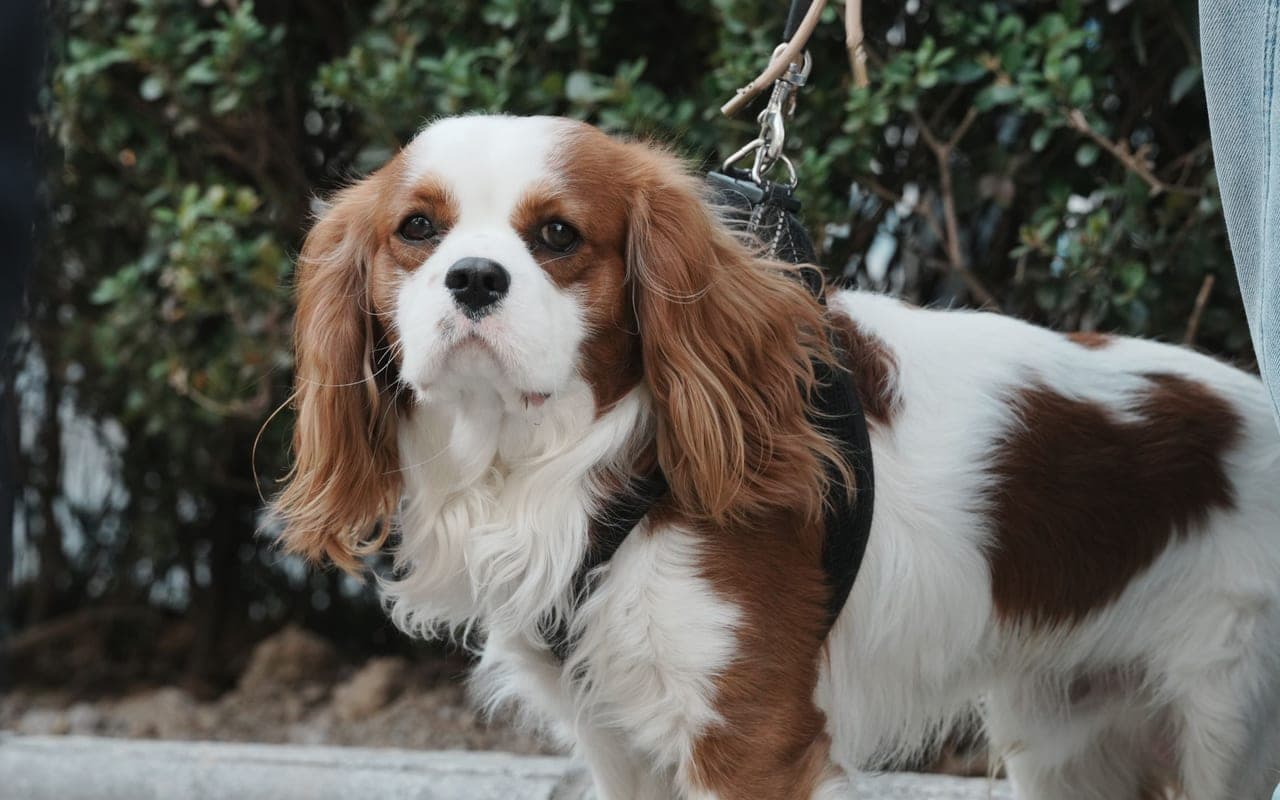
Cavalier King Charles Spaniel
Also in the Toy group, with different care and temperament tradeoffs.
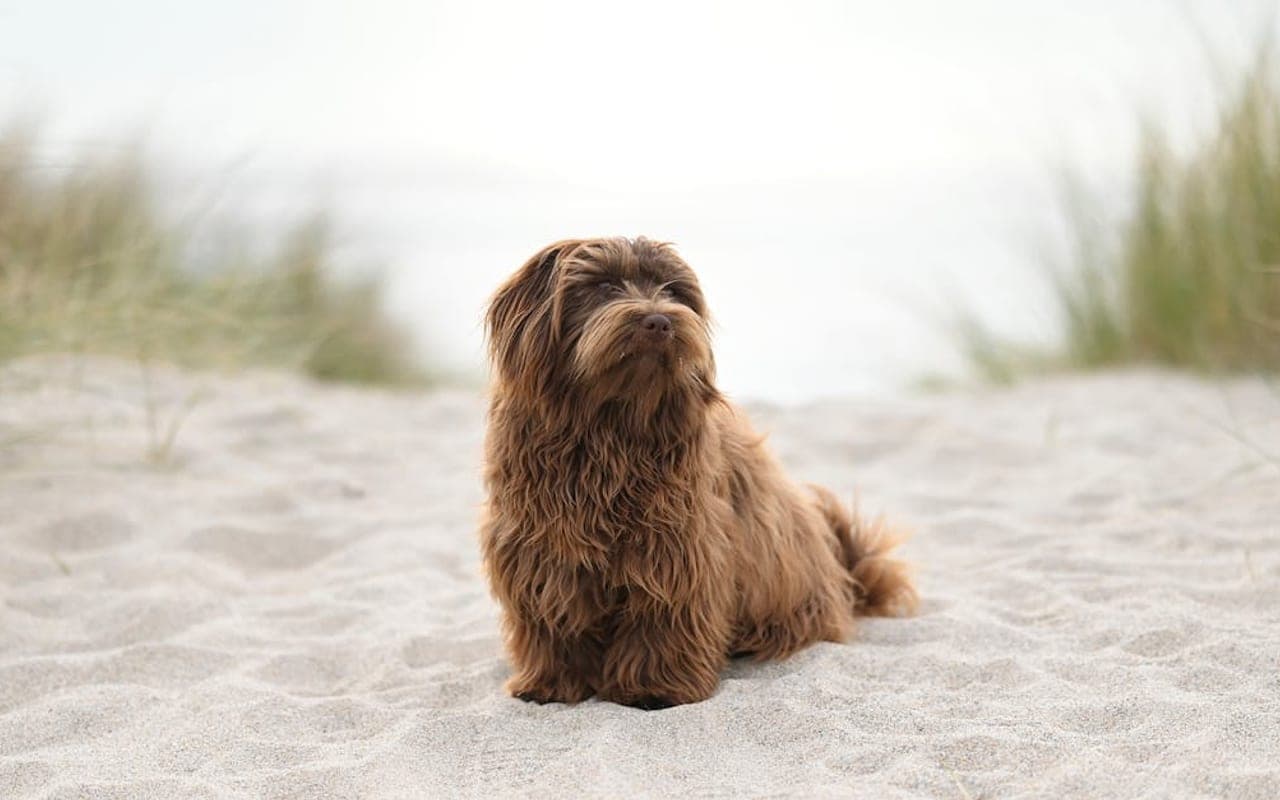
Havanese
Also in the Toy group, with different care and temperament tradeoffs.
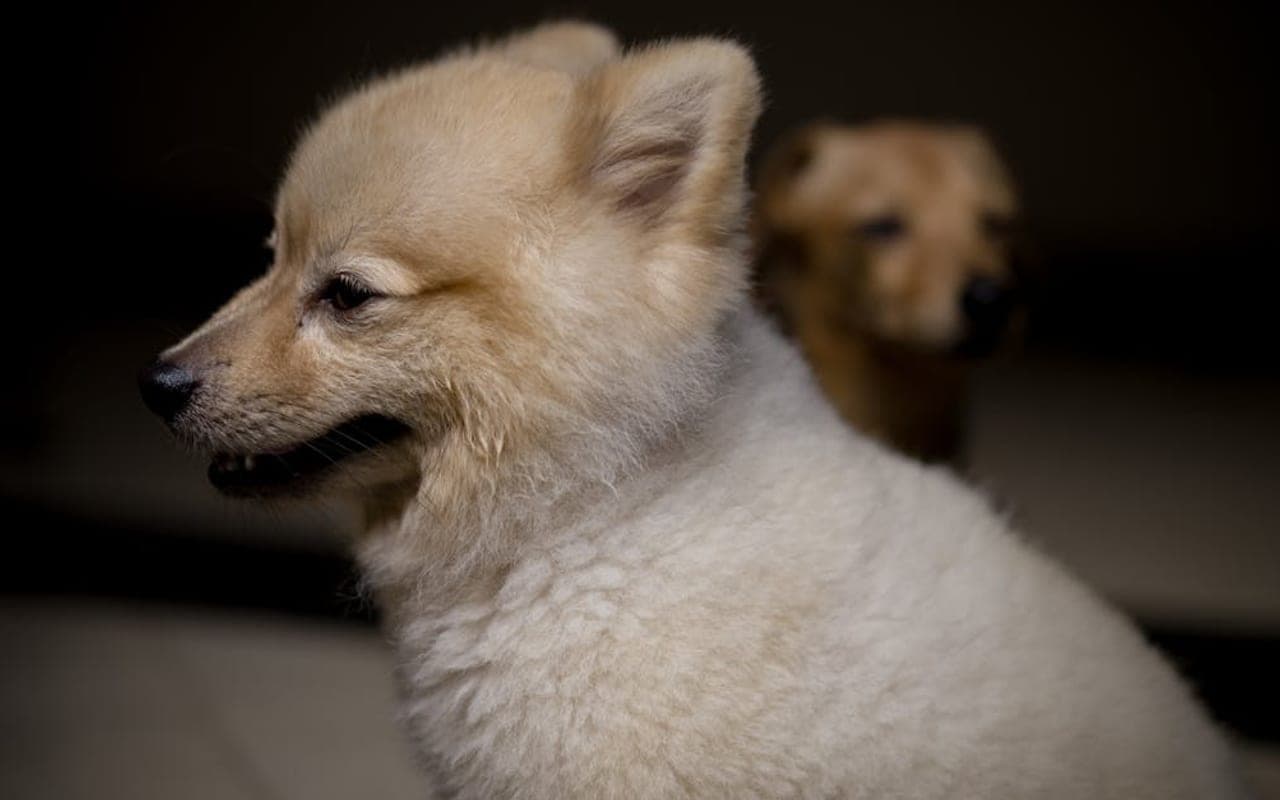
Pomeranian
Also in the Toy group, with different care and temperament tradeoffs.
Explore More About Yorkshire Terrier
Dive deeper into everything Yorkshire Terrier — costs, care, and expert insights.
Complete Yorkshire Terrier Care Guide
Seven pounds of pure attitude struts across the living room floor, silky coat swinging, head held...
Pancreatitis in Dogs: Causes, Diet, and Recovery
Pancreatitis strikes suddenly and can be life-threatening. Learn the warning signs, what causes it,...
Considering a cat instead?
Browse Cats