
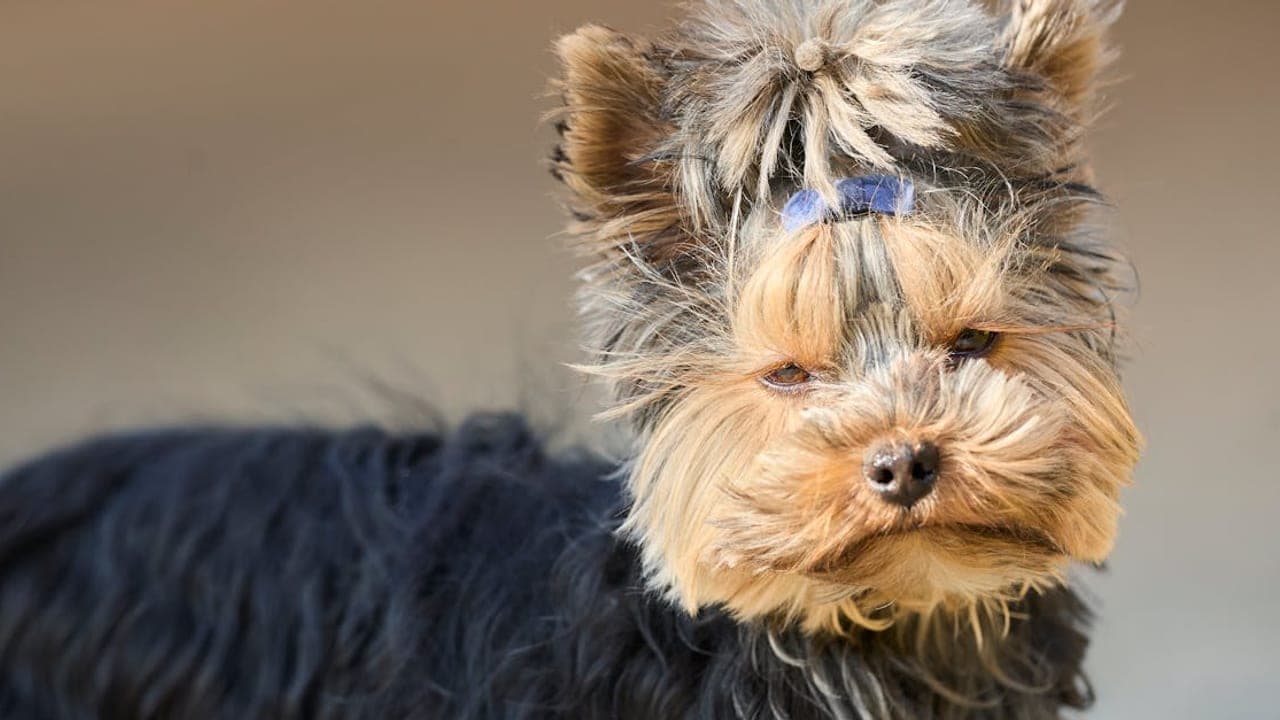
Complete Yorkshire Terrier Care Guide
Seven pounds of pure attitude struts across the living room floor, silky coat swinging, head held high with the confidence of a dog ten times their size. That's the Yorkshire Terrier — a breed that ha
Reading Time
📖 16 min read
Guide Type
🐾 Breed-Specific
Last Updated
📅 Sep 9, 2026
Breed
🐶 Yorkshire TerrierIn This Guide
Overview
Seven pounds of pure attitude struts across the living room floor, silky coat swinging, head held high with the confidence of a dog ten times their size. That's the Yorkshire Terrier — a breed that has never once looked in a mirror and seen a small dog looking back.
Why Yorkie Care Is Different From Other Small Breeds
Yorkshire Terriers aren't just small dogs with pretty coats. They're terriers — bred to hunt rats in English textile mills — packed into a toy-sized body with a hair type closer to human hair than typical dog fur. This unique combination creates care needs that differ significantly from other small breeds: their coat requires daily maintenance comparable to a high-maintenance human hairstyle, their tiny size makes them vulnerable to hypoglycemia and temperature extremes, and their terrier temperament demands mental stimulation that many toy breed owners don't expect.
What This Guide Covers
- Daily routines calibrated for a dog that weighs less than a gallon of milk
- Coat care that prevents matting and keeps their signature silky texture
- Nutrition strategies for a metabolism that runs hot and can crash fast
- Exercise that satisfies their terrier drive without risking their fragile frame
- Health conditions every Yorkie owner should monitor from day one
- Honest cost expectations for a breed with significant grooming and dental needs
Daily Care
Yorkies are small, but their daily care checklist is anything but. Their size creates specific vulnerabilities that bigger dogs don't face, and their coat demands consistent attention.
Morning Routine (7:00–8:30 AM)
- Morning meal (FIRST priority) — Yorkies are susceptible to hypoglycemia (low blood sugar), especially puppies and dogs under 5 lbs. Feed breakfast within 30 minutes of waking. A Yorkie who skips a meal can develop dangerous blood sugar drops — trembling, disorientation, and in severe cases, seizures.
- Coat brushing (10–15 minutes) — Daily brushing is non-negotiable for Yorkies with longer coats. Use a pin brush followed by a fine-toothed comb, working section by section. Spray a light leave-in conditioner before brushing to prevent breakage. Mats form overnight, especially behind the ears, under the legs, and around the collar.
- Short walk or outdoor time (15–20 minutes) — Yorkies need outdoor stimulation but are vulnerable to weather extremes. Below 45°F, they need a coat or sweater. In rain, many Yorkies refuse to go outside — pee pad training as backup is practical, not permissive.
Temperature Vulnerability
Yorkies lack the undercoat and body mass that insulate larger breeds. They chill quickly and overheat in direct sun.
- Cold weather (below 45°F): Sweater or jacket mandatory. Limit outdoor time to 15–20 minutes.
- Hot weather (above 85°F): Walk on grass (not pavement — tiny paw pads burn ). Carry water. Watch for panting.
- Indoor comfort: Maintain home temperatures between 65–75°F. Many Yorkies benefit from heated beds in winter.
Midday and Evening
- Second meal — Yorkies should eat 3 meals per day (not 2 like larger breeds) to maintain stable blood sugar. Small, frequent meals prevent hypoglycemic episodes.
- Play session (15–20 minutes) — Indoor fetch with small toys, puzzle games, or training practice. Yorkies retain strong terrier prey drive — squeaky toys and chase games satisfy this instinct.
- Evening brushing (5–10 minutes) — A quick session prevents overnight matting.
- Third meal or substantial snack — Especially important for puppies and Yorkies under 5 lbs. A small meal before bedtime prevents overnight blood sugar drops.
Safety Essentials
- No jumping from heights — Yorkies' small size makes them vulnerable to fractures from jumps that wouldn't faze a larger dog. Use ramps or steps for furniture access.
- Watch for reclining chairs, closing doors — Their tiny frame can be seriously injured by household hazards larger dogs are impervious to.
- Harness, not collar — Yorkies are predisposed to tracheal collapse. A harness distributes pressure away from the delicate trachea.
Nutrition
Feeding a Yorkshire Terrier correctly is more precise than feeding larger breeds. Their tiny body has a fast metabolism, minimal fat reserves, and a small stomach that can't handle large portions — but desperately needs consistent fuel.
Feeding Guidelines by Life Stage
| Life Stage | Daily Amount | Meals Per Day | Key Priority | |---|---|---|---| | Puppy (2–6 months) | 1/4–1/2 cup | 4 meals | Hypoglycemia prevention, growth support | | Adolescent (6–12 months) | 1/3–1/2 cup | 3 meals | Dental health, steady growth | | Adult (1–8 years) | 1/4–1/2 cup | 2–3 meals | Weight management, dental, coat health | | Senior (8+ years) | 1/4–1/3 cup | 2–3 meals | Joint support, dental, reduced calories |
These amounts seem tiny — and they are. Yorkies typically eat 150–200 calories per day. Overfeeding by even a tablespoon per day accumulates into significant weight gain on a 5–7 lb frame.
Hypoglycemia Prevention Through Diet
Hypoglycemia is the #1 nutritional emergency in Yorkies. Puppies under 4 months and adults under 4 lbs are highest risk.
- Never skip meals — Set alarms if necessary. A missed meal for a toy breed is not the same as a missed meal for a Labrador.
- High-quality protein and fat — These provide sustained energy release, unlike carbohydrate-heavy foods that spike and crash blood sugar
- Keep Nutri-Cal or honey available — If your Yorkie becomes lethargic, wobbly, or glassy-eyed, rub a small amount of honey or Nutri-Cal gel on their gums and call your vet
- Bedtime snack — A small, protein-rich snack before bed prevents overnight drops
Choosing the Right Food
- Small-breed formulas — Kibble size matters. Standard kibble is too large for Yorkie mouths and can be a choking hazard.
- High-calorie density — Small-breed formulas pack more calories per cup because Yorkies can't eat large volumes
- Omega fatty acids — Critical for coat health. Their silky coat is essentially human hair and needs nutritional support to stay glossy
- Avoid artificial colors and fillers — Yorkies' sensitive systems react to low-quality ingredients with digestive upset, skin irritation, and coat dulling
- Dental-focused formulas — Some small-breed foods include kibble textures that help reduce tartar buildup
Exercise
Don't let their toy classification fool you — Yorkies are terriers, and terriers were built to work. Your Yorkshire Terrier needs exercise and mental stimulation that honors their working heritage while respecting their physical limitations.
Daily Exercise Requirements
| Age | Duration | Intensity | Best Activities | |---|---|---|---| | Puppy (under 1 year) | 15–25 min total | Gentle, supervised | Indoor play, brief outdoor exploration | | Adult (1–8 years) | 30–45 min total | Moderate | Walks, play, training, indoor fetch | | Senior (8+ years) | 20–30 min total | Gentle | Short walks, puzzle toys, gentle play |
Best Exercises for Yorkies
Indoor activities (weather-independent — important for a cold-sensitive breed):
- Indoor fetch — Use lightweight toys in a hallway. Yorkies have surprisingly strong retrieving instincts.
- Puzzle toys — Treat-dispensing toys, snuffle mats, and hide-and-seek games channel their terrier problem-solving ability.
- Trick training — Yorkies are intelligent and eager for attention. Teaching tricks provides mental exercise and strengthens your bond. They excel at tricks that involve small props and quick movements.
- Squeaky toy play — That terrier prey drive means squeaky toys are irresistible. Supervised play with squeaky toys satisfies hunting instincts.
Outdoor activities (weather-permitting):
- Short walks — Two 15-minute walks daily in appropriate weather. Let them explore and sniff — Yorkies are curious investigators.
- Socialization walks — Pet-friendly stores, outdoor cafes, and quiet parks. Yorkies need ongoing socialization to prevent the "small dog syndrome" that develops when they're carried everywhere.
- Yard exploration — Supervised time in a securely fenced yard. Check fence bases — Yorkies can squeeze through surprisingly small gaps.
Exercise Cautions
- Avoid dog parks with large dogs — A playful swipe from a 60-lb dog can seriously injure a 5-lb Yorkie. Stick to small-dog sections or controlled playdates.
- No forced running — Yorkies' legs are short and their joints are delicate. They set their own pace.
- Watch for overexertion — Yorkies will play until they drop. If they start sitting during play, they're telling you they need a break.
- Carry in crowded areas — Yorkies at ground level in crowds risk being stepped on. A carrier or sling keeps them safe and social.
Grooming
Yorkshire Terrier grooming is the breed's defining care commitment. Their coat is hair, not fur — it grows continuously like human hair, doesn't have an undercoat, and mats with determined speed if neglected even for a day.
Coat Options: Long vs. Puppy Cut
| Style | Maintenance Level | Brushing | Professional Grooming | |---|---|---|---| | Show/long coat | Very high | Daily, 15–20 minutes | Monthly trim/conditioning | | Puppy cut (1–2 inches) | Moderate | Every other day, 5–10 minutes | Every 6–8 weeks | | Modified show (medium) | High | Daily, 10–15 minutes | Every 6–8 weeks |
Most pet Yorkies are maintained in a puppy cut or modified length. The full show coat is stunning but requires grooming commitment comparable to a part-time job.
Daily Coat Care (Any Length)
- Spray with detangling conditioner — Never brush a dry Yorkie coat. It causes breakage and static.
- Section and brush — Work in small sections from the ends upward. Use a pin brush for length, then follow with a fine-toothed comb to catch missed tangles.
- Mat check — Focus on behind ears, armpits, groin, and where the collar sits. Mats tighten quickly and can cause skin irritation underneath.
- Topknot (if coat is long enough) — Gather hair above the eyes into a small band. This keeps hair out of their eyes, preventing irritation and tear staining.
Professional Grooming
- Bath with coat-appropriate shampoo and conditioner
- Full brush-out and detangling
- Haircut to chosen style
- Nail trim, ear cleaning, sanitary trim
- Cost: varies with coat length, with show-coat maintenance at the higher end
Dental Care — The Yorkie Priority
Yorkies have the worst dental health of any breed. Their small jaws crowd teeth together, creating pockets where plaque and bacteria thrive. By age 3, most Yorkies without dental care have significant periodontal disease.
- Daily brushing — Non-negotiable. Use a finger brush or ultra-small toothbrush with enzymatic dog toothpaste.
- Dental chews — Appropriately sized for toy breeds. Many standard dental chews are too large and pose choking hazards.
- Professional dental cleanings — Annually at minimum. Many Yorkies need cleanings every 6 months. Tooth extractions are common — some senior Yorkies lose half their teeth even with good home care.
- Monitor for signs: Bad breath, reluctance to eat hard food, pawing at mouth, bleeding gums.
Tear Stain Management
Yorkies with lighter coats show tear staining prominently. Daily wiping under the eyes with a warm, damp cloth prevents buildup. If staining is severe, discuss with your vet — it can indicate blocked tear ducts or food sensitivities.
Health
Yorkshire Terriers are generally long-lived (12–16 years), but their tiny size makes them vulnerable to conditions that rarely affect larger breeds. Understanding these allows you to catch them early.
Hypoglycemia
The most immediate health concern for Yorkie owners, especially with puppies and very small adults (under 4 lbs).
- What happens: Blood sugar drops below safe levels, causing weakness, trembling, disorientation, and potentially seizures or loss of consciousness
- Triggers: Missed meals, stress, excessive exercise, illness, cold temperatures
- Emergency response: Rub honey or corn syrup on their gums, wrap them in a warm blanket, and get to a vet immediately if they don't improve within 5 minutes
- Prevention: Regular meals (3 per day minimum), always available water, avoiding prolonged cold exposure
Tracheal Collapse
A progressive condition where the tracheal cartilage rings weaken and flatten, causing a characteristic "honking" cough.
- Prevalence: Very common in Yorkies, especially after age 5
- Signs: Honking cough triggered by excitement, pulling on leash, drinking water, or pressure on the throat
- Management: Always use a harness (never a collar), maintain a healthy weight (excess weight worsens symptoms), medication (cough suppressants, bronchodilators) for mild cases, surgical stenting for severe cases
- Risk reduction (not prevention): The Merck Veterinary Manual states the cause of tracheal collapse is unknown, so no equipment prevents it developing. A harness rather than a collar keeps pressure off the windpipe, and weight management plus avoiding environmental irritants (smoke, strong perfumes) reduce how hard the airway is worked
Dental Disease
Covered in grooming, but the health implications deserve emphasis: untreated periodontal disease in Yorkies can lead to jaw bone deterioration, tooth loss, and bacterial spread to the heart and kidneys. Budget for professional dental care as a medical expense, not an optional grooming extra.
Luxating Patella
The kneecap slips out of its normal position, causing intermittent skipping or lameness.
- Grading: Grade 1 (occasional slip, self-corrects) through Grade 4 (permanently displaced)
- Signs: Sudden leg-lifting while walking, hopping for a few steps, then returning to normal
- Treatment: Grades 1–2 often managed with weight control and joint supplements. Grades 3–4 typically require corrective surgery
Liver Shunt (Portosystemic Shunt)
A congenital condition where blood bypasses the liver, allowing toxins to accumulate. More common in Yorkies than almost any other breed.
- Signs: Stunted growth, disorientation after eating, excessive thirst, seizures, urinary stones
- Diagnosis: Blood bile acids test, ultrasound, or CT angiography
- Treatment: Dietary management for mild cases, surgical correction for moderate to severe cases
Preventive Health Schedule
| Age | Frequency | Key Screenings | |---|---|---| | Puppy (8 weeks–1 year) | Every 3–4 weeks | Vaccinations, liver function (bile acids test), dental evaluation | | Adult (1–7 years) | Annually | Dental (priority), patellar evaluation, thyroid, tracheal assessment | | Senior (8+ years) | Every 6 months | Blood panel, dental, cardiac, joint assessment, eye exam |
Costs
Yorkshire Terriers are a moderate-to-high cost breed, driven primarily by professional grooming and dental care rather than the size-related costs that affect larger breeds.
What the First Year Costs
Year-one spending is front-loaded and clusters in a few categories: acquisition (a health-testing breeder costs several times a rescue adoption), the initial vet-and-vaccine workup, spay or neuter, a small-dog starter kit, the first several professional grooming visits, and puppy training. Grooming appears in year one because a Yorkie's coat needs professional attention from the start — it is a recurring line, not a one-off.
What Recurs Every Year
The standing costs are dominated by two Yorkie-specific lines most breeds do not carry at this weight: professional grooming every few weeks (a hair coat that grows continuously) and professional dental care (the breed has the worst dental health of any). Add small-breed food, routine vet care, grooming supplies, parasite prevention, and insurance. Food is trivial — a Yorkie eats very little — so the monthly figure is set by grooming and dentistry, not by the dog's size.
Where the Big Variable Costs Hide
Dental work is the largest swing for a Yorkie owner: extractions during a cleaning add up fast, and senior Yorkies may need several a year. The breed's other cost tails are medical — tracheal-collapse management ranges from ongoing medication to stenting surgery, and liver-shunt correction is a major procedure — which is why enrolling in insurance before any of these develops, so they are not excluded as pre-existing, is the single most consequential cost decision.
Cost-Saving Strategies
- Learn home grooming — maintaining a puppy cut at home is achievable with a modest clipper set and one demonstration session from a professional.
- Dental care at home — daily brushing can cut professional cleaning frequency roughly in half, the largest recurring saving available.
- Buy small-breed food in modest bags — Yorkies eat so little that large bags go stale before they are finished.
- Insure early — enroll before dental disease or tracheal collapse become pre-existing conditions.
- Sweaters and coats — a couple of quality dog sweaters reduce cold-related vet visits.
Frequently Asked Questions
Is a "teacup" Yorkie a real size, and how small is too small?
No registry recognises it. The Royal Kennel Club breed standard (formerly published as The Kennel Club standard) gives the Yorkshire Terrier a weight of up to 3.2 kg, around 7 lb — a ceiling, not a target, and there is no smaller recognised variety beneath it. VCA Animal Hospitals list low blood sugar among puppy concerns and tie the risk to the breed's small size. Treat "teacup" as a sales word: ask the seller for both parents' actual adult weights, and walk away if they cannot give them.
My Yorkie puppy is nearly seven months old and still has its baby teeth — does that matter?
Yes, and it is separate from ordinary tartar. VCA Animal Hospitals state the rule plainly: no two teeth should be in the same place at the same time. A retained baby tooth crowds the adult tooth beside it, food and debris become trapped between them, and that leads to tartar, gingivitis and ultimately periodontitis; abnormal contact can also fracture a tooth. Their guidance is that persistent deciduous teeth are usually extracted promptly, so book the dental check now rather than waiting for the neuter appointment.
Should my Yorkie be screened for a liver shunt, and what does the test actually involve?
It is worth raising specifically, because VCA Animal Hospitals name Yorkshire terriers among the breeds with an increased incidence of portosystemic shunt. Screening is a paired bile acid test: one blood sample taken after fasting, a second about two hours after a meal, because a shunted liver never gets the chance to remove those chemicals from circulation. Signs can be quiet — stunted growth, disorientation, seizures, or urinary stones and recurrent bladder infections showing up later. Ask your vet for the test if any of that fits your dog.
If I only ever use a harness, will that prevent tracheal collapse?
A harness keeps pressure off the windpipe, but it is not prevention. The Merck Veterinary Manual describes tracheal collapse as most common in toy and miniature breeds and states the cause is unknown, so no piece of equipment stops it developing. The measures Merck lists are weight loss where the dog is overweight, called critical to management, plus exercise restriction, reducing excitement and stress, and medication such as cough suppressants and bronchodilators. Once the dry honking cough has started, that is a veterinary appointment, not a kit change.
My Yorkie snorts and pulls air inward in fits — is that the collapsing-trachea cough?
Often it is something else entirely. VCA Animal Hospitals describe reverse sneezing, or paroxysmal respiration, as the dog rapidly pulling air in, standing still with head and neck extended, making a loud snorting sound for several seconds up to about a minute, and note it is not harmful, with the dog completely normal before and after. Collapsing trachea is on the list of conditions a vet rules out first, so film an episode on your phone and show it at your next appointment.
Sources
This guide draws on the following published references. Each opens in a new tab so you can check it against what you have read here.
American Kennel Club
Yorkshire Terrier — breed standard and profile(opens in a new tab)The Royal Kennel Club
Yorkshire Terrier Breed Standard(opens in a new tab)ASPCA
Dog Grooming Tips(opens in a new tab)ASPCA
General Dog Care(opens in a new tab)VCA Animal Hospitals
Yorkshire Terrier(opens in a new tab)ASPCA
Dog Nutrition Tips(opens in a new tab)VCA Animal Hospitals
Retained Deciduous Teeth (Baby Teeth) in Dogs(opens in a new tab)VCA Animal Hospitals
Portosystemic Shunt in Dogs(opens in a new tab)Merck Veterinary Manual
Routine Health Care of Dogs(opens in a new tab)Merck Veterinary Manual
Tracheal Collapse in Dogs(opens in a new tab)VCA Animal Hospitals
Reverse Sneeze in Dogs(opens in a new tab)
Affiliate disclosure: We may earn a commission from qualifying purchases. This doesn't affect our recommendations.
Recommended Products
Yorkshire Terrier Care Guide Book
Breed-focused reading and owner references for Yorkshire Terrier care, training, grooming, and health planning.
Chris Christensen Slicker Brush
Professional-grade brush for Yorkie silky coats
Virbac Enzymatic Dog Toothpaste
Poultry-flavored toothpaste for daily Yorkie dental care
Get personalized pet care tips
Join our newsletter for breed-specific advice, care guides, and expert tips delivered weekly.
No spam, ever. Unsubscribe anytime.