
Working group
Anatolian Shepherd Dog
The Anatolian Shepherd is a livestock-guarding dog, not a pet that happens to be large — and that distinction decides whether this breed is right for you.
Size
88-150 lb
Lifespan
11-13 years
Exercise
30-60 minutes
Shedding
Moderate
Experience
Match to owner routine
Decision first
Is a Anatolian Shepherd Dog right for you?
Start with fit before history or trivia. These are ownership signals, not guarantees about any individual dog.
Best suited for
- Households with children.
- Homes with other compatible pets.
- Apartment homes with a consistent routine.
- Owners seeking a manageable daily exercise routine.
Think carefully if
- You need a dog with almost no daily routine.
- You cannot keep up with grooming and preventive care.
- The dog will spend most days alone without support.
Conditional fit
Apartment fit depends on exercise, enrichment, noise management, and outdoor access.
Daily reality
Anatolian Shepherd Dog commitment snapshot
Daily exercise
30-60 minutes
Match activity to age, health, weather, and training goals.
Coat care
Moderate
Grooming needs vary by coat, shedding, and lifestyle.
Time alone
Needs planning
Most dogs need gradual alone-time conditioning and support.
Structured facts
Anatolian Shepherd Dog at a glance
The measurements and traits that most affect day-to-day life with this breed.
Group
Working
Weight
88-150 lb
Height
27-31 in
Lifespan
11-13 years
Temperament
Loyal | Independent | Reserved
View all characteristics and methodology
Lifestyle fit
- Apartment suitability
- Likely fit
- Child friendliness
- Often good, with socialisation and supervision
- Other-pet fit
- Often compatible with careful introductions
Owner commitment
- Exercise
- 30-60 minutes
- Grooming
- Moderate
- Shedding
- Moderate
- Training
- Moderate
Environment and health
- Health risk
- Needs planning
Ratings combine structured breed data, visible breed fields, and editorial context. They are planning aids, not predictions for an individual dog.
Daily life
Anatolian Shepherd Dog temperament and behavior
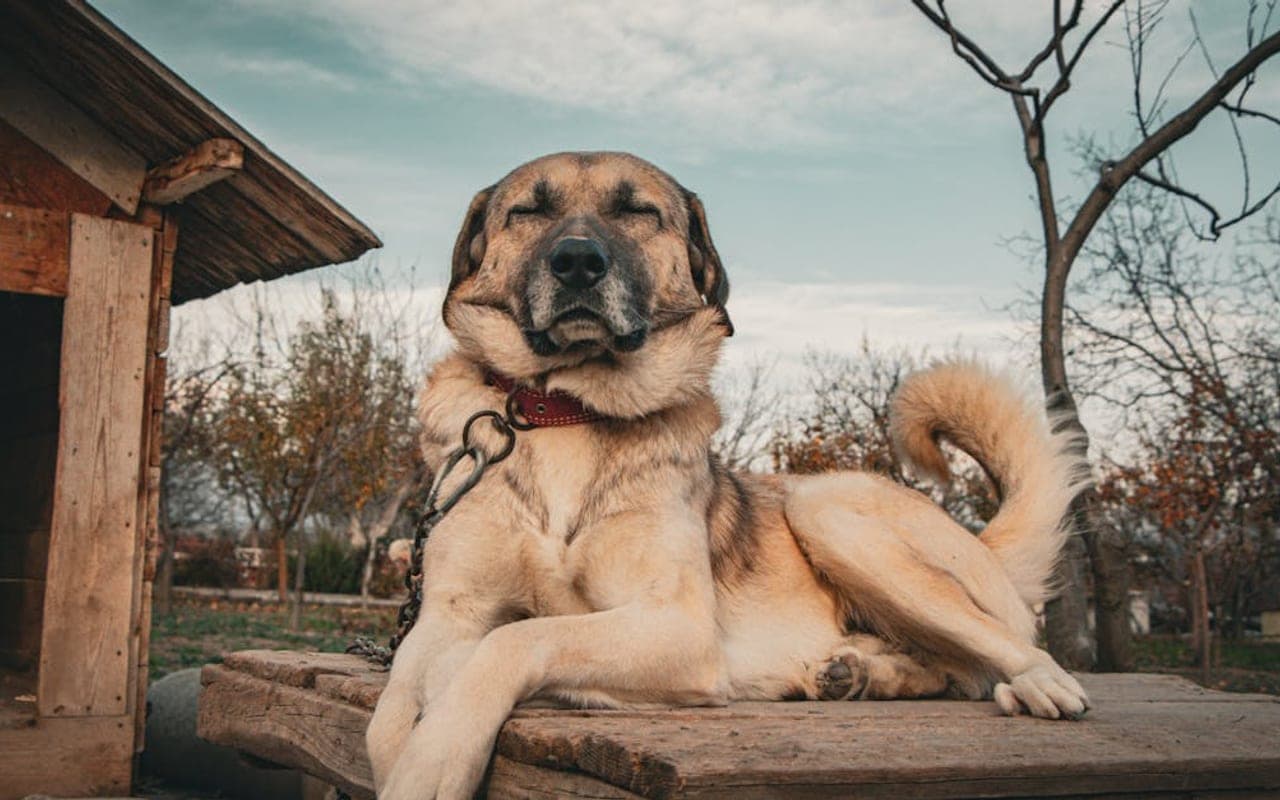
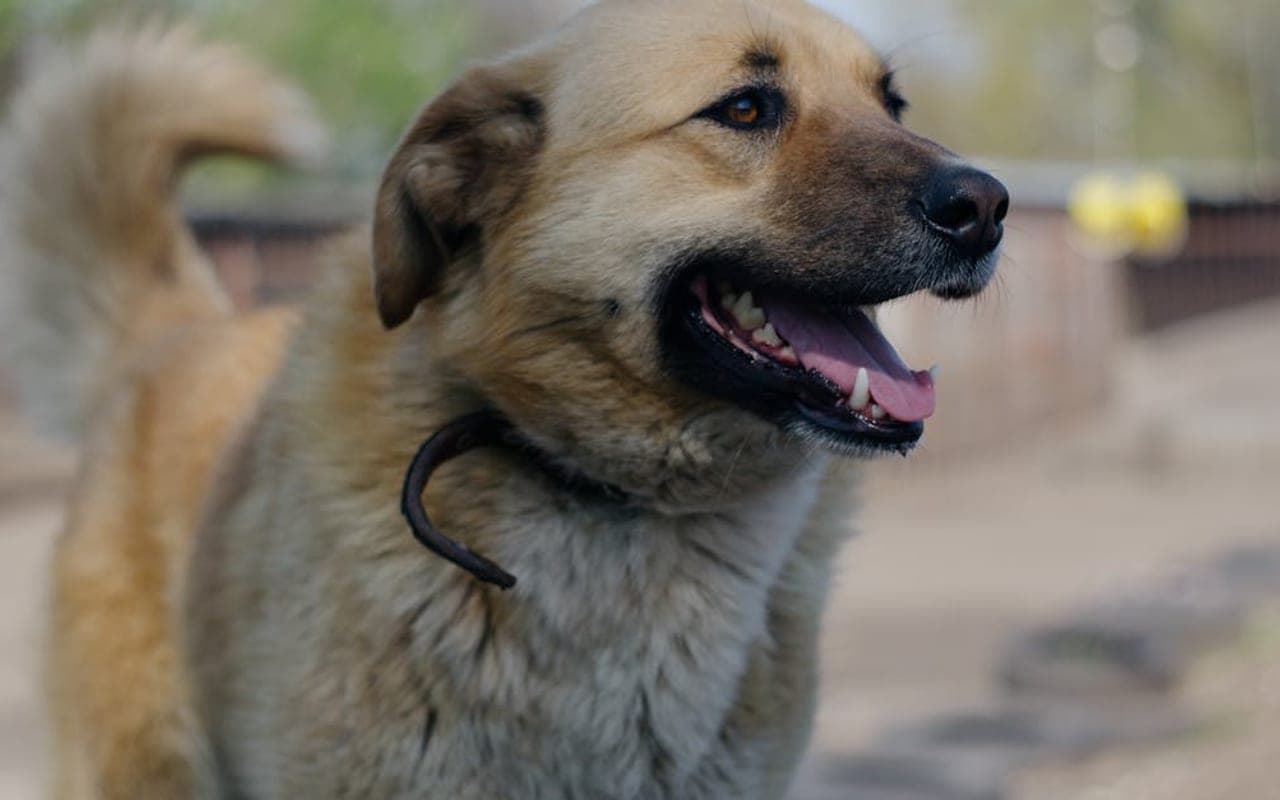
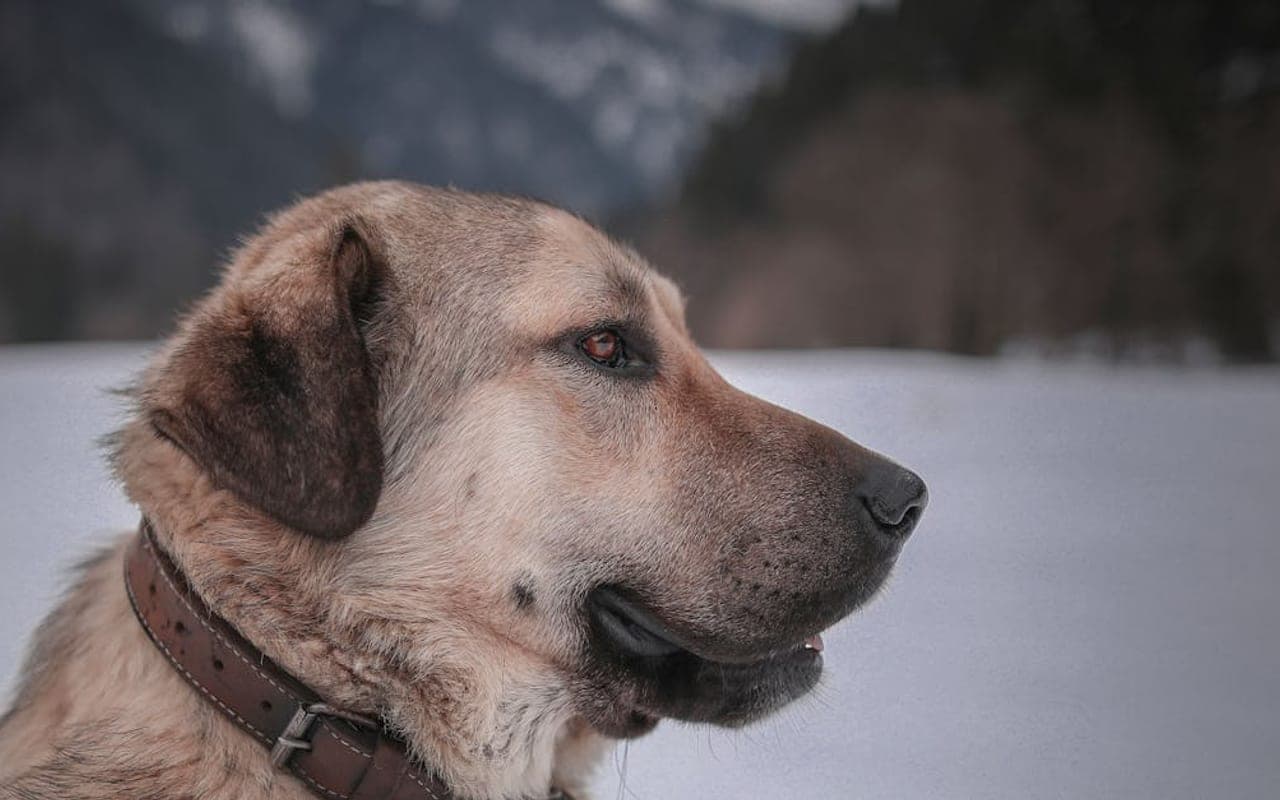
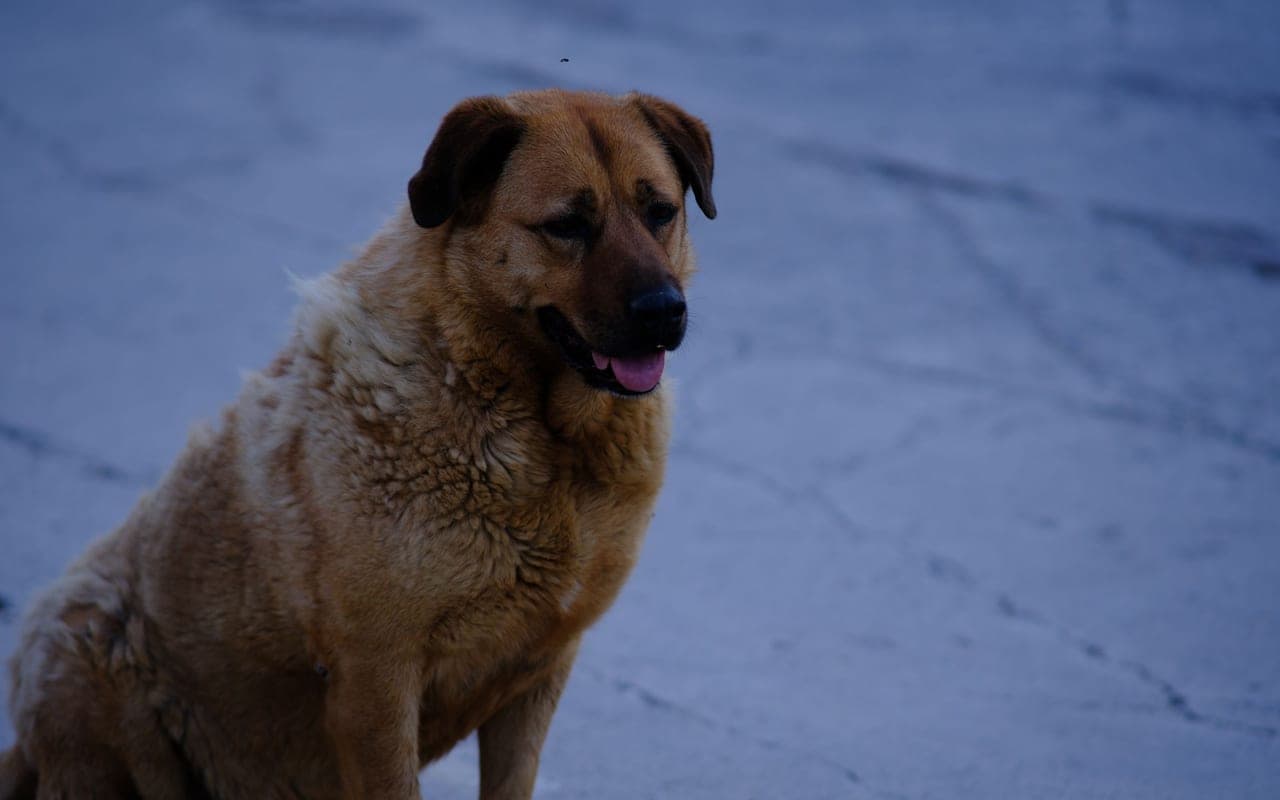
The Anatolian Shepherd is a livestock-guarding dog, not a pet that happens to be large — and that distinction decides whether this breed is right for you. Bred over thousands of years on the Anatolian plateau of Turkey to live unsupervised with flocks and kill wolves and jackals that threatened them, the Anatolian is a 90-150 pound (males typically 110-150 lb, females 80-120 lb), 27-31 inch dog engineered to make its own decisions. That independent decision-making is the whole breed. It is not a flaw to be trained out; it is the job. What that means in a home: an Anatolian is calm, undemonstrative, and deeply bonded to its family and territory, but it is territorial by design. It will assess strangers, other dogs, and anything entering its perceived boundary, and it will act on its own judgment — including barking through the night and challenging unfamiliar people or animals. They are reserved rather than friendly, do not crave constant affection, and ignore commands they disagree with. A well-raised Anatolian is gentle with its own children and livestock and devastatingly serious about threats. Who the Anatolian is right for: someone with acreage, real fencing (minimum 5-6 feet, often more), and experience with primitive guardian breeds, who wants a working flock or property guardian rather than a companion. Who it is wrong for: first-time owners, apartment or small-yard households, anyone wanting an obedient off-leash dog, or families expecting a social, dog-park animal. This is one of the easiest breeds to admire on paper and one of the hardest to live with if you bought the wrong dog. Decide on the basis of the job it was built for, not the photograph.
Loyal | Independent | Reserved
Loyal
A common Anatolian Shepherd Dog temperament descriptor that should be interpreted alongside training, exercise, and household fit.
Independent
A common Anatolian Shepherd Dog temperament descriptor that should be interpreted alongside training, exercise, and household fit.
Reserved
A common Anatolian Shepherd Dog temperament descriptor that should be interpreted alongside training, exercise, and household fit.
Owner note
Temperament labels are starting points, not guarantees. Meet the individual dog and ask about behavior history whenever possible.
Care essentials
How to care for a Anatolian Shepherd Dog
What looking after one actually involves: exercise, grooming, food, training, and routine health.
ExerciseAs needed
- Moderately active breed needing 30-60 minutes of daily exercise through walks, play, and mental stimulation.
GroomingAs needed
- Regular grooming needed — brush 2-3 times per week and bathe monthly.
TrainingAs needed
- Moderately trainable — consistent, patient training with positive methods works best.
NutritionAs needed
- Feed a high-quality dog food appropriate for their age, size, and activity level. Monitor portions to prevent obesity.
Veterinary CareAs needed
- Annual wellness exams, core vaccinations, dental care, and parasite prevention. Breed-specific health screenings as recommended by your vet.
Health planning
Anatolian Shepherd Dog health risks and screening
Every breed has individual health variation. Use this profile for planning and discuss medical decisions with a veterinarian.
Responsible ownership
Finding a Anatolian Shepherd Dog responsibly
What to ask a breeder or rescue is the same conversation for every breed, so we keep it in one place and keep it current.
Health documentation, meeting the parents or foster, contracts and return support, and the warning signs worth walking away from.
Original purpose
Anatolian Shepherd Dog history
History is useful when it explains today's behavior, coat, exercise needs, and training style.
Read the breed history
The Anatolian Shepherd descends from the ancient guardian dogs of the Anatolian plateau in central Turkey, where for at least several thousand years shepherds bred large, hardy dogs to live full-time with flocks of sheep and goats, defending them from wolves, jackals, and bears across harsh terrain and extreme temperature swings. These were not herding dogs that moved stock; they were guardians that lived as members of the flock and made independent kill-or-deter decisions without a human present. Working type prioritized stamina, weather resistance, territorial instinct, and self-direction over biddability — exactly the traits owners notice today. The breed reached the United States in the mid-20th century, with serious importation and breeding programs developing from the 1970s onward, and is still widely used as a working livestock guardian, including in predator-conflict programs protecting both livestock and wild predators by reducing lethal control. The breed's modern temperament is a direct inheritance of that job: reserved, territorial, durable, and self-reliant.
Gallery
Anatolian Shepherd Dog photos
Images are cropped consistently and loaded progressively to keep the page responsive.
Lower-page context
Anatolian Shepherd Dogs in culture
Where the breed shows up in film, sport, work and folklore — the enjoyable part, once the practical questions are answered.
Fun facts
- The Anatolian Shepherd Dog belongs to the Working Group.
- The average lifespan of a Anatolian Shepherd Dog is 11 to 13 years.
- Anatolian Shepherd Dog dogs are valued for their loyal, independent, reserved nature.
Anatolian Shepherd Dog FAQs
How long do Anatolian Shepherds live?
A healthy Anatolian typically lives 11-13 years, which is long for a dog of this size. Longevity depends heavily on keeping the dog lean to protect the joints, screening parents for hip and elbow dysplasia, and managing hypothyroidism if it develops. The biggest preventable threats are bloat and obesity-accelerated arthritis, both of which owner management directly influences. This is a relatively robust breed for its size when sourced from health-tested lines.
Are Anatolian Shepherds good with children?
With their own family's children, a well-raised Anatolian is typically calm, tolerant, and protective. The real caution is not the family's kids but visiting children and their friends: a territorial guardian may misread rough play, chasing, or a child it doesn't know as a threat to its own children. Never leave an Anatolian unsupervised with visiting kids, and socialize the dog extensively from 8 weeks. This is a guardian, not a babysitter.
Do Anatolian Shepherds need a lot of exercise?
Less than people expect — about 30-60 minutes of walking a day plus room to patrol. They are endurance guardians, not high-drive sport dogs, and they are not jogging or biking companions, especially in heat, because the dense double coat causes them to overheat. What they truly need is space and a territory to monitor. A bored Anatolian on a small lot becomes a nuisance barker and an escape artist, which is a containment problem, not an exercise one.
Can an Anatolian Shepherd live in an apartment?
No, and this is the single most common mistake with the breed. An Anatolian needs secure acreage and a territory; in an apartment it has no job, will bark at every hallway noise, and cannot be safely exercised off-leash. The breed's territorial instinct and 90-150 pound size make it unsuitable and often dangerous in dense housing. If you do not have at least a large, securely fenced yard and ideally acreage, choose a different breed entirely.
Are Anatolian Shepherds easy to train?
They are intelligent but independent by design, so they are not obedient in the retriever sense and never will be. They were bred to make decisions without human input, so they evaluate whether a command is worth following. Training should start at 8 weeks, use positive reinforcement, focus on socialization and reliable basics, and accept that off-leash recall is unreliable for life. Owners who expect a biddable dog are setting both themselves and the dog up to fail.
How much does an Anatolian Shepherd cost to own?
Purchase price from a health-testing breeder is typically $1,000-$2,500. The real expense is infrastructure and food: secure 5-6 foot fencing can run $3,000-$10,000+ depending on acreage, and feeding a 100+ pound dog costs roughly $80-$120 a month. Add OFA hip/elbow screening, possible entropion surgery ($500-$1,500), and lifelong thyroid medication if needed (~$20-$40/month). Budget the fencing before the puppy — it is the non-negotiable cost most new owners underestimate.
Sources
These are the published sources this page draws on. Each opens in a new tab so you can check it yourself.
American Kennel Club
Anatolian Shepherd Dog — breed standard and profile(opens in a new tab)Supports: Breed standard and recognition details.
Similar breeds to consider
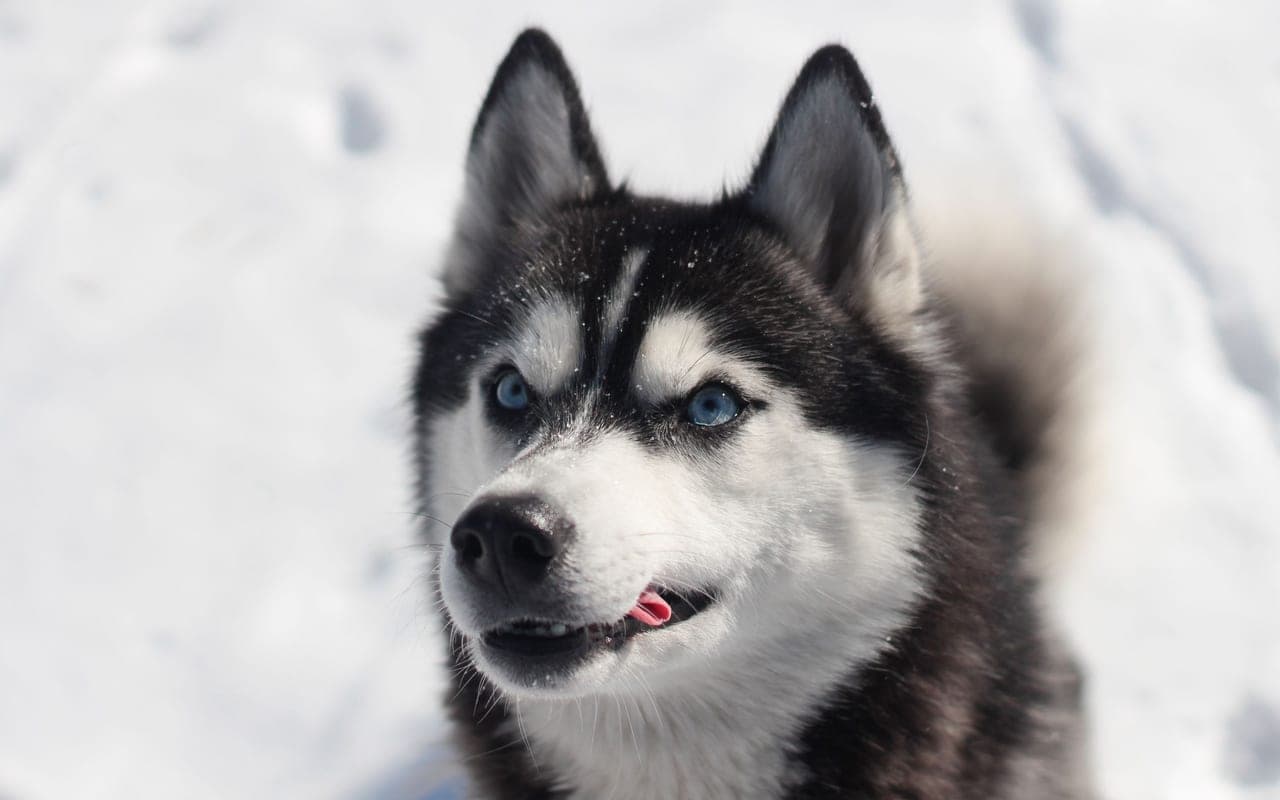
Siberian Husky
Also in the Working group, with different care and temperament tradeoffs.
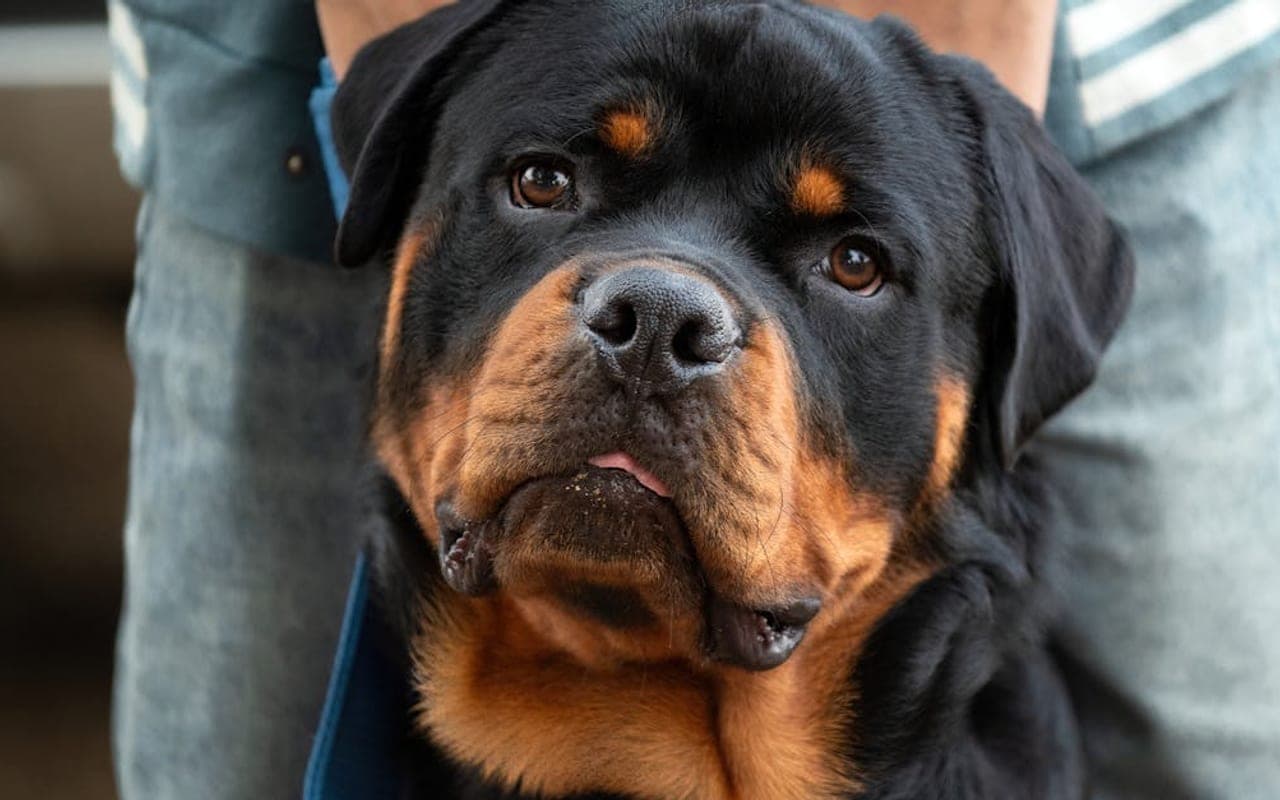
Rottweiler
Also in the Working group, with different care and temperament tradeoffs.
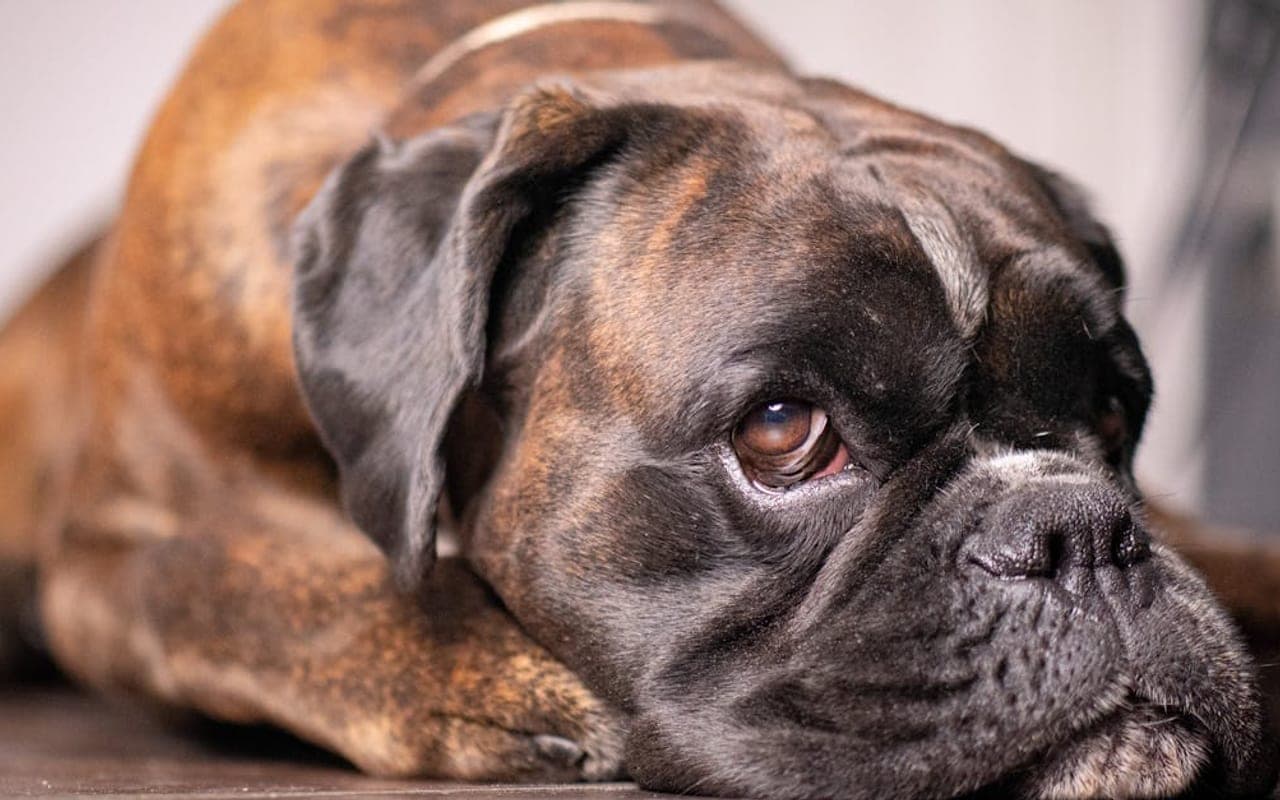
Boxer
Also in the Working group, with different care and temperament tradeoffs.
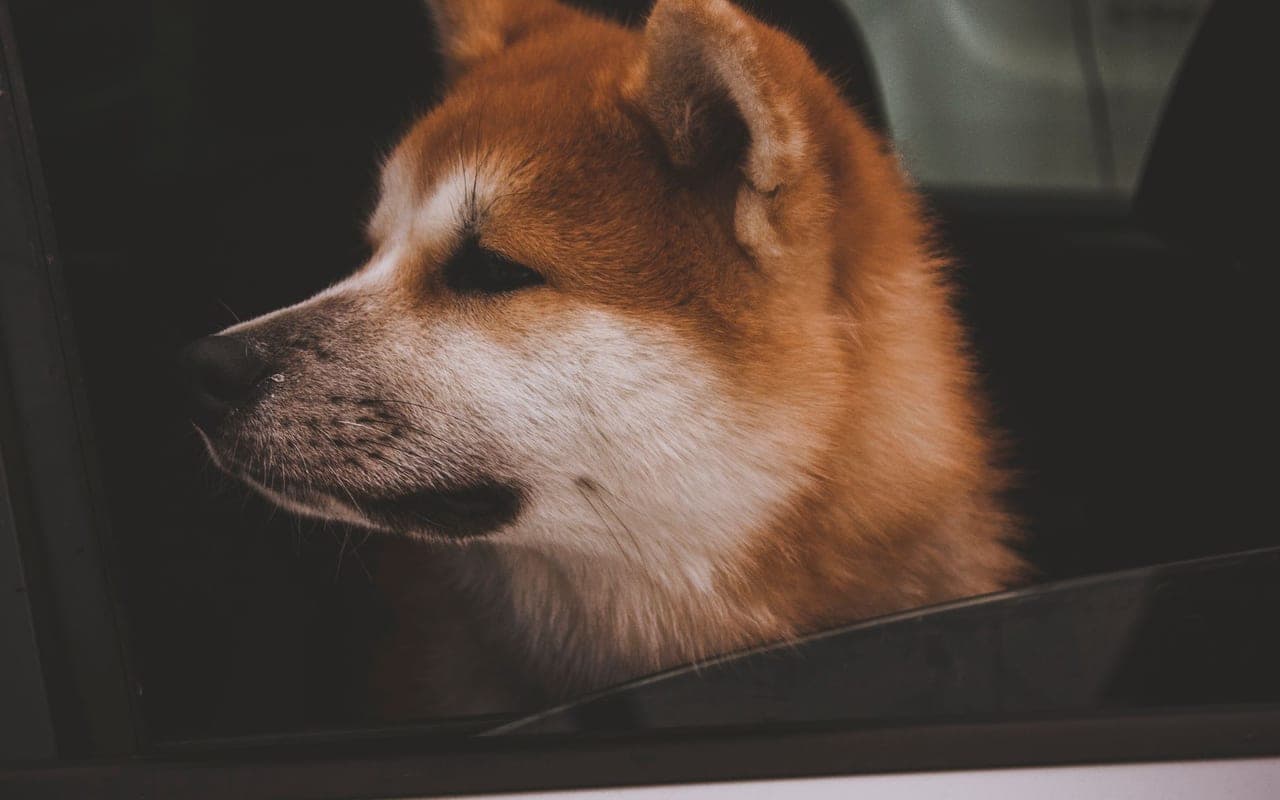
Akita
Also in the Working group, with different care and temperament tradeoffs.
Explore More About Anatolian Shepherd Dog
Dive deeper into everything Anatolian Shepherd Dog — costs, care, and expert insights.
Considering a cat instead?
Browse Cats