
Terrier group
Airedale Terrier
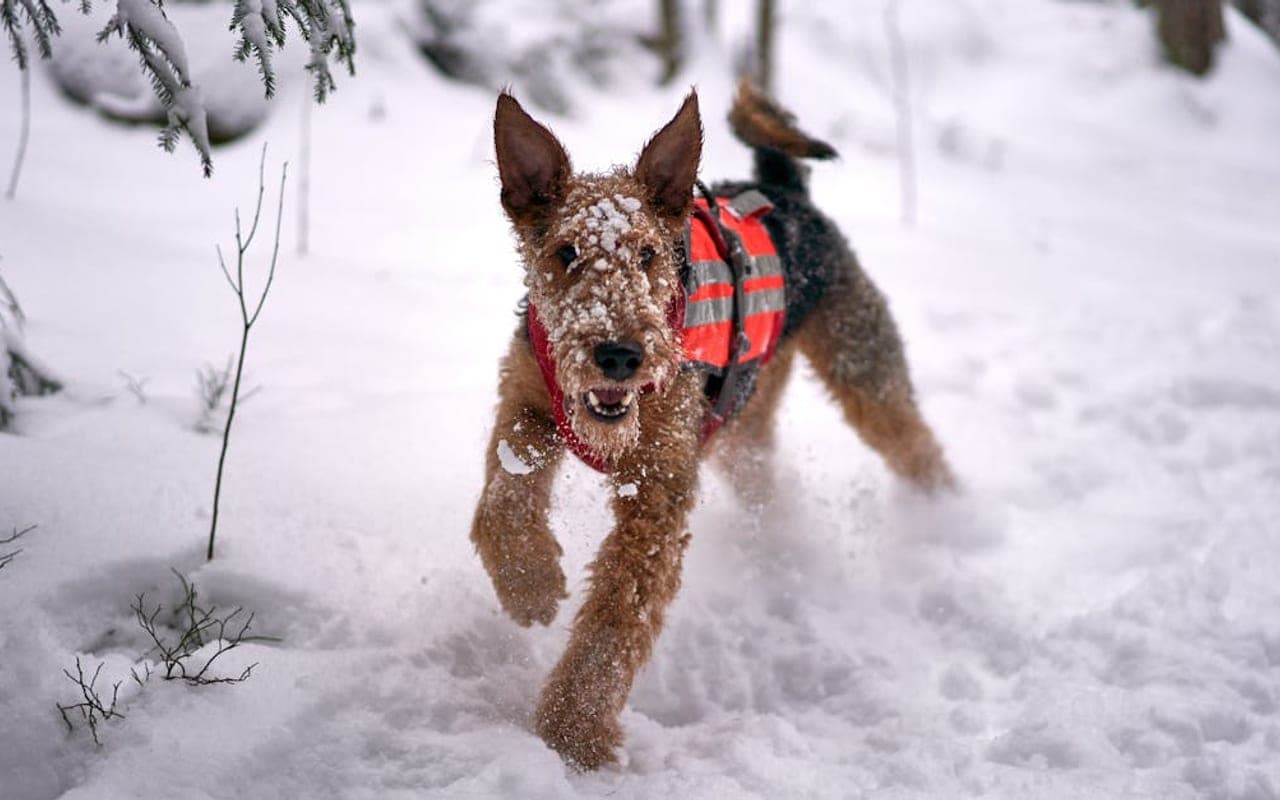
The Airedale Terrier is the largest of the terriers — 'The King of Terriers' — a 50-65 lb dog standing about 23 inches at the shoulder (males), with a dense, wiry tan-and-black coat, a sporty beard, and a famous do-it-all versatility.



Size
50-70 lb
Lifespan
11-14 years
Exercise
30-60 minutes
Shedding
Moderate
Experience
Match to owner routine
Decision first
Is a Airedale Terrier right for you?
Start with fit before history or trivia. These are ownership signals, not guarantees about any individual dog.
Best suited for
- Households with children.
- Homes with other compatible pets.
- Apartment homes with a consistent routine.
- Owners seeking a manageable daily exercise routine.
Think carefully if
- You need a dog with almost no daily routine.
- You cannot keep up with grooming and preventive care.
- The dog will spend most days alone without support.
Conditional fit
Apartment fit depends on exercise, enrichment, noise management, and outdoor access.
Daily reality
Airedale Terrier commitment snapshot
Daily exercise
30-60 minutes
Match activity to age, health, weather, and training goals.
Coat care
Moderate
Grooming needs vary by coat, shedding, and lifestyle.
Time alone
Needs planning
Most dogs need gradual alone-time conditioning and support.
Structured facts
Airedale Terrier at a glance
The measurements and traits that most affect day-to-day life with this breed.
Group
Terrier
Weight
50-70 lb
Height
22-24 in
Lifespan
11-14 years
Temperament
Friendly | Clever | Courageous
View all characteristics and methodology
Lifestyle fit
- Apartment suitability
- Likely fit
- Child friendliness
- Often good, with socialisation and supervision
- Other-pet fit
- Often compatible with careful introductions
Owner commitment
- Exercise
- 30-60 minutes
- Grooming
- Moderate
- Shedding
- Moderate
- Training
- Low
Environment and health
- Health risk
- Needs planning
Ratings combine structured breed data, visible breed fields, and editorial context. They are planning aids, not predictions for an individual dog.
Daily life
Airedale Terrier temperament and behavior
The Airedale Terrier is the largest of the terriers — 'The King of Terriers' — a 50-65 lb dog standing about 23 inches at the shoulder (males), with a dense, wiry tan-and-black coat, a sporty beard, and a famous do-it-all versatility. The single most important thing a prospective owner must internalize is that the Airedale is a full-sized, powerful, high-energy terrier brain in a big body. Its smaller terrier cousins' boldness, drive, and stubbornness are all present here, just scaled up to a dog that can physically out-pull and out-think an unprepared owner. Airedales are clever, courageous, confident, and genuinely funny, with a strong independent streak. They are patient and protective with their own children but will not back down from a perceived threat to the home, and they tend toward dog-directed assertiveness and a high prey drive. They bore quickly and a bored Airedale is destructive, vocal, and inventive. Who the Airedale is right for: an active owner who wants a versatile, intelligent, biddable-with-effort companion for running, hiking, sport, or work; who will commit to firm, motivating, consistent training and early socialization; and who will hand-strip the coat or pay a groomer regularly. Who it is wrong for: passive or first-time owners, households wanting a soft, eager-to-please retriever-type temperament, multi-dog homes with same-sex dominant dogs, or anyone expecting a low-energy, low-grooming, low-training big dog. The Airedale rewards a capable owner enormously and frustrates an unprepared one fast — the deciding factor is whether the human can lead a strong-willed terrier at scale.
Friendly | Clever | Courageous
Friendly
A common Airedale Terrier temperament descriptor that should be interpreted alongside training, exercise, and household fit.
Clever
A common Airedale Terrier temperament descriptor that should be interpreted alongside training, exercise, and household fit.
Courageous
A common Airedale Terrier temperament descriptor that should be interpreted alongside training, exercise, and household fit.
Owner note
Temperament labels are starting points, not guarantees. Meet the individual dog and ask about behavior history whenever possible.
Care essentials
How to care for a Airedale Terrier
What looking after one actually involves: exercise, grooming, food, training, and routine health.
ExerciseAs needed
- Moderately active breed needing 30-60 minutes of daily exercise through walks, play, and mental stimulation.
GroomingAs needed
- Regular grooming needed — brush 2-3 times per week and bathe monthly.
TrainingAs needed
- Independent-minded breed that may require extra patience in training. Short, engaging sessions recommended.
NutritionAs needed
- Feed a high-quality dog food appropriate for their age, size, and activity level. Monitor portions to prevent obesity.
Veterinary CareAs needed
- Annual wellness exams, core vaccinations, dental care, and parasite prevention. Breed-specific health screenings as recommended by your vet.
Health planning
Airedale Terrier health risks and screening
Every breed has individual health variation. Use this profile for planning and discuss medical decisions with a veterinarian.
Responsible ownership
Finding a Airedale Terrier responsibly
What to ask a breeder or rescue is the same conversation for every breed, so we keep it in one place and keep it current.
Health documentation, meeting the parents or foster, contracts and return support, and the warning signs worth walking away from.
Original purpose
Airedale Terrier history
History is useful when it explains today's behavior, coat, exercise needs, and training style.
Read the breed history
The Airedale Terrier was created in the mid-19th century in the Aire Valley of Yorkshire, England, by working-class hunters and mill workers who wanted one dog that could do everything the smaller terriers and the local hounds could not do alone. They crossed the now-extinct rough-coated Old English Black and Tan Terrier with the Otterhound (and likely other terrier and hound blood) to produce a large, water-capable, scent-and-sight hunting terrier able to take otter, badger, rat, and larger quarry. First shown as the 'Waterside' or 'Bingley' Terrier, it was standardized as the Airedale Terrier in the 1880s. Its size, nerve, and trainability made it a celebrated military and police dog in World War I — carrying messages and locating wounded under fire — and it served as a hunting, guardian, and all-purpose farm dog worldwide. This deliberate hound-plus-terrier 'do everything' origin is exactly why the modern Airedale is so versatile, driven, independent, and demanding of a job.
Gallery
Airedale Terrier photos
Images are cropped consistently and loaded progressively to keep the page responsive.
Lower-page context
Airedale Terriers in culture
Where the breed shows up in film, sport, work and folklore — the enjoyable part, once the practical questions are answered.
Fun facts
- The Airedale Terrier belongs to the Terrier Group.
- The average lifespan of a Airedale Terrier is 11 to 14 years.
- Airedale Terrier dogs are valued for their friendly, clever, courageous nature.
Airedale Terrier FAQs
Are Airedale Terriers good family dogs?
They can be excellent for active families, but they are not a beginner's dog. Airedales are patient and protective with their own children and genuinely playful, yet they are large, strong, high-energy terriers that need 1-2 hours of daily exercise, firm consistent training, and early socialization. They suit households that want an involved, versatile companion and can lead a strong-willed dog; they are a poor fit for passive owners or homes wanting a soft, low-effort family pet.
How much grooming does an Airedale Terrier need?
More than most owners expect. The harsh, wiry coat is low-shedding but needs hand-stripping every 2-3 months (about $75-$120 per professional session) to keep proper texture and skin health, or clipping, which is easier but progressively softens and lightens the coat. On top of that, brush the dog and the leg/beard furnishings 2-3 times a week to prevent matting. Budgeting for regular professional grooming is a realistic, ongoing cost of this breed.
What is bloat and why does it matter for Airedales?
Bloat (gastric dilatation-volvulus) is a deep-chested-breed emergency where the stomach fills with gas and twists, cutting off blood supply; it kills within hours without emergency surgery. Airedales are at elevated risk. Reduce it by feeding two smaller meals daily, avoiding vigorous exercise right around mealtimes, and learning the signs — a swollen, hard belly, unproductive retching, drooling, pacing, and distress. If you see them, drive to an emergency vet immediately; this is not a wait-and-watch situation.
How long do Airedale Terriers live?
Typically 11-14 years. The breed's lifespan is most often shortened by cancer (lymphoma, osteosarcoma, and mast cell tumors are notable), and by manageable conditions such as hypothyroidism and hip arthritis if neglected. Keeping the dog lean, buying from health-tested parents, treating thyroid disease promptly, and investigating new lumps or unexplained decline early are the highest-impact things an owner can do for longevity.
Are Airedale Terriers easy to train?
They are very intelligent and capable — historically excelling as military, police, and sporting dogs — but they are independent and stubborn, so 'trainable' here means 'trainable by a consistent, motivating handler,' not 'naturally obedient.' They respond to reward-based methods and resent harsh handling. Start training and socialization in puppyhood, keep sessions interesting, and stay consistent; inconsistency is exactly the gap an Airedale's terrier brain will exploit.
Do Airedale Terriers get along with other dogs and pets?
It varies and requires honest management. Airedales carry a strong prey drive that makes them risky with cats, rabbits, and small animals, and they can be assertive or scrappy with other dogs, particularly same-sex dominant ones. Early, thorough socialization improves dog tolerance considerably, and many Airedales coexist fine with dogs they are raised with, but multi-pet homes should plan around the prey drive rather than assume it away. As a practical rule, introduce new animals on neutral ground, supervise all early interactions, and never leave an Airedale unsupervised with a small pet until you have months of reliable evidence — and even then, treat free-roaming cats and pocket pets as a permanent management situation, not a solved one.
Sources
These are the published sources this page draws on. Each opens in a new tab so you can check it yourself.
American Kennel Club
Airedale Terrier — breed standard and profile(opens in a new tab)Supports: Breed standard and recognition details.
Similar breeds to consider

Miniature Schnauzer
Also in the Terrier group, with different care and temperament tradeoffs.
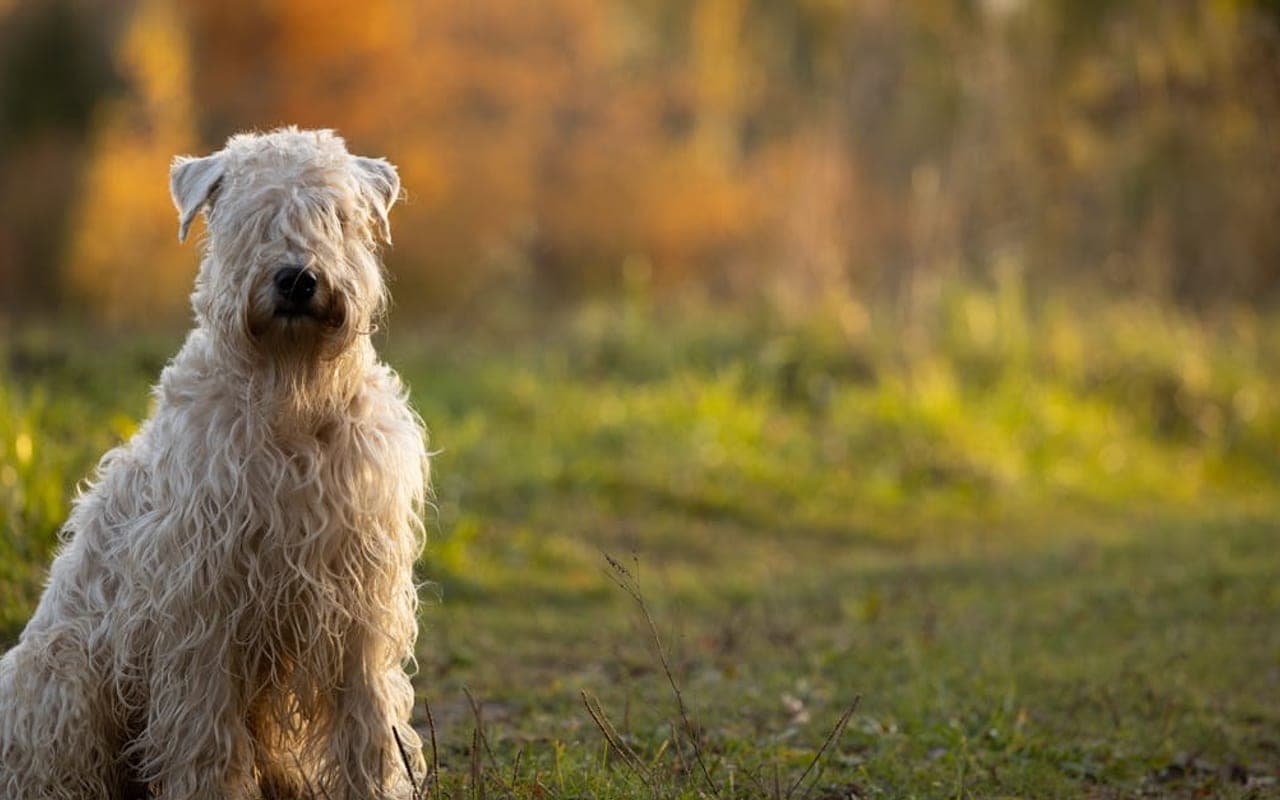
Soft Coated Wheaten Terrier
Also in the Terrier group, with different care and temperament tradeoffs.
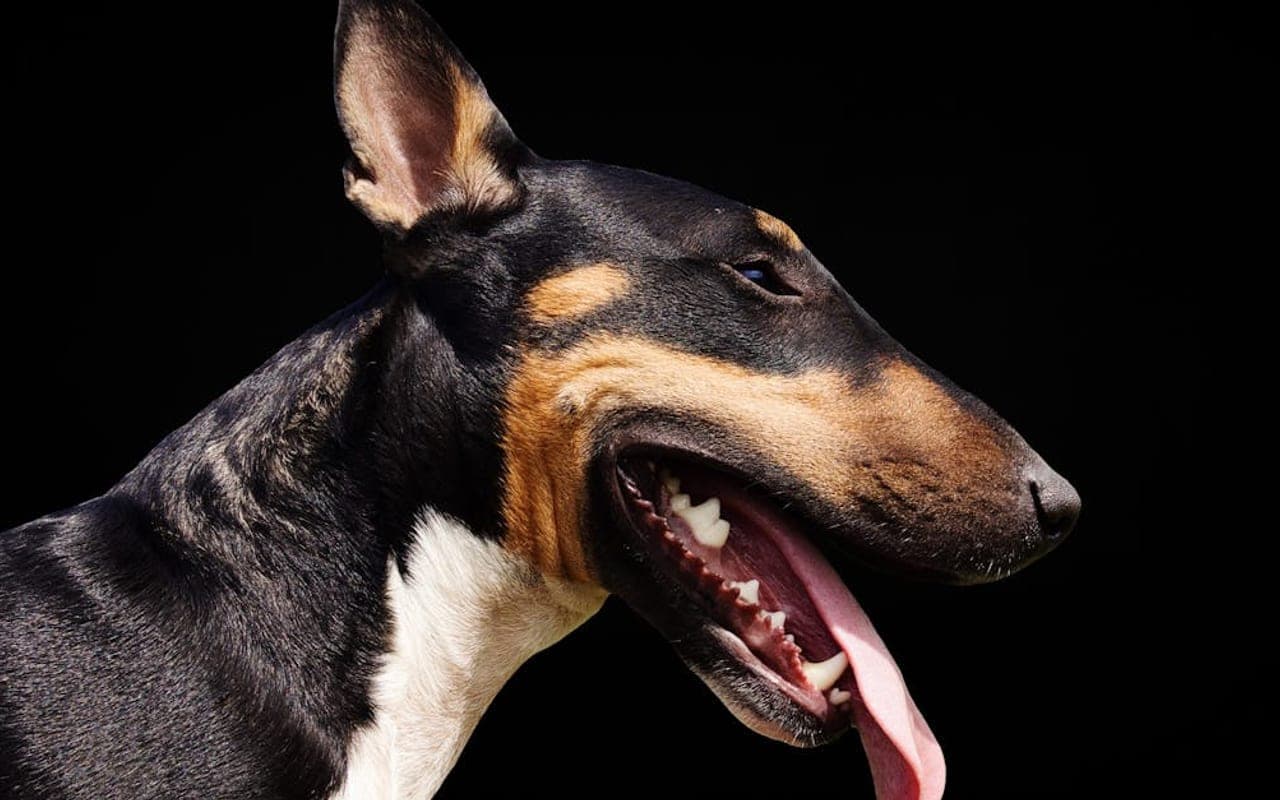
Bull Terrier
Also in the Terrier group, with different care and temperament tradeoffs.

Cairn Terrier
Also in the Terrier group, with different care and temperament tradeoffs.
Explore More About Airedale Terrier
Dive deeper into everything Airedale Terrier — costs, care, and expert insights.
Considering a cat instead?
Browse Cats