
Hound group
Azawakh
The Azawakh is a West African sighthound — a lean, leggy, 15-25 kg (33-55 lb) coursing dog bred for over a thousand years by the nomadic peoples of the southern Sahara across Mali, Niger, and Burkina Faso to hunt gazelle and hare and to guard the camp.
Size
33-55 lb
Lifespan
12-15 years
Exercise
30-60 minutes
Shedding
Moderate
Experience
Match to owner routine
Decision first
Is a Azawakh right for you?
Start with fit before history or trivia. These are ownership signals, not guarantees about any individual dog.
Best suited for
- Households with children.
- Homes with other compatible pets.
- Apartment homes with a consistent routine.
- Owners seeking a manageable daily exercise routine.
Think carefully if
- You need a dog with almost no daily routine.
- You cannot keep up with grooming and preventive care.
- The dog will spend most days alone without support.
Conditional fit
Apartment fit depends on exercise, enrichment, noise management, and outdoor access.
Daily reality
Azawakh commitment snapshot
Daily exercise
30-60 minutes
Match activity to age, health, weather, and training goals.
Coat care
Moderate
Grooming needs vary by coat, shedding, and lifestyle.
Time alone
Needs planning
Most dogs need gradual alone-time conditioning and support.
Structured facts
Azawakh at a glance
The measurements and traits that most affect day-to-day life with this breed.
Group
Hound
Weight
33-55 lb
Height
24-29 in
Lifespan
12-15 years
Temperament
Loyal | Independent | Deeply Affectionate
View all characteristics and methodology
Lifestyle fit
- Apartment suitability
- Likely fit
- Child friendliness
- Often good, with socialisation and supervision
- Other-pet fit
- Often compatible with careful introductions
Owner commitment
- Exercise
- 30-60 minutes
- Grooming
- Moderate
- Shedding
- Moderate
- Training
- Moderate
Environment and health
- Health risk
- Needs planning
Ratings combine structured breed data, visible breed fields, and editorial context. They are planning aids, not predictions for an individual dog.
Daily life
Azawakh temperament and behavior
The Azawakh is a West African sighthound — a lean, leggy, 15-25 kg (33-55 lb) coursing dog bred for over a thousand years by the nomadic peoples of the southern Sahara across Mali, Niger, and Burkina Faso to hunt gazelle and hare and to guard the camp. Its body tells you exactly what it is: visible bone and musculature beneath a paper-fine coat, an S-shaped topline, a deep chest, and a striding, almost feline gait. Roughly 17% body fat by some estimates — extraordinarily lean even for a sighthound — which is the single most important fact for any owner to internalize. That leanness is not a flaw to fix; it is the breed standard, and feeding an Azawakh to look like a Labrador is a welfare error. But it has a sharp clinical consequence: like all sighthounds, the Azawakh metabolizes anesthetic drugs differently and, with so little body fat, is at real risk of hypothermia and prolonged recovery under standard anesthesia. Any vet who anesthetizes one must use a sighthound-specific protocol. This is the practical headline of owning the breed. Temperament is the other half of the honest picture. The Azawakh is intensely loyal and deeply affectionate with its own people, but it is independent, naturally aloof or reserved with strangers, and retains a real guarding instinct from its camp-protection heritage. It is not a Golden Retriever in a greyhound's body. It bonds hard, decides slowly about outsiders, and needs early, patient socialization. Who the Azawakh is right for: an owner who wants a quiet, devoted, athletic companion, will keep it lean on purpose, can provide secure space to sprint, and will accept a dog that is friendly to family and cool to the world. Who it is wrong for: anyone wanting an instantly social dog, anyone who will overfeed it to look 'healthy,' and anyone whose vet will not use sighthound anesthesia.
Loyal | Independent | Deeply Affectionate
Loyal
A common Azawakh temperament descriptor that should be interpreted alongside training, exercise, and household fit.
Independent
A common Azawakh temperament descriptor that should be interpreted alongside training, exercise, and household fit.
Deeply Affectionate
A common Azawakh temperament descriptor that should be interpreted alongside training, exercise, and household fit.
Owner note
Temperament labels are starting points, not guarantees. Meet the individual dog and ask about behavior history whenever possible.
Care essentials
How to care for a Azawakh
What looking after one actually involves: exercise, grooming, food, training, and routine health.
ExerciseAs needed
- Moderately active breed needing 30-60 minutes of daily exercise through walks, play, and mental stimulation.
GroomingAs needed
- Regular grooming needed — brush 2-3 times per week and bathe monthly.
TrainingAs needed
- Moderately trainable — consistent, patient training with positive methods works best.
NutritionAs needed
- Feed a high-quality dog food appropriate for their age, size, and activity level. Monitor portions to prevent obesity.
Veterinary CareAs needed
- Annual wellness exams, core vaccinations, dental care, and parasite prevention. Breed-specific health screenings as recommended by your vet.
Health planning
Azawakh health risks and screening
Every breed has individual health variation. Use this profile for planning and discuss medical decisions with a veterinarian.
Responsible ownership
Finding a Azawakh responsibly
What to ask a breeder or rescue is the same conversation for every breed, so we keep it in one place and keep it current.
Health documentation, meeting the parents or foster, contracts and return support, and the warning signs worth walking away from.
Original purpose
Azawakh history
History is useful when it explains today's behavior, coat, exercise needs, and training style.
Read the breed history
The Azawakh takes its name from the Azawagh valley of the Sahel, on the borders of Mali, Niger, and Burkina Faso, where Tuareg, Fula, and other nomadic peoples bred it for more than a millennium as a coursing hound and camp guardian. Selection was brutally functional: dogs had to sprint after gazelle and hare in extreme desert heat, survive on little, and protect the camp at night, so the breed was shaped by survival rather than a show ring. It reached Europe (notably the former Yugoslavia and France) in the 1970s, was recognized by the FCI, and entered the AKC Hound Group in 2019. Because much of its development happened in a closed, harsh environment with natural selection, the Azawakh remains a comparatively primitive, hardy breed — a key reason its known hereditary disease list is short rather than long.
Gallery
Azawakh photos
Images are cropped consistently and loaded progressively to keep the page responsive.
Lower-page context
Azawakhs in culture
Where the breed shows up in film, sport, work and folklore — the enjoyable part, once the practical questions are answered.
Fun facts
- The Azawakh belongs to the Hound Group.
- With proper care, Azawakh dogs can live up to 15 years or more.
- Azawakh dogs are valued for their loyal, independent, deeply affectionate nature.
Azawakh FAQs
How long do Azawakhs live?
A healthy Azawakh typically lives 12-15 years, which is long for a dog of its size and reflects that this is a hardy, primitive breed with a short hereditary disease list rather than a fragile one. The main things that pull a dog below that range are unscreened cardiac disease, untreated hypothyroidism, and the rare neurological conditions. A lean, well-exercised Azawakh whose vet uses sighthound anesthesia protocols generally has an uneventful, long life.
Why does my Azawakh look so thin — is it underweight?
Almost certainly not. The Azawakh is meant to be dramatically lean: visible ribs, visible hip bones, a deep tuck-up, and muscle and bone showing under a paper-thin coat are the breed standard, not signs of neglect. Roughly 17% body fat is normal here. The common and genuinely harmful mistake is feeding an Azawakh up to look like a typical dog — that extra weight stresses joints and heart. If you are unsure, have a vet body-score the dog rather than guessing.
Is anesthesia really dangerous for Azawakhs?
It requires a specific protocol, not avoidance. Like all sighthounds, the Azawakh metabolizes common anesthetic and sedative drugs differently, and with so little body fat it loses heat fast and recovers slowly. A vet using a sighthound-appropriate protocol with active warming handles this routinely and safely. The danger is a general-practice clinic treating it like an average dog. Tell every vet it is a sighthound before any sedation, dental, or surgery, and have it noted in the medical record.
Are Azawakhs good with children and strangers?
With their own family they are intensely loyal and affectionate, and they can be very good with children they are raised with. With strangers they are naturally aloof and reserved and retain a real guarding instinct from their camp-protection heritage — this is normal breed behavior, not aggression, but it means early, patient, positive socialization is essential. Expect a dog that is devoted at home and slow to warm to visitors. If you want an instantly friendly dog, this is not that breed.
How much exercise does an Azawakh need?
It is a sprinter, not an endurance dog. It needs regular opportunities to run hard at speed in a securely fenced area — it will chase moving things and will not recall once it has locked onto a sighting, so off-lead in open ground is unsafe. Between sprints it is a notably calm, low-energy housemate that loves soft bedding and human contact. Plan for short bursts of intense running plus daily walks, rather than long jogging sessions.
Is the Azawakh a healthy breed?
Comparatively, yes. Because it developed in a harsh, closed environment under natural selection rather than heavy show breeding, the Azawakh has a short list of known hereditary concerns — chiefly cardiac disease, hypothyroidism, and a few neurological conditions like Wobbler and seizures — rather than a long one. The honest caveat is the anesthesia and leanness management above, which are handling issues, not illnesses. Choose a breeder who screens hearts and thyroid, and most Azawakhs are robust, long-lived dogs.
Sources
These are the published sources this page draws on. Each opens in a new tab so you can check it yourself.
American Kennel Club
Azawakh — breed standard and profile(opens in a new tab)Supports: Breed standard and recognition details.
Similar breeds to consider
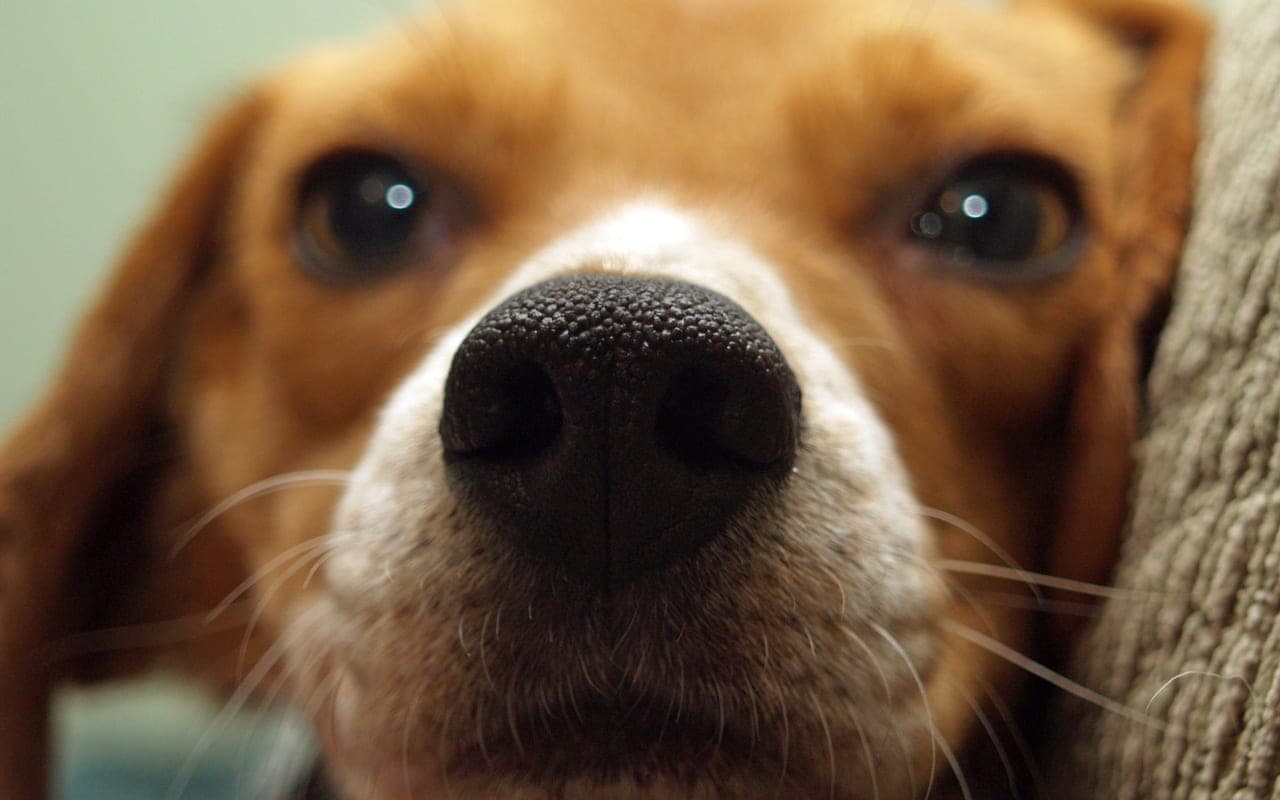
Beagle
Also in the Hound group, with different care and temperament tradeoffs.
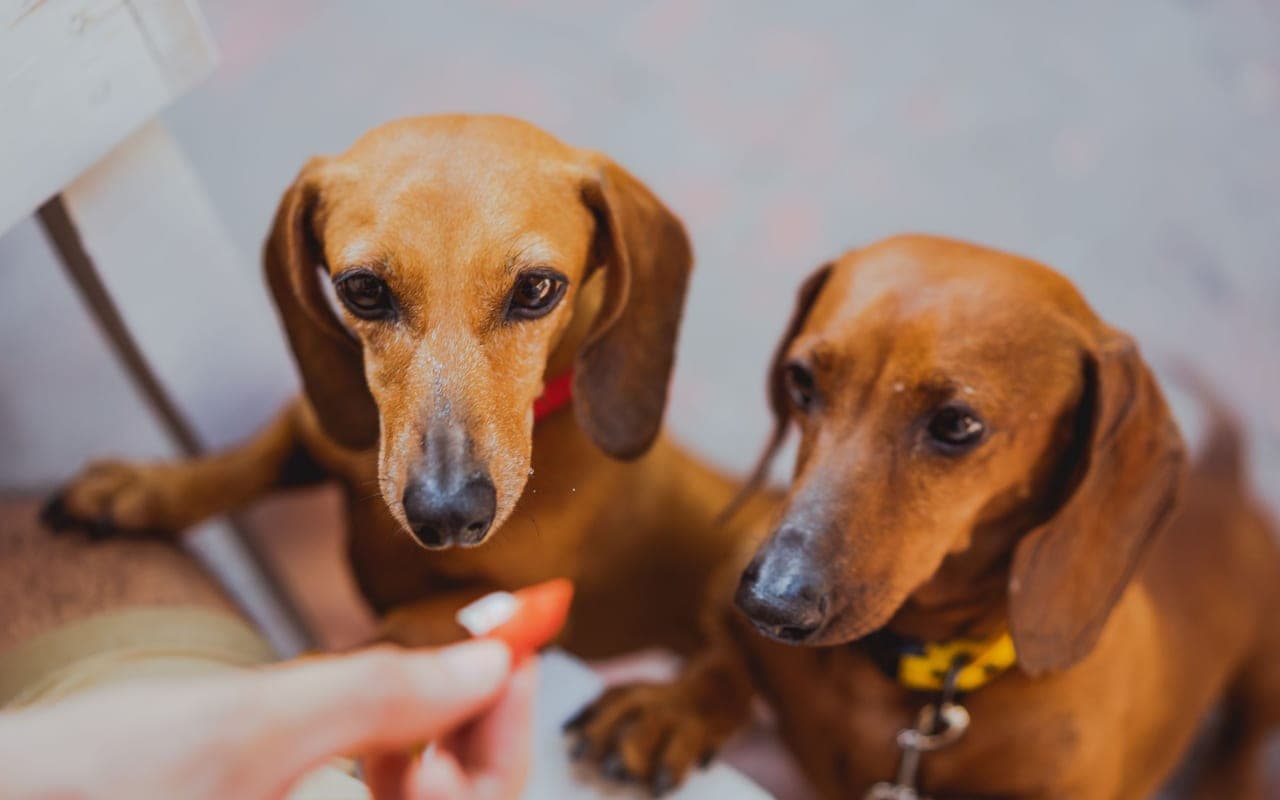
Dachshund
Also in the Hound group, with different care and temperament tradeoffs.
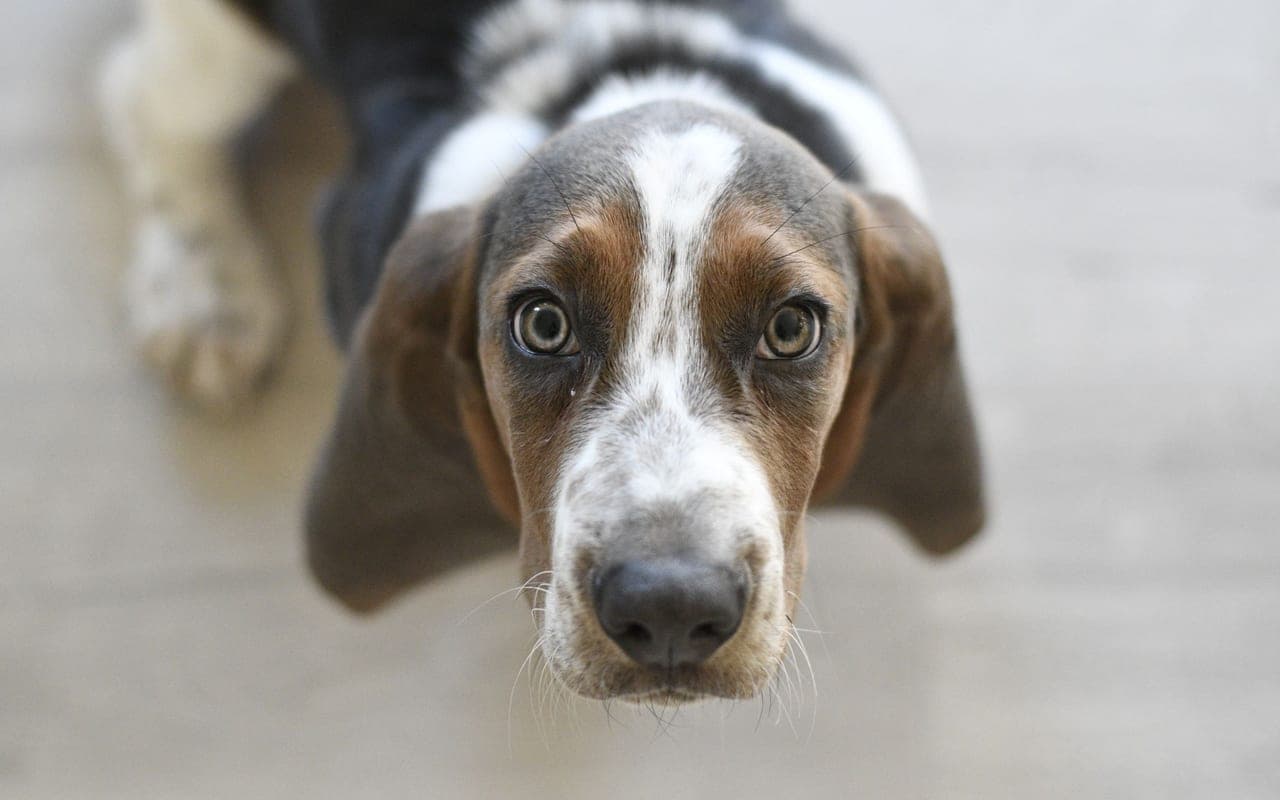
Basset Hound
Also in the Hound group, with different care and temperament tradeoffs.
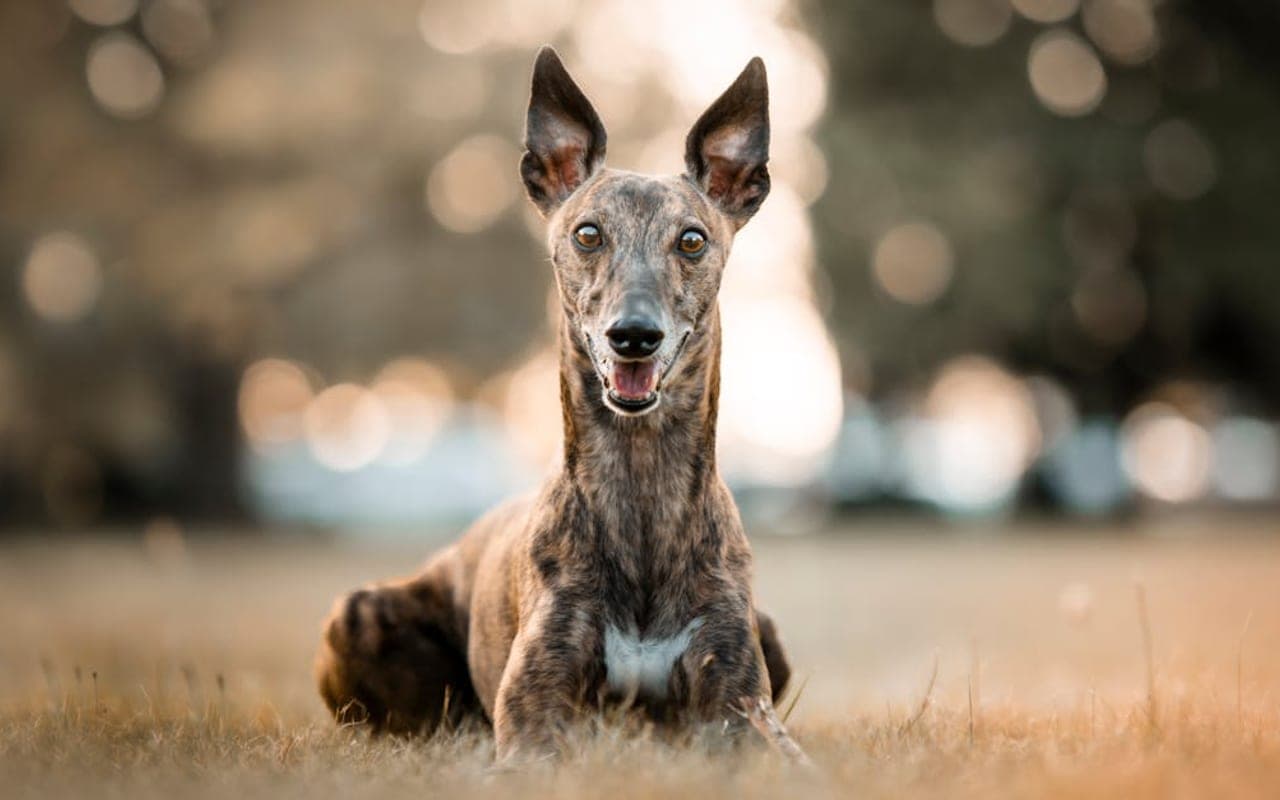
Greyhound
Also in the Hound group, with different care and temperament tradeoffs.
Explore More About Azawakh
Dive deeper into everything Azawakh — costs, care, and expert insights.
Large Dog Care Guide: Everything Over 50 lbs
Owning a large or giant breed dog means accepting one of biology's...
Puppy Teething & Biting: Timeline and What Actually Works
A puppy has all 28 deciduous ("baby") teeth by roughly eight weeks of age, and...
Considering a cat instead?
Browse Cats