
Foundation Stock Service group
Australian Stumpy Tail Cattle Dog
The first thing to understand about the Australian Stumpy Tail Cattle Dog is what it is NOT: it is not an Australian Cattle Dog (Blue/Red Heeler) with a docked tail.
Size
35-51 lb
Lifespan
12-15 years
Exercise
30-60 minutes
Shedding
Moderate
Experience
Match to owner routine
Decision first
Is a Australian Stumpy Tail Cattle Dog right for you?
Start with fit before history or trivia. These are ownership signals, not guarantees about any individual dog.
Best suited for
- Households with children.
- Homes with other compatible pets.
- Apartment homes with a consistent routine.
- Owners seeking a manageable daily exercise routine.
Think carefully if
- You need a dog with almost no daily routine.
- You cannot keep up with grooming and preventive care.
- The dog will spend most days alone without support.
Conditional fit
Apartment fit depends on exercise, enrichment, noise management, and outdoor access.
Daily reality
Australian Stumpy Tail Cattle Dog commitment snapshot
Daily exercise
30-60 minutes
Match activity to age, health, weather, and training goals.
Coat care
Moderate
Grooming needs vary by coat, shedding, and lifestyle.
Time alone
Needs planning
Most dogs need gradual alone-time conditioning and support.
Structured facts
Australian Stumpy Tail Cattle Dog at a glance
The measurements and traits that most affect day-to-day life with this breed.
Group
Foundation Stock Service
Weight
35-51 lb
Height
17-20 in
Lifespan
12-15 years
Temperament
Alert | Trainable | Comical
View all characteristics and methodology
Lifestyle fit
- Apartment suitability
- Likely fit
- Child friendliness
- Often good, with socialisation and supervision
- Other-pet fit
- Often compatible with careful introductions
Owner commitment
- Exercise
- 30-60 minutes
- Grooming
- Moderate
- Shedding
- Moderate
- Training
- Moderate
Environment and health
- Health risk
- Needs planning
Ratings combine structured breed data, visible breed fields, and editorial context. They are planning aids, not predictions for an individual dog.
Daily life
Australian Stumpy Tail Cattle Dog temperament and behavior
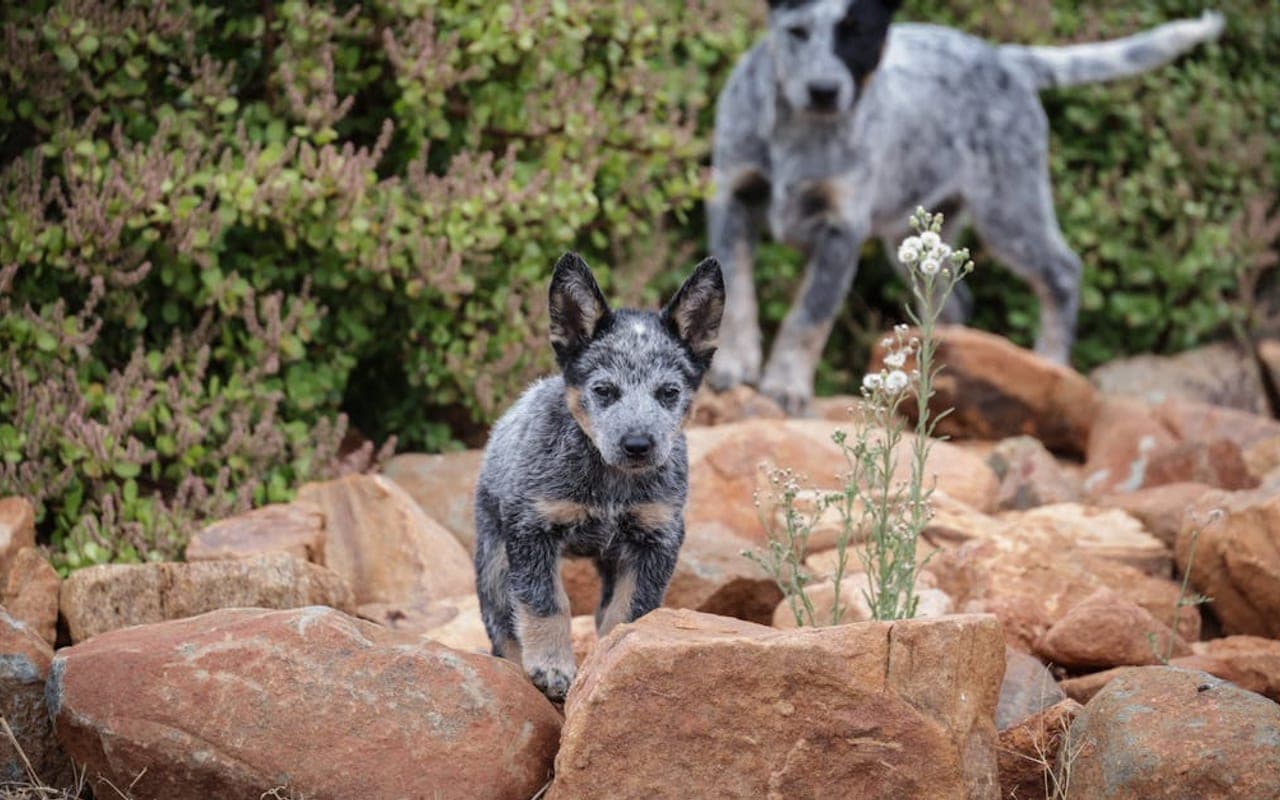
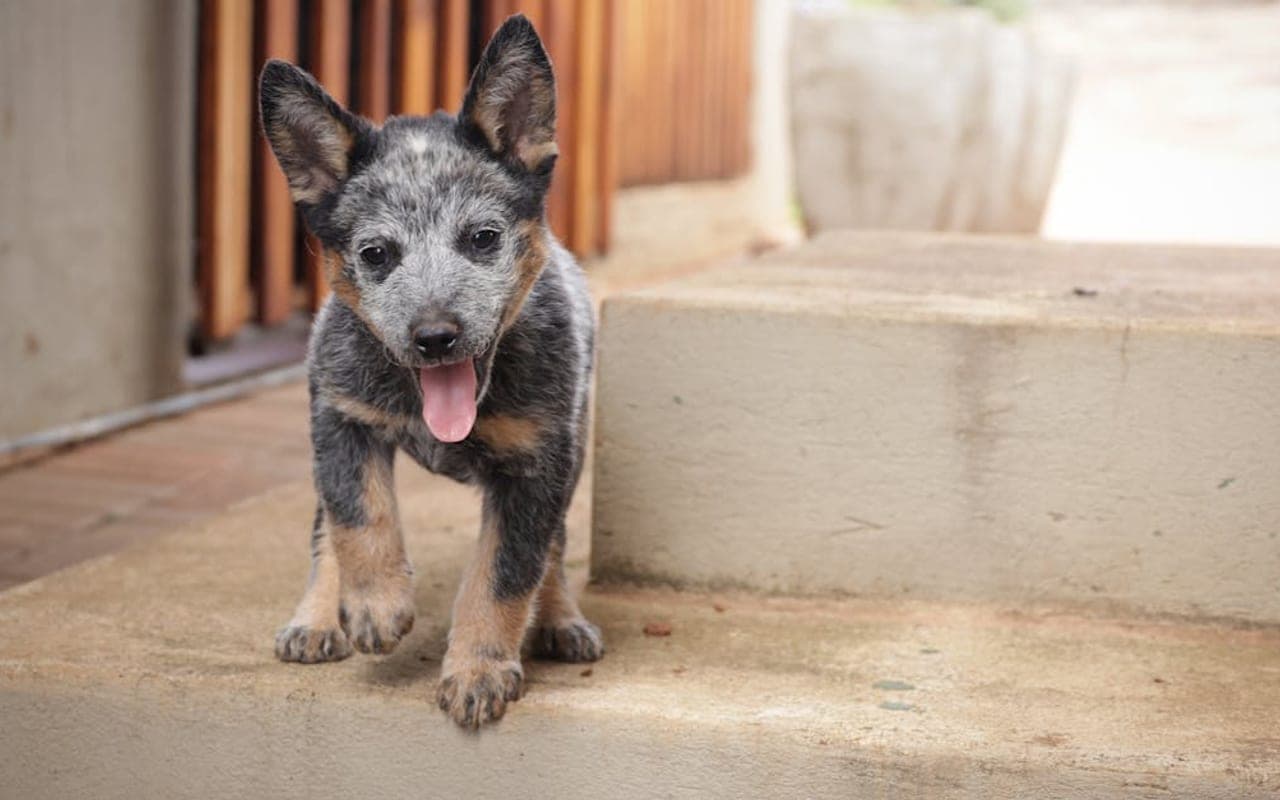
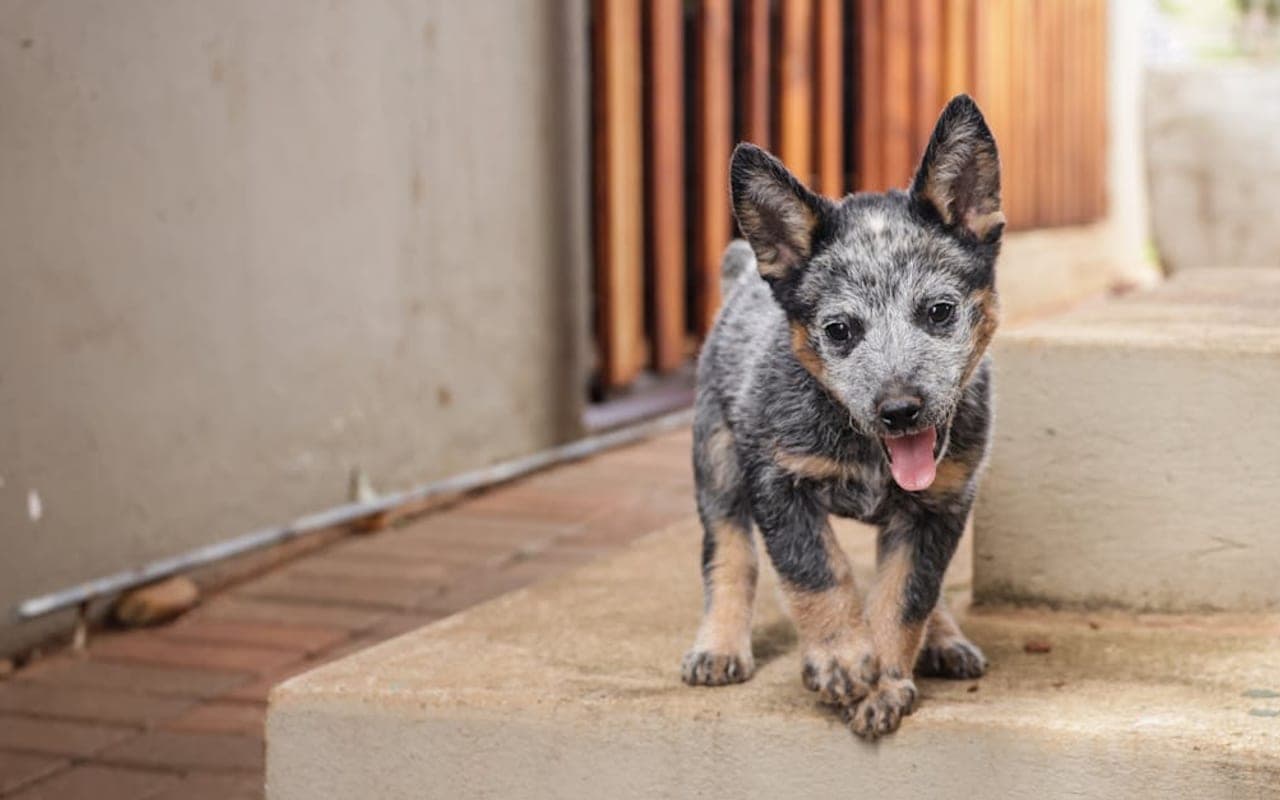
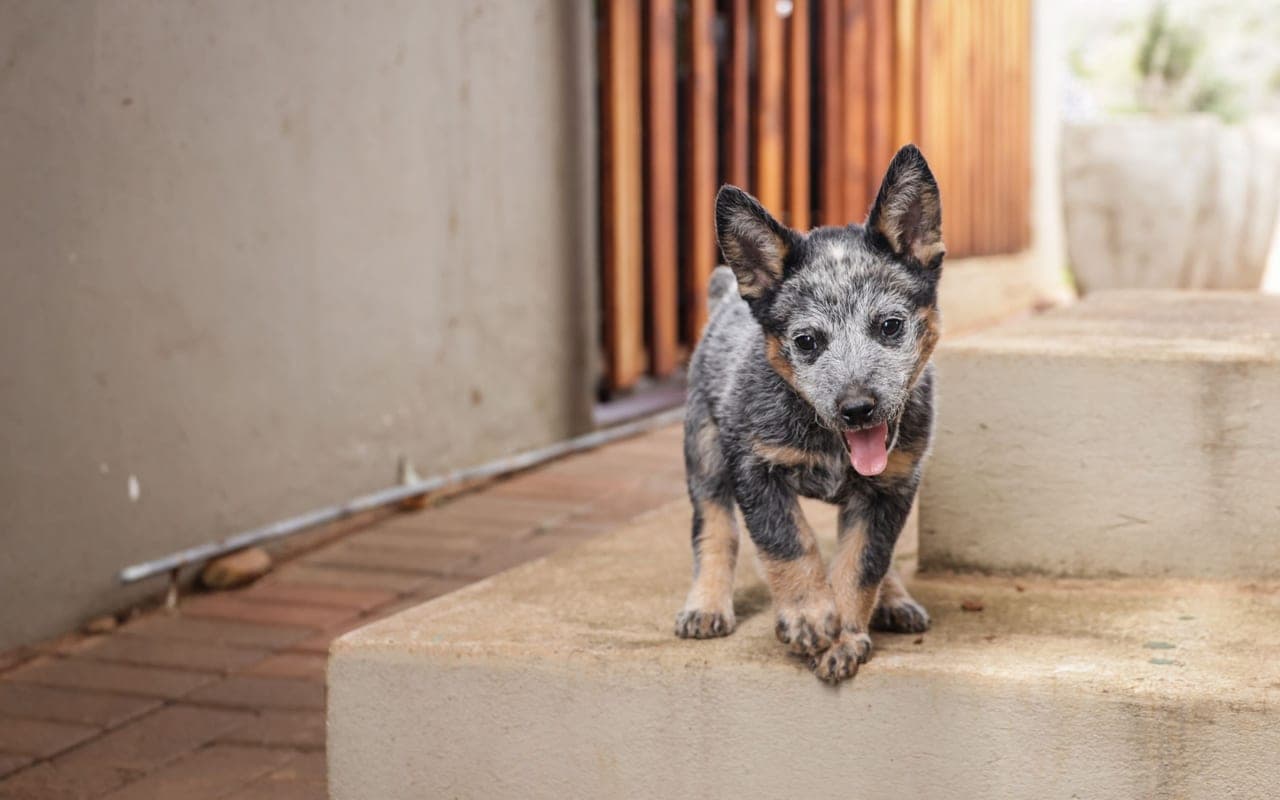
The first thing to understand about the Australian Stumpy Tail Cattle Dog is what it is NOT: it is not an Australian Cattle Dog (Blue/Red Heeler) with a docked tail. The 'Stumpy' is a separate, older breed with its own conformation and a naturally occurring bobtail — pups are born with a short tail, and some are born with a full tail without any docking involved. Confusing the two is the most common mistake buyers make, and it matters because the Stumpy is taller, leaner, squarer, and even more independent and high-drive than its better-known cousin. This is a medium-sized, square, leggy working dog — roughly 35-50 lb — with a short, hard, weather-resistant double coat in blue or red speckle/mottle. Build expectations around 12-15 years of life and, critically, around a serious working temperament: this is a dog bred to control unruly cattle across vast Australian stations in heat and dust. Temperament is the deciding variable. The Stumpy is alert, intensely loyal, biddable for an owner it respects, and famously a one-family dog that is naturally reserved and watchful with strangers. It is a hard, fast, intelligent worker with strong heeling (heel-nipping) instinct and a low tolerance for boredom. Bored or under-employed, it redirects that drive into herding children and pets, destruction, escaping, and reactivity. Who the Stumpy is right for: an experienced, active owner — farm, dog sport, herding, or a genuine 90-minute-a-day exercise-plus-training commitment — who wants a loyal working partner and will socialize hard to manage the wariness and the heeling instinct. Who it is wrong for: first-time owners, sedentary or apartment homes, families wanting a soft stranger-friendly pet, and anyone who will not commit to lifelong mental work. This is a purpose-built stock dog; choose it for the job it expects, not the badge it wears.
Alert | Trainable | Comical
Alert
A common Australian Stumpy Tail Cattle Dog temperament descriptor that should be interpreted alongside training, exercise, and household fit.
Trainable
A common Australian Stumpy Tail Cattle Dog temperament descriptor that should be interpreted alongside training, exercise, and household fit.
Comical
A common Australian Stumpy Tail Cattle Dog temperament descriptor that should be interpreted alongside training, exercise, and household fit.
Owner note
Temperament labels are starting points, not guarantees. Meet the individual dog and ask about behavior history whenever possible.
Care essentials
How to care for a Australian Stumpy Tail Cattle Dog
What looking after one actually involves: exercise, grooming, food, training, and routine health.
ExerciseAs needed
- Moderately active breed needing 30-60 minutes of daily exercise through walks, play, and mental stimulation.
GroomingAs needed
- Regular grooming needed — brush 2-3 times per week and bathe monthly.
TrainingAs needed
- Moderately trainable — consistent, patient training with positive methods works best.
NutritionAs needed
- Feed a high-quality dog food appropriate for their age, size, and activity level. Monitor portions to prevent obesity.
Veterinary CareAs needed
- Annual wellness exams, core vaccinations, dental care, and parasite prevention. Breed-specific health screenings as recommended by your vet.
Health planning
Australian Stumpy Tail Cattle Dog health risks and screening
Every breed has individual health variation. Use this profile for planning and discuss medical decisions with a veterinarian.
Responsible ownership
Finding a Australian Stumpy Tail Cattle Dog responsibly
What to ask a breeder or rescue is the same conversation for every breed, so we keep it in one place and keep it current.
Health documentation, meeting the parents or foster, contracts and return support, and the warning signs worth walking away from.
Original purpose
Australian Stumpy Tail Cattle Dog history
History is useful when it explains today's behavior, coat, exercise needs, and training style.
Read the breed history
The Australian Stumpy Tail Cattle Dog is one of Australia's foundational working breeds, predating the more famous Australian Cattle Dog. It descends from the cattle dogs developed by 19th-century Australian settlers — crosses of imported British droving dogs (the 'Smithfield' and related types) with the native dingo — selected ruthlessly for the ability to move semi-wild cattle long distances across harsh, hot, open country with minimal direction. The naturally short tail occurred and was retained within these working populations; it is a genuine bob, not a docking convention. The Stumpy and the smooth-tailed Australian Cattle Dog share early ancestry but diverged into distinct breeds. The Stumpy nearly died out in the mid-20th century and was deliberately rebuilt from surviving working lines by Australian breed enthusiasts; it remains rare even in Australia and is recorded in the AKC Foundation Stock Service in the United States rather than the regular stud book. For an owner, the history is the warning label. This is a still-functional, dingo-influenced station dog that was never bred down into a companion line. The independence, the wariness, the heeling drive, the heat tolerance, and the need to work are not personality quirks — they are the breed's design specification, and they arrive with the dog whether or not there are cattle to move.
Gallery
Australian Stumpy Tail Cattle Dog photos
Images are cropped consistently and loaded progressively to keep the page responsive.
Lower-page context
Australian Stumpy Tail Cattle Dogs in culture
Where the breed shows up in film, sport, work and folklore — the enjoyable part, once the practical questions are answered.
Fun facts
- The Australian Stumpy Tail Cattle Dog belongs to the Foundation Stock Service.
- With proper care, Australian Stumpy Tail Cattle Dog dogs can live up to 15 years or more.
- Australian Stumpy Tail Cattle Dog dogs are valued for their alert, trainable, comical nature.
Australian Stumpy Tail Cattle Dog FAQs
How long do Australian Stumpy Tail Cattle Dogs live?
A Stumpy typically lives 12-15 years, which is long for an active working dog and reflects a fundamentally hardy, function-selected breed. Lifespan is driven less by the breed itself than by weight control, joint management, and avoiding the deafness and eye conditions through screened parents. A lean, well-exercised Stumpy from BAER- and eye-tested lines reaches the top of that range; an overweight dog with untreated hip disease lives shorter and in more discomfort.
Are Australian Stumpy Tail Cattle Dogs good with children?
With their own family, yes — they are loyal and protective. The honest caveat is the heeling instinct: this breed controls cattle by nipping heels, and that instinct lands on running, shrieking children as a herding behavior, not aggression. It must be managed with training, supervision, and channeling into real work. The breed's wariness of strangers also means visiting children should be introduced carefully. Best for active households with older, dog-savvy kids rather than homes with toddlers.
How much exercise does an Australian Stumpy Tail Cattle Dog need?
A great deal — plan 60-90 minutes of structured physical and mental work every day, for the life of the dog. This is a station cattle dog bred for all-day stamina, and any prep rating suggesting moderate needs understates it badly. Herding, dog sport, running, and serious training satisfy it; walks alone do not. Under-exercised Stumpies become reactive, destructive escape artists. If your week cannot reliably deliver an hour-plus of real work plus mental challenge, this is the wrong breed.
Are Australian Stumpy Tail Cattle Dogs easy to train?
They are highly intelligent and very trainable for a handler they respect, but they are independent station dogs bred to make decisions without a human, so they question weak or inconsistent leadership and bore quickly with repetition. They excel with early, consistent, reward-based training that gives them a job, and they struggle with harsh or aimless handling. Training must include heavy structured socialization to manage stranger-wariness. This is a rewarding dog for an experienced trainer and a difficult one for a passive owner.
How much grooming does an Australian Stumpy Tail Cattle Dog need?
Very little. The short, hard, weather-resistant double coat needs only a weekly brush most of the year, increasing to every other day during the two heavy seasonal sheds, and a bath only when actually dirty. There is no trimming, stripping, or professional grooming. The realistic 'grooming' budget for this breed is the routine nail, ear, and tooth maintenance every dog needs — the coat itself is one of the lowest-effort parts of owning a Stumpy.
Is the Stumpy the same as a docked Australian Cattle Dog?
No — and this is the single most important thing buyers get wrong. The Australian Stumpy Tail Cattle Dog is a separate, older breed with a genuine, genetically natural bobtail; pups are born with short tails (and some with full tails) without any docking. The Australian Cattle Dog (Blue/Red Heeler) is a distinct breed with a full tail. They differ in build, height, and temperament — the Stumpy is squarer, leggier, and even more independent. Verify breed and parentage before buying.
Sources
These are the published sources this page draws on. Each opens in a new tab so you can check it yourself.
American Kennel Club
Australian Stumpy Tail Cattle Dog — breed standard and profile(opens in a new tab)Supports: Breed standard and recognition details.
Similar breeds to consider
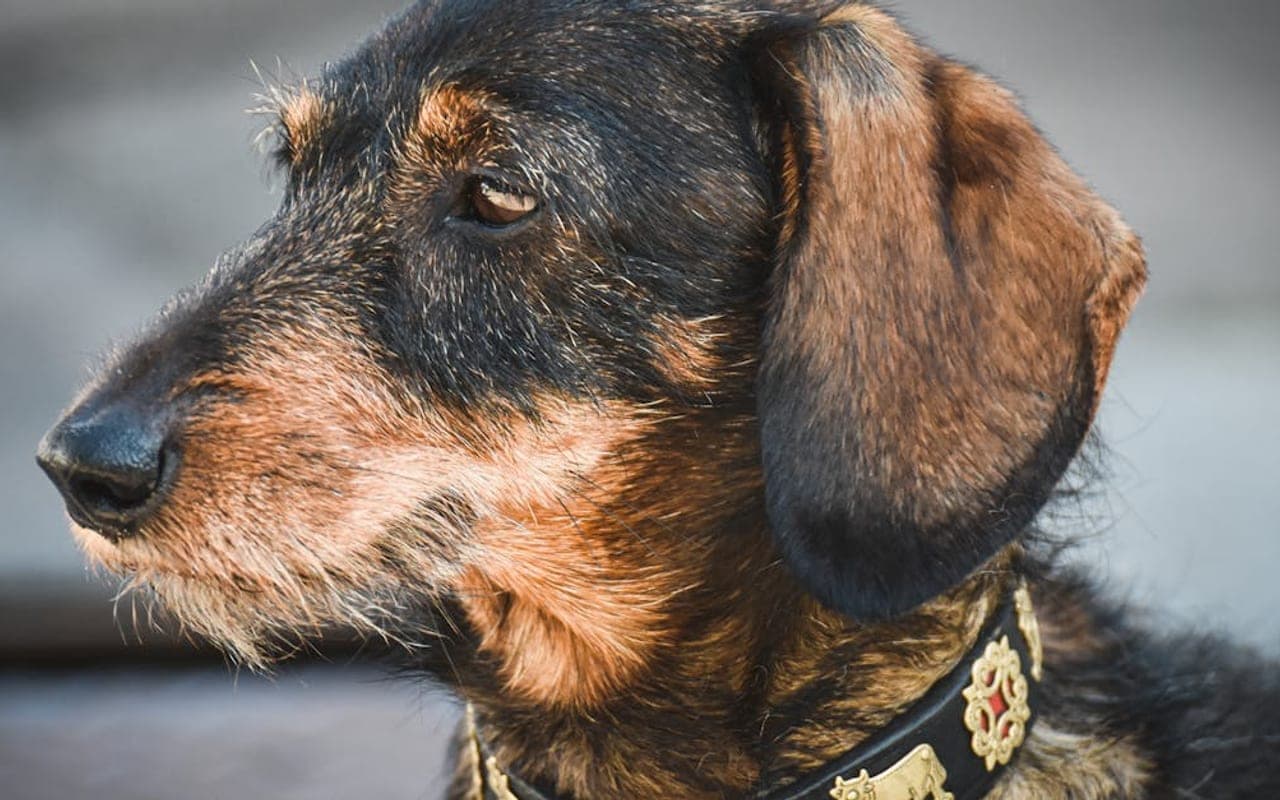
Jagdterrier
Also in the Foundation Stock Service group, with different care and temperament tradeoffs.
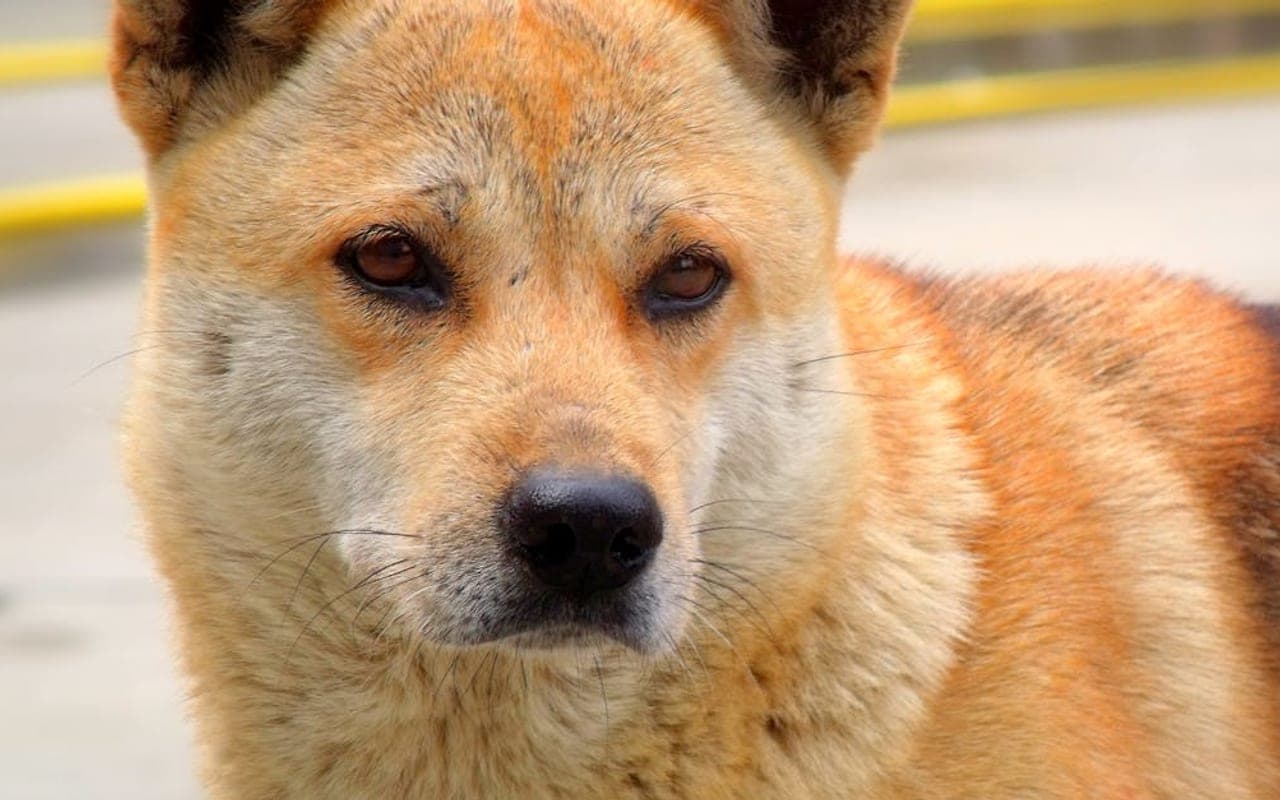
Jindo
Also in the Foundation Stock Service group, with different care and temperament tradeoffs.
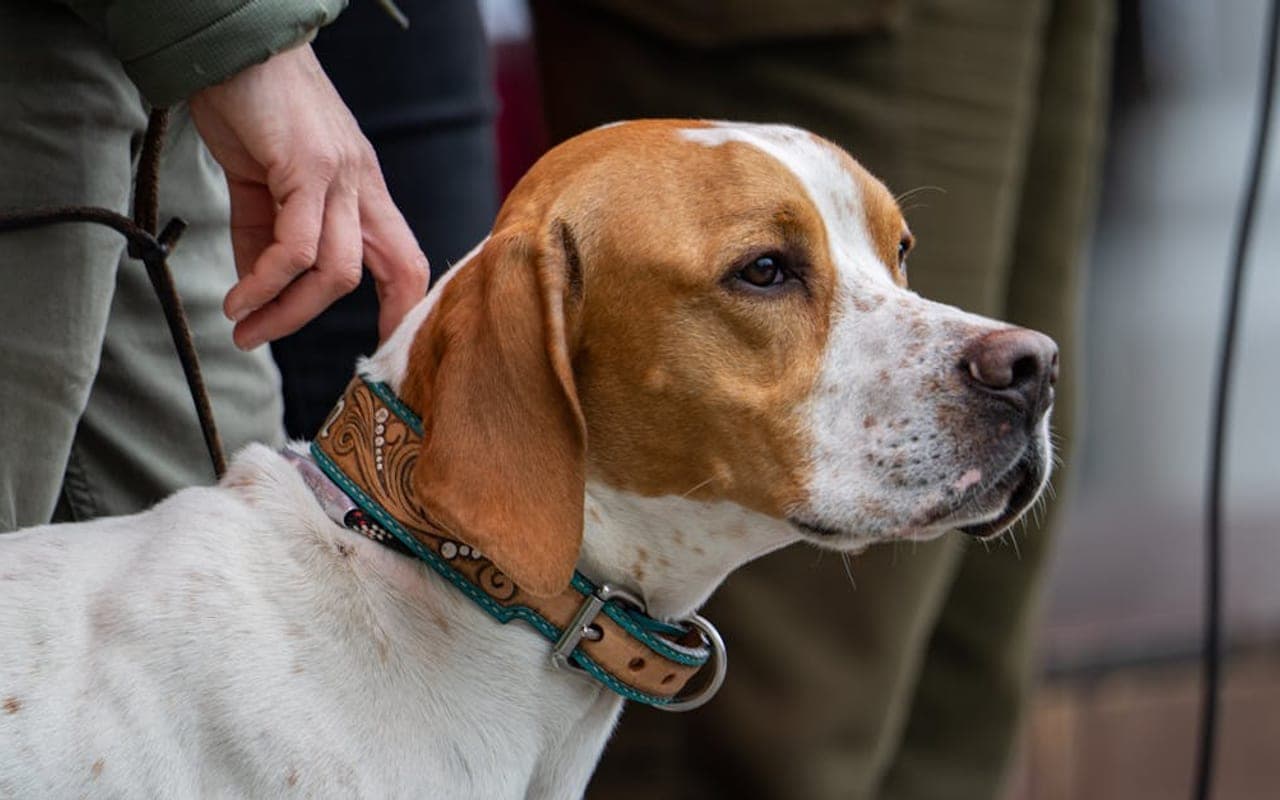
Portuguese Pointer
Also in the Foundation Stock Service group, with different care and temperament tradeoffs.
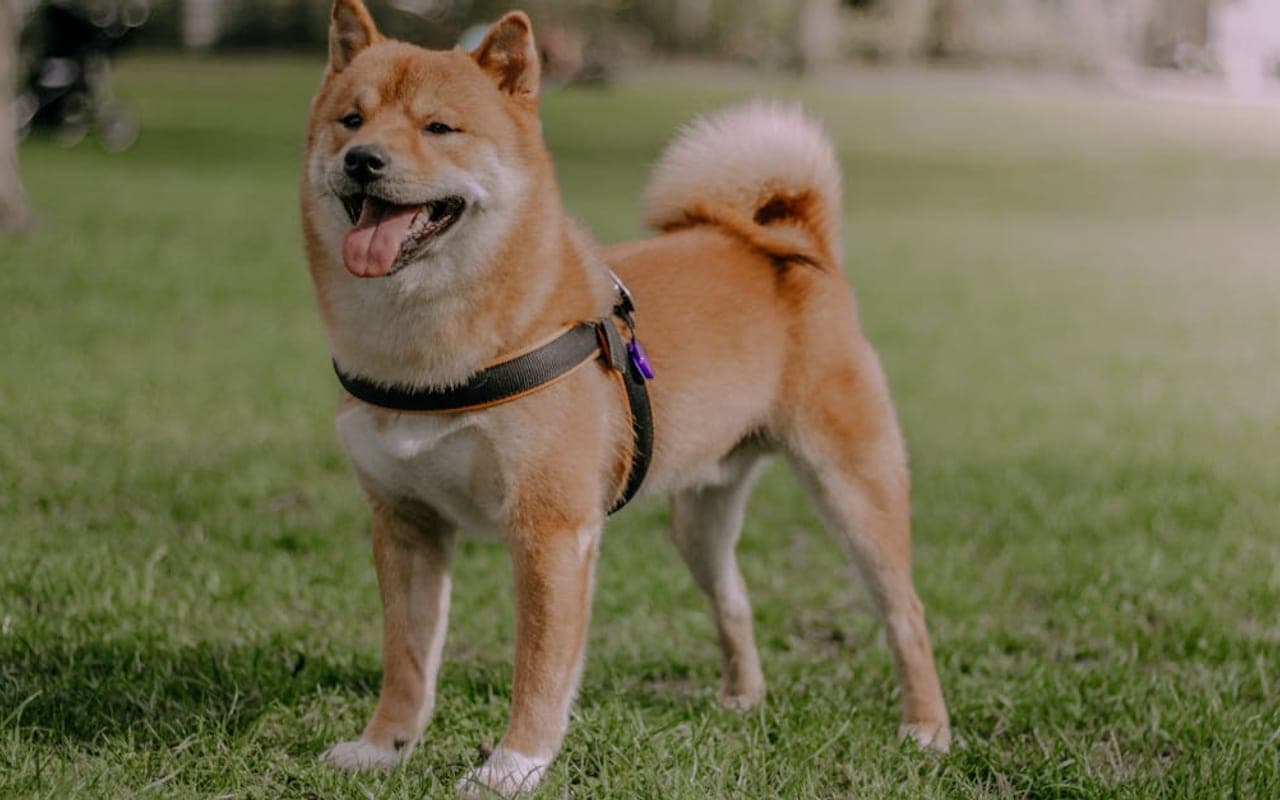
Kishu Ken
Also in the Foundation Stock Service group, with different care and temperament tradeoffs.
Explore More About Australian Stumpy Tail Cattle Dog
Dive deeper into everything Australian Stumpy Tail Cattle Dog — costs, care, and expert insights.
Considering a cat instead?
Browse Cats