
Non-Sporting group
Poodle (Standard)
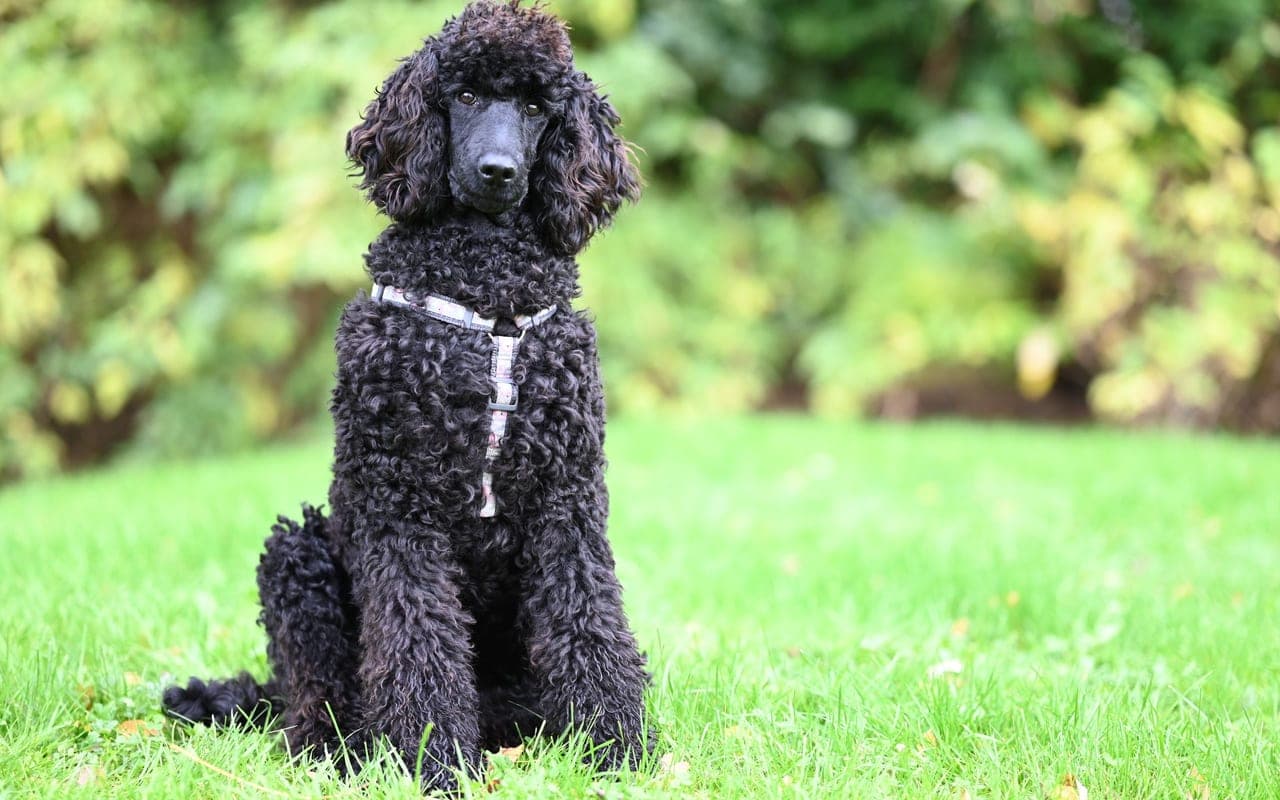
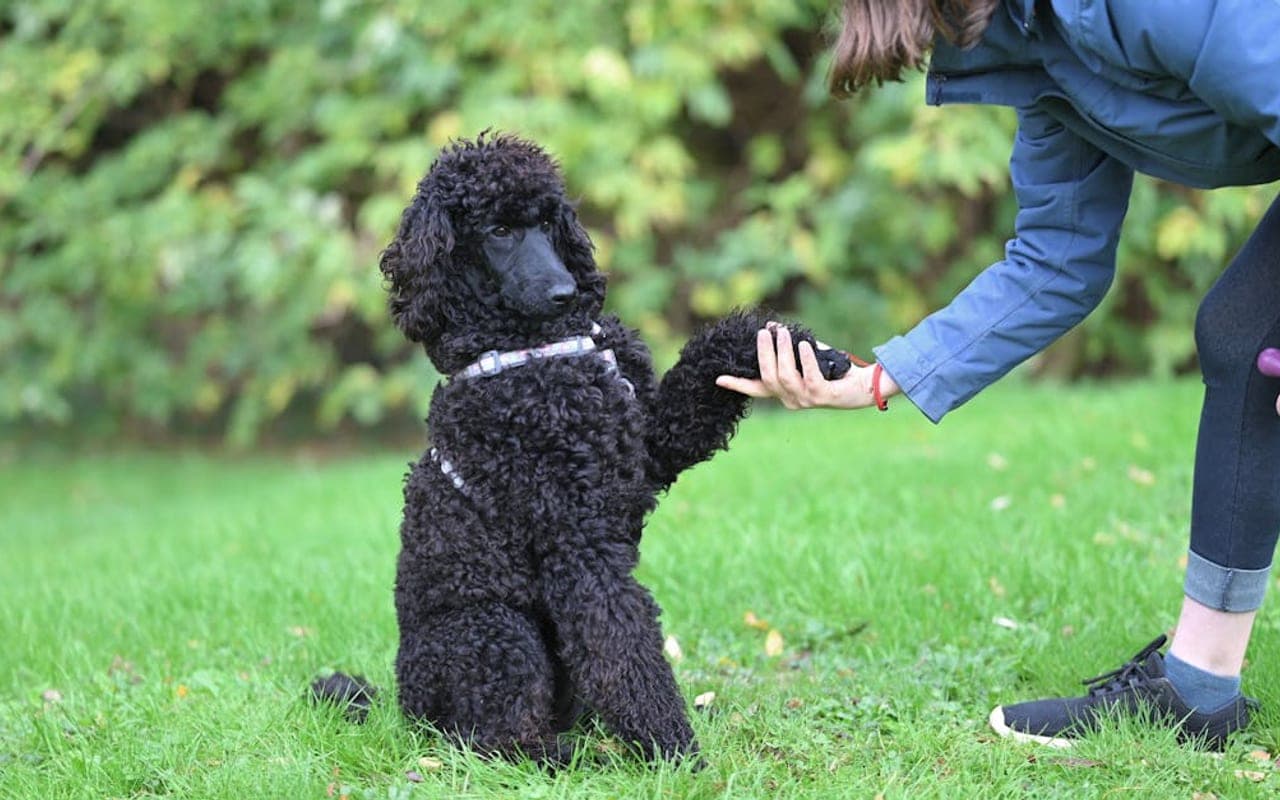
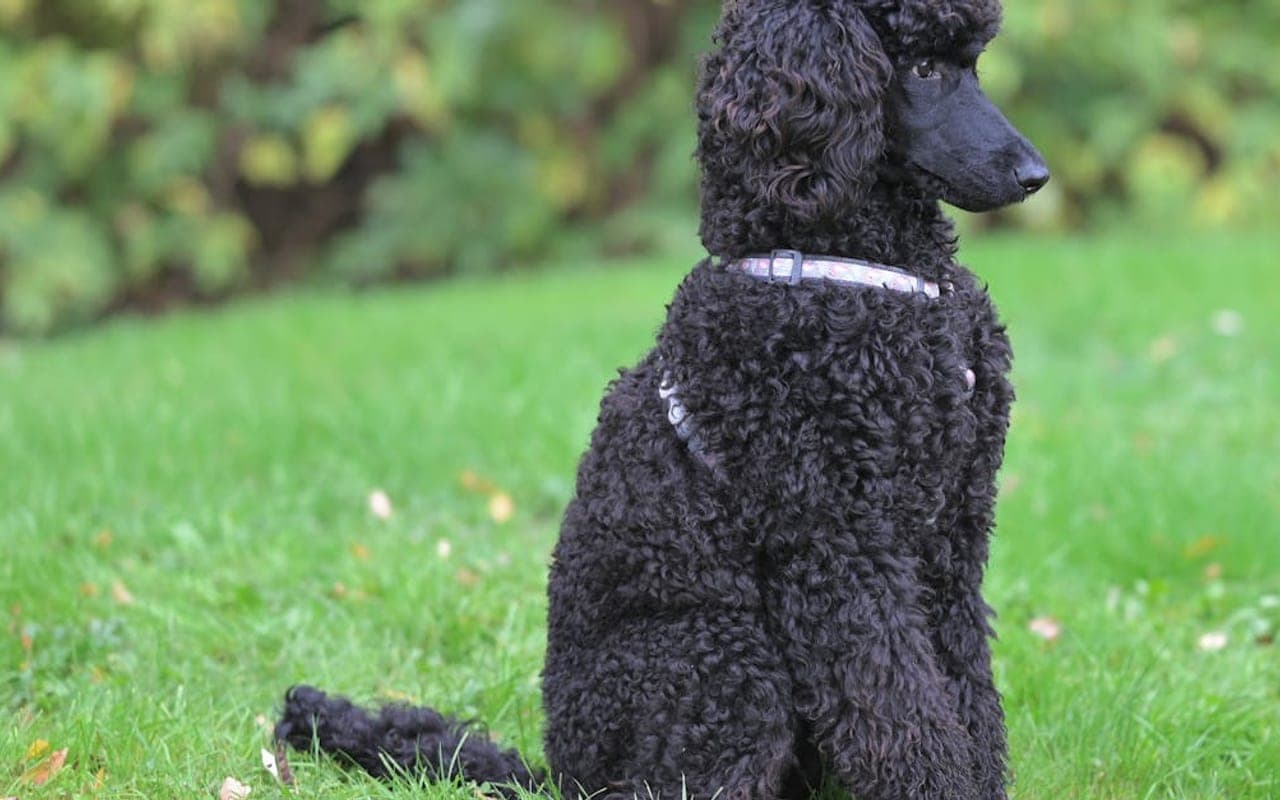
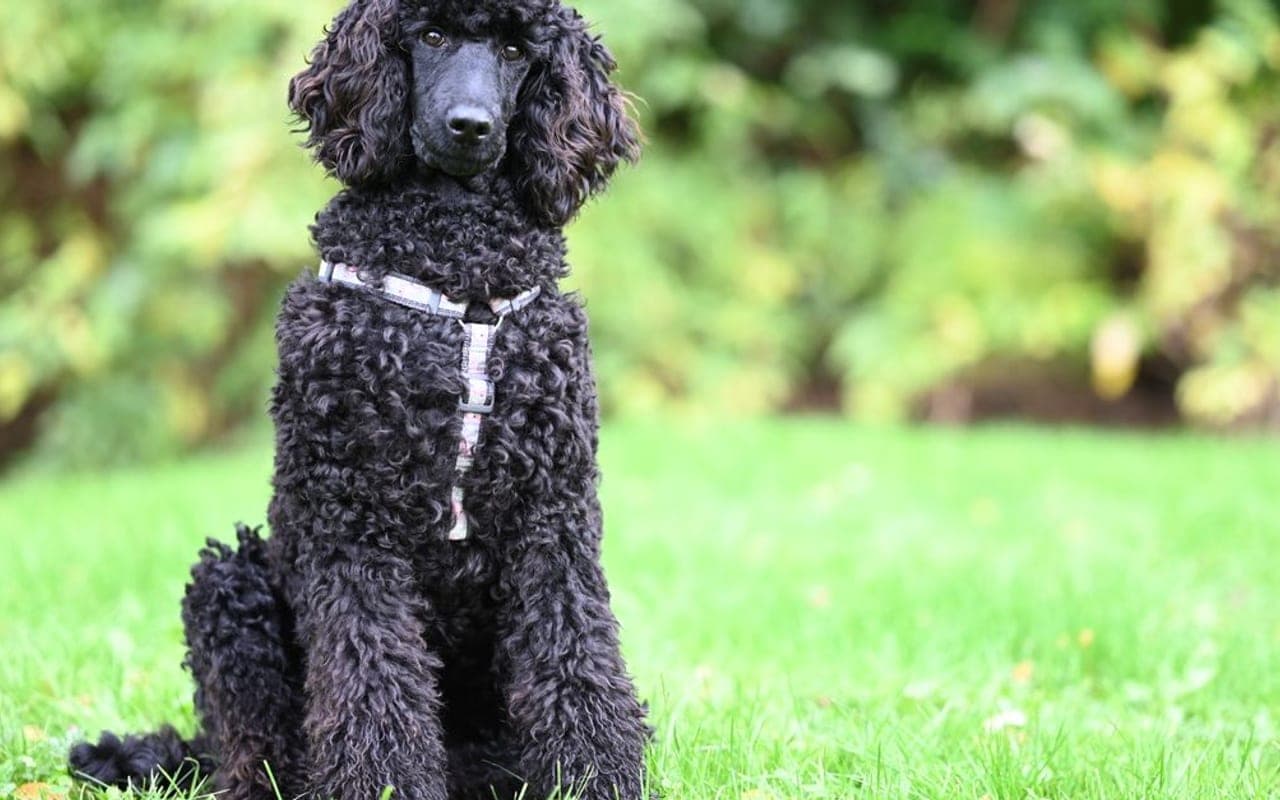
The Standard Poodle is the original, largest Poodle variety — a 45-70 lb (20-32 kg), athletic, water-retrieving dog standing over 15 inches at the shoulder, beneath the elaborate show coat.
Size
44-71 lb
Lifespan
10-18 years
Exercise
30-60 minutes
Shedding
Moderate
Experience
Match to owner routine
Decision first
Is a Poodle (Standard) right for you?
Start with fit before history or trivia. These are ownership signals, not guarantees about any individual dog.
Best suited for
- Households with children.
- Homes with other compatible pets.
- Apartment homes with a consistent routine.
- Owners seeking a manageable daily exercise routine.
Think carefully if
- You need a dog with almost no daily routine.
- You cannot keep up with grooming and preventive care.
- The dog will spend most days alone without support.
Conditional fit
Apartment fit depends on exercise, enrichment, noise management, and outdoor access.
Daily reality
Poodle (Standard) commitment snapshot
Daily exercise
30-60 minutes
Match activity to age, health, weather, and training goals.
Coat care
Low
Grooming needs vary by coat, shedding, and lifestyle.
Time alone
Needs planning
Most dogs need gradual alone-time conditioning and support.
Structured facts
Poodle (Standard) at a glance
The measurements and traits that most affect day-to-day life with this breed.
Group
Non-Sporting
Weight
44-71 lb
Height
18-24 in
Lifespan
10-18 years
Temperament
Active | Proud | Very Smart
View all characteristics and methodology
Lifestyle fit
- Apartment suitability
- Likely fit
- Child friendliness
- Often good, with socialisation and supervision
- Other-pet fit
- Often compatible with careful introductions
Owner commitment
- Exercise
- 30-60 minutes
- Grooming
- Low
- Shedding
- Moderate
- Training
- Low
Environment and health
- Health risk
- Needs planning
Ratings combine structured breed data, visible breed fields, and editorial context. They are planning aids, not predictions for an individual dog.
Daily life
Poodle (Standard) temperament and behavior
The Standard Poodle is the original, largest Poodle variety — a 45-70 lb (20-32 kg), athletic, water-retrieving dog standing over 15 inches at the shoulder, beneath the elaborate show coat. The single most important thing to understand about this breed is that the haircut hides a serious working gundog. The Standard Poodle is consistently ranked among the two or three most trainable dog breeds in the world, with a real working drive, real stamina, and a real need for a job. People who buy it as a decorative low-energy companion are usually disappointed; people who treat it as a smart, biddable sporting dog are usually delighted. Temperament is the breed's headline. Standard Poodles are highly intelligent, eager to please, sensitive to their handler's mood, generally calm indoors once exercised, good with children and other dogs, and famously easy to house-train. They are not aloof — they bond closely and dislike being left alone for long stretches. Their intelligence cuts both ways: under-exercised or under-stimulated, they invent their own entertainment, often destructively. The practical trade-off is the coat. The curly, single coat sheds very little and is often tolerated by allergy-sensitive households, but it grows continuously and mats fast — meaning a professional groom every 4-6 weeks for the life of the dog, a recurring cost most first-time owners underestimate. Who the Standard Poodle is right for: an active owner who wants a trainable, athletic, low-shed companion and has budgeted both the daily exercise and the lifelong grooming. Who it is wrong for: someone wanting a calm dog with minimal exercise, or someone unwilling to pay for grooming every month. Decide on the exercise-and-grooming commitment first; the intelligence is a gift only if you use it.
Active | Proud | Very Smart
Active
A common Poodle (Standard) temperament descriptor that should be interpreted alongside training, exercise, and household fit.
Proud
A common Poodle (Standard) temperament descriptor that should be interpreted alongside training, exercise, and household fit.
Very Smart
A common Poodle (Standard) temperament descriptor that should be interpreted alongside training, exercise, and household fit.
Owner note
Temperament labels are starting points, not guarantees. Meet the individual dog and ask about behavior history whenever possible.
Care essentials
How to care for a Poodle (Standard)
What looking after one actually involves: exercise, grooming, food, training, and routine health.
ExerciseAs needed
- Moderately active breed needing 30-60 minutes of daily exercise.
GroomingAs needed
- Weekly brushing is sufficient.
TrainingAs needed
- Consistent, patient training works best.
NutritionAs needed
- Feed high-quality dog food appropriate for age, size, and activity level.
Veterinary CareAs needed
- Annual wellness exams, vaccinations, dental care, and parasite prevention.
Health planning
Poodle (Standard) health risks and screening
Every breed has individual health variation. Use this profile for planning and discuss medical decisions with a veterinarian.
Responsible ownership
Finding a Poodle (Standard) responsibly
What to ask a breeder or rescue is the same conversation for every breed, so we keep it in one place and keep it current.
Health documentation, meeting the parents or foster, contracts and return support, and the warning signs worth walking away from.
Original purpose
Poodle (Standard) history
History is useful when it explains today's behavior, coat, exercise needs, and training style.
Read the breed history
The Poodle is a water-retrieving gundog, not a lapdog, despite the modern grooming. Its name comes from the German 'Pudel', meaning to splash in water, and the breed was developed in Germany and refined in France as a duck and waterfowl retriever. The famous show clip is functional in origin: hunters shaved the hindquarters and legs to reduce drag in cold water while leaving longer hair over the chest and joints to protect vital organs and limbs. France adopted the Poodle as a national favorite, and the breed split into three sizes — Standard, Miniature, and Toy — with the Standard being the original and the smaller varieties bred down later for companionship and, historically, truffle hunting and circus work. This working heritage explains everything practical about the modern dog: the high trainability, the love of water, the stamina, and the need for a job. Owners who understand the Standard Poodle as a retriever in a fancy haircut make far better decisions about exercise and stimulation than those who treat it as a decorative breed.
Gallery
Poodle (Standard) photos
Images are cropped consistently and loaded progressively to keep the page responsive.
Lower-page context
Poodle (Standard)s in culture
Where the breed shows up in film, sport, work and folklore — the enjoyable part, once the practical questions are answered.
Fun facts
- The Poodle (Standard) belongs to the Non-Sporting Group.
- The average lifespan of a Poodle (Standard) is 10 to 18 years.
- Poodle (Standard) dogs are valued for their active, proud, very smart nature.
Poodle (Standard) FAQs
Are Standard Poodles really hypoallergenic?
No dog is truly hypoallergenic, but the Standard Poodle's curly single coat sheds very little and traps dander, so many — not all — allergy-sensitive people tolerate it better than double-coated breeds. The honest caveat is that the low shedding comes at a price: the coat grows continuously and needs brushing every day or two plus a professional groom every 4-6 weeks. Spend time with an adult Poodle before committing if allergies are the deciding factor.
How much exercise does a Standard Poodle need?
Plan on 60-90 minutes of physical activity daily plus 10-15 minutes of dedicated mental work such as obedience or scent games. This is a working retriever, not a calm companion breed: under-exercised Standard Poodles become anxious and destructive. The upside is they channel that energy well into running, swimming, and dog sports, so an active owner gets a genuinely outstanding partner — but the exercise is a requirement, not an option.
How long do Standard Poodles live?
Standard Poodles typically live 10-18 years, with 12-15 being common for a well-bred, lean, well-cared-for dog — long-lived for a dog of this size. The main lifespan limiters are bloat (a preventable-by-management emergency), hip disease, and Addison's. Keeping the dog lean, feeding from the floor in two smaller meals, and using a breeder who tests for hips, eyes, and Addison's-related issues meaningfully shifts a dog toward the upper end of that range.
What does grooming a Standard Poodle actually cost?
Expect a professional groom every 4-6 weeks for the dog's entire life — roughly 8-12 visits a year, typically $60-$120+ per visit depending on region and coat condition, so often $700-$1,400+ annually. Between visits you must line-brush to the skin every one to two days or the coat pelts and has to be shaved. Many owners learn to clip at home to control cost. Budget this before buying — it is the breed's biggest recurring expense.
Are Standard Poodles good first dogs?
They can be excellent for a first-time owner who is active and committed, because they are gentle, eager to please, and among the easiest breeds to train and house-train. They are a poor first dog for someone wanting low effort: the daily exercise, daily brushing, and monthly grooming are demanding. The breed rewards engagement and punishes neglect, so honest self-assessment of your time and budget matters more here than dog-handling experience.
Do Standard Poodles get along with children and other pets?
Generally yes — well-socialized Standard Poodles are gentle, patient, and playful with children of their own family and typically coexist well with other dogs and even cats, helped by their non-confrontational temperament. The breed's sensitivity is the practical caveat: they dislike rough handling and chaotic, harsh households, and a Poodle raised around shouting or rough play can become anxious or withdrawn. They also have a strong herding-and-retrieving instinct, so some will gently 'gather' running children or carry objects around — harmless but worth understanding. Early socialization, supervised introductions, and teaching children calm, respectful handling produce a reliably family-friendly dog that does well in a busy but not chaotic home.
Sources
These are the published sources this page draws on. Each opens in a new tab so you can check it yourself.
American Kennel Club
Poodle (Standard) — breed standard and profile(opens in a new tab)Supports: Breed standard and recognition details.
Similar breeds to consider
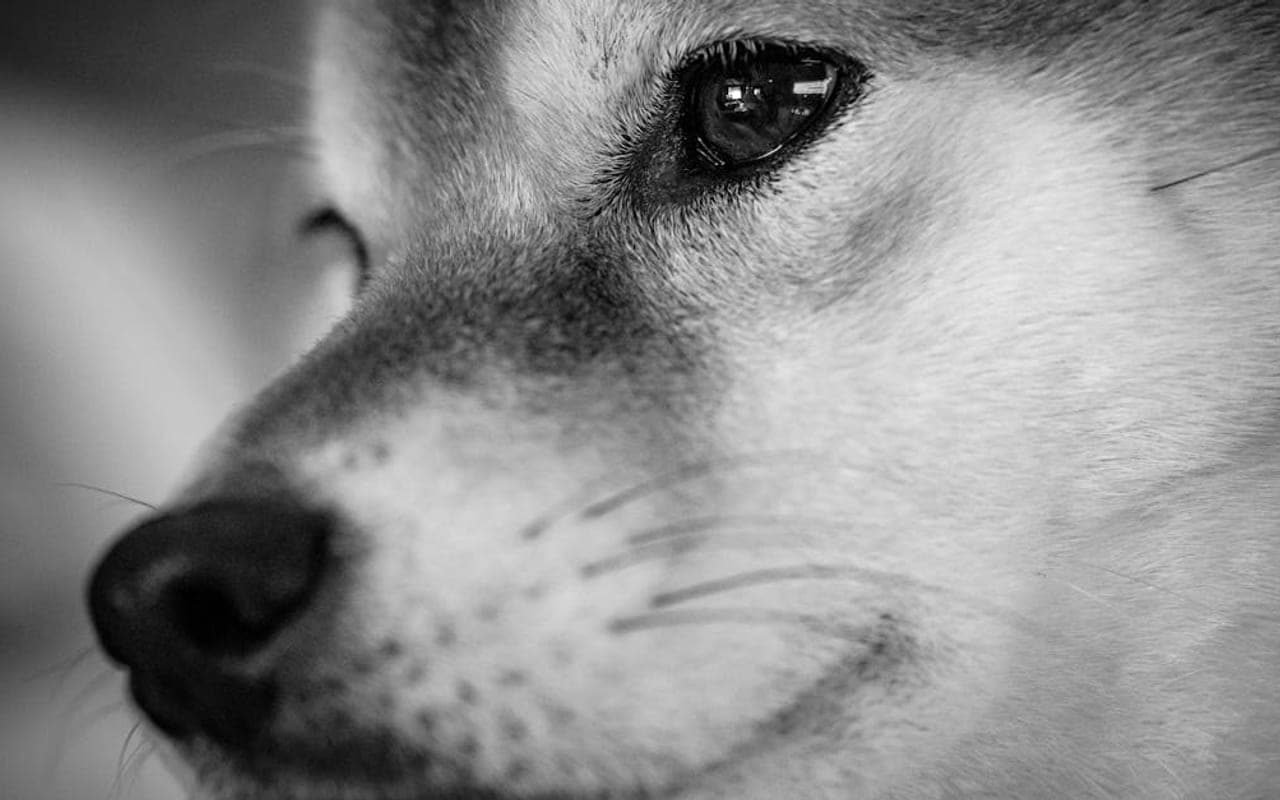
Shiba Inu
Also in the Non-Sporting group, with different care and temperament tradeoffs.
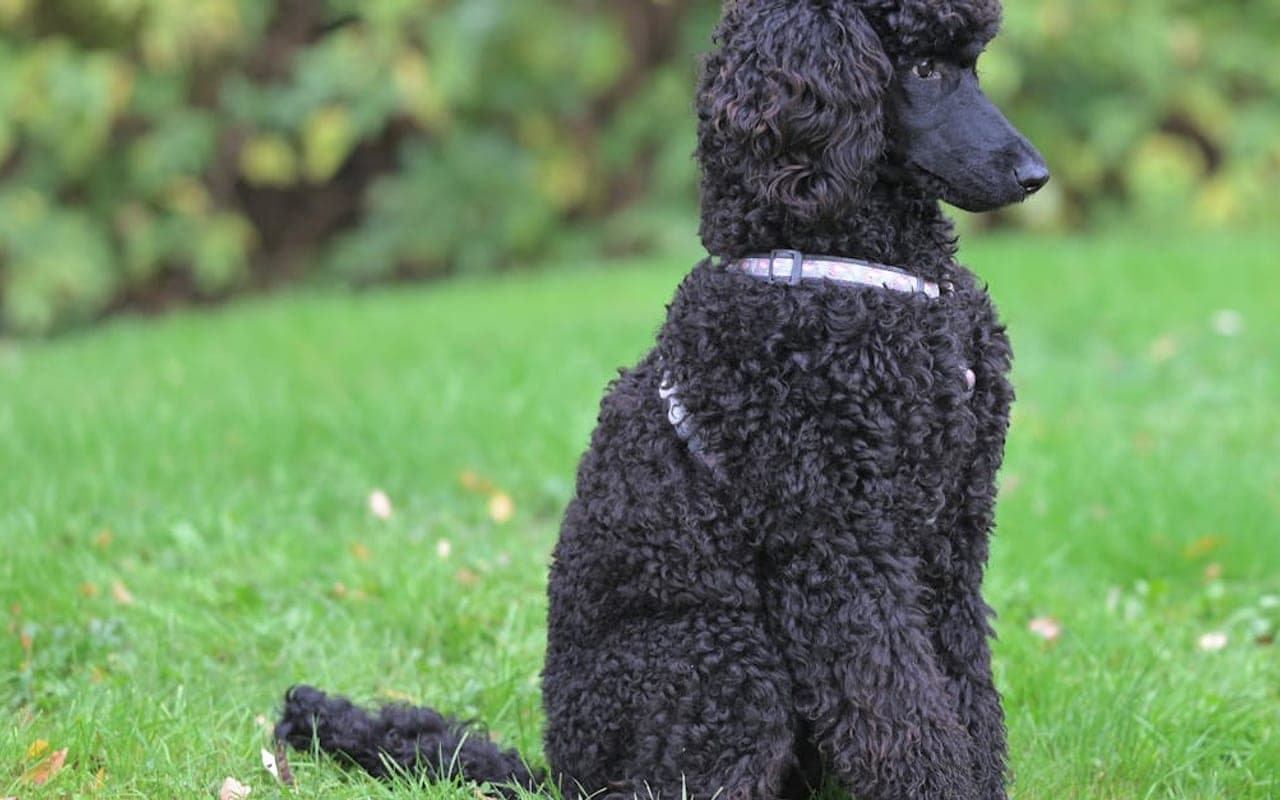
Poodle
Also in the Non-Sporting group, with different care and temperament tradeoffs.
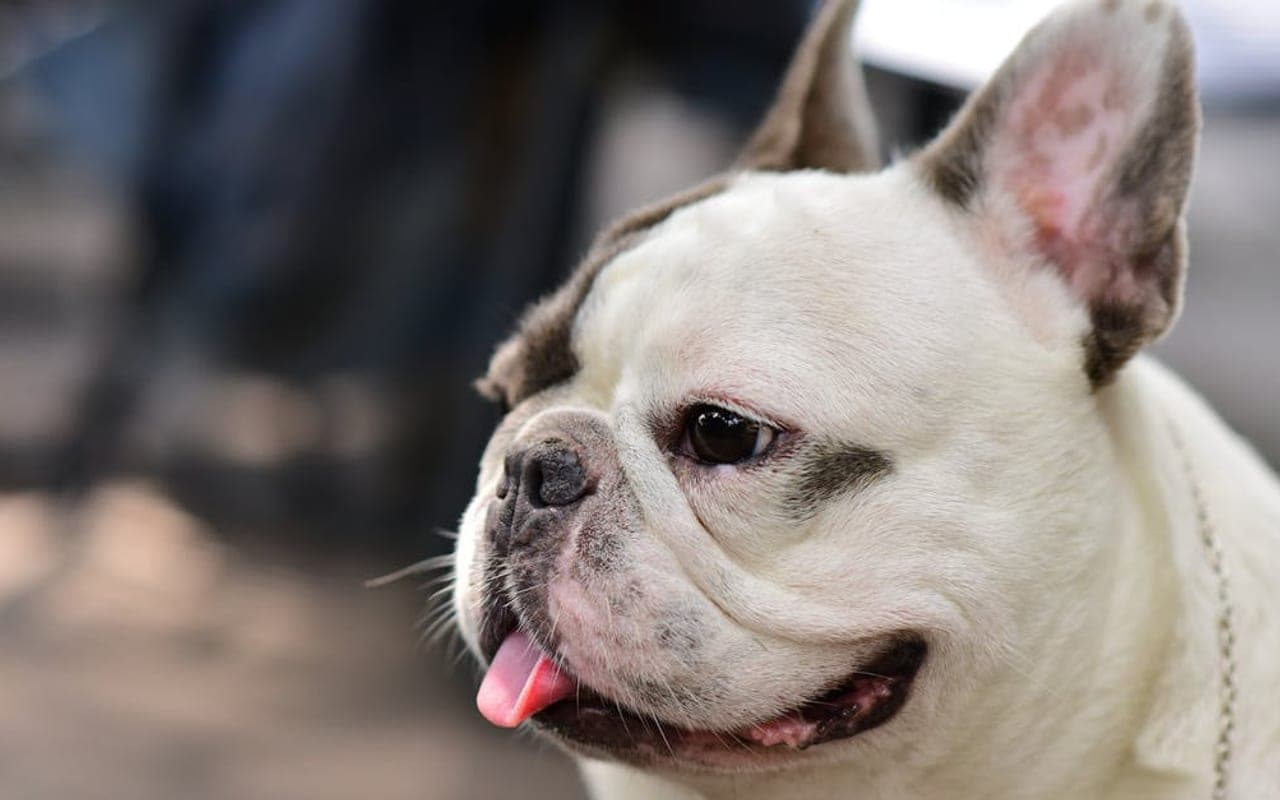
Bulldog
Also in the Non-Sporting group, with different care and temperament tradeoffs.
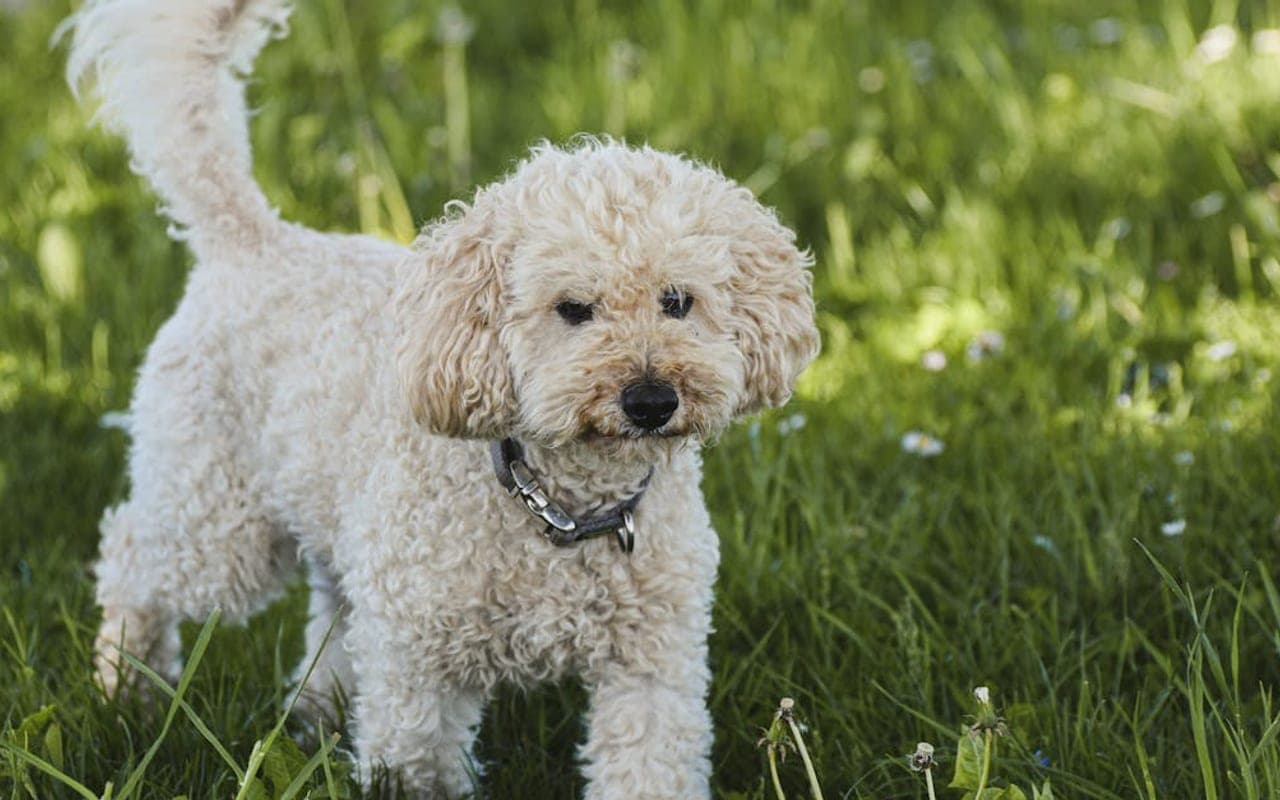
Poodle (Miniature)
Also in the Non-Sporting group, with different care and temperament tradeoffs.
Explore More About Poodle (Standard)
Dive deeper into everything Poodle (Standard) — costs, care, and expert insights.
Large Dog Care Guide: Everything Over 50 lbs
Owning a large or giant breed dog means accepting one of biology's...
Puppy Teething & Biting: Timeline and What Actually Works
A puppy has all 28 deciduous ("baby") teeth by roughly eight weeks of age, and...
Considering a cat instead?
Browse Cats