
Terrier group
American Hairless Terrier
The American Hairless Terrier (AHT) is a small, energetic terrier from Louisiana, descended from a hairless variation that appeared in a Rat Terrier litter.
Size
11-15 lb
Lifespan
14-16 years
Exercise
30-60 minutes
Shedding
Moderate
Experience
Match to owner routine
Decision first
Is a American Hairless Terrier right for you?
Start with fit before history or trivia. These are ownership signals, not guarantees about any individual dog.
Best suited for
- Households with children.
- Homes with other compatible pets.
- Apartment homes with a consistent routine.
- Owners seeking a manageable daily exercise routine.
Think carefully if
- You need a dog with almost no daily routine.
- You cannot keep up with grooming and preventive care.
- The dog will spend most days alone without support.
Conditional fit
Apartment fit depends on exercise, enrichment, noise management, and outdoor access.
Daily reality
American Hairless Terrier commitment snapshot
Daily exercise
30-60 minutes
Match activity to age, health, weather, and training goals.
Coat care
Moderate
Grooming needs vary by coat, shedding, and lifestyle.
Time alone
Needs planning
Most dogs need gradual alone-time conditioning and support.
Structured facts
American Hairless Terrier at a glance
The measurements and traits that most affect day-to-day life with this breed.
Group
Terrier
Weight
11-15 lb
Height
12-16 in
Lifespan
14-16 years
Temperament
Energetic | Alert | Curious
View all characteristics and methodology
Lifestyle fit
- Apartment suitability
- Likely fit
- Child friendliness
- Often good, with socialisation and supervision
- Other-pet fit
- Often compatible with careful introductions
Owner commitment
- Exercise
- 30-60 minutes
- Grooming
- Moderate
- Shedding
- Moderate
- Training
- Moderate
Environment and health
- Health risk
- Needs planning
Ratings combine structured breed data, visible breed fields, and editorial context. They are planning aids, not predictions for an individual dog.
Daily life
American Hairless Terrier temperament and behavior
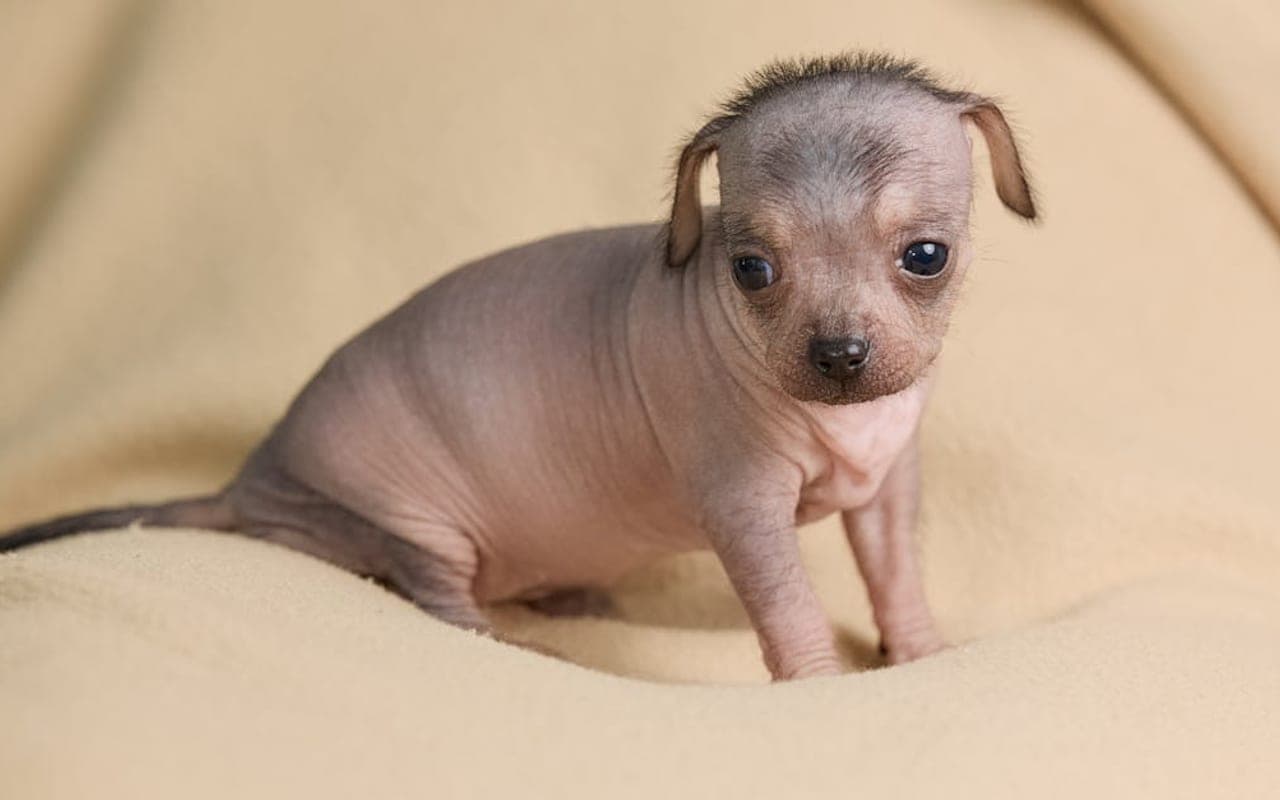
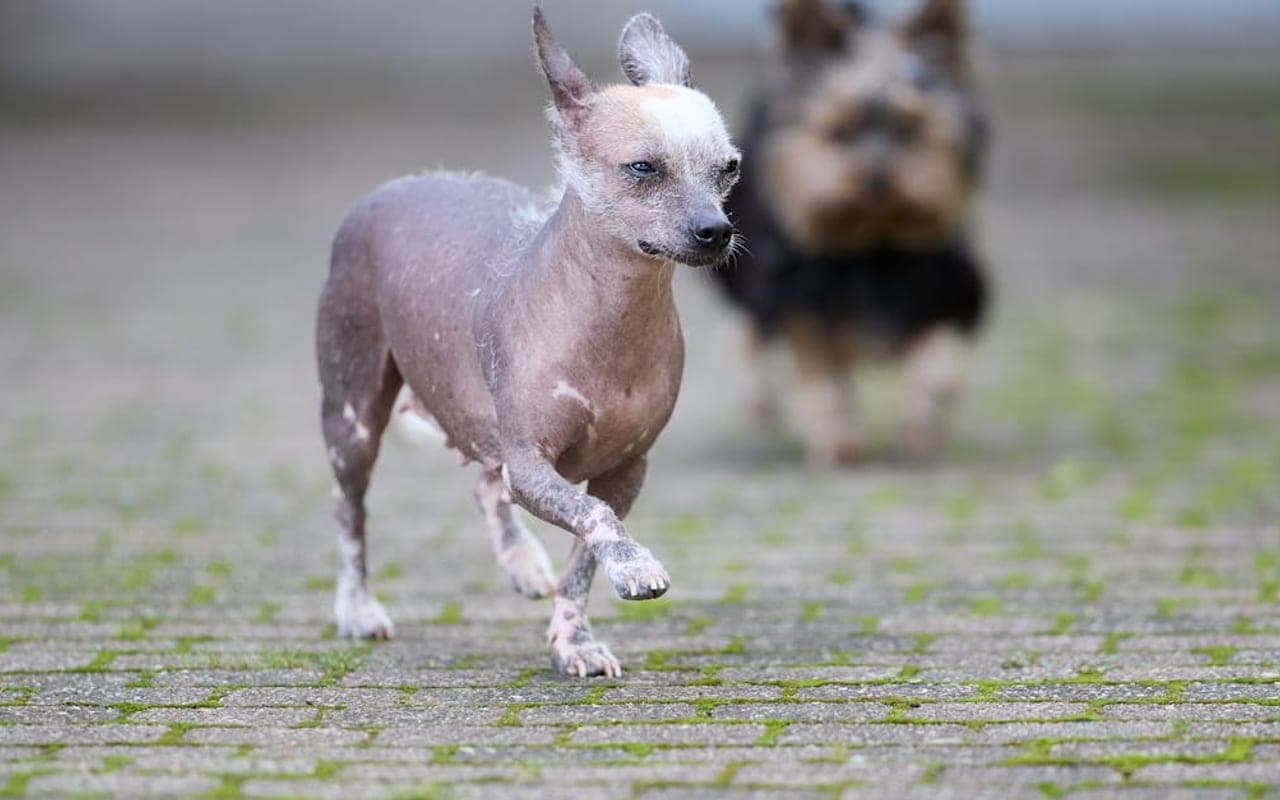
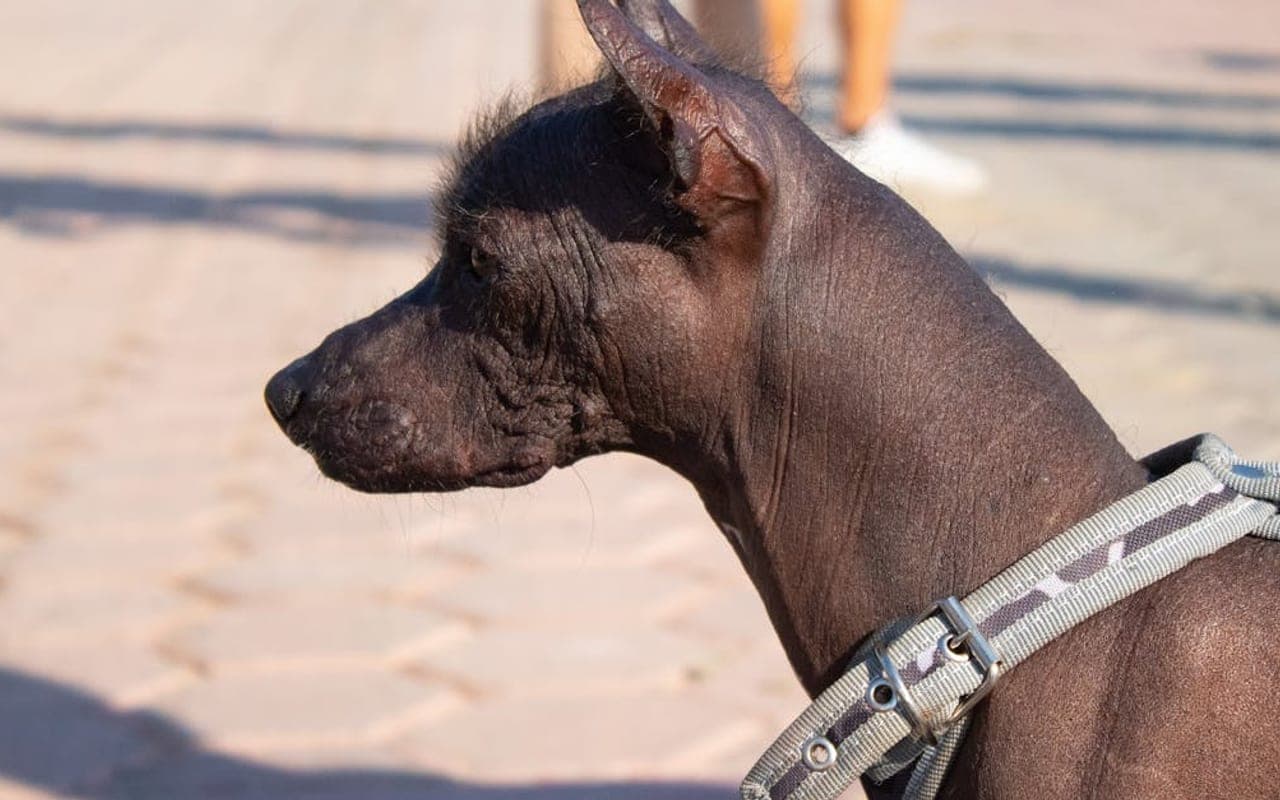
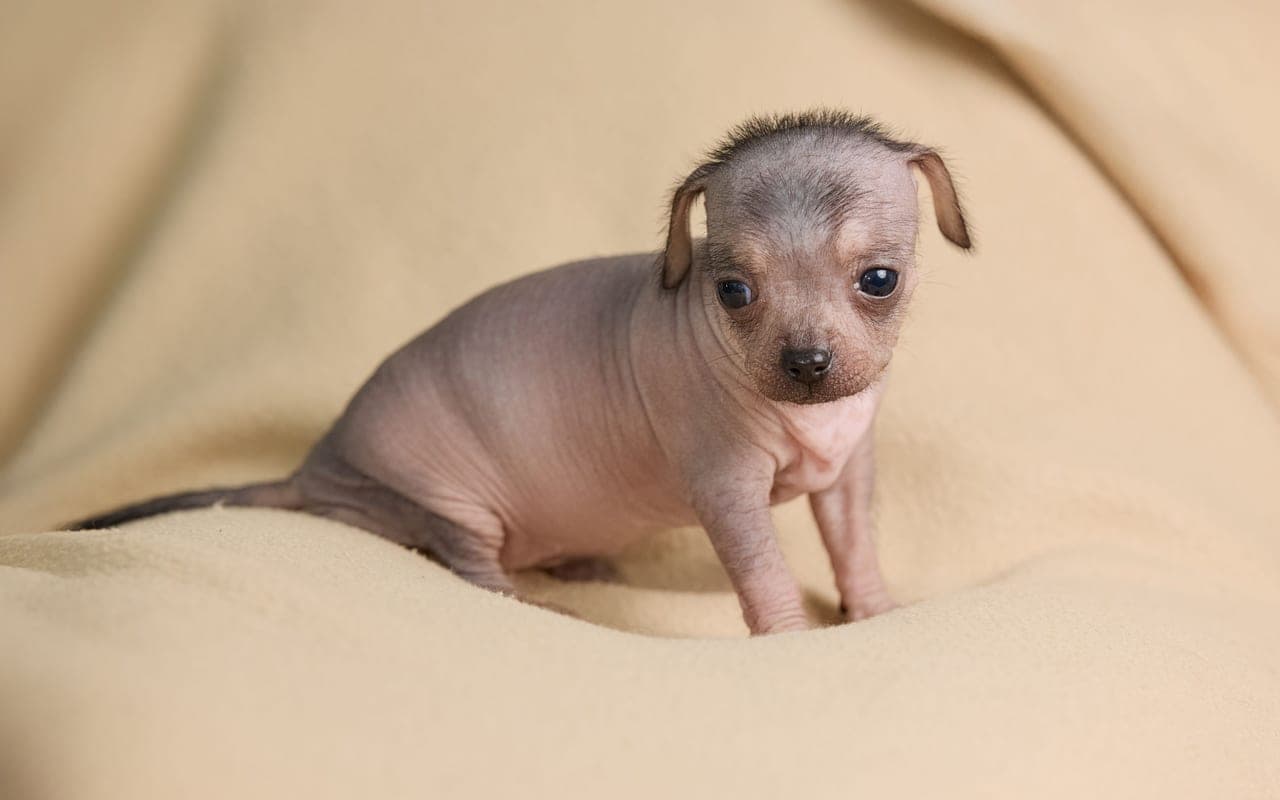
The American Hairless Terrier (AHT) is a small, energetic terrier from Louisiana, descended from a hairless variation that appeared in a Rat Terrier litter. It stands roughly 12-16 inches at the shoulder and weighs about 12-28 pounds (roughly 5.5-13 kg), and it comes in two coat varieties: a truly hairless type with smooth, warm, exposed skin (and often just eyebrows and whiskers), and a coated type with a short shiny coat. The hairless variety is about as close to hypoallergenic as a dog gets — which is precisely why people seek it out, and precisely why they need to understand the trade-off they are signing up for. That trade-off is the whole story: no coat means no protection. The hairless AHT sunburns, is vulnerable to cold, and can develop skin reactions and irritation that a normally-coated dog never faces. In exchange you get a sharp, inquisitive, lively terrier with full ratting drive and courage in a clean, low-allergen, low-shedding package. Temperamentally the AHT is a true terrier — alert, curious, playful, devoted to its family, an effective watchdog, and busy enough to need a job. The AHT is right for you if you want a small, active, low-allergen companion with terrier grit, you will commit to year-round skin management (sunscreen, sweaters, skin checks), and you can meet a real terrier's exercise and mental needs. It is wrong for you if you expect a hairless dog to be maintenance-free, if you keep small free-roaming pets the dog will hunt, or if you want a calm, undemanding lapdog. The hidden cost most buyers miss: 'hairless' is not 'care-free' — the skin is a lifelong management item, and this is still a CHIC-screened breed with real orthopedic and eye risks behind the novelty.
Energetic | Alert | Curious
Energetic
A common American Hairless Terrier temperament descriptor that should be interpreted alongside training, exercise, and household fit.
Alert
A common American Hairless Terrier temperament descriptor that should be interpreted alongside training, exercise, and household fit.
Curious
A common American Hairless Terrier temperament descriptor that should be interpreted alongside training, exercise, and household fit.
Owner note
Temperament labels are starting points, not guarantees. Meet the individual dog and ask about behavior history whenever possible.
Care essentials
How to care for a American Hairless Terrier
What looking after one actually involves: exercise, grooming, food, training, and routine health.
ExerciseAs needed
- Moderately active breed needing 30-60 minutes of daily exercise through walks, play, and mental stimulation.
GroomingAs needed
- Regular grooming needed — brush 2-3 times per week and bathe monthly.
TrainingAs needed
- Moderately trainable — consistent, patient training with positive methods works best.
NutritionAs needed
- Feed a high-quality dog food appropriate for their age, size, and activity level. Monitor portions to prevent obesity.
Veterinary CareAs needed
- Annual wellness exams, core vaccinations, dental care, and parasite prevention. Breed-specific health screenings as recommended by your vet.
Health planning
American Hairless Terrier health risks and screening
Every breed has individual health variation. Use this profile for planning and discuss medical decisions with a veterinarian.
Responsible ownership
Finding a American Hairless Terrier responsibly
What to ask a breeder or rescue is the same conversation for every breed, so we keep it in one place and keep it current.
Health documentation, meeting the parents or foster, contracts and return support, and the warning signs worth walking away from.
Original purpose
American Hairless Terrier history
History is useful when it explains today's behavior, coat, exercise needs, and training style.
Read the breed history
The American Hairless Terrier traces to a single hairless puppy born in 1972 in a litter of Rat Terriers in Louisiana. That dog, named Josephine, and her later hairless offspring became the foundation of a deliberate breeding program to establish a true-breeding hairless terrier. Because the breed descends directly from the Rat Terrier, it retains that breed's working ratting and vermin-control instincts, courage, and high activity level — the hairlessness is the novel trait layered onto an established working terrier base. Unlike some other hairless breeds (such as the Xoloitzcuintli or Chinese Crested), the AHT's hairlessness is a recessive trait that is not linked to the missing-teeth and dental defects seen in hairless breeds whose gene also affects dentition, so AHTs typically have a full, normal set of teeth. The breed was developed in the United States in the late 20th century and gained full major-registry recognition relatively recently, which is why its health-screening protocols are comparatively young but actively maintained by the parent club.
Gallery
American Hairless Terrier photos
Images are cropped consistently and loaded progressively to keep the page responsive.
Lower-page context
American Hairless Terriers in culture
Where the breed shows up in film, sport, work and folklore — the enjoyable part, once the practical questions are answered.
Fun facts
- The American Hairless Terrier belongs to the Terrier Group.
- With proper care, American Hairless Terrier dogs can live up to 16 years or more.
- American Hairless Terrier dogs are valued for their energetic, alert, curious nature.
American Hairless Terrier FAQs
How long do American Hairless Terriers live?
American Hairless Terriers typically live 14-16 years, a long lifespan typical of small, sound terriers. The breed is generally robust, and its main risks — patellar luxation, Legg-Calve-Perthes, primary lens luxation, and cardiac disease — are largely screenable in the parents. The single most controllable lifespan and quality-of-life factor specific to this breed is consistent skin protection: untreated sun damage and recurring skin disease are the most common avoidable problems in the hairless variety.
Are American Hairless Terriers truly hypoallergenic?
The hairless variety is about as low-allergen as a dog gets — no coat means dramatically less shed dander-carrying hair, which is why allergy sufferers seek the breed. But 'low-allergen' is not 'allergen-free': dogs also produce allergens in saliva and skin secretions, and the AHT's exposed skin still sheds dander. Most allergy sufferers tolerate the hairless AHT well, but anyone with a serious dog allergy should spend extended time with an individual dog before committing rather than assuming zero reaction.
What special care does a hairless American Hairless Terrier's skin need?
Year-round, active management. Apply dog-safe sunscreen before outdoor time and avoid intense midday sun, because these dogs genuinely sunburn and can develop sun-induced skin lesions. In cold weather they need a sweater or coat since they have no insulation. Inspect and wipe the skin weekly for rashes, blackheads, dryness, or irritation, and bathe every one to two weeks with a gentle dog shampoo. Treat any non-healing or spreading skin lesion as a veterinary issue, not a home remedy.
How much exercise does an American Hairless Terrier need?
Plan on 45-60 minutes a day of walks and play plus daily mental stimulation — this is a full-drive Rat Terrier descendant, not a decorative hairless novelty. They are energetic, curious, and quick to invent their own entertainment (barking, digging, escaping) when under-exercised. Keep them leashed or securely fenced near small animals because the ratting prey drive is strong. Terrier-style games, training, and scent work satisfy the busy mind as much as physical exercise does.
What health tests should an American Hairless Terrier breeder provide?
Ask for the parents' OFA patellar luxation evaluation, an OFA/Legg-Calve-Perthes hip clearance, a primary lens luxation (PLL) DNA test result, a cardiac evaluation, and ideally an ophthalmologist eye exam and BAER hearing test — this is the breed's CHIC-recommended panel. Because the AHT comes from a small founding population and is a relatively young recognised breed, screened, health-transparent breeding matters. A breeder who cannot show these clearances is selling unmanaged orthopedic and eye risk alongside the hairless novelty.
Sources
These are the published sources this page draws on. Each opens in a new tab so you can check it yourself.
American Kennel Club
American Hairless Terrier — breed standard and profile(opens in a new tab)Supports: Breed standard and recognition details.
Similar breeds to consider
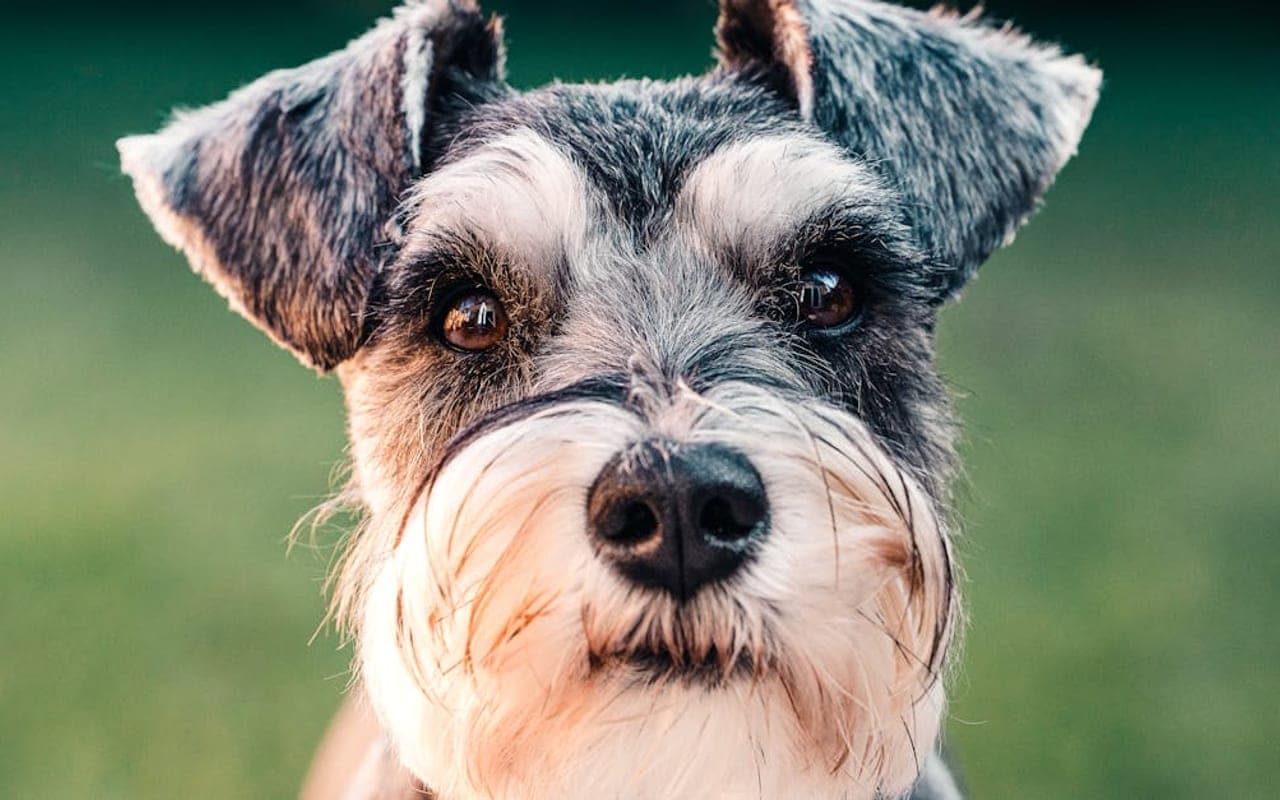
Miniature Schnauzer
Also in the Terrier group, with different care and temperament tradeoffs.
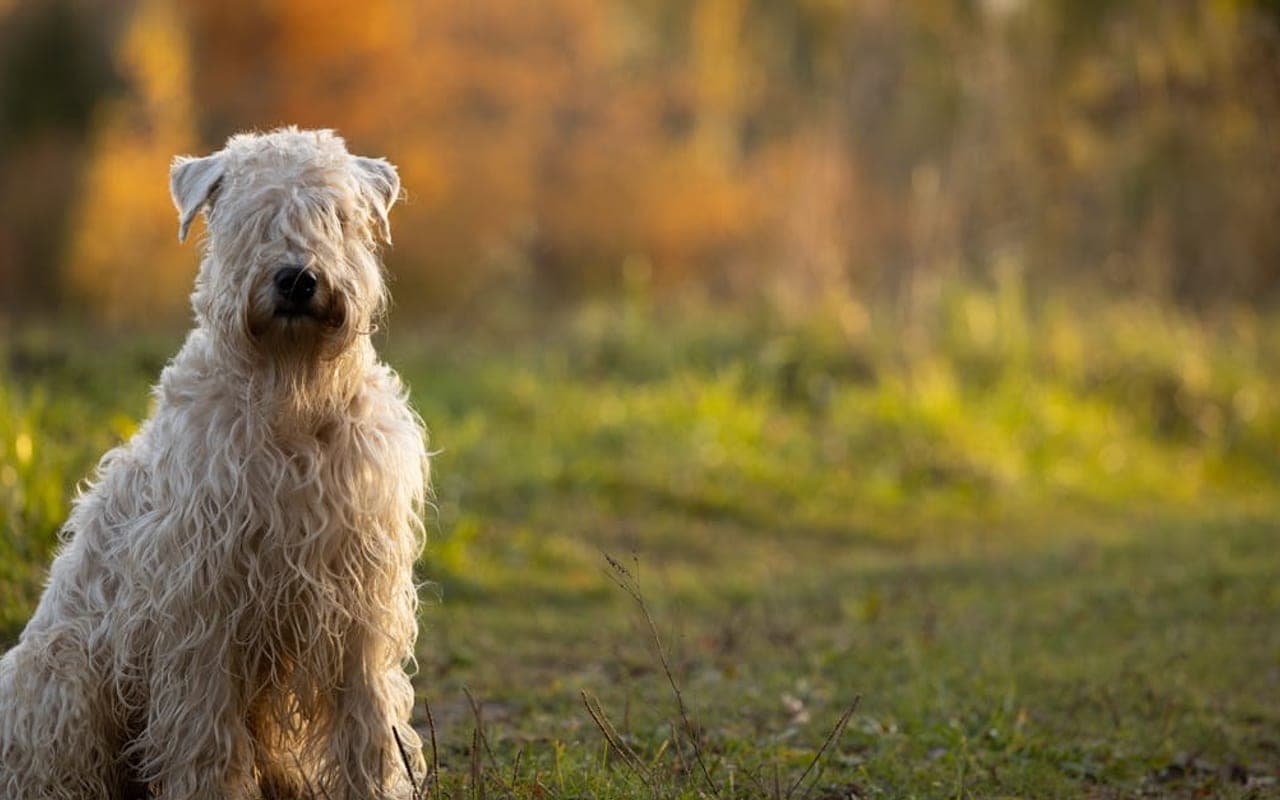
Soft Coated Wheaten Terrier
Also in the Terrier group, with different care and temperament tradeoffs.
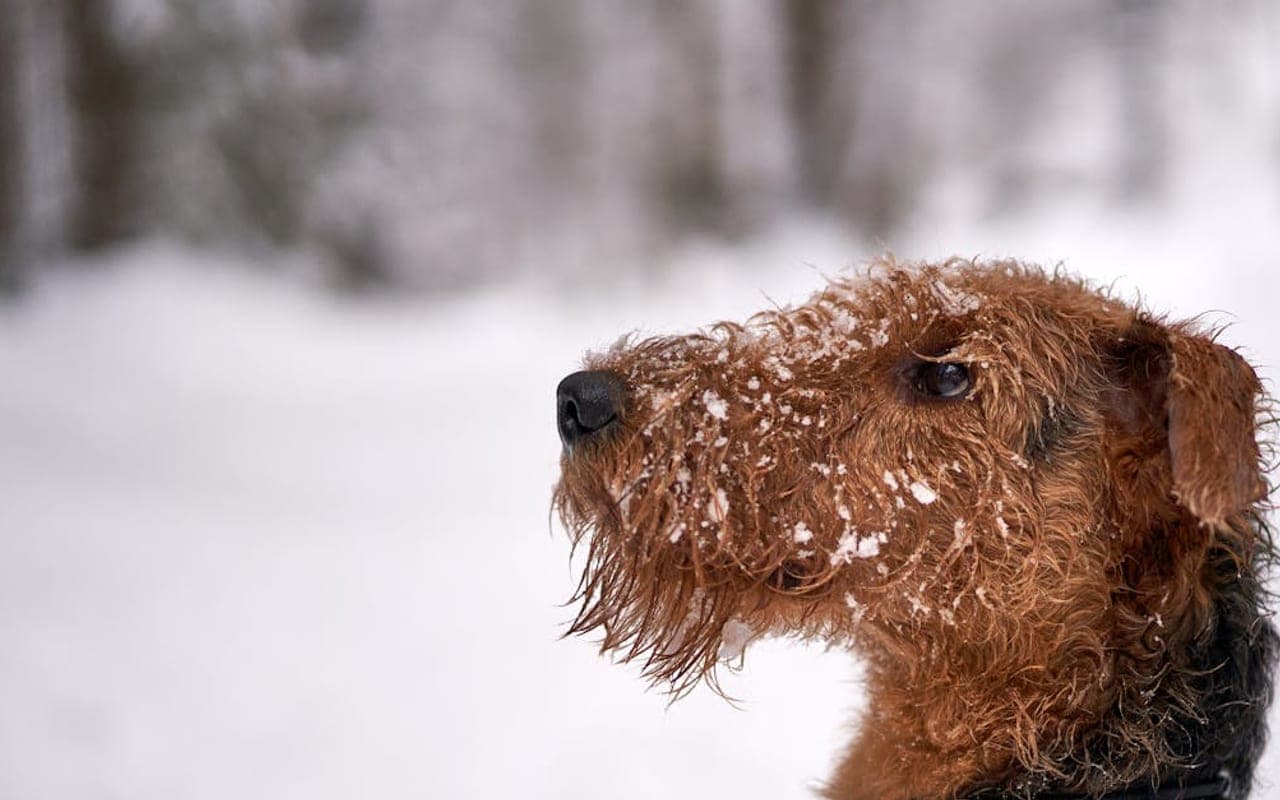
Airedale Terrier
Also in the Terrier group, with different care and temperament tradeoffs.
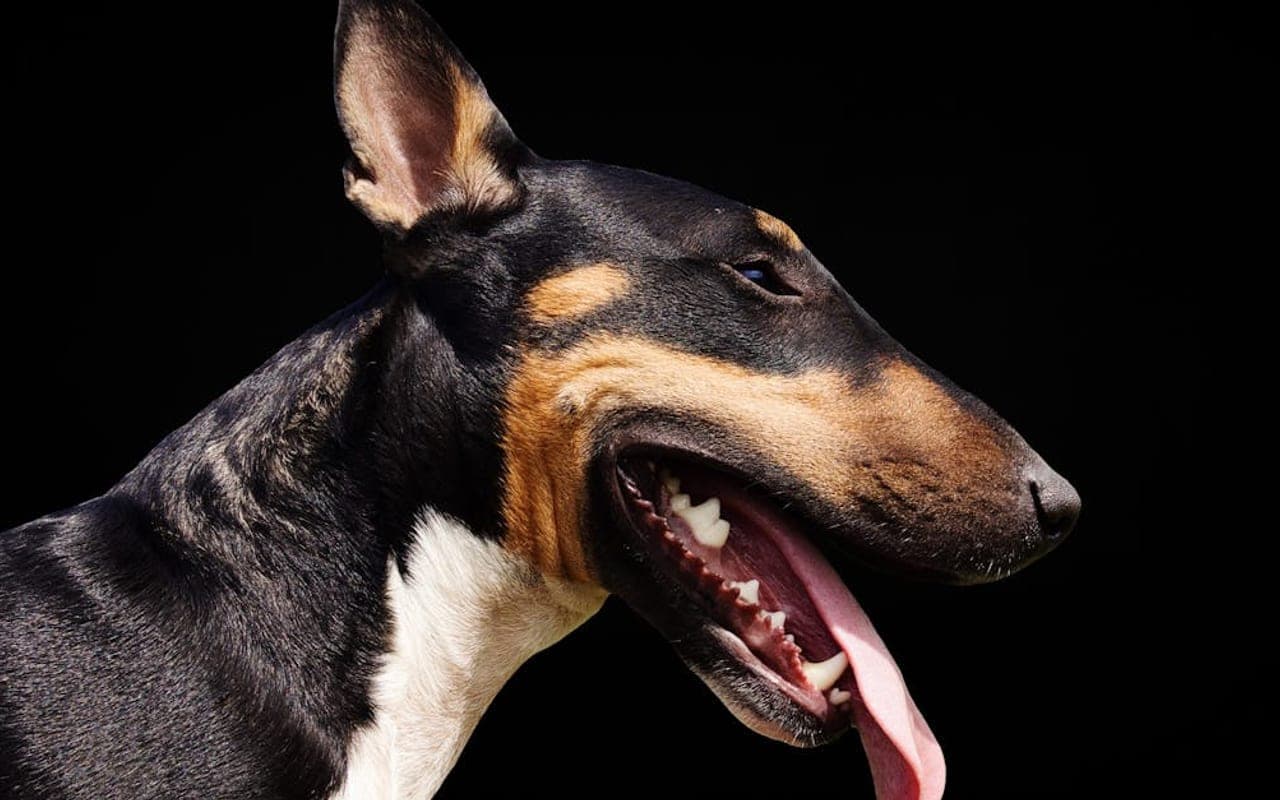
Bull Terrier
Also in the Terrier group, with different care and temperament tradeoffs.
Explore More About American Hairless Terrier
Dive deeper into everything American Hairless Terrier — costs, care, and expert insights.
Considering a cat instead?
Browse Cats