
Non-Sporting group
French Bulldog
The French Bulldog is a small, affectionate, low-exercise companion dog — and it is also a brachycephalic breed whose shortened skull and airway carry consequences serious enough that any honest profile has to lead with them.


Size
18-31 lb
Lifespan
10-12 years
Exercise
20-40 minutes
Shedding
Moderate
Experience
Match to owner routine
Decision first
Is a French Bulldog right for you?
Start with fit before history or trivia. These are ownership signals, not guarantees about any individual dog.
Best suited for
- Households with children.
- Homes with other compatible pets.
- Apartment homes with a consistent routine.
- Owners seeking a manageable daily exercise routine.
Think carefully if
- You need a dog with almost no daily routine.
- You cannot keep up with grooming and preventive care.
- The dog will spend most days alone without support.
Conditional fit
Apartment fit depends on exercise, enrichment, noise management, and outdoor access.
Daily reality
French Bulldog commitment snapshot
Daily exercise
20-40 minutes
Match activity to age, health, weather, and training goals.
Coat care
Low
Grooming needs vary by coat, shedding, and lifestyle.
Time alone
Needs planning
Most dogs need gradual alone-time conditioning and support.
Structured facts
French Bulldog at a glance
The measurements and traits that most affect day-to-day life with this breed.
Origin
France
Group
Non-Sporting
Weight
18-31 lb
Height
11-13 in
Lifespan
10-12 years
Temperament
Playful | smart | and adaptable
View all characteristics and methodology
Lifestyle fit
- Apartment suitability
- Likely fit
- Child friendliness
- Often good, with socialisation and supervision
- Other-pet fit
- Often compatible with careful introductions
- Adaptability
- Very high
Owner commitment
- Exercise
- 20-40 minutes
- Grooming
- Low
- Shedding
- Moderate
- Training
- High
Environment and health
- Health risk
- Needs planning
Ratings combine structured breed data, visible breed fields, and editorial context. They are planning aids, not predictions for an individual dog.
Daily life
French Bulldog temperament and behavior
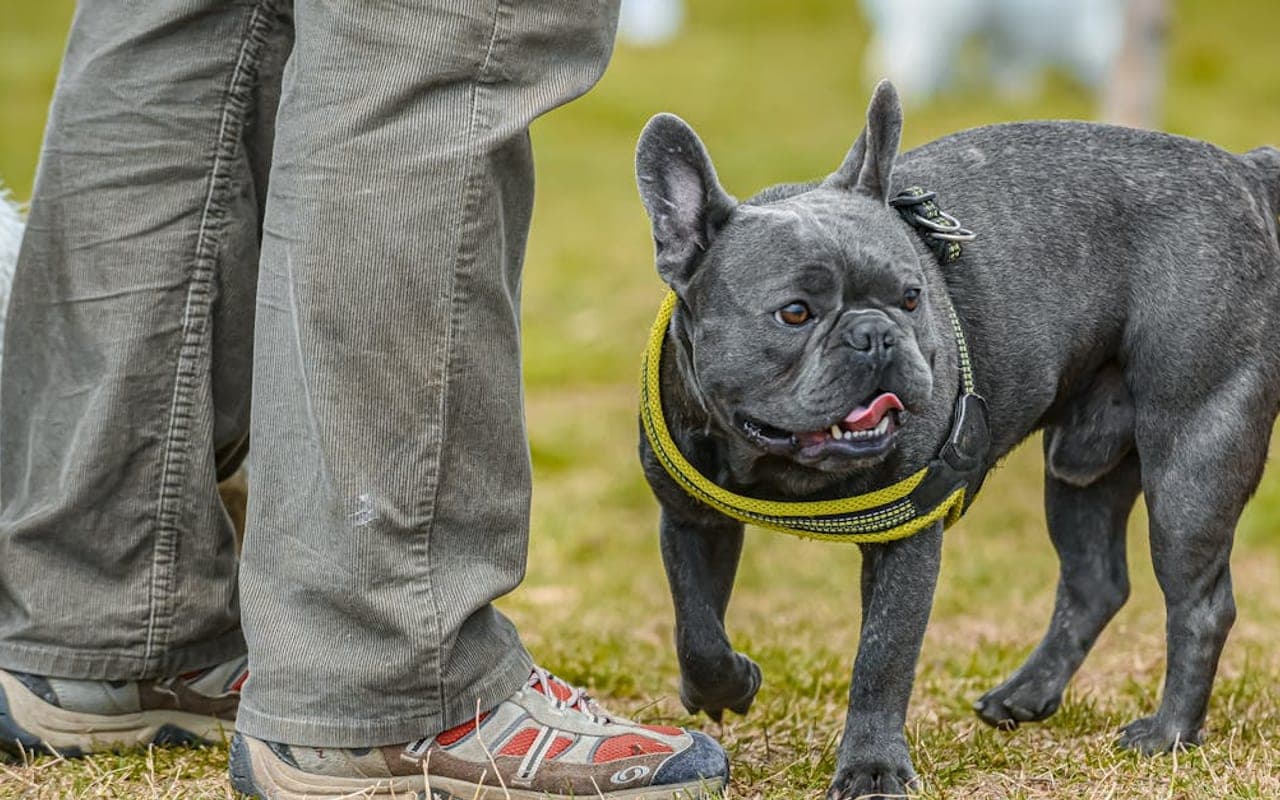
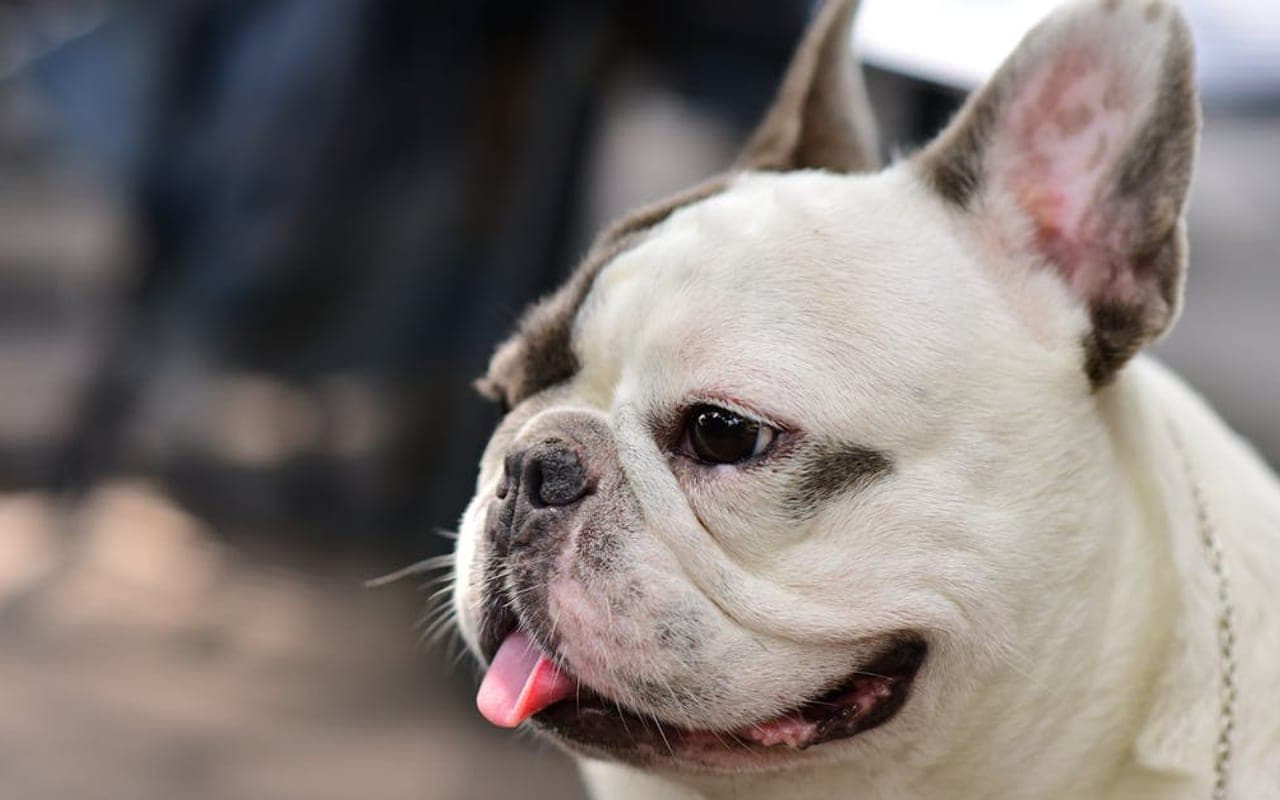
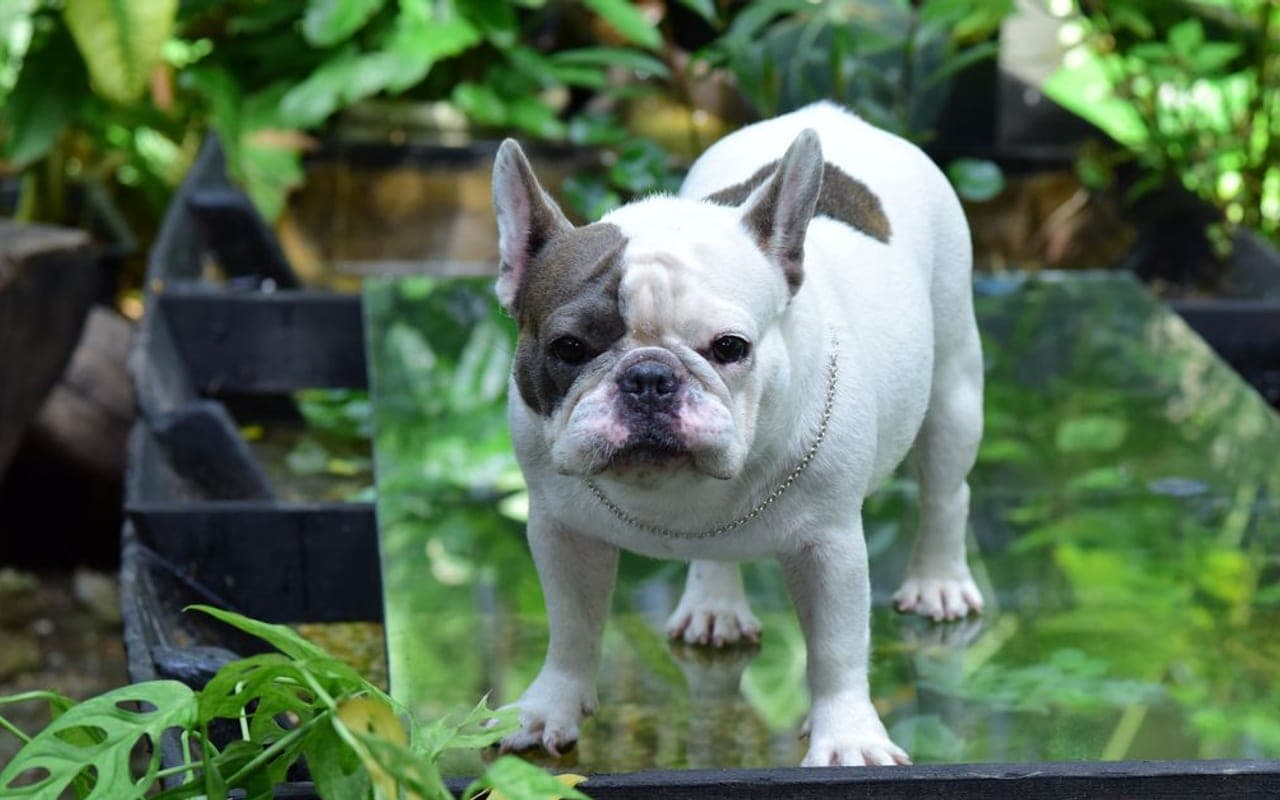
The French Bulldog is a small, affectionate, low-exercise companion dog — and it is also a brachycephalic breed whose shortened skull and airway carry consequences serious enough that any honest profile has to lead with them. The 'Frenchie' is enormously popular for good reasons: it is charming, adaptable to apartments, quiet, devoted, and low-maintenance on coat and exercise. But the same flat face that defines the look also defines the breed's biggest lifelong cost and risk, and the gap between the marketing image and the medical reality is where most Frenchie heartbreak and expense come from. Physically the breed is compact and heavy for its size: typically 16-28 lb (7-13 kg), with a large square head, the signature erect 'bat ears,' a short muzzle, a stocky muscular body, and a short smooth coat in fawn, brindle, cream, pied, and other colors. The build is dense and front-heavy, which matters because most Frenchies cannot swim and sink fast in water. Temperament is the breed's genuine strength: people-oriented, affectionate, playful in short bursts, alert but not yappy, and generally good with children and other pets. They are companion dogs in the truest sense — bred to be with people, prone to separation distress if left alone for long days, and happiest as a constant household shadow. Who the French Bulldog is right for: an owner who wants a devoted, low-exercise, apartment-friendly companion, is home much of the day, lives in a climate they can keep cool, and has eyes fully open to the breed's airway, spinal, and reproductive realities and the budget those require. Who it is wrong for: anyone choosing on looks alone, expecting an athletic or heat-tolerant dog, or unable to absorb the breed's well-documented veterinary costs. The Frenchie is a wonderful companion with a body that demands informed, well-funded ownership.
Playful | smart | and adaptable
Playful
A common French Bulldog temperament descriptor that should be interpreted alongside training, exercise, and household fit.
smart
A common French Bulldog temperament descriptor that should be interpreted alongside training, exercise, and household fit.
and adaptable
A common French Bulldog temperament descriptor that should be interpreted alongside training, exercise, and household fit.
Owner note
Temperament labels are starting points, not guarantees. Meet the individual dog and ask about behavior history whenever possible.
Care essentials
How to care for a French Bulldog
What looking after one actually involves: exercise, grooming, food, training, and routine health.
HealthAs needed
- Frenchies are prone to brachycephalic airway syndrome, intervertebral disc disease, allergies, cherry eye, and heat stroke. Many require cesarean sections for delivery. Choose breeders who test for genetic conditions. Pet insurance is highly recommended.
ExerciseAs needed
- Frenchies need about 30 minutes of moderate daily exercise. Short walks, indoor play, and interactive toys are ideal. They overheat easily due to their flat faces, so avoid outdoor activity in hot weather. Air conditioning is essential in warm climates.
GroomingAs needed
- French Bulldogs have a short, easy-care coat that needs weekly brushing. Clean facial wrinkles regularly with a damp cloth and dry thoroughly to prevent infection. Check and clean ears weekly, especially the large bat ears that can trap moisture. Regular dental care is important.
TrainingAs needed
- French Bulldogs are intelligent and eager to please, but can have a stubborn streak. They respond very well to food-motivated positive reinforcement training. Keep sessions short and fun. They are generally easy to train compared to other brachycephalic breeds.
NutritionAs needed
- Feed a high-quality small-breed food, about 1 to 1.5 cups daily divided into two meals. French Bulldogs are prone to obesity and food allergies, so choose a limited-ingredient or sensitive-stomach formula if needed. Avoid overfeeding — maintain a lean body condition.
Health planning
French Bulldog health risks and screening
Every breed has individual health variation. Use this profile for planning and discuss medical decisions with a veterinarian.
Ownership cost
How much does a French Bulldog cost?
Cost figures are structured so first-year and lifetime estimates do not conflict with the underlying line items.
| Acquisition | $1,500-$8,000 |
|---|---|
| Routine monthly | About $180/month |
| Routine annual | About $2,160/year |
| First-year estimate | $3,660-$10,160 |
| Lifetime routine estimate | $21,600-$25,920 routine costs |
Currency: USD. Region: United States. Typical ranges for this breed. Equipment, insurance, emergency veterinary care, boarding and training are NOT included: we hold no sourced figures for them, and estimating them would be a guess presented as data.
Responsible ownership
Finding a French Bulldog responsibly
What to ask a breeder or rescue is the same conversation for every breed, so we keep it in one place and keep it current.
Health documentation, meeting the parents or foster, contracts and return support, and the warning signs worth walking away from.
Original purpose
French Bulldog history
History is useful when it explains today's behavior, coat, exercise needs, and training style.
Read the breed history
The French Bulldog descends from small Bulldog types kept by English lacemakers in the 1800s. When the Industrial Revolution displaced many of these workers to France, they took their small bulldogs with them, where the dogs were crossed with local breeds and selectively bred down into a compact companion with the now-iconic erect 'bat ears.' The breed became fashionable in Parisian café and bohemian society in the late 19th century before spreading to Britain and the United States, where the American Kennel Club recognized it in 1898. From the start the French Bulldog was bred purely as a companion and a fashion dog, never for work — which is why its temperament is so people-focused and its physical demands so low. It is also why selection pressure has consistently favored the exaggerated short-muzzled, large-headed look the public finds appealing. That long history of breeding for appearance over function is the direct origin of the modern breed's brachycephalic airway burden, narrow hips, and high rate of birth by cesarean — the cost side of a deliberately companion-shaped dog.
Gallery
French Bulldog photos
Images are cropped consistently and loaded progressively to keep the page responsive.
Lower-page context
French Bulldogs in culture
Where the breed shows up in film, sport, work and folklore — the enjoyable part, once the practical questions are answered.
Fun facts
- French Bulldogs are the #1 most popular dog breed in the United States as of 2023
- Despite their name, French Bulldogs actually originated in England — they were brought to France by lace workers during the Industrial Revolution
- Their distinctive bat ears make them unique among bulldog breeds — English Bulldogs have rose-shaped ears
- Frenchies cannot swim due to their top-heavy body structure
- They were favorites of Parisian café society in the late 1800s and early 1900s
French Bulldog FAQs
What is BOAS and why does everyone warn about it with French Bulldogs?
BOAS — brachycephalic obstructive airway syndrome — is the cluster of breathing problems caused by the breed's shortened skull crowding its airway: noisy labored breathing, exercise and heat intolerance, disrupted sleep, and risk of dangerous obstruction. It is the breed's single biggest health and welfare issue, frequently needs $2,000-$6,000+ corrective surgery, and is lifelong. Anyone buying a Frenchie should treat BOAS not as a possibility but as a planning assumption.
Why can't French Bulldogs handle heat, and what do I do about it?
Dogs shed heat mainly by panting, and the Frenchie's compromised airway makes panting inefficient, so the breed overheats dangerously fast — heatstroke is a leading preventable killer. Manage it actively: exercise only in cool parts of the day, keep walks short, never leave the dog in a warm car or unshaded heat, provide constant water and cooling options in summer, and learn the early signs (frantic loud breathing, bright/blue gums, distress) as an emergency cue.
Can French Bulldogs swim?
Most cannot. Their dense, front-heavy build and short muzzle mean they sink quickly and tire fast, so pools, ponds, and even deep baths are genuine drowning hazards. If you have a pool, fence it or supervise every moment and use a canine life jacket for any water exposure. This is an underappreciated risk that owners often discover the hard way — treat water as dangerous by default for this breed.
How much exercise does a French Bulldog need?
Little, and that is part of the appeal — two short 15-20 minute walks plus light indoor play usually suffice, ideally in cooler hours. The constraint is not stamina but airway and heat: a Frenchie can and will overexert itself into respiratory distress because it does not self-limit well, so the owner must cap and time exercise. This low requirement is genuinely apartment-friendly, but it is a ceiling, not just a minimum.
How long do French Bulldogs live, and what should I budget for health?
French Bulldogs typically live around 10-12 years. The breed is one of the more expensive to own medically: realistic budget exposures include BOAS surgery ($2,000-$6,000+), IVDD care ($500 to $10,000+), recurrent skin-fold and eye issues, and emergency heat-related care. Pricing comprehensive pet insurance while the dog is a young, healthy puppy is strongly advisable specifically because of the breed's well-documented and costly health profile.
Are French Bulldogs good with children and for first-time owners?
Temperamentally, yes — they are affectionate, patient, playful in short bursts, generally good with respectful children and other pets, and quiet, which suits families and apartments. The honest caveat for first-time owners is not behavior but medical and financial readiness: this breed needs an owner who will manage heat, weight, folds, and spine proactively and can absorb significant vet costs. Easy to live with, demanding to keep healthy.
Sources
These are the published sources this page draws on. Each opens in a new tab so you can check it yourself.
American Kennel Club
French Bulldog — breed standard and profile(opens in a new tab)Supports: Breed standard and recognition details.
Similar breeds to consider
Shiba Inu
Also in the Non-Sporting group, with different care and temperament tradeoffs.
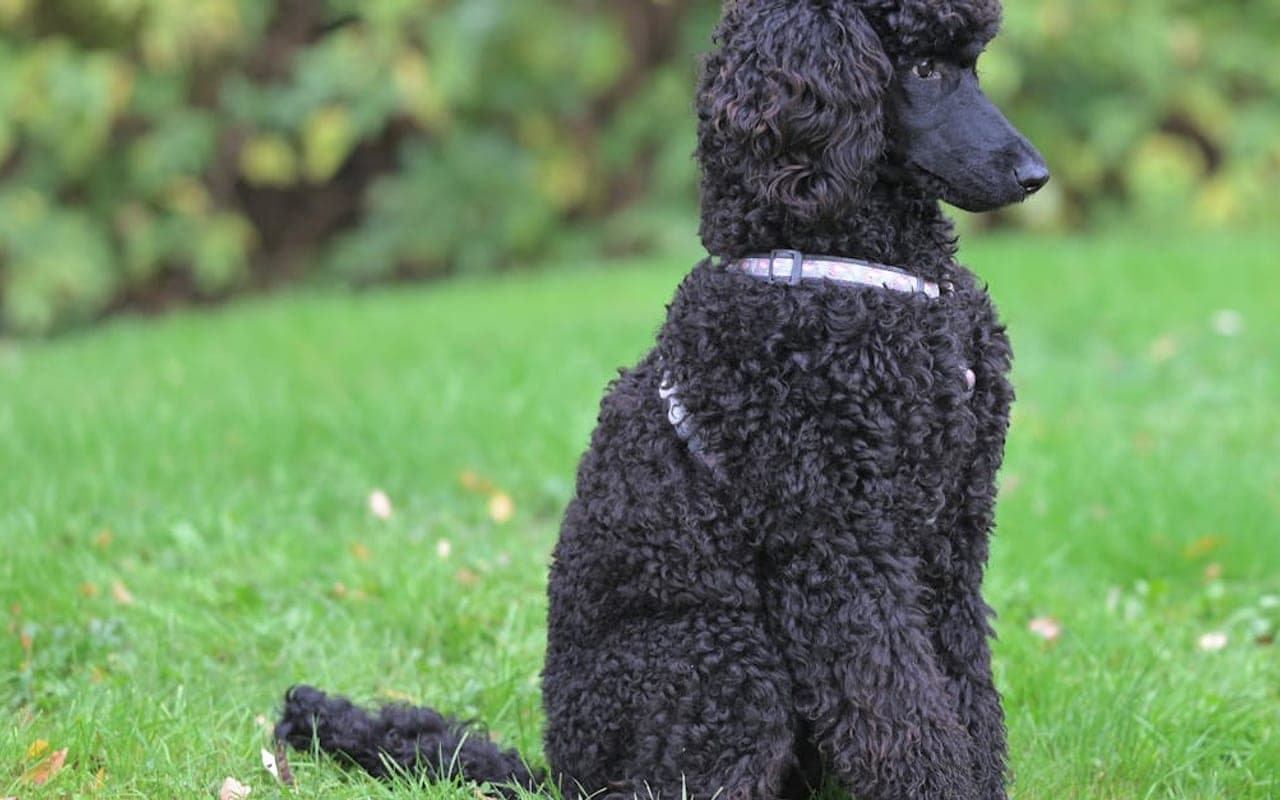
Poodle
Also in the Non-Sporting group, with different care and temperament tradeoffs.
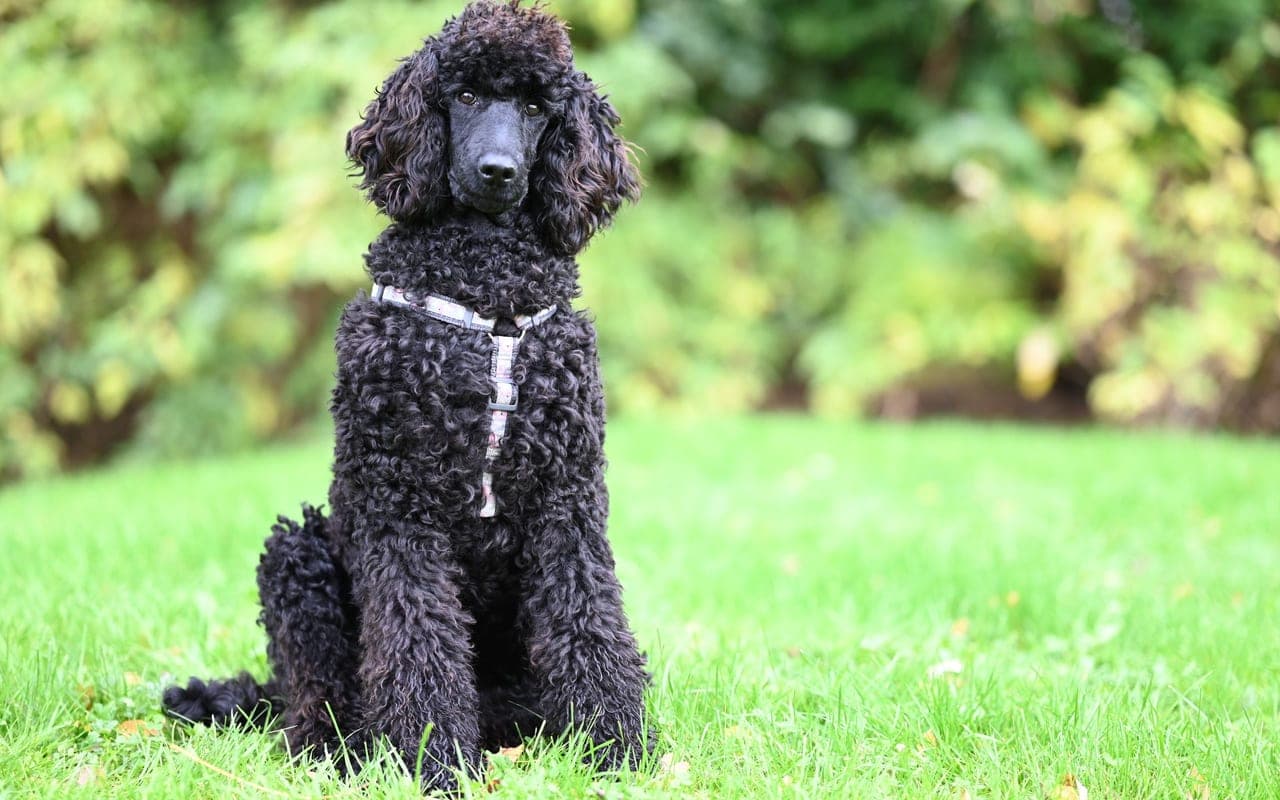
Poodle (Standard)
Also in the Non-Sporting group, with different care and temperament tradeoffs.

Poodle (Miniature)
Also in the Non-Sporting group, with different care and temperament tradeoffs.
Explore More About French Bulldog
Dive deeper into everything French Bulldog — costs, care, and expert insights.
How Much Does a French Bulldog Cost?
Purchase price, monthly costs, and lifetime expenses
Complete French Bulldog Care Guide
That flat face staring up at you with bat-like ears and an expression somewhere between concerned...
How to Start a Dog Breeding Business
Most guides to this business will tell you how to register an LLC. None of the six ranking guides...
Emergency Vet Costs: What 8 Common Emergencies Actually Cost (and How to Prepare)
What 8 common pet emergencies actually cost, how big an emergency fund needs to be, and what...
How Long Are Dogs Pregnant? A Week-by-Week Timeline (+ When to Call the Vet)
Dogs are pregnant about 63 days (range 58–68). A week-by-week timeline of what to expect, how to...
Considering a cat instead?
Browse Cats