
10 Signs Your Pet Needs to See the Vet Immediately
Not individually reviewed by a veterinarian. Read our editorial standards.
Last updated:

- Difficulty breathing, seizures, and bloat symptoms require IMMEDIATE emergency care
- Uncontrolled bleeding, toxin ingestion, and inability to urinate are also emergencies
- Know your nearest 24-hour emergency vet clinic BEFORE you need it
- Keep ASPCA Poison Control (888-426-4435) saved in your phone
- When in doubt, calling the emergency vet for triage advice is always the right move
It's 11 PM on a Saturday, and your dog just vomited for the third time. Is this a "wait until Monday" situation or a "drive to the emergency vet right now" situation? Making that call is one of the hardest parts of pet ownership — and getting it wrong in either direction has consequences.
Rushing to the ER for every minor symptom wastes money and causes unnecessary stress. But waiting too long when something serious is happening can cost your pet her life. This guide covers the signs that genuinely cannot wait, the symptoms that can be monitored, and how to be prepared before an emergency happens.
Signs That Require Immediate Emergency Care
These symptoms indicate a potentially life-threatening condition. Do not wait for morning, do not call your regular vet's voicemail, and do not Google the symptoms for another thirty minutes. Go now.
Difficulty Breathing
Labored breathing, open-mouth breathing in cats, blue or purple-tinged gums, gasping, or excessive panting while at rest are all respiratory emergencies. Causes range from heart failure and fluid in the lungs to allergic reactions and foreign body aspiration.
What to do: Keep your pet as calm as possible. Minimize movement and exertion. Do not put anything in her mouth. Drive to the nearest emergency veterinary hospital immediately.
Open-mouth breathing in a cat is particularly alarming — healthy cats almost never breathe through their mouths. If your cat is panting like a dog, this is an emergency regardless of other symptoms.
Seizures
A single brief seizure (under two minutes) in an otherwise healthy pet is frightening but may not require an emergency visit — call your vet the next morning. However, seek emergency care immediately if:
- The seizure lasts longer than three minutes
- Your pet has multiple seizures within a few hours
- Your pet doesn't return to normal behavior between seizures (status epilepticus)
- This is your pet's first seizure and you have no established seizure history
During a seizure, do not restrain your pet or put anything in her mouth. Move nearby objects that could cause injury and time the seizure. Your vet will want to know exactly how long it lasted.
Bloat (Gastric Dilatation-Volvulus)
GDV — commonly called bloat — is one of the most time-critical emergencies in veterinary medicine. The stomach fills with gas and can twist on itself, cutting off blood supply to the stomach and spleen. Without surgery, it is fatal within hours.
Bloat is most common in deep-chested breeds: Great Danes, German Shepherds, Standard Poodles, Setters, and Weimaraners. But it can occur in any dog.
Warning signs: distended, hard abdomen; unproductive retching (trying to vomit but nothing comes up); restlessness and pacing; excessive drooling; rapid breathing; pale gums.
What to do: Drive immediately to the nearest emergency hospital. Call ahead if you can so they can prepare for surgery. Time is critical — survival rates drop significantly with each passing hour.
Uncontrolled Bleeding
Any wound that doesn't stop bleeding after five minutes of firm, direct pressure with a clean cloth needs emergency care. Internal bleeding is harder to spot but may present as pale gums, rapid breathing, weakness, cold extremities, or a distended abdomen.
Toxin Ingestion
If you know or suspect your pet has eaten something toxic — [chocolate](/blog/can-dogs-eat-chocolate), [grapes or raisins](/blog/can-dogs-eat-grapes), xylitol, antifreeze, medications, rodent poison, toxic plants, or any unknown substance — act immediately. Do not wait for symptoms to appear.
Call the ASPCA Animal Poison Control Center at (888) 426-4435 or the Pet Poison Helpline at (855) 764-7661. Both are available 24/7 and charge a consultation fee ($75–$95). They will tell you exactly what to do based on the specific substance, amount ingested, and your pet's size.
Bring the packaging of whatever was ingested. This helps the vet determine the toxic dose and appropriate treatment.
Inability to Urinate
This is a genuine emergency, especially in male cats. Urinary blockages prevent urine from leaving the body, causing toxin buildup that can lead to kidney failure, bladder rupture, and death within 24–48 hours.
Signs: straining in the litter box or outside with no urine production, crying or vocalizing during attempts, frequent trips to the litter box producing only drops, licking the genital area excessively, and lethargy.
If your male cat is making repeated trips to the litter box and producing little or no urine, do not wait until morning. This is a medical emergency.
Severe Trauma
Being hit by a car, falling from a height, being attacked by another animal, or any event involving significant physical force warrants emergency evaluation even if your pet appears fine afterward. Internal injuries — ruptured organs, internal bleeding, pneumothorax (collapsed lung) — may not show symptoms for hours.
Urgent but Not Always Emergency
These symptoms warrant same-day veterinary attention but may not require a midnight ER visit, depending on your pet's overall condition.
Single episode of vomiting or diarrhea in a pet who is otherwise alert, eating, and active. Monitor for additional episodes. If vomiting continues beyond 24 hours or is accompanied by lethargy, go to the vet.
Mild limping without visible bone protrusion, extreme swelling, or inability to bear weight. Rest and monitor for 24 hours. If it worsens or doesn't improve, schedule a vet visit.
Moderate eye discharge or redness that doesn't involve swelling, cloudiness, or visible trauma. Schedule a same-day or next-day appointment.
Decreased appetite lasting less than 24 hours in an otherwise normal pet. Monitor closely. If appetite doesn't return within 24–36 hours, or if other symptoms develop, call your vet.
Mild coughing that comes and goes. A persistent cough lasting more than 24 hours, coughing with blood, or coughing that wakes your pet from sleep should be seen sooner.
When Emergency Care vs. Regular Vet Matters
Emergency vet visits cost 2–5 times more than regular appointments. An ER visit typically starts at $150–$300 just for the exam fee, with diagnostics and treatment adding $500–$3,000+ depending on severity.
Choose the ER when: symptoms involve breathing difficulty, uncontrolled bleeding, suspected toxin ingestion, inability to urinate, seizures, or bloat. These conditions deteriorate rapidly.
Wait for your regular vet when: symptoms are stable, your pet is eating and drinking, and there are no signs of acute distress. Your regular vet knows your pet's history and charges less for the same care.
Call your vet's after-hours line when you're genuinely unsure. Many veterinary practices have on-call staff who can help you triage over the phone.
Be Prepared Before an Emergency Happens
Save emergency numbers in your phone now. Your nearest 24-hour emergency veterinary hospital, the ASPCA Poison Control Center, and the Pet Poison Helpline. When in doubt, ask your vet for their recommended emergency facility.
Know the route. Drive to your nearest emergency hospital once during daylight so you know exactly where it is. In a crisis, fumbling with GPS adds stress and wastes time.
Build a pet first aid kit. Include: sterile gauze pads, self-adhesive bandage wrap, digital thermometer, hydrogen peroxide (for induced vomiting ONLY on vet instruction), saline eye wash, tweezers, a muzzle (even gentle dogs may bite when in pain), and copies of your pet's medical records.
Consider pet insurance. Emergency surgery can cost $3,000–$10,000. Insurance doesn't help if you buy it in the ER waiting room — it helps when you bought it six months ago and can authorize treatment without financial panic.
When in doubt, ask your vet. It's always better to make an unnecessary trip to the emergency hospital than to wait too long on a genuine emergency.
Prevention is always better than emergency treatment. Many of the conditions on this list — including poisoning, heatstroke, and bloat — are largely preventable with basic awareness. For dog owners, knowing which common foods are toxic is essential. Our safety guides cover the most dangerous ones: chocolate toxicity, grape and raisin dangers, and safe human foods your dog can actually eat.
FAQ
How much does an emergency vet visit cost?
Emergency vet exam fees typically range from $150–$300. With diagnostics (bloodwork, X-rays, ultrasound), costs often reach $500–$1,500. Surgical emergencies (bloat, foreign body removal, fracture repair) commonly cost $3,000–$10,000+. Pet insurance can cover 70–90% of these costs after the deductible.
Can I call my regular vet for after-hours emergencies?
Most veterinary practices have an after-hours answering service that either provides guidance or redirects you to a partner emergency hospital. Call your vet's main number first — many practices offer phone triage that can help you decide whether an ER visit is necessary.
Should I induce vomiting at home?
Only if specifically instructed by a veterinarian or poison control professional. Inducing vomiting is dangerous for certain toxins (caustic substances, petroleum products) and can cause aspiration pneumonia if done incorrectly. Never induce vomiting without professional guidance.
How can I tell if my pet is in pain?
Dogs in pain may pant, pace, whine, guard a body part, snap when touched, lose appetite, or become unusually quiet. Cats in pain often hide, stop grooming, vocalize when handled, lose appetite, or show changes in litter box habits. Pets are evolutionarily programmed to hide pain, so even subtle changes in behavior can indicate significant discomfort.
Is it better to drive to the ER or call first?
For life-threatening emergencies (breathing difficulty, bloat, severe trauma), drive immediately and call from the car. For urgent but not immediately life-threatening symptoms, call first — the ER staff can advise you on whether to come in and what first aid to provide during the drive.
Mr Pet Lover Team
The Mr Pet Lover team is dedicated to providing warm, accurate, and practical pet care advice backed by veterinary research and real-world experience.
Related Articles

Pancreatitis in Dogs: Causes, Diet, and Recovery
Pancreatitis strikes suddenly and can be life-threatening. Learn the warning signs, what causes it, and how to protect your dog from recurrence.
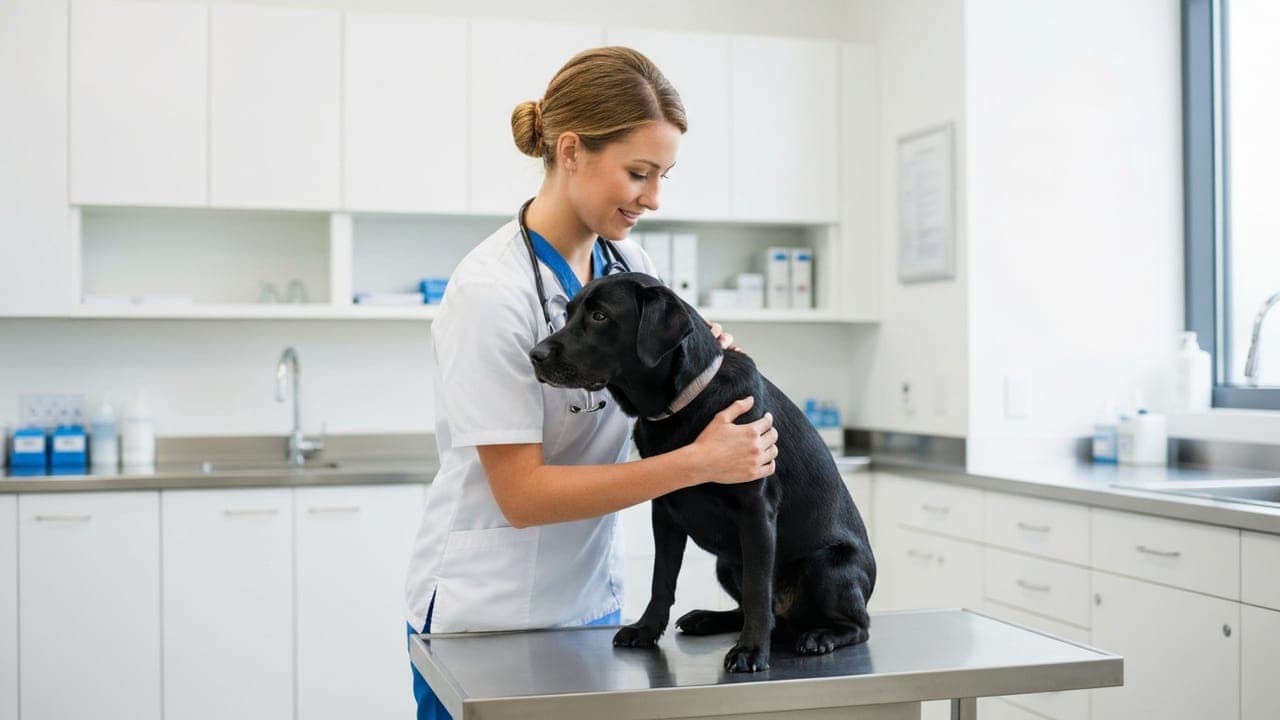
Obesity in Pets: The #1 Preventable Health Problem
Over 50% of dogs and cats are overweight. Extra weight shortens lives and causes real health problems. Here's how to assess and address it safely.
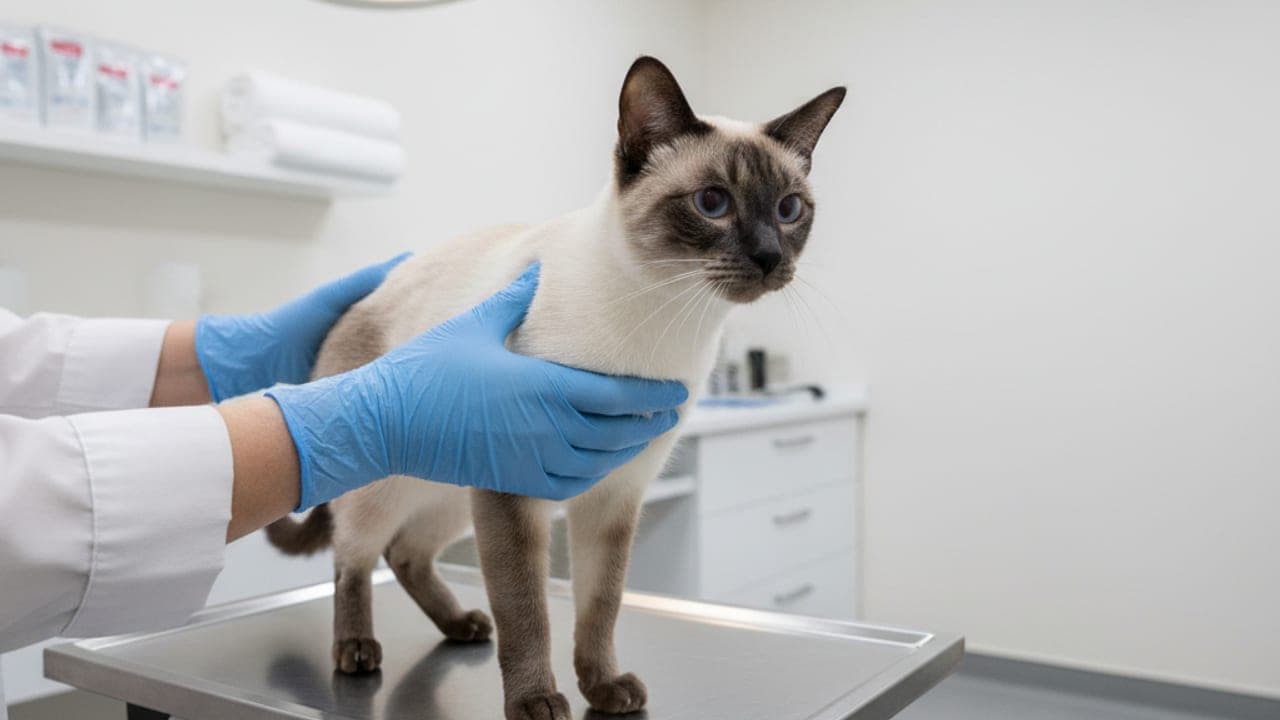
Hyperthyroidism in Cats: The Overactive Thyroid Explained
If your senior cat is losing weight but eating more than ever, hyperthyroidism may be the reason. Here's how it's diagnosed and the treatment options available.