
Complete French Bulldog Care Guide
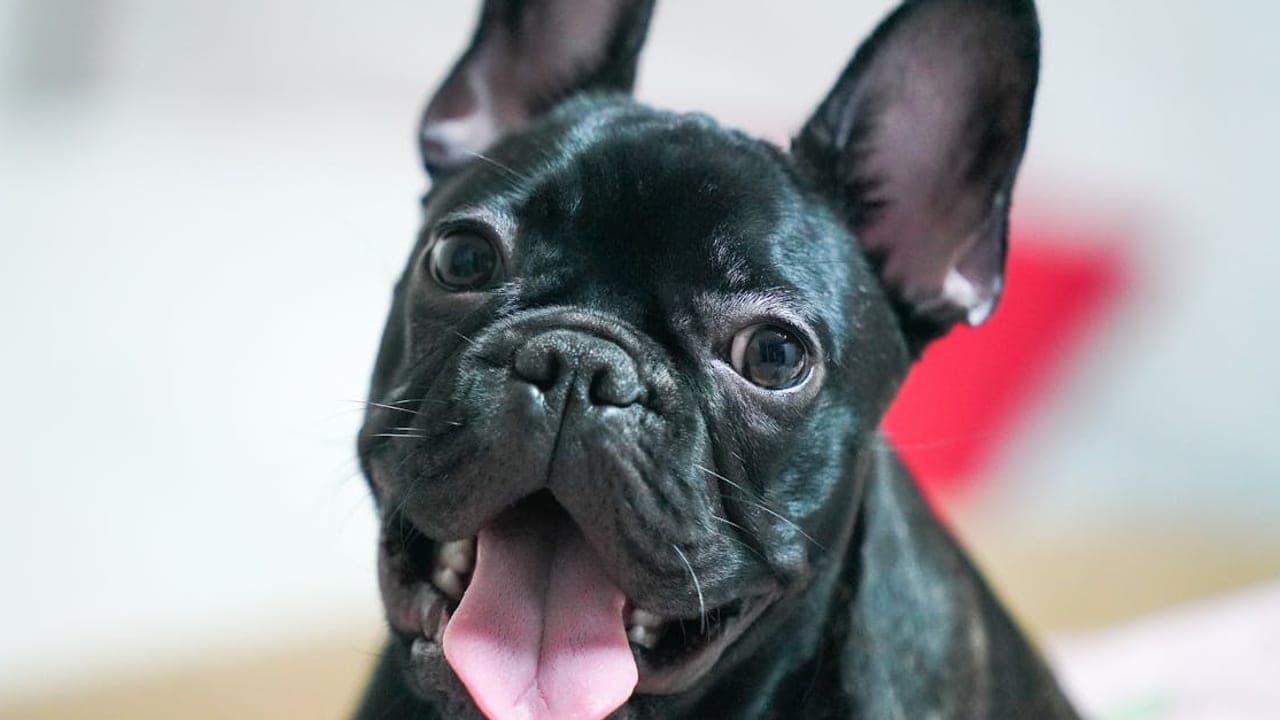
That flat face staring up at you with bat-like ears and an expression somewhere between concerned professor and mischievous toddler — that's the French Bulldog, the breed that rocketed to the leading
In This Guide
Overview
That flat face staring up at you with bat-like ears and an expression somewhere between concerned professor and mischievous toddler — that's the French Bulldog, the breed that rocketed to the leading most popular dog in America. And every single feature that makes them irresistible also demands specific, informed care.
Why Frenchie Care Requires Extra Knowledge
French Bulldogs are brachycephalic — a term that means "short-headed." Their compressed skull, shortened airway, and compact body create a cascade of care needs that don't apply to longer-snouted breeds. Breathing management isn't optional. Temperature regulation is a daily concern, not a summer-only one. Skin fold maintenance prevents infections that can become chronic within days.
What This Guide Covers
None of this should scare you away from the breed — millions of Frenchie owners manage these needs smoothly once they understand them. This guide gives you the specific knowledge to:
- Recognize and manage breathing issues before they become emergencies
- Build a daily routine that accounts for their limited heat tolerance
- Feed a diet that works with their sensitive stomachs
- Care for their skin folds, ears, and nails properly
- Budget for the reality of Frenchie-specific veterinary costs
The difference between a struggling Frenchie owner and a confident one is almost always knowledge, not effort. Let's get you that knowledge.
Daily Care
French Bulldogs are relatively low-energy dogs, but their brachycephalic anatomy means their daily routine requires more thoughtfulness than most breeds their size.
Morning Routine (7:00–8:30 AM)
- Skin fold check and wipe (3 minutes) — Before anything else, use a fragrance-free baby wipe or damp cloth to clean between all facial folds, the nose rope fold (the deep crease above the nose), and the tail pocket (the skin fold around the base of their corkscrew tail). Trapped moisture breeds bacteria within hours.
- Short walk (15–20 minutes) — Morning walks should happen before 9 AM in spring/summer. French Bulldogs cannot regulate body temperature efficiently. Their compressed airways can't cool air fast enough, making heatstroke a genuine risk at temperatures many other breeds handle. If the pavement is too hot for your palm, it's too hot for their paws.
- Breakfast — Serve in an elevated slow-feeder bowl. Frenchies tend to gulp air while eating (aerophagia), which causes excessive gas and discomfort. Elevated bowls reduce neck strain, and slow feeders prevent inhaling food.
Temperature Management — The #1 Daily Priority
This cannot be overstated: French Bulldogs die from heatstroke more than almost any other breed. A 2022 study in the journal Scientific Reports found that Frenchies are 20 times more likely to suffer heat-related illness than Labrador Retrievers.
- Safe temperature range: Below 75°F (24°C) for outdoor activity. Above this, limit time outside to potty breaks only.
- Air conditioning: Not a luxury for Frenchies — a medical necessity. If your home doesn't have AC, invest in it before bringing a Frenchie home.
- Cooling strategies: Cooling mats, frozen KONGs, wading pools (supervised — most Frenchies can't swim), and damp towels around the neck.
- Warning signs: Excessive panting, drooling, bright red tongue, staggering. If you see these, move to air conditioning immediately, apply cool (not cold) water, and call your vet.
Evening Routine
- Second short walk (15–20 minutes) — After 6 PM in warm months
- Evening fold wipe — Same as morning. Twice-daily fold care prevents 90% of skin infections.
- Supervised playtime (15–20 minutes) — Indoor play, puzzle toys, gentle tug. Avoid rough play that causes heavy breathing.
- Bedtime positioning — Many Frenchies breathe better with their head slightly elevated. An orthopedic bed with a bolster end helps.
Nutrition
French Bulldogs have notoriously sensitive digestive systems. Gas, food allergies, and upset stomachs are breed hallmarks, making diet selection one of the most impactful care decisions you'll make.
Feeding Guidelines by Life Stage
| Life Stage | Daily Amount | Meals Per Day | Key Focus | |---|---|---|---| | Puppy (2–6 months) | 1–1.5 cups | 3 meals | Growth support, joint development | | Adolescent (6–12 months) | 1.25–1.75 cups | 2 meals | Controlled growth (prevent rapid weight gain) | | Adult (1–8 years) | 1–1.5 cups | 2 meals | Weight management, skin/coat health | | Senior (8+ years) | 0.75–1.25 cups | 2 meals | Joint support, reduced calories |
These amounts assume a standard 20–28 lb French Bulldog. Adjust based on body condition — you should feel their ribs with light pressure but not see them prominently.
Choosing the Right Food
French Bulldogs benefit from foods with:
- Limited ingredient lists — Fewer ingredients mean fewer potential allergens. Many Frenchies react to chicken, corn, wheat, and soy.
- Novel proteins — If your Frenchie has food allergies (itchy skin, chronic ear infections, digestive upset), try salmon, duck, venison, or lamb-based formulas.
- Moderate fat content — 12–16% fat is ideal. Higher fat levels worsen flatulence and can trigger pancreatitis, which brachycephalic breeds are more susceptible to.
- Omega-3 fatty acids — Essential for skin barrier function. Frenchies prone to dermatitis often improve noticeably with increased omega-3 intake (fish oil supplements or fish-based food).
- Probiotics — Added probiotics or a daily probiotic supplement supports their sensitive digestive tract and reduces gas.
The Gas Problem
Let's address it directly: French Bulldogs are gassy dogs. Their brachycephalic anatomy causes aerophagia (swallowing air while eating and breathing), and their sensitive stomachs ferment foods that other breeds process without issue.
- Use slow-feeder bowls (reduces air swallowing by up to 50%)
- Avoid foods with legume-heavy formulas (peas, lentils, chickpeas in the first 5 ingredients)
- Feed 2–3 smaller meals instead of one large meal
- Add a digestive enzyme supplement with meals
- Avoid all table scraps — even "safe" human foods can trigger Frenchie flatulence
Exercise
The French Bulldog exercise paradox: they need activity to prevent obesity, but they can't handle the vigorous exercise that burns the most calories. Navigating this requires creativity and careful monitoring.
Daily Exercise Requirements
| Age | Duration | Type | Warning Signs | |---|---|---|---| | Puppy (under 1 year) | 15–25 min total | Short play sessions, socialization | Lying down mid-play = done | | Adult (1–8 years) | 30–45 min total | 2 short walks + indoor play | Excessive panting, slowing down | | Senior (8+ years) | 15–30 min total | Gentle walks, mental enrichment | Stiffness, reluctance to walk |
Best Exercises for French Bulldogs
Indoor activities (year-round, temperature-controlled):
- Puzzle toys and food dispensers — Snuffle mats, treat-dispensing balls, and frozen KONGs. Mental exercise tires Frenchies without respiratory strain.
- Indoor fetch — Use soft toys in a hallway or open room. Keep throws short — Frenchies don't need to sprint.
- Hide and seek — Hide and call your Frenchie. They love the game and it provides moderate physical activity with minimal breathing stress.
- Training sessions — 10-minute sessions learning new commands or tricks. Frenchies are surprisingly eager to please when treats are involved.
Outdoor activities (temperature-permitting):
- Short walks — Two 15-minute walks in cool conditions (below 75°F). Let them set the pace. If they stop and sit, the walk is over — don't drag them.
- Socialization outings — Pet-friendly stores, outdoor cafes (in shade), and brief dog park visits. Frenchies are social but can be overwhelmed by high-energy dogs.
- Swimming — NEVER unsupervised and NEVER without a life jacket. French Bulldogs are top-heavy and cannot swim. Even shallow water requires a properly fitted canine life vest. Many Frenchies enjoy wading in 2–3 inches of water, which is the safest water activity for them.
What to Avoid
- Running or jogging — Their compressed airways cannot support sustained aerobic exercise
- Dog parks in warm weather — Excitement plus heat is a dangerous combination
- Intense games of tug — Can strain their compact cervical spine
- Stairs — Excessive stair climbing stresses their spine and joints. If your home has stairs, carry your Frenchie when practical, especially puppies and seniors
Grooming
French Bulldog grooming isn't about maintaining a show coat — it's about preventing the skin infections, ear infections, and dental problems that this breed's anatomy makes almost inevitable without consistent care.
Skin Fold Care — The Non-Negotiable
Your Frenchie's wrinkles are adorable and dangerous. Those folds trap moisture, food particles, and bacteria, creating a perfect environment for bacterial and yeast infections (fold dermatitis).
Daily fold care protocol:
- Facial folds — Gently separate each fold. Wipe with a fragrance-free baby wipe or a damp cloth, then dry thoroughly with a soft cloth. Moisture left in folds = infection within 48 hours.
- Nose rope — The deep crease above the nose is the highest-risk area. Clean and dry it daily. If you notice redness, a sour smell, or discharge, apply a thin layer of coconut oil or a vet-prescribed antifungal cream.
- Tail pocket — The skin fold around the corkscrew tail base. Many owners don't know this exists until it gets infected. Check and clean it daily. If it's chronically irritated, discuss tail pocket removal with your vet.
Coat Care
Frenchies have a short, fine coat that sheds moderately. Despite its shortness, it requires regular care.
- Brushing: Weekly with a rubber grooming mitt or soft bristle brush. This removes loose hair, distributes skin oils, and gives you an opportunity to check for skin irritation, hot spots, or lumps.
- Bathing: Every 4–8 weeks with a hypoallergenic, oat-based shampoo. Over-bathing strips natural oils and worsens their already sensitive skin. Always dry skin folds completely after bathing.
Ear Care
Those distinctive bat ears are open to the elements, which means they collect dust, pollen, and debris.
- Weekly cleaning: Use a vet-recommended ear cleaner and cotton balls. Never insert cotton swabs into the ear canal.
- Monitor for: Head shaking, scratching, odor, or brown discharge — signs of infection that need veterinary attention.
Dental Care
Brachycephalic dogs have crowded teeth due to their shortened jaw, increasing tartar buildup and periodontal disease risk.
- Brush teeth: 3–4 times per week minimum with enzymatic dog toothpaste
- Dental chews: Daily dental chews designed for small breeds
- Professional cleaning: Annually, though your vet may recommend more frequently. Note: Frenchies carry higher anesthesia risk due to their airways — always use a vet experienced with brachycephalic breeds.
Nail Care
Trim every 2–3 weeks. Frenchies' compact build means overgrown nails affect their gait more noticeably than in larger breeds, contributing to joint strain.
Health
Owning a French Bulldog means accepting that this breed comes with a longer list of health predispositions than most. Understanding these conditions allows you to catch them early, manage them effectively, and make informed decisions about care and insurance.
Brachycephalic Obstructive Airway Syndrome (BOAS)
The defining health challenge of the breed. BOAS encompasses several upper airway abnormalities caused by the Frenchie's flat face:
- Stenotic nares (pinched nostrils) — Restricts airflow. Mild cases are manageable; severe cases benefit from surgical widening, ideally performed during spay/neuter.
- Elongated soft palate — The soft palate extends too far back, partially blocking the airway. Surgical shortening improves breathing in moderate to severe cases.
- Everted laryngeal saccules — Tissue pulled into the airway by chronic breathing effort.
Signs of BOAS: Loud breathing at rest, snoring, gagging, exercise intolerance, blue-tinged gums during exertion. If your Frenchie regularly sounds like a freight train while sleeping, discuss BOAS evaluation with your vet.
Skin Conditions
- Atopic dermatitis — Environmental allergies causing itchy, inflamed skin. Affects up to 30% of Frenchies. Management includes hypoallergenic diets, omega-3 supplementation, medicated baths, and and, in severe cases, a prescription medication your vet selects from the options licensed for canine atopic dermatitis.
- Fold dermatitis — Bacterial or yeast infections in skin folds. Prevention through daily cleaning (see grooming section) is far easier than treatment.
- Hot spots — Moist, irritated patches that spread rapidly. Clip the fur around the area, clean with chlorhexidine, and see your vet if it doesn't improve within 24 hours.
Spinal Issues
- Intervertebral Disc Disease (IVDD) — Frenchies' compact spine is susceptible to disc herniation. Maintain a healthy weight, use ramps, and avoid activities that stress the spine.
- Hemivertebrae — Abnormally shaped vertebrae common in screw-tailed breeds. Often asymptomatic but can cause nerve compression. X-rays during routine vet visits can monitor this.
Preventive Health Schedule
| Age | Frequency | Key Screenings | |---|---|---| | Puppy (8 weeks–1 year) | Every 3–4 weeks | Vaccinations, nares evaluation, BOAS assessment | | Adult (1–8 years) | Annually | Physical, skin evaluation, dental, spinal check, allergy assessment | | Senior (8+ years) | Every 6 months | Blood panel, cardiac evaluation, spinal X-rays, joint assessment |
A Note on Anesthesia
French Bulldogs carry elevated anesthesia risk due to their compromised airways. For any procedure requiring anesthesia, insist on a veterinarian experienced with brachycephalic breeds, pre-surgical airway assessment, and extended post-anesthesia monitoring. This is not optional — it's a safety requirement.
Costs
French Bulldogs are among the most expensive breeds to own — not because of extravagance, but because their anatomy creates medical needs that other breeds don't have. Budgeting honestly for these costs prevents the financial stress that leads some owners to surrender their Frenchies.
First-Year Costs
| Category | Estimated Cost | |---|---| | Purchase price | $2,000–$5,000 (reputable breeder) / $400–$800 (rescue) | | Initial vet package (exam, vaccines, deworming) | $500–$800 | | Spay/neuter (+ possible nares surgery) | $400–$1,200 | | Supplies (crate, cooling mat, elevated bowls, bed) | $350–$550 | | Puppy training classes | $150–$300 | | Total First Year | $3,400–$7,850 |
Annual Ongoing Costs
| Category | Estimated Cost | |---|---| | Premium food (sensitive stomach formula) | $500–$800 | | Routine vet care + vaccinations | $400–$700 | | Flea/tick/heartworm prevention | $200–$350 | | Skin care products (wipes, medicated shampoo) | $80–$150 | | Dental care (home + annual professional cleaning) | $300–$800 | | Pet insurance (highly recommended) | $500–$1,000 | | Annual Total | $1,980–$3,800 |
The Insurance Question
Pet insurance is strongly recommended for French Bulldogs. A single BOAS surgery runs $2,000–$5,000. IVDD treatment costs $3,000–$8,000. Chronic skin condition management can add $1,000–$2,000 annually. Comprehensive insurance with a $500 deductible typically costs $50–$85/month and pays for itself with a single significant health event.
- Enroll as a puppy (before pre-existing conditions develop)
- Choose a plan that covers hereditary and congenital conditions
- Verify BOAS surgery coverage — some plans exclude it
- Budget for a higher premium than average breeds — insurers know the breed's health profile
Lifetime Cost Estimate
Over a French Bulldog's average 10–12 year lifespan, expect to spend $25,000–$50,000 total. Dogs with significant BOAS or chronic skin conditions trend toward the higher end. This isn't meant to discourage — it's meant to prepare. The Frenchies who get surrendered to rescues are disproportionately from owners who didn't budget for these realities.
Sources
This guide draws on the following published references. Each opens in a new tab so you can check it against what you have read here.
American Kennel Club
French Bulldog — breed standard and profile(opens in a new tab)ASPCA
Dog Nutrition Tips(opens in a new tab)ASPCA
Dog Grooming Tips(opens in a new tab)ASPCA
General Dog Care(opens in a new tab)Merck Veterinary Manual
Routine Health Care of Dogs(opens in a new tab)
Affiliate disclosure: We may earn a commission from qualifying purchases. This doesn't affect our recommendations.
Recommended Products
French Bulldog Care Guide Book
Breed-focused reading and owner references for French Bulldog care, training, grooming, and health planning.
Cooling Mat for Dogs
Essential for brachycephalic breeds in warm weather
Royal Canin French Bulldog Adult
Breed-specific kibble designed for flat-faced dogs
Get personalized pet care tips
Join our newsletter for breed-specific advice, care guides, and expert tips delivered weekly.
No spam, ever. Unsubscribe anytime.