
Sporting group
German Shorthaired Pointer
The German Shorthaired Pointer (GSP) is a versatile gun dog bred to hunt, point, and retrieve on land and water — and that working engine is the single fact that decides whether this breed is right for you.
Size
44-71 lb
Lifespan
10-12 years
Exercise
20-40 minutes
Shedding
Moderate
Experience
Match to owner routine
Decision first
Is a German Shorthaired Pointer right for you?
Start with fit before history or trivia. These are ownership signals, not guarantees about any individual dog.
Best suited for
- Households with children.
- Homes with other compatible pets.
- Apartment homes with a consistent routine.
- Owners seeking a manageable daily exercise routine.
Think carefully if
- You need a dog with almost no daily routine.
- You cannot keep up with grooming and preventive care.
- The dog will spend most days alone without support.
Conditional fit
Apartment fit depends on exercise, enrichment, noise management, and outdoor access.
Daily reality
German Shorthaired Pointer commitment snapshot
Daily exercise
20-40 minutes
Match activity to age, health, weather, and training goals.
Coat care
Moderate
Grooming needs vary by coat, shedding, and lifestyle.
Time alone
Needs planning
Most dogs need gradual alone-time conditioning and support.
Structured facts
German Shorthaired Pointer at a glance
The measurements and traits that most affect day-to-day life with this breed.
Group
Sporting
Weight
44-71 lb
Height
21-25 in
Lifespan
10-12 years
Temperament
Friendly | Smart | Willing to Please
View all characteristics and methodology
Lifestyle fit
- Apartment suitability
- Likely fit
- Child friendliness
- Often good, with socialisation and supervision
- Other-pet fit
- Often compatible with careful introductions
Owner commitment
- Exercise
- 20-40 minutes
- Grooming
- Moderate
- Shedding
- Moderate
- Training
- Low
Environment and health
- Health risk
- Needs planning
Ratings combine structured breed data, visible breed fields, and editorial context. They are planning aids, not predictions for an individual dog.
Daily life
German Shorthaired Pointer temperament and behavior
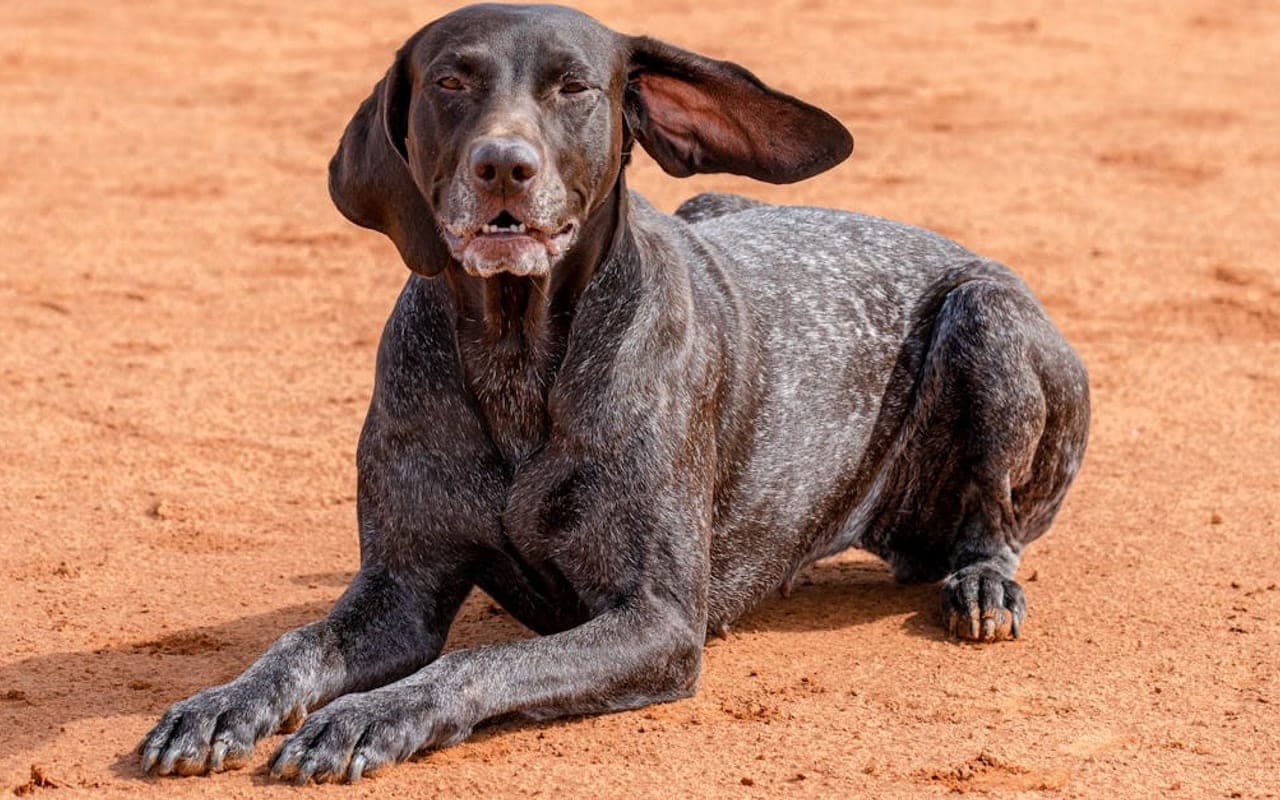
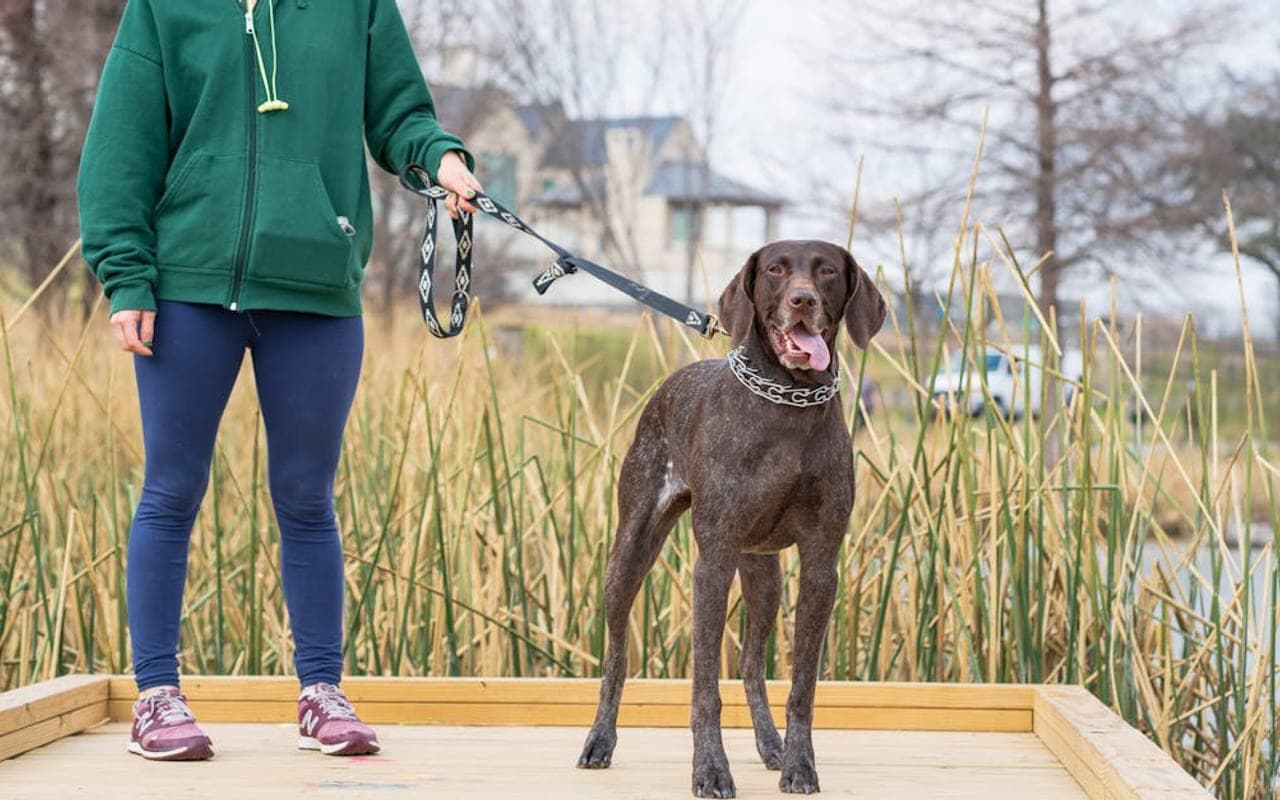
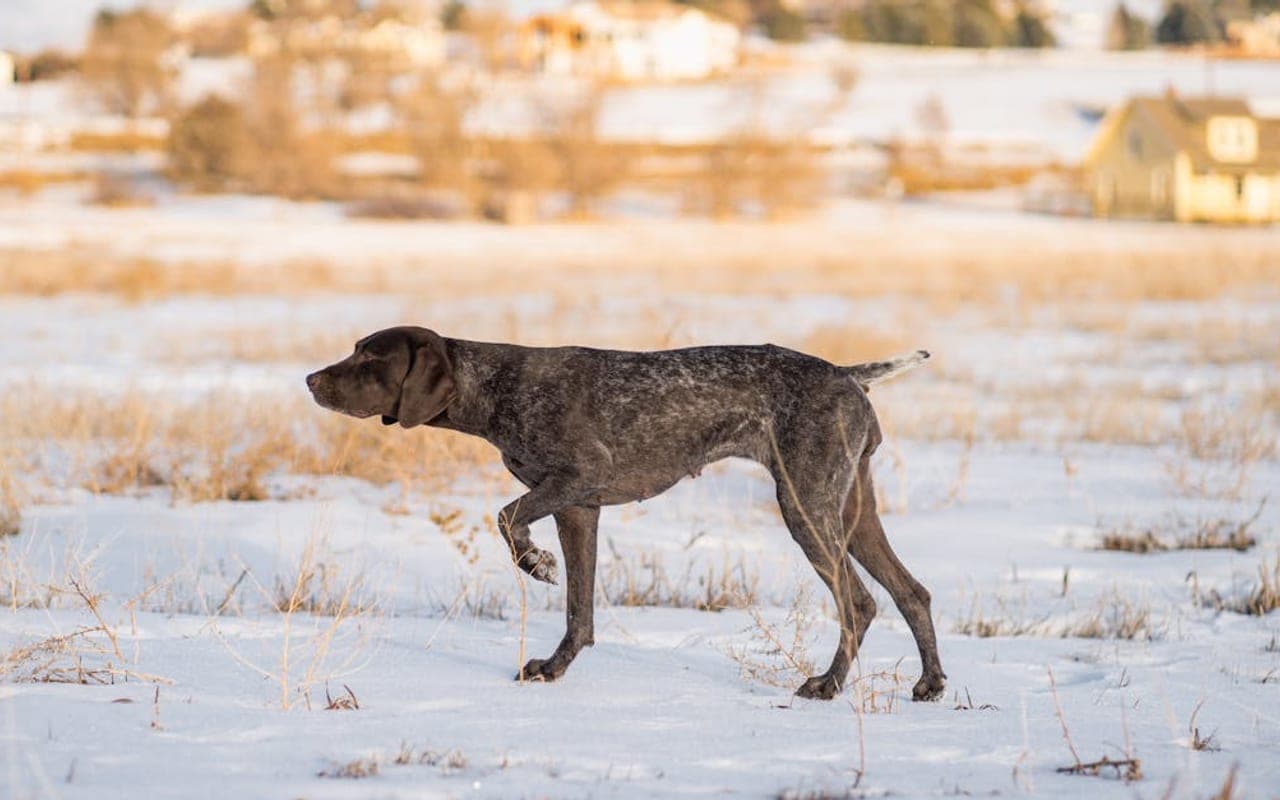
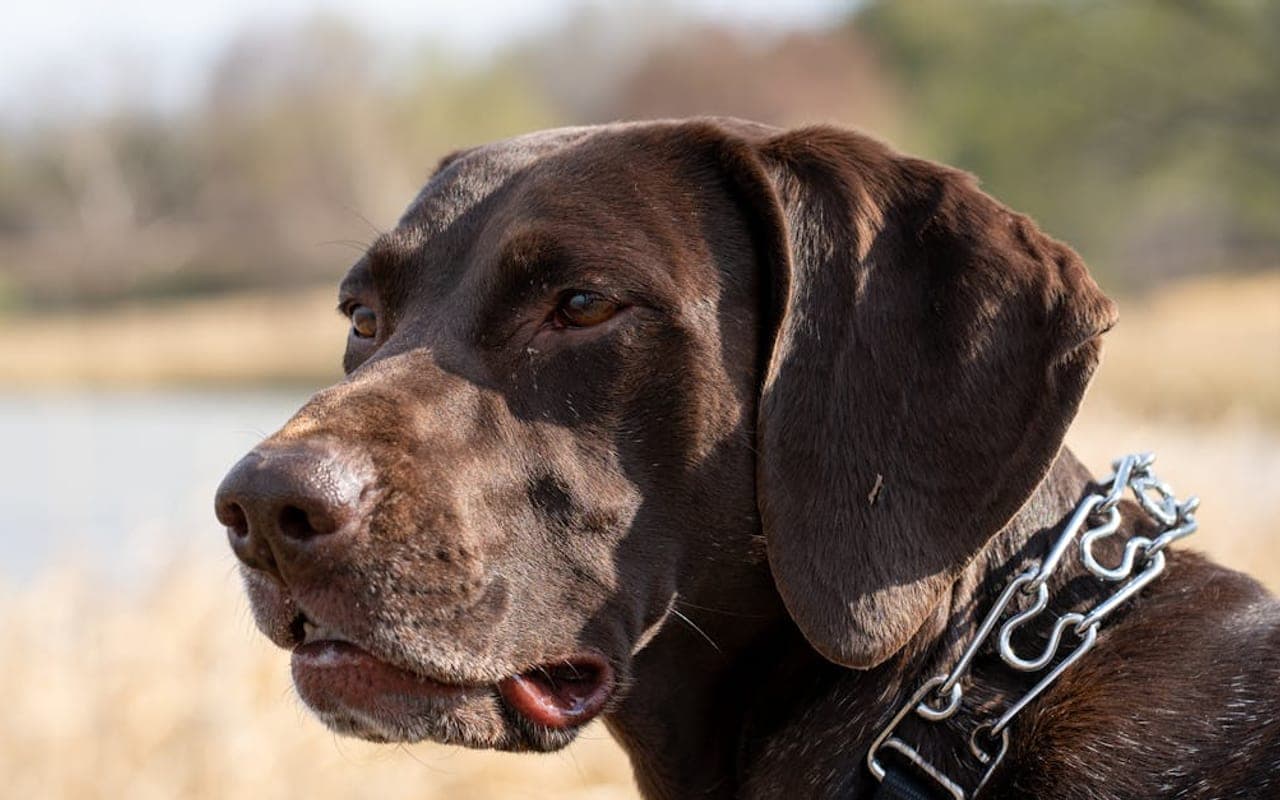
The German Shorthaired Pointer (GSP) is a versatile gun dog bred to hunt, point, and retrieve on land and water — and that working engine is the single fact that decides whether this breed is right for you. A GSP is not a Labrador with a sleek coat. It is a high-drive athlete with a thinking, problem-solving brain that needs a job, and the gap between what owners expect and what the breed actually requires is where most GSP rehoming happens. Physically, the GSP is a medium-to-large dog: males typically stand 23-25 inches (58-64 cm) at the shoulder and weigh 55-70 lb (25-32 kg), females a little smaller at 21-23 inches and 45-60 lb. The coat is short, dense, and water-resistant, in solid liver or liver-and-white roan, ticked, or patched. The build is all function — deep chest, strong loin, webbed feet, and a docked or natural tail used as a rudder in water. Temperament is friendly, intensely people-bonded, biddable, and almost relentlessly energetic. A GSP wants to be with its family every waking minute and does poorly as a yard dog or a left-alone-all-day dog; under-exercised GSPs dig, chew, counter-surf, and develop genuine separation distress. They are also strong scenters and enthusiastic swimmers, which is delightful in the field and a management challenge in a suburban backyard with a flimsy fence and a curious nose. Who the GSP is right for: an active owner — runner, hiker, hunter, dog-sport competitor — who will deliver 60-90 minutes of hard aerobic exercise plus mental work every single day, year-round, including rain and winter. Who it is wrong for: anyone who wants a calm house dog, works long hours away from home, or assumes a big yard substitutes for structured exercise. A bored GSP is not a bad dog; it is a working animal with no work, and that is an owner decision, not a breed flaw.
Friendly | Smart | Willing to Please
Friendly
A common German Shorthaired Pointer temperament descriptor that should be interpreted alongside training, exercise, and household fit.
Smart
A common German Shorthaired Pointer temperament descriptor that should be interpreted alongside training, exercise, and household fit.
Willing to Please
A common German Shorthaired Pointer temperament descriptor that should be interpreted alongside training, exercise, and household fit.
Owner note
Temperament labels are starting points, not guarantees. Meet the individual dog and ask about behavior history whenever possible.
Care essentials
How to care for a German Shorthaired Pointer
What looking after one actually involves: exercise, grooming, food, training, and routine health.
ExerciseAs needed
- Lower-energy breed that is content with daily walks and moderate play. Avoid over-exercising.
GroomingAs needed
- Regular grooming needed — brush 2-3 times per week and bathe monthly.
TrainingAs needed
- Independent-minded breed that may require extra patience in training. Short, engaging sessions recommended.
NutritionAs needed
- Feed a high-quality dog food appropriate for their age, size, and activity level. Monitor portions to prevent obesity.
Veterinary CareAs needed
- Annual wellness exams, core vaccinations, dental care, and parasite prevention. Breed-specific health screenings as recommended by your vet.
Health planning
German Shorthaired Pointer health risks and screening
Every breed has individual health variation. Use this profile for planning and discuss medical decisions with a veterinarian.
Responsible ownership
Finding a German Shorthaired Pointer responsibly
What to ask a breeder or rescue is the same conversation for every breed, so we keep it in one place and keep it current.
Health documentation, meeting the parents or foster, contracts and return support, and the warning signs worth walking away from.
Original purpose
German Shorthaired Pointer history
History is useful when it explains today's behavior, coat, exercise needs, and training style.
Read the breed history
The German Shorthaired Pointer was deliberately engineered in 19th-century Germany to be one dog that could do every hunting job. Earlier German bird dogs were strong scenters but slow; breeders crossed older Spanish and German pointer stock with scenthound lines and later infused English Pointer blood to add speed, elegance, and a stylish point. The goal was explicit and unusually modern: a single, biddable, all-terrain gun dog that could track, point, retrieve from land and water, and even handle fur game and vermin. The studbook was formalized in the 1870s, and the breed reached the United States in the 1920s, gaining American Kennel Club recognition in 1930. That versatile-hunter mandate still defines the dog you bring home: the GSP's drive, stamina, water love, and scenting obsession are not incidental traits but the deliberate output of a 150-year breeding program. Understanding that origin is the fastest way to understand why the breed needs so much work to be content.
Gallery
German Shorthaired Pointer photos
Images are cropped consistently and loaded progressively to keep the page responsive.
Lower-page context
German Shorthaired Pointers in culture
Where the breed shows up in film, sport, work and folklore — the enjoyable part, once the practical questions are answered.
Fun facts
- The German Shorthaired Pointer belongs to the Sporting Group.
- The average lifespan of a German Shorthaired Pointer is 10 to 12 years.
- German Shorthaired Pointer dogs are valued for their friendly, smart, willing to please nature.
German Shorthaired Pointer FAQs
How much exercise does a German Shorthaired Pointer really need?
Plan on 60-90 minutes of genuinely vigorous exercise daily — running, swimming, fetch, biking, or fieldwork — plus mental enrichment. A 20-minute neighborhood walk does not touch a GSP's needs and will not prevent destructive behavior. This is a year-round commitment that does not pause for rain, cold, or a busy week; the exercise requirement is the breed's defining cost of ownership.
Are German Shorthaired Pointers good family dogs?
Yes, for active families. GSPs are affectionate, people-bonded, and generally excellent with children they are raised with. The caveats are practical: young GSPs are large, fast, and bouncy enough to knock over toddlers unintentionally, and the breed's exercise and companionship needs mean it suits busy outdoor families far better than sedentary or frequently-absent households.
Do German Shorthaired Pointers suffer from separation anxiety?
The breed is unusually prone to it. GSPs are intensely bonded and were bred to work alongside people all day, so prolonged isolation often produces genuine distress — pacing, howling, destruction, and self-injury. They do best with someone home much of the day, doggy daycare, or a structured routine. Owners who work long hours away from home should think hard before choosing this breed.
How long do German Shorthaired Pointers live, and what should I budget for health?
GSPs typically live 10-14 years. Budget for hip screening before purchase, routine ear care for a swimming breed (recurrent ear infections run $150-300 a visit), and awareness of bloat — a single GDV emergency can cost $2,500-$6,000. Pet insurance taken out while the dog is young is worth pricing, given the breed's bloat and orthopedic exposure.
Can a German Shorthaired Pointer live in an apartment?
It can, but only with an owner who treats daily off-property exercise as non-negotiable — apartment living removes the yard 'pressure valve' entirely. A GSP that gets two hard runs a day can settle in a flat; a GSP relying on a yard it never uses well will be miserable anywhere. The home size matters far less than the daily exercise the owner actually delivers.
Why does a German Shorthaired Pointer need such a secure fence?
GSPs are powerful jumpers (a determined dog can clear a 5-6 ft fence) and are hardwired to follow scent. Once a GSP locks onto a bird or trail it can ignore recall entirely and travel miles. A secure 6 ft fence with no climb aids, plus on-leash management near roads and livestock until recall is proven, prevents the most common way these dogs are lost or killed.
Sources
These are the published sources this page draws on. Each opens in a new tab so you can check it yourself.
American Kennel Club
German Shorthaired Pointer — breed standard and profile(opens in a new tab)Supports: Breed standard and recognition details.
Similar breeds to consider

Golden Retriever
Also in the Sporting group, with different care and temperament tradeoffs.

Labrador Retriever
Also in the Sporting group, with different care and temperament tradeoffs.

Vizsla
Also in the Sporting group, with different care and temperament tradeoffs.
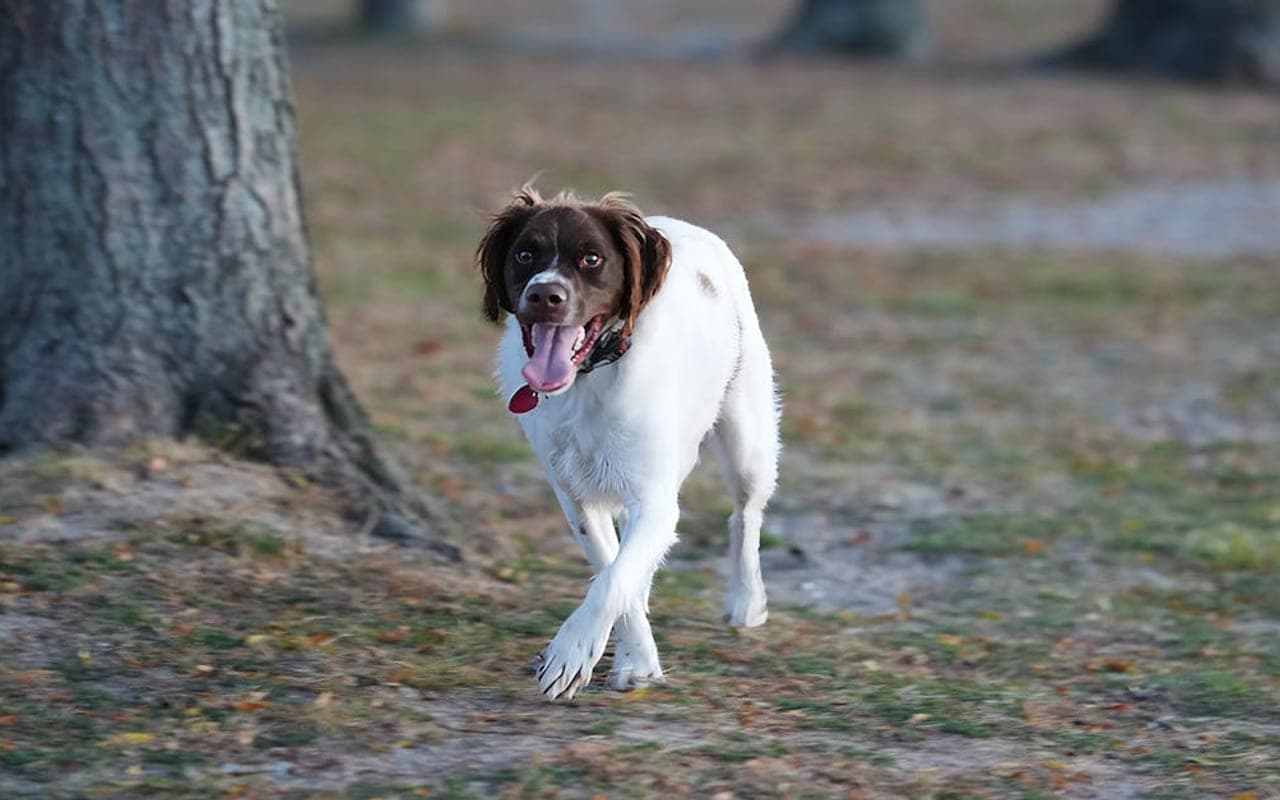
Brittany
Also in the Sporting group, with different care and temperament tradeoffs.
Explore More About German Shorthaired Pointer
Dive deeper into everything German Shorthaired Pointer — costs, care, and expert insights.
Considering a cat instead?
Browse Cats