
Terrier group
American Staffordshire Terrier
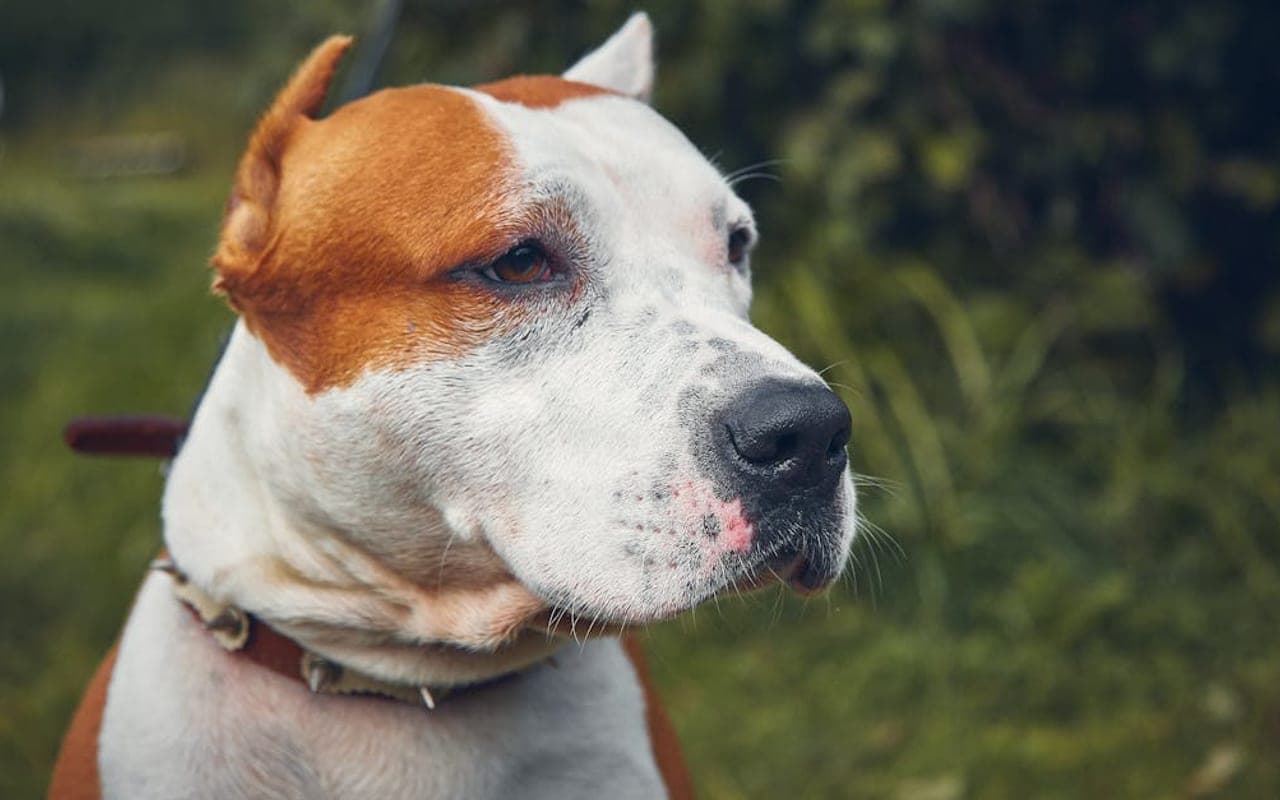
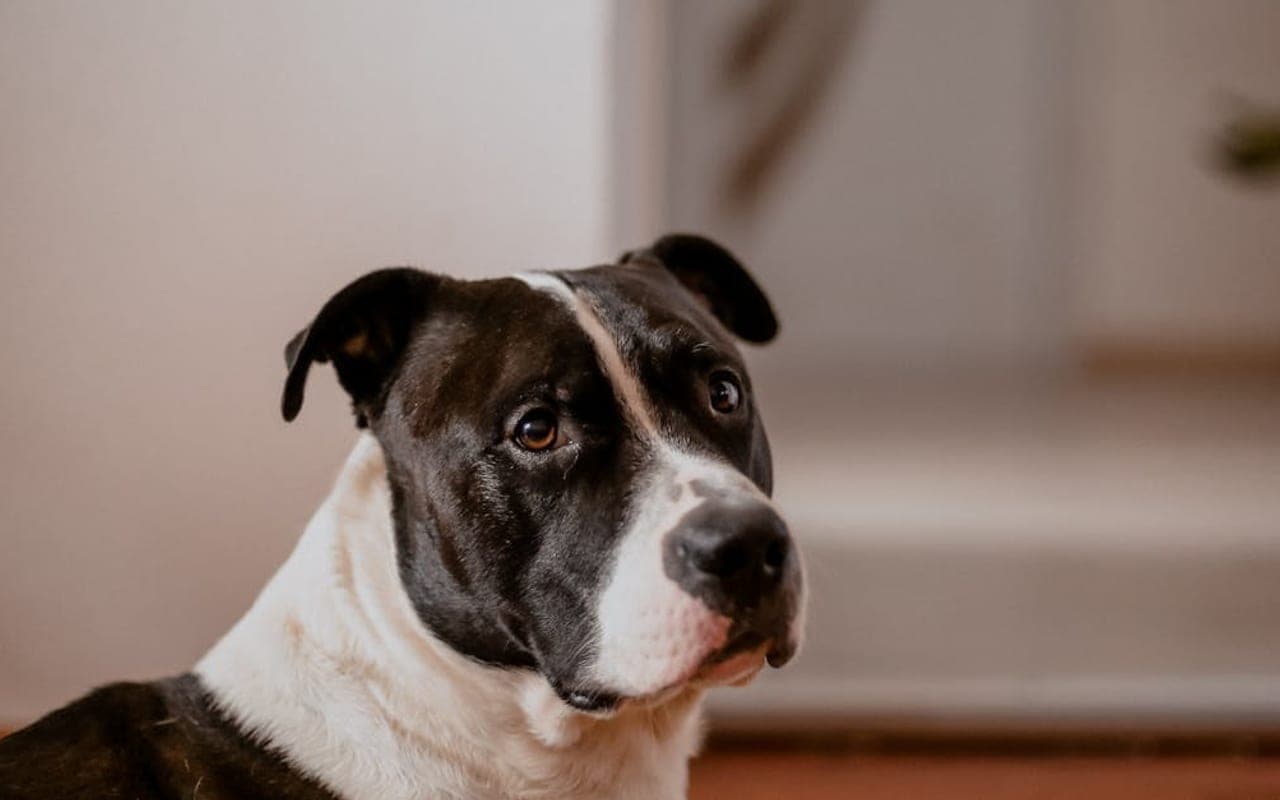
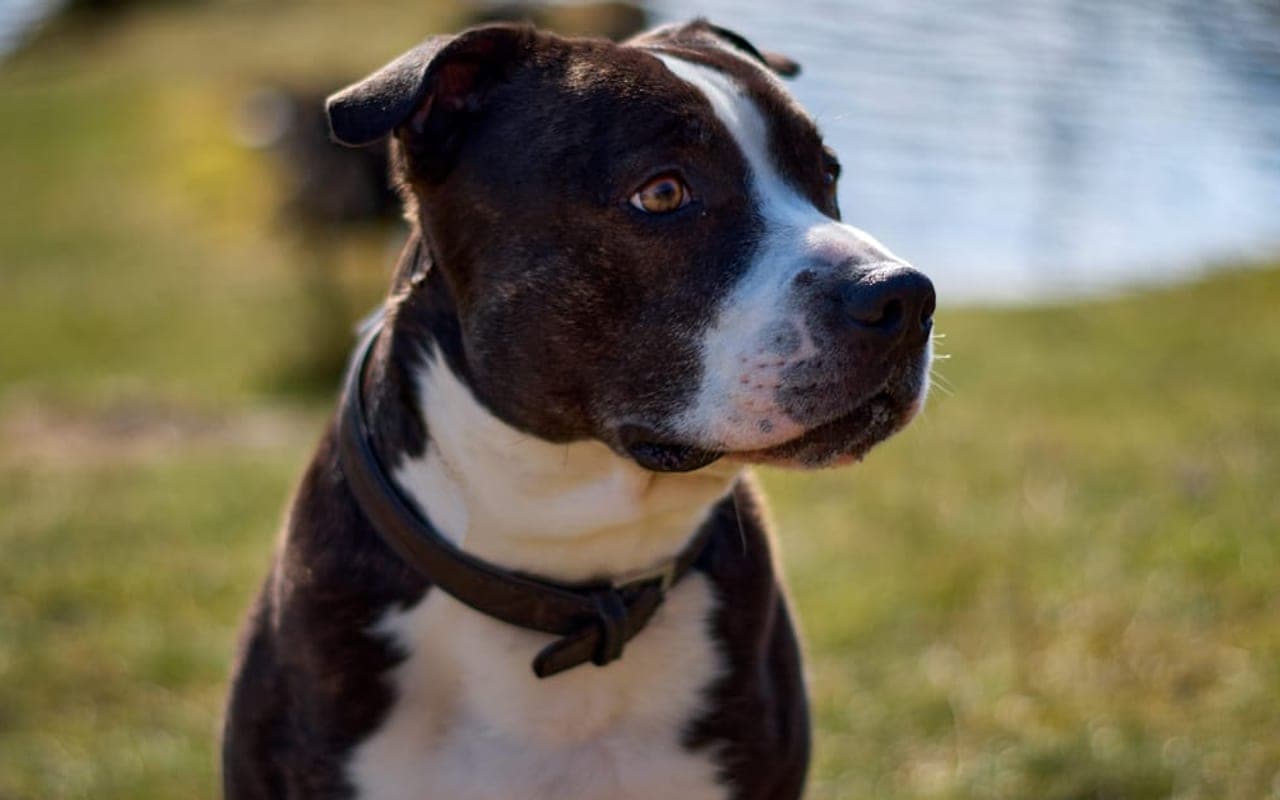
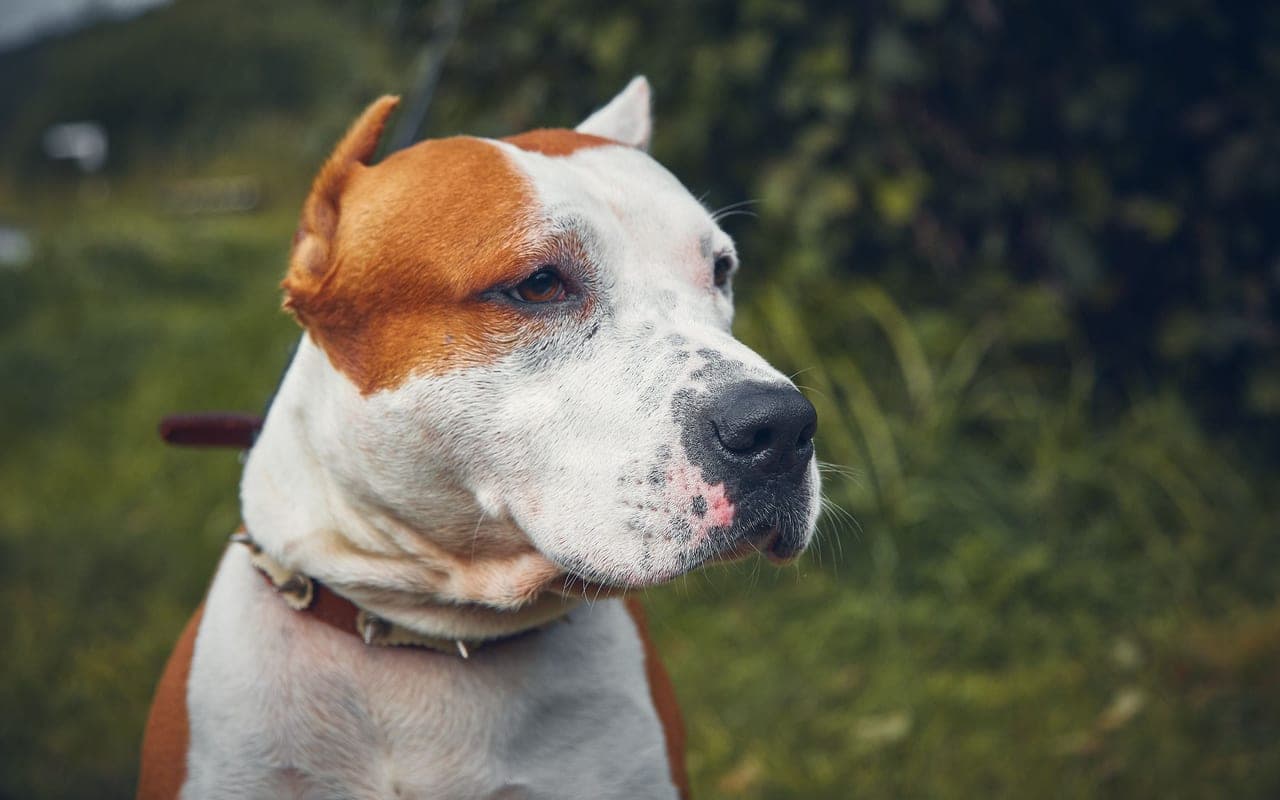
The American Staffordshire Terrier (AmStaff) is a stocky, muscular bull-and-terrier breed — 17-19 inches tall and 50-70 pounds of dense, athletic dog — descended from 19th-century crosses of bulldogs and terriers and refined in the United States as a companion and show dog.
Size
40-71 lb
Lifespan
12-16 years
Exercise
30-60 minutes
Shedding
Moderate
Experience
Match to owner routine
Decision first
Is a American Staffordshire Terrier right for you?
Start with fit before history or trivia. These are ownership signals, not guarantees about any individual dog.
Best suited for
- Households with children.
- Homes with other compatible pets.
- Apartment homes with a consistent routine.
- Owners seeking a manageable daily exercise routine.
Think carefully if
- You need a dog with almost no daily routine.
- You cannot keep up with grooming and preventive care.
- The dog will spend most days alone without support.
Conditional fit
Apartment fit depends on exercise, enrichment, noise management, and outdoor access.
Daily reality
American Staffordshire Terrier commitment snapshot
Daily exercise
30-60 minutes
Match activity to age, health, weather, and training goals.
Coat care
Moderate
Grooming needs vary by coat, shedding, and lifestyle.
Time alone
Needs planning
Most dogs need gradual alone-time conditioning and support.
Structured facts
American Staffordshire Terrier at a glance
The measurements and traits that most affect day-to-day life with this breed.
Group
Terrier
Weight
40-71 lb
Height
17-19 in
Lifespan
12-16 years
Temperament
Confident | Smart | Good-Natured
View all characteristics and methodology
Lifestyle fit
- Apartment suitability
- Likely fit
- Child friendliness
- Often good, with socialisation and supervision
- Other-pet fit
- Often compatible with careful introductions
Owner commitment
- Exercise
- 30-60 minutes
- Grooming
- Moderate
- Shedding
- Moderate
- Training
- Moderate
Environment and health
- Health risk
- Needs planning
Ratings combine structured breed data, visible breed fields, and editorial context. They are planning aids, not predictions for an individual dog.
Daily life
American Staffordshire Terrier temperament and behavior
The American Staffordshire Terrier (AmStaff) is a stocky, muscular bull-and-terrier breed — 17-19 inches tall and 50-70 pounds of dense, athletic dog — descended from 19th-century crosses of bulldogs and terriers and refined in the United States as a companion and show dog. The honest buying decision starts with two facts: this is a powerful, strong-jawed, high-prey-drive terrier, and it is one of the most affectionate, people-bonded breeds in existence. Both are true at once, and a responsible owner plans for both. Physically the AmStaff is built like an athlete: a broad head, well-defined jaw, deep chest, and a short, glossy, single coat in nearly any color. The coat is genuinely low-maintenance — a weekly rubdown handles it — which is one of the few low-effort parts of this breed. Temperament, properly understood, is the whole story. A well-bred, well-socialized AmStaff is confident, intelligent, eager to please, deeply devoted to its family, and famously good and patient with the children of its household — the old 'nanny dog' reputation has a real basis. The serious caveat is dog-directed reactivity: many AmStaffs have low tolerance for unfamiliar dogs, a terrier-origin trait that is managed, not trained away. Human aggression is not breed-typical and is a temperament fault, but dog selectivity must be planned around. Who the AmStaff is right for: an active, committed owner who will socialize early, train consistently with positive methods, supervise dog-dog interactions for life, and has researched local breed-specific legislation and insurance restrictions. Who it is wrong for: anyone wanting a low-effort dog, anyone who will skip socialization, or anyone unable or unwilling to manage a strong dog and the legal/insurance realities that, fairly or not, come with the breed.
Confident | Smart | Good-Natured
Confident
A common American Staffordshire Terrier temperament descriptor that should be interpreted alongside training, exercise, and household fit.
Smart
A common American Staffordshire Terrier temperament descriptor that should be interpreted alongside training, exercise, and household fit.
Good-Natured
A common American Staffordshire Terrier temperament descriptor that should be interpreted alongside training, exercise, and household fit.
Owner note
Temperament labels are starting points, not guarantees. Meet the individual dog and ask about behavior history whenever possible.
Care essentials
How to care for a American Staffordshire Terrier
What looking after one actually involves: exercise, grooming, food, training, and routine health.
ExerciseAs needed
- Moderately active breed needing 30-60 minutes of daily exercise through walks, play, and mental stimulation.
GroomingAs needed
- Regular grooming needed — brush 2-3 times per week and bathe monthly.
TrainingAs needed
- Moderately trainable — consistent, patient training with positive methods works best.
NutritionAs needed
- Feed a high-quality dog food appropriate for their age, size, and activity level. Monitor portions to prevent obesity.
Veterinary CareAs needed
- Annual wellness exams, core vaccinations, dental care, and parasite prevention. Breed-specific health screenings as recommended by your vet.
Health planning
American Staffordshire Terrier health risks and screening
Every breed has individual health variation. Use this profile for planning and discuss medical decisions with a veterinarian.
Responsible ownership
Finding a American Staffordshire Terrier responsibly
What to ask a breeder or rescue is the same conversation for every breed, so we keep it in one place and keep it current.
Health documentation, meeting the parents or foster, contracts and return support, and the warning signs worth walking away from.
Original purpose
American Staffordshire Terrier history
History is useful when it explains today's behavior, coat, exercise needs, and training style.
Read the breed history
The American Staffordshire Terrier traces to early-19th-century England, where bulldogs were crossed with terriers to create agile, powerful 'bull-and-terrier' dogs. These dogs came to the United States in the mid-1800s, where American breeders developed a somewhat larger, heavier type. The AKC recognized the breed in 1936 as the Staffordshire Terrier, renaming it the American Staffordshire Terrier in 1972 to distinguish the American show line from the British Staffordshire Bull Terrier. Through the early 20th century the breed became a popular American farm dog, family companion, and cultural icon — the dog 'Pete' of the Little Rascals and the WWI mascot 'Sergeant Stubby' are AmStaff-type dogs. That history matters to an owner because the modern AmStaff was deliberately bred for stable, people-oriented temperament and away from human aggression; it also explains the retained terrier dog-reactivity and the strong physical drive a buyer must plan to manage and channel.
Gallery
American Staffordshire Terrier photos
Images are cropped consistently and loaded progressively to keep the page responsive.
Lower-page context
American Staffordshire Terriers in culture
Where the breed shows up in film, sport, work and folklore — the enjoyable part, once the practical questions are answered.
Fun facts
- The American Staffordshire Terrier belongs to the Terrier Group.
- With proper care, American Staffordshire Terrier dogs can live up to 16 years or more.
- American Staffordshire Terrier dogs are valued for their confident, smart, good-natured nature.
American Staffordshire Terrier FAQs
Are American Staffordshire Terriers good with children?
Yes — a well-bred, well-socialized AmStaff is typically devoted, patient, and reliable with the children of its own family, which is the basis of the historic 'nanny dog' reputation. The honest caveats: always supervise any powerful dog with young kids, and the bigger management issue is dog-directed reactivity toward unfamiliar dogs, not children. Human aggression is not breed-typical and is considered a serious temperament fault to be avoided in breeding.
Are American Staffordshire Terriers aggressive?
Toward people, no — stable, well-bred AmStaffs are friendly and human-oriented, and human aggression is a disqualifying temperament fault. Toward other dogs, many AmStaffs have low tolerance for unfamiliar dogs due to their terrier heritage; this is dog selectivity, managed through early socialization and lifelong supervision rather than eliminated. Treat dog-dog management as a permanent responsibility and avoid uncontrolled dog parks with a selective individual. The practical mistake owners make is assuming a friendly puppy will stay dog-social through maturity; selectivity often emerges around social maturity at 1-3 years even in a perfectly raised dog, so plan management before it appears rather than after an incident.
Do American Staffordshire Terriers have legal restrictions?
Often, yes — and this must be researched before buying, not after. Many municipalities have breed-specific legislation that can mandate muzzling, special liability insurance, or outright bans; many landlords restrict the breed regardless of the individual dog; and a significant number of home and renter's insurers exclude or surcharge AmStaffs, which can mean hundreds of dollars a year or being forced to switch carriers. These are real recurring costs and constraints of ownership, not technicalities. Check your local ordinances, your lease, and your insurance policy in writing before you commit, because discovering a ban or an insurance exclusion after you have the dog is how owners are forced into heartbreaking rehoming.
How much exercise does an American Staffordshire Terrier need?
Plan on 45-90 minutes of vigorous activity daily plus training and brain work. This is a strong, athletic, intelligent dog, and an under-exercised, bored AmStaff becomes destructive and frustrated. Structured walks, fetch, flirt-pole sessions, tug with rules, and obedience or dog sports all work well. Mental work is as important as physical exercise — a tired body and a tired mind together produce a calm house dog.
How much does an American Staffordshire Terrier cost?
Expect roughly $1,000-$3,000 for a puppy from a breeder who screens hips and heart and DNA-tests for hereditary cerebellar ataxia (NCL). The hidden costs are an insurance surcharge or the work of finding a non-excluding insurer, possible rental limitations, and lifelong management of skin allergies, which can run $300-$1,000+ a year in affected dogs. Buying from an NCL-tested line removes one of the breed's worst, fatal health risks entirely.
Sources
These are the published sources this page draws on. Each opens in a new tab so you can check it yourself.
American Kennel Club
American Staffordshire Terrier — breed standard and profile(opens in a new tab)Supports: Breed standard and recognition details.
Similar breeds to consider
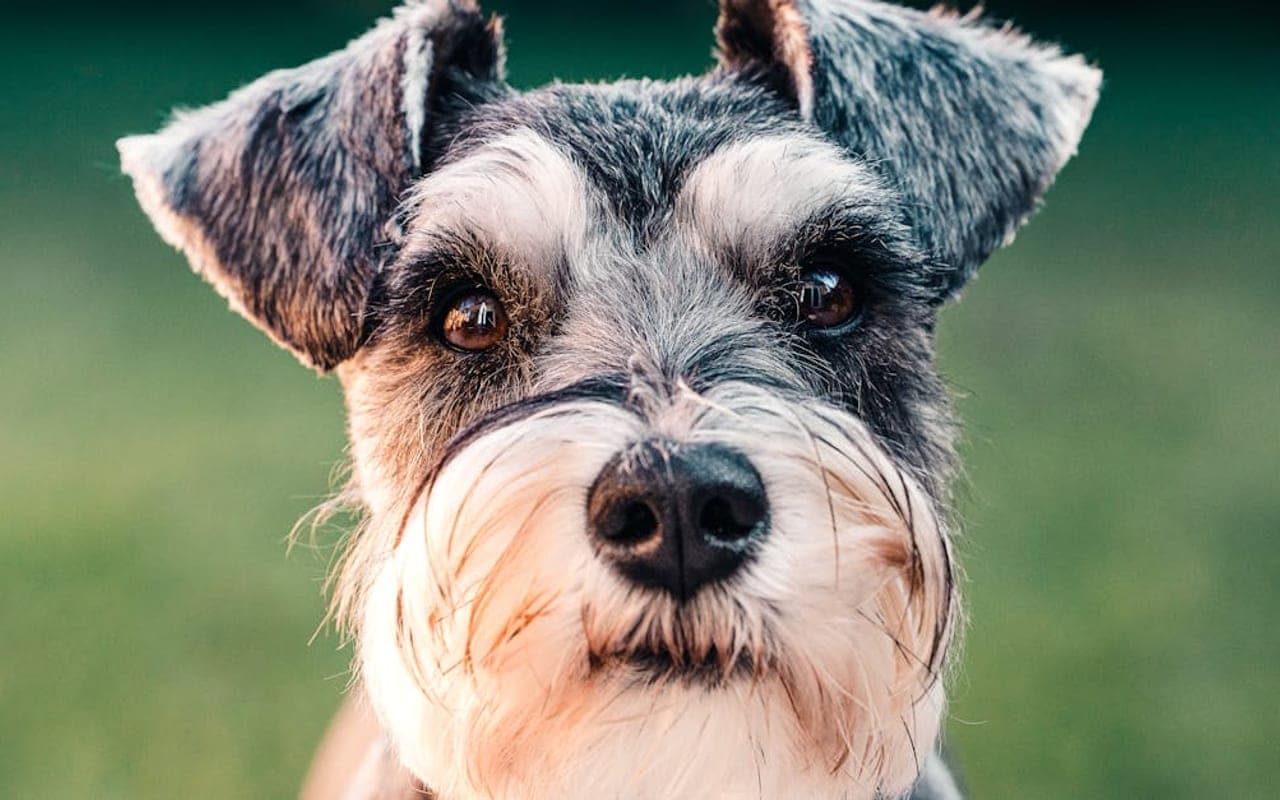
Miniature Schnauzer
Also in the Terrier group, with different care and temperament tradeoffs.
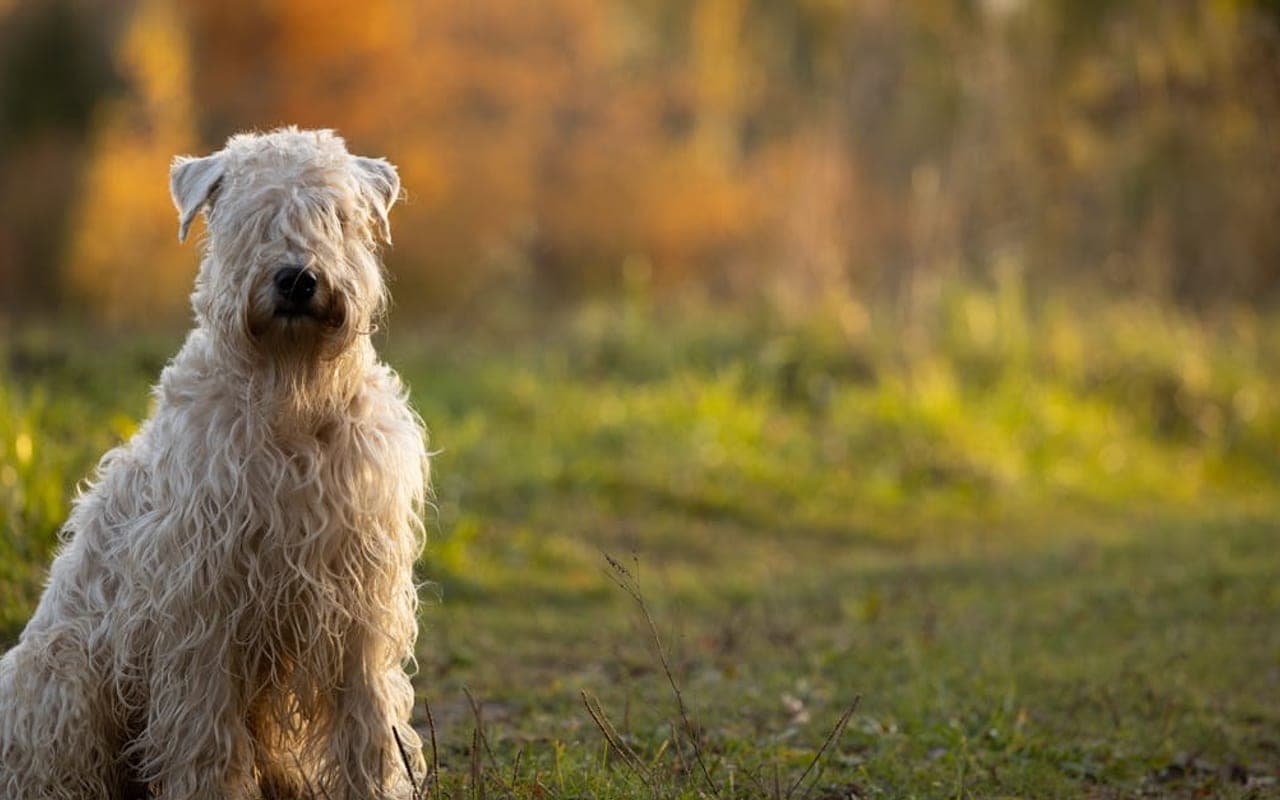
Soft Coated Wheaten Terrier
Also in the Terrier group, with different care and temperament tradeoffs.
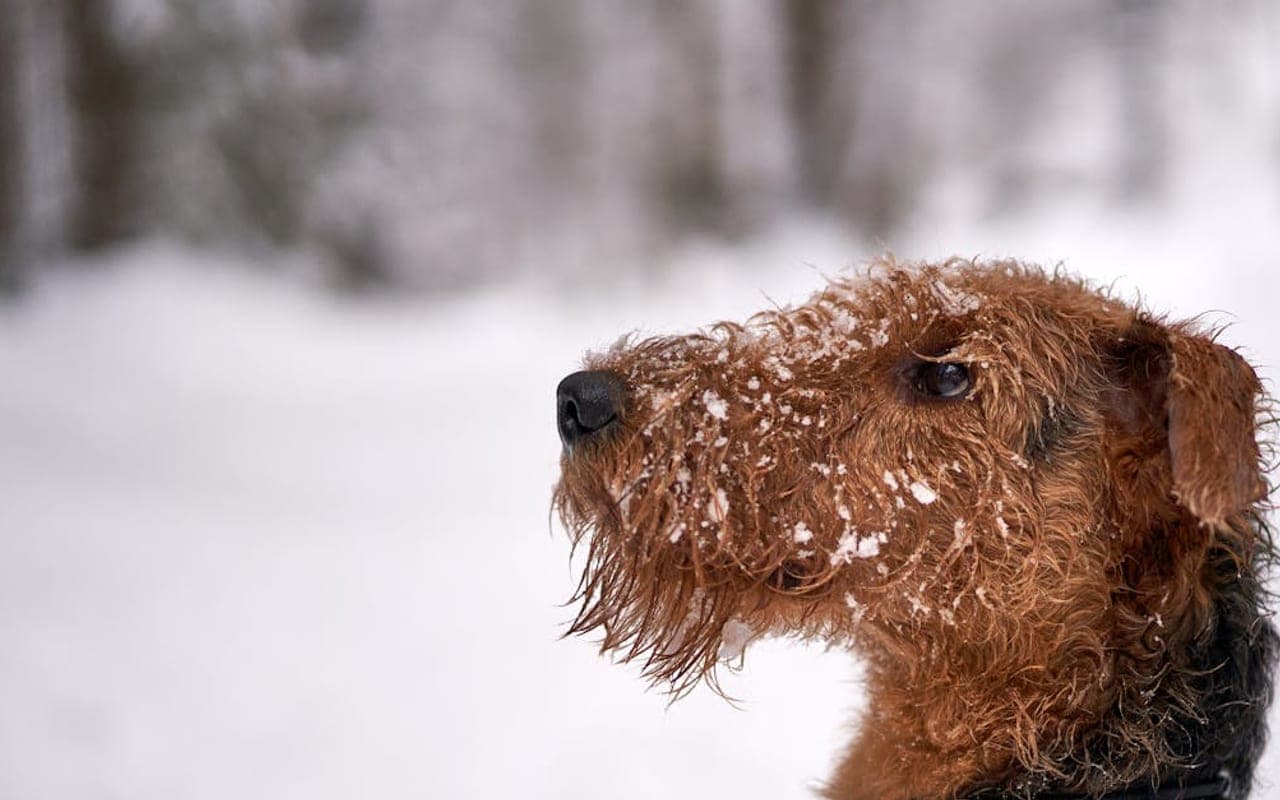
Airedale Terrier
Also in the Terrier group, with different care and temperament tradeoffs.
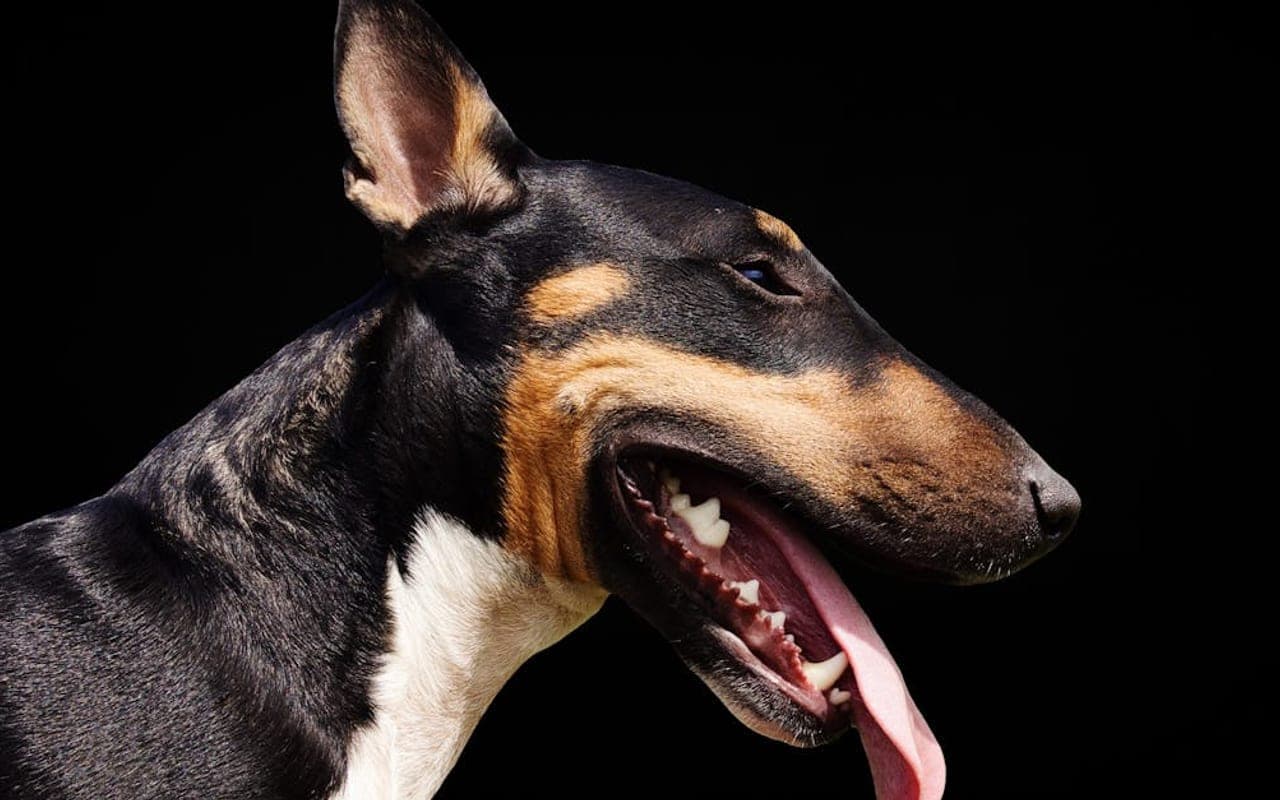
Bull Terrier
Also in the Terrier group, with different care and temperament tradeoffs.
Explore More About American Staffordshire Terrier
Dive deeper into everything American Staffordshire Terrier — costs, care, and expert insights.
Large Dog Care Guide: Everything Over 50 lbs
Owning a large or giant breed dog means accepting one of biology's...
Puppy Teething & Biting: Timeline and What Actually Works
A puppy has all 28 deciduous ("baby") teeth by roughly eight weeks of age, and...
Considering a cat instead?
Browse Cats