
Working group
Akita
The Akita is a large, powerful Japanese working breed (32-59 kg, 61-71 cm) whose temperament is the single most important thing a buyer must reckon with — far more than its bear-like good looks.
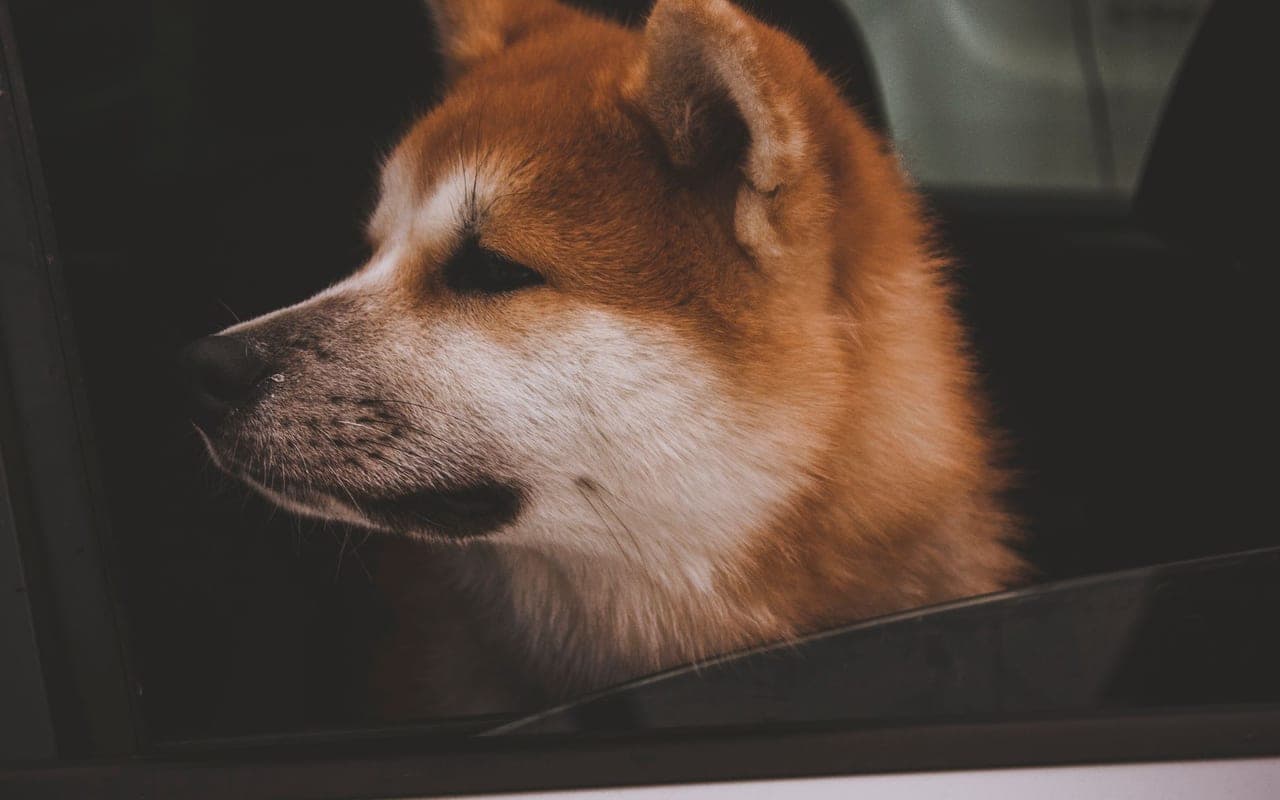
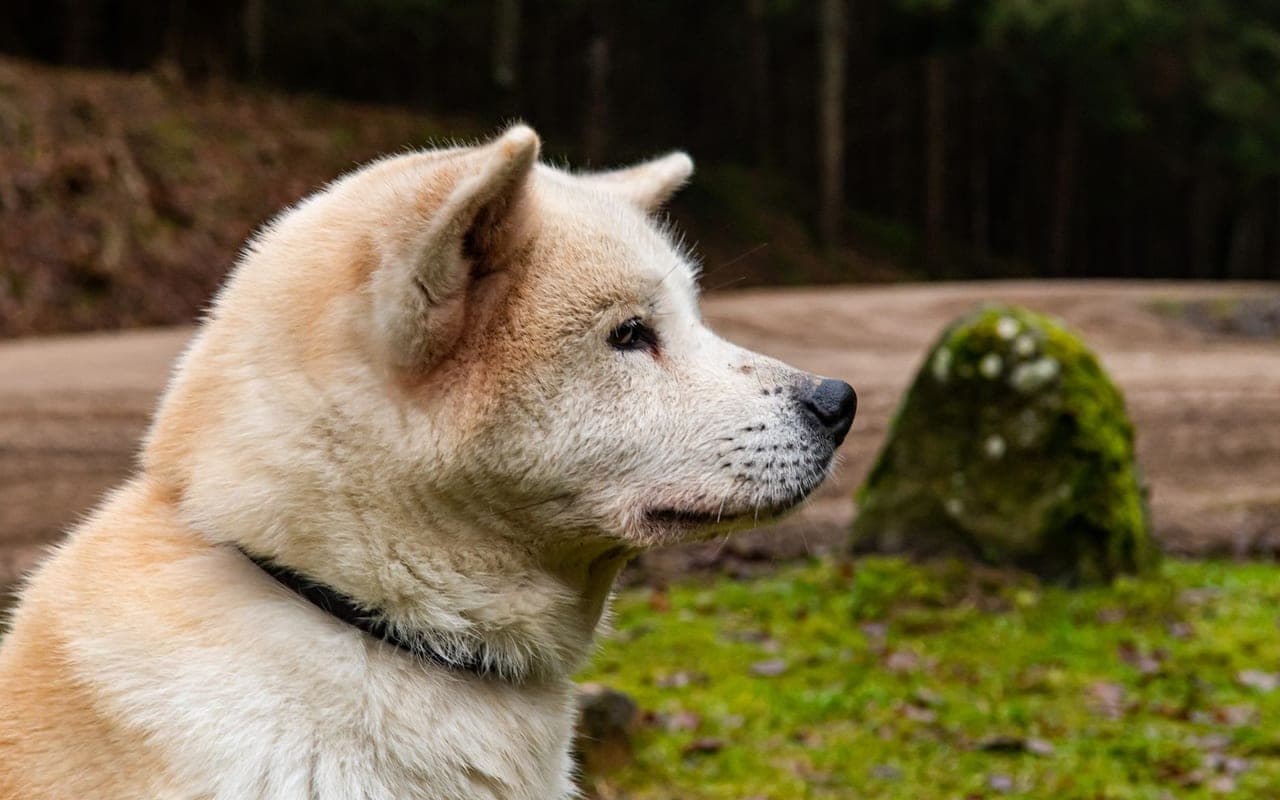
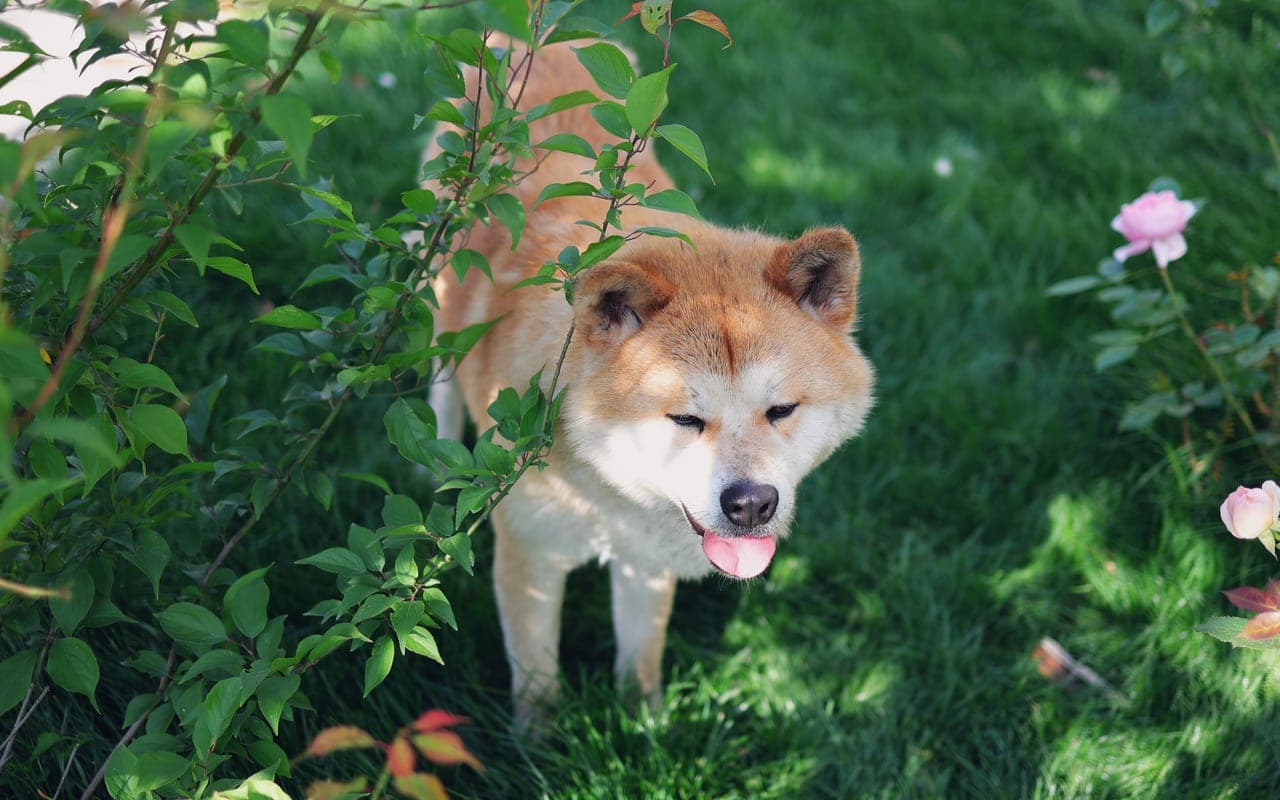
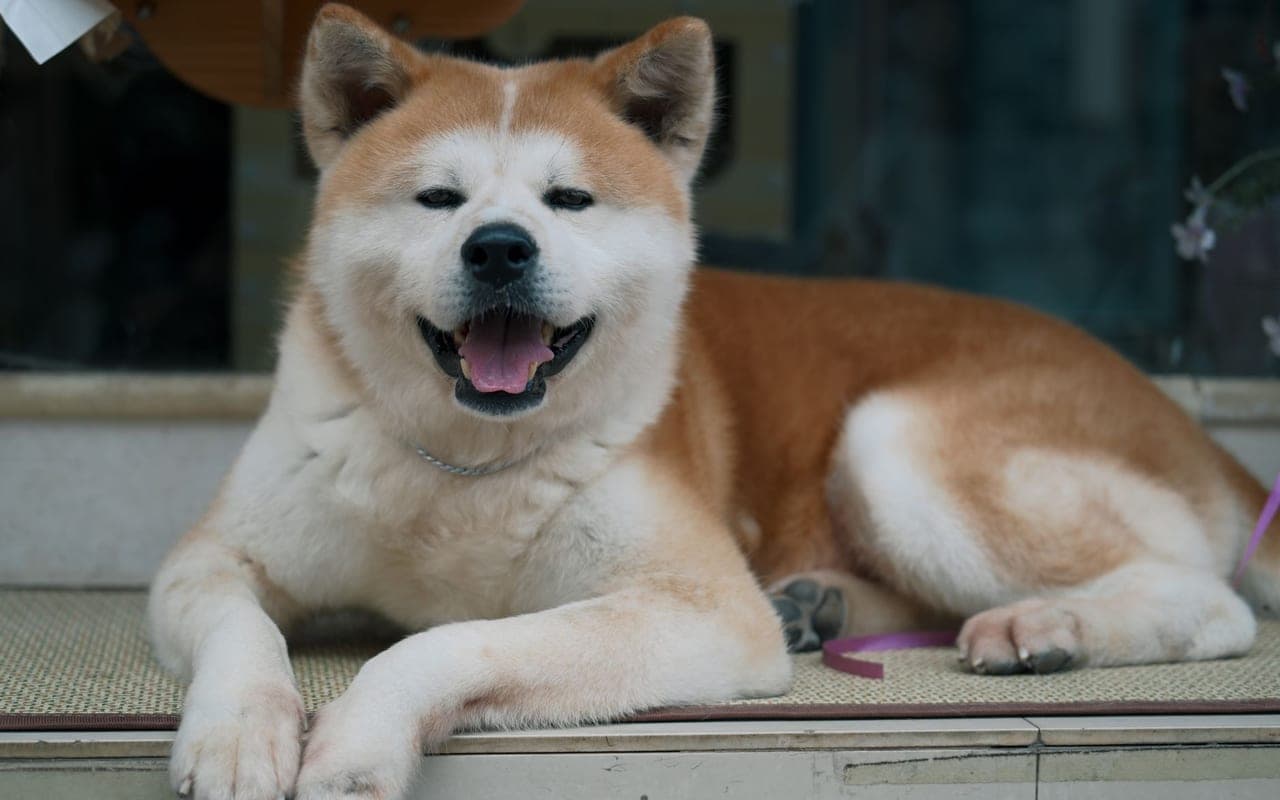
Size
71-130 lb
Lifespan
10-14 years
Exercise
60-90 minutes
Shedding
High
Experience
Match to owner routine
Decision first
Is a Akita right for you?
Start with fit before history or trivia. These are ownership signals, not guarantees about any individual dog.
Best suited for
- Active owners who enjoy daily outdoor exercise.
Think carefully if
- You cannot provide substantial daily exercise.
- You want a very low-shedding home.
- The dog will spend most days alone without support.
Conditional fit
Apartment living may be difficult unless the owner can meet the breed's exercise, training, and space needs.
Daily reality
Akita commitment snapshot
Daily exercise
60-90 minutes
Match activity to age, health, weather, and training goals.
Coat care
Moderate
Grooming needs vary by coat, shedding, and lifestyle.
Time alone
Needs planning
Most dogs need gradual alone-time conditioning and support.
Structured facts
Akita at a glance
The measurements and traits that most affect day-to-day life with this breed.
Origin
Japan
Group
Working
Weight
71-130 lb
Height
23-28 in
Lifespan
10-14 years
Temperament
Dignified | courageous | and loyal
View all characteristics and methodology
Lifestyle fit
- Apartment suitability
- Needs caution
Owner commitment
- Exercise
- 60-90 minutes
- Grooming
- Moderate
- Shedding
- High
- Training
- Moderate
Environment and health
- Health risk
- Needs planning
Ratings combine structured breed data, visible breed fields, and editorial context. They are planning aids, not predictions for an individual dog.
Daily life
Akita temperament and behavior
The Akita is a large, powerful Japanese working breed (32-59 kg, 61-71 cm) whose temperament is the single most important thing a buyer must reckon with — far more than its bear-like good looks. This is a primitive-type guardian: dignified, intensely loyal to its own family, courageous, and naturally suspicious of strangers and aggressive toward unfamiliar dogs. An Akita is not a soft, social, all-comers breed and was never bred to be one. People who buy it for the appearance and expect a friendly Lab-style dog are the people who end up overwhelmed. Two distinct types exist. The Akita Inu (Japanese type) is foxier-headed, smaller, and comes in restricted colors. The American Akita is larger, bear-headed, and accepted in all colors including black masks and pinto. Both share the core temperament; choose on type knowingly, not by photo. The coat is a dense double coat that sheds moderately year-round and blows out dramatically twice a year — two to three weeks of relentless undercoat removal each spring and autumn. Akitas are famously clean and quiet for their size, often described as cat-like in self-grooming, but the seasonal shed is a real, predictable workload. The defining trade-off: an Akita's loyalty and guarding instinct are exactly what make it a poor fit for the wrong home. It needs an experienced owner who will commit to early, consistent, lifelong socialization and firm fair leadership, secure fencing, and careful management around strange dogs and unfamiliar children. Dog-park life and a revolving door of houseguests are not Akita-compatible. Who the Akita is right for: an experienced owner who wants a devoted, dignified guardian and will do the socialization and management work for the dog's whole life. Who it is wrong for: a first-time owner, a multi-dog free-for-all household, or anyone unwilling to manage a strong-willed protective breed.
Dignified | courageous | and loyal
Dignified
A common Akita temperament descriptor that should be interpreted alongside training, exercise, and household fit.
courageous
A common Akita temperament descriptor that should be interpreted alongside training, exercise, and household fit.
and loyal
A common Akita temperament descriptor that should be interpreted alongside training, exercise, and household fit.
Owner note
Temperament labels are starting points, not guarantees. Meet the individual dog and ask about behavior history whenever possible.
Care essentials
How to care for a Akita
What looking after one actually involves: exercise, grooming, food, training, and routine health.
ExerciseAs needed
- Akitas need moderate exercise daily, including long walks and occasional vigorous activity. Their exercise needs are not excessive, but regular activity is important to maintain their physical and mental health.
GroomingAs needed
- The Akita has a thick double coat that sheds heavily twice a year. During shedding seasons, daily brushing is essential. Regular brushing (2-3 times a week) is recommended during non-shedding periods. Bathe only when necessary, as frequent bathing can strip the coat of its natural oils.
NutritionAs needed
- Akitas should be fed high-quality dog food appropriate for their age, size, and activity level. Monitor their caloric intake carefully as they can be prone to obesity. Divide their daily food into two meals to help prevent bloat, which can be a concern for deep-chested dogs.
Health MonitoringAs needed
- Regular check-ups with a veterinarian are important for Akitas as they can be prone to certain health issues like hip dysplasia, progressive retinal atrophy, and autoimmune disorders. Early detection of these conditions can lead to better management and outcomes.
Health planning
Akita health risks and screening
Every breed has individual health variation. Use this profile for planning and discuss medical decisions with a veterinarian.
Ownership cost
How much does a Akita cost?
Cost figures are structured so first-year and lifetime estimates do not conflict with the underlying line items.
| Acquisition | $1,000-$3,500 |
|---|---|
| Routine monthly | About $160/month |
| Routine annual | About $1,920/year |
| First-year estimate | $2,920-$5,420 |
| Lifetime routine estimate | $19,200-$26,880 routine costs |
Currency: USD. Region: United States. Typical ranges for this breed. Equipment, insurance, emergency veterinary care, boarding and training are NOT included: we hold no sourced figures for them, and estimating them would be a guess presented as data.
Responsible ownership
Finding a Akita responsibly
What to ask a breeder or rescue is the same conversation for every breed, so we keep it in one place and keep it current.
Health documentation, meeting the parents or foster, contracts and return support, and the warning signs worth walking away from.
Original purpose
Akita history
History is useful when it explains today's behavior, coat, exercise needs, and training style.
Read the breed history
The Akita originates in the mountainous Akita Prefecture of northern Japan, where it was developed centuries ago as a large-game hunting and guardian dog, tracking boar, deer, and bear. It is one of Japan's national treasures and a designated Natural Monument. The breed nearly disappeared during World War II, surviving through dedicated Japanese breeders, and the famous loyalty story of Hachikō — the Akita who waited daily at Shibuya Station for his deceased owner for nearly a decade — cemented the breed's cultural status as a symbol of devotion. American servicemen, including Helen Keller earlier, brought Akitas to the United States, where the larger, bear-headed 'American Akita' was selectively developed apart from the Japanese 'Akita Inu.' The two types are now registered separately in much of the world. The breed's guarding-and-hunting heritage directly explains the modern dog: the strength, the aloof dignity, the same-sex dog intolerance, and the deep one-family loyalty that still define it.
Gallery
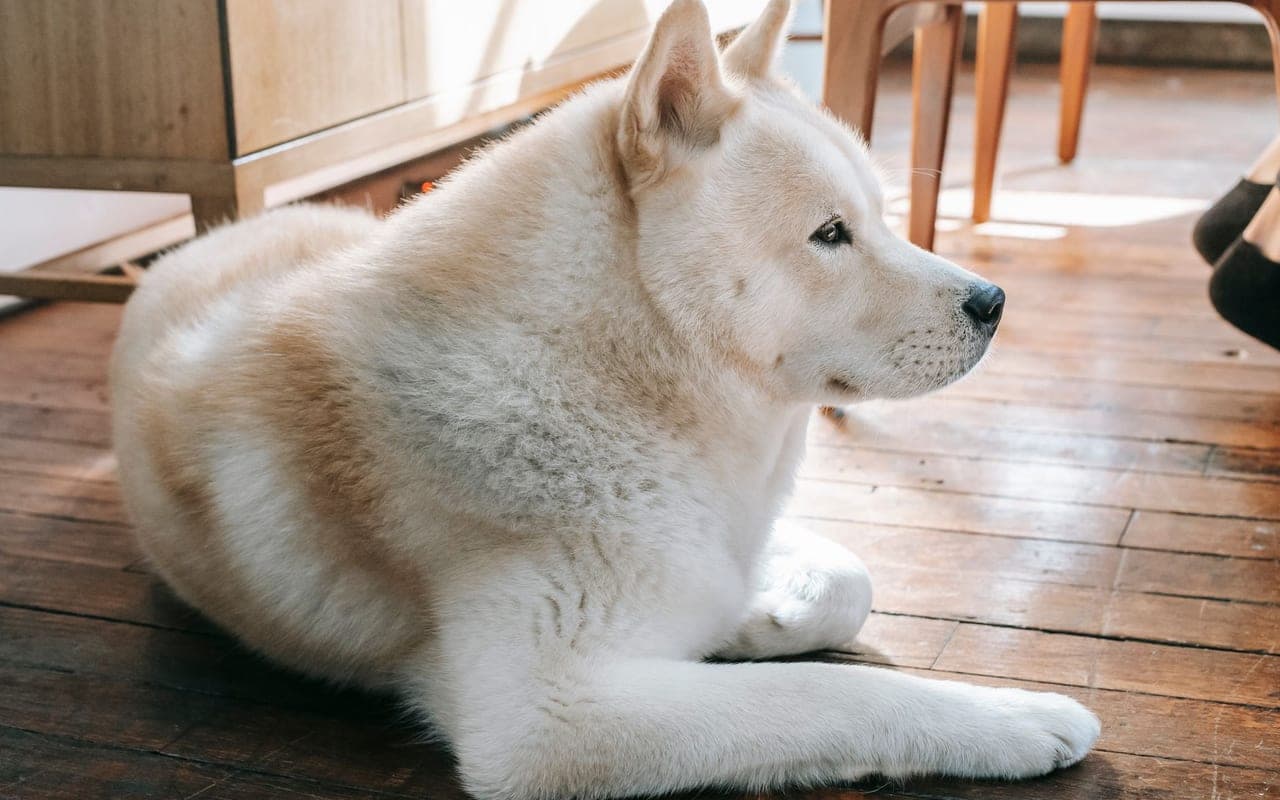
Akita photos
Images are cropped consistently and loaded progressively to keep the page responsive.
Lower-page context
Akitas in culture
Where the breed shows up in film, sport, work and folklore — the enjoyable part, once the practical questions are answered.
Movies and TV
- Hachi: A Dog's Tale (2009)
A movie based on the true story of Hachiko, starring Richard Gere. The film portrays the extraordinary bond between an Akita and his owner.
- Snow Dogs (2002)
A comedy film starring Cuba Gooding Jr. that features Akitas among its sled dog team.
- The Call of the Wild (2020)
Though the main character is a St. Bernard-Scotch Collie mix, Akitas were used in some scenes of this Jack London adaptation.
Fun facts
- Akitas have webbed toes which help them walk on snow by distributing their weight more evenly.
- In Japan, small statues of Akitas are given to new parents to wish the child a long, healthy, and happy life.
- The Akita's strong hunting background explains their strong prey drive and sometimes challenging relationship with smaller animals.
- Japanese tradition says that if a person who is ill rubs a small Akita statue, their sickness will transfer to the statue and they will be healed.
- Akitas are considered a symbol of good health, happiness, and long life in Japan.
Akita FAQs
Is an Akita a good first dog?
Honestly, no. The Akita is a strong-willed guardian breed with real same-sex dog aggression, stranger wariness, and a need for confident, consistent handling and lifelong socialization. First-time owners frequently underestimate the management commitment, which is the main reason Akitas appear in rescue. If you want this breed as a first dog, plan for professional training from day one and a household ready to manage it for 10-14 years.
Are Akitas aggressive toward other dogs?
Many are, particularly toward same-sex dogs — this is a recognized, heritable trait, not a training failure. Early and ongoing socialization reduces but does not erase it. Practically, that means no off-leash dog parks, careful introductions, and secure fencing for life. An Akita can live happily as an only dog or with a carefully matched opposite-sex companion, but the household must plan around this honestly.
How long do Akitas live and what shortens it?
A healthy Akita typically lives 10-14 years. The conditions most likely to shorten that are bloat (GDV) — preventable with split meals, post-meal rest, and a prophylactic gastropexy — and the breed's immune-mediated and autoimmune diseases. Buying from a breeder who hip-scores and screens, plus disciplined feeding management, are the levers that keep an Akita toward the top of its range.
How much grooming does an Akita need?
Day to day, very little — Akitas are famously clean and nearly odorless and self-groom like cats. The real workload is seasonal: twice a year the dense undercoat blows out over two to three weeks, requiring near-daily raking and a lot of vacuuming. Routine weeks need only a 1-2 times weekly brush. Budget time and tools for the coat blow; it surprises owners every spring and autumn.
What is the difference between a Japanese Akita Inu and an American Akita?
They are now separate breeds in most registries. The Japanese Akita Inu is smaller, fox-headed, and restricted to a few colors. The American Akita is larger, bear-headed, and allowed in all colors including black masks and pinto. Both share the core guardian temperament. Choose the type deliberately based on size and appearance preference, but expect the same socialization and management commitment from either.
How much does an Akita cost to own?
Expect roughly $1,000-$2,500 for a puppy from a breeder who hip-scores and screens for the breed's eye and immune conditions. Budget significant recurring costs: large-breed food, early professional training (genuinely necessary here, not optional), and provision for bloat — a prophylactic gastropexy is a few hundred dollars, while emergency GDV surgery runs $3,000-$7,000. Lifelong thyroid medication, if needed, is inexpensive.
Sources
These are the published sources this page draws on. Each opens in a new tab so you can check it yourself.
American Kennel Club
Akita — breed standard and profile(opens in a new tab)Supports: Breed standard and recognition details.
Similar breeds to consider
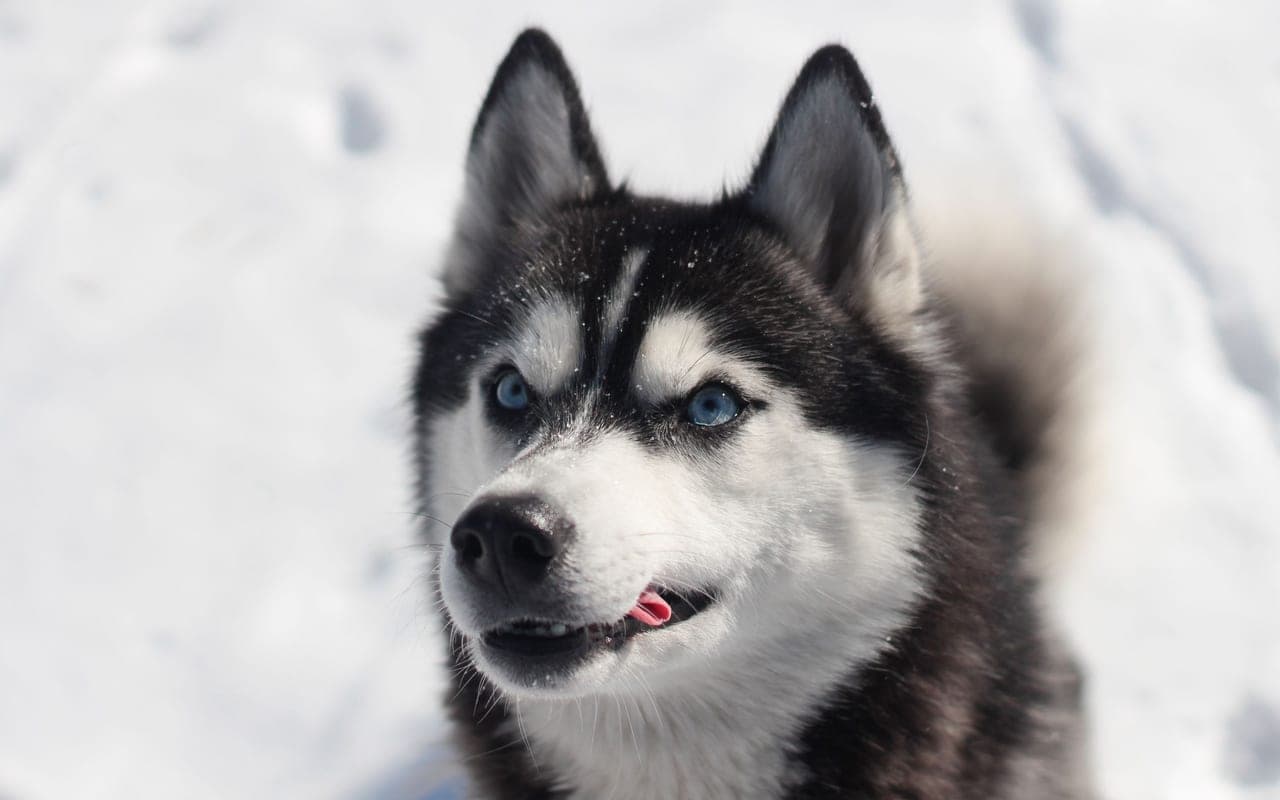
Siberian Husky
Also in the Working group, with different care and temperament tradeoffs.
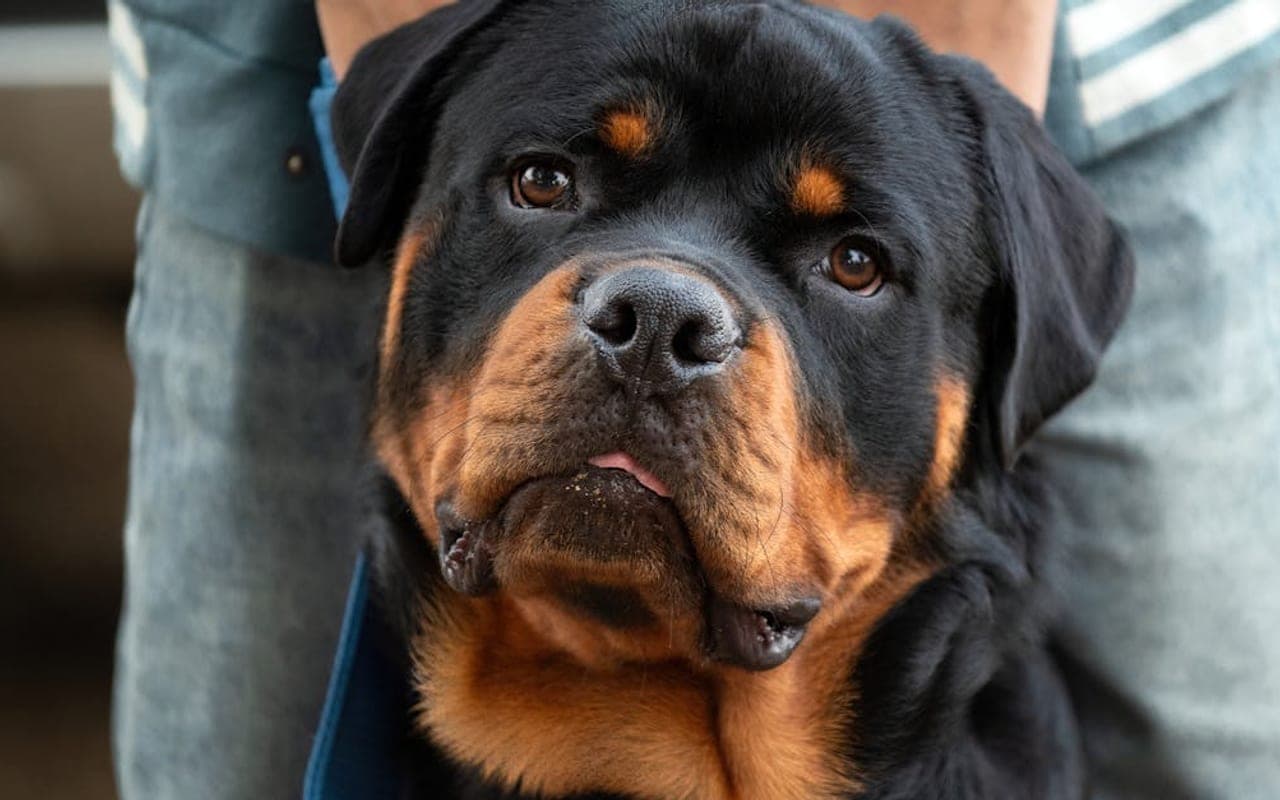
Rottweiler
Also in the Working group, with different care and temperament tradeoffs.
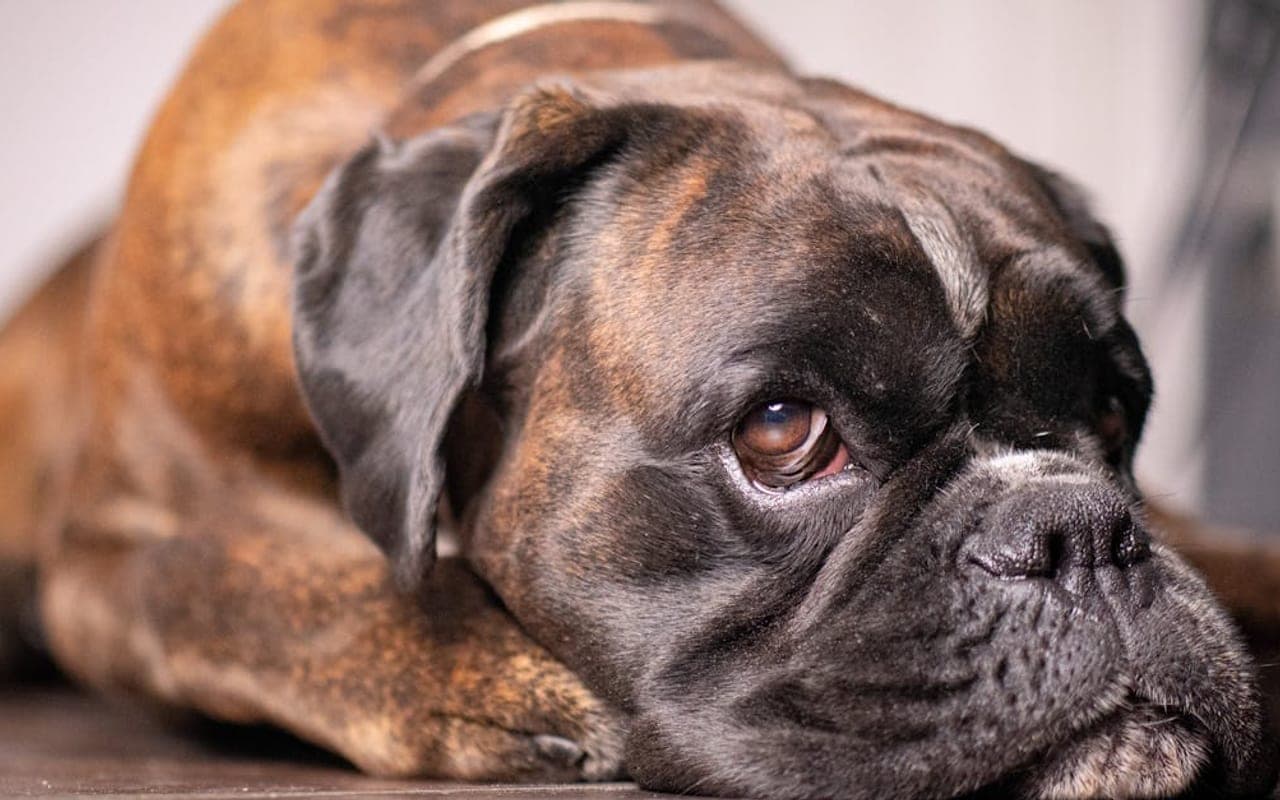
Boxer
Also in the Working group, with different care and temperament tradeoffs.
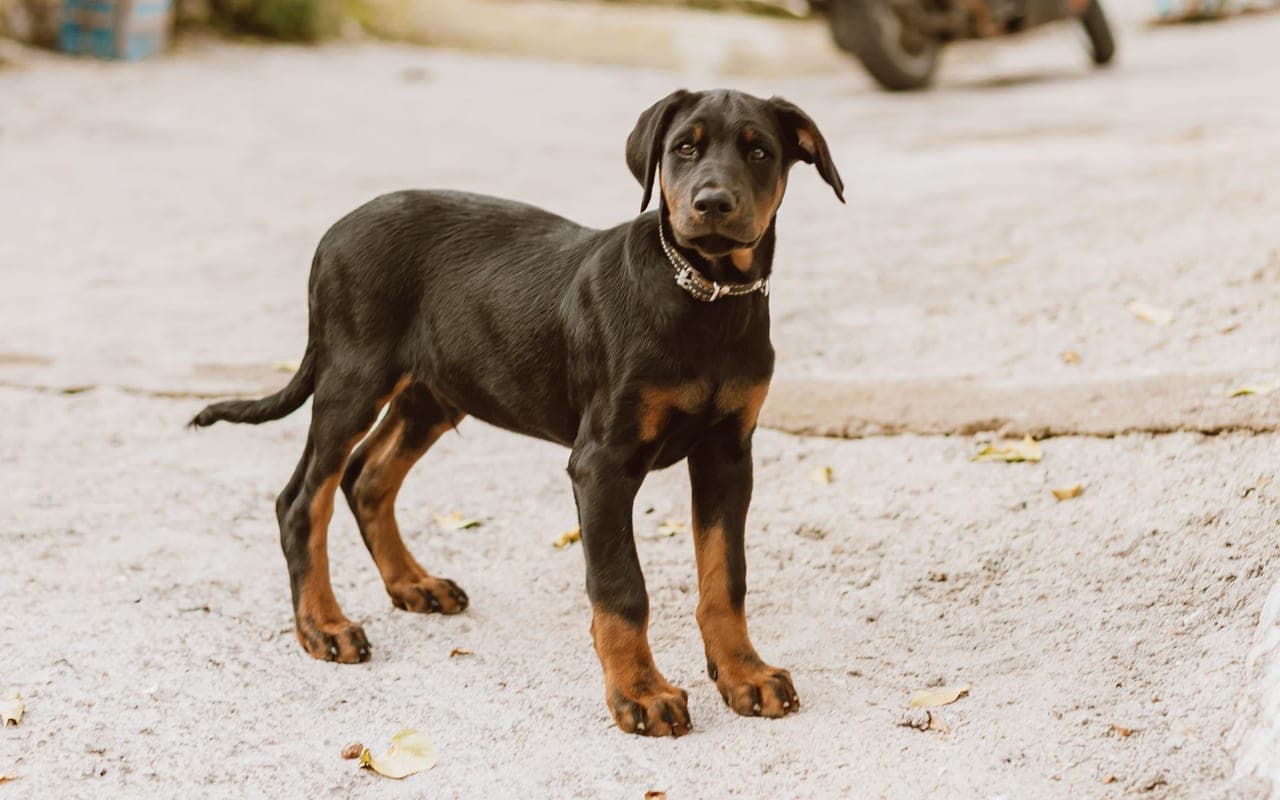
Doberman Pinscher
Also in the Working group, with different care and temperament tradeoffs.
Explore More About Akita
Dive deeper into everything Akita — costs, care, and expert insights.
How Much Does a Akita Cost?
Purchase price, monthly costs, and lifetime expenses
Akita Care Guide
In 1935, a Japanese Akita named Hachiko died waiting at...
Considering a cat instead?
Browse Cats