
Akita Care Guide
The Akita: Japan's Monument to Loyalty In 1935, a Japanese Akita named Hachiko died waiting at Shibuya Station in Tokyo. For nine years and nine months after his owner's sudden death, Hachiko had appe
In This Guide
Overview
The Akita: Japan's Monument to Loyalty
In 1935, a Japanese Akita named Hachiko died waiting at Shibuya Station in Tokyo. For nine years and nine months after his owner's sudden death, Hachiko had appeared at the station every evening at the time the train was due, looking for the person who never came back. The story became a national symbol of loyalty. Japan erected a bronze statue of Hachiko at Shibuya Station -- it still stands -- and declared the Akita Inu a natural monument of Japan in 1931. Owning an Akita means inheriting that legacy, and it comes with commensurate responsibility.
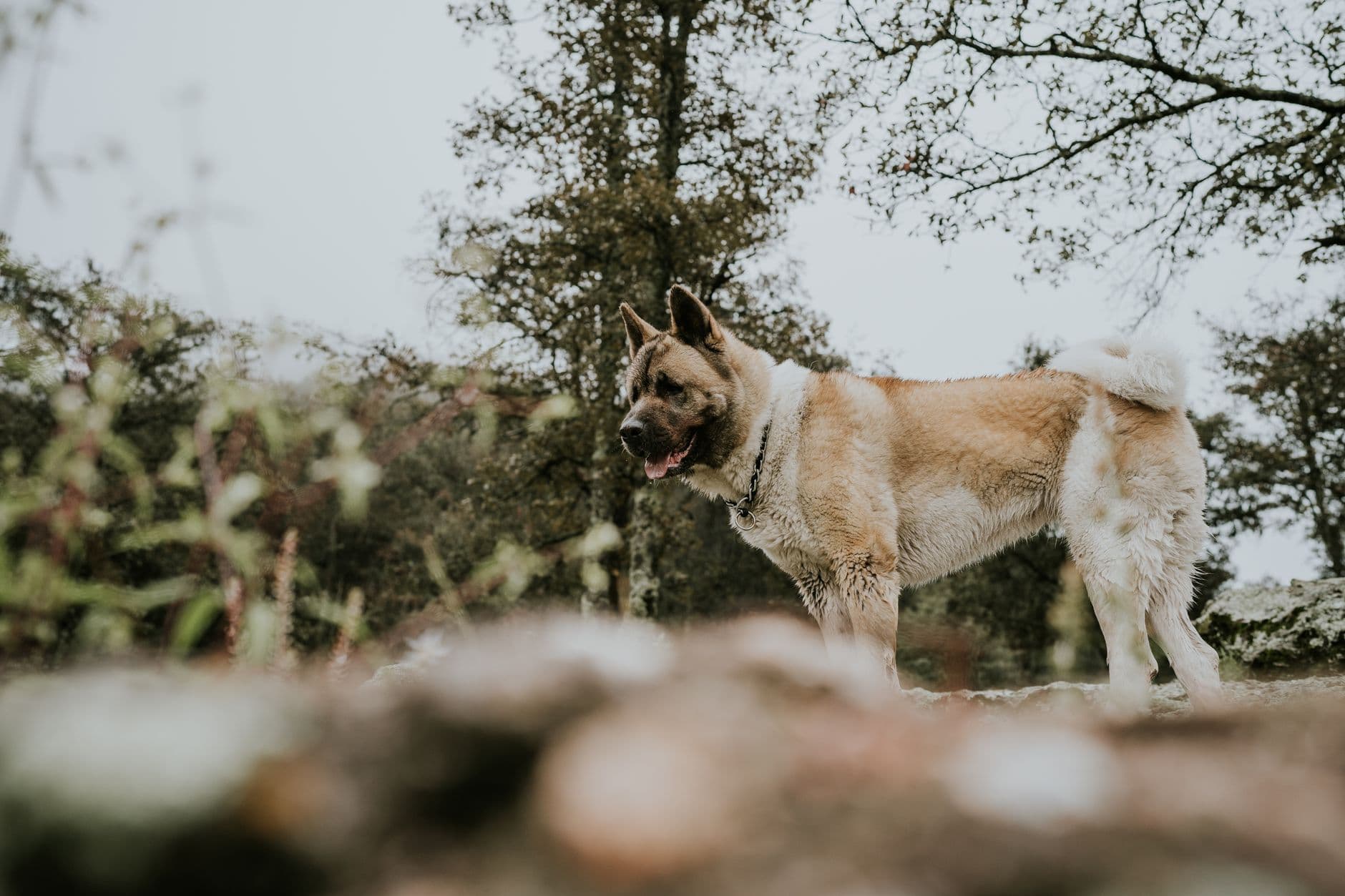
The Akita is a large, powerful spitz-type breed originating in the mountainous Akita prefecture of northern Japan. Males stand 26 to 28 inches at the shoulder and weigh 100 to 130 pounds. Females are somewhat smaller at 24 to 26 inches and 70 to 100 pounds. The body is muscular and substantial, the head broad and bear-like, the tail curled over the back in the classic spitz configuration. The double coat is dense and weather-resistant.
Japanese Akita vs. American Akita
A point of important distinction: the Japanese Akita (Akita Inu) and the American Akita are recognized as separate breeds by most international kennel clubs outside the United States. The American Akita is heavier, more massively built, and comes in a wide range of colours including pinto, with or without a mask — though the current American Kennel Club standard disqualifies the merle marking pattern and liver. The Japanese Akita is more refined in build and restricted by the Royal Kennel Club standard to red fawn with whitish urajiro markings, sesame, brindle and pure white. The American Kennel Club registers both under a single "Akita" designation, which creates ongoing confusion. When researching breed-specific health data, be aware of which type is being discussed.
Temperament: Loyal to the Core, Reserved with the World
The Akita bonds deeply with its family and is typically reserved, watchful, and contained in its expression with strangers. This is not the dog that greets every visitor with enthusiasm -- the Akita assesses first and decides later. That deliberate quality is part of the breed's character, not a behavioral problem. Within the family, Akitas can be playful, affectionate, and surprisingly silly with their trusted people.
Dog aggression is a consistent breed characteristic, particularly among males. The Akita descends from breeds used in dog fighting rings in Japan during the 19th century, and the reactive threshold with other dogs -- especially dogs of the same sex -- remains elevated. Experienced, realistic ownership is not optional with this breed. A 120-pound dog that decides another dog is a threat is a serious event that proper management prevents entirely.
Primitive Independence
Like all spitz-type breeds, the Akita operates with a degree of independence that challenges training approaches built on repetition and compliance. Akitas learn quickly -- they are intelligent dogs -- but they apply what they learn on their own schedule. Harsh corrections are counterproductive and damage the trust-based relationship the Akita requires. Positive reinforcement with high-value rewards and short, varied sessions work significantly better.
Who Should Own an Akita
The Akita is for experienced owners who understand large, dominant-tendency breeds, have physical capability appropriate to managing a powerful dog, and can provide consistent structure from day one. The lifespan of 10 to 13 years represents a significant commitment. The reward is a dog of profound loyalty, quiet dignity, and genuine intelligence that forms one of the deepest bonds in dogdom.
Daily Care
Daily Care for Your Akita
Exercise: An Hour to Two Hours a Day
An adult Akita requires at minimum 60 to 120 minutes of exercise daily. This is a large, athletic working dog -- walking around the block twice does not meet the need. Structured leash walks, off-leash running in a securely fenced area, hiking, and structured play sessions all contribute to the daily total. An under-exercised Akita becomes destructive, restless, and potentially more reactive. The physical outlet is also a behavioral management tool.
Socialization Is Lifelong
Early socialization -- deliberate, positive exposure to people, dogs, environments, and sounds during the critical window before 16 weeks -- is essential for producing a well-adjusted Akita. But unlike some breeds where early socialization largely sets the baseline, the Akita requires maintained socialization throughout its life. An adult Akita that stops encountering new people and environments gradually narrows its comfort zone. Continue structured exposure to new situations throughout the dog's life.
Managing Dog Interactions
Most Akitas should not be in off-leash dog parks. The combination of size, strength, and same-sex dog aggression creates risk that responsible owners eliminate through management. Dog-to-dog interactions for Akitas happen on leash, with known compatible dogs, in structured settings. Multi-dog households with Akitas require careful management -- same-sex Akita pairs are particularly high-risk.
Anesthesia and Medication Sensitivity
There is something a vet treating an Akita should know, but it is not what is usually claimed. Japanese breeds including the Akita carry a high-potassium red-cell phenotype and a smaller mean cell volume, which can make a stored blood sample read as falsely high in potassium and can shift the normal ranges on a blood film. That is a caution about interpreting laboratory results, not evidence that the breed needs lower anaesthetic doses — mention the breed to your vet so results are read in that light. Before any procedure requiring sedation, confirm that your veterinarian is aware of Akita-specific sensitivities and has experience with the breed. Carry this information in any veterinary records you travel with. Discuss vaccination protocols with your vet as you would for any dog.
Mental Engagement
Akitas need mental challenge, not just physical movement. Training sessions (even informal daily practice of known skills), food puzzles, and structured work such as carting or pack hiking satisfy the breed's intelligence. A bored, mentally under-stimulated Akita is not a happy dog.
Nutrition
Feeding Your Akita
Caloric Requirements
A healthy adult male Akita at 110 pounds requires approximately 2,000 to 2,500 calories per day, varying by activity level and metabolic rate. Females need proportionally less. Because of the bloat (GDV) risk in deep-chested breeds, how you feed is as important as what you feed.
Bloat Prevention Feeding Protocol
Gastric dilatation-volvulus (GDV) -- commonly called bloat -- is a life-threatening emergency in which the stomach fills with gas and twists on its axis, cutting off blood supply. Deep-chested breeds like the Akita are disproportionately affected. GDV can kill within hours without emergency surgery. The measures the Merck Veterinary Manual actually associates with risk are meal frequency, how fast the dog eats, and air swallowing, so feed two smaller meals rather than one large one and use a slow-feeder bowl. Resting around meals is commonly advised though it is not on that evidence list, and keeping water available but limiting gulping immediately post-exercise. Some veterinarians recommend prophylactic gastropexy (surgical stomach tacking) for breeds with high bloat risk -- discuss this with your vet.
What to Feed
High-quality large-breed commercial kibble provides appropriate caloric density and kibble size for the Akita. Look for a named protein as the first ingredient, and ensure the formula is complete and balanced according to AAFCO guidelines. Large-breed adult formulas are designed to maintain lean muscle mass at lower caloric density, which helps prevent the obesity that stresses joints in large dogs.
Protein and Coat Health
The Akita's dense double coat benefits from adequate dietary fat and omega-3 fatty acids. Fish oil supplementation at a vet-advised dose supports coat condition and may help manage seasonal skin dryness. Coat health is a useful indicator of overall nutritional adequacy -- a dull, flaky coat in an otherwise healthy Akita often indicates a nutritional gap.
Weight Monitoring
As Akitas age and exercise levels decrease, weight gain becomes a concern. Carry out monthly weight checks. Obesity in a large breed accelerates joint degeneration in dogs already at risk for hip dysplasia.
Exercise
Exercise for the Akita
Daily Requirements
Mature Akitas need 60 to 120 minutes of exercise per day. This is not a one-walk breed. Split the exercise into two or more sessions to avoid overloading the stomach before the primary digestive period (relevant to GDV prevention) and to manage energy more evenly throughout the day.
Age-Appropriate Exercise
Joint and bone development in large breeds is not complete until 18 to 24 months. Until that point, avoid high-impact exercise: no running on hard pavement for extended periods, no repetitive jumping, no forced distance running. Leash walks, free play on soft surfaces, and swimming (an excellent low-impact full-body exercise for Akitas) are appropriate for the developmental period. After skeletal maturity, the Akita is a capable athlete.
Weather Considerations
The Akita is built for cold. The thick double coat provides excellent insulation and the breed tolerates cold weather well -- Akitas from Japan's northern regions historically lived and worked in heavy snow. Heat is a much greater concern. In warm climates, exercise early in the morning and in the evening when temperatures are lower. Watch for overheating signs: excessive panting, drooling, disorientation, and brick-red gums are emergencies. Never leave an Akita in a parked car in warm weather.
Activities That Suit the Breed
Hiking is ideal -- the variable terrain, mental stimulation from new environments, and physical demands match the breed's history and capabilities. Weight pulling and carting are traditional working activities that Akitas can excel at when properly trained. Tracking and nose work tap into the breed's sensory capabilities. Organized dog sports (not dog parks) provide structured outlets for energy and intelligence.
The Coat Blow and Exercise
During the twice-yearly coat blow, the Akita sheds its undercoat in enormous quantities. This is not a health concern but a management challenge. Exercise outdoors during this period and then brush thoroughly afterward -- the movement loosens undercoat and makes brushing more effective.
Grooming
Grooming the Akita
The Double Coat
The Akita carries one of the more substantial double coats in dogdom. The outer coat consists of stiff, straight guard hairs that repel moisture and dirt. The undercoat is dense, soft, and insulating. For most of the year, the coat requires moderate maintenance -- weekly brushing with a slicker brush and metal comb removes loose hair and prevents the minor matting that can develop in the thicker undercoat areas.
The Seasonal Blow
Twice per year -- typically in spring and fall, though timing varies by climate and whether the dog lives primarily indoors or outdoors -- the Akita blows its coat. During this three-to-six-week period, the undercoat releases in quantities that genuinely surprise new owners. Brushing daily during coat blow is the minimum. An undercoat rake or deshedding tool removes the loosening undercoat efficiently. Lint rollers, furniture covers, and a good vacuum with a HEPA filter are standard equipment in Akita households during this period.
Bathing
Akitas are fastidious and have a degree of self-cleaning capacity in the coat. Bathing every eight to twelve weeks is appropriate for most pet Akitas, more frequently during coat blow. The coat is water-resistant and takes time to fully saturate -- use a high-velocity dryer after bathing to blow out the undercoat. Air-drying a large double-coated dog takes hours and leaves the dog chilled.
Never Shave the Coat
Shaving a double-coated dog disrupts the coat structure and impairs its thermoregulatory function. The double coat insulates against both cold and heat. Shaving an Akita does not help it stay cool in summer -- it removes its temperature regulation system. If the dog is uncomfortable in heat, manage exercise timing and environment, not the coat.
Nails, Ears, and Dental Care
Nails should be trimmed every three to four weeks. With a large, active dog that walks on pavement, nails may wear naturally and require less frequent trimming. Ears should be checked weekly. Dental brushing three times per week minimum.
Health
Akita Health: What Every Owner Must Know
Bloat and GDV
Gastric dilatation-volvulus is one of the most serious health risks for deep-chested large breeds including the Akita. The stomach fills with gas and rotates on its axis, trapping gas, cutting off blood supply to stomach tissue, and pressing against major blood vessels in a way that rapidly causes shock. GDV is fatal without emergency surgery, and the window from onset to death can be as short as several hours. Know the signs: a distended, drum-like abdomen; unproductive retching; restlessness and pacing; pale gums; and rapid deterioration. This is an immediate emergency -- do not wait to see if it resolves.
Vogt-Koyanagi-Harada Syndrome
VKH (also called uveodermatological syndrome) is an autoimmune condition that attacks melanin-producing cells, causing inflammation in the eyes (uveitis) and depigmentation of the skin and mucous membranes. It is rare overall but occurs at elevated rates in Akitas. Signs include sudden eye redness, pain, and vision changes, along with whitening of the muzzle, nose, and lips. Early diagnosis and immune-suppressive treatment can preserve vision that would otherwise be lost to the inflammation. Any Akita showing eye inflammation and pigment changes simultaneously should see a veterinary ophthalmologist urgently.
Sebaceous Adenitis
Sebaceous adenitis is an inflammatory condition that destroys the sebaceous (oil) glands in the skin, leading to scaling, hair loss, and secondary skin infections. Akitas are among the breeds with the highest prevalence. Mild cases are managed with specialized shampoos and oil treatments. Severe cases may require cyclosporine. Reputable breeders screen breeding dogs via skin punch biopsy.
Hypothyroidism
Underactive thyroid is one of the more common endocrine disorders in Akitas. Signs include weight gain without increased appetite, low energy, heat-seeking, dry coat, and skin problems. Diagnosis is via blood testing; treatment is daily oral thyroid supplementation, which is highly effective.
Progressive Retinal Atrophy
PRA causes gradual degeneration of the retina and eventual blindness. DNA testing is available for some forms -- responsible breeders screen. Annual CAER eye exams by a board-certified veterinary ophthalmologist are recommended for all breeding dogs and are prudent for companion Akitas as well.
Costs
The Cost of Owning an Akita
Purchase Price
Akitas from health-testing breeders in the United States typically cost $1,500 to $3,500. Import-quality Japanese Akitas or dogs from championship show lines may cost significantly more. Rescue Akitas are available through breed-specific rescues for $200 to $500 in adoption fees.
Annual Veterinary Costs
Budget $500 to $900 per year for routine care for a healthy adult Akita. The breed-specific concerns add meaningful potential costs: a GDV emergency with surgery runs $3,000 to $7,000 and represents one of the most expensive single-event veterinary costs in dog ownership. Pet insurance for an Akita -- purchased before the dog is diagnosed with any conditions -- costs $60 to $120 per month and can provide critical financial protection against GDV and orthopedic surgery. VKH diagnosis and ongoing treatment can cost $500 to $2,000 per year. Prophylactic gastropexy at time of spay or neuter adds $200 to $400 to that surgery but may prevent a $5,000+ emergency.
Food
Feeding a 100 to 120-pound dog quality kibble costs $100 to $160 per month, or $1,200 to $1,900 annually. If your vet advises an omega-3 supplement, budget for it as an ongoing monthly line.
Grooming
Akitas require minimal professional grooming under most circumstances. Two professional deshedding sessions per year (during coat blow) run $100 to $200 each. An undercoat rake, slicker brush, and metal comb represent a one-time home equipment investment of $80 to $120.
Infrastructure
Secure fencing for a large, powerful dog is a non-negotiable expense if not already in place. A 6-foot privacy fence for an average backyard costs $3,000 to $8,000 depending on material and size.
Total First-Year Estimate
Including purchase, setup, fencing, food, and veterinary care, budget $5,000 to $10,000 for the first year. Subsequent years without major health events run $3,500 to $6,000.
Frequently Asked Questions
Can I keep another dog alongside an Akita?
The AKC breed standard says plainly that Akitas may be intolerant of other dogs, particularly of the same sex, and the Royal Kennel Club standard describes a tendency to show dominance over other dogs. Treat that as the breed's default rather than a training failure. Favour a single-dog or opposite-sex household, keep every dog-to-dog meeting leashed and supervised, and skip open dog parks rather than testing whether your dog copes.
Is the American Akita the same breed as the Japanese Akita Inu?
Yes, and it decides which health data applies. The Royal Kennel Club lists them as two breeds: its Akita permits any colour except merle, while the Japanese Akita Inu is limited to red fawn, sesame, brindle and white and is standardised at a slightly smaller height. The AKC registers a single Akita matching the larger type, so a 2005 study of immune disease in American Akitas may not describe a Japanese-bred dog. Ask your breeder which registry and type they breed.
My Akita's eye is red and his nose is losing colour. Is that urgent?
Yes. Treat it as a same-day emergency. Uveodermatological syndrome, the canine counterpart of Vogt-Koyanagi-Harada syndrome, is reported most often in Akitas; a 2025 veterinary review puts the breed at 66% of cases, and notes that ocular signs usually precede the skin and nose depigmentation. The same review stresses early diagnosis because prompt treatment reduces the risk of blindness. Do not wait out redness, squinting or light sensitivity.
Is the flaky, thinning coat along my Akita's back just dry skin?
Possibly not. VCA lists the Akita among the breeds predisposed to sebaceous adenitis, an inflammatory disease that damages the skin's oil glands and produces scaling and hair loss. VCA is explicit that a skin biopsy sent to a veterinary laboratory is the only way to diagnose it definitively. If medicated shampoos keep failing, ask your vet for a biopsy rather than trying another product.
How should I feed an Akita to lower the bloat risk?
Split the day's food across more than one meal. MSD Veterinary Manual names deep, narrow chest conformation as a proven genetic risk factor for gastric dilatation and volvulus, and lists once-daily feeding and fast eating among the others; the AKC standard sets the Akita's chest depth at half its height at the shoulder. Retching that brings nothing up, a swelling abdomen or sudden restlessness means an emergency vet immediately, not in the morning.
Sources
This guide draws on the following published references. Each opens in a new tab so you can check it against what you have read here.
American Kennel Club
Akita — breed standard and profile(opens in a new tab)American Kennel Club
Official Standard of the Akita (approved May 10, 2022)(opens in a new tab)The Royal Kennel Club
Akita breed standard (Utility group)(opens in a new tab)The Royal Kennel Club
Japanese Akita Inu breed standard (Utility group)(opens in a new tab)VCA Animal Hospitals
Bloat - Gastric Dilatation and Volvulus in Dogs(opens in a new tab)VCA Animal Hospitals
Sebaceous Adenitis in Dogs(opens in a new tab)ASPCA
General Dog Care(opens in a new tab)Veterinarni Medicina (via PubMed Central)
Uveodermatological syndrome in dogs: A review of diagnosis, management, and ophthalmic patient needs (Veterinarni Medicina, 2025)(opens in a new tab)Merck Veterinary Manual
Routine Health Care of Dogs(opens in a new tab)Tissue Antigens (via PubMed)
Uveodermatologic (VKH-like) syndrome in American Akita dogs is associated with an increased frequency of DQA1*00201 (Tissue Antigens, 2005)(opens in a new tab)MSD Veterinary Manual
Gastric Dilation and Volvulus in Small Animals(opens in a new tab)
Affiliate disclosure: We may earn a commission from qualifying purchases. This doesn't affect our recommendations.
Recommended Products
Get personalized pet care tips
Join our newsletter for breed-specific advice, care guides, and expert tips delivered weekly.
No spam, ever. Unsubscribe anytime.