
Foundation Stock Service group
Australian Kelpie
The Australian Kelpie is one of the hardest-working herding dogs on earth, and that single fact should drive every adoption decision.
Size
24-44 lb
Lifespan
10-13 years
Exercise
30-60 minutes
Shedding
Moderate
Experience
Match to owner routine
Decision first
Is a Australian Kelpie right for you?
Start with fit before history or trivia. These are ownership signals, not guarantees about any individual dog.
Best suited for
- Households with children.
- Homes with other compatible pets.
- Apartment homes with a consistent routine.
- Owners seeking a manageable daily exercise routine.
Think carefully if
- You need a dog with almost no daily routine.
- You cannot keep up with grooming and preventive care.
- The dog will spend most days alone without support.
Conditional fit
Apartment fit depends on exercise, enrichment, noise management, and outdoor access.
Daily reality
Australian Kelpie commitment snapshot
Daily exercise
30-60 minutes
Match activity to age, health, weather, and training goals.
Coat care
Moderate
Grooming needs vary by coat, shedding, and lifestyle.
Time alone
Needs planning
Most dogs need gradual alone-time conditioning and support.
Structured facts
Australian Kelpie at a glance
The measurements and traits that most affect day-to-day life with this breed.
Group
Foundation Stock Service
Weight
24-44 lb
Height
17-20 in
Lifespan
10-13 years
Temperament
Loyal | Alert | Intelligent
View all characteristics and methodology
Lifestyle fit
- Apartment suitability
- Likely fit
- Child friendliness
- Often good, with socialisation and supervision
- Other-pet fit
- Often compatible with careful introductions
Owner commitment
- Exercise
- 30-60 minutes
- Grooming
- Moderate
- Shedding
- Moderate
- Training
- Low
Environment and health
- Health risk
- Needs planning
Ratings combine structured breed data, visible breed fields, and editorial context. They are planning aids, not predictions for an individual dog.
Daily life
Australian Kelpie temperament and behavior
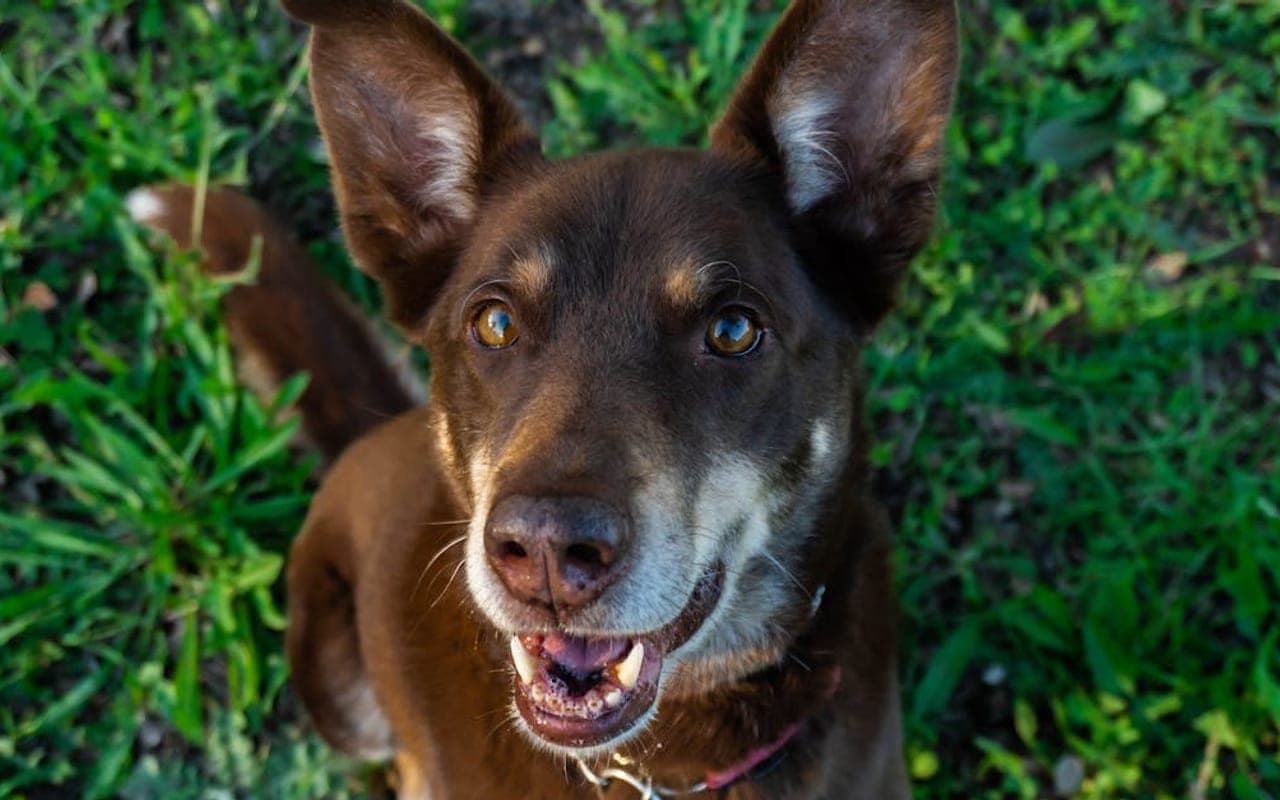
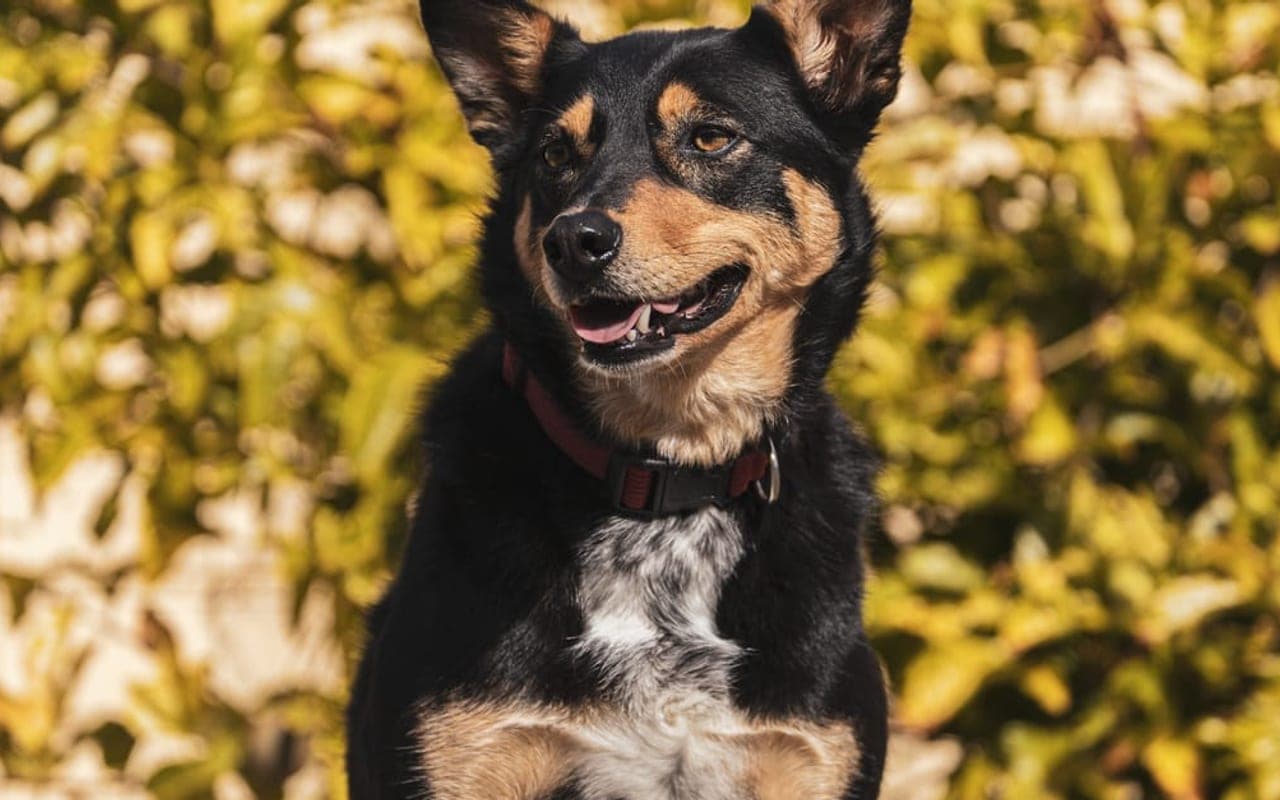
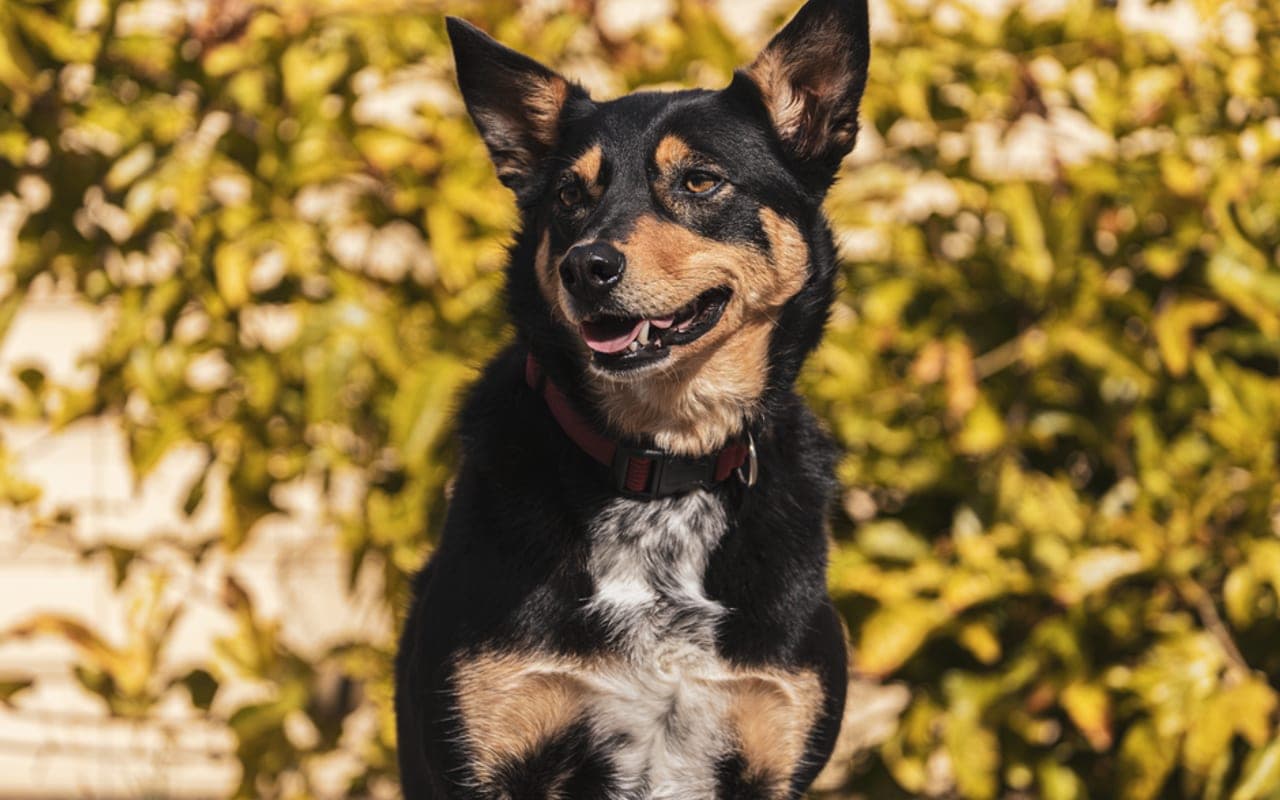
The Australian Kelpie is one of the hardest-working herding dogs on earth, and that single fact should drive every adoption decision. Bred from Scottish Collie-type imports to muster sheep across vast, hot Australian stations, the Kelpie was selected for tireless drive, independent problem-solving, and an obsessive work ethic. It is genuinely intelligent and highly trainable — but it was built to make decisions about livestock all day, not to lie quietly in a flat. A Kelpie without a job does not relax; it finds a job, and the job it finds is usually one you will not like. There are effectively two populations under one name: the working Kelpie (the original, intensely driven station dog) and the show/bench Kelpie (somewhat more standardized in appearance). Both carry the same core temperament. Physically the Kelpie is lithe, athletic, and economical — roughly 16-20 kg of lean muscle, a weather-resistant short double coat in black, red, chocolate, fawn, blue, or black-and-tan, prick ears, and a tireless ground-covering gait. Temperament: extremely high energy, extremely high biddability with the right handler, strong herding instinct (including nipping heels of joggers, children, and other pets if not channeled), devoted to its person, and often aloof with strangers. This is a sensitive, fast-learning dog that thrives on structure and falls apart on boredom. Who the Kelpie is right for: an active owner who will provide a real job — herding, dog sports, scent work, structured running and training — every single day, and who enjoys training. Who it is wrong for: a sedentary household, a first-time owner expecting an easygoing pet, or anyone who thinks an hour's walk is enough. The Kelpie's intelligence and stamina are gifts to a working home and a liability to an idle one.
Loyal | Alert | Intelligent
Loyal
A common Australian Kelpie temperament descriptor that should be interpreted alongside training, exercise, and household fit.
Alert
A common Australian Kelpie temperament descriptor that should be interpreted alongside training, exercise, and household fit.
Intelligent
A common Australian Kelpie temperament descriptor that should be interpreted alongside training, exercise, and household fit.
Owner note
Temperament labels are starting points, not guarantees. Meet the individual dog and ask about behavior history whenever possible.
Care essentials
How to care for a Australian Kelpie
What looking after one actually involves: exercise, grooming, food, training, and routine health.
ExerciseAs needed
- Moderately active breed needing 30-60 minutes of daily exercise through walks, play, and mental stimulation.
GroomingAs needed
- Regular grooming needed — brush 2-3 times per week and bathe monthly.
TrainingAs needed
- Independent-minded breed that may require extra patience in training. Short, engaging sessions recommended.
NutritionAs needed
- Feed a high-quality dog food appropriate for their age, size, and activity level. Monitor portions to prevent obesity.
Veterinary CareAs needed
- Annual wellness exams, core vaccinations, dental care, and parasite prevention. Breed-specific health screenings as recommended by your vet.
Health planning
Australian Kelpie health risks and screening
Every breed has individual health variation. Use this profile for planning and discuss medical decisions with a veterinarian.
Responsible ownership
Finding a Australian Kelpie responsibly
What to ask a breeder or rescue is the same conversation for every breed, so we keep it in one place and keep it current.
Health documentation, meeting the parents or foster, contracts and return support, and the warning signs worth walking away from.
Original purpose
Australian Kelpie history
History is useful when it explains today's behavior, coat, exercise needs, and training style.
Read the breed history
The Australian Kelpie was developed in late-19th-century Australia from Collie-type herding dogs imported from Scotland, selected ruthlessly for the ability to work sheep across enormous, hot, dry stations with minimal handler contact. The breed's name traces to an influential early bitch named 'Kelpie', and the dogs proved so effective at mustering that they became the backbone of Australian sheep farming. Selection pressure was entirely functional: dogs that could cover ground all day, think independently, and control large mobs survived in breeding programs; ornamental traits were irrelevant. That history explains the modern dog completely — the exercise demand, the problem-solving intelligence, the herding compulsion, and the need for a job are not quirks but the literal design specification. It also explains why the working line and the later show line diverged, and why an honest profile treats 'a Kelpie that has nothing to do' as the central welfare risk rather than an afterthought.
Gallery
Australian Kelpie photos
Images are cropped consistently and loaded progressively to keep the page responsive.
Lower-page context
Australian Kelpies in culture
Where the breed shows up in film, sport, work and folklore — the enjoyable part, once the practical questions are answered.
Fun facts
- The Australian Kelpie belongs to the Foundation Stock Service.
- The average lifespan of a Australian Kelpie is 10 to 13 years.
- Australian Kelpie dogs are valued for their loyal, alert, intelligent nature.
Australian Kelpie FAQs
How long do Australian Kelpie dogs live?
A healthy Australian Kelpie typically lives 10 to 13 years. The breed is functionally robust because it was bred for hard work rather than appearance, so the main factors that move that number are keeping the dog lean to protect its joints, screening for inherited eye disease and cerebellar abiotrophy in the breeding stock, and meeting its enormous exercise and mental needs so it does not injure itself or live in chronic stress. A working-fit, well-bred Kelpie commonly reaches the upper end of that range.
What is cerebellar abiotrophy in Kelpies?
Cerebellar abiotrophy is an inherited, autosomal recessive neurodegenerative disease documented in Australian working Kelpies, in which cerebellar nerve cells progressively die off. Affected dogs — usually young — show ataxia, head tremor, a wide-based stance, and a high-stepping, uncoordinated gait that worsens over time. It is not clumsiness or a training problem and does not improve. Research has identified risk loci, so buying from lines screened for the condition is the practical defense, and a young dog with these signs needs a neurological work-up, not patience.
How much exercise does an Australian Kelpie really need?
Far more than most owners expect: plan on a minimum of 1.5 to 2 hours of vigorous physical activity plus genuine mental work every day, and a walk alone does not count. This breed was engineered to muster livestock across stations all day, so it needs a job — herding, agility, obedience, scent work, or structured running and training. An under-exercised Kelpie does not become calm; it becomes destructive, obsessive, and often a heel-nipping problem. Exercise is not optional enrichment for this breed, it is the core requirement.
Are Australian Kelpies good with children and other pets?
They can be devoted and gentle with their family's children, but the hardwired herding instinct means an unmanaged Kelpie will often try to control movement by circling and nipping the heels of running children, joggers, cyclists, and other pets. That is instinct, not aggression, but it is a real management issue. With early socialization, a reliable recall and 'leave it', and a legitimate outlet for the herding drive, they integrate well; without those, the instinct redirects onto the family. Plan to channel it deliberately.
Are Australian Kelpies easy to train?
Yes — exceptionally so for the right handler, and this is one of the most trainable breeds in existence. Kelpies are highly intelligent, fast learners, and intensely biddable when they respect their handler and have a clear job. The catch is that the same intelligence means they learn unwanted behaviors just as fast and become frustrated and self-directed without structure. They suit owners who enjoy training and provide it daily; they are a poor match for someone wanting a low-engagement pet, since the brain still demands work even if the obedience is excellent.
Are Australian Kelpies good for apartment or first-time owners?
Generally no on both counts, and it is fairer to say so plainly. The breed's 1.5-2 hour daily exercise-plus-work requirement and its tendency to develop destructive, obsessive behavior when under-occupied make it a difficult fit for apartment life unless the owner is exceptionally committed and active. For first-time owners it is usually too much dog — the intelligence, drive, and herding instinct reward an experienced, active handler and overwhelm an unprepared one. The Kelpie is a superb dog in the right home and a chronic problem in the wrong one.
Sources
These are the published sources this page draws on. Each opens in a new tab so you can check it yourself.
American Kennel Club
Australian Kelpie — breed standard and profile(opens in a new tab)Supports: Breed standard and recognition details.
Similar breeds to consider
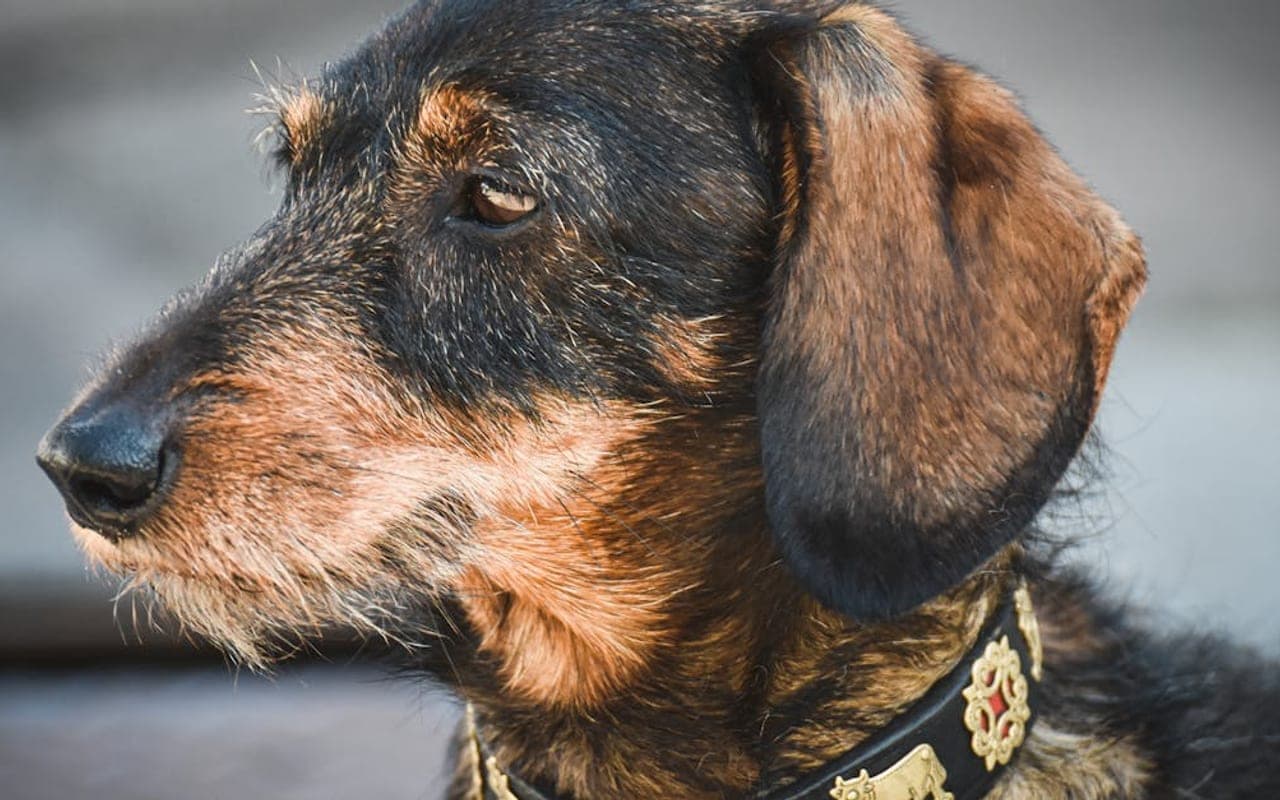
Jagdterrier
Also in the Foundation Stock Service group, with different care and temperament tradeoffs.
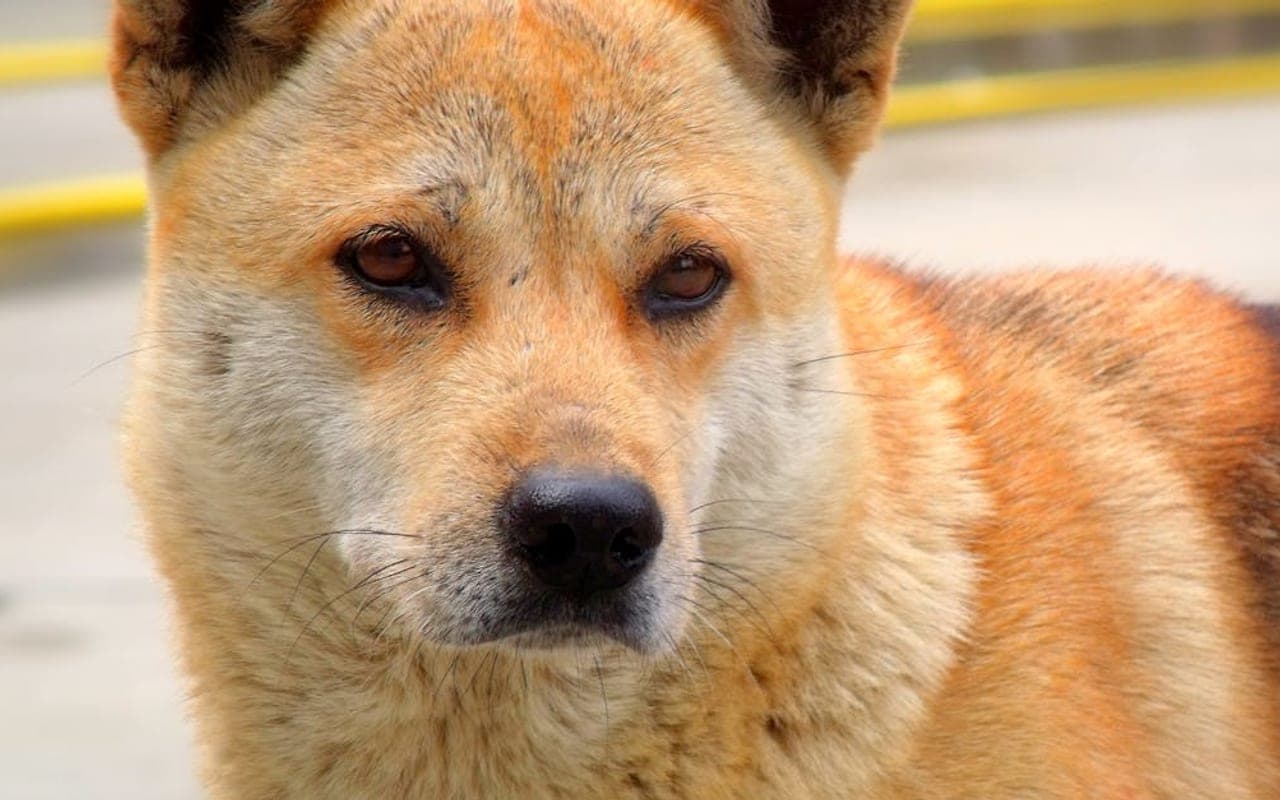
Jindo
Also in the Foundation Stock Service group, with different care and temperament tradeoffs.
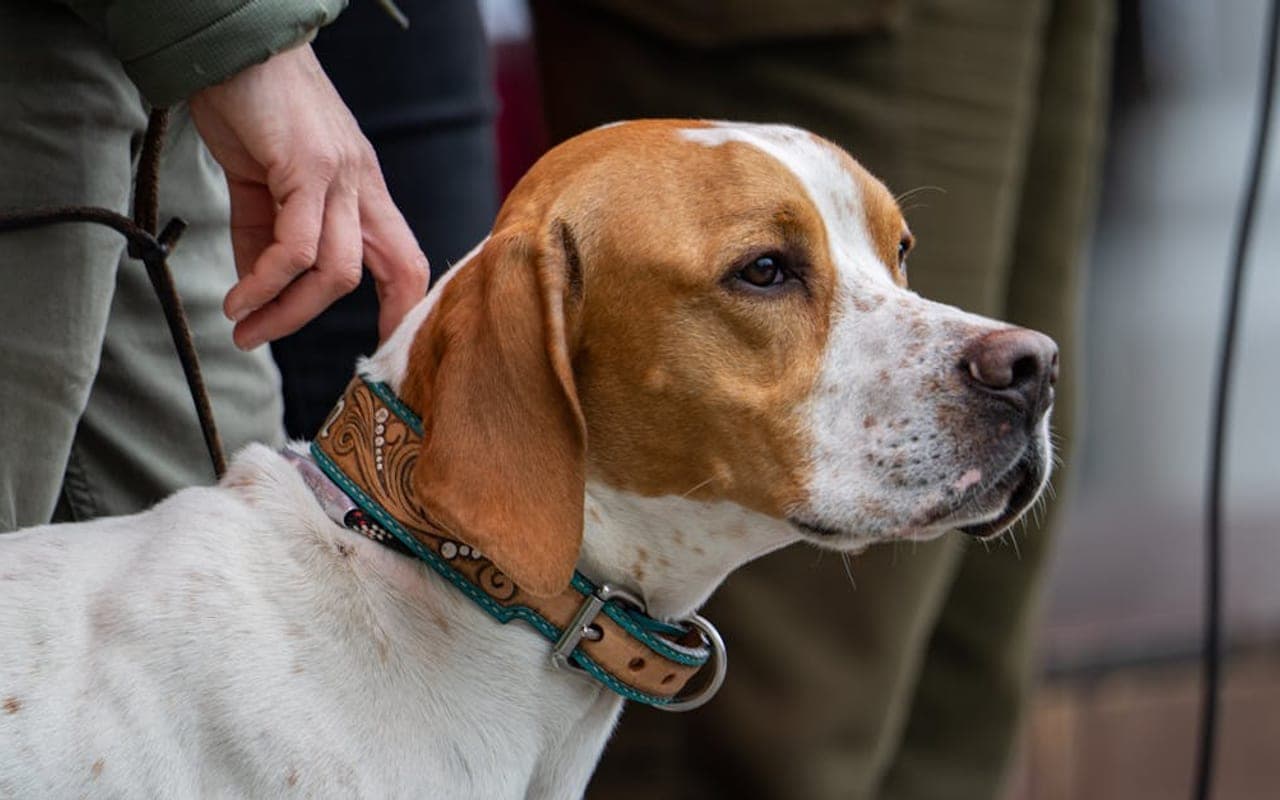
Portuguese Pointer
Also in the Foundation Stock Service group, with different care and temperament tradeoffs.
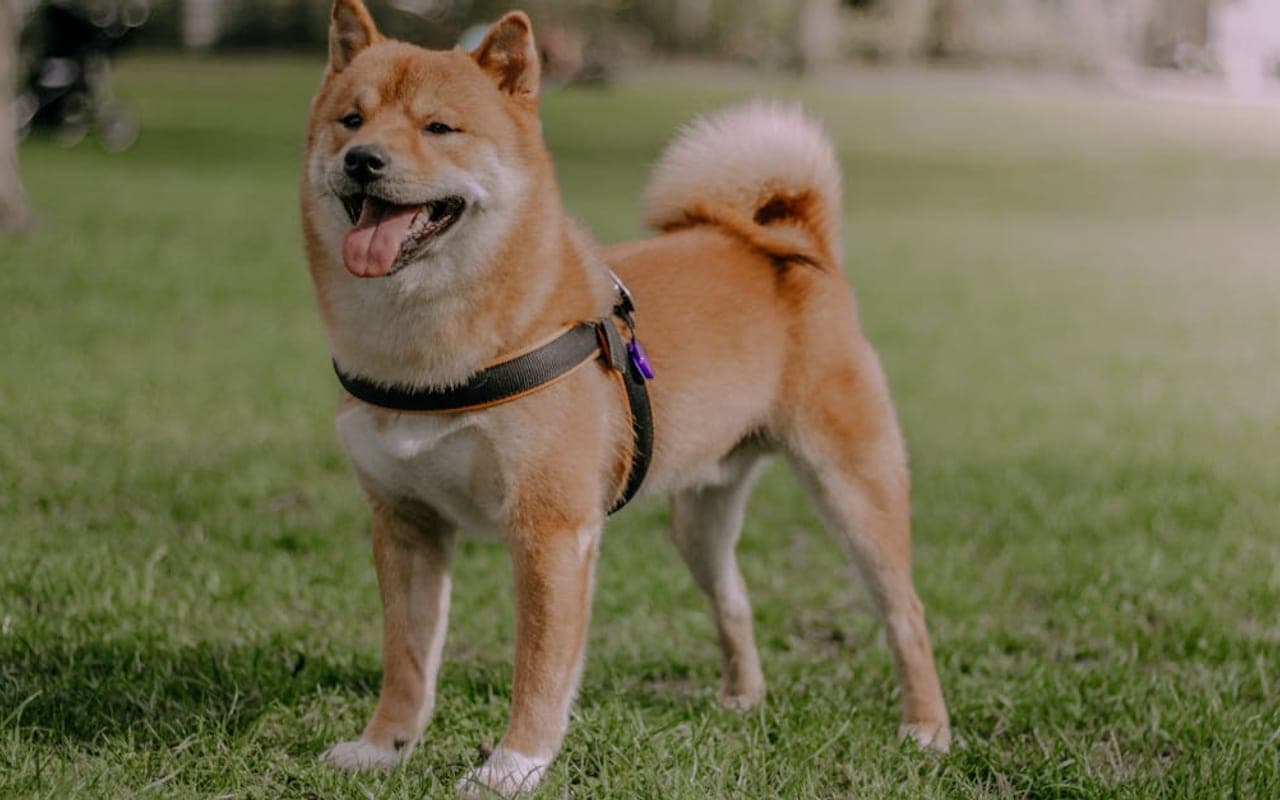
Kishu Ken
Also in the Foundation Stock Service group, with different care and temperament tradeoffs.
Explore More About Australian Kelpie
Dive deeper into everything Australian Kelpie — costs, care, and expert insights.
Considering a cat instead?
Browse Cats