
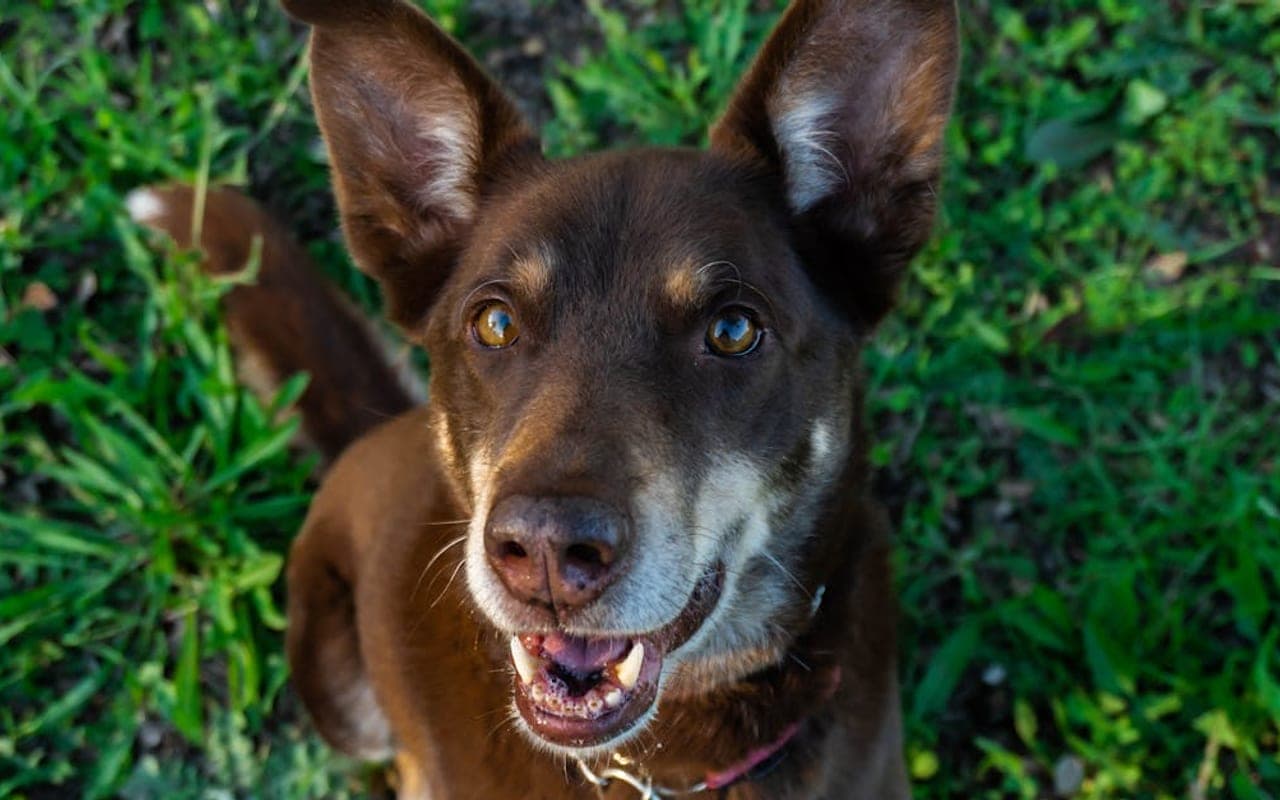
Australian Kelpie Care Guide
The Australian Kelpie is a working herding dog that will out-think and out-last most of the households that acquire one. This is a medium dog — usually 30 to 50 lb — with the drive of a full-time empl
In This Guide
Overview
The Australian Kelpie is a working herding dog that will out-think and out-last most of the households that acquire one. This is a medium dog — usually 30 to 50 lb — with the drive of a full-time employee, and the care that keeps it well has little to do with grooming or feeding. It has to do with giving the dog something real to do, every day, for its whole life. A Kelpie that gets a leisurely walk and a soft bed is not low-maintenance; it is a bored dog, and bored is where the trouble starts.
Be honest with yourself before you commit. A Kelpie suits an active owner with time, ideally outdoor space, and some appetite for training — not a schedule that expects the dog to switch off between 9 and 5. What catches new owners off guard is not the exercise mileage; it is the mental load. This breed was built to move livestock without a human standing over it, and that problem-solving brain does not politely idle. Give it work or it will invent its own. For the breed's background, temperament, and origin, see the Australian Kelpie breed page; this guide sticks to day-to-day care. For other breeds, browse the care guide library.
Daily Care
The rhythm that keeps a Kelpie steady is structure plus a job, held to consistently. Predictable meal and exercise times, clear house rules, and short bouts of training woven through the day give this decision-making brain a framework to work inside — exactly what a dog bred to work semi-independently needs. Idle, unstructured hours are when a Kelpie makes its own entertainment.
Training shows the temperament's double edge. That quick, independent mind learns fast, but it bores of repetition fast and will out-negotiate an inconsistent handler. Keep sessions brief, varied, and rewarding rather than drilling the same three commands. Containment matters too: a fit, motivated Kelpie is a determined athlete and a capable escape artist, so fencing and latches have to hold up to a dog that will test them when under-stimulated. Most Kelpie behavior problems trace back to an unmet need for work — solve that, and the day-to-day gets far easier.
Nutrition
Feed a Kelpie as the working athlete it is, and match the ration to what the dog is actually doing that week — one competing or working stock burns far more than one waiting out a rainy stretch, so a fixed year-round scoop will over- or under-feed it by turns.
Body condition is the number that matters, and it ties straight back to the joints. Because hip dysplasia here is shaped by weight and growth, keeping an adult trim is preventive medicine: VCA's feeding evidence showed measured meals roughly halving the rate of hip dysplasia versus free-feeding, and overweight puppies nearly doubling their risk. Portion by eye and by touch, not by the bag's chart — you want a dog whose ribs are easy to find under a light covering and whose outline narrows behind the last rib. When that outline starts to blur, scale the food back down, and count treats as part of the day's ration rather than a bonus on top of it. And let a growing puppy fill out steadily rather than fast — a slower, leaner growth curve is easier on developing hips than a fast one.
Exercise
This is the section that decides whether Kelpie ownership works. Everything else is maintenance; this is the whole job. PetMD is direct that the breed needs a great deal of exercise and mental stimulation, and that Kelpies, bred for centuries to work, thrive when given tasks to complete. A tired body alone is not enough — the mind is what runs hot.
Start with real physical exercise: not one gentle stroll, but genuine daily aerobic work — a long run or hike, off-leash galloping in a safe space, structured fetch, or a canine sport. Then layer on the part most owners underrate. The American Kennel Club's guidance on herding breeds describes them as intelligent, extremely active dogs that require daily exercise and mental stimulation, and warns that without it they channel their sharp minds and strong bodies into troublesome habits. The AKC's answer is to give the instinct a legitimate outlet through dog sports — it lists agility, obedience, herding trials, flyball, treibball, and scent work, all rewarding the speed and teamwork the breed was bred for.
Know the failure mode, because it is predictable. PetMD notes that excess energy in dogs often shows up as anxiety and drives destructive behavior such as chewing and digging. In a Kelpie that means a torn-up yard, an escaped dog, or a household appliance's worth of damage — not because the dog is badly behaved, but because a herding athlete with nothing to herd assigns itself a job you did not choose. The fix is not more raw mileage; it is more thinking. A twenty-minute training session, a puzzle feeder, or a scent-work game settles this breed more effectively than an extra hour of running. If you cannot commit to daily physical and mental work, this is not the breed to choose.
Grooming
Grooming is the easiest part of owning a Kelpie — a fair trade for how demanding the rest is. The breed carries a smooth double coat, and per PetMD its grooming needs are minimal: a weekly brush lifts out dead hair and keeps shedding under control. No clipping, no de-matting — a rubber curry or slicker once a week, stepped up during heavier seasonal sheds, covers it.
Anchor the rest of the maintenance to that same weekly brush so it actually happens: trim the nails, look inside the ears after muddy outings, and brush the teeth. On a dog that spends real time outdoors, that once-over doubles as a body check — often enough to catch a grass seed between the toes or a lump before it becomes a vet visit.
Health
The Kelpie is a working landrace rather than a heavily line-bred show dog, and that shapes how you read its health profile: no large population study puts a percentage on how often each condition occurs. Where a figure exists it comes from a research cohort, not a nationwide survey. The list below runs from the conditions a buyer heads off before purchase to the ones an owner manages day to day.
- Cerebellar abiotrophy (CA). This is the condition most specific to the breed, and the one to understand before you buy a puppy. In CA, the Purkinje and granule cells of the cerebellum degenerate; per PetMD's veterinary breed profile it is an inherited, degenerative disease in which the body destroys cells in this part of the brain. A 2022 study in the journal Genes, working from a cohort of 45 affected and 290 healthy Australian Kelpies, described the signs as ataxia, head tremor, motor in-coordination, a wide-based stance, and a high-stepping gait, appearing as early as five to seven weeks in some pups and not until around twelve weeks in others. It mapped two genetic risk regions — a chromosome-9 variant behaving as a fully penetrant recessive, and a chromosome-20 one with incomplete penetrance of about 42%. Buy from breeders who test breeding stock and can show you the results.
- Progressive retinal atrophy (PRA). PetMD lists PRA among the breed's known concerns. Per VCA Animal Hospitals, PRA is a group of degenerative diseases that destroy the retina's photoreceptor cells; the first sign owners notice is night blindness — a dog that hesitates at dark doorways or bumps into things in dim light — before vision gradually fails over roughly one to two years. It is inherited, most often as an autosomal recessive trait, and VCA is blunt that there is no effective treatment. That puts the weight on prevention through breeding: dogs should be eye-tested and DNA-screened before they are bred, not after a litter is on the ground.
- Hip dysplasia. PetMD names hip dysplasia as a breed concern, describing a joint that fits too loosely so cartilage and bone wear down, producing pain, limping, and difficulty rising. VCA's guidance shows how much is in your hands: hip dysplasia is genetic but shaped by growth rate, weight, and nutrition. In one feeding study VCA cites, two-thirds of puppies allowed to eat freely developed hip dysplasia versus one-third fed measured meals, and overweight puppies were nearly twice as likely to develop it. For a Kelpie that is not abstract — an athletic dog carrying extra weight through years of hard turns is loading a joint that may already be predisposed.
- Luxating patella. PetMD also lists a slipping kneecap among the breed's concerns. It ranges from a minor, occasional skip in the gait to a knee that dislocates enough to need surgery, so a hind-leg hitch that comes and goes is worth raising with your vet rather than shrugging off in a young, bouncy dog.
- Cryptorchidism (retained testicle). Not breed-specific, but worth knowing for any intact male. Per VCA, the testicles normally descend by about two months of age; when one or both do not, the condition tends to run in families, and a retained testicle carries a testicular-cancer risk VCA estimates at least ten times that of a normal dog, plus a risk of painful spermatic-cord torsion. VCA's recommended fix is to remove both testicles.
This is general information, not a diagnosis. Always consult your veterinarian for medical decisions about your dog.
Costs
Think about the cost of a Kelpie less as a fixed monthly figure and more as where the money reliably goes. Up front, the spending that pays for itself is health screening: buying from a breeder who has DNA-tested and eye-tested breeding stock for cerebellar abiotrophy and PRA is far cheaper than managing an affected dog for years, since neither condition has a cure once it appears.
Routine costs run about what any active medium dog costs — quality food, preventives, and annual veterinary care — with grooming close to nothing given the wash-and-wear coat. The variable line is orthopedic: if hip dysplasia or a luxating patella develops, you may be budgeting for imaging, joint support, medication, or surgery, which is why the weight control and moderated growth above are worth the discipline. The cost most owners overlook is not medical at all. It is the ongoing investment in the dog's mind — training classes, a dog sport, enrichment gear, and above all your time. For this breed that spending is not optional; it is the core of keeping the dog well, and skipping it converts into behavior and repair costs instead.
Frequently Asked Questions
How much exercise does an Australian Kelpie need?
A great deal, and mental work matters as much as physical work. Start with genuine daily aerobic exercise such as a long run or hike, off-leash galloping in a safe space, or a canine sport, then layer on mental stimulation, because a herding athlete with nothing to herd assigns itself a job you did not choose. A twenty-minute training session, a puzzle feeder, or a scent-work game settles this breed more effectively than an extra hour of running.
Is the Australian Kelpie a good first dog or a low-maintenance pet?
No, a Kelpie is not low-maintenance; it is a working herding dog with the drive of a full-time employee. It suits an active owner with time, ideally outdoor space, and some appetite for training, not a schedule that expects the dog to switch off between 9 and 5. What catches new owners off guard is the mental load, since this problem-solving brain does not politely idle and will invent its own work if you don't provide it.
Do Australian Kelpies need much grooming?
Grooming is the easiest part of owning a Kelpie. The breed carries a smooth double coat with minimal grooming needs, so a weekly brush with a rubber curry or slicker lifts out dead hair and keeps shedding under control, stepped up during heavier seasonal sheds. There is no clipping or de-matting; just anchor nail trims, ear checks after muddy outings, and tooth brushing to that same weekly once-over, which doubles as a body check.
What health problems are Australian Kelpies prone to?
The condition most specific to the breed is cerebellar abiotrophy, an inherited, degenerative disease in which cells in the cerebellum are destroyed, so buy from breeders who test breeding stock and can show results. PetMD also lists progressive retinal atrophy, hip dysplasia, and luxating patella among the breed's concerns. For an intact male, cryptorchidism is worth knowing, since a retained testicle tends to run in families and carries a raised testicular-cancer risk.
How should I feed an Australian Kelpie?
Feed a Kelpie as the working athlete it is, and match the ration to what the dog is actually doing that week, because one competing or working stock burns far more than one waiting out a rainy stretch. Portion by eye and by touch rather than the bag's chart: you want ribs that are easy to find under a light covering and an outline that narrows behind the last rib. Keeping an adult trim is preventive medicine, since measured meals roughly halve the rate of hip dysplasia versus free-feeding.
Sources
This guide draws on the following published references. Each opens in a new tab so you can check it against what you have read here.
American Kennel Club
American Kennel Club — *The Best Training and Dog Sports for Herding Breeds* (herding breeds require daily exercise and mental stimulation; troublesome habits without it; dog sports as an outlet — agility, obedience, herding, flyball, treibball, scent work)(opens in a new tab)VCA Animal Hospitals
VCA Animal Hospitals — *Hip Dysplasia in Dogs* (genetic condition shaped by growth rate, weight, and nutrition; measured-meal vs free-feeding study; overweight puppies at nearly double risk; signs and management)(opens in a new tab)Wade, C.M., et al.
Wade, C.M., et al. — *Cerebellar Abiotrophy in Australian Working Kelpies Is Associated with Two Major Risk Loci* (2022, *Genes*; cohort of 45 affected and 290 healthy Kelpies; clinical signs, age of onset, chromosome 9 fully penetrant recessive and chromosome 20 ~42% penetrance)(opens in a new tab)PetMD (veterinary
PetMD (veterinary-reviewed) — *Australian Kelpie Dog Breed Health and Care* (exercise and mental-stimulation needs, destructive behavior from excess energy, cerebellar abiotrophy, progressive retinal atrophy, hip dysplasia, luxating patella, smooth double coat and minimal grooming)(opens in a new tab)VCA Animal Hospitals
VCA Animal Hospitals — *Progressive Retinal Atrophy in Dogs* (degeneration of photoreceptor cells, night blindness as first sign, progression over one to two years, autosomal recessive inheritance, no effective treatment)(opens in a new tab)VCA Animal Hospitals
VCA Animal Hospitals — *Retained Testicle (Cryptorchidism) in Dogs* (normal descent by two months, hereditary tendency, testicular cancer risk at least ten times higher, torsion risk, neutering as treatment)(opens in a new tab)
Affiliate disclosure: We may earn a commission from qualifying purchases. This doesn't affect our recommendations.
Recommended Products
Australian Kelpie Care Guide Book
Breed-focused reading and owner references for Australian Kelpie care, training, grooming, and health planning.
Australian Kelpie Food and Supplies
Helpful supplies for australian kelpie dog supplies routines at home.
Australian Kelpie Grooming Tools
Helpful supplies for australian kelpie grooming tools routines at home.
Get personalized pet care tips
Join our newsletter for breed-specific advice, care guides, and expert tips delivered weekly.
No spam, ever. Unsubscribe anytime.