
Hound group
American Foxhound
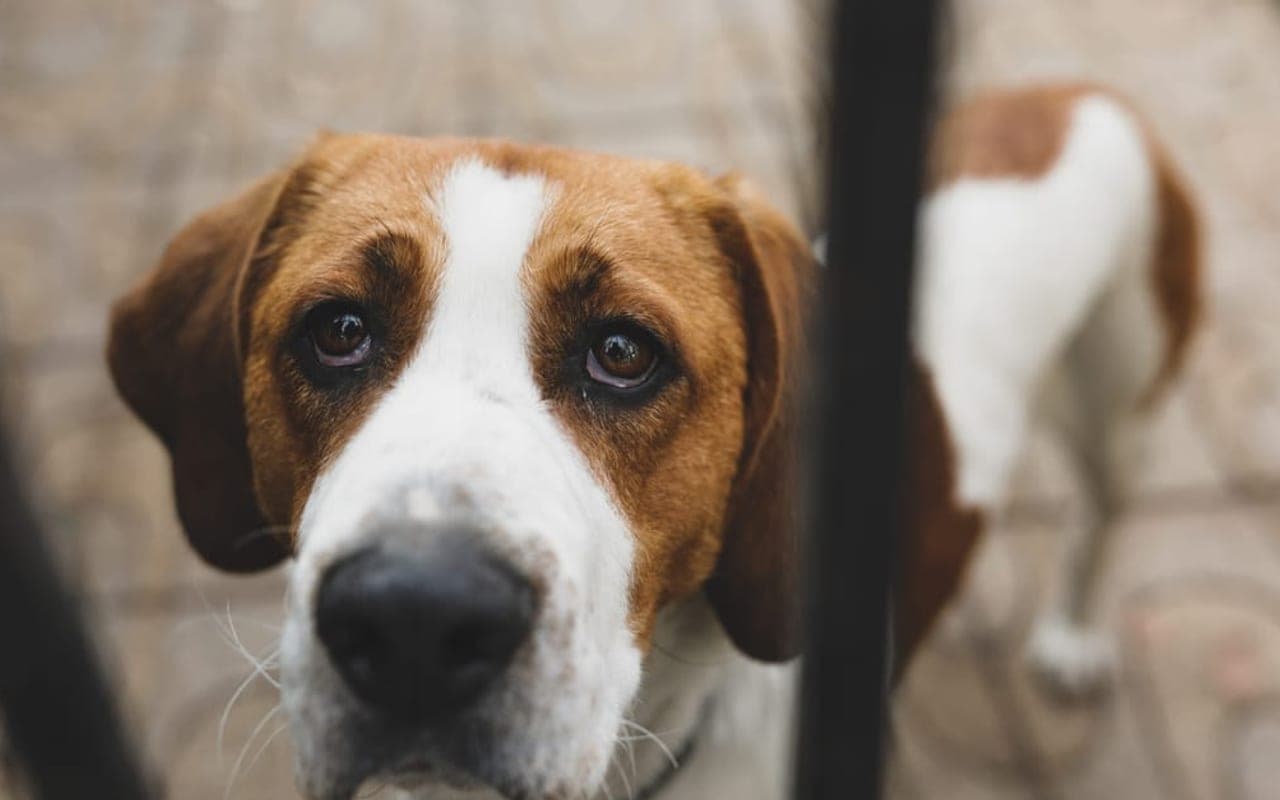
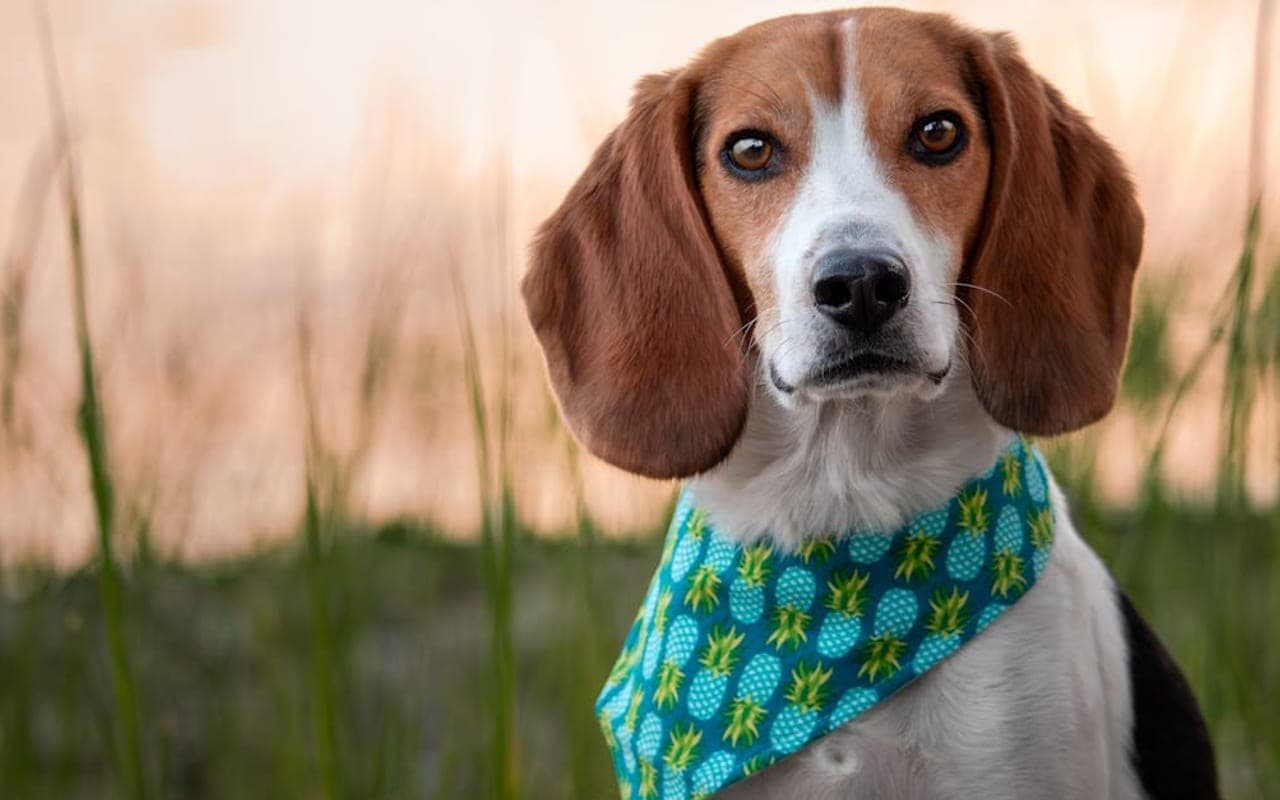
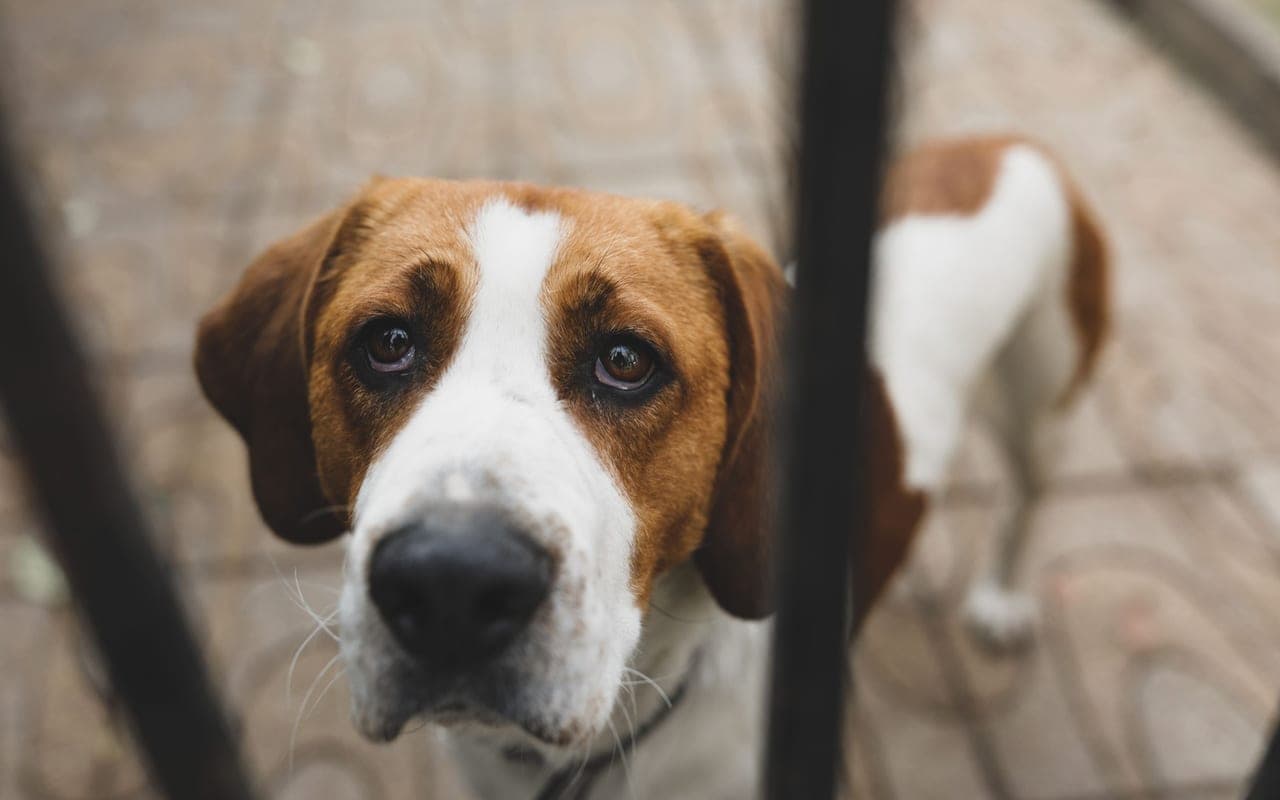
The American Foxhound is a sleek, rangy pack scenthound bred to hunt fox over the open country of colonial Virginia — closely tied to George Washington, who kept and bred them.

Size
60-75 lb
Lifespan
11-13 years
Exercise
30-60 minutes
Shedding
Moderate
Experience
Match to owner routine
Decision first
Is a American Foxhound right for you?
Start with fit before history or trivia. These are ownership signals, not guarantees about any individual dog.
Best suited for
- Households with children.
- Homes with other compatible pets.
- Apartment homes with a consistent routine.
- Owners seeking a manageable daily exercise routine.
Think carefully if
- You need a dog with almost no daily routine.
- You cannot keep up with grooming and preventive care.
- The dog will spend most days alone without support.
Conditional fit
Apartment fit depends on exercise, enrichment, noise management, and outdoor access.
Daily reality
American Foxhound commitment snapshot
Daily exercise
30-60 minutes
Match activity to age, health, weather, and training goals.
Coat care
Moderate
Grooming needs vary by coat, shedding, and lifestyle.
Time alone
Needs planning
Most dogs need gradual alone-time conditioning and support.
Structured facts
American Foxhound at a glance
The measurements and traits that most affect day-to-day life with this breed.
Group
Hound
Weight
60-75 lb
Height
21-28 in
Lifespan
11-13 years
Temperament
Independent | Easy-Going | Sweet-Tempered
View all characteristics and methodology
Lifestyle fit
- Apartment suitability
- Likely fit
- Child friendliness
- Often good, with socialisation and supervision
- Other-pet fit
- Often compatible with careful introductions
Owner commitment
- Exercise
- 30-60 minutes
- Grooming
- Moderate
- Shedding
- Moderate
- Training
- Moderate
Environment and health
- Health risk
- Needs planning
Ratings combine structured breed data, visible breed fields, and editorial context. They are planning aids, not predictions for an individual dog.
Daily life
American Foxhound temperament and behavior
The American Foxhound is a sleek, rangy pack scenthound bred to hunt fox over the open country of colonial Virginia — closely tied to George Washington, who kept and bred them. It stands 21-25 inches and weighs roughly 60-70 lbs, lighter and longer-legged than its English cousin, built for speed and all-day endurance on a scent line. It is one of the least common AKC breeds kept as a pet, and that is largely because it is a working pack hound first and a housedog a distant second. Temperament is genuinely easy: independent, easy-going, sweet-tempered, gentle with children, and notably good with other dogs and even cats it is raised with — a pack animal that does not want to live alone. The honest part of the profile is everything that follows from the job it was bred for. The American Foxhound has a single-minded prey drive and a nose that overrides training; off-lead recall in open areas is unreliable for life. It bays — a loud, melodious, carrying sound that delights hound people and infuriates close neighbors. It is independent and slow to housetrain, a poor match for novice owners wanting quick obedience. And it needs a lot of exercise: an under-exercised Foxhound becomes depressed, destructive, and even more vocal. Who the American Foxhound is right for: an active owner with a securely fenced yard, rural or tolerant-neighbor setting, ideally a second dog for company, and the patience for an independent hound that will never be an off-lead obedience dog. Who it is wrong for: apartment dwellers, noise-restricted neighborhoods, first-time owners, anyone gone all day with no canine company, or anyone expecting biddability. This is a low-maintenance dog on grooming and a high-management dog on exercise, noise, and containment — be honest about which you can provide.
Independent | Easy-Going | Sweet-Tempered
Independent
A common American Foxhound temperament descriptor that should be interpreted alongside training, exercise, and household fit.
Easy-Going
A common American Foxhound temperament descriptor that should be interpreted alongside training, exercise, and household fit.
Sweet-Tempered
A common American Foxhound temperament descriptor that should be interpreted alongside training, exercise, and household fit.
Owner note
Temperament labels are starting points, not guarantees. Meet the individual dog and ask about behavior history whenever possible.
Care essentials
How to care for a American Foxhound
What looking after one actually involves: exercise, grooming, food, training, and routine health.
ExerciseAs needed
- Moderately active breed needing 30-60 minutes of daily exercise through walks, play, and mental stimulation.
GroomingAs needed
- Regular grooming needed — brush 2-3 times per week and bathe monthly.
TrainingAs needed
- Moderately trainable — consistent, patient training with positive methods works best.
NutritionAs needed
- Feed a high-quality dog food appropriate for their age, size, and activity level. Monitor portions to prevent obesity.
Veterinary CareAs needed
- Annual wellness exams, core vaccinations, dental care, and parasite prevention. Breed-specific health screenings as recommended by your vet.
Health planning
American Foxhound health risks and screening
Every breed has individual health variation. Use this profile for planning and discuss medical decisions with a veterinarian.
Responsible ownership
Finding a American Foxhound responsibly
What to ask a breeder or rescue is the same conversation for every breed, so we keep it in one place and keep it current.
Health documentation, meeting the parents or foster, contracts and return support, and the warning signs worth walking away from.
Original purpose
American Foxhound history
History is useful when it explains today's behavior, coat, exercise needs, and training style.
Read the breed history
The American Foxhound descends from English foxhounds brought to the American colonies in the 17th and 18th centuries, later crossed with French and Irish hounds to develop a lighter, faster, longer-legged dog suited to hunting fox over the open, rolling country of Virginia and the Southern states rather than the closer terrain of England. George Washington is the breed's most famous early breeder: he kept extensive kennels at Mount Vernon, meticulously recorded his breeding, and received French hounds as a gift from Lafayette that contributed to the American type. The breed was developed primarily for organized mounted fox hunting and for field-trial pack hunting, work that shaped its independence, stamina, voice, and overriding nose-and-prey drive. To this day the American Foxhound remains predominantly a working and pack hound — bred and kept by hunts and field-trial enthusiasts far more than as a household pet — which is the central reason it is so rarely seen in pet homes and why its instincts are so undiluted.
Gallery
American Foxhound photos
Images are cropped consistently and loaded progressively to keep the page responsive.
Lower-page context
American Foxhounds in culture
Where the breed shows up in film, sport, work and folklore — the enjoyable part, once the practical questions are answered.
Fun facts
- The American Foxhound belongs to the Hound Group.
- The average lifespan of a American Foxhound is 11 to 13 years.
- American Foxhound dogs are valued for their independent, easy-going, sweet-tempered nature.
American Foxhound FAQs
Is the American Foxhound a good pet for a typical home?
Temperamentally yes — they are sweet, easy-going, gentle with kids, and excellent with other dogs. Practically, often no. They were bred as working pack hounds, so they need 60-90 minutes of daily exercise, a tall secure fence, company (ideally another dog), and tolerance for loud baying. They are a poor fit for apartments, close neighbors, all-day-empty homes, and first-time owners wanting obedience. Match the management requirements honestly before falling for the temperament.
Can an American Foxhound be let off-leash?
Not safely in unsecured areas. This breed was bred to lock onto a scent and pursue it for miles, and that drive overrides recall training for life — even a well-trained adult will ignore you when it hits a line. Plan for on-lead walks everywhere except fully fenced spaces, and make the fence tall and dig-proof because Foxhounds climb and dig to follow a scent. Treat this as a permanent management fact, not a training failure to fix.
How loud is an American Foxhound, really?
Loud, and far-carrying. The breed's 'bay' is a deep, melodious hound voice bred to be heard across open country by hunters on horseback, and a Foxhound will use it when excited, bored, scenting, or left alone. Hound people love the sound; close neighbors generally do not. If you share walls, live under noise restrictions, or have nearby neighbors, this single trait can make the breed unworkable regardless of how easy its temperament is.
How long do American Foxhounds live and what should I screen for?
They typically live 11-13 years and are relatively hardy for their size. The conditions worth checking are hip dysplasia (ask for the parents' OFA hip results), an inherited platelet bleeding disorder, hereditary deafness in some lines, and hypothyroidism. Disclose any easy bruising or prolonged bleeding to a vet before surgery. A lean dog from hip-screened parents with managed ear care is generally a low-cost dog to own across its life.
Are American Foxhounds easy to train and housetrain?
They are intelligent but independent and scent-driven, bred to work away from people and make their own decisions, so they are slower to housetrain and far less biddable than a retriever. Training works with patience, short reward-based sessions, and realistic goals — but accept that reliable off-lead obedience around scent is not achievable. This independence is why the breed suits experienced owners and frustrates novices expecting quick, reliable obedience.
Does an American Foxhound need another dog?
It strongly benefits from one. This is a pack breed selected over centuries to live and work in groups, so it generally does poorly with long daily isolation and is prone to separation-related baying, digging, and destructiveness when alone. A second compatible dog, or a household that is home for much of the day, prevents most of these problems. Plan canine company in from the start rather than trying to retrofit it after problem behaviors appear.
Sources
These are the published sources this page draws on. Each opens in a new tab so you can check it yourself.
American Kennel Club
American Foxhound — breed standard and profile(opens in a new tab)Supports: Breed standard and recognition details.
Similar breeds to consider
Beagle
Also in the Hound group, with different care and temperament tradeoffs.

Dachshund
Also in the Hound group, with different care and temperament tradeoffs.
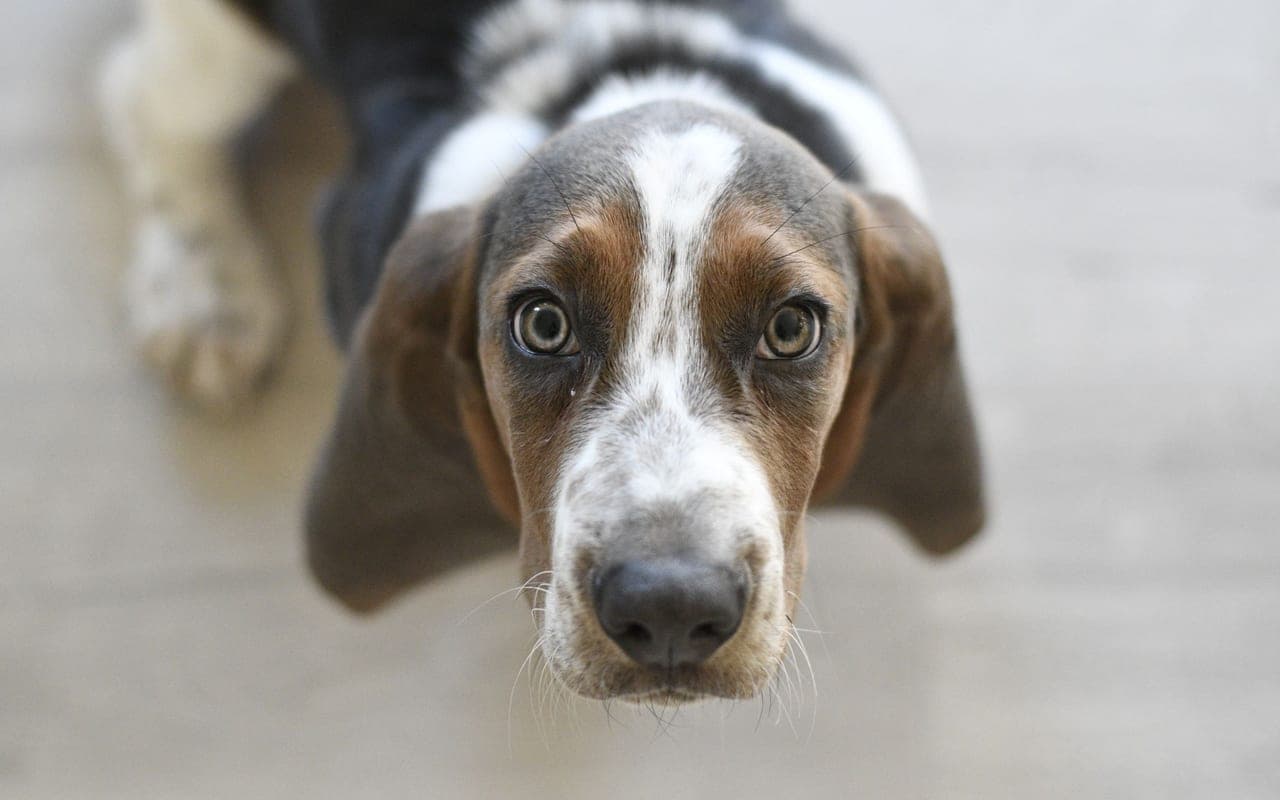
Basset Hound
Also in the Hound group, with different care and temperament tradeoffs.
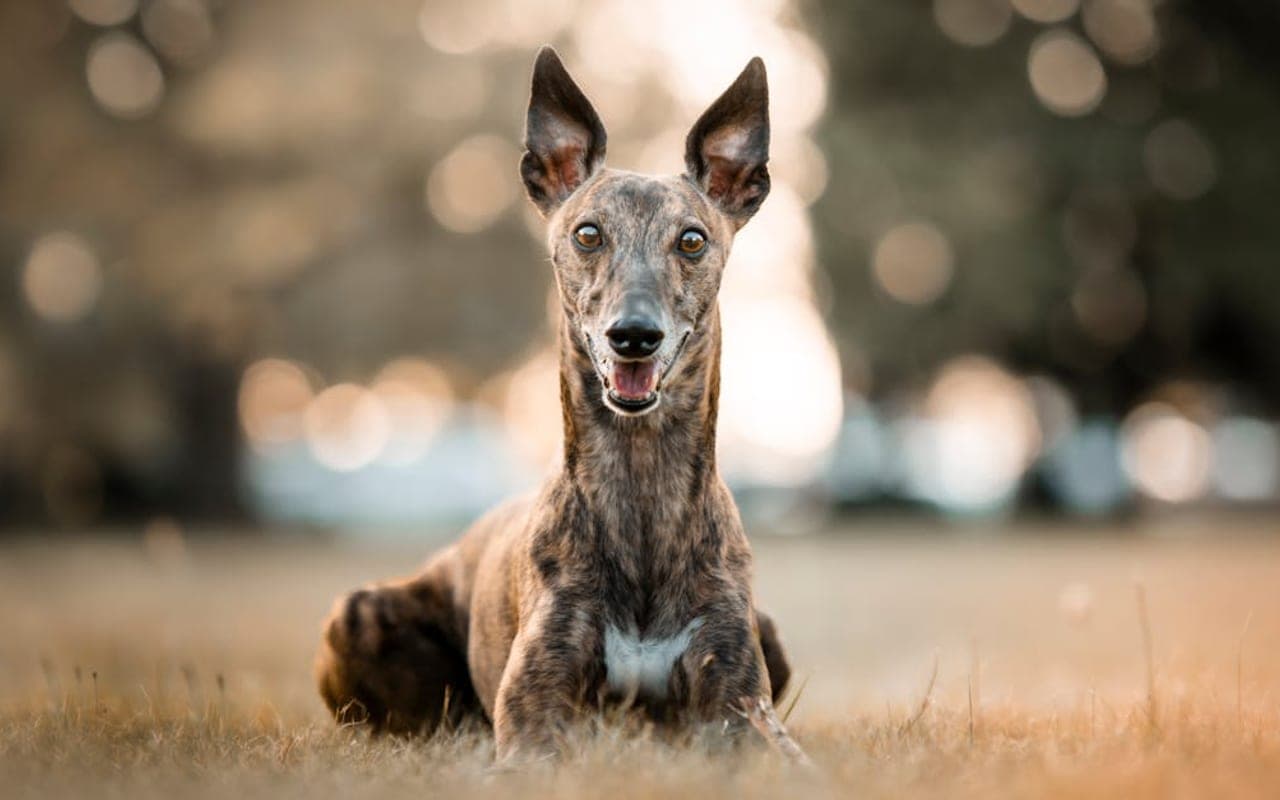
Greyhound
Also in the Hound group, with different care and temperament tradeoffs.
Explore More About American Foxhound
Dive deeper into everything American Foxhound — costs, care, and expert insights.
Considering a cat instead?
Browse Cats