
Toy group
Shih Tzu
The Shih Tzu is a Tibetan-origin Chinese palace companion bred for one job — sitting on people and being adored — and it does that job better than almost any breed.
Size
9-16 lb
Lifespan
10-16 years
Exercise
20-40 minutes
Shedding
Moderate
Experience
Match to owner routine
Decision first
Is a Shih Tzu right for you?
Start with fit before history or trivia. These are ownership signals, not guarantees about any individual dog.
Best suited for
- Households with children.
- Homes with other compatible pets.
- Apartment homes with a consistent routine.
- Owners seeking a manageable daily exercise routine.
Think carefully if
- You need a dog with almost no daily routine.
- You cannot keep up with grooming and preventive care.
- The dog will spend most days alone without support.
Conditional fit
Apartment fit depends on exercise, enrichment, noise management, and outdoor access.
Daily reality
Shih Tzu commitment snapshot
Daily exercise
20-40 minutes
Match activity to age, health, weather, and training goals.
Time alone
Needs planning
Most dogs need gradual alone-time conditioning and support.
Structured facts
Shih Tzu at a glance
The measurements and traits that most affect day-to-day life with this breed.
Origin
Tibet/China
Group
Toy
Weight
9-16 lb
Height
8-11 in
Lifespan
10-16 years
Temperament
Affectionate | Playful | Outgoing | Friendly | Alert | Intelligent
View all characteristics and methodology
Lifestyle fit
- Apartment suitability
- Likely fit
- Child friendliness
- Often good, with socialisation and supervision
- Other-pet fit
- Often compatible with careful introductions
Owner commitment
- Exercise
- 20-40 minutes
- Shedding
- Moderate
- Training
- Moderate
Environment and health
- Health risk
- Needs planning
Ratings combine structured breed data, visible breed fields, and editorial context. They are planning aids, not predictions for an individual dog.
Daily life
Shih Tzu temperament and behavior
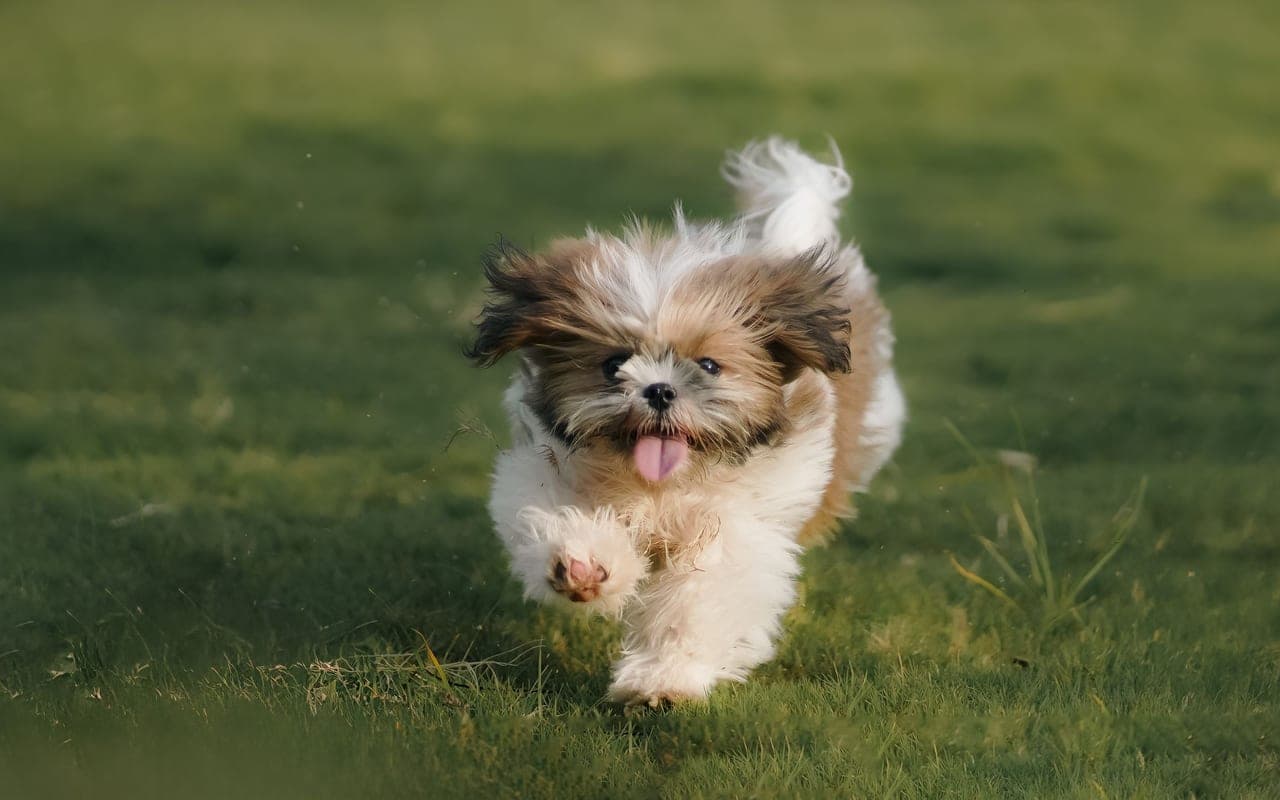
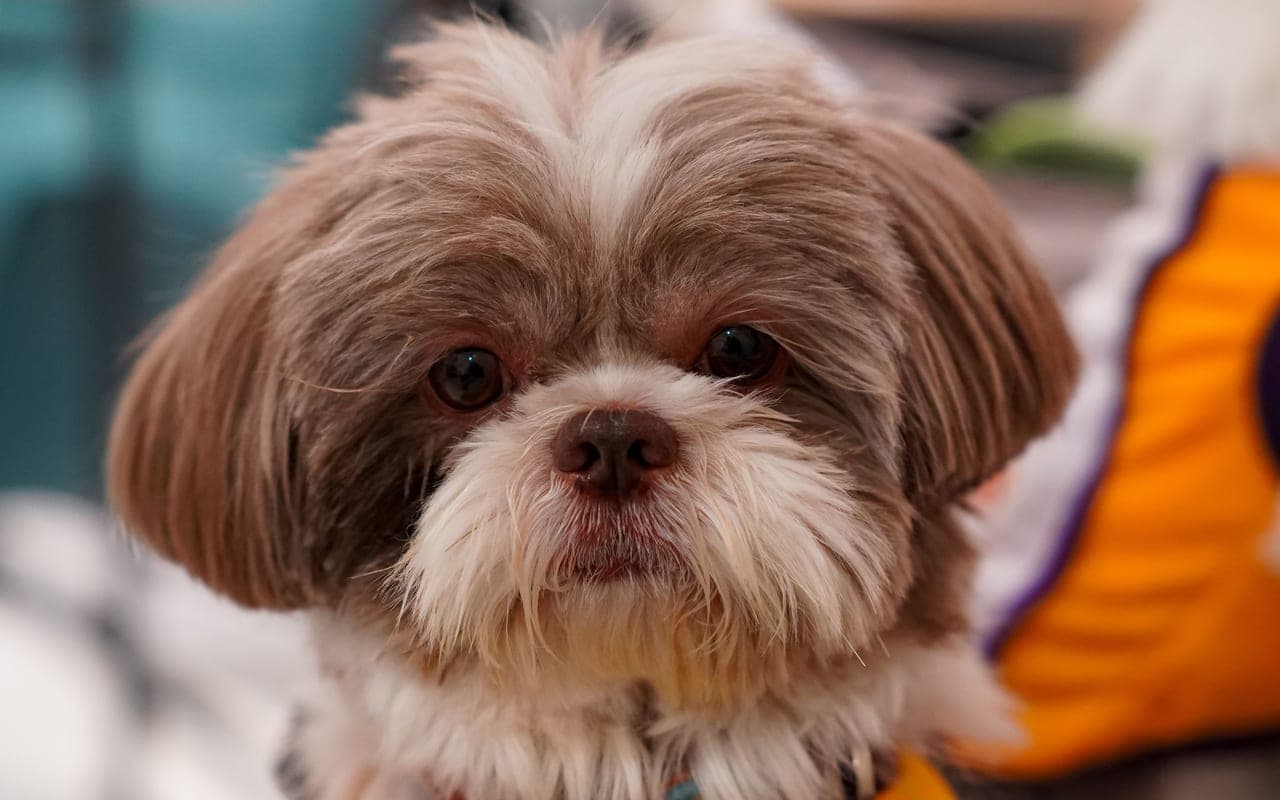
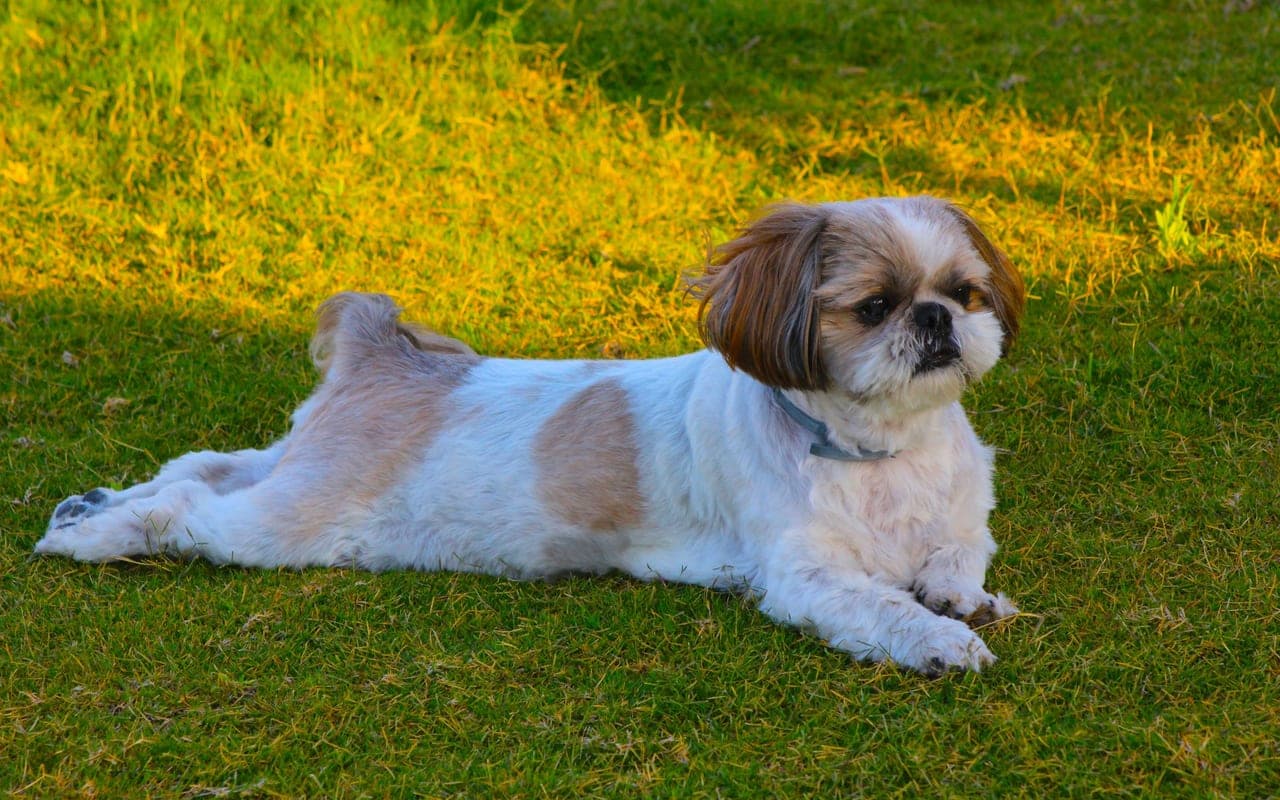
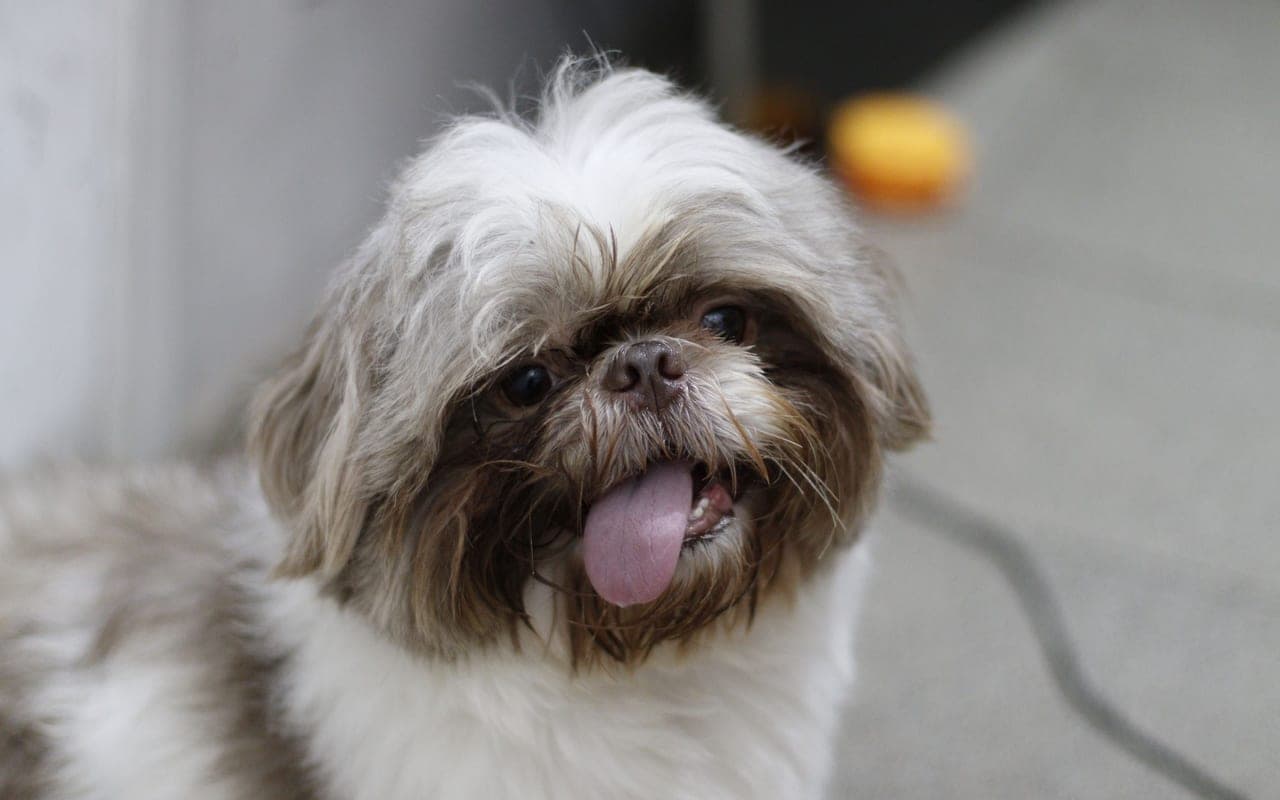
The Shih Tzu is a Tibetan-origin Chinese palace companion bred for one job — sitting on people and being adored — and it does that job better than almost any breed. Expect a 9-16 pound dog with a long flowing double coat, a short pushed-in muzzle, large dark eyes, and a temperament that is outgoing, affectionate, and famously stubborn in a cheerful way. They are not a sporting dog and were never meant to be; they are a lap breed with a confident, sometimes comic personality. The single most important thing a prospective owner must understand is that the Shih Tzu is brachycephalic — flat-faced — and that this is not a cosmetic detail but the source of most of the breed's real costs and risks. The same skull shape that gives the breed its appealing face also crowds the airway, makes the eyes shallow-set and exposed, and contributes to dental crowding. A responsible Shih Tzu owner is, in practice, signing up to manage a brachycephalic dog for life. Temperamentally they are excellent companions: people-focused, generally good with children and other pets when socialized, adaptable to apartments, and low in exercise demands. They do not tolerate heat well and should never be left in warm cars or exercised hard in the sun — overheating is a brachycephalic emergency. Who the Shih Tzu is right for: an owner who wants a devoted lap companion, is home enough to provide company, will commit to daily coat care or regular professional grooming, and accepts the realistic veterinary budget of a flat-faced breed. Who it is wrong for: someone wanting a low-maintenance coat, a jogging partner, an outdoor dog, or a breed with minimal vet costs. The face you fell for is also the bill you are accepting — go in with eyes open.
Affectionate | Playful | Outgoing | Friendly | Alert | Intelligent
Affectionate
A common Shih Tzu temperament descriptor that should be interpreted alongside training, exercise, and household fit.
Playful
A common Shih Tzu temperament descriptor that should be interpreted alongside training, exercise, and household fit.
Outgoing
A common Shih Tzu temperament descriptor that should be interpreted alongside training, exercise, and household fit.
Friendly
A common Shih Tzu temperament descriptor that should be interpreted alongside training, exercise, and household fit.
Owner note
Temperament labels are starting points, not guarantees. Meet the individual dog and ask about behavior history whenever possible.
Care essentials
How to care for a Shih Tzu
What looking after one actually involves: exercise, grooming, food, training, and routine health.
ExerciseAs needed
- Despite their small size, Shih Tzus benefit from regular exercise to maintain their health and prevent obesity. Daily walks and play sessions are usually sufficient for this breed. They enjoy short walks and indoor play and don't require vigorous exercise. Their flat faces can make them prone to breathing difficulties, so avoid exercising them in hot or humid conditions.
GroomingAs needed
- The Shih Tzu's long, luxurious double coat requires significant grooming. Daily brushing is necessary to prevent mats and tangles when kept in a long coat. Many owners opt for a shorter 'puppy cut' to make maintenance more manageable. Regular professional grooming every 4-6 weeks is recommended. In addition to coat care, routine ear cleaning, dental care, and nail trimming are essential elements of Shih Tzu grooming.
NutritionAs needed
- Shih Tzus should be fed high-quality dog food appropriate for their age, size, and activity level. They can be prone to obesity, so monitoring food intake and limiting treats is important. Small, frequent meals may be better than one large meal due to their small mouths and potential for dental issues. Always provide fresh water and consult with a veterinarian about specific dietary needs.
Health ConsiderationsAs needed
- Shih Tzus are generally healthy, but like all breeds, they're prone to certain health conditions. These include respiratory issues due to their flat faces (brachycephalic syndrome), eye problems, hip dysplasia, and patellar luxation. Their prominent eyes require protection from irritants, and their folds of facial skin need regular cleaning to prevent infections. Regular veterinary check-ups are essential for preventive care.
Health planning
Shih Tzu health risks and screening
Every breed has individual health variation. Use this profile for planning and discuss medical decisions with a veterinarian.
Ownership cost
How much does a Shih Tzu cost?
Cost figures are structured so first-year and lifetime estimates do not conflict with the underlying line items.
| Acquisition | $500-$2,000 |
|---|---|
| Routine monthly | About $100/month |
| Routine annual | About $1,200/year |
| First-year estimate | $1,700-$3,200 |
| Lifetime routine estimate | $12,000-$19,200 routine costs |
Currency: USD. Region: United States. Typical ranges for this breed. Equipment, insurance, emergency veterinary care, boarding and training are NOT included: we hold no sourced figures for them, and estimating them would be a guess presented as data.
Responsible ownership
Finding a Shih Tzu responsibly
What to ask a breeder or rescue is the same conversation for every breed, so we keep it in one place and keep it current.
Health documentation, meeting the parents or foster, contracts and return support, and the warning signs worth walking away from.
Original purpose
Shih Tzu history
History is useful when it explains today's behavior, coat, exercise needs, and training style.
Read the breed history
The Shih Tzu's roots are Tibetan and its development is Chinese. Small Tibetan companion dogs were given to the Chinese imperial court, where they were refined over centuries — most strongly during the Qing dynasty — into the small, long-coated lap dog kept by Chinese royalty and the Dowager Empress Cixi's court being a frequently cited high point of the breed's palace history. The name is usually rendered as 'lion dog,' reflecting the breed's role in Buddhist symbolism and its lion-like groomed mane. The modern breed nearly vanished: the Western population descends from a very small number of dogs exported from China in the 1930s, and essentially all today's Shih Tzu trace back to that limited foundation, which is relevant to the breed's inherited-disease picture. The Shih Tzu was recognized by the UK Kennel Club in 1940 and by the American Kennel Club in 1969, and it has been one of the most popular companion breeds in the West ever since — popularity that, unfortunately, has also driven volume breeding that does not always screen for the breed's known conditions.
Gallery
Shih Tzu photos
Images are cropped consistently and loaded progressively to keep the page responsive.
Lower-page context
Shih Tzus in culture
Where the breed shows up in film, sport, work and folklore — the enjoyable part, once the practical questions are answered.
Fun facts
- The name 'Shih Tzu' literally translates to 'Lion Dog' in Chinese, likely because of their flowing manes and association with Buddhist lion iconography.
- They were bred to resemble small lions as depicted in traditional oriental art, as lions symbolized royalty in Buddhist lore.
- Shih Tzus were so treasured by Chinese royalty that for many years, it was illegal for ordinary citizens to own them.
- Despite their long, luxurious coats, Shih Tzus are considered a hypoallergenic breed as they have hair rather than fur, which results in less shedding and dander.
- All modern Shih Tzus are believed to have descended from just 14 dogs - 7 males and 7 females - that were used to establish the breed outside of China.
Shih Tzu FAQs
How long do Shih Tzus live?
A Shih Tzu typically lives 10-16 years, which is long for a dog and a genuine strength of the breed. The factors that move that range are mostly manageable: keeping the dog lean to protect the airway and back, staying ahead of dental and eye disease, and buying from a breeder who screens for renal dysplasia and severe BOAS. A well-bred, lean, well-maintained Shih Tzu commonly reaches the top of that range; an overweight dog from unscreened lines with untreated airway or dental disease does not.
Are Shih Tzus high maintenance?
On the coat and the flat face, yes — and prospective owners should hear that plainly. The long double coat mats within days without daily brushing, so most owners commit to professional grooming every 4-8 weeks at $50-$90 a visit. The brachycephalic build means lifelong attention to breathing, heat, eyes, and teeth, plus a realistic vet budget above that of a typical small mixed-breed. On exercise and temperament, however, they are easy: modest walks and lap time suit them. Budget time and money for grooming and vet care, not for exercise.
Why does my Shih Tzu snore and snort so much?
Because the breed is brachycephalic — the short skull crowds the soft palate and narrows the airway, so snoring, snorting, and noisy breathing are common. Mild noise at rest can be normal for the breed, but it exists on a spectrum with BOAS. The line that matters: occasional snoring is breed-typical, but loud breathing at rest, blue or grey gums, gagging, exercise intolerance, or collapse are signs of significant obstruction and warrant a veterinary airway assessment, not reassurance that 'all Shih Tzus do that.'
Are Shih Tzus good with children and apartments?
Yes to both, with caveats. Shih Tzu are affectionate, adaptable, low-exercise dogs that do well in apartments and are generally good with respectful children and other pets when socialized. The specific cautions are physical, not temperamental: their shallow-set eyes are vulnerable to injury from rough handling, and their backs are prone to IVDD, so children must be taught not to grab the face or let the dog jump from heights. Supervise interactions and the breed is one of the better companion choices for small homes.
What should I ask a Shih Tzu breeder about health?
Ask three concrete things. First, what the breeding dogs' airways are like — a responsible breeder will discuss BOAS honestly rather than dismiss snoring as cute. Second, whether there is any history of renal dysplasia in the line, since it is congenital and inherited. Third, eye and patella evaluations on the parents. A breeder who treats the flat face purely as a selling point and cannot speak to airway, kidney, or eye health is selling the look without managing the cost — in this breed that is the difference between a manageable companion and an expensive one.
Can Shih Tzus exercise and tolerate heat normally?
No — and this is a safety issue, not a preference. As a brachycephalic breed, the Shih Tzu cannot cool itself efficiently by panting and is at real risk of heatstroke. Avoid hard exercise in warm weather, never leave one in a parked car even briefly, and stick to short walks in the cool parts of the day. Heavy distressed panting, brick-red or blue gums, stumbling, or collapse in heat is a veterinary emergency requiring immediate cooling and a same-hour vet visit, because brachycephalic heatstroke escalates fast.
Sources
These are the published sources this page draws on. Each opens in a new tab so you can check it yourself.
American Kennel Club
Shih Tzu — breed standard and profile(opens in a new tab)Supports: Breed standard and recognition details.
Similar breeds to consider
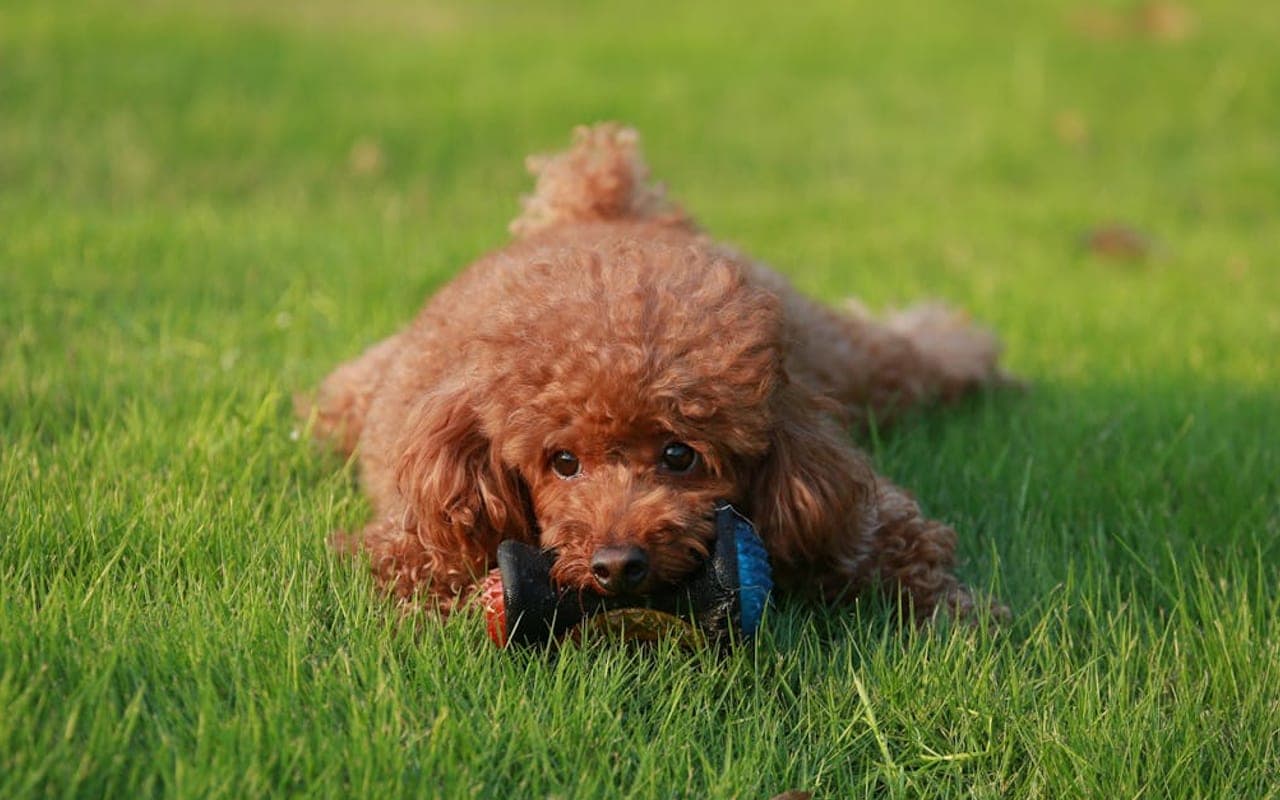
Poodle (Toy)
Also in the Toy group, with different care and temperament tradeoffs.
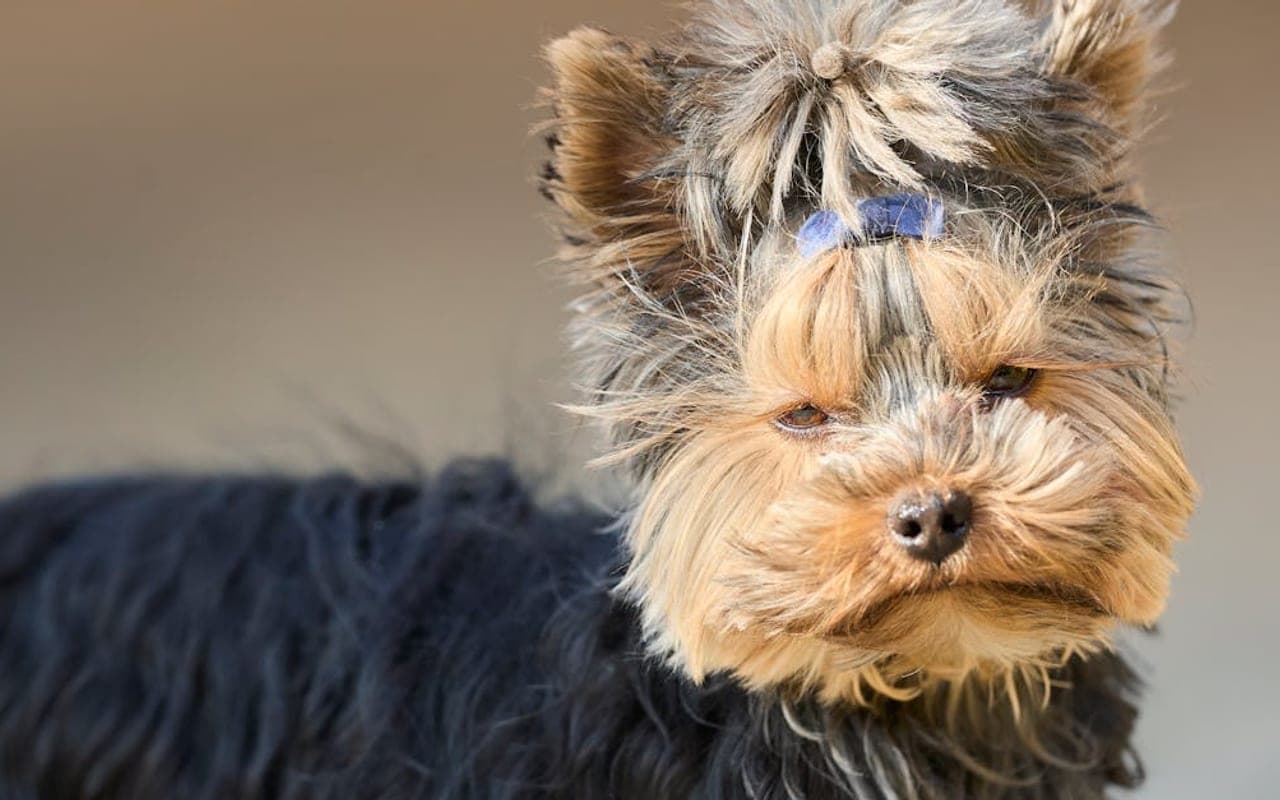
Yorkshire Terrier
Also in the Toy group, with different care and temperament tradeoffs.
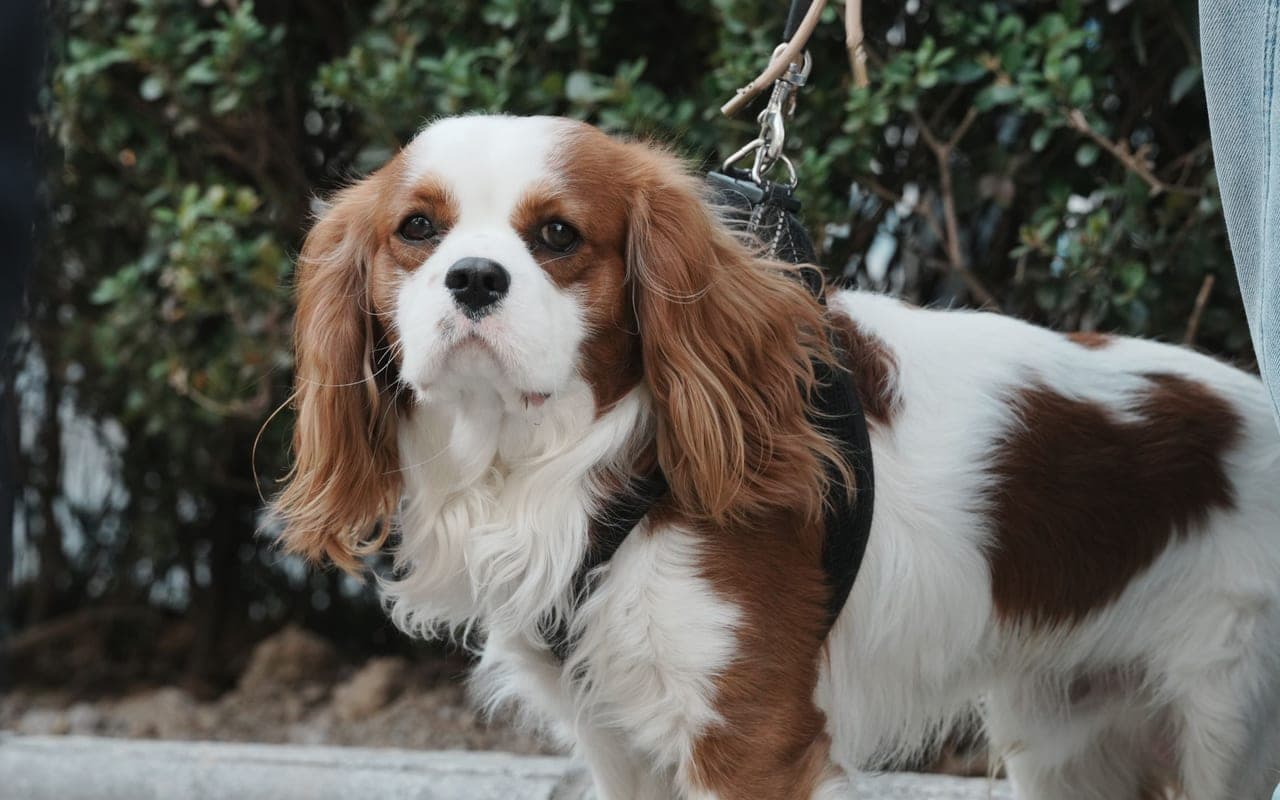
Cavalier King Charles Spaniel
Also in the Toy group, with different care and temperament tradeoffs.
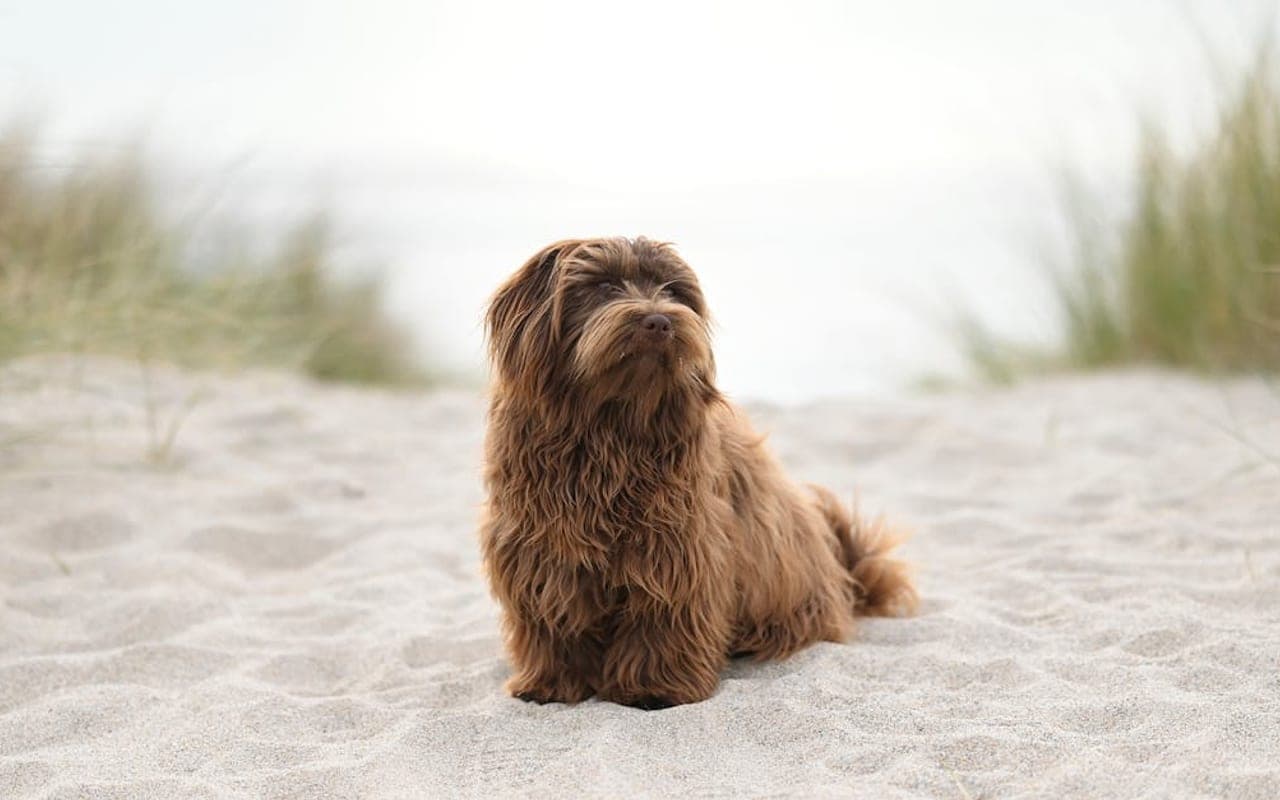
Havanese
Also in the Toy group, with different care and temperament tradeoffs.
Explore More About Shih Tzu
Dive deeper into everything Shih Tzu — costs, care, and expert insights.
How Much Does a Shih Tzu Cost?
Purchase price, monthly costs, and lifetime expenses
Shih Tzu Care Guide
The Shih Tzu is one of the oldest and most distinctly purposeful dog breeds...
Considering a cat instead?
Browse Cats