
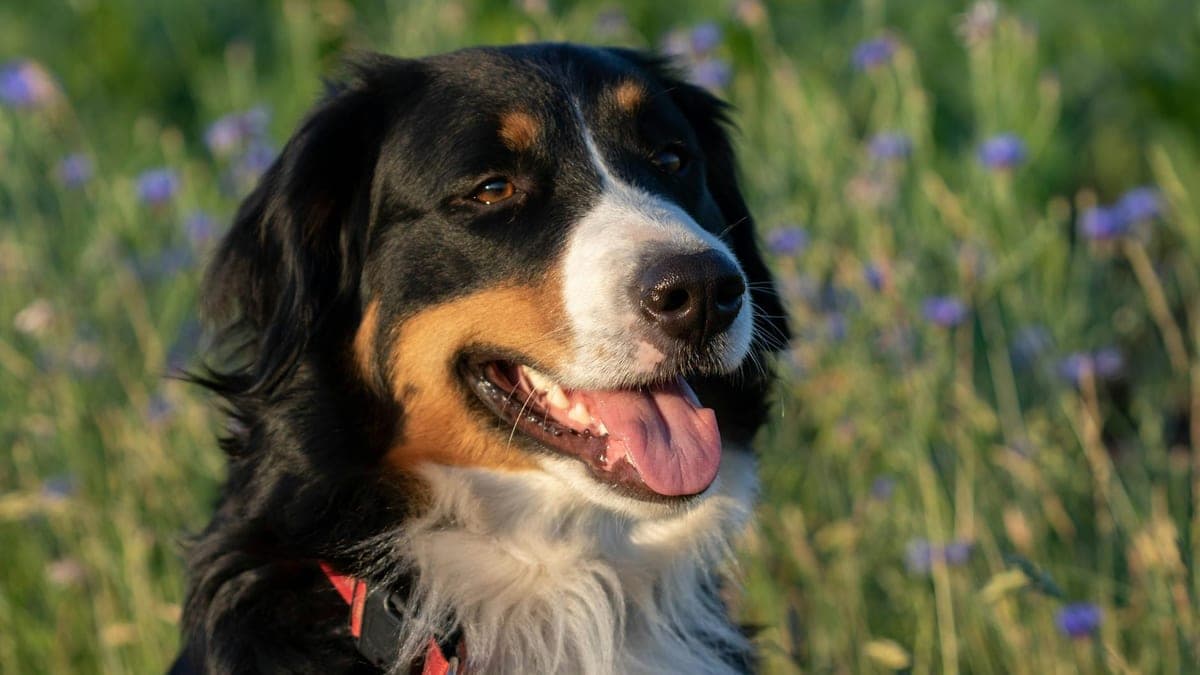
Senior Dog, Final Adventures: Our Bucket List Year With Charlie
Story Subject
Charlie
Type
Dog
Read Time
7 min
Shared By
Paul and Rosa Delgado
Editor
Mr Pet Lover Admin
In This Guide
The oncologist used the phrase "quality of life" six times during our appointment, which is how we knew the conversation wasn't about curing Charlie.
Osteosarcoma in large breeds is aggressive. At eleven, Charlie had already outlived the typical Bernese Mountain Dog lifespan. The surgery and chemotherapy protocol would extend his life by months, with significant side effects.
We chose palliative care and pain management. Then we made a list.
What Charlie Loved
Charlie had opinions. Specific, consistent, observable opinions. He loved water — lakes, rivers, any standing puddle that exceeded four inches. He loved car windows down at highway speed. He loved the particular spot behind his left ear. He loved our younger daughter, Isabel, who had grown up alongside him and remained, in his view, the most interesting person in any room.
The bucket list built itself around these facts.
The Twelve Weeks
Week one: We drove two hours to the lake where Charlie had swum every summer for nine years. He entered the water immediately, swam for twenty minutes, and spent the drive home sleeping with his head on Isabel's lap.
Week three: My wife Rosa made him "pup cups" from a local ice cream shop every Friday. He ate them with an enthusiasm that made me think he'd been aware of this option for years and waiting.
Week five: We took a slow coastal road trip — windows down, three nights in pet-friendly hotels where Charlie slept on the bed and hogged the blankets exactly as he had always done at home.
Week seven: A family portrait session. Charlie wore his best collar. He was cooperative for approximately three minutes before deciding the photographer's camera bag was more interesting than posing.
Week ten: His last swim. Short — his pain was being managed but the disease had progressed. He walked into the water up to his shoulders, looked back at us, and seemed satisfied. We went home.
The Last Two Weeks
We made the final appointment on a Monday morning, in our living room, with our vet present. Charlie was on his bed. Isabel sat beside him. He went quietly, which was exactly how he had always wanted everything.
Grief is its own season and we are still in it. But we didn't spend those twelve weeks grieving in advance. We spent them at the lake, at the ice cream shop, with the windows down.
We have no photographs of Charlie looking sick. We have photographs of a dog who knew he was loved.
When a beloved pet has a terminal diagnosis, palliative care specialists and pet hospice organizations can help families make the most of remaining time.
Keeping a senior dog comfortable in the time that's left
When the goal shifts from curing a dog to keeping him comfortable — as it did for Charlie — most of the work is small and done at home. A large senior spends much of the day lying down, so the highest-value change is a thick orthopedic memory-foam bed, away from drafts, with non-slip runners along the paths he uses most: bed to water to door. Hard floors make an aching dog brace and slip, so traction plus a ramp that removes any jump into the car or onto furniture takes daily strain off failing joints. Our senior dog care guide and the companion arthritis and joint-care guide walk through the full home setup.
Movement still matters, but its shape changes. Two or three short, slow, sniff-led walks at the dog's own pace do more good than one long outing that leaves him stiff the next morning. For a dog who still loves water the way Charlie did, gentle swimming is close to ideal — it engages muscle with almost no joint impact. The rule now is comfort, not conditioning: adapt the activity to what the dog still wants.
Reading quality of life, and what palliative care really means
The hardest question in a final year is rarely medical; it's whether a good day still outweighs a bad one. Pain is the domain owners miss most, because dogs mask it — watch for a dog slow to rise, panting at rest, hiding, or grumpiness about being touched where he used to like it. Much of that pain is treatable, so uncertainty is itself a reason to call the vet. Because seniors decline quickly, the standard cadence is a wellness check every six months rather than annually; our senior vet-visit guide covers what those visits catch early.
To see the trend instead of one frightening evening, many vets use the HHHHHMM quality-of-life scale — Hurt, Hunger, Hydration, Hygiene, Happiness, Mobility, and More good days than bad — scored a few times a week and written down. It does not announce a day, and isn't meant to; that decision belongs to the family and their vet together. Palliative or hospice care, laid out in our quality-of-life guide, is not the opposite of a peaceful goodbye but often the good time that comes before it. Choosing it for a dog you love is not a failure of care.
What Charlie's twelve weeks gave the Delgados
Charlie's family didn't get a cure, and they didn't spend his last season grieving in advance. They spent it at the lake, at the ice cream shop, with the windows down — and the things that made that possible weren't heroic. They were the ordinary comforts any senior dog needs near the end: managed pain, a soft place to rest, gentle movement matched to a tired body, and a clear-eyed read of when a good day still outweighed a bad one. That's the quiet lesson beneath the bucket list — the adventures were Charlie's, but the comfort-over-cure framework that let him enjoy them is open to any family facing the same appointment. The Delgados have no photographs of Charlie looking sick. They have photographs of a dog who knew he was loved.
Questions About Charlie
Common questions answered to help you better understand this story
Build it around what your dog already loves, then adapt it for an aging body. Favor low-impact, sensory pleasures over strenuous outings: a slow sniff-walk somewhere new, a swim if water is a lifelong favorite (it's gentle on joints), a favorite food, unhurried time with their favorite person, a car ride with the window down. Comfort and small joys, not endurance, are the point.
Focus on the home and the daily routine. A thick orthopedic bed, non-slip rugs on hard floors, and a ramp that removes any jump ease aching joints, while short, slow, sniff-led walks keep muscle without over-tiring him. Keep pain controlled with your vet — never give human painkillers like ibuprofen, aspirin, or acetaminophen, which are toxic to dogs — and keep him clean, warm, and near his people.
Dogs hide pain, so the signs are quiet. Watch for a dog who is slow to rise, hesitates at stairs, lags on walks, lies down abruptly, or has become "grumpy" about being handled over the hips or back. A changed resting posture, panting at rest, restlessness that won't settle, or hiding can all signal pain — much of it treatable. If you're unsure, that uncertainty is itself the reason to call your vet.
Palliative — or hospice — care shifts the goal from curing the disease to keeping your dog comfortable at home. It can include vet-prescribed pain and anti-nausea medication, appetite and hydration support, and a mobility plan, along with a calm, agreed plan for the end. It isn't the opposite of a peaceful goodbye; for many families it's the good time that comes before one.
Didn't find your answer?
Get in touch →More Stories

Get more stories like this
Weekly heartwarming pet stories and care tips, straight to your inbox.
No spam, ever. Unsubscribe anytime.