
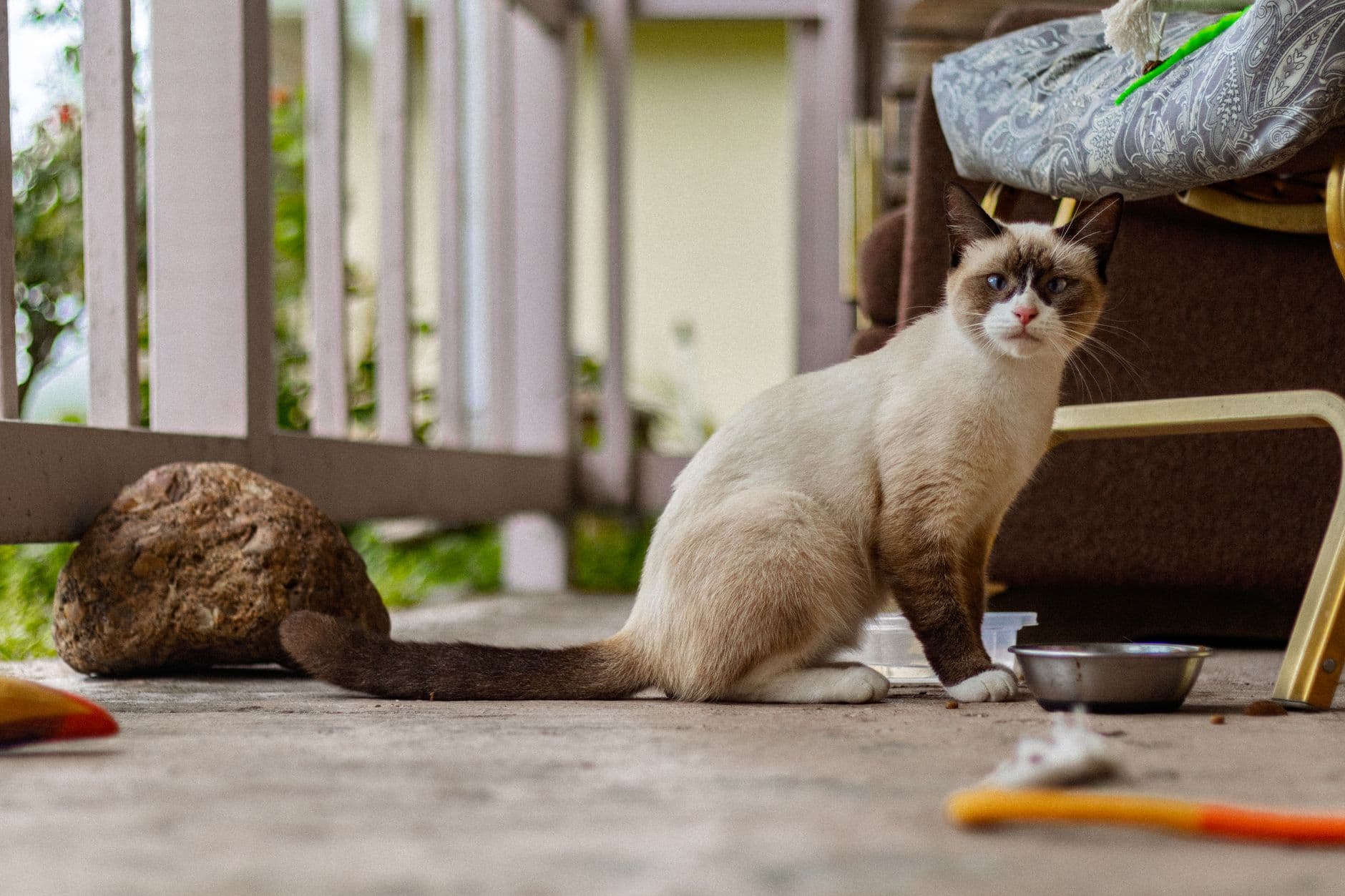
Burmese Cat Care Guide
A Breed Founded on a Single Cat Few breeds can trace their entire origin to a single individual as precisely as the Burmese. In 1930, Dr. Wong Mau, a small brown female cat, was brought from the Orien
In This Guide
Overview
A Breed Founded on a Single Cat
Few breeds can trace their entire origin to a single individual as precisely as the Burmese. In 1930, Dr. Wong Mau, a small brown female cat, was brought from the Orient to New Orleans by a sailor and given to Dr Joseph G. Thompson of San Francisco in 1930 (Cat Fanciers' Association). At the time, Wong Mau was assumed to be a type of Siamese. Dr. Thompson, suspecting otherwise, began a breeding programme with collaborators including the geneticist Dr Clyde E. Keeler and the breeder Virginia Cobb (Cat Fanciers' Association). The results revealed that Wong Mau was a hybrid - carrying genes for both Burmese and Siamese coloration - and from her descendants, the modern Burmese breed was established.
This narrow genetic foundation has consequences for the breed today: the Burmese gene pool is relatively small, which concentrates both the breed's remarkable personality traits and its genetic health risks. Understanding this history is important context for prospective owners.
Brick Wrapped in Silk
The most frequently repeated description of the Burmese cat is "a brick wrapped in silk", and this phrase earns its place through accuracy rather than cliche. Pick up a Burmese for the first time and you will be startled by the weight. These are compact, powerfully muscular cats whose glossy, satin-smooth coats create an expectation of lightness that the cat's reality immediately contradicts. Adult Burmese males typically weigh 10-14 pounds; females 7-10 pounds - dense, solid muscle throughout.
The coat itself is extraordinary: a single layer (no undercoat) of fine, close-lying hair with a natural high gloss that catches light like fabric rather than fur. This coat requires almost no grooming effort - one of the practical advantages of the breed.
The Dog-Like Cat
The Burmese personality is what makes this breed exceptional. These cats follow their owners from room to room with a fidelity that more closely resembles a well-bonded dog than a typical cat. They greet owners at the door, supervise domestic activities with focused attention, respond to their names consistently, and learn to play fetch - sometimes teaching their owners this game rather than the reverse.
Burmese are also among the most vocal domestic cat breeds, with a loud, raspy voice they deploy without inhibition. This vocalization is not distress signaling - it is conversation. Burmese owners quickly learn to interpret the difference between the hunger announcement, the "where did you go" call, and the evening social commentary.
The Longevity Breed
The Burmese is among the longest-lived pedigree cats, and with good care many reach an advanced age. This extraordinary lifespan is one of the most compelling reasons to choose the breed - but it also means that the relationship you are entering is a serious, multi-decade commitment. A Burmese kitten purchased today may still be your daily companion in 2042.
The extended lifespan makes diligent preventive care and early disease detection especially important. The breed carries several heritable conditions - most notably a lethal craniofacial defect and hypokalemia - that responsible breeding practices and informed ownership can address. Explore all cat breeds for comparative lifespan and health data.
American vs. European Burmese
Two distinct Burmese types exist with different breed standards. The American Burmese has a rounder, more compact face and body, with a shorter nose and more prominent rounded head - the result of selective breeding emphasis in North America. The European Burmese (also called the Traditional or Foreign Burmese) retains a longer face, more moderate build, and less exaggerated features, more closely resembling Wong Mau's original type. The craniofacial defect (see Health section) is associated specifically with the American type's extreme head conformation.
Daily Care
A Cat That Schedules Itself Around You
Burmese cats are unusual in their degree of owner-orientation. Where many cats tolerate human schedules, a Burmese actively calibrates its activity to match yours. Morning routines will include a Burmese underfoot in the bathroom, at your side during coffee, and stationed near your workspace throughout the day. This level of engagement is the breed's greatest appeal - and its greatest demand on your presence.
The Alone-Time Problem
Burmese cats are genuinely not suited to long solitary periods. A Burmese left alone 9-10 hours daily will develop behavioral consequences: excessive vocalization when you return, attention-seeking behaviors, and in some cases destructive activity or stress-related overgrooming. If your lifestyle includes consistent full-day absences, a second Burmese (or a similarly social companion cat) is the responsible choice. Two Burmese together are significantly more resilient to solitude than one alone.
Daily Interaction Requirements
Plan for dedicated interaction time twice daily - 20-30 minutes of active play in the morning and evening. Burmese are enthusiastic fetchers: a crinkle ball or small soft toy thrown down a hallway will be retrieved and deposited back at your feet more reliably than many dogs manage the same trick. This fetch play serves both physical exercise and social bonding needs simultaneously.
Environmental Setup
Burmese are less obsessively vertical than some athletic breeds, but they appreciate elevated perches and a variety of resting spots throughout the home. Because they form strong territorial attachments to specific furniture pieces, allow your Burmese to claim a few spots as their own rather than redirecting them constantly. A comfortable, high-quality cat bed near your primary seating area will be used daily.
Nutrition
Feeding for Longevity
Given the breed's long life expectancy, nutrition choices compound over time more than in shorter-lived breeds. The quality of food you feed a 2-year-old Burmese will influence that cat's kidney function, weight, and coat condition at age 14. This long view should inform every nutritional decision.
Protein and Fat Requirements
Burmese cats are muscular, moderately active cats that require protein-forward diets. Feed foods where named animal proteins (chicken, turkey, duck, beef, salmon) appear as the first ingredient. Avoid foods with significant plant-based protein substitutes (pea protein, potato protein) that inflate the protein percentage while delivering inferior amino acid profiles for obligate carnivores.
Diabetes Mellitus Risk
The elevated diabetes risk in Burmese cats is population-specific: research reports Burmese in Australia, Britain and Europe at roughly four times the risk of other cats, while the same elevation has not been observed in the North American Burmese population, which is regarded as genetically distinct. High-carbohydrate dry food diets are a recognized contributing factor to feline diabetes. Feeding wet food as the primary diet reduces carbohydrate intake naturally and is the most practical dietary step to reduce diabetes risk in this breed. If your Burmese is diagnosed with diabetes, the condition is highly manageable with insulin therapy and dietary control - but prevention through diet is clearly preferable.
Hypokalemia and Potassium
Burmese cats are predisposed to hypokalemia (low blood potassium), which causes muscle weakness, neck ventroflexion (dropping the head due to weak neck muscles), and lethargy. If your cat shows these signs, veterinary bloodwork and potassium supplementation resolve the episode quickly. Some veterinarians recommend potassium-supplemented foods or treats for Burmese as a preventive measure - discuss this with your vet at annual wellness visits.
Weight Monitoring
Despite the "brick" density of their musculature, Burmese cats can gain unhealthy fat weight, particularly after neutering. Monitor body condition score monthly and adjust portions to maintain an easily felt rib cage and visible waist.
Exercise
Exercise Through Play and Engagement
Burmese cats are moderately active - neither as relentlessly high-energy as Abyssinians and Bengals, nor as sedate as Persians. Their exercise needs are met comfortably through interactive play sessions and the natural activity that comes from living in an enriched, socially engaged household.
Fetch as Primary Exercise
The Burmese's exceptional retrieving behavior makes fetch one of the most efficient exercise tools available for the breed. A short hallway and a crinkle ball can sustain a 20-minute fetch session that provides meaningful aerobic exercise, predatory play satisfaction, and social interaction simultaneously. Most Burmese self-regulate during fetch - they will stop bringing the ball back when they have had enough, which is useful feedback for calibrating session length.
Interactive Wand Toys
Wand toys with unpredictable movement patterns - particularly those with feathers or mylar that create sound and texture variation - engage the Burmese's hunting sequence effectively. Play at cat height (on the floor, not dangled above the cat's head) replicates ground prey movement and keeps the play physiologically appropriate.
Trick Training as Exercise
Burmese cats are among the most trainable domestic cat breeds. Clicker-training basic tricks - sit, high-five, spin, jump to target - provides mental exercise that produces genuine physical fatigue. A 15-minute training session tires a Burmese more effectively than 30 minutes of passive environmental stimulation. Training also deepens the human-cat bond, which this breed-type actively seeks.
Social Play With Other Cats
Two Burmese together will engage in extended wrestling, chase, and mutual grooming sessions that provide exercise throughout the day without human involvement. This is a significant practical advantage for working owners and is the primary reason breed experts consistently recommend adopting Burmese in pairs.
Grooming
The Easiest Coat in the Cat World
The Burmese single-layer satin coat is arguably the lowest-maintenance coat of any domestic cat breed. There is no undercoat to mat or blow seasonally, minimal loose hair transfer to furniture and clothing, and the natural gloss requires no product to maintain. If you have chosen the Burmese partly because you want a beautiful cat without significant grooming investment, you have made an excellent choice.
Minimal Brushing Routine
A weekly pass with a chamois cloth or grooming glove is sufficient for coat maintenance in most Burmese. This removes any loose hairs, stimulates circulation, and distributes natural skin oils - all while delivering the physical contact the Burmese actively enjoys. A soft-bristle brush can be used monthly for a more thorough session. No detangling, no mat prevention, no seasonal deshedding - the Burmese coat does not require these interventions.
Bathing
Burmese cats rarely need bathing - perhaps once or twice a year unless the cat has gotten into something. When bathing is needed, the single-layer coat is easy to wet thoroughly, lathers quickly, and dries fast compared to double-coated breeds. Use a gentle, moisturizing cat shampoo and ensure thorough drying with a towel to prevent chill.
Nail, Ear, and Dental Care
Trim nails every 2-3 weeks. Check and clean ears weekly using a veterinarian-approved ear cleaning solution applied to a cotton ball - never insert into the ear canal. Check the ears when you groom and raise any redness, odour or discharge with your vet.
Dental care is critical for long-lived breeds. A Burmese living to 17 will spend more years accumulating dental disease than a breed living to 12. Daily tooth brushing with cat-specific enzymatic toothpaste, established from kittenhood, prevents the periodontal disease and tooth resorption that become painful and expensive in senior cats. Professional dental cleanings every 2-3 years are recommended.
Health
Craniofacial Defect
The most serious genetic condition in the American Burmese is the Burmese head defect, also listed by testing laboratories as frontonasal dysplasia, a lethal malformation in which kittens are born with severely deformed skulls and faces. Affected kittens cannot survive. The inheritance is co-dominant rather than recessive, and that distinction matters to a buyer: two copies produce the severe craniofacial malformation, but a single copy already produces the shortened, rounded head that characterises the Contemporary type. A one-copy cat is not a silent carrier — the head shape is the visible phenotype. The defect is associated with the extreme round-headed conformation bred into American Burmese lines.
The defect is avoidable through DNA testing of breeding cats — but note that avoiding the lethal two-copy outcome is not the same as avoiding the variant, since a single copy is what gives the Contemporary type its head shape. Responsible breeders identify carriers and plan pairings that avoid producing affected kittens. Before purchasing an American Burmese kitten, ask for the Burmese head defect DNA test results for both parents — that is the name testing laboratories use. A breeder who cannot or will not provide these results should not receive your business.
Hypokalemia
Periodic hypokalemia (low blood potassium) is a recognized Burmese health concern, particularly in the Australian and New Zealand populations. Affected cats show muscle weakness, difficulty holding the head up (neck ventroflexion), and lethargy. Episodes can be triggered by dietary inadequacy or occur without clear cause in genetically predisposed individuals. Diagnosis requires a simple blood panel; treatment with oral potassium supplementation typically resolves episodes rapidly. Any supplementation is a decision for the cat's vet, based on measured blood potassium rather than on family history alone.
Diabetes Mellitus
Burmese cats have a higher documented prevalence of diabetes mellitus than most other breeds, in the Australian, British and European populations — the North American population is regarded as genetically distinct and has not shown the same elevation. Signs include increased thirst, increased urination, weight loss despite good appetite, and eventual hindlimb weakness (diabetic neuropathy). Feline diabetes is highly manageable with insulin therapy and dietary modification, but prevention through wet-food diet and weight management is clearly preferable.
General Health and Lifespan
Outside of these specific concerns, Burmese are a robust breed. Annual wellness exams until age 7, then biannual. Blood panel beginning at age 5 to baseline kidney and liver function. Blood glucose monitoring as part of senior wellness for cats over 10. Keep vaccinations and parasite prevention current year-round. Their 16-18 year lifespan makes consistent preventive care one of the highest-return investments you can make.
Costs
Purchase Price
Burmese kittens from health-tested, reputable breeders typically cost $1,200-$2,000 USD. Show-quality or lines with documented champion ancestry may reach $2,500. Given the head-defect risk in Contemporary Burmese lines, paying a premium for a breeder who provides comprehensive DNA testing documentation is money well spent. Rescue and rehome placements are available through Burmese-specific rescue organizations for $100-$250.
First-Year Costs
Initial veterinary care (exam, vaccinations, spay or neuter if needed) runs $500-$800 for a kitten in the first year. Environmental setup for a Burmese is moderate - this breed does not require the climbing infrastructure that larger athletic breeds demand. Budget $100-$300 for cat trees, toys, scratching posts, and litter supplies. Food costs for the first year: $50-$100 per month depending on diet quality.
Annual Ongoing Costs
High-quality wet-primary diet for a Burmese: $50-$100 per month, or $600-$1,200 annually. Annual wellness exams: $200-$350. Flea and parasite prevention: $100-$200. Professional dental cleaning every 2-3 years: $400-$800. Periodic dental care becomes increasingly important as the Burmese ages toward its late-teen years.
Long-Lifespan Financial Planning
Owning a cat with a 16-18 year lifespan means planning for senior care costs beginning around year 10. Senior Burmese may require blood glucose monitoring, diabetic management ($100-$300 monthly for insulin and supplies), dental extractions, or hypokalemia management. Pet insurance purchased when the cat is young (before any diagnoses) is particularly valuable for long-lived breeds - a comprehensive policy costing $30-$60 monthly can prevent significant financial strain during the senior years when health costs concentrate.
Frequently Asked Questions
The breeder says the Burmese head defect is recessive and that carriers are completely normal cats. Is that right?
No, and the error matters. The variant is a 12-base-pair deletion in the ALX1 gene, and it acts co-dominantly rather than recessively. A cat carrying one copy is not a hidden carrier that looks like any other Burmese; the shortened, rounded Contemporary head is itself the visible effect of that single copy. Two copies produce craniofacial malformation incompatible with life. Ask for written ALX1 genotypes on both parents before you reserve a kitten.
My Burmese kitten keeps dropping its head and walking stiffly. What is going on?
Get a veterinary appointment the same day and ask specifically for a blood potassium measurement. Burmese hypokalaemic polymyopathy usually shows itself between two and six months old, as episodic weakness with ventroflexion of the head and neck, a stiff stilted gait, tremor and head bobbing. It traces to a stop-codon variant in the WNK4 gene and is inherited recessively, so an affected kitten means both parents carry it. Tell the breeder.
I keep reading that Burmese get diabetes. Does that apply to a kitten I buy in the United States?
Probably not, and this is one of the few breed risks with a genuine border on it. The roughly fourfold excess of feline diabetes is documented in Burmese in Australia, Britain and Europe, where the breeding population is genetically isolated. The North American Burmese population is regarded as genetically distinct and has not shown the same elevation. Establish which lineage your kitten descends from rather than assuming, and keep body condition checks routine regardless.
Are the American and European Burmese actually separate breeds, or just two looks?
In the Cat Fanciers' Association they are registered as two distinct breeds. The European Burmese was accepted for registration in 1993 and reached Championship status in 2002. It is shown in ten colours against the Burmese's four, and it is judged as moderate in length and size rather than compact, cobby and round. Neither breed permits the other as an outcross. Settle which standard you want before contacting breeders, because the pedigrees are not interchangeable.
One kitten in the litter has a flattened or dipped chest. Should that worry me?
Yes, raise it before you commit to anything. Burmese are among the breeds predisposed to pectus excavatum, an inward concavity of the lower sternum and costal cartilages that is present at birth and detectable within days. It can cause laboured breathing, exercise intolerance, poor growth and repeat respiratory infections, and it typically worsens through growth. Splinting and surgery carry a favourable prognosis when begun early, so that litter needs veterinary assessment now.
Sources
This guide draws on the following published references. Each opens in a new tab so you can check it against what you have read here.
The Cat Fanciers' Association
Burmese Breed Profile and Breed Standard(opens in a new tab)The Cat Fanciers' Association
European Burmese Breed Profile(opens in a new tab)Cat Fanciers' Association
Burmese — breed standard and profile(opens in a new tab)The Cat Fanciers' Association
Burmese Breed Article (breed history)(opens in a new tab)MSPCA-Angell Animal Medical Center
Pectus Excavatum in Puppies and Kittens(opens in a new tab)ASPCA
General Cat Care(opens in a new tab)Scientific Reports (via PubMed Central)
Mapping the genetic basis of diabetes mellitus in the Australian Burmese cat (Felis catus)(opens in a new tab)University of Bristol (Langford Veterinary Services)
Burmese cats to benefit from genetic test for hypokalaemia(opens in a new tab)PLOS ONE
First WNK4-Hypokalemia Animal Model Identified by Genome-Wide Association in Burmese Cats(opens in a new tab)Science for Animal Welfare (Universities Federation for Animal Welfare)
Aristaless-Like Homeobox protein 1 (ALX1) variant associated with craniofacial structure and frontonasal dysplasia in Burmese cats — Burmese Head Defect(opens in a new tab)Merck Veterinary Manual
Routine Health Care of Cats(opens in a new tab)
Affiliate disclosure: We may earn a commission from qualifying purchases. This doesn't affect our recommendations.
Recommended Products
Get personalized pet care tips
Join our newsletter for breed-specific advice, care guides, and expert tips delivered weekly.
No spam, ever. Unsubscribe anytime.