
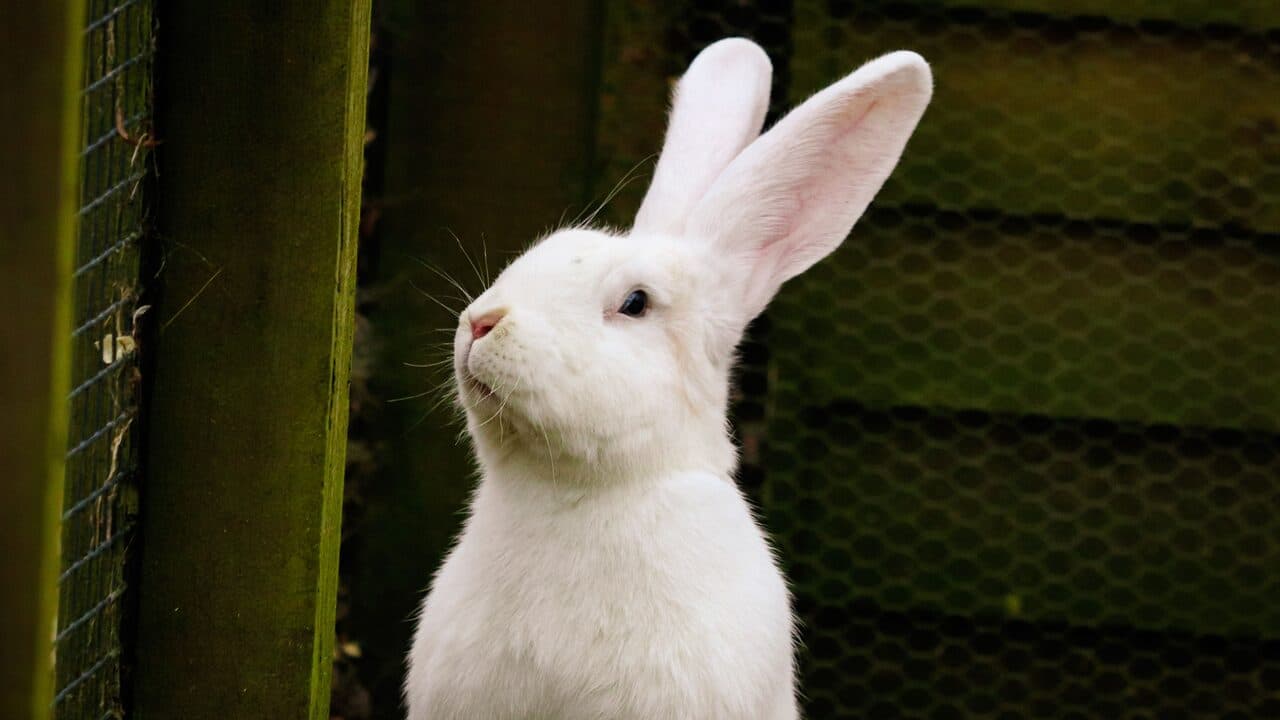
Rabbit Housing: Space, Setup & Bunny-Proofing
The most common mistake new rabbit owners make is buying a hutch that is far too small. Rabbits are active, athletic animals that need room to run, stand fully upright, and stretch out — not just a bo
Reading Time
📖 3 min read
Guide Type
🐾 Breed-Specific
Last Updated
📅 Sep 9, 2026
Breed
🐰 All Pets
In This Guide
Overview
The most common mistake new rabbit owners make is buying a hutch that is far too small. Rabbits are active, athletic animals that need room to run, stand fully upright, and stretch out — not just a box to sit in. The Rabbit Welfare Association & Fund (RWAF), the UK's leading rabbit-welfare charity, recommends a minimum enclosure of 3m x 2m x 1m (about 10ft x 6ft x 3ft high) for a pair of average-sized rabbits, whether they live indoors or outdoors. That three-metre length matters specifically: it gives a rabbit room to actually run, not just take a few hops.
Crucially, that minimum is the same even for a single rabbit — space needs do not halve for one. But rabbits are highly social and suffer when kept alone; RWAF and most rabbit-savvy vets recommend keeping them in neutered, bonded pairs. A lone rabbit in a small hutch is the setup to avoid on both counts.
Indoors or outdoors can both work if the space and safety are right. Indoor rabbits can be litter-trained and given free run of a rabbit-proofed room; outdoor rabbits need a large, predator-proof, weatherproof enclosure with a permanently attached run so they can exercise whenever they want, not only when someone lets them out.
Daily Care
Flooring and comfort. Rabbits should not live on wire floors, which cause painful sore hocks. Use solid flooring with non-slip mats and a soft resting area. The enclosure must be at least 1m (about 3ft) tall — the same height given in the overview — so a rabbit can rear fully up on its hind legs and hop about, not just sit with its ears erect. Note that connecting tunnels or pipes do not count toward the 3m x 2m floor footprint; the rabbit needs that floor space in the main enclosure itself.
Litter training. Rabbits naturally pick a corner as a toilet, which makes litter-training straightforward: put a tray in their chosen corner with a rabbit-safe litter (paper-based — not clumping cat litter or softwood shavings) and a handful of hay over it, because rabbits like to eat and toilet at the same time. Spot-clean daily and change it fully every few days.
Enrichment. A rabbit with nothing to do becomes bored and destructive. Provide things to chew (untreated willow, apple sticks, plain cardboard), tunnels and boxes to hide in and run through, and safe materials to dig at. Rotating the enrichment keeps it interesting.
Rabbit-proofing. If your rabbit free-roams, protect electrical cables (rabbits chew everything), block gaps behind furniture, and keep houseplants — many of which are toxic to rabbits — well out of reach.
Frequently Asked Questions
How big should a rabbit's enclosure be?
RWAF recommends a minimum of 3m x 2m x 1m (about 10ft x 6ft x 3ft) for a pair of average rabbits, indoors or outdoors. The same minimum applies to a single rabbit — space needs do not halve for one — and the three-metre length is deliberate, so the rabbit can run rather than just hop. Connecting tunnels do not count toward the footprint.
Can rabbits live outdoors?
Yes, if the enclosure is large, predator-proof and weatherproof, with a run permanently attached so they can exercise whenever they choose. The social need still applies outdoors — a lone rabbit in an outdoor hutch is a poor setup regardless of the weatherproofing.
Do rabbits need a companion?
Yes. Rabbits are social animals that suffer when kept alone; RWAF and rabbit vets recommend a neutered, bonded pair. Even a rabbit kept alone needs the full minimum space — companionship does not reduce the space requirement.
Can rabbits be litter-trained?
Usually, yes. Rabbits pick a corner as a toilet, so a tray in that corner with paper-based litter and some hay on top works well. Neutering makes training much easier, and free-roam indoor rabbits are often as reliably litter-trained as a cat.
Sources
This guide draws on the following published references. Each opens in a new tab so you can check it against what you have read here.
Rabbit Welfare Association & Fund (RWAF)
Minimum Space Requirements for Pet Rabbits(opens in a new tab)House Rabbit Society
Housing(opens in a new tab)RSPCA Australia Knowledgebase
Where should I keep my rabbits?(opens in a new tab)PDSA
Creating the ideal home for your rabbits(opens in a new tab)Merck Veterinary Manual
Providing a Home for a Rabbit(opens in a new tab)
Get personalized pet care tips
Join our newsletter for breed-specific advice, care guides, and expert tips delivered weekly.
No spam, ever. Unsubscribe anytime.
Recommended Products for Rabbit Housing: Space, Setup & Bunny-Proofing
Curated products to help you provide the best care.

Large Rabbit Enclosure (40+ sq ft)
$80–$150
Approx.
Rabbits needing adequate housing
AFFILIATE DISCLOSURE
This page contains affiliate links. We may earn a commission if you click and make a purchase at no extra cost to you.