
Mini Lop Care Guide
Mini Lop Care Overview This guide gives you a practical plan for living with a Mini Lop, the compact lop-eared rabbit that sits in a husbandry sweet spot most breeds miss. At up to 6.5 pounds — about
In This Guide
Overview
Mini Lop Care Overview
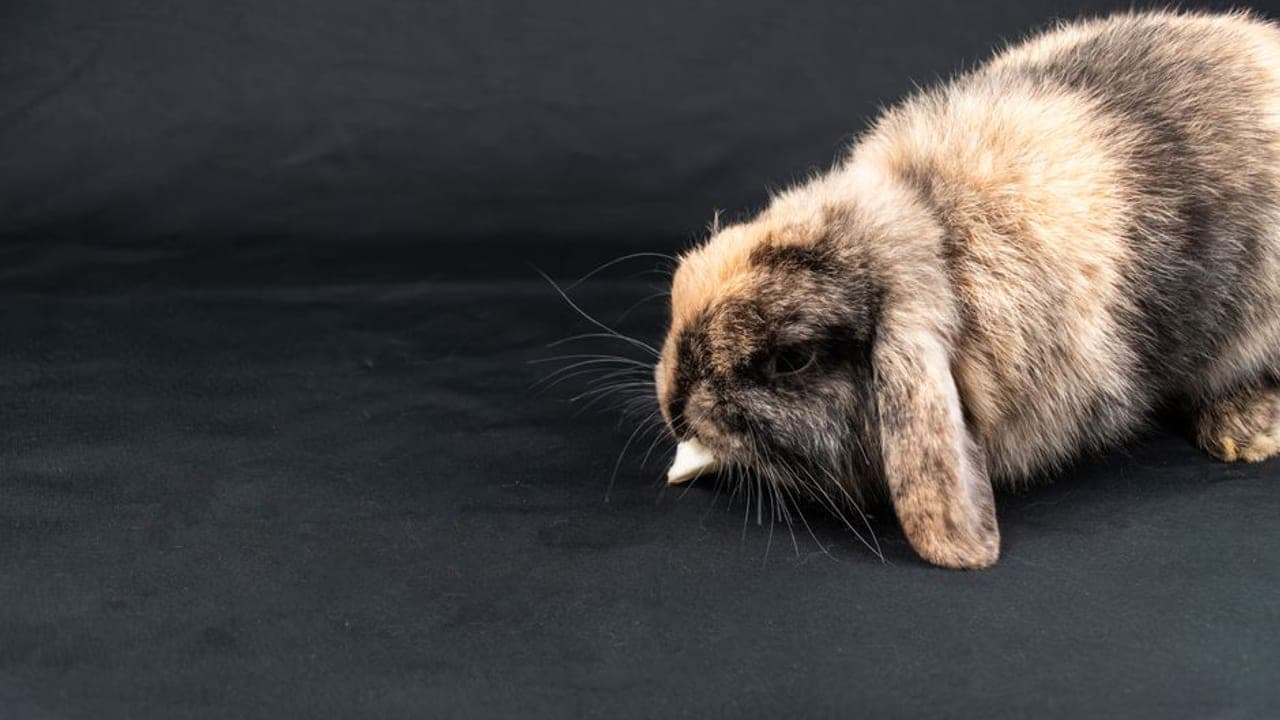
This guide gives you a practical plan for living with a Mini Lop, the compact lop-eared rabbit that sits in a husbandry sweet spot most breeds miss. At up to 6.5 pounds — about 2.95 kg — under the ARBA standard, it sits outside the dwarf breeds entirely, yet stays small enough to live comfortably indoors without a giant breed's space and food bill. (If you are reading a British source, note that the UK's Miniature Lop is a different, smaller breed sharing a similar name.) That combination, plus a calm, people-oriented temperament, makes the Mini Lop one of the few rabbits a researched first-time owner can reasonably start with. The breed is muscular and round-bodied, generally docile, people-oriented and food-motivated, and like most rabbits it takes to a litter box readily. But one genuinely breed-linked catch deserves your attention before the floppy ears do the deciding. Royal Veterinary College researchers who examined fifteen lop-eared and fifteen erect-eared rescue rabbits found the lops commonly had ear canals so narrowed that an otoscope was difficult to insert at all, along with excess wax and ear pain. The risk is the shape of the canal itself, not moisture trapped under the fold — which is why a weekly look and smell belongs in the routine, and why poking about inside the ear does not. Second, the teeth — though not for the reason usually given. Rabbit dental disease tracks diet far more closely than face shape, so a hay-first diet and yearly dental checks remain non-negotiable. None of that makes the breed difficult, it makes it a known quantity. The usual rabbit realities still apply: a commitment measured in years, a prey animal that hides illness, at least one compatible companion rabbit because the RSPCA is clear that rabbits should not live alone, space they can use whenever they want rather than a booked exercise session, neutering, and a rabbit-savvy exotics vet on call. Provide those and the Mini Lop delivers exactly what its reputation promises, a sturdy, affectionate, manageable companion. This guide walks through the daily routine, diet, exercise, grooming, health, and real costs.
Daily Care
Daily Routine
A Mini Lop's day runs on routine, and what it guards against is the breed-linked ear risk plus the weight gain that affects pet rabbits generally. Each morning, top up unlimited grass hay first, since it is what keeps the molars worn and the gut moving, then refresh water in a heavy ceramic bowl, which rabbits drink from more readily than a sipper, and put down a packed serving of washed leafy greens. Scoop the litter box, because a clean box is what keeps a food-motivated, easily litter-trained Mini Lop reliable. Spend a few minutes watching: the two daily non-negotiables are appetite and droppings, and a rabbit that stops eating or stops passing droppings for 12 hours is a same-day emergency because GI stasis kills quickly. Build a weekly ear check into the rhythm too, lifting each lop ear to look and smell for discharge or odor, since the folded ear hides trouble until it is advanced. Keep pellets measured rather than free-poured. The PDSA puts a third of UK pet rabbits overweight and attributes it to too much food and too little exercise rather than to any one breed, and obesity compounds every other health risk. In the evening, open the enclosure for the main free-roam session, refresh hay again, and do a quick hands-on check of the rear, the ears, and the front teeth. None of it takes long, but skipping it is how a manageable rabbit becomes a sick one.
Nutrition
Feeding a Mini Lop
Get the diet right and you prevent most of the health problems in this guide, and with a Mini Lop you are also managing a rabbit that loves to eat. The proportions matter: around 85 percent of what a Mini Lop eats should be unlimited grass hay, timothy, orchard, or meadow, because the long side-to-side chewing it forces wears the continuously growing molars down and keeps the gut moving. On top of that, feed around a cup and a half of varied leafy greens daily, romaine, cilantro, parsley, and dandelion greens, rotated to avoid boredom and mineral excess, and only a small measured portion of plain high-fibre timothy-based pellets. The PDSA's measure is one tablespoon of nuggets a day; the twice-daily allowance it gives applies to rabbits over 3.5 kg, which a Mini Lop under the ARBA ceiling never reaches. Feed more and they eat less hay, which the PDSA links to overgrown teeth and gut stasis. Skip muesli-style mixes entirely, since rabbits selectively eat the sugary bits and leave the fibrous pellet, which drives both dental disease and obesity. Keep pellets measured and weigh the rabbit monthly so you catch creep early. Treats are fruit-sized and occasional, a thin slice of banana or apple and never daily, because sugar disrupts the gut flora. Alfalfa hay is for kits under about 6 months and nursing does only; switch adults to grass hay, since alfalfa's calcium and calories cause bladder sludge and weight gain in a grown Mini Lop.
Exercise
Exercise & Enrichment
A Mini Lop is sturdy and active, and confinement is a genuine welfare and health problem: a rabbit kept permanently in a hutch develops obesity, weak bones, sore hocks, and boredom-driven behavior, and obesity affects a third of UK pet rabbits by the PDSA's count. The old small-cage model is outdated. The RSPCA's recommended minimum for two medium-sized rabbits is a living space no smaller than 3m by 2m and 1m high, shelter and exercise area together — roughly 65 square feet, not the 12 that a three-by-four-foot pen provides. It also advises attaching the exercise space to their home so they can use it whenever they want, rather than booking a supervised session. Two rabbits, note, not one: the RSPCA's guidance is to keep them with at least one other friendly, compatible rabbit. Rabbit-proofing is literal: cover or block electrical cords, because a chewed cord can electrocute or burn, and remove toxic houseplants and anything you mind being gnawed, since chewing is a need rather than a vice. Give a curious, people-oriented rabbit reasons to move, cardboard castles and tunnels, a digging box of shredded paper or hay, and a few toss-and-chew toys, rotated weekly so the space stays interesting. A content, well-exercised Mini Lop binkies and flops, the dramatic side-roll that simply means it feels completely safe. Exercise also doubles as health monitoring: a rabbit that suddenly stops moving, hunches, or grinds its teeth is telling you something is wrong.
Grooming
Grooming
Grooming a Mini Lop is light on the coat and serious on the ears, which is the reverse of what new owners expect. The short, dense fur needs only a brush two to three times a week to remove loose hair, stepping up during the heavy seasonal molts, when swallowed fur can contribute to a gut slowdown, so molt-season brushing is genuinely preventive. Never bathe a rabbit, because full immersion terrifies them and can cause fatal shock, and their coat is hard to dry; spot-clean a soiled rear with a damp cloth instead. The lop ears need the real attention: gently lift each ear weekly, look and smell for wax buildup, discharge, or odor, and wipe only the visible outer part with a damp cloth, never pushing anything into the ear — RVC researchers found lop canals narrow enough that examining them at all was difficult and uncomfortable. Head tilt, repeated head-shaking, or persistent scratching means a vet, since lop ears conceal infection until it is advanced. Trim nails every 4 to 6 weeks, because overgrown nails change how the rabbit sits and worsen sore hocks, and glance at the front teeth while you work, since caught early a misalignment is a hay-and-vet problem rather than surgery.
Health
Health
The Mini Lop's breed-linked health risk is the price of those famous ears. The Royal Veterinary College's comparison of lop-eared and erect-eared rabbits found the lops prone to narrowed ear canals, excess wax and ear pain — the canal's shape, not moisture under the fold, is what the evidence points to. Inspect the ears weekly rather than cleaning inside them, and act early on discharge, odor, head tilt, or repeated scratching, because the folded ear hides trouble until it is advanced. Dental malocclusion is the second concern, though the usual explanation for it does not survive testing. When researchers examined 435 pedigree rabbits — Miniature Lops the largest single group, at 71 animals — they reported that no dental abnormalities were associated with a shorter, more brachycephalic head shape, and that the odds of cheek teeth step or wave mouth actually increased as head shapes lengthened. Their conclusion was that conformation appears less important than husbandry factors for preventing rabbit dental disease. Misaligned or overgrown molars and incisors still occur, so unlimited grass hay drives the wearing chew and a vet should check the back teeth yearly. The other conditions to know: GI stasis, where the gut slows or stops and any 12-hour loss of appetite or droppings becomes a same-day emergency; heat stress, which is a serious risk for any rabbit, so keep indoor temperatures below about 26°C and offer shade, airflow, and frozen water bottles in summer; and uterine cancer in unspayed does, which is why the PDSA recommends spaying — it can be done from around five months of age, eliminates the risk of ovarian and uterine cancer, and tends to reduce aggressive behaviour. Line up an exotics or rabbit-savvy vet before you bring the rabbit home, because most general practices do not treat rabbits.
Costs
The Real Cost of a Mini Lop
The purchase price is the smallest number in rabbit ownership, and treating it as the budget is the classic first-time mistake. A Mini Lop from a reputable breeder or a rescue typically runs 30 to 75 dollars, but the setup costs more: an enclosure meeting the RSPCA's 3m by 2m minimum, a heavy water bowl, a litter box and rabbit-safe litter, hay racks, and starter toys add up to roughly 150 to 300 dollars before you account for the pens and cord covers to rabbit-proof a room. Then there is the ongoing bill. Unlimited hay, fresh greens, a measured amount of pellets, and litter come to roughly 40 to 70 dollars a month, more for premium hay delivered. The cost that surprises people is veterinary: a Mini Lop needs an exotics vet, which means a higher first-visit fee, a one-time spay or neuter usually in the 150 to 400 dollar range that prevents cancer and behavior problems, and an emergency fund, because GI stasis or dental work can run into the hundreds quickly. Factor in the breed's ear vulnerability too, recurring ear infections can mean repeat vet visits and medication across the rabbit's 8-to-11-year life, so an owner who keeps up the weekly ear check is also protecting the budget. Budget realistically and a Mini Lop is an affordable companion; budget only for the rabbit itself and the first vet emergency becomes a crisis.
Frequently Asked Questions
How do I tell a Mini Lop from a Holland Lop?
Start with adult weight. The American Rabbit Breeders Association caps the Mini Lop at 6.5 lbs and the Holland Lop at 4 lbs, so a grown Mini Lop is a noticeably bigger rabbit. ARBA also records separate origins: the Mini Lop reached the United States in the 1970s under the name Klein Widderand, while the Holland Lop was developed in the Netherlands by Adriann de Cock. Weigh the adult parents before you buy a kit.
Are Mini Lops really more prone to ear trouble, or is that just a story?
It is real, and the mechanism is a narrowed canal rather than trapped moisture. The Royal Veterinary College, comparing 15 lop-eared with 15 erect-eared rescue rabbits, reported that lop-eared rabbits are typically more prone to narrowed ear canals, excess wax build up, and ear pain. The student who ran the study described canals so narrow it was difficult to insert an otoscope. Check both ears weekly, never probe inside, and take pain, discharge or head tilt to a rabbit-savvy vet.
What vaccinations does a Mini Lop need?
The same ones every rabbit needs, because vaccination is a species-level requirement and not a Mini Lop one. The RSPCA's UK guidance names myxomatosis, rabbit viral haemorrhagic disease and the RVHD2 strain, calls them often fatal, and says rabbits can be vaccinated from five weeks old. Which combined or separate vaccines exist depends on where you live, so the RSPCA's own instruction is to get vet advice about the right course and the best time to give it.
When should a Mini Lop be neutered, and does it matter if I only have one?
The PDSA recommends neutering all pet rabbits and sets the timing by sex, not by breed: castration from around ten weeks of age, spaying from around five months. It says spaying eliminates the risk of ovarian and uterine cancer and tends to reduce aggressive behaviour. A single Mini Lop gains that cancer protection just as a bonded one does, so book the consultation early rather than waiting for a companion.
My Mini Lop looks chubby. How do I check whether it is actually overweight?
Weigh it, then feel it, and treat the problem as a rabbit problem rather than a Mini Lop one. The PDSA reports that a third of pet rabbits in the UK are overweight and that weight gain is nearly always too much food and too little exercise. Its check is simple: a waist visible from above and the side, a tummy that goes in rather than bulging, and ribs, spine and hips you can feel easily without them sticking out.
Sources
This guide draws on the following published references. Each opens in a new tab so you can check it against what you have read here.
ARBA
Mini Lop — recognised breed entry(opens in a new tab)American Rabbit Breeders Association
Mini Lop(opens in a new tab)American Rabbit Breeders Association
Holland Lop(opens in a new tab)RSPCA
Rabbit environment: what your rabbit needs for a comfortable home(opens in a new tab)RSPCA
Rabbit Diseases & Vaccinations(opens in a new tab)House Rabbit Society
Rabbit Diet & Nutrition(opens in a new tab)Merck Veterinary Manual
Skin Disorders of Rabbits(opens in a new tab)PDSA
Rabbit neutering: castration and spaying guide(opens in a new tab)Merck Veterinary Manual
Diet for Rabbits(opens in a new tab)Royal Veterinary College
Lop-eared rabbits more likely to suffer from ear and dental problems, study confirms for first time(opens in a new tab)Merck Veterinary Manual
Routine Health Care of Rabbits(opens in a new tab)PDSA
Obesity in rabbits(opens in a new tab)
Get personalized pet care tips
Join our newsletter for breed-specific advice, care guides, and expert tips delivered weekly.
No spam, ever. Unsubscribe anytime.