
Lop type
Mini Lop
The Mini Lop sits in a husbandry sweet spot that most rabbit breeds miss, and that is the honest case for choosing one: at roughly 1.
Size
5-6 lb
Lifespan
8-11 years
Free-roam
3-4 hours free-roam
Experience
Rabbit-savvy planning
Decision first
Is a Mini Lop right for you?
Start with fit before history or trivia. These are ownership signals, not guarantees about any individual rabbit.
Best suited for
- Owners prepared for hay-first feeding, litter care, and daily supervised free-roam time.
Think carefully if
- You need a pet with almost no daily feeding, litter, and health-monitoring routine.
- You cannot keep up with grooming and preventive care.
- You cannot access a rabbit-savvy veterinarian for routine and urgent care.
Conditional fit
Apartment living may be difficult unless the owner can provide a large exercise pen or safe room for daily movement.
Daily reality
Mini Lop commitment snapshot
Daily free-roam
3-4 hours free-roam
Match movement, enrichment, and rabbit-proofing to age, health, heat, and housing.
Coat care
Low
Grooming needs vary by coat, shedding, and lifestyle.
Health monitoring
Needs planning
Most rabbits need daily appetite, droppings, litter, teeth, ears, and behavior checks.
Structured facts
Mini Lop at a glance
The measurements and traits that most affect day-to-day life with this breed.
Origin
Netherlands
Group
Lop
Weight
5-6 lb
Height
7-9 in
Lifespan
8-11 years
Temperament
friendly | curious | alert
View all characteristics and methodology
Lifestyle fit
- Indoor housing
- Needs caution
- Child friendliness
- Needs caution
- Bonding potential
- Individual match
- Handling styleMost rabbits are safer and calmer when interaction happens close to the ground.
- Floor-level preferred
Owner commitment
- Free-roam time
- 3-4 hours free-roam
- Grooming
- Low
- Litter routineClean litter supports hygiene and makes appetite or droppings changes visible.
- Daily
Behavior
- Sociability
- Breed-specific
- Energy
- Moderate
- Trainability
- Moderate
- Noise
- Quiet
Environment and health
- Dental monitoring
- Routine priority
- Heat sensitivity
- Needs indoor climate control
- Health risk
- Needs planning
- Vet type
- Rabbit-savvy or exotics
Ratings combine structured breed data, visible breed fields, and editorial context. They are planning aids, not predictions for an individual rabbit.
Daily life
Mini Lop temperament and behavior
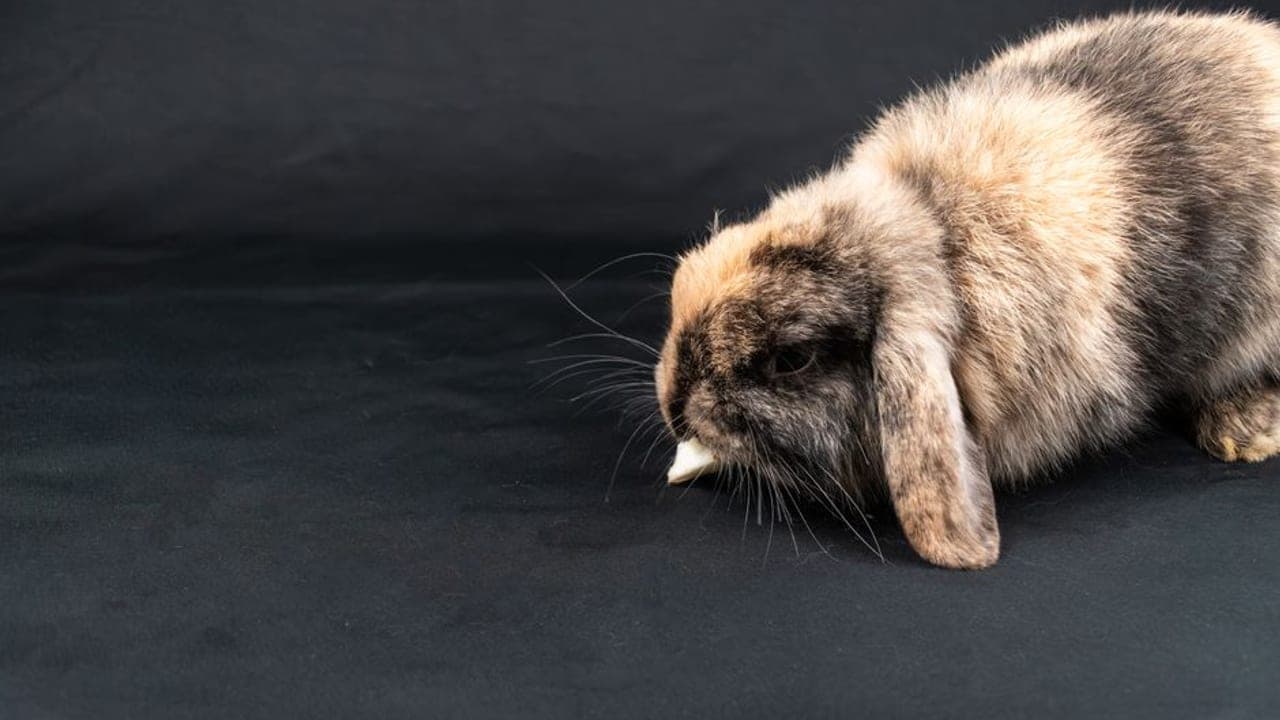
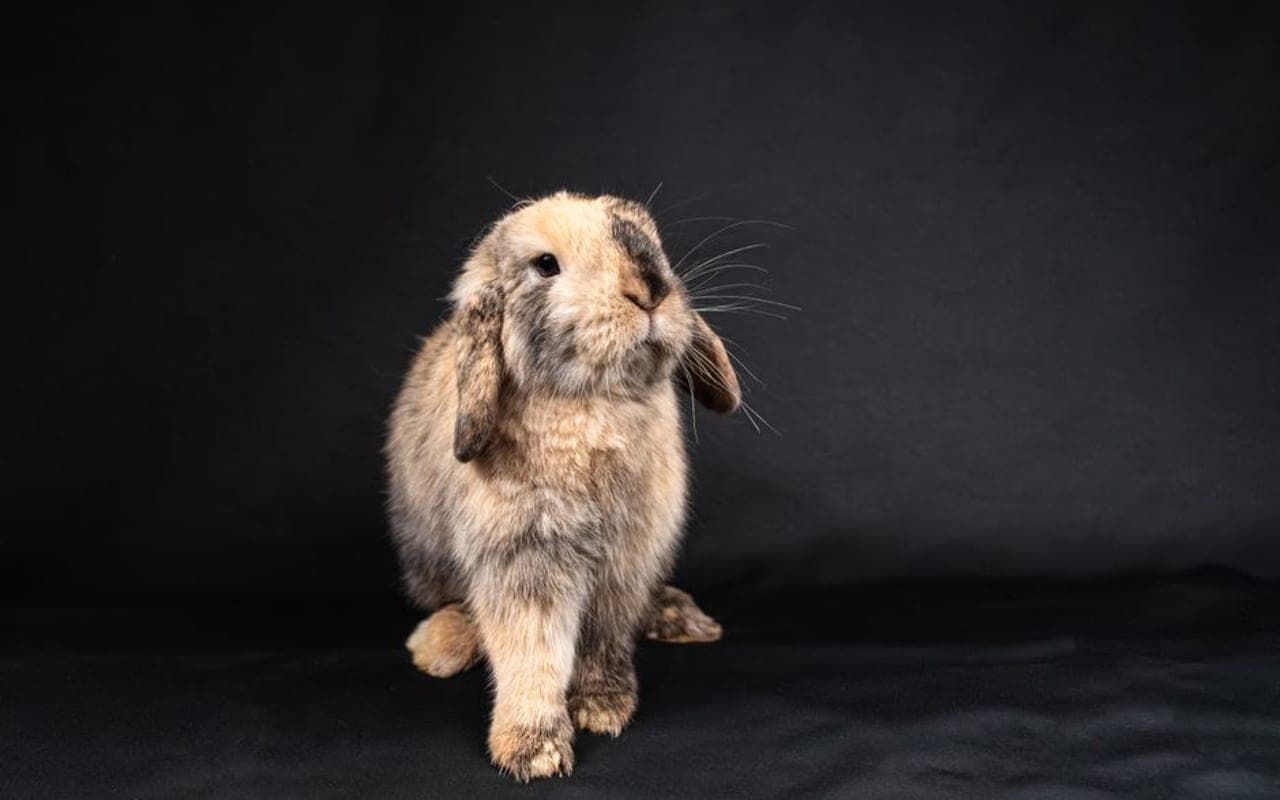
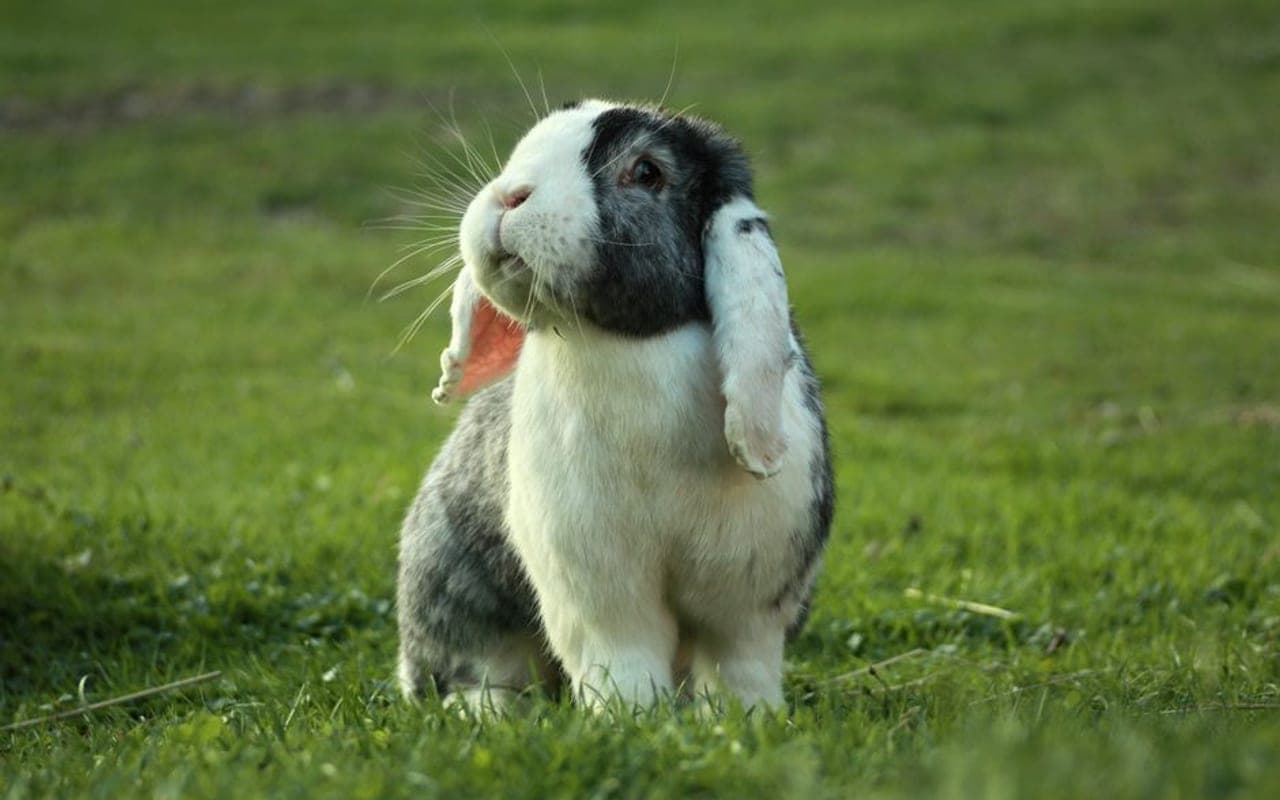
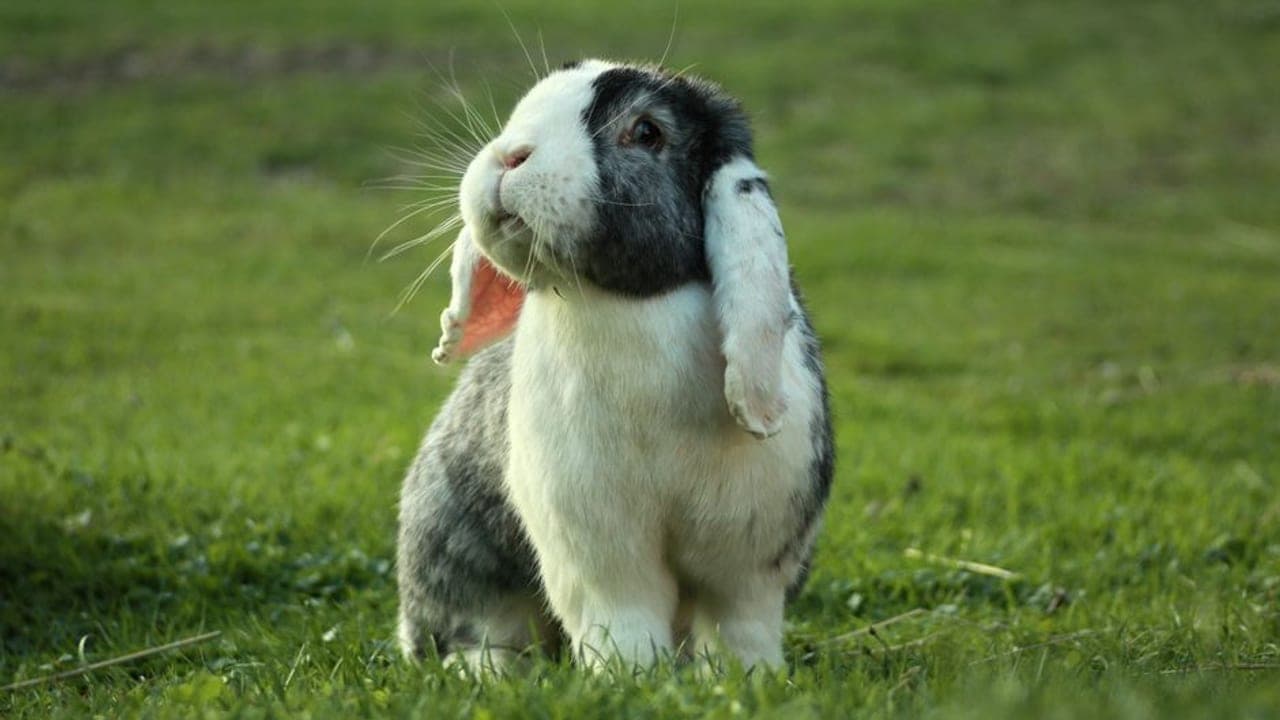
The Mini Lop sits in a husbandry sweet spot that most rabbit breeds miss, and that is the honest case for choosing one: at roughly 1.4 to 2.0 kg (about 3 to 4.5 pounds) it is big enough to dodge the worst of the dwarf-breed metabolic and dental fragility, yet small enough to live comfortably indoors without a giant breed's space and food bill. Developed as a compact lop with a calm, friendly temperament inherited from its larger French Lop ancestry, the Mini Lop is one of the few rabbits a researched first-time owner can reasonably start with. It is muscular and round-bodied, with medium-length ears that hang in the breed's signature lop and come in a wide spread of colors. The temperament is the real selling point — Mini Lops are generally docile, people-oriented, food-motivated, and train well to a litter box — but two breed-specific catches deserve attention before you buy. First, the lopped ears: ears that fold over the canal trap moisture and reduce airflow, so Mini Lops are more prone to wax buildup, ear mites, and infection than upright-eared breeds and need a weekly ear check built into the routine. Second, the face: although far less extreme than a dwarf, the Mini Lop's relatively compact head can still crowd the continuously growing teeth, so a hay-first diet and yearly dental checks remain non-negotiable. None of that makes the breed difficult — it makes it a known quantity. The usual rabbit realities still apply: an 8-to-11-year commitment, a prey animal that hides illness, several hours of daily free-roam exercise, neutering, and a rabbit-savvy exotics vet on call. Provide those and the Mini Lop delivers exactly what its reputation promises — a sturdy, affectionate, manageable companion that suits family life better than almost any other rabbit, provided the adults own the ear and dental vigilance.
friendly | curious | alert
friendly
A common Mini Lop temperament descriptor that should be interpreted alongside housing, gentle handling, diet, and health monitoring, and household fit.
curious
A common Mini Lop temperament descriptor that should be interpreted alongside housing, gentle handling, diet, and health monitoring, and household fit.
alert
A common Mini Lop temperament descriptor that should be interpreted alongside housing, gentle handling, diet, and health monitoring, and household fit.
Owner note
Temperament labels are starting points, not guarantees. Meet the individual rabbit and ask about behavior history whenever possible.
Care essentials
How to care for a Mini Lop
What looking after one actually involves: diet, grooming, habitat, bonding and routine health.
DietAs needed
- 70% timothy hay, 1/4 cup pellets daily, variety of fresh vegetables.
HousingAs needed
- Minimum 2 sq ft enclosure, but larger spaces are ideal for multiple rabbits.
ExerciseAs needed
- Minimum 3-4 hours daily free time in a safe, enclosed space.
GroomingAs needed
- Brush weekly to maintain coat health and reduce shedding.
HandlingAs needed
- Socialize from young age. Handle gently but regularly to maintain bonding.
Health planning
Mini Lop health risks and screening
Every rabbit breed has individual health variation. Use this profile for planning and discuss diet, dental care, gut health, and urgent symptoms with a rabbit-savvy veterinarian.
Ownership cost
How much does a Mini Lop cost?
Cost figures are structured so first-year and lifetime estimates do not conflict with the underlying line items.
| Acquisition | $25-$60 |
|---|---|
| Adoption | |
| Initial setup | |
| Routine monthly | About $40/month |
| Routine annual | About $480/year |
| First-year estimate | $505-$540 |
| Lifetime routine estimate | $3,840-$5,280 routine costs |
Currency: USD. Region: United States. Updated: . Typical ranges for this breed. Equipment, insurance, emergency veterinary care, boarding and training are NOT included: we hold no sourced figures for them, and estimating them would be a guess presented as data.
Responsible ownership
Finding a Mini Lop responsibly
What to ask a breeder or rescue is the same conversation for every breed, so we keep it in one place and keep it current.
Health documentation, meeting the parents or foster, contracts and return support, and the warning signs worth walking away from.
Original purpose
Mini Lop history
History is useful when it explains today's behavior, coat, exercise needs, and care style.
Read the breed history
The Mini Lop was developed in the 1970s in Germany and the Netherlands, where breeders set out to shrink the large, heavy lop breeds into a compact rabbit that kept the lop ears and the famously calm lop temperament but fitted into an ordinary home. The foundation drew on small French Lop stock crossed with other compact breeds, and the goal was an even-tempered pet rather than a working or fur animal. The breed crossed to the United States and was recognized by the American Rabbit Breeders Association in the 1980s, after which its blend of manageable size, sturdy build, and friendly disposition made it one of the most popular pet rabbit breeds in North America. Some breeders still distinguish slightly different body types, and the Mini Lop is occasionally confused with the even smaller Holland Lop, but the Mini Lop is the larger of the two with longer ears and a heavier, more muscular frame.
Gallery
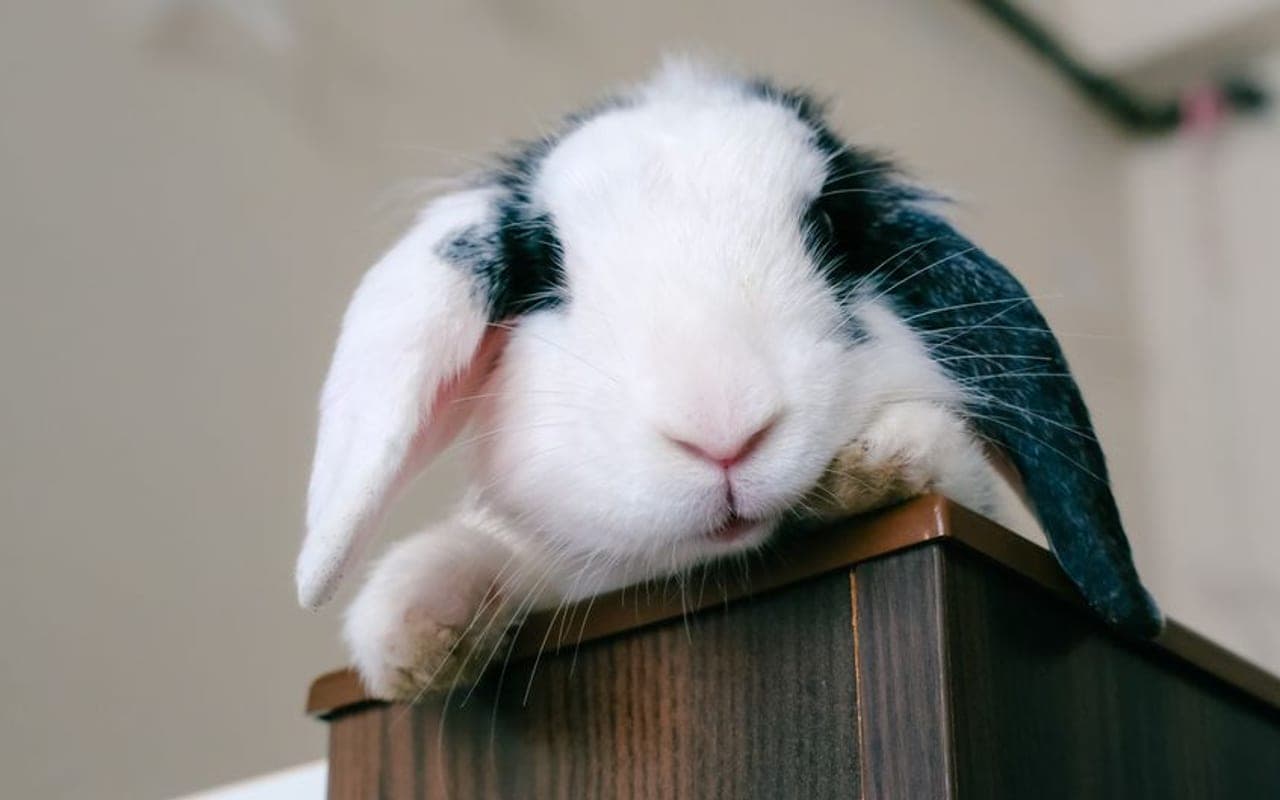
Mini Lop photos
Images are cropped consistently and loaded progressively to keep the page responsive.
Lower-page context
Mini Lops in culture
Where the breed shows up in film, sport, work and folklore — the enjoyable part, once the practical questions are answered.
Fun facts
- The Mini Lop was bred down from large lop breeds specifically to keep the calm lop temperament in a body small enough for an ordinary home.
- Mini Lops are routinely confused with Holland Lops, but the Mini is the larger of the two with longer ears and a heavier, more muscular frame.
- A happy Mini Lop will throw itself onto its side in a sudden 'flop,' a dramatic-looking move that simply means the rabbit feels completely safe.
- Despite weighing only a few pounds, a fit Mini Lop can jump well over its own height when binkying around a room.
- Mini Lops are highly food-motivated, which makes them some of the easiest rabbits to litter-train and to teach simple targeting tricks.
Mini Lop FAQs
What is the difference between a Mini Lop and a Holland Lop?
The two are easily confused but distinct. The Mini Lop is the larger of the two at roughly 1.4 to 2.0 kg with longer, lower-hanging ears and a heavier, more muscular body. The Holland Lop is smaller, often under 1.8 kg, with a shorter, flatter face that makes it more prone to dental problems. If you want a sturdier, slightly bigger lop that is a touch more forgiving to keep, the Mini Lop is usually the better first rabbit of the two.
Are Mini Lops good pets for children?
Mini Lops are among the more child-friendly rabbits because they are sturdy and generally docile, but they are still better described as family pets supervised by adults than as children's pets. Rabbits are prey animals that dislike being picked up, startle easily, and have fragile spines that can fracture if they are dropped or squeezed. They suit calm households and older, gentle children who interact at floor level rather than constantly carrying the rabbit around.
How do I care for a Mini Lop's floppy ears?
Make a weekly ear check part of the routine. Lop ears fold over the canal, trapping moisture and warmth, which makes wax buildup, ear mites, and bacterial infection more likely than in upright-eared rabbits. Gently lift each ear, look and smell for discharge or odor, and wipe the visible outer canal with a damp cloth — never push anything deep into the ear. Head tilt, repeated head-shaking, or persistent scratching means it is time for a vet, because lop ears hide infection until it is advanced.
Can Mini Lops live together?
Yes — like most rabbits, Mini Lops are social animals that generally do best living with a neutered, bonded companion rather than alone. Bonding takes patience and should be done only after both rabbits are neutered, to prevent fighting, hormonal aggression, and unwanted litters. A solo Mini Lop can still be content, but only if its owners commit to several hours of daily interaction, because a chronically lonely rabbit becomes a stressed and often depressed one.
How long do Mini Lops live?
With good care a Mini Lop typically lives 8 to 11 years, a far longer commitment than most first-time owners expect. Lifespan depends heavily on a hay-first diet, weekly ear care, neutering (which prevents reproductive cancers in does), indoor housing away from heat and predators, and access to a vet who actually treats rabbits. Plan for a decade-long responsibility and the recurring exotics-vet costs that come with it, not a short-term pet.
Similar breeds to consider
Worth comparing if this breed appeals but you want a different fit on family life, grooming, energy, size or temperament.
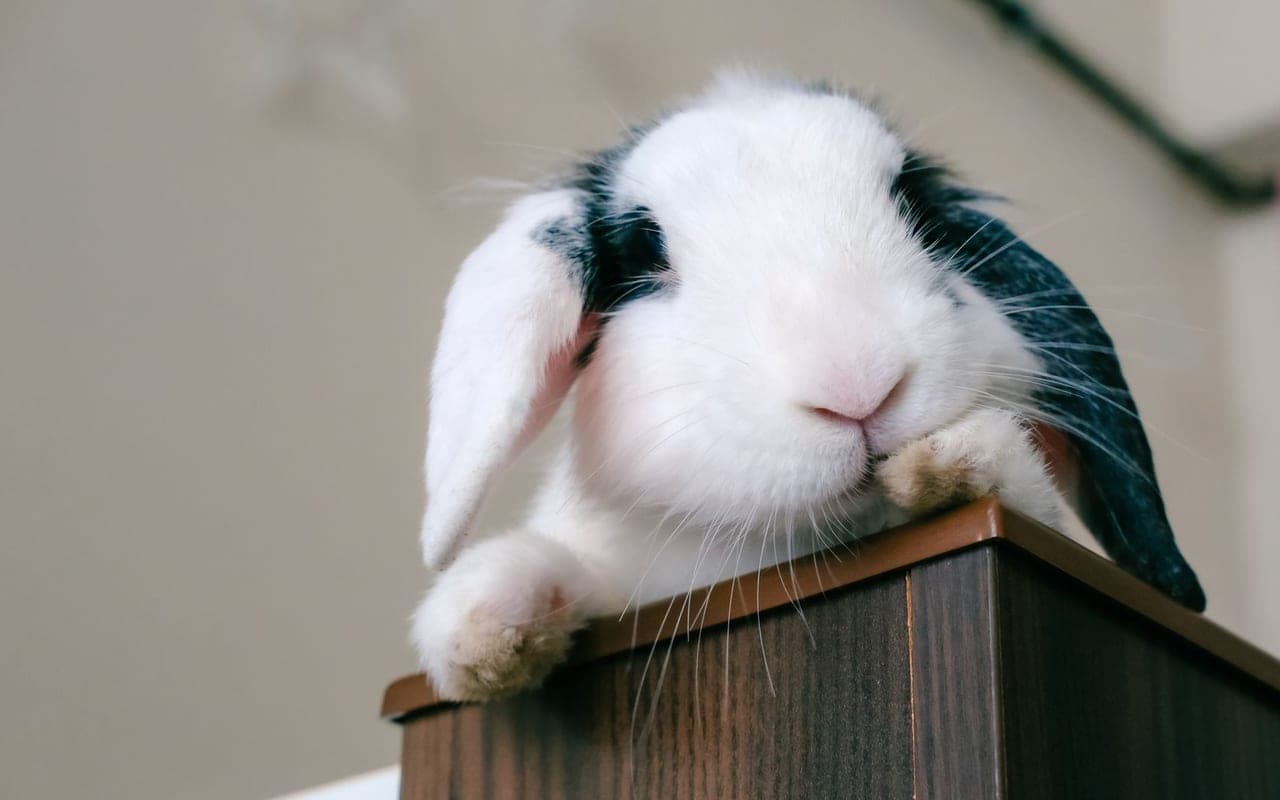
Sable
Also in the Lop group, with different size, housing, grooming, and health tradeoffs.
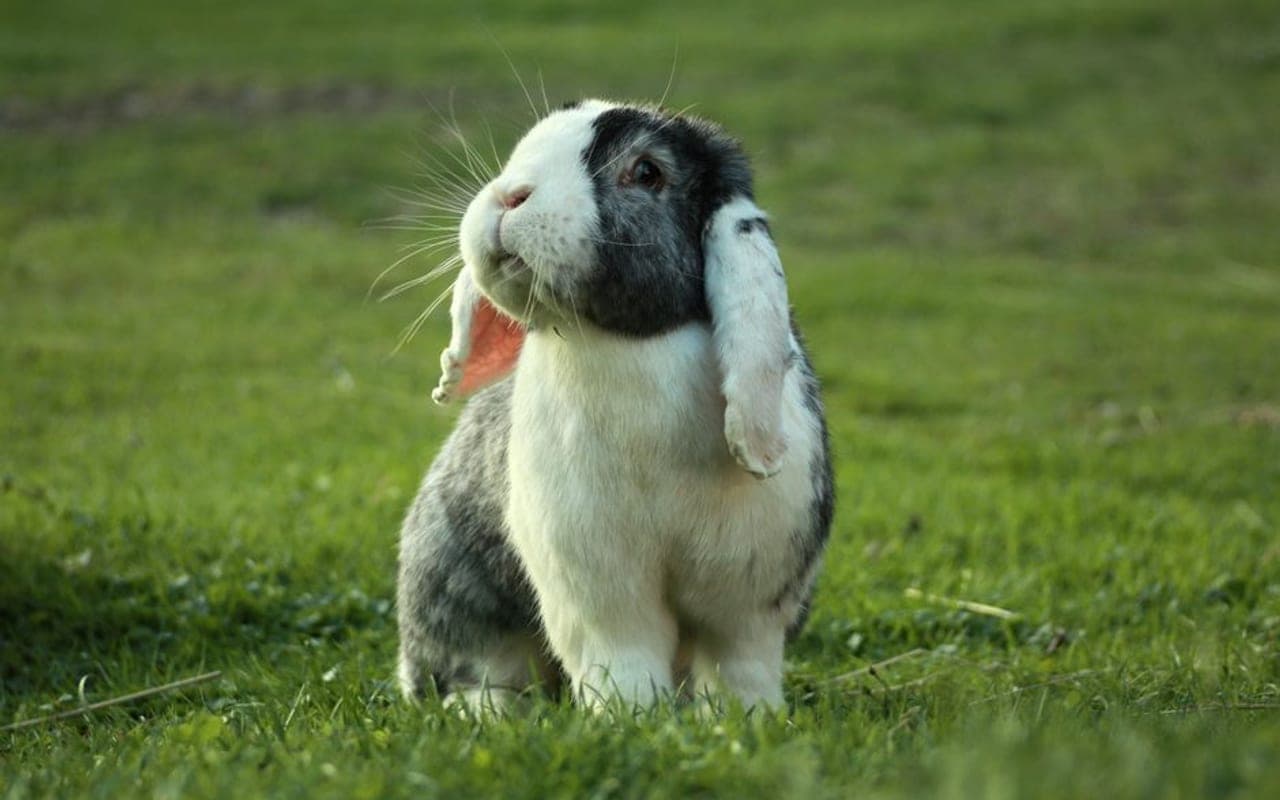
English Lop
Also in the Lop group, with different size, housing, grooming, and health tradeoffs.
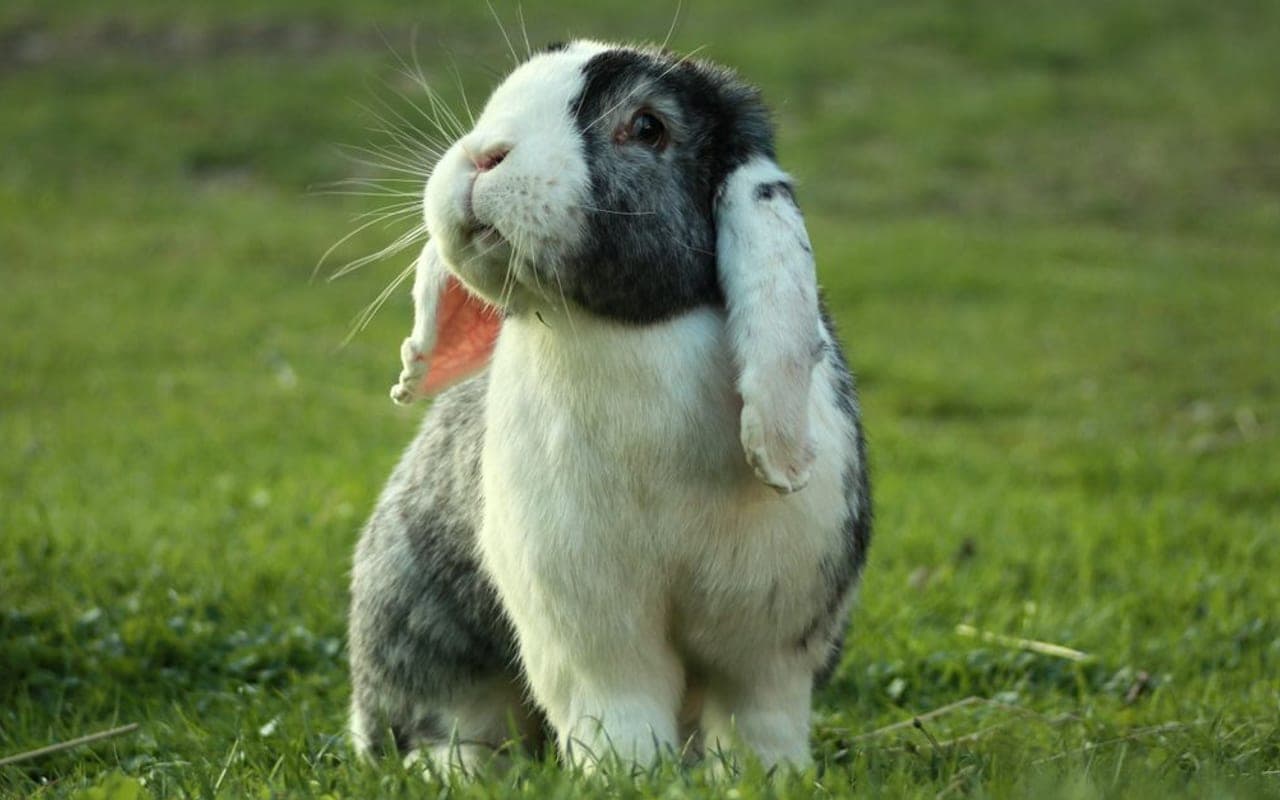
Velveteen Lop
Also in the Lop group, with different size, housing, grooming, and health tradeoffs.
Holland Lop
Also in the Lop group, with different size, housing, grooming, and health tradeoffs.
Explore More About Mini Lop
Dive deeper into everything Mini Lop — costs, care, and expert insights.
How Much Does a Mini Lop Cost?
Purchase price, monthly costs, and lifetime expenses
Mini Lop Care Guide
This guide gives you a practical plan for living with a [Mini...
Considering a guinea pig instead?
Browse Guinea Pigs