
Lop type
Holland Lop
A compact lop-eared rabbit known for a friendly, people-oriented temperament, with serious needs around hay-first nutrition, free-roam time, dental monitoring, and rabbit-savvy veterinary care.
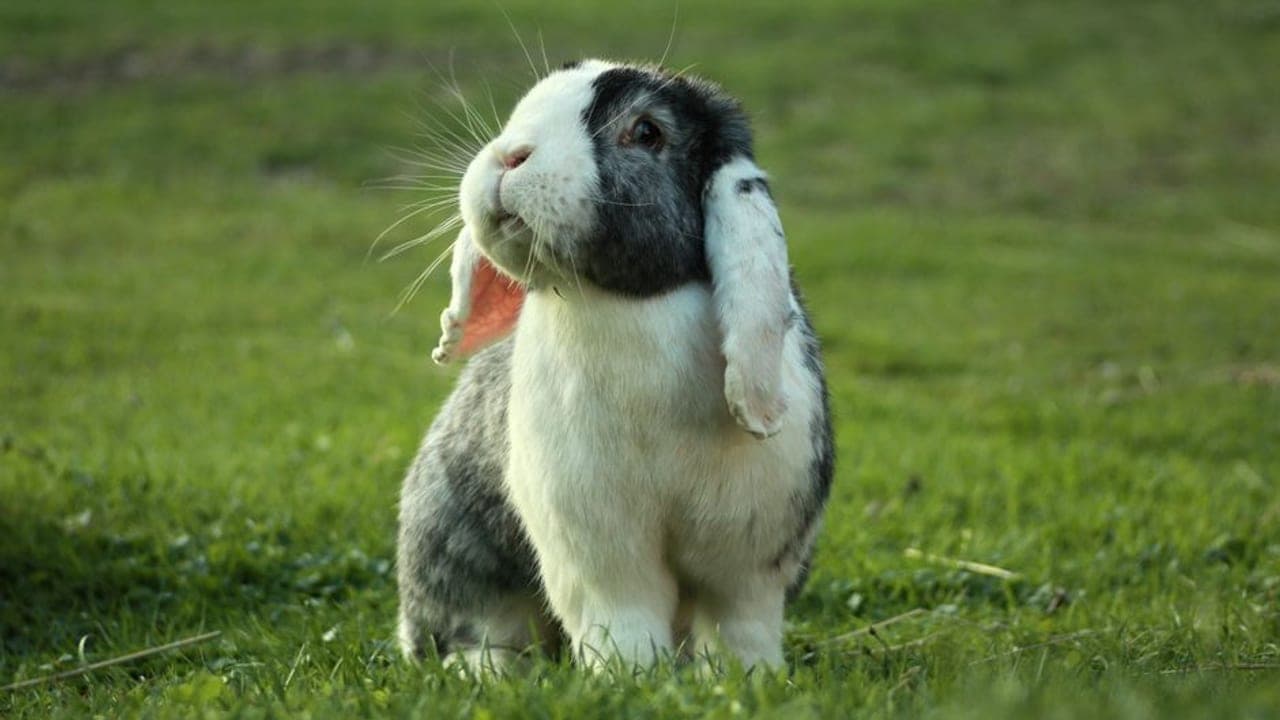
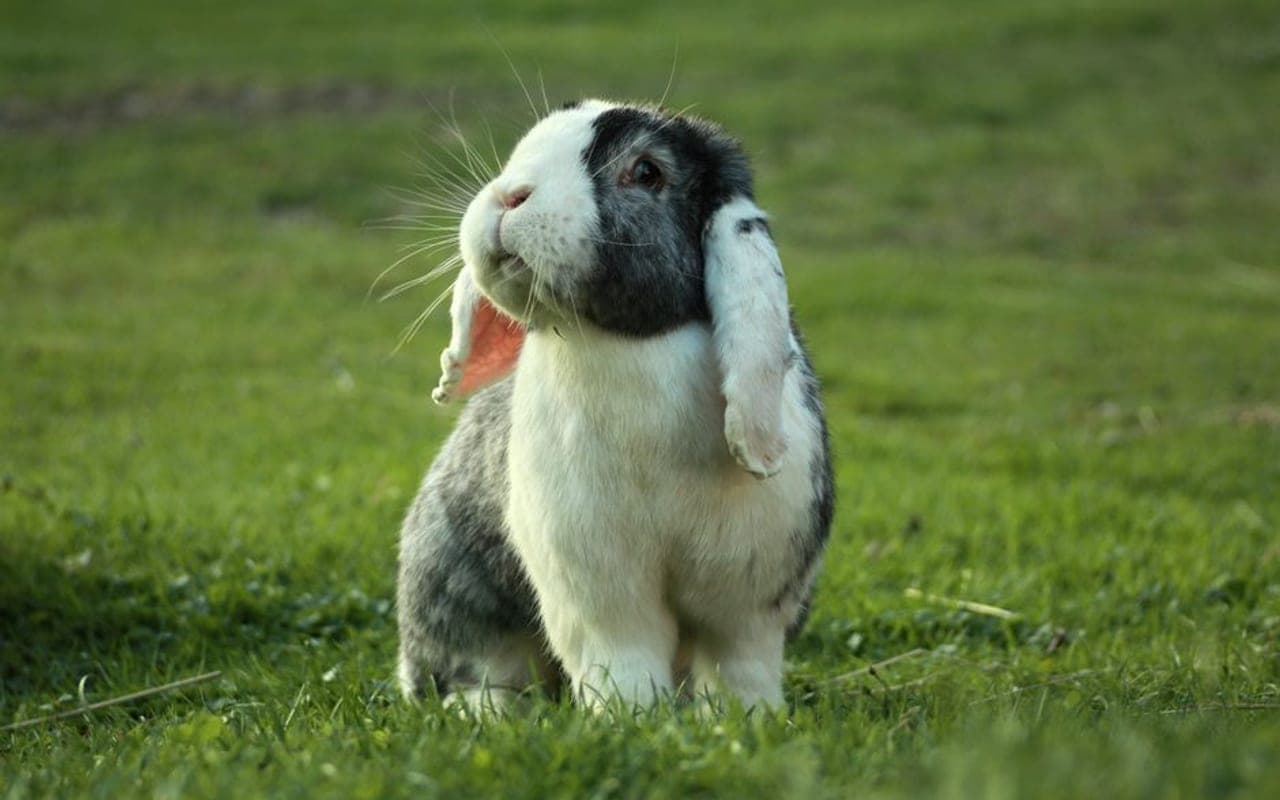
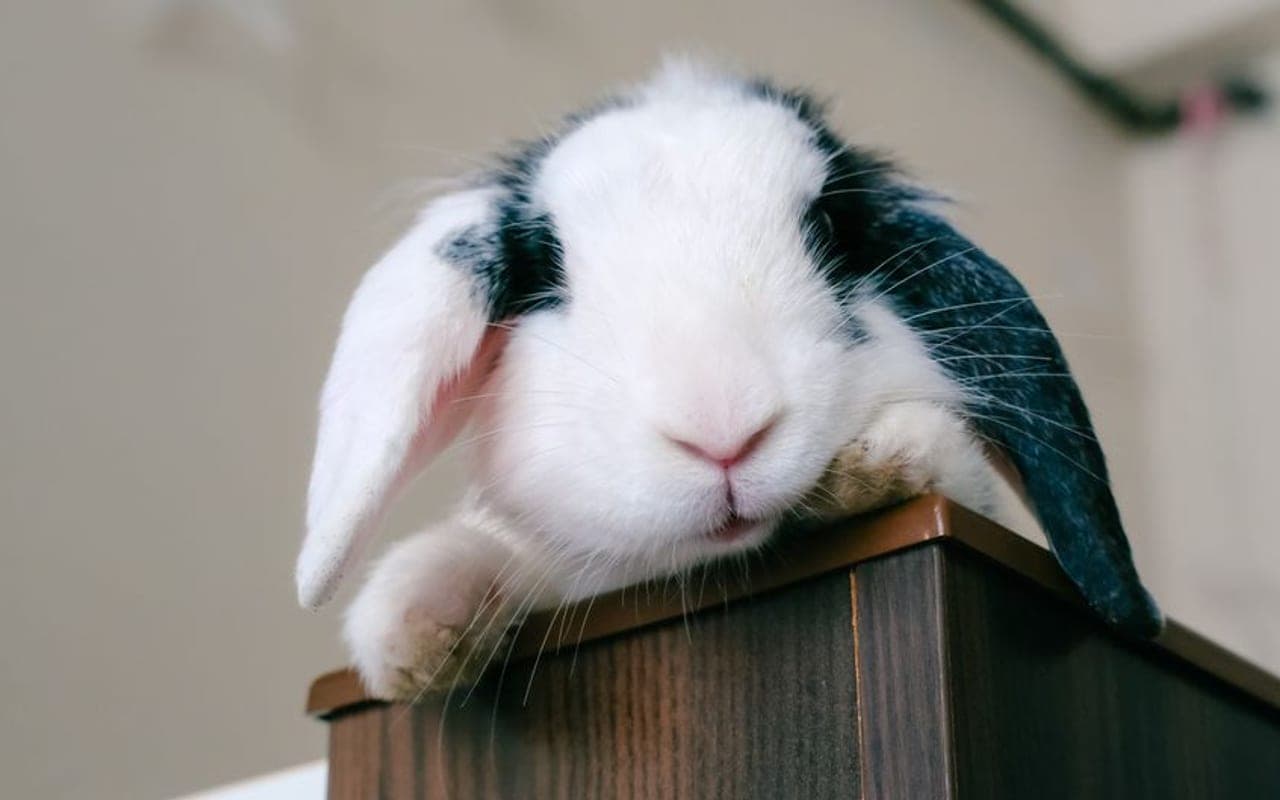
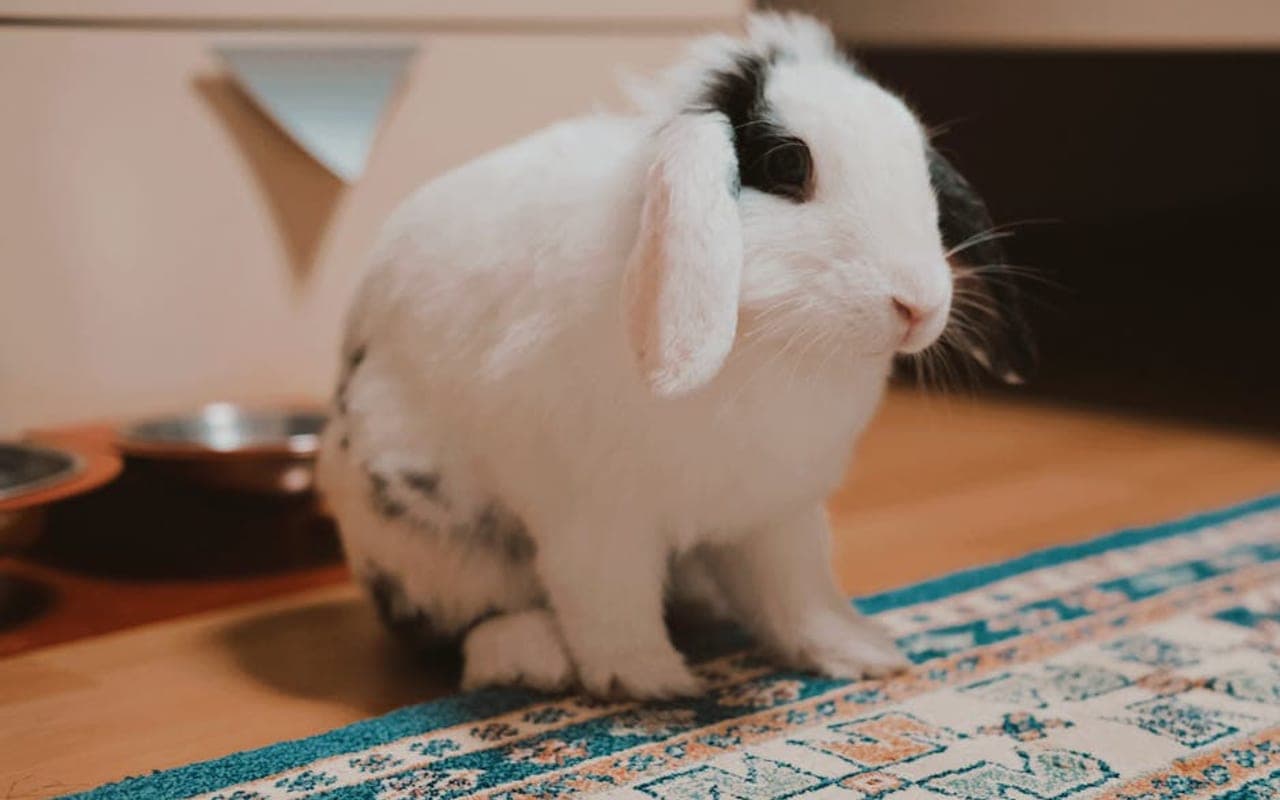
Size
4-6 lb
Lifespan
8-12 years
Free-roam
3-4 hours free-roam
Experience
Beginner friendly with rabbit care
Decision first
Is a Holland Lop right for you?
Start with fit before history or trivia. These are ownership signals, not guarantees about any individual rabbit.
Best suited for
- Calm indoor homes that can provide daily floor-level interaction and supervised free-roam time.
- First-time rabbit owners who are ready to learn hay-first nutrition, gentle handling, and emergency signs.
- Apartments or smaller homes with a rabbit-proofed room or large exercise pen.
- Families with older, gentle children who can interact on the floor instead of carrying the rabbit.
- Owners comfortable budgeting for an exotics vet, neutering, hay, greens, and litter.
Think carefully if
- You want a cage-only pet or cannot provide several hours of daily movement.
- Young children expect to pick up, squeeze, or carry the rabbit often.
- You do not have access to a rabbit-savvy or exotics veterinarian.
- You cannot monitor appetite and droppings daily or act quickly on GI stasis signs.
- Your home regularly gets hot, noisy, or difficult to rabbit-proof.
Conditional fit
Can live very well in an apartment when the home is rabbit-proofed, the enclosure is only a home base, and daily supervised free-roam time is handled consistently.
Daily reality
Holland Lop commitment snapshot
Daily free-roam
3-4 hours
Use a rabbit-proofed room or exercise pen with tunnels, boxes, and chew-safe enrichment.
Diet
Hay-first
Unlimited grass hay drives dental wear and gut movement; greens and pellets stay measured.
Coat care
Weekly
Brush weekly, increase during molts, and check lopped ears and nails on a schedule.
Health checks
Daily
Watch appetite, droppings, posture, teeth, ears, and heat stress signs.
Before you choose
Hard truths about Holland Lops
These points are not meant to discourage good matches. They make the tradeoffs visible before the rabbit comes home.
Small does not mean low care
A Holland Lop still needs room to move, daily observation, enrichment, and a decade-long care plan.
The cute flat face has a cost
The short muzzle can crowd continuously growing teeth, so hay and regular rabbit-vet checks matter.
Cage-only housing is outdated
Permanent confinement increases obesity, boredom, sore hocks, and weak muscle or bone condition.
A stopped appetite is urgent
Any rabbit that stops eating or producing droppings for around 12 hours needs same-day veterinary advice.
Structured facts
Holland Lop at a glance
The measurements and traits that most affect day-to-day life with this breed.
Origin
Netherlands
Group
Lop
Weight
4-6 lb
Height
6-8 in
Lifespan
8-12 years
Temperament
friendly | curious | affectionate
View all characteristics and methodology
Lifestyle fit
- Indoor housing
- Needs caution
- Child friendliness
- Needs caution
- Bonding potential
- Individual match
- Handling styleMost rabbits are safer and calmer when interaction happens close to the ground.
- Floor-level preferred
Owner commitment
- Free-roam time
- 3-4 hours free-roam
- Grooming
- Low
- Litter routineClean litter supports hygiene and makes appetite or droppings changes visible.
- Daily
Behavior
- Sociability
- Breed-specific
- Energy
- Moderate
- Trainability
- Moderate
- Noise
- Quiet
Environment and health
- Dental monitoring
- High priority
- Heat sensitivity
- Needs indoor climate control
- Health risk
- Needs planning
- Vet type
- Rabbit-savvy or exotics
Ratings combine structured breed data, visible breed fields, and editorial context. They are planning aids, not predictions for an individual rabbit.
Daily life
Holland Lop temperament and behavior
Holland Lops are often calm, curious, and people-oriented, but they are still prey animals. Their best temperament shows when handling is gentle, routines are predictable, and interaction happens close to the floor.
friendly | curious | affectionate
Gentle but still prey-minded
Many Holland Lops are friendly, but most rabbits prefer floor-level interaction over being carried.
Social and routine-driven
They often bond strongly with calm owners and do best with predictable feeding, cleaning, and play routines.
Quietly expressive
Binkies, relaxed loafing, tooth purrs, hiding, and appetite changes all carry useful behavior signals.
Better with patient handling
Gentle handling, safe exits, and no forced cuddling build trust faster than constant lifting.
Owner note
Plan for a rabbit that may enjoy company without enjoying constant lifting. Trust grows through calm floor time, food routines, enrichment, and quick attention to subtle behavior changes.
Care essentials
How to care for a Holland Lop
What looking after one actually involves: diet, grooming, habitat, bonding and routine health.
Hay-first nutritionUnlimited daily
- Offer unlimited grass hay such as timothy or orchard hay; it is the core diet, not bedding.
- Use measured leafy greens and only a small amount of plain timothy-based pellets.
- Avoid muesli-style mixes because selective feeding can drive dental and gut problems.
Housing and exerciseDaily, 3-4 hours free-roam
- Use a roomy enclosure as a home base, then provide supervised movement in a rabbit-proofed room or pen.
- Cover cords, remove toxic plants, and expect chewing as normal rabbit behavior.
- Add tunnels, cardboard boxes, digging materials, and rotating chew-safe enrichment.
Grooming and handlingWeekly, more during molts
- Brush weekly and increase frequency during heavy seasonal shedding.
- Never bathe a rabbit; spot-clean when needed and keep the rear end dry and clean.
- Trim nails regularly and practice calm floor-level handling rather than frequent carrying.
Ears, teeth, and daily monitoringDaily checks, weekly hands-on review
- Check lopped ears for wax, odor, discharge, scratching, or head tilt.
- Watch appetite and droppings every day because GI stasis can become urgent quickly.
- Ask a rabbit-savvy vet to check the back teeth at least yearly or sooner if appetite changes.
CompanionshipDaily social time
- Many rabbits do best with a neutered, bonded rabbit companion after careful introductions.
- A solo Holland Lop needs consistent human interaction and enrichment to avoid loneliness.
- Spay or neuter planning supports health, behavior, and safer bonding.
Care calendar
Daily
- Refresh hay and water, feed measured greens and pellets, scoop the litter box, check appetite and droppings, and provide supervised free-roam time.
Several times weekly
- Rotate enrichment, inspect rabbit-proofing, and brush more often during molts.
Weekly
- Check ears, nails, teeth visibility, coat condition, weight trend, rear-end cleanliness, and litter habits.
Monthly
- Refresh the enclosure layout, review heat controls, restock hay and litter, and reassess chew-safe enrichment.
Annually
- Rabbit-savvy veterinary exam, dental check, vaccination or regional disease discussion, and neuter/spay planning where relevant.
Health planning
Holland Lop health risks and screening
Holland Lops need planning around dental disease, GI stasis, ear problems, heat stress, and reproductive health. Rabbit-savvy veterinary care and daily appetite monitoring reduce risk but cannot guarantee an individual rabbit's outcome.
Dental malocclusion
Why it mattersThe short, flat head can crowd continuously growing teeth, making painful overgrowth more likely.
ScreeningYearly rabbit-vet dental exams and daily monitoring of appetite, drooling, dropped food, and weight.
Call a vet forDrooling, reduced appetite, weight loss, wet chin, grinding, or dropped food.
GI stasis
Why it mattersA slowed gut can become life-threatening quickly in rabbits.
ScreeningTrack appetite, droppings, hydration, stress, pain signs, and hay intake every day.
Call a vet forNo eating or droppings for about 12 hours, hunched posture, tooth grinding, or severe lethargy.
Ear infections and mites
Why it mattersLopped ears trap warmth and moisture, reducing airflow and hiding early problems.
ScreeningWeekly ear checks for wax, odor, discharge, scratching, or head tilt.
Call a vet forHead tilt, persistent scratching, bad odor, discharge, crusting, or balance changes.
Heat stress
Why it mattersSmall rabbits cannot sweat and can overheat quickly in warm indoor conditions.
ScreeningKeep housing cool, shaded, ventilated, and away from direct sun or outdoor predators.
Call a vet forPanting, weakness, red ears, drooling, collapse, or refusal to move in heat.
Uterine cancer in unspayed does
Why it mattersFemale rabbits have a meaningful reproductive cancer risk as they age.
ScreeningDiscuss spay timing, health history, and surgical risk with a rabbit-savvy vet.
Call a vet forBlood in urine, reduced appetite, abdominal swelling, lethargy, or behavior changes.
Ownership cost
How much does a Holland Lop cost?
Cost figures are structured so first-year and lifetime estimates do not conflict with the underlying line items.
| Acquisition | $40-$100 |
|---|---|
| Adoption | |
| Initial setup | |
| Routine monthly | About $55/month |
| Routine annual | About $660/year |
| First-year estimate | $700-$760 |
| Lifetime routine estimate | $5,280-$7,920 routine costs |
Currency: USD. Region: United States. Updated: . Typical ranges for this breed. Equipment, insurance, emergency veterinary care, boarding and training are NOT included: we hold no sourced figures for them, and estimating them would be a guess presented as data.
Kit development
Holland Lop kit growth timeline
Milestones vary by individual rabbit. Medical timing should be veterinarian-directed and location-dependent.
Stage 1
Birth to 8 weeks
- Focus
- Litter development, nursing, early handling, and stable growth.
- Care
- Kits should remain with the doe and litter while a breeder or rescue manages early care.
Stage 2
8 to 16 weeks
- Focus
- Home transition, litter-box setup, safe-room confidence, and gentle handling.
- Care
- Use age-appropriate diet guidance and establish an exotics vet relationship early.
Stage 3
4 to 6 months
- Focus
- Growth, chewing outlets, social confidence, and safe household boundaries.
- Care
- Discuss neuter or spay timing and monitor teeth, appetite, and weight.
Stage 4
6 to 12 months
- Focus
- Adolescence, territorial behavior, bonding readiness, and routine stability.
- Care
- Watch hormonal behavior, heat stress, ear changes, and dental warning signs.
Stage 5
Adult maturity
- Focus
- Steady enrichment, bond maintenance, and long-term health monitoring.
- Care
- Annual rabbit-vet exams, dental review, diet control, and fast response to appetite changes.
Responsible ownership
Finding a Holland Lop responsibly
A responsible path can be a documented breeder or a good rescue match. The important part is transparency and support.
Reputable breeder
- Transparent parent history, age, weight, dental background, and temperament notes.
- Clean indoor housing, hay-first feeding, early gentle handling, and no pet-store-style impulse sales.
- Willingness to discuss lopped-ear care, dental risk, neutering, and rabbit-savvy veterinary support.
- No always-available kits, no pressure selling, and no refusal to take the rabbit back if placement fails.
Rescue or adoption
- Check rabbit-specific rescues, reputable shelters, and foster homes with rabbit experience.
- Ask about temperament, medical history, foster notes, and support after adoption.
- Match the individual rabbit's age, handling tolerance, litter habits, bond status, and health history to your household.
Warning signs
- No health documentation.
- Pressure to buy immediately.
- No questions about your home or experience.
- Unclear return policy or unwillingness to provide references.
- No discussion of hay, housing, neutering, dental care, or exotics-vet access.
Original purpose
Holland Lop history
History is useful when it explains today's behavior, coat, exercise needs, and care style.
Read the breed history
The Holland Lop was developed in the Netherlands by breeder Adriaan de Cock, who set out to create a miniature lop-eared rabbit by crossing the French Lop — a large breed often over 10 pounds — with the tiny Netherland Dwarf. Early crosses through the 1950s and 1960s were inconsistent in size and ear carriage, and it took roughly a decade of selective breeding, including an infusion of English Lop blood, before the type stabilized. The breed was recognized by the Netherlands' governing rabbit body in 1964 and reached the United States in the 1970s, where the American Rabbit Breeders Association granted recognition in 1979. The deliberate goal — lop ears on a dwarf-sized frame — explains both the breed's compact charm and its brachycephalic head, and the Holland Lop went on to become one of the most-registered rabbit breeds in North America.
Gallery
Holland Lop photos
Images are cropped consistently and loaded progressively to keep the page responsive.

Lower-page context
Holland Lops in culture
Where the breed shows up in film, sport, work and folklore — the enjoyable part, once the practical questions are answered.
Fun facts
- Holland Lops were bred down from the French Lop, which can weigh over 10 pounds — more than five times a Holland's adult size.
- Baby Holland Lops are sometimes born with their ears still upright; the ears typically drop into the breed's signature lop as the kit matures.
- ARBA recognizes Holland Lops in a wide range of colors, grouped into broken (patched) and solid patterns.
- Despite their tiny size, Holland Lops can be litter-trained, and many reliably use a corner litter box like a cat.
- The Holland Lop is one of the most-shown rabbit breeds at ARBA events, prized for a compact, muscular body type packed onto a small frame.
Holland Lop FAQs
How big does a Holland Lop get?
A Holland Lop is one of the smallest lop breeds, typically weighing 2 to 4 pounds fully grown — ARBA shows them to a 4-pound maximum — and reaching adult size by about six months. Their small frame is part of the appeal, but it also means they overheat quickly and are easily hurt by rough handling, so they are not a sturdy pet for very young children.
How long do Holland Lops live?
With good care a Holland Lop usually lives 7 to 12 years, a far longer commitment than most first-time owners expect from a small pet. Lifespan depends heavily on a hay-first diet, neutering (which prevents reproductive cancers in does), indoor housing away from heat and predators, and access to a vet who actually treats rabbits. Plan for a decade-long responsibility, not a short-term pet.
Are Holland Lops good pets for children?
Holland Lops are gentle and friendly, but they are better described as family pets supervised by adults than as children's pets. Rabbits are prey animals that dislike being picked up, startle easily, and have fragile spines that can fracture if they are dropped or squeezed. They suit calm households and older, gentle children who interact at floor level rather than constantly carrying the rabbit around.
Do Holland Lops need a companion rabbit?
Most rabbits, Holland Lops included, are social animals that do best living with a neutered, bonded companion rabbit. A solo rabbit can still be happy, but only if its owners commit to several hours of daily interaction. Bonding two rabbits takes patience and should be done after both are neutered to avoid fighting and unwanted litters — a chronically lonely rabbit is a stressed rabbit.
Why are Holland Lops prone to dental problems?
The Holland Lop's short, flat muzzle crowds the teeth, making malocclusion — misaligned, overgrown teeth — more common than in longer-faced breeds. Because a rabbit's teeth grow continuously, prevention is dietary: unlimited grass hay forces the side-to-side chewing that wears the molars down. Watch for drooling, weight loss, or a dropped appetite, and have a rabbit vet check the back teeth at least once a year.
Similar breeds to consider
Worth comparing if this breed appeals but you want a different fit on family life, grooming, energy, size or temperament.
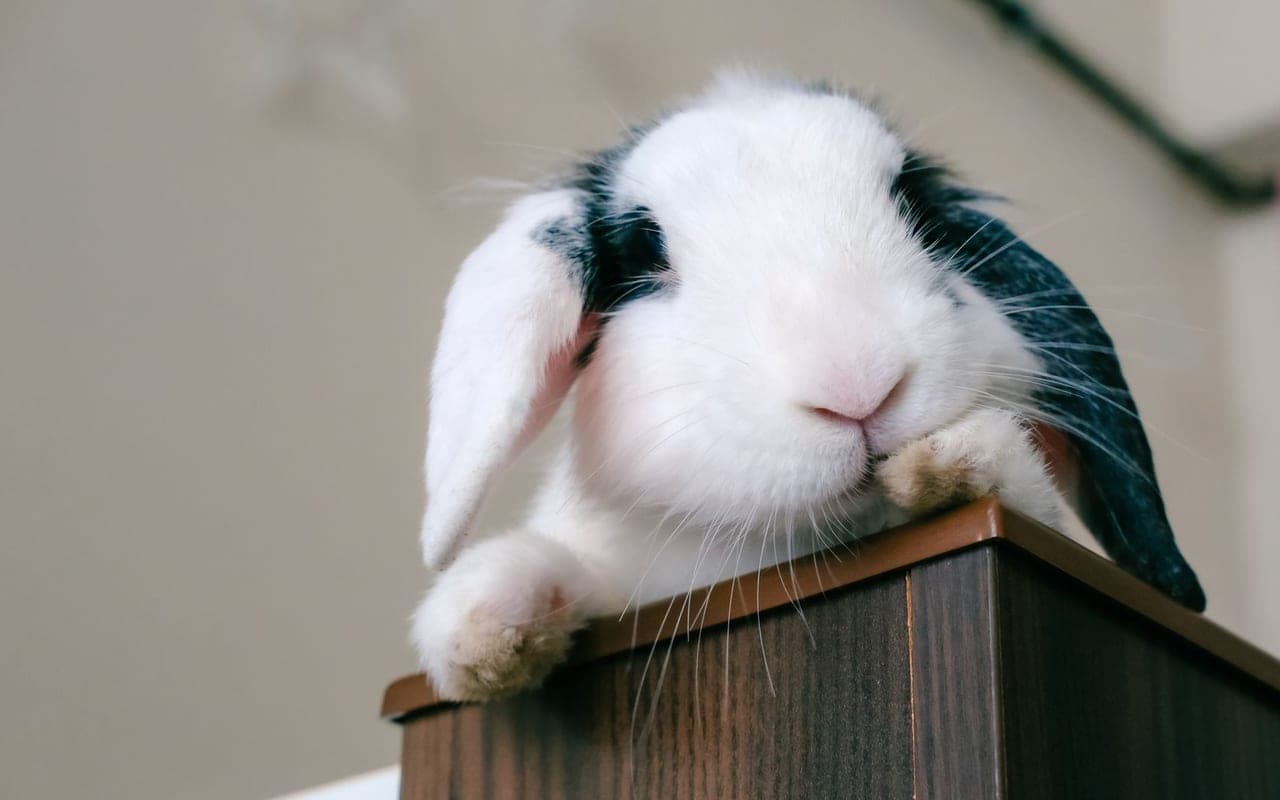
Sable
Worth comparing for size, handling tolerance, grooming, dental risk, and indoor housing needs.
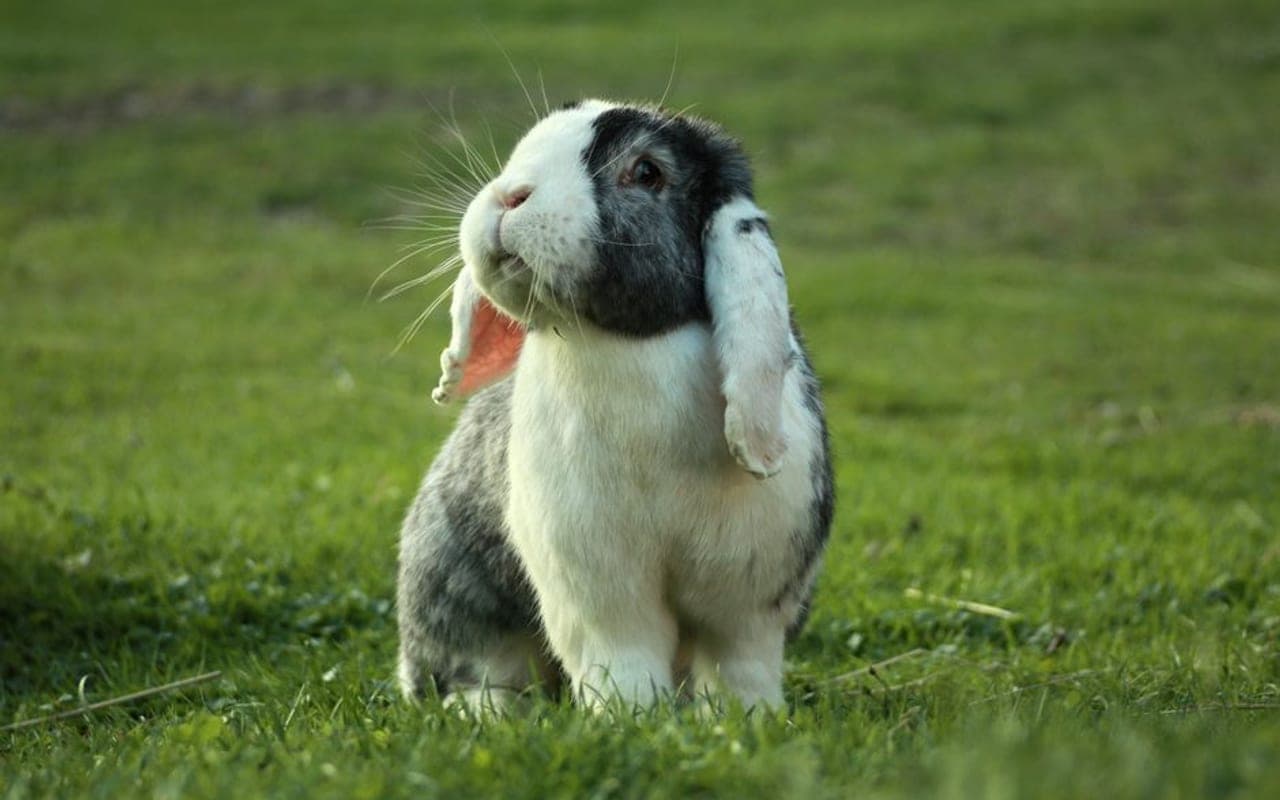
English Lop
Worth comparing for size, handling tolerance, grooming, dental risk, and indoor housing needs.
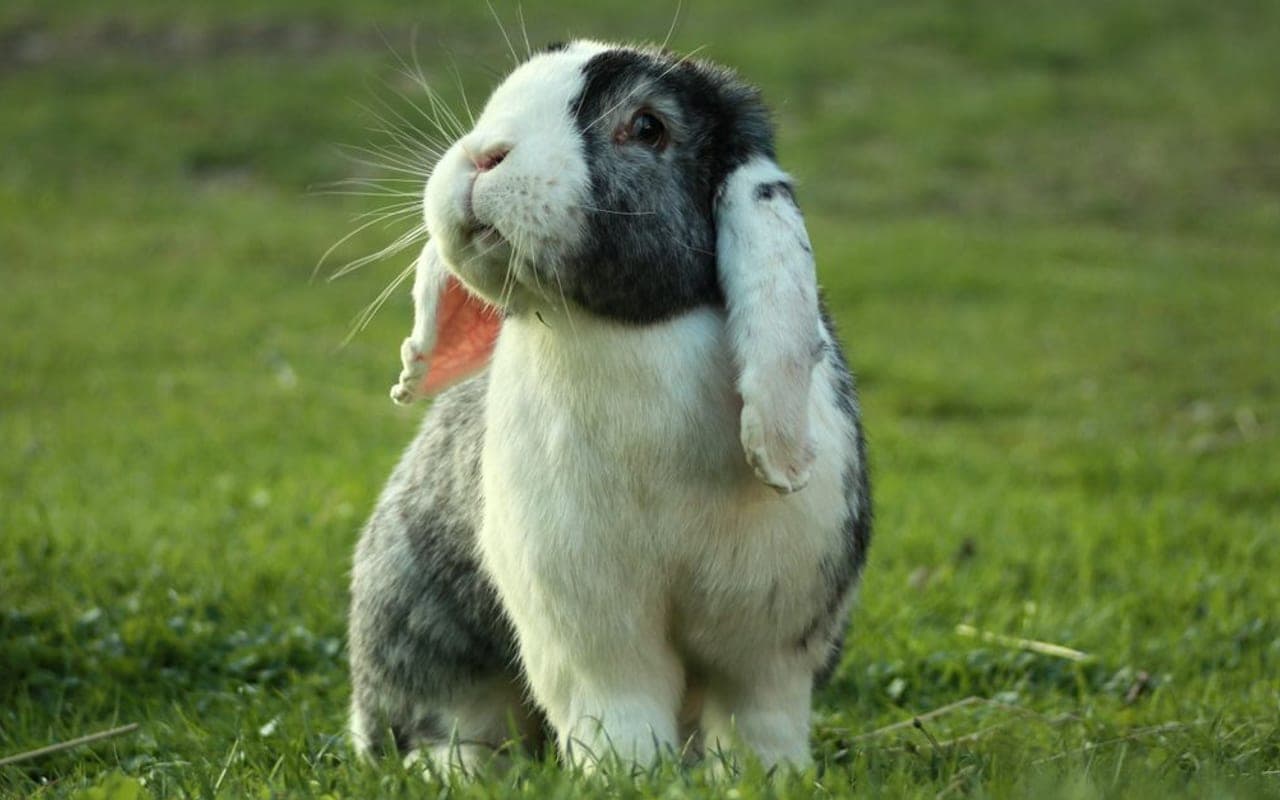
Velveteen Lop
Worth comparing for size, handling tolerance, grooming, dental risk, and indoor housing needs.
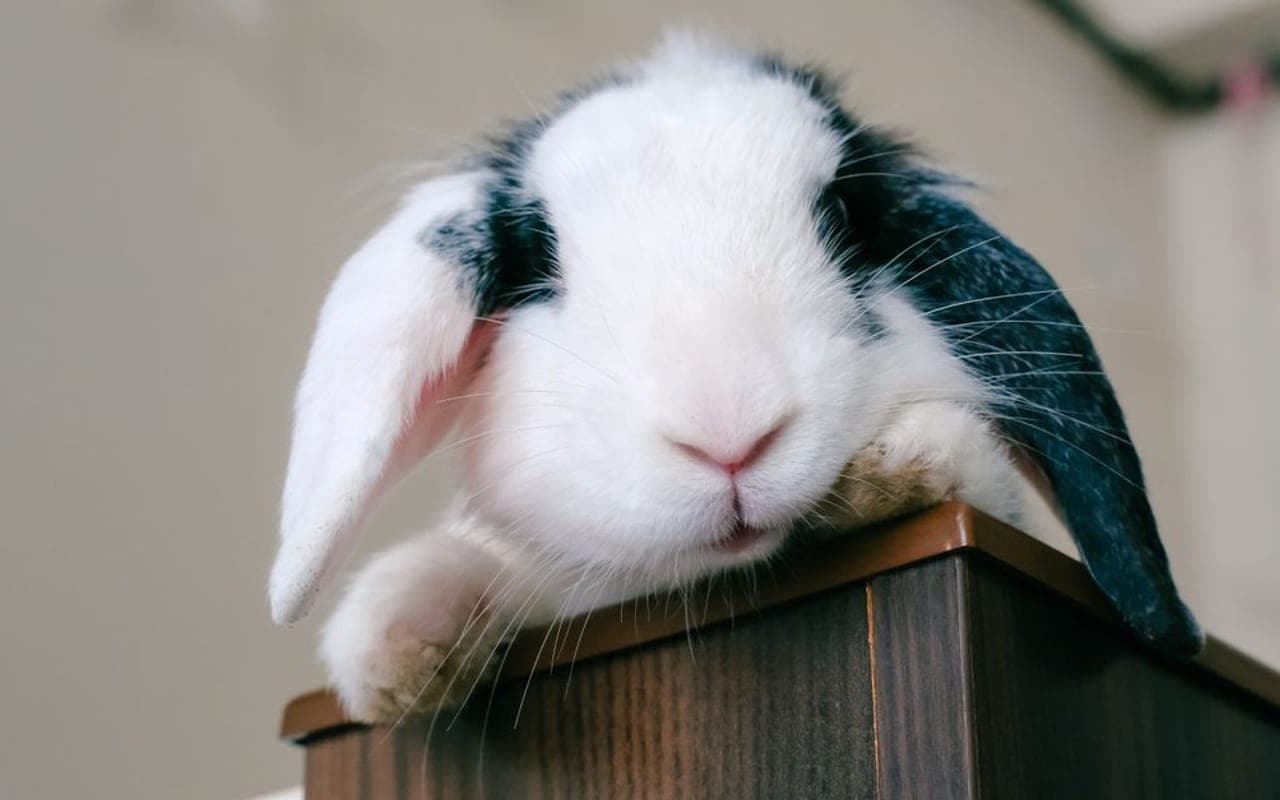
French Lop
A much larger lop option that needs more space and handling confidence.
Explore More About Holland Lop
Dive deeper into everything Holland Lop — costs, care, and expert insights.
How Much Does a Holland Lop Cost?
Purchase price, monthly costs, and lifetime expenses
Holland Lop Care Guide
This guide gives you a practical plan for living with a [Holland...
Considering a guinea pig instead?
Browse Guinea Pigs