
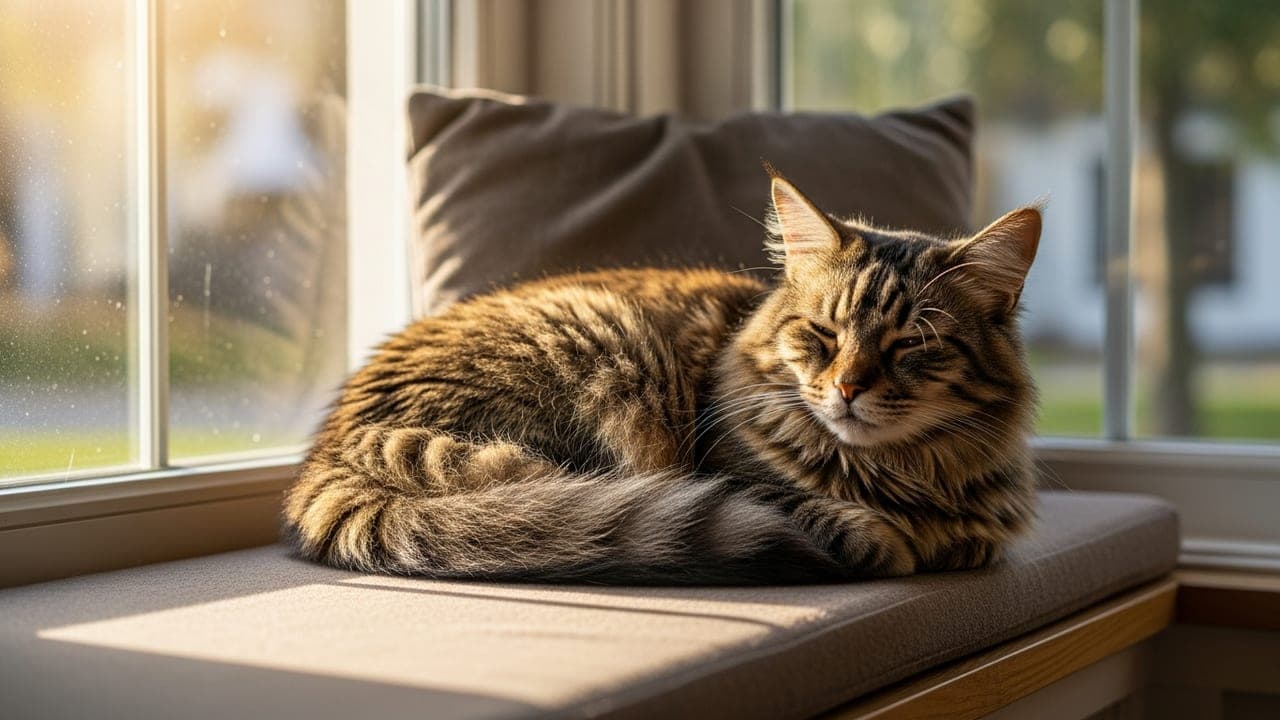
Senior Cat Care: Keeping Your Aging Cat Comfortable and Healthy
Your cat is slowing down. Maybe they don't jump onto the counter anymore, or they sleep more than they used to, or their once-glossy coat looks a little dull. Aging in cats is gradual — most owners do
Reading Time
📖 10 min read
Guide Type
📋 General
Last Updated
📅 Sep 9, 2026
Breed
🐱 All Pets
In This Guide
Overview
Your cat is slowing down. Maybe they don't jump onto the counter anymore, or they sleep more than they used to, or their once-glossy coat looks a little dull. Aging in cats is gradual — most owners don't notice the changes until they add up. This guide helps you recognize what's normal aging versus what needs veterinary attention, and how to make your senior cat's golden years genuinely comfortable.
When Is a Cat "Senior"?
Most veterinarians consider cats "senior" at age 11 and "geriatric" at age 15. But breeds and individuals vary. Indoor cats often stay active well into their teens, while some cats show age-related changes as early as 8-9 years old.
What You'll Learn
- How to modify your home for an aging cat's comfort
- Nutrition changes that support aging joints, kidneys, and cognition
- The subtle signs of pain that cats hide
- Common senior cat health conditions and what to watch for
- Quality of life assessment when tough decisions arise
Daily Care
As your cat ages, small environmental changes make a big difference in their comfort and safety.
Home Modifications
- Lower entry litter boxes — Senior cats with arthritis may struggle to step over high-sided boxes. Switch to boxes with a low entry point, or cut a U-shaped opening in one side.
- Steps or ramps — Place pet stairs near favorite elevated spots (beds, couches, windowsills). Joint stiffness makes jumping painful even if your cat still attempts it.
- Warm resting spots — Senior cats seek warmth. A heated pet bed or a bed placed near (not on) a heat vent can ease joint stiffness. Avoid heating pads that the cat lies directly on — they can cause burns if the cat can't move away.
- Easy food and water access — Elevate food and water bowls slightly to reduce neck strain. Place water bowls in multiple rooms so your cat doesn't have to travel far.
- Non-slip surfaces — If you have hardwood or tile floors, add rugs or runners along your cat's regular routes. Aging cats lose traction and confidence on slippery surfaces.
Daily Routine Adjustments
- Gentle play (5-10 minutes, twice daily) — Keep your senior cat moving, but match the intensity to their ability. Slow wand movements along the floor are better than leaping toys.
- Grooming help — Older cats may stop grooming effectively. Brush daily for long-haired cats, every other day for short-haired.
- Litter box monitoring — Check daily for changes in urine volume, frequency, or stool consistency. These are early indicators of kidney disease, diabetes, and thyroid issues.
💡 Pro Tip
If your senior cat is suddenly missing the litter box, don't assume they're being "difficult." Arthritis, declining vision, or cognitive changes may be making it hard to reach or navigate the box. Try adding more boxes in accessible locations before assuming a behavioral cause.
Nutrition
Senior cats have different nutritional needs than adult cats. The right diet can slow the progression of age-related diseases.
Key Nutritional Changes
Protein Senior cats need high-quality protein to maintain muscle mass. Muscle loss (sarcopenia) is common in aging cats and contributes to weakness and decreased mobility. Look for foods with animal-based protein as the first ingredient.
⚠️ Important
An outdated myth says senior cats need less protein to "protect their kidneys." This is incorrect for healthy senior cats. Healthy senior cats need the same or higher protein levels as adults. Only cats with diagnosed kidney disease may need modified protein — and even then, the focus is on high-quality protein, not necessarily less protein.
Hydration Kidney disease is extremely common in senior cats — some studies suggest 30-50% of cats over 15 have some degree of chronic kidney disease. Increasing water intake slows progression.
- Offer wet food as primary diet (78% moisture vs. 10% in dry food)
- Multiple water stations throughout the house
- Consider a pet fountain
- Add water to dry food if your cat prefers kibble
Joint Support Look for foods with: - Omega-3 fatty acids (EPA and DHA) — anti-inflammatory - Glucosamine and chondroitin — joint cartilage support - Vitamin E — antioxidant protection
Feeding Adjustments
- Small, frequent meals — Senior cats may eat less per sitting but need adequate daily calories
- Warming food slightly — Enhances aroma for cats with declining sense of smell
- Elevated bowls — Reduces neck strain
Exercise
Senior cats still need physical and mental activity, but the approach changes from vigorous play to gentle engagement.
Adapting Play for Aging Cats
- Floor-level play — Keep toys moving along the floor rather than in the air. Older cats may not be able to (or want to) leap and jump.
- Shorter sessions — Two 5-10 minute sessions instead of long play periods. Stop if your cat seems tired or uncomfortable.
- Puzzle feeders — Mental stimulation is as important as physical exercise for senior cats, and cognitive enrichment may help slow age-related cognitive decline.
- Catnip and silvervine — Still effective for many senior cats and can encourage brief bursts of playful activity.
- Window entertainment — A comfortable window perch with a view of bird feeders provides passive stimulation for less active cats.
Recognizing When Activity Changes
A gradual decrease in activity over years is normal aging. But a sudden decrease in activity — within days or weeks — warrants a vet visit. It often signals pain (dental, joint, abdominal), illness, or vision/hearing loss.
💡 Pro Tip
If your senior cat has completely stopped playing, try introducing novel stimuli: a new type of toy, a different texture, or even a paper bag on the floor. Sometimes lack of play is boredom with familiar items, not inability or disinterest.
Grooming
Grooming changes are often the first visible signs of aging in cats.
Why Senior Cats Need Help Grooming
- Arthritis makes it painful to twist and reach certain areas
- Dental pain makes grooming uncomfortable (cats use their teeth while grooming)
- Cognitive decline may reduce grooming motivation
- Obesity prevents reaching belly and hindquarters
Grooming Support
Coat Care - Brush gently every 1-2 days (senior skin is thinner and more sensitive) - Use a soft-bristled brush rather than a firm slicker brush - Check for mats, especially on the belly, behind legs, and around the tail - If mats form, don't pull — use a mat splitter or have a groomer remove them
Nail Care Senior cats' nails grow thicker and more brittle with age. They also retract less and can grow into paw pads if not trimmed. - Check and trim nails every 2 weeks - If you see nails curving toward pads, trim immediately - Thickened nails may need the vet to trim
Dental Monitoring - Check for redness along gumline, drooling, or reluctance to eat - Bad breath that worsens over time often signals dental disease - Annual dental exams are essential for senior cats
🩺 When to See Your Vet
If your senior cat stops grooming themselves suddenly, seems painful when touched in certain areas, or develops a matted, dull coat rapidly, see your vet. These are signs of pain or illness, not laziness. Cats don't stop grooming by choice.
Health
Senior cats are masters at hiding illness. Knowing what to watch for — and scheduling regular vet visits — can add years to their life.
Common Senior Cat Health Issues
- Chronic kidney disease (CKD) — The most common disease in aging cats. Early signs: increased thirst, increased urination, weight loss. Manageable for years with diet and fluids when caught early.
- Hyperthyroidism — Overactive thyroid causing weight loss despite good appetite, hyperactivity, vomiting. Treatable with medication, surgery, or radioactive iodine.
- Diabetes mellitus — More common in overweight cats. Signs: increased thirst, increased urination, weight loss, increased appetite. Many diabetic cats achieve remission with early treatment.
- Dental disease — Painful and common. May cause drooling, dropping food, weight loss, or decreased appetite.
- Arthritis — Affects most cats over 12 but often goes undiagnosed because cats hide pain. Signs: reluctance to jump, stiffness on rising, decreased grooming.
- Cognitive dysfunction syndrome (CDS) — Feline dementia. Signs: disorientation, changes in social interaction, altered sleep-wake cycles, inappropriate vocalization (especially at night), house soiling.
The Subtle Signs of Pain in Cats
Cats hide pain as an evolutionary survival strategy. Watch for:
- Decreased activity or reluctance to jump
- Changes in facial expression (squinting, ears flattened)
- Reduced grooming or over-grooming one area
- Changes in appetite
- Increased hiding
- Personality changes (a social cat becoming withdrawn, or a calm cat becoming irritable)
- Changes in litter box habits
Recommended Senior Cat Vet Schedule
- Biannual wellness exams (every 6 months after age 11)
- Annual bloodwork panel (kidney, thyroid, glucose, blood count)
- Annual urinalysis (early kidney disease detection)
- Blood pressure check (hypertension is common and causes organ damage)
- Weight tracking (monthly at home)
🩺 When to See Your Vet
If your senior cat starts yowling at night, circling, staring at walls, or seems confused about where they are, these are signs of cognitive dysfunction syndrome (CDS) or possibly high blood pressure. Both are manageable with veterinary care. Don't dismiss these behaviors as "just getting old."
Costs
Senior cat care costs increase due to more frequent vet visits and potential chronic disease management.
Annual Senior Cat Costs
- Biannual vet exams: $200-$400
- Annual bloodwork + urinalysis: $200-$400
- Dental cleaning (if needed): $300-$800
- Food (senior or prescription): $400-$800/year
- Supplements (joint, kidney support): $100-$300/year
- Annual total: $1,200-$2,700
Chronic Disease Management Costs
If your cat is diagnosed with a chronic condition:
- Kidney disease: $100-$300/month (prescription diet, fluids, medications, monitoring)
- Hyperthyroidism: $30-$100/month (medication) or $1,500-$2,500 one-time (radioactive iodine cure)
- Diabetes: $100-$200/month (insulin, monitoring, prescription diet)
- Arthritis: $30-$60/month (pain medication, supplements)
💡 Pro Tip
Pet insurance rarely covers pre-existing conditions, but if your cat has been insured since they were young, senior health costs are where the policy pays for itself. A single CKD diagnosis could involve $1,500-$3,000/year in ongoing care — covered by most pet insurance plans.
Quality of Life Considerations
There may come a time when you need to assess your cat's quality of life. The HHHHHMM scale (Hurt, Hunger, Hydration, Hygiene, Happiness, Mobility, More good days than bad) provides a structured framework. Your vet can help you work through this assessment when the time comes. It's the hardest part of pet ownership, but it's also the most compassionate.
Frequently Asked Questions
My senior cat is losing weight even though they eat normally. Should I worry?
Yes — unexplained weight loss in a senior cat is always worth a vet visit. Common causes include hyperthyroidism, kidney disease, diabetes, dental pain, and cancer. Many of these are very treatable when caught early.
Should I switch to a "senior" cat food?
Not necessarily. "Senior" cat food isn't regulated to a specific standard. What matters is the nutrient profile: high-quality protein, controlled phosphorus, adequate omega-3s, and appropriate calories for your cat's activity level. Your vet can recommend specific formulas based on your cat's bloodwork results.
My senior cat is drinking a lot more water. Is this normal?
Increased thirst (polydipsia) in a senior cat is NOT normal and warrants a vet visit. It's a classic early sign of kidney disease, diabetes, or hyperthyroidism — all common in aging cats and all treatable when caught early.
Sources
This guide draws on the following published references. Each opens in a new tab so you can check it against what you have read here.
AVMA
Senior Pet Care(opens in a new tab)Merck Veterinary Manual
Proper Nutrition for Cats(opens in a new tab)Cornell Feline Health Center
Feeding Your Cat(opens in a new tab)Cornell Feline Health Center
Loving Care for Older Cats(opens in a new tab)Merck Veterinary Manual
Routine Health Care of Cats(opens in a new tab)
Affiliate disclosure: We may earn a commission from qualifying purchases. This doesn't affect our recommendations.
Recommended Products
K&H Thermo-Kitty Heated Cat Bed
Gentle warmth that soothes arthritic joints. Uses only 4 watts — safe for unattended use. Loved by senior cats.
Pet Gear Easy Step III Pet Stairs
Carpeted stairs for beds and couches. Low-rise steps designed for arthritic cats who can't jump anymore.
Purina Pro Plan Senior 11+ Indoor Cat Food
Formulated for indoor senior cats with real chicken, prebiotic fiber for digestive health, and antioxidants for immune support.
Get personalized pet care tips
Join our newsletter for breed-specific advice, care guides, and expert tips delivered weekly.
No spam, ever. Unsubscribe anytime.
Recommended Products for Senior Cat Care: Keeping Your Aging Cat Comfortable and Healthy
Curated products to help you provide the best care.

AFFILIATE DISCLOSURE
This page contains affiliate links. We may earn a commission if you click and make a purchase at no extra cost to you.