
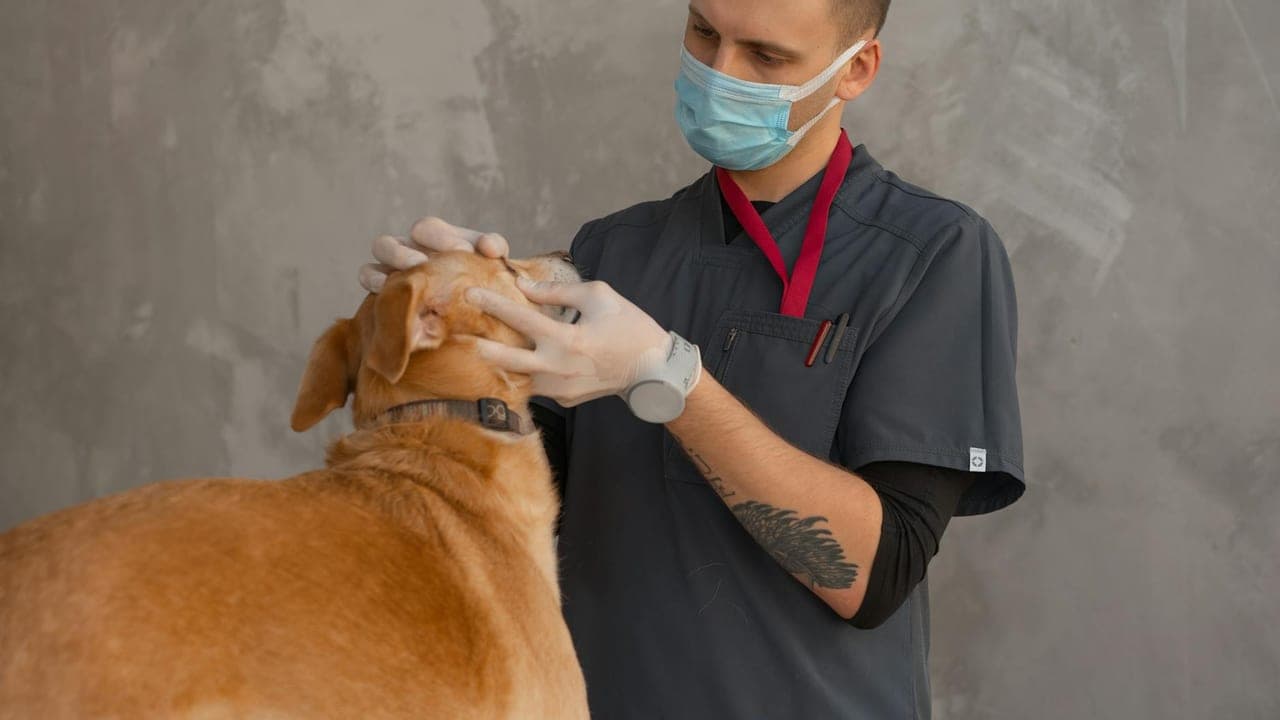
Senior Pet Vet Visits & Bloodwork: What the Panels Catch Early
A dog or cat's first abnormal kidney value usually shows up on a blood panel months before the first symptom an owner can see — increased drinking, weight loss, a dull coat. By the time those signs ap
Reading Time
📖 13 min read
Guide Type
📋 General
Last Updated
📅 Sep 9, 2026
Breed
🐶 All Pets
In This Guide
Overview
A dog or cat's first abnormal kidney value usually shows up on a blood panel months before the first symptom an owner can see — increased drinking, weight loss, a dull coat. By the time those signs appear, feline chronic kidney disease has often already destroyed roughly two-thirds or more of functioning kidney tissue, because the body compensates silently until it can't. That gap between "the bloodwork knows" and "the owner notices" is the entire argument for senior screening, and it is why the American Animal Hospital Association (AAHA) Senior Care Guidelines recommend a wellness exam every six months — not every twelve — once a pet is classified as senior.
"Senior" is an age, not a feeling, and it arrives earlier than most owners expect. AAHA and the AAFP/AAHA Feline Life Stage Guidelines place cats in the senior category at roughly 10 years and older (the 7–10 range is "mature adult"). Dogs are size-dependent: giant breeds are functionally senior by 5–6 years, large breeds by 6–7, and small breeds by 8–10. The practical rule veterinarians use: a pet is senior in roughly the last 25% of its expected lifespan. A Great Dane at 6 and a Chihuahua at 10 can both be senior on the same day.
The single most useful idea in this guide is trend over snapshot. A creatinine of 1.8 mg/dL might be "in the reference range" on one report and still be the most important number on the page — if last year it was 1.0 and the year before 0.8, that upward drift is early kidney disease announcing itself while every value is technically "normal." One blood panel is a photograph; a baseline plus annual repeats is a video, and disease is a thing that moves. This is why a healthy 7-year-old should get a baseline panel before anything is wrong — not to find disease, but to define what this individual's normal looks like so a future drift is visible.
Daily Care
Senior care is built around a visit cadence, and the cadence is the one specific number to take from this section: once your pet is senior, the AAHA standard is a wellness exam every 6 months, with a minimum database of bloodwork run at least annually (often at every visit for pets with any prior abnormality or chronic medication). A year is a long time in a senior pet — a cat ages roughly four "human years" in twelve months at that stage — which is why annual screening can miss a fast-moving problem that a 6-month rhythm catches in time to act.
Each senior visit should include, at minimum: a weight and body-condition score, a blood pressure measurement (hypertension is common and silent in senior cats and damages kidneys, eyes, and brain), a thorough physical exam, and the blood/urine minimum database below. Blood pressure and a urine test are not optional add-ons for seniors — a urine specific gravity is what tells your vet whether "normal" kidney bloodwork is actually normal or just early-stage disease the blood hasn't caught yet.
The core senior screening panel and what each part is actually looking for:
| Test | What it catches early | Why catching it early matters | |---|---|---| | SDMA | Chronic kidney disease — rises after ~25–40% kidney loss | Flags CKD far sooner than creatinine; lets you start renal diet/management before a crisis | | Creatinine + BUN | Kidney function; dehydration; protein load | The IRIS CKD staging value; a rising in-range creatinine is early disease | | Urine specific gravity (USG) | Concentrating ability — kidneys' first job to fail | Dilute urine with "normal" blood values = the earliest CKD signal | | ALT / ALP / GGT / bilirubin | Liver disease, gallbladder disease, some endocrine disease | Liver has huge reserve; enzymes rise before the pet looks sick | | Total T4 (cats) / thyroid panel | Hyperthyroidism (cats), hypothyroidism (dogs) | Untreated hyperthyroid cats lose weight and damage heart and kidneys | | Glucose + fructosamine | Diabetes mellitus | Fructosamine confirms true diabetes vs stress glucose — avoids a wrong diagnosis | | PCV / hematocrit + CBC | Anemia, infection, some cancers | Anemia is a symptom of many senior diseases, including CKD itself | | Blood pressure | Systemic hypertension | Silent; causes sudden blindness, kidney and brain damage if untreated |
Keep your own data between visits, because your vet only sees the pet for thirty minutes twice a year and you see it every day. Three numbers carry most of the early-warning value: body weight (weigh monthly — a 5% drop in a senior cat is significant even if it looks fine), water intake (a sudden increase is one of the earliest CKD/diabetes signs), and appetite plus litter-box or potty output. Owners who bring a simple log of weight and water consumption hand the vet a trend the bloodwork can then confirm or rule out.
Nutrition
Diet for a senior pet follows the diagnosis, not the birthday — and that ordering is the common, expensive mistake this section exists to prevent. There is no single "senior diet" the way there is a single "growth diet," because a thin senior cat with early kidney disease and an overweight senior dog with arthritis need almost opposite plans. Switching a healthy senior to a marketing "senior formula" without a reason can do nothing useful, and starting a therapeutic renal diet before it is indicated can under-supply protein a still-healthy pet needs.
The screening panel is what makes a diet decision evidence-based. A documented IRIS-staged kidney diagnosis is the trigger for a veterinary therapeutic renal diet (controlled phosphorus and modified, high-quality protein) — a diet shown to extend both quality and length of life in CKD cats and dogs, but only appropriate once disease is confirmed. A confirmed diabetic cat does best on a low-carbohydrate plan; an arthritic, overweight senior needs a calorie-controlled weight-loss plan, because every excess pound multiplies joint load. Each of these is a result-driven decision, which is the practical payoff of running bloodwork: it converts "what should I feed my old dog?" from guesswork into a specific answer.
Until a panel says otherwise, a healthy senior simply needs a complete-and-balanced adult diet, portion-controlled to hold an ideal body-condition score, with fresh water always available. Do not start over-the-counter "kidney support" supplements or restrict protein on your own; in a pet without CKD, that can cause harm. Bring the food bag — or a photo of the ingredient and nutrition panel — to the senior visit so diet changes are made against the bloodwork, not against the label's claims.
Exercise
Senior pets still need movement — the goal shifts from intensity to consistency and joint protection. For dogs, that usually means trading one long weekend hike for two or three shorter, flat, daily walks; sustained low-impact activity maintains muscle mass that directly supports arthritic joints, while a single overexertion session can leave a senior dog sore or injured for days. Swimming and controlled leash walks are easier on joints than fetch and stair sprints. For senior cats, "exercise" is short, low, gentle play (a wand toy at floor level) plus making the environment navigable: ramps or steps to favorite perches, and a litter box with one low side, because feline arthritis is dramatically underdiagnosed and a cat that stops jumping is often in pain, not just "old."
A change in exercise tolerance is itself screening data. A senior dog that suddenly tires on its normal walk, or a cat that stops climbing, can be showing early heart disease, anemia (sometimes from kidney disease), arthritis, or hypothyroidism — all of which a senior panel and exam help sort out. Note exercise changes in the same log as weight and water, and report a sudden drop rather than attributing it to age by default.
Grooming
Grooming a senior pet doubles as a structured at-home physical exam between vet visits — which is its real value here, not just a clean coat. Weekly hands-on grooming is the most reliable way an owner finds new lumps, skin masses, painful spots, dental disease, ear infections, overgrown nails (seniors wear nails down less), and matting (arthritic cats stop grooming hard-to-reach areas, so a greasy or matted lower back is a pain signal, not just a coat problem). Run both hands slowly over the whole body monthly and note anything new — a lump that is new, growing, or changing is a same-week vet call, not a wait-and-see.
During the same session, do the three checks that catch the most common silent senior problems: lift the lip and look at the gums (red, receding, or heavily tartared gums plus bad breath signal dental disease, which is painful and feeds bacteria into the bloodstream); press a fingertip on the gum and confirm color returns within ~2 seconds (pale or yellow gums are an urgent finding); and watch drinking and litter-box/potty habits. These at-home observations don't replace the 6-month exam and bloodwork — they're the early-warning layer that tells you when not to wait for the next scheduled visit.
Health
This is the section that explains why the panel exists. Senior screening targets a short list of high-prevalence diseases that are silent until they are advanced — the body compensates so well that the first owner-visible sign often coincides with significant, sometimes irreversible, organ damage.
Chronic kidney disease (CKD) — the headline reason for senior bloodwork. CKD is common in senior cats and dogs and progresses quietly. Two tools find it early. SDMA (symmetric dimethylarginine) is a kidney marker that rises after roughly 25–40% of kidney function is lost, whereas creatinine often doesn't leave the reference range until ~75% is gone — so SDMA can flag CKD a stage or more sooner. Veterinarians stage CKD using the IRIS (International Renal Interest Society) system, IRIS Stage 1 through Stage 4, based primarily on a stable, fasted creatinine (with SDMA support), then sub-staged by urine protein and blood pressure. Earlier IRIS stage means more effective intervention: a renal diet and management started at Stage 1–2 buys substantially more good time than treatment that begins at Stage 4 in crisis.
- A single elevated value with no symptoms — often recheck and monitor: confirm with a fasted resample, a urine test, and a repeat in weeks, because stress, dehydration, or a recent meal can move numbers.
- An upward trend across panels even within the reference range — investigate now: this is the early-disease pattern, especially for creatinine/SDMA.
- A markedly high value with clinical signs (e.g., high kidney values plus drinking a lot, weight loss, vomiting; or high glucose with weight loss and excessive drinking) — act now, this is staged disease or a diabetic that needs treatment, not a watch-and-wait.
- Dilute urine (low USG) with borderline blood values — investigate now: the kidneys' first failure is concentrating ability, so this can be earlier than the blood.
Other diseases the senior panel catches before symptoms: feline hyperthyroidism (weight loss despite a good appetite; total T4 screens for it, and untreated disease damages the heart and kidneys); canine hypothyroidism (weight gain, coat changes, lethargy); diabetes mellitus (fructosamine distinguishes true diabetes from stress-elevated glucose, preventing a wrong diagnosis); liver and gallbladder disease (ALT/ALP/GGT/bilirubin rise before a pet looks ill, given the liver's large reserve); and anemia (often a downstream sign of CKD, chronic disease, or some cancers).
When in doubt, ask your veterinarian — but that is not a substitute for the thresholds above. The triage line is: a trend or a value plus a clinical sign is a call now; an isolated borderline number in a well pet is usually a recheck. This guide is general and YMYL — every interpretation here is conditional and belongs in a conversation with the veterinarian who has examined your pet and run the actual panel.
Costs
Here is the trade-off stated plainly, because it is the real decision behind "do I really need twice-a-year bloodwork on a pet that seems fine?" The cost-and-stress side of testing is genuine: bloodwork, urine, and blood pressure twice a year on a senior pet is money spent and a vet trip a pet may not enjoy. The early-detection side is that the alternative is not "nothing" — it is paying far more, later, for a worse outcome.
- Senior wellness exam: ~$50–$100 per visit
- Routine senior wellness blood + urine panel (CBC, chemistry, T4, urinalysis): ~$120–$300 per screening
- Blood pressure measurement: ~$25–$60
- Realistic annual senior screening total: roughly $200–$600/year at the recommended cadence
- Hospitalization for a late-stage CKD or diabetic crisis (DKA): frequently $1,500–$5,000+ for a multi-day stay with IV fluids and intensive monitoring
- Ongoing management of advanced disease caught late: more medication, more rechecks, shorter and lower-quality remaining life
The routine panel is not free, but it is roughly an order of magnitude cheaper than the emergency it is designed to prevent — and the cheaper spend is also the one that buys more good time, not just lower bills. That is the trade-off resolved: the stress and cost of screening a well senior pet is the price of catching the disease at IRIS Stage 1–2 instead of meeting it for the first time in the emergency room.
This guide reflects current AAHA Senior Care Guidelines, AAFP/AAHA Feline Life Stage Guidelines, IRIS CKD staging, and AVMA preventive-care guidance. It is general information, not individual veterinary advice; your veterinarian interprets your pet's actual panel and exam.
Frequently Asked Questions
How often does my senior pet really need bloodwork?
Once your pet is classified as senior (cats ~10+; dogs by size — giant breeds ~5–6, small breeds ~8–10), AAHA recommends a wellness exam every 6 months with a minimum blood and urine database run at least annually, and often at each visit if your pet has any prior abnormal value or is on chronic medication. Your veterinarian sets the exact interval based on findings.
My pet's bloodwork was "normal" — why did the vet still want to recheck it?
Because the trend matters more than a single in-range result. A creatinine that reads 0.8, then 1.2, then 1.8 across three years can be "in range" each time while still showing early kidney disease developing. A baseline panel taken while your pet is healthy is what makes that upward drift visible later.
What is SDMA and why does my vet run it?
SDMA is a kidney marker that rises after roughly 25–40% of kidney function is lost, whereas creatinine often stays normal until about 75% is gone. SDMA can flag chronic kidney disease a full stage or more earlier, when a renal diet and management still meaningfully extend quality of life.
Is twice-a-year screening worth the cost if my pet seems healthy?
"Seems healthy" is exactly the window screening targets — diseases like CKD, diabetes, and hyperthyroidism are silent until advanced. Routine senior screening runs roughly $200–$600/year; a late-stage kidney or diabetic crisis hospitalization frequently runs $1,500–$5,000+, with a worse outcome. The cheaper spend also buys more good time.
Does my indoor, low-stress pet still need senior screening?
Yes. Chronic kidney disease, hyperthyroidism, diabetes, and many cancers are age-driven, not lifestyle-driven, and are common in indoor pets. Lifestyle changes some risks (parasites, trauma) but not the core senior diseases these panels detect. Confirm the right plan for your individual pet with your veterinarian.
Sources
This guide draws on the following published references. Each opens in a new tab so you can check it against what you have read here.
AVMA
Senior Pet Care(opens in a new tab)AVMA
Pet Care(opens in a new tab)Merck Veterinary Manual
Routine Health Care of Dogs(opens in a new tab)Merck Veterinary Manual
Routine Health Care of Cats(opens in a new tab)
Affiliate disclosure: We may earn a commission from qualifying purchases. This doesn't affect our recommendations.
Recommended Products
Get personalized pet care tips
Join our newsletter for breed-specific advice, care guides, and expert tips delivered weekly.
No spam, ever. Unsubscribe anytime.
More Care Guides
Adopting a Senior Pet: The Honest Case (and the Real Costs)
20 min read·General
Quality-of-Life Assessment: A Calm Framework for a Hard Decision
18 min read·General
Senior Dog Dental Disease: The Anesthesia Trade-Off Owners Fear
16 min read·General
Senior Dog Arthritis & Joint Care: What Actually Slows It
16 min read·General