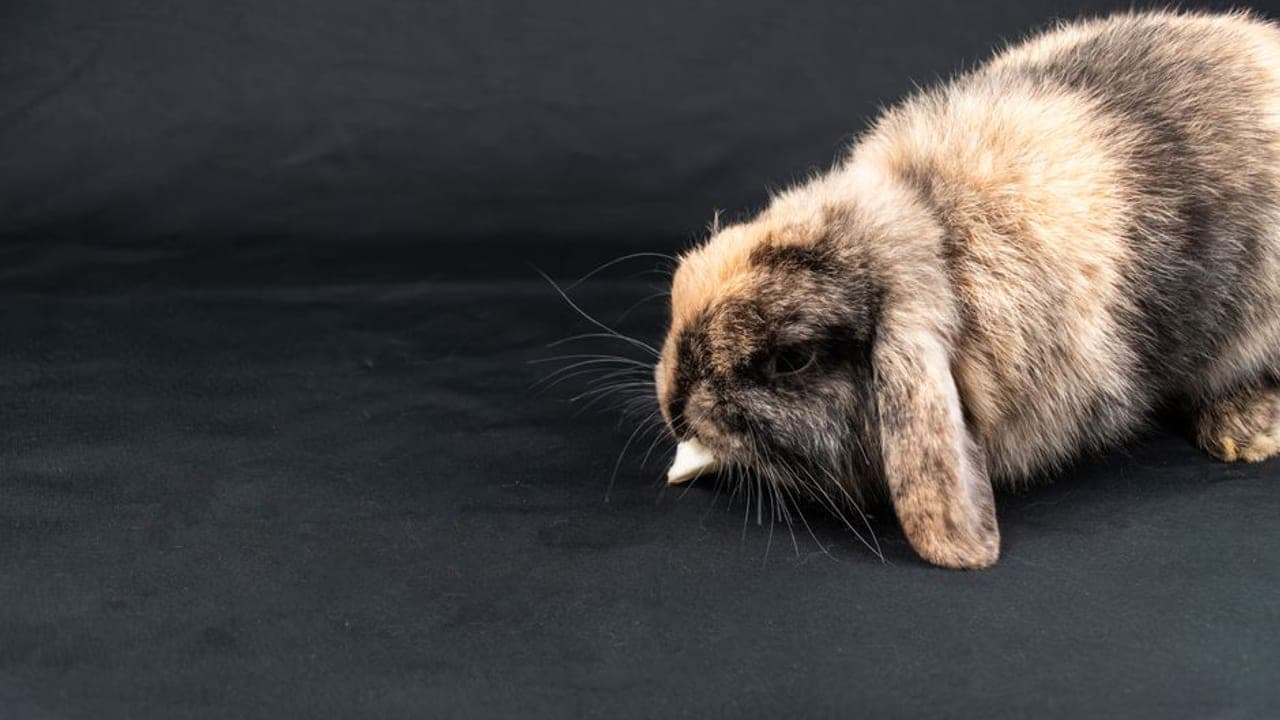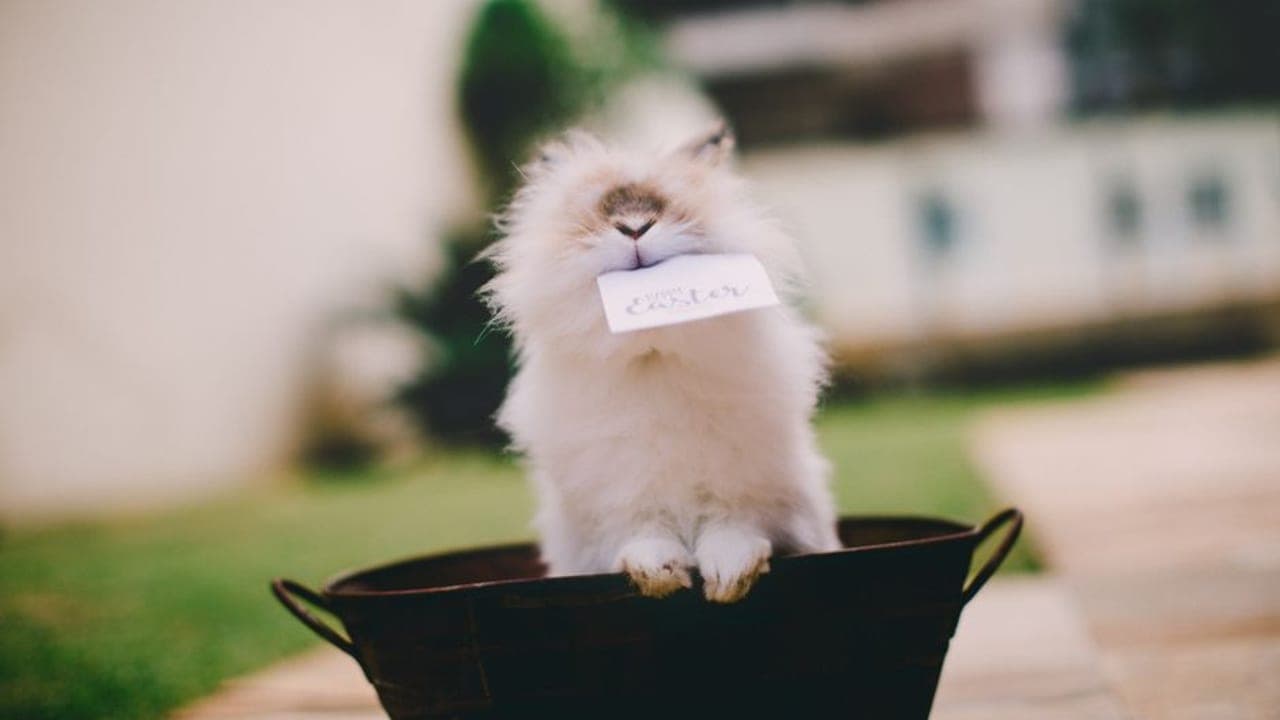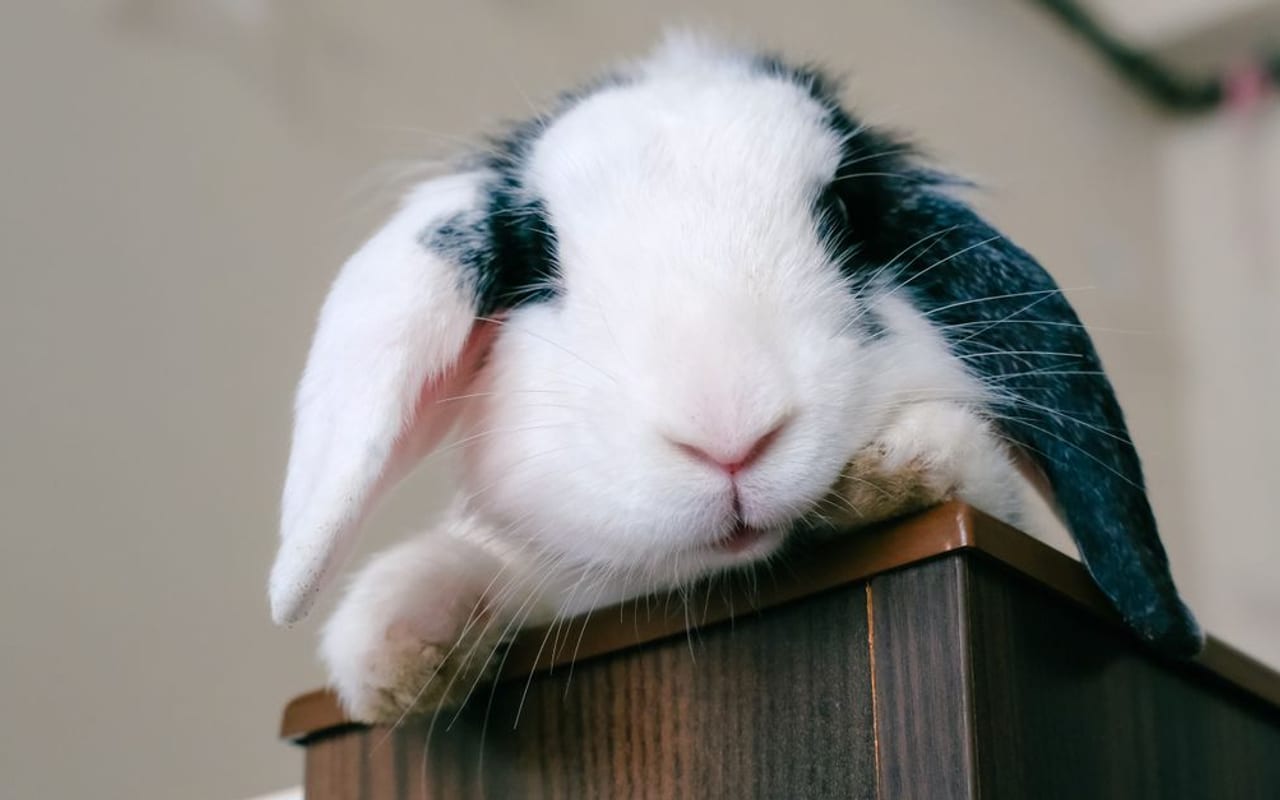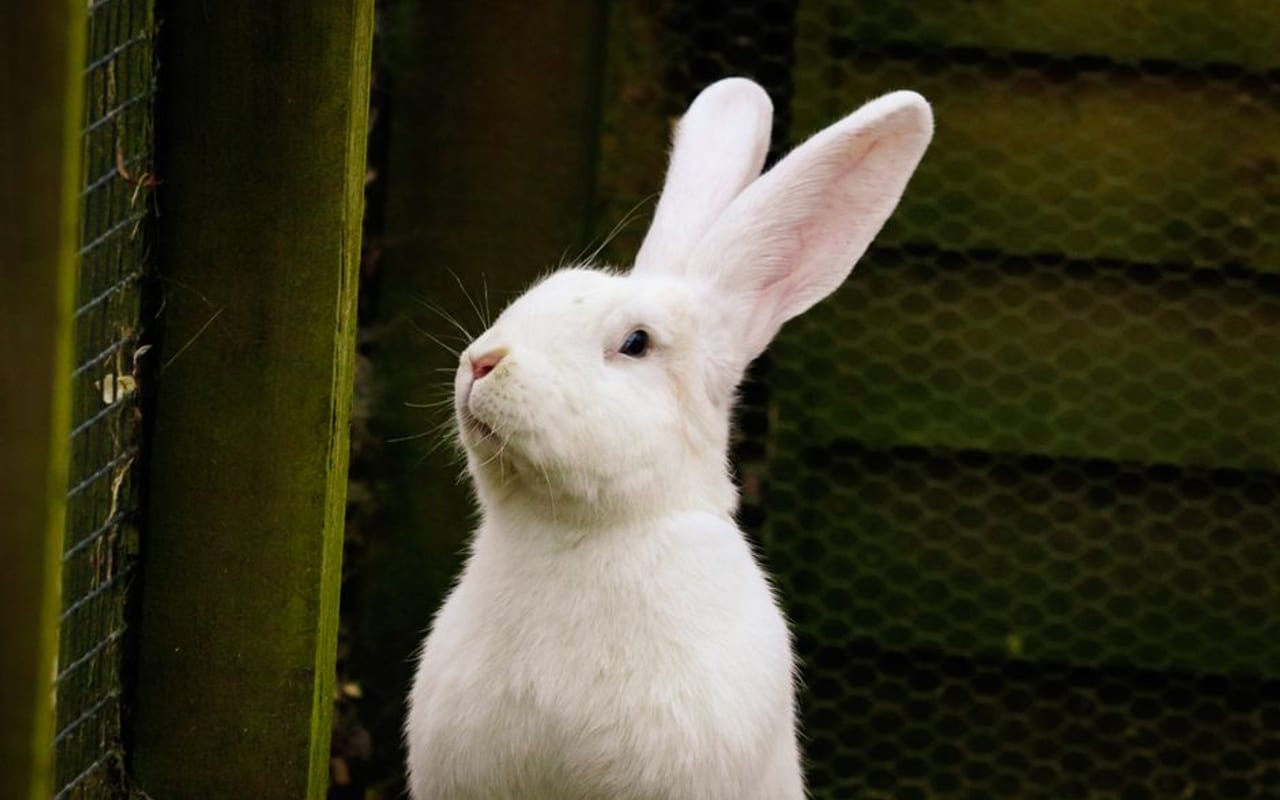
The Britannia Petite is one of the smallest rabbit breeds recognized in North America
Origin
🇬🇧 United Kingdom
Life Span
8–12 years
Weight
0.9–1.4 kg
Height
14–17 cm
The Britannia Petite is one of the smallest rabbit breeds recognized in North America — most adults weigh well under 2.5 pounds — and that extreme miniaturization is the whole reason it demands an experienced, careful owner rather than a beginner charmed by its size. Bred in Britain for perfect proportions on a tiny, fine-boned frame, it stands with a distinctive arched 'full-arch' posture, up on its toes, ears held erect, with a bright, almost w…
high
Exercise
low
Grooming
The Britannia Petite was developed in Britain in the late 1800s and early 1900s, where it is known as the Polish rabbit — a confusing piece of naming, because the breed that ARBA calls 'Polish' in the United States is a separate, distinct rabbit. British breeders selected small, fine-boned stock toward an ideal of near-perfect miniature proportions and an elegant full-arch type, prizing the animal as a show and fancy rabbit rather than a meat or …
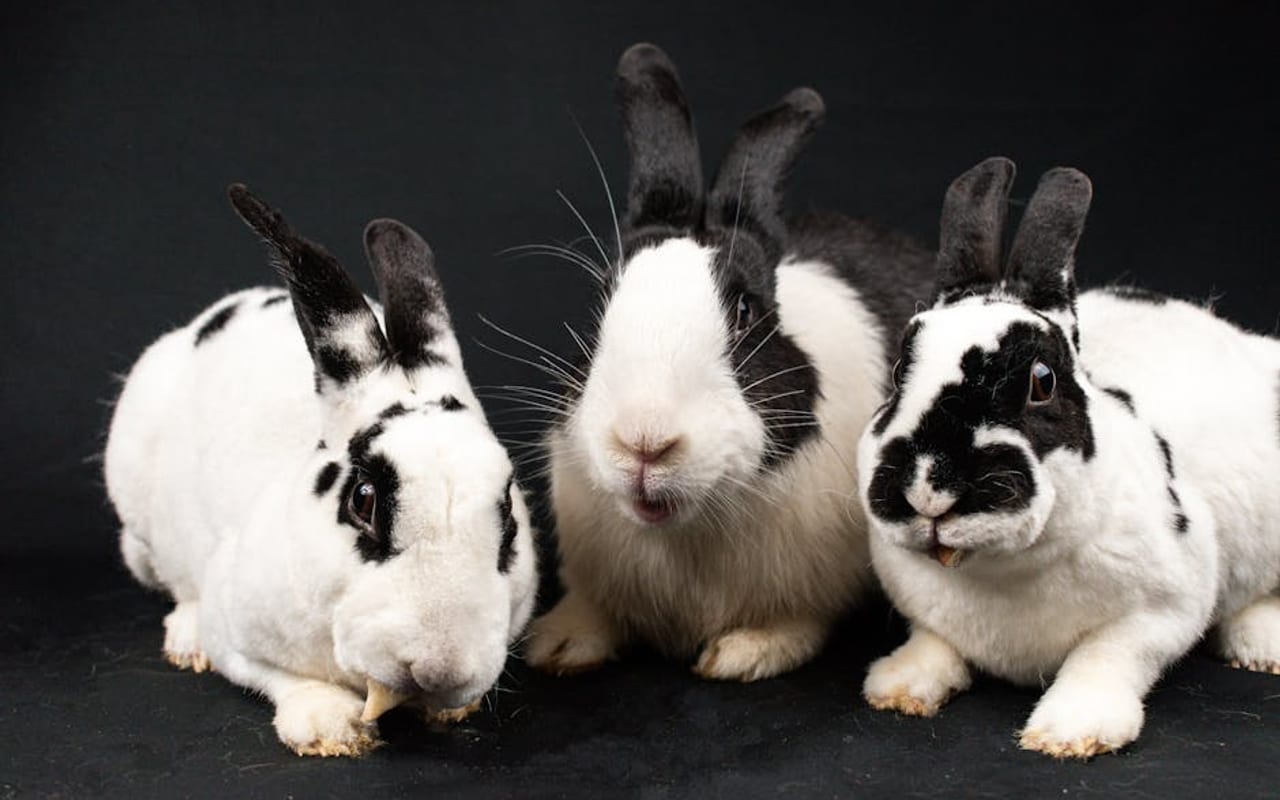
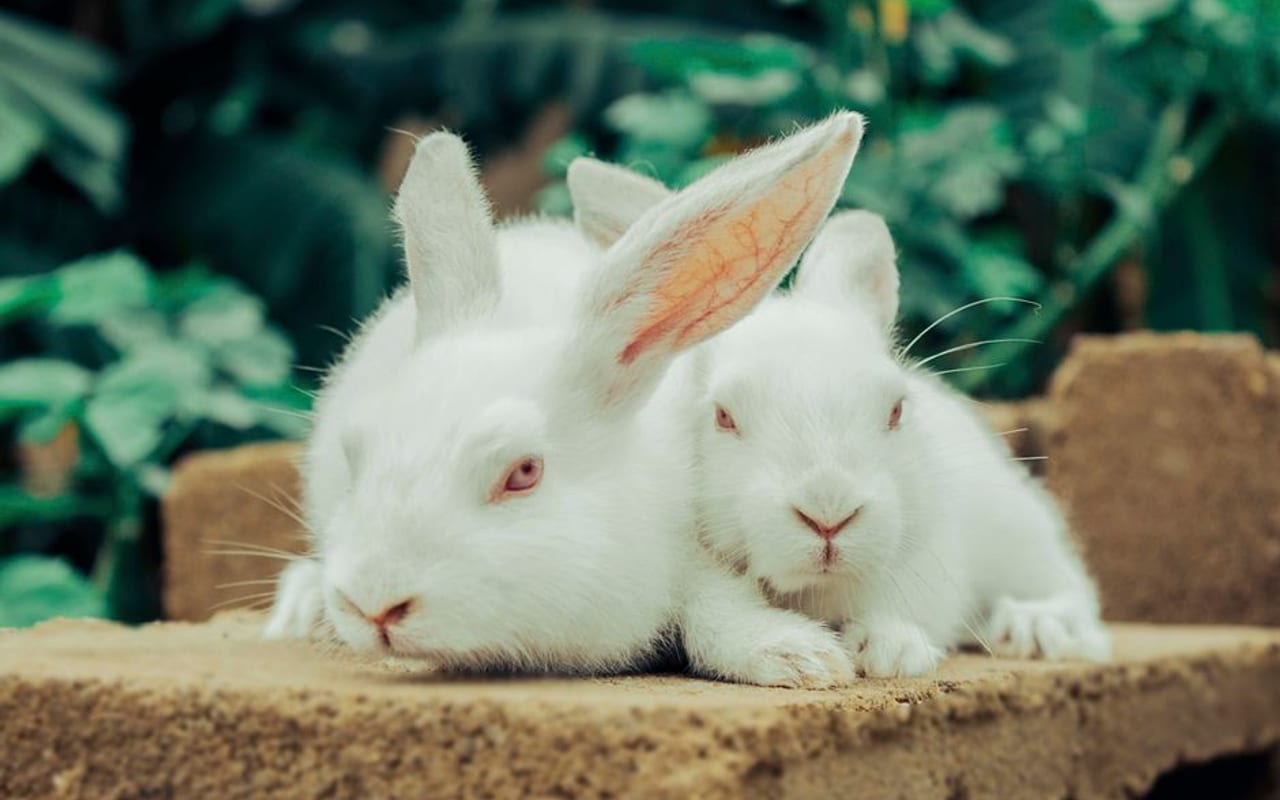
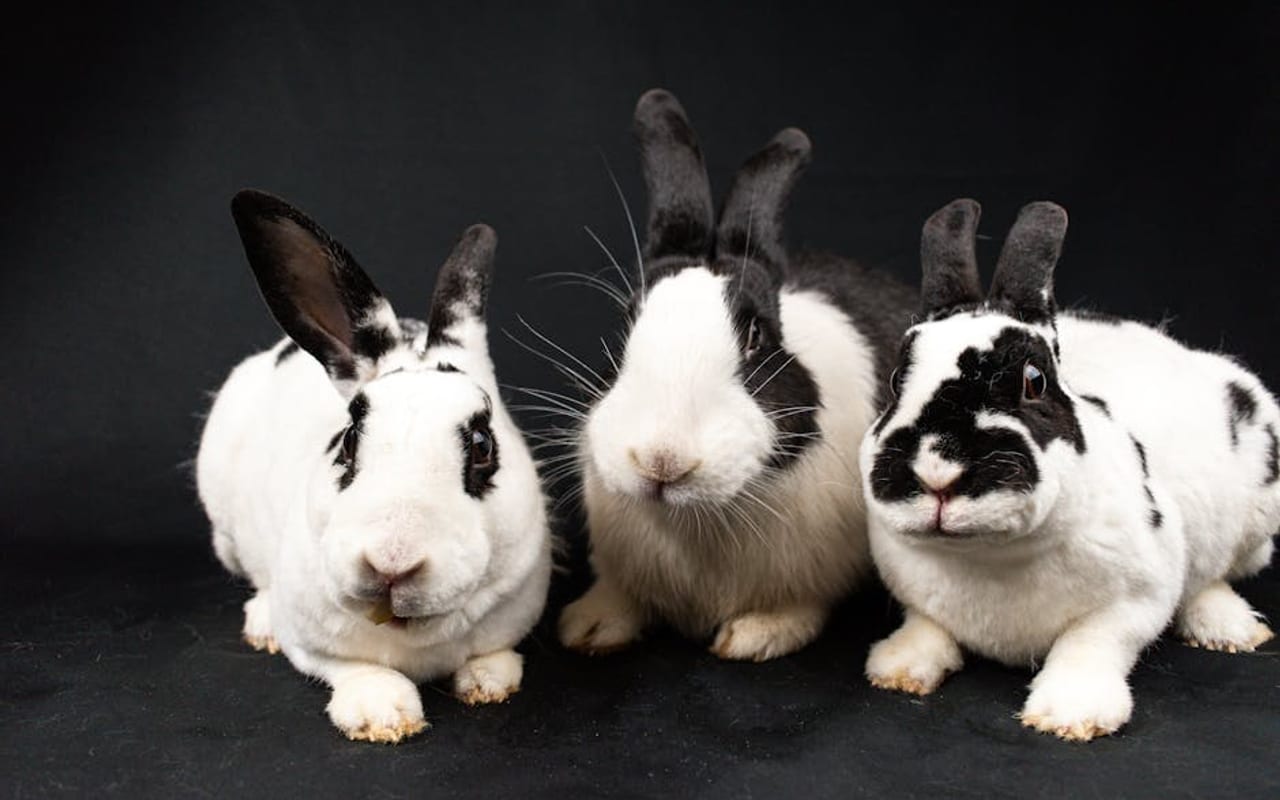
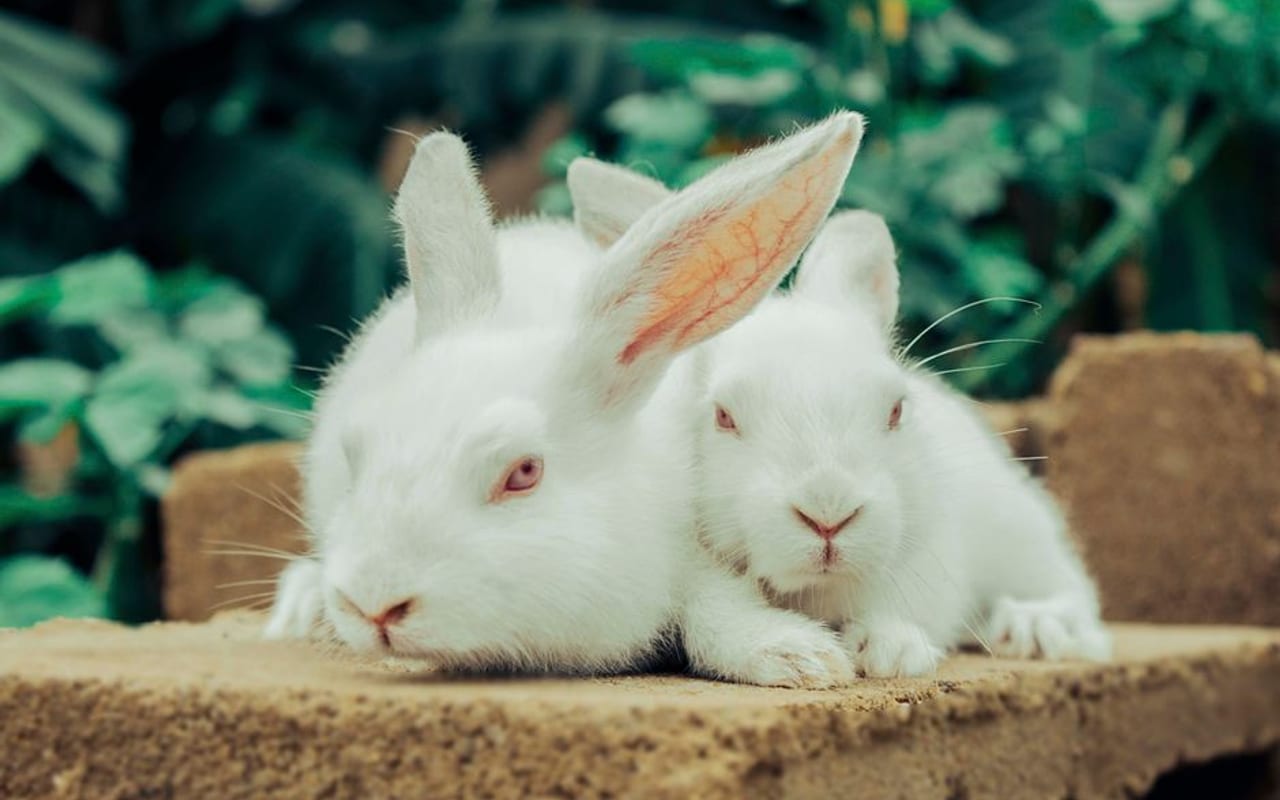
In Britain the Britannia Petite is known as the Polish rabbit — but that name belongs to a completely different breed in the United States, which is why it was renamed when it crossed the Atlantic.
It is one of the smallest rabbit breeds recognized in North America, with show animals routinely weighing under 2.5 pounds.
The breed stands in a distinctive 'full-arch' posture, lifted up on its toes with a curve through the body, rather than crouching flat like most pet rabbits.
Britannia Petites pack the energy and boldness of a far larger rabbit into a tiny frame, defying the assumption that small rabbits are calm and docile.
Bred purely as a fancy and show rabbit rather than for meat or fur, the breed has been shaped almost entirely by exacting standards of proportion and type.
As an Amazon Associate, we earn from qualifying purchases made through these links, at no extra cost to you.
Detailed cost data for Britannia Petite is not yet available. Check back soon!
A Britannia Petite needs the standard rabbit fundamentals applied with unusual precision, because its tiny body leaves almost no margin for mistakes. Diet is roughly 70 percent unlimited grass hay (timothy or orchard), about a cup of leafy greens daily, and only a small measured amount of plain pellets — an eighth to a quarter cup — fed in two or three small portions across the day to match a fast metabolism. Consistency is critical: a skipped or delayed meal can let blood sugar and gut motility crash quickly in an animal this small, so feeding times should be regular and appetite watched closely. Housing should be at least a 2-by-2.5-foot home base as an absolute minimum, with much larger being better, plus 3 to 4 hours of daily free-roam in a rabbit-proofed space, because despite its size this is a high-energy breed that turns obese and frustrated when confined. Grooming is minimal — a weekly brush on the short coat — but weight is not: monitor it closely, since even a quarter-pound change is significant on so small a frame. Handle gently and rarely, always supporting the body and working at floor level, because the light bones fracture easily and the breed dislikes restraint. Schedule malocclusion checks every six months, since tiny faces are prone to overgrown teeth. Rabbits are social, but Britannia Petites can be feisty, so any bonding needs patience. Finally, line up a rabbit-savvy exotics vet before you bring one home, budget for neutering, and treat any loss of appetite, weakness, or absence of droppings as a same-day emergency.
Dive deeper into everything Britannia Petite — costs, care, and expert insights.
How Much Does a Britannia Petite Cost?
Purchase price, monthly costs, and lifetime expenses
Polish Rabbit Care Guide
## Polish Rabbit Care Overview This guide gives you a practical plan for living with a...
Jersey Wooly Care Guide
## Jersey Wooly Care Overview This guide gives you a practical plan for living with a [Jersey...
Considering a dog or cat instead?
Browse Dogs and Cats