
Dwarf type
Britannia Petite
The Britannia Petite is one of the smallest rabbit breeds recognized in North America — most adults weigh well under 2.
Size
2-2 lb
Lifespan
8-12 years
Free-roam
4+ hours free-roam
Experience
Rabbit-savvy planning
Decision first
Is a Britannia Petite right for you?
Start with fit before history or trivia. These are ownership signals, not guarantees about any individual rabbit.
Best suited for
- Owners who can provide large exercise space, enrichment, and close daily monitoring.
Think carefully if
- You cannot provide supervised free-roam time, enrichment, and rabbit-proofed space.
- You cannot keep up with grooming and preventive care.
- You cannot access a rabbit-savvy veterinarian for routine and urgent care.
Conditional fit
Apartment living may be difficult unless the owner can provide a large exercise pen or safe room for daily movement.
Daily reality
Britannia Petite commitment snapshot
Daily free-roam
4+ hours free-roam
Match movement, enrichment, and rabbit-proofing to age, health, heat, and housing.
Coat care
Low
Grooming needs vary by coat, shedding, and lifestyle.
Health monitoring
Needs planning
Most rabbits need daily appetite, droppings, litter, teeth, ears, and behavior checks.
Structured facts
Britannia Petite at a glance
The measurements and traits that most affect day-to-day life with this breed.
Origin
United Kingdom
Group
Dwarf
Weight
2-2 lb
Height
6-7 in
Lifespan
8-12 years
Temperament
energetic | curious | alert
View all characteristics and methodology
Lifestyle fit
- Indoor housing
- Needs caution
- Child friendliness
- Needs caution
- Bonding potential
- Individual match
- Handling styleMost rabbits are safer and calmer when interaction happens close to the ground.
- Floor-level preferred
Owner commitment
- Free-roam time
- 4+ hours free-roam
- Grooming
- Low
- Litter routineClean litter supports hygiene and makes appetite or droppings changes visible.
- Daily
Behavior
- Sociability
- Breed-specific
- Energy
- Moderate
- Trainability
- Moderate
- Noise
- Quiet
Environment and health
- Dental monitoring
- Routine priority
- Heat sensitivity
- Needs indoor climate control
- Health risk
- Needs planning
- Vet type
- Rabbit-savvy or exotics
Ratings combine structured breed data, visible breed fields, and editorial context. They are planning aids, not predictions for an individual rabbit.
Daily life
Britannia Petite temperament and behavior
The Britannia Petite is one of the smallest rabbit breeds recognized in North America — most adults weigh well under 2.5 pounds — and that extreme miniaturization is the whole reason it demands an experienced, careful owner rather than a beginner charmed by its size. Bred in Britain for perfect proportions on a tiny, fine-boned frame, it stands with a distinctive arched 'full-arch' posture, up on its toes, ears held erect, with a bright, almost wild alertness. The temperament surprises people: a Britannia Petite is bold, energetic, intensely curious, and frankly feisty, with all the drive of a much larger rabbit packed into a delicate body. That combination is exactly where the risk lives. The same tiny frame that makes it adorable makes it fragile — its light bones fracture easily, and a startled kick or a short fall can cause a serious spinal injury — and its small body has so little reserve that a skipped meal or a stressful upset can spiral into illness far faster than in a bigger rabbit. This is not a cuddly lap pet for a child; it is a spirited, fast-moving animal that dislikes restraint and needs gentle, patient, floor-level handling from adults. Practically, the short coat is almost no work, but the breed is demanding in the ways that matter most: consistent frequent feeding, obsessive attention to weight and appetite, careful malocclusion monitoring, and a calm environment. Britannia Petites can live a relatively long 8 to 12 years, so the reward for getting it right is a long-lived, characterful companion — but the margin for error is thin. Source one from a breeder who can show the line's health and temperament, line up a rabbit-savvy exotics vet before you bring it home, and go in understanding that 'tiny' here means 'more fragile and less forgiving,' not 'easier.'
energetic | curious | alert
energetic
A common Britannia Petite temperament descriptor that should be interpreted alongside housing, gentle handling, diet, and health monitoring, and household fit.
curious
A common Britannia Petite temperament descriptor that should be interpreted alongside housing, gentle handling, diet, and health monitoring, and household fit.
alert
A common Britannia Petite temperament descriptor that should be interpreted alongside housing, gentle handling, diet, and health monitoring, and household fit.
Owner note
Temperament labels are starting points, not guarantees. Meet the individual rabbit and ask about behavior history whenever possible.
Care essentials
How to care for a Britannia Petite
What looking after one actually involves: diet, grooming, habitat, bonding and routine health.
DietAs needed
- Unlimited grass hay — timothy, orchard, or meadow — is the foundation of a Britannia Petite's diet: it should be the bulk of every day's food, and it is what keeps the gut moving and wears down teeth that grow for life. Add a measured daily pellet portion sized for a 0.7–1.1 kg rabbit, a rotating variety of washed leafy greens, and constant fresh water. Portions are tiny on a dwarf breed this size, so measure pellets carefully — a little too much tips a Britannia Petite into obesity — and lean on hay for the tooth wear these breeds especially need.
HousingAs needed
- A Britannia Petite rabbit needs room to run, not just a hutch: space to take several consecutive hops and to stand fully upright on its hind legs, with solid flooring rather than wire mesh, at least one hide, and a toilet corner cleaned daily. Don't let a small size (0.7–1.1 kg) tempt you into a small cage — little rabbits need generous run space just as much as big ones.
ExerciseAs needed
- Give a Britannia Petite several hours of daily free-roaming time in a safe, rabbit-proofed space; confinement without it causes both muscle and bone problems. This is an energetic breed that stays busy, so tunnels, dig boxes, and forage toys earn their keep.
GroomingAs needed
- A Britannia Petite's short coat is easy — a weekly brush, daily in a moult. The real watch-point is the teeth: keep hay constant for tooth wear and look for drooling, a wet chin, dropped food, or weight loss, and check the rear daily for soiling, which draws flystrike in warm weather.
VeterinaryAs needed
- Line up a rabbit-savvy vet before you need one and keep to twice-yearly checks. A Britannia Petite that stops eating or stops passing droppings is a same-day emergency — call a rabbit-savvy vet that day, because gut slowdown (GI stasis) can turn life-threatening within hours. Dwarf breeds are overrepresented for dental disease, so ask the vet to check the back teeth at each visit. Ask about RVHD and myxomatosis vaccination for your area, and consider neutering for its health and behaviour benefits.
Health planning
Britannia Petite health risks and screening
Every rabbit breed has individual health variation. Use this profile for planning and discuss diet, dental care, gut health, and urgent symptoms with a rabbit-savvy veterinarian.
Ownership cost
How much does a Britannia Petite cost?
Cost figures are structured so first-year and lifetime estimates do not conflict with the underlying line items.
| Acquisition | $25-$65 |
|---|---|
| Adoption | |
| Initial setup | |
| Routine monthly | About $40/month |
| Routine annual | About $480/year |
| First-year estimate | $505-$545 |
| Lifetime routine estimate | $3,840-$5,760 routine costs |
Currency: USD. Region: United States. Updated: . Typical ranges for this breed. Equipment, insurance, emergency veterinary care, boarding and training are NOT included: we hold no sourced figures for them, and estimating them would be a guess presented as data.
Responsible ownership
Finding a Britannia Petite responsibly
What to ask a breeder or rescue is the same conversation for every breed, so we keep it in one place and keep it current.
Health documentation, meeting the parents or foster, contracts and return support, and the warning signs worth walking away from.
Original purpose
Britannia Petite history
History is useful when it explains today's behavior, coat, exercise needs, and care style.
Read the breed history
The Britannia Petite was developed in Britain in the late 1800s and early 1900s, where it is known as the Polish rabbit — a confusing piece of naming, because the breed that ARBA calls 'Polish' in the United States is a separate, distinct rabbit. British breeders selected small, fine-boned stock toward an ideal of near-perfect miniature proportions and an elegant full-arch type, prizing the animal as a show and fancy rabbit rather than a meat or fur producer. When the breed reached the United States it was renamed the Britannia Petite to distinguish it from the American Polish, and the American Rabbit Breeders Association recognized it under that name. The breed's fine bone, upright ears, and spirited carriage made it a fixture in show competition, and modern Britannia Petites are bred to hold those exacting proportions consistently, remaining a specialist's rabbit kept largely by dedicated fanciers.
Gallery
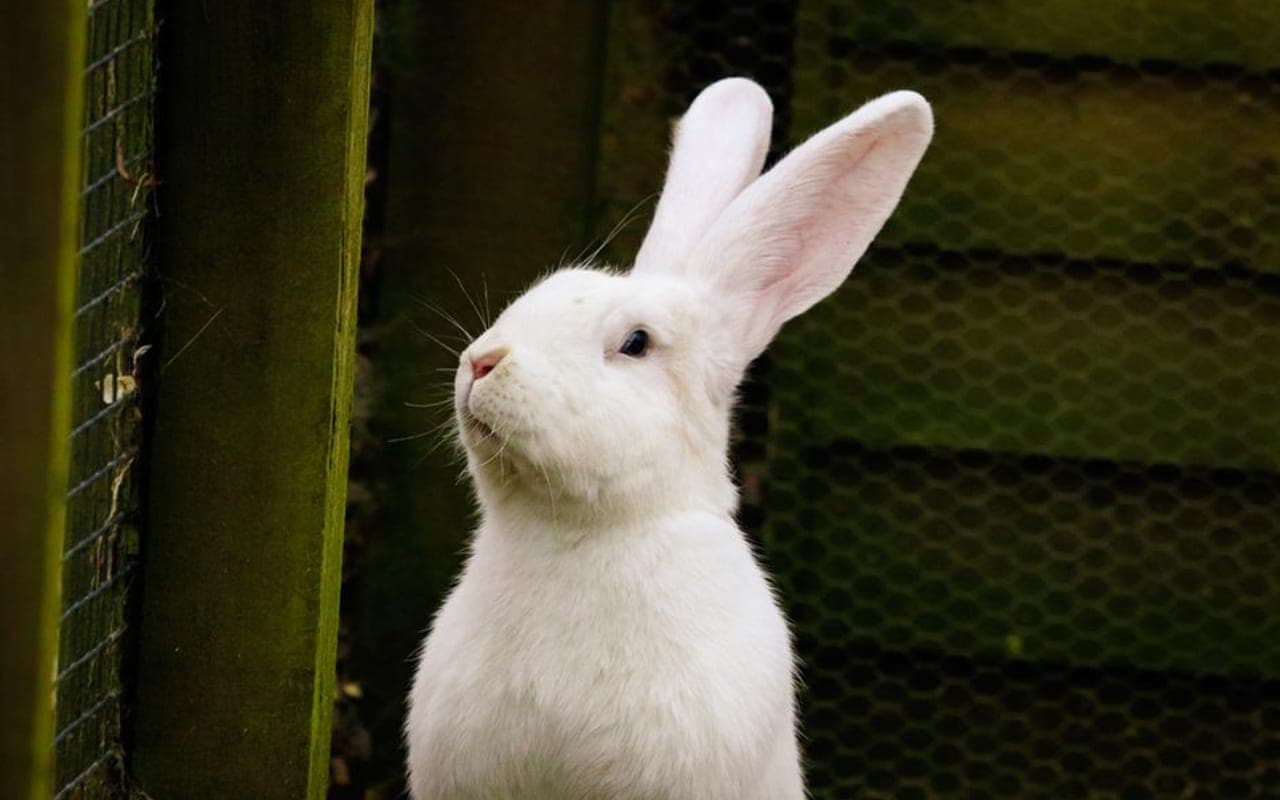
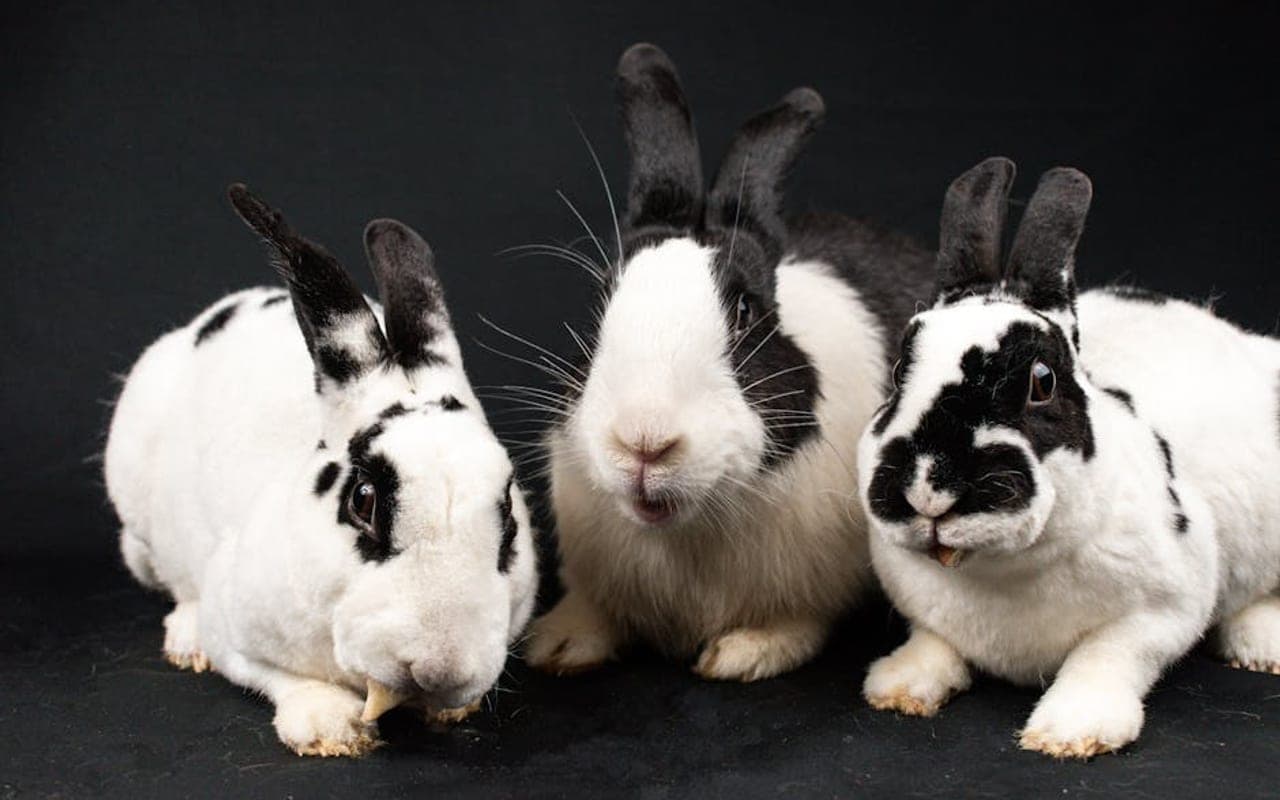
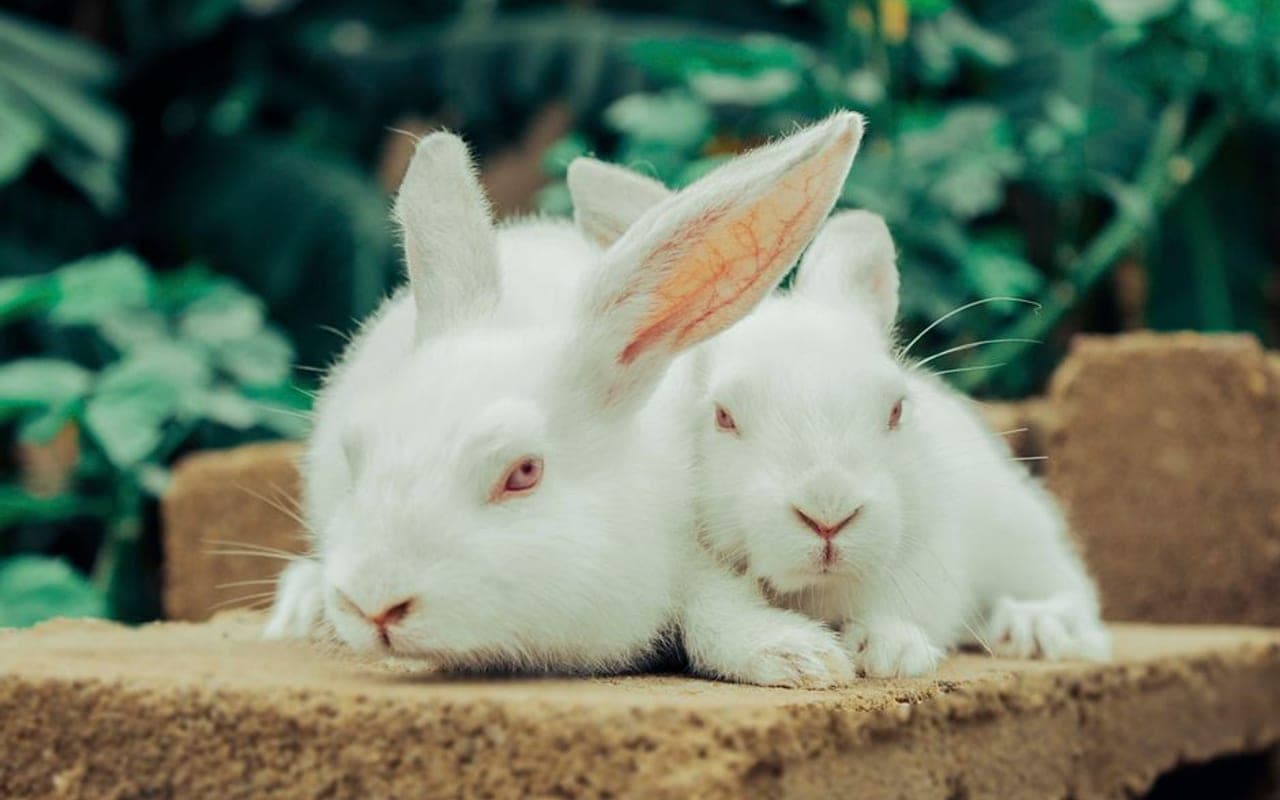
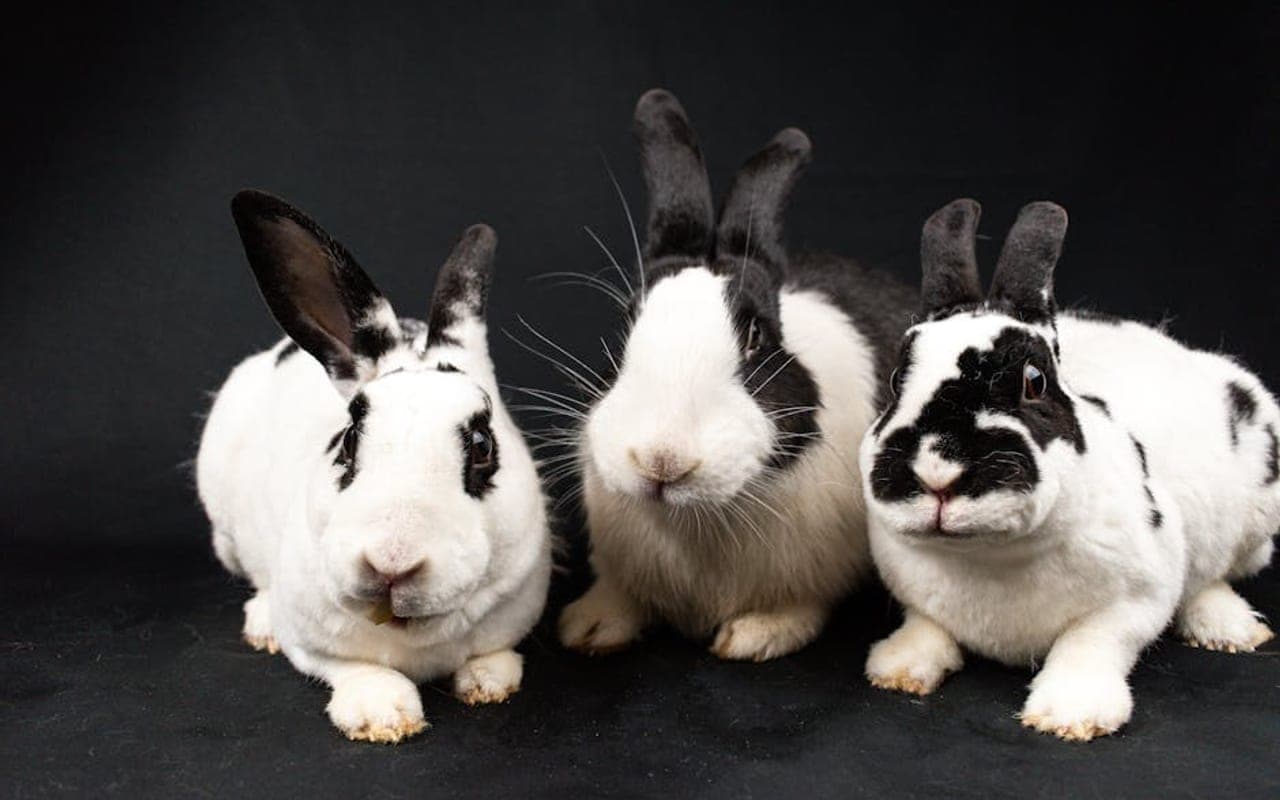
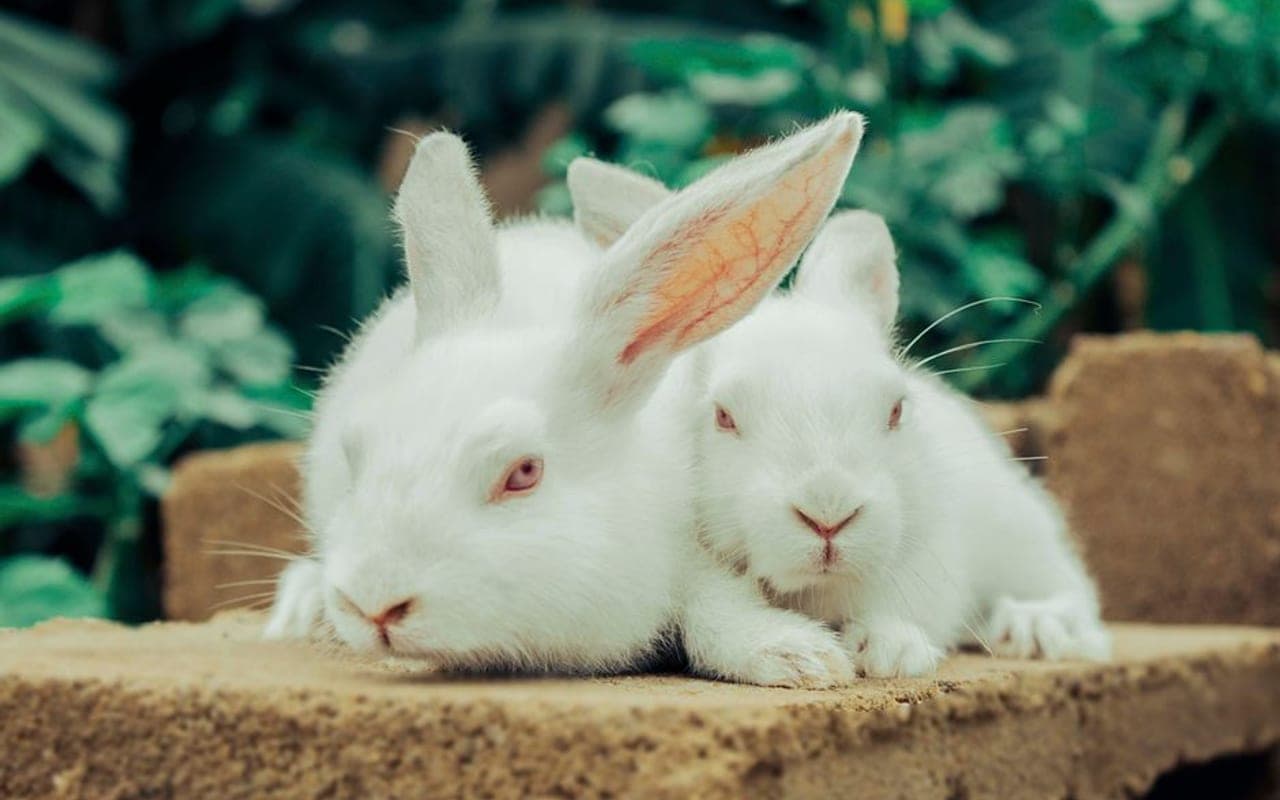
Britannia Petite photos
Images are cropped consistently and loaded progressively to keep the page responsive.
Lower-page context
Britannia Petites in culture
Where the breed shows up in film, sport, work and folklore — the enjoyable part, once the practical questions are answered.
Fun facts
- In Britain the Britannia Petite is known as the Polish rabbit — but that name belongs to a completely different breed in the United States, which is why it was renamed when it crossed the Atlantic.
- It is one of the smallest rabbit breeds recognized in North America, with show animals routinely weighing under 2.5 pounds.
- The breed stands in a distinctive 'full-arch' posture, lifted up on its toes with a curve through the body, rather than crouching flat like most pet rabbits.
- Britannia Petites pack the energy and boldness of a far larger rabbit into a tiny frame, defying the assumption that small rabbits are calm and docile.
- Bred purely as a fancy and show rabbit rather than for meat or fur, the breed has been shaped almost entirely by exacting standards of proportion and type.
Britannia Petite FAQs
How small is a Britannia Petite?
The Britannia Petite is among the very smallest recognized rabbit breeds, with most adults weighing under 2.5 pounds — roughly 0.9 to 1.4 kilograms. That tiny size is the breed's defining feature and its main caution: it makes the rabbit fragile and quick to crash if a meal is missed, so 'smallest' here translates directly into 'least forgiving to care for,' not 'easiest.'
Are Britannia Petites good pets for children?
No, not for young children. Britannia Petites have extremely fine, fragile bones that fracture easily, and they are feisty, fast, and dislike being held, so they can be injured by the grabbing and carrying that children naturally do. They suit calm, experienced, gentle adult keepers who handle them rarely and at floor level. Families wanting a sturdier, more tolerant rabbit should choose a larger breed.
What is a Britannia Petite's personality like?
Surprisingly bold for its size. Britannia Petites are energetic, intensely curious, alert, and frankly feisty, with the drive of a much larger rabbit in a tiny body. They need genuine mental stimulation and daily free-roam exercise to stay content, and they are not the placid lap-rabbit their cuteness implies. Owners who enjoy a spirited, interactive animal will appreciate them; those wanting a calm cuddler will not.
Can Britannia Petites live with another rabbit?
It is possible but can be challenging, because Britannia Petites are feisty and can be territorial despite their small size. Like all rabbits they are social and generally benefit from a neutered, bonded companion, but introductions need patience and should happen only after both rabbits are neutered to reduce fighting. Some individuals bond readily; others stay better as carefully managed singles with plenty of daily human interaction.
How long do Britannia Petites live?
Despite their fragility, Britannia Petites can live a relatively long 8 to 12 years with attentive care. Lifespan depends heavily on consistent frequent feeding, a hay-first diet, careful malocclusion monitoring, gentle handling that avoids fractures, neutering, and a vet who treats rabbits. Because the breed has so little margin for error, much of reaching that upper range comes down to disciplined, watchful daily husbandry.
Similar breeds to consider
Worth comparing if this breed appeals but you want a different fit on family life, grooming, energy, size or temperament.
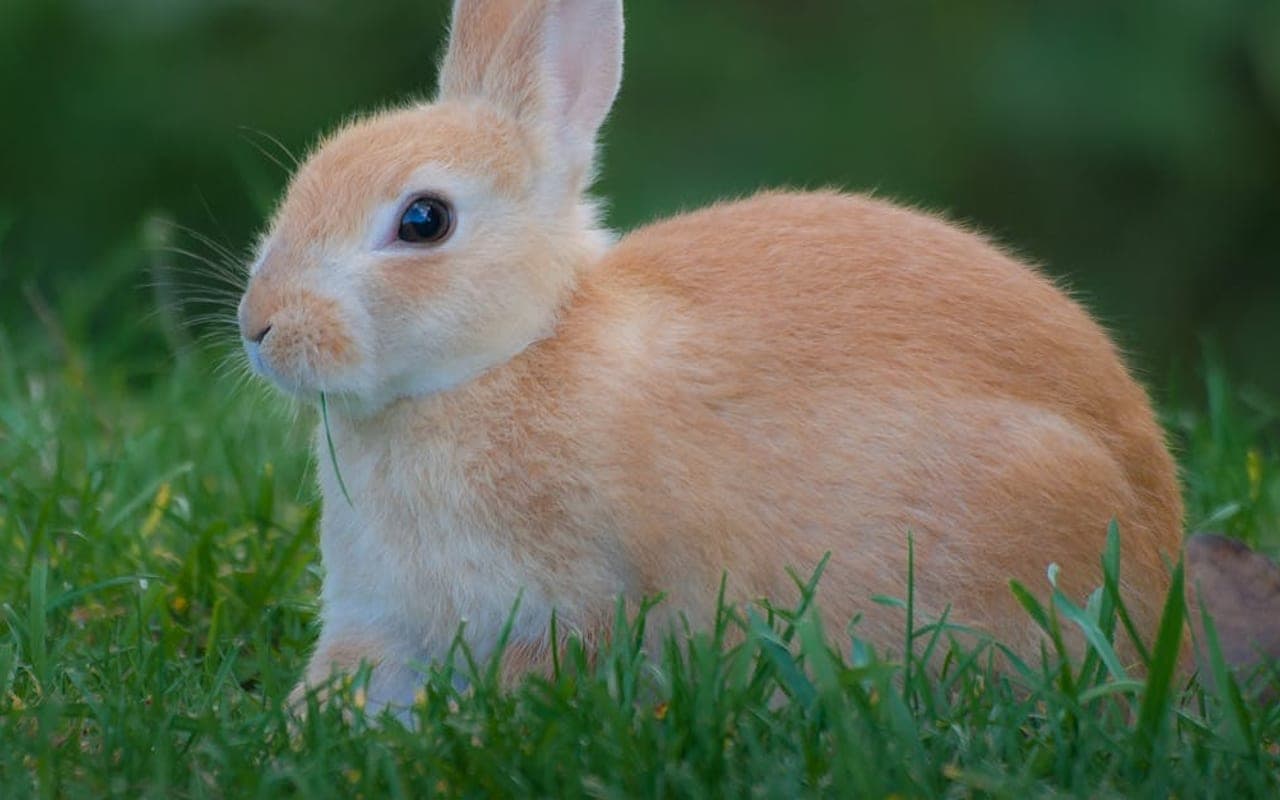
Polish
Also in the Dwarf group, with different size, housing, grooming, and health tradeoffs.
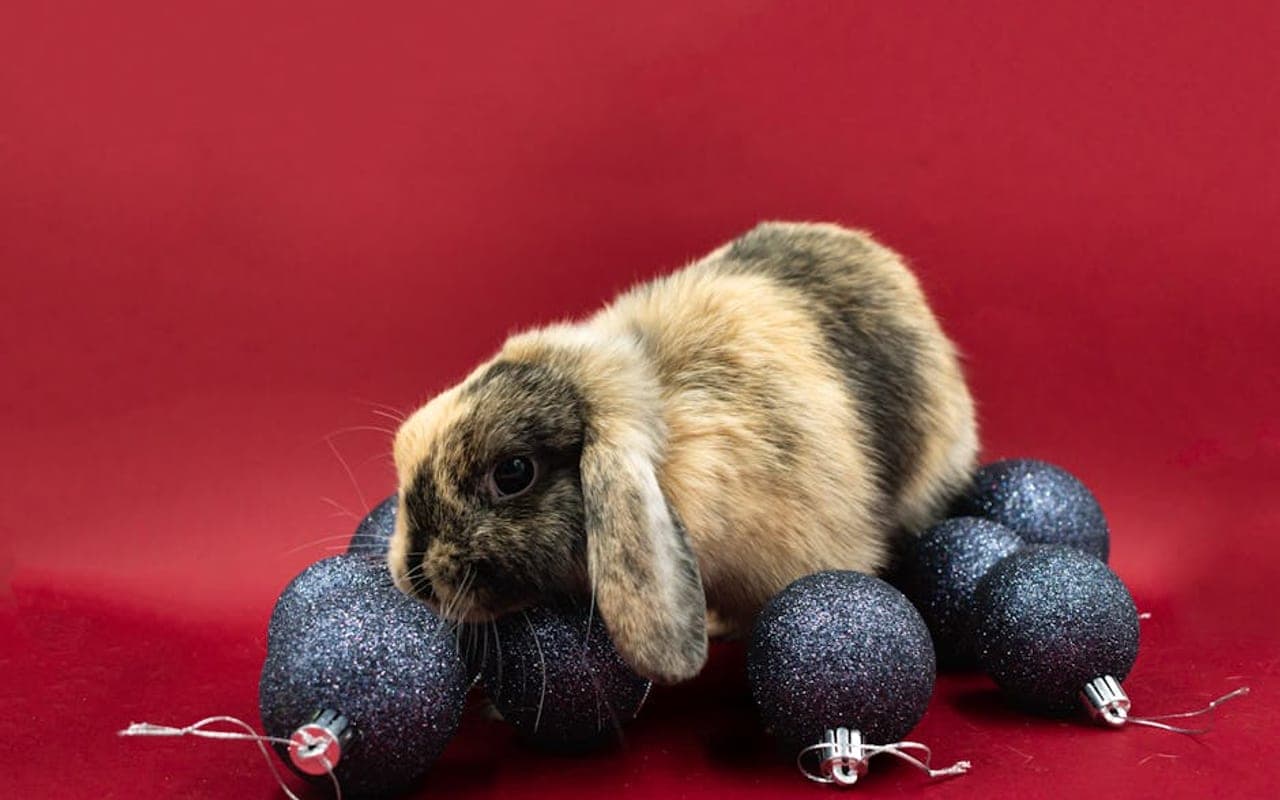
Netherland Dwarf
Also in the Dwarf group, with different size, housing, grooming, and health tradeoffs.
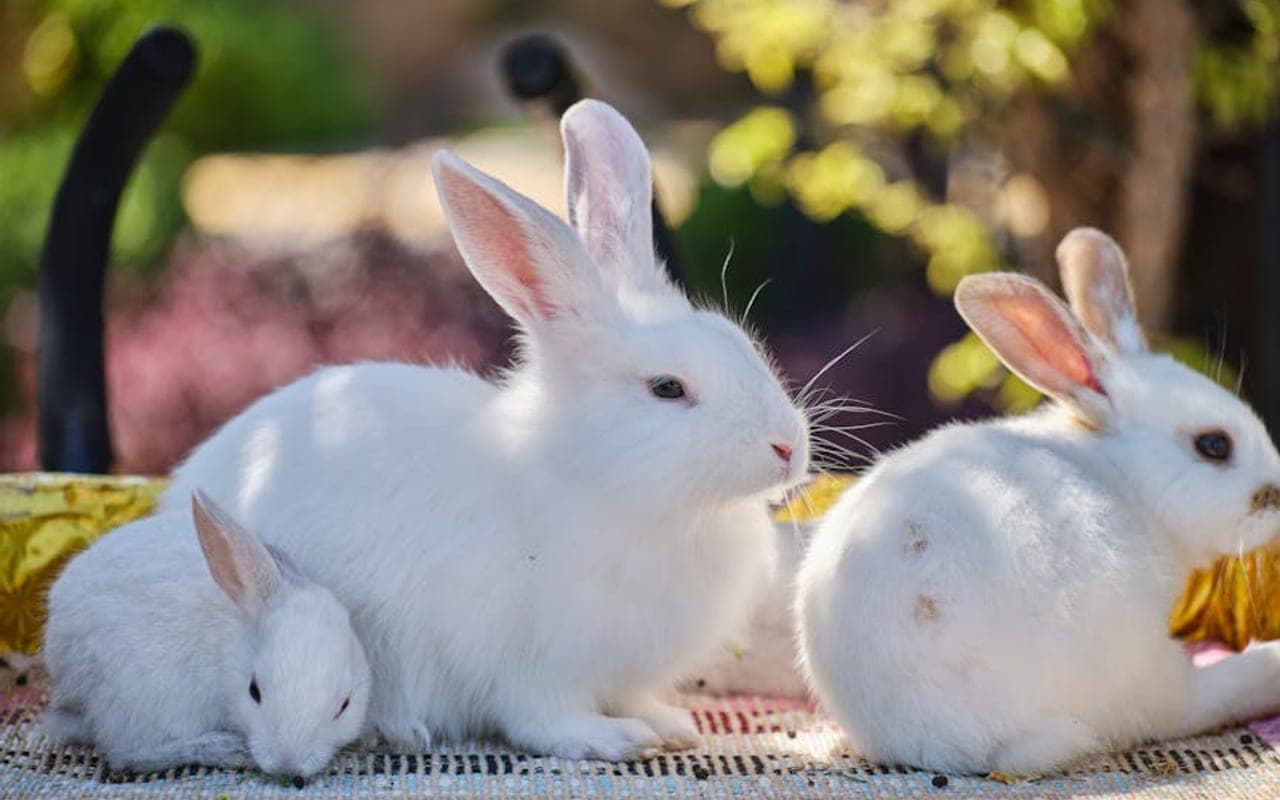
Dwarf Hotot
Also in the Dwarf group, with different size, housing, grooming, and health tradeoffs.
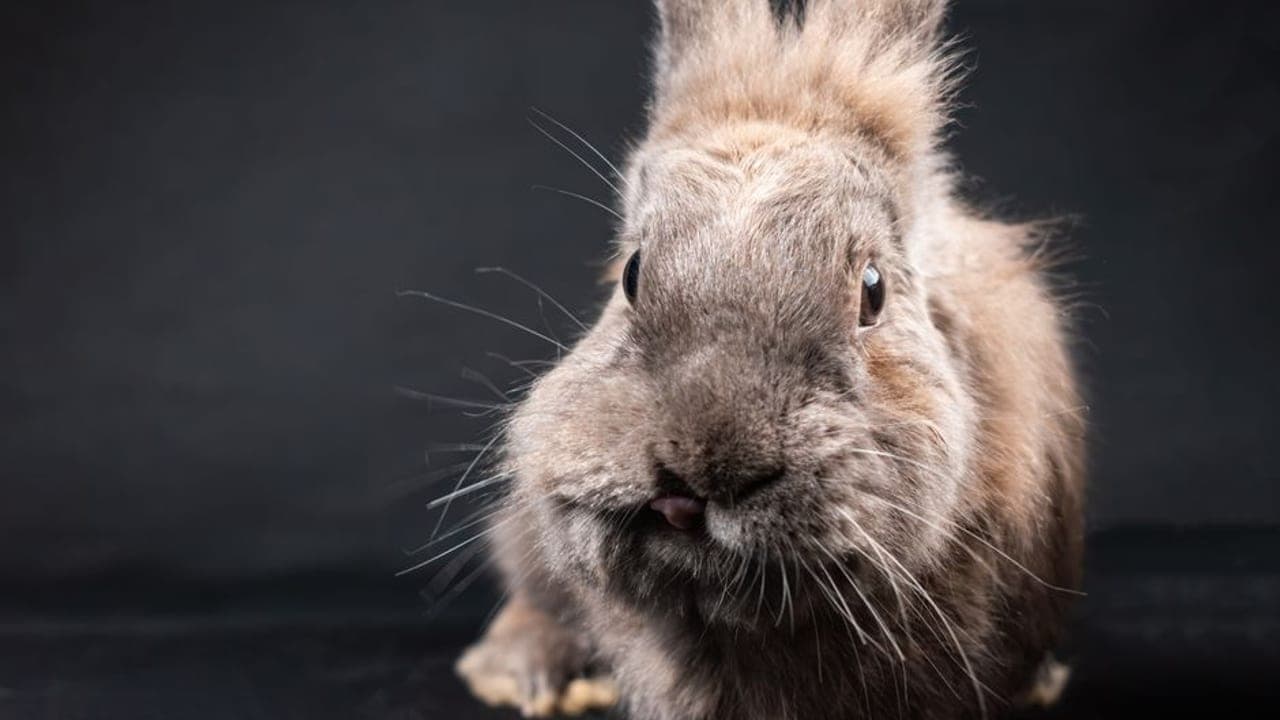
Lionhead
Also in the Dwarf group, with different size, housing, grooming, and health tradeoffs.
Explore More About Britannia Petite
Dive deeper into everything Britannia Petite — costs, care, and expert insights.
How Much Does a Britannia Petite Cost?
Purchase price, monthly costs, and lifetime expenses
Polish Rabbit Care Guide
This guide gives you a practical plan for living with a...
Jersey Wooly Care Guide
This guide gives you a practical plan for living with a [Jersey...
Considering a guinea pig instead?
Browse Guinea Pigs