
Dwarf type
Lionhead
The Lionhead's mane is the whole reason people buy the breed, and it is also the single biggest reason they are harder to keep than they look — anyone considering one should weigh that trade-off before the cute photos do the deciding.
Size
3-4 lb
Lifespan
8-12 years
Free-roam
3-4 hours free-roam
Experience
Rabbit-savvy planning
Decision first
Is a Lionhead right for you?
Start with fit before history or trivia. These are ownership signals, not guarantees about any individual rabbit.
Best suited for
- Owners prepared for hay-first feeding, litter care, and daily supervised free-roam time.
Think carefully if
- You need a pet with almost no daily feeding, litter, and health-monitoring routine.
- You cannot keep up with grooming and preventive care.
- You cannot access a rabbit-savvy veterinarian for routine and urgent care.
Conditional fit
Apartment living may be difficult unless the owner can provide a large exercise pen or safe room for daily movement.
Daily reality
Lionhead commitment snapshot
Daily free-roam
3-4 hours free-roam
Match movement, enrichment, and rabbit-proofing to age, health, heat, and housing.
Coat care
High
Grooming needs vary by coat, shedding, and lifestyle.
Health monitoring
Needs planning
Most rabbits need daily appetite, droppings, litter, teeth, ears, and behavior checks.
Structured facts
Lionhead at a glance
The measurements and traits that most affect day-to-day life with this breed.
Origin
Belgium
Group
Dwarf
Weight
3-4 lb
Height
7-9 in
Lifespan
8-12 years
Temperament
friendly | curious | spirited
View all characteristics and methodology
Lifestyle fit
- Indoor housing
- Needs caution
- Child friendliness
- Needs caution
- Bonding potential
- Individual match
- Handling styleMost rabbits are safer and calmer when interaction happens close to the ground.
- Floor-level preferred
Owner commitment
- Free-roam time
- 3-4 hours free-roam
- Grooming
- High
- Litter routineClean litter supports hygiene and makes appetite or droppings changes visible.
- Daily
Behavior
- Sociability
- Breed-specific
- Energy
- Moderate
- Trainability
- Moderate
- Noise
- Quiet
Environment and health
- Dental monitoring
- Routine priority
- Heat sensitivity
- Needs indoor climate control
- Health risk
- Needs planning
- Vet type
- Rabbit-savvy or exotics
Ratings combine structured breed data, visible breed fields, and editorial context. They are planning aids, not predictions for an individual rabbit.
Daily life
Lionhead temperament and behavior
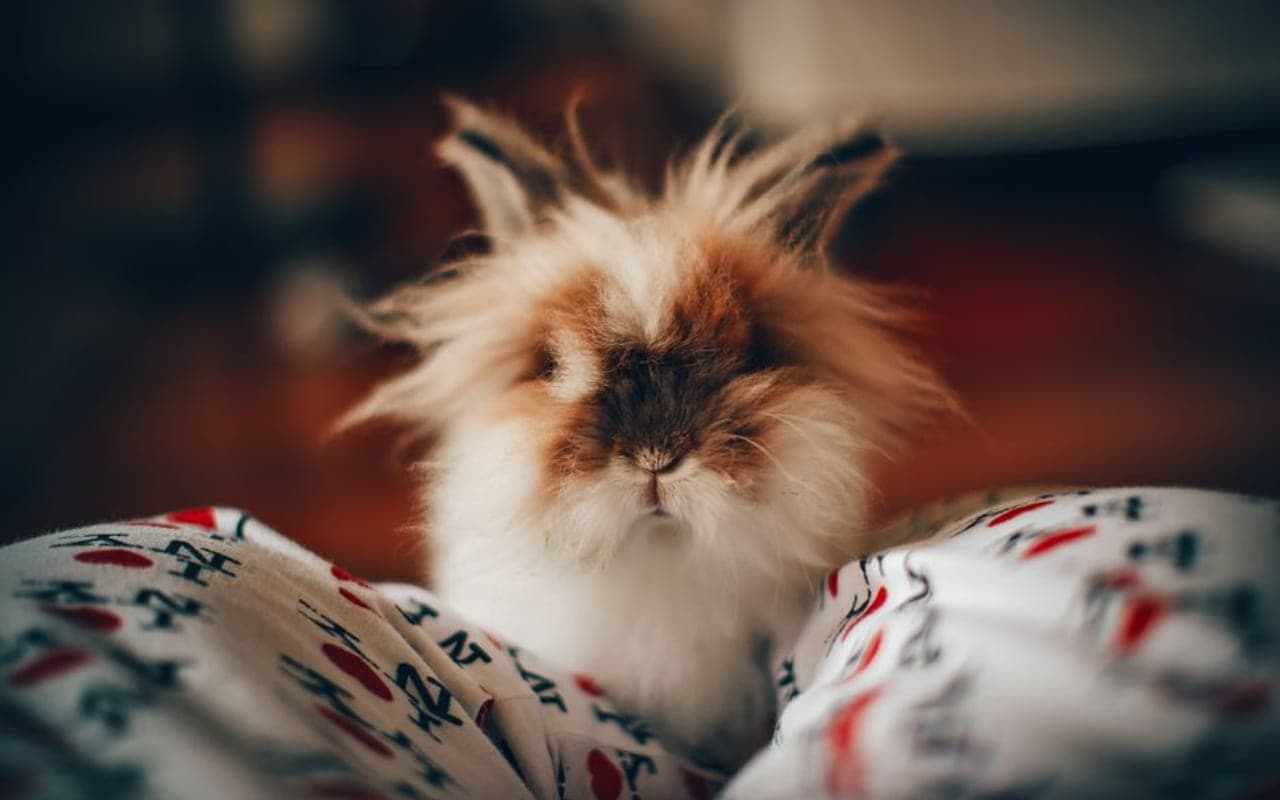
The Lionhead's mane is the whole reason people buy the breed, and it is also the single biggest reason they are harder to keep than they look — anyone considering one should weigh that trade-off before the cute photos do the deciding. A Lionhead is a small dwarf-type rabbit of roughly 0.9 to 1.6 kg (about 2 to 3.5 pounds) carrying a recessive 'mane' gene that produces the ring of long wool around the head and, in double-maned animals, a fringe along the flanks too. That wool is not decorative fluff you can ignore: it mats readily, traps heat in summer, and when the rabbit grooms itself it swallows shed fibers that can compact in a slowing gut, so a Lionhead is a wooled breed with the husbandry obligations of one. Temperament is the other half of the picture. Lionheads are bold, curious, and frankly opinionated for their size — engaging and full of personality, but more likely to test boundaries and dislike heavy-handed handling than a placid Havana or Mini Lop. That combination of demanding coat and spirited character is why experienced keepers, rather than first-time owners chasing a novelty pet, tend to do best with them. As a dwarf breed they also inherit the dwarf-face problem: a shortened skull crowds continuously growing teeth, making dental malocclusion more common than in longer-faced rabbits and making a lifelong hay-first diet non-negotiable. Add the usual rabbit realities — an 8-to-12-year lifespan, a prey animal that hides illness, free-roam exercise, and a rabbit-savvy exotics vet — and the Lionhead becomes a genuinely rewarding companion for an owner who wants character and is willing to do the daily grooming and the dental vigilance the mane and the face demand. Go in expecting a low-effort lap rabbit and you will be caught out.
friendly | curious | spirited
friendly
A common Lionhead temperament descriptor that should be interpreted alongside housing, gentle handling, diet, and health monitoring, and household fit.
curious
A common Lionhead temperament descriptor that should be interpreted alongside housing, gentle handling, diet, and health monitoring, and household fit.
spirited
A common Lionhead temperament descriptor that should be interpreted alongside housing, gentle handling, diet, and health monitoring, and household fit.
Owner note
Temperament labels are starting points, not guarantees. Meet the individual rabbit and ask about behavior history whenever possible.
Care essentials
How to care for a Lionhead
What looking after one actually involves: diet, grooming, habitat, bonding and routine health.
DietAs needed
- Unlimited grass hay such as timothy is the foundation of the diet and should make up the large majority of what a rabbit eats — it is also what wears down continuously growing teeth. Add a measured daily portion of plain pellets and a variety of fresh leafy greens. Fresh water must be available at all times.
HousingAs needed
- Minimum 2.5 sq ft, but larger enclosures are better. Provide multiple hideouts and enrichment toys.
ExerciseAs needed
- Require at least 4-5 hours of daily free-roaming time. They enjoy running, exploring, and playing with toys.
GroomingAs needed
- Brush daily. The mane is dense and mats readily, so work through it close to the skin rather than over the surface, and check behind the ears and under the chin where mats start. Check the rear end every day for soiling: a dirty rear attracts flies and, in warm weather, flystrike, which is an emergency rather than a grooming problem.
VeterinaryAs needed
- Find a rabbit-savvy veterinarian. Regular health checks (twice yearly) are recommended for early detection of issues.
Health planning
Lionhead health risks and screening
Every rabbit breed has individual health variation. Use this profile for planning and discuss diet, dental care, gut health, and urgent symptoms with a rabbit-savvy veterinarian.
Ownership cost
How much does a Lionhead cost?
Cost figures are structured so first-year and lifetime estimates do not conflict with the underlying line items.
| Acquisition | $25-$65 |
|---|---|
| Adoption | |
| Initial setup | |
| Routine monthly | About $40/month |
| Routine annual | About $480/year |
| First-year estimate | $505-$545 |
| Lifetime routine estimate | $3,840-$5,760 routine costs |
Currency: USD. Region: United States. Updated: . Typical ranges for this breed. Equipment, insurance, emergency veterinary care, boarding and training are NOT included: we hold no sourced figures for them, and estimating them would be a guess presented as data.
Responsible ownership
Finding a Lionhead responsibly
What to ask a breeder or rescue is the same conversation for every breed, so we keep it in one place and keep it current.
Health documentation, meeting the parents or foster, contracts and return support, and the warning signs worth walking away from.
Original purpose
Lionhead history
History is useful when it explains today's behavior, coat, exercise needs, and care style.
Read the breed history
The Lionhead is a young breed that emerged in Western Europe in the late twentieth century, when a spontaneous genetic mutation produced rabbits carrying a wool 'mane' around the head and neck. Belgian and other European breeders worked to fix and refine the trait, reportedly crossing small wooled and dwarf rabbits to stabilize both the mane and a compact body, and the distinctive look spread quickly through the European rabbit fancy. The breed reached the United Kingdom and then North America in the 1990s, where its showy appearance drove fast-rising popularity. The American Rabbit Breeders Association granted the Lionhead full recognition in 2014, accepting it as a distinct breed after a multi-year development and presentation process. Because the mane gene is recessive, consistent mane quality still depends on careful selective breeding, and modern Lionheads appear in a wide range of colors and in both single- and double-maned forms.
Gallery
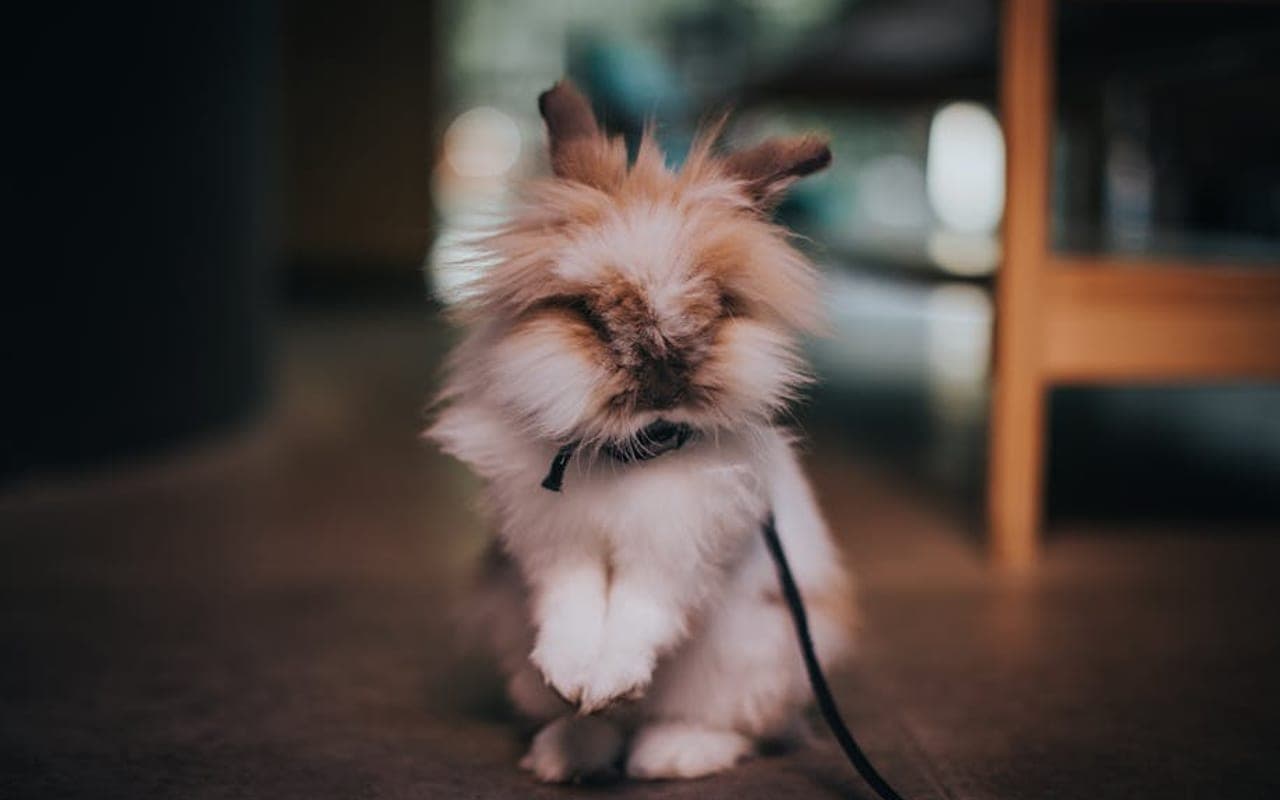
Lionhead photos
Images are cropped consistently and loaded progressively to keep the page responsive.
Lower-page context
Lionheads in culture
Where the breed shows up in film, sport, work and folklore — the enjoyable part, once the practical questions are answered.
Fun facts
- The Lionhead's mane is produced by a recessive 'mane' gene that arose from a spontaneous mutation, not from crossing with any actual long-haired wild rabbit.
- Double-maned Lionheads carry two copies of the gene and grow a flank 'skirt' on top of the head mane, while single-maned ones often lose mane volume with age.
- The American Rabbit Breeders Association granted the Lionhead full breed recognition in 2014, making it one of the newer breeds on the ARBA roster.
- Lionheads come in a long list of colors, from tortoise and sable to broken patterns, all paired with the signature mane.
- For their tiny size Lionheads are notably bold and inquisitive, and many will challenge a new piece of furniture rather than hide from it.
Lionhead FAQs
Do Lionheads need more grooming than other rabbits?
Yes — the mane is the reason. A short-coated rabbit needs only a weekly brush, but a Lionhead's wool mats readily and the rabbit swallows shed fibers while self-grooming, so it needs brushing three or more times a week year-round and daily during the spring and autumn molts. Skipping this is not just a cosmetic problem: matted wool traps heat against the skin, and ingested fur on a low-fiber diet is a leading trigger of life-threatening wool block.
What is the difference between single-maned and double-maned Lionheads?
It comes down to how many copies of the recessive mane gene the rabbit carries. A single-maned Lionhead has one copy and grows a mane around the head and neck that often thins as it ages. A double-maned Lionhead has two copies, producing a fuller mane plus a 'skirt' or fringe of longer wool along the flanks. Double-maned animals need even more diligent grooming because there is simply more wool to mat and to swallow.
Are Lionheads good rabbits for first-time owners?
They are a step harder than placid breeds, for two reasons. The mane demands real grooming commitment, and the temperament tends to be bold and spirited rather than laid-back, so a Lionhead is more likely to resist handling and test boundaries. They can absolutely make wonderful pets, but they suit an owner who has researched rabbit care, will keep up the grooming routine, and wants personality over a calm lap-rabbit. A novice who underestimates the coat will struggle.
Why are Lionheads prone to dental problems?
Lionheads are a dwarf breed, and the dwarf gene shortens the skull, which crowds teeth that grow continuously throughout the rabbit's life. Crowding makes the molars and incisors more likely to wear unevenly and overgrow, a condition called malocclusion. Prevention is dietary: unlimited grass hay forces the side-to-side chewing that grinds the molars down. Watch for drooling, a wet chin, weight loss, or a dropped appetite, and have a rabbit vet examine the back teeth at least once a year.
How long do Lionhead rabbits live?
With good care a Lionhead typically lives 8 to 12 years, a far longer commitment than most people expect from a small novelty-looking pet. Lifespan depends heavily on a hay-first diet, diligent mane grooming to prevent wool block, neutering (which prevents reproductive cancers in does), indoor housing away from heat and predators, and a vet who actually treats rabbits. Plan for more than a decade of daily care and recurring exotics-vet costs.
Similar breeds to consider
Worth comparing if this breed appeals but you want a different fit on family life, grooming, energy, size or temperament.
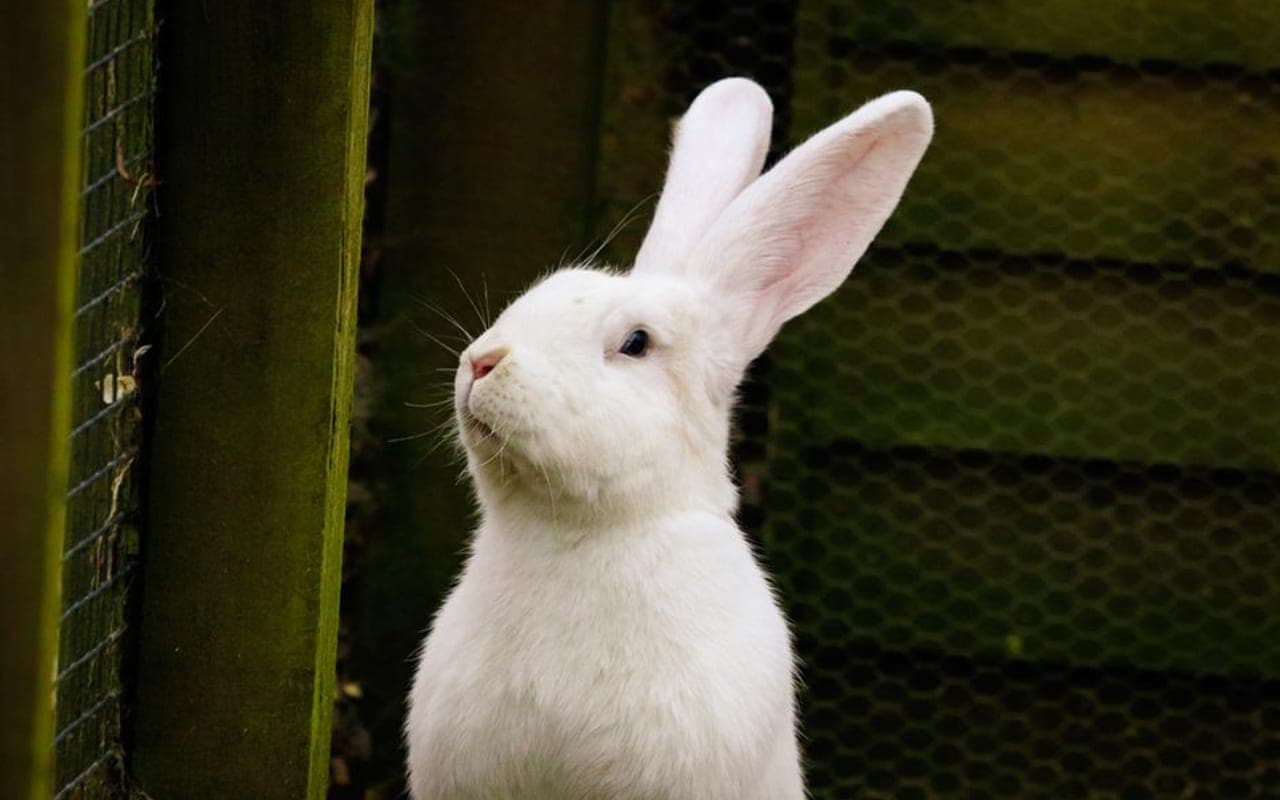
Britannia Petite
Also in the Dwarf group, with different size, housing, grooming, and health tradeoffs.
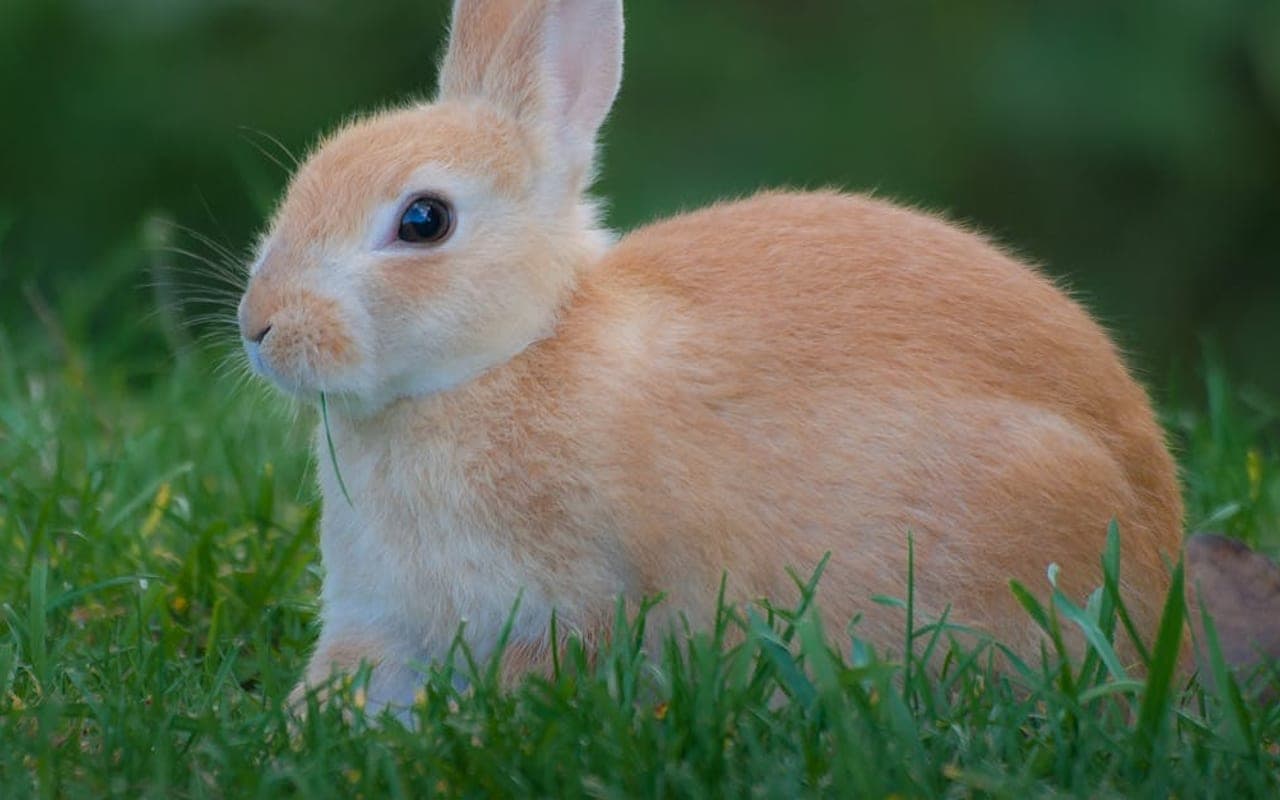
Polish
Also in the Dwarf group, with different size, housing, grooming, and health tradeoffs.
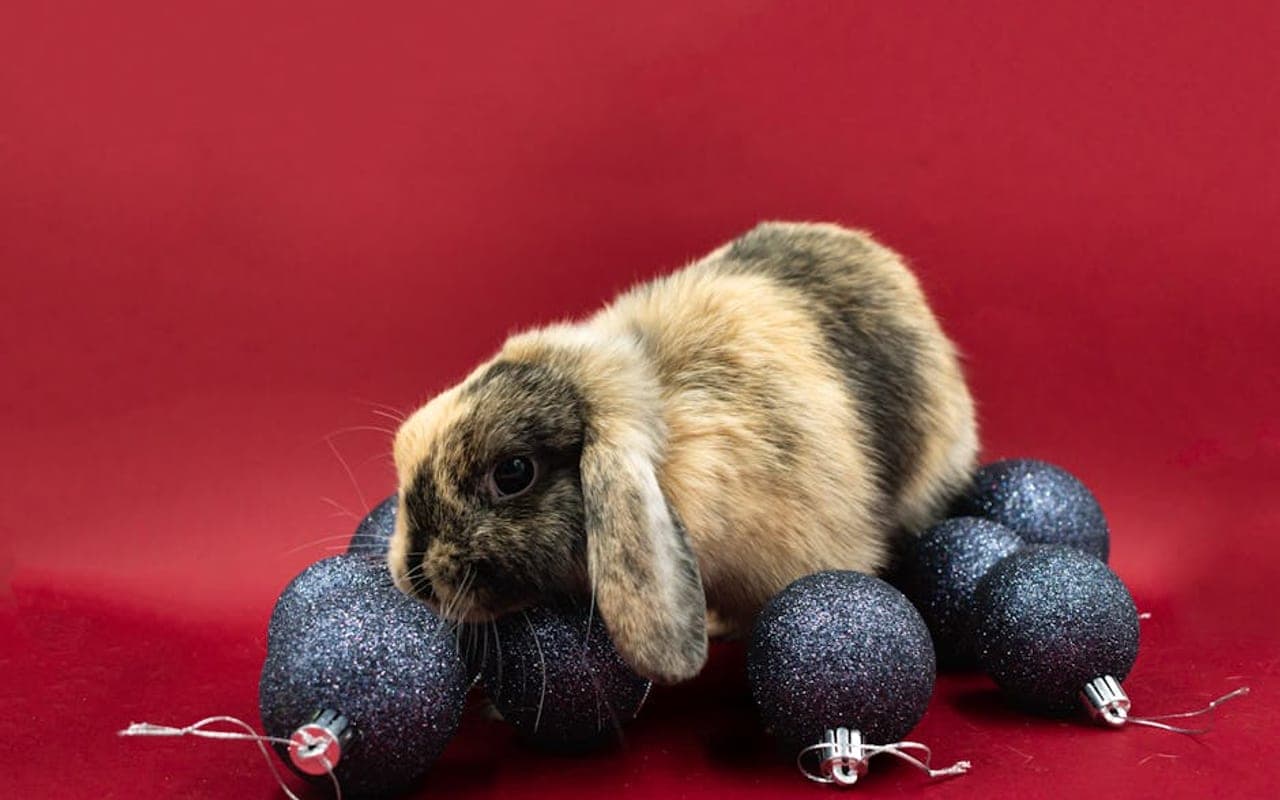
Netherland Dwarf
Also in the Dwarf group, with different size, housing, grooming, and health tradeoffs.
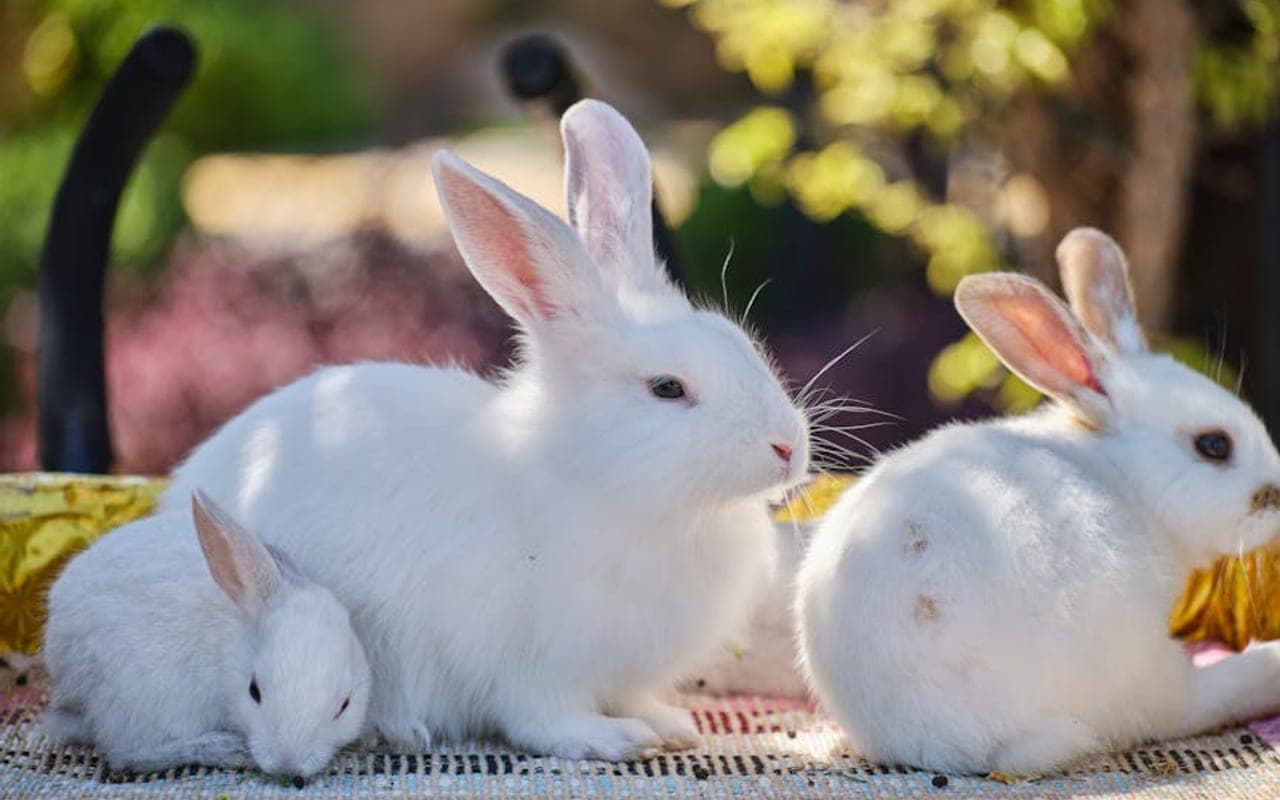
Dwarf Hotot
Also in the Dwarf group, with different size, housing, grooming, and health tradeoffs.
Explore More About Lionhead
Dive deeper into everything Lionhead — costs, care, and expert insights.
How Much Does a Lionhead Cost?
Purchase price, monthly costs, and lifetime expenses
Lionhead Care Guide
This guide gives you a practical plan for living with a...
Considering a guinea pig instead?
Browse Guinea Pigs