
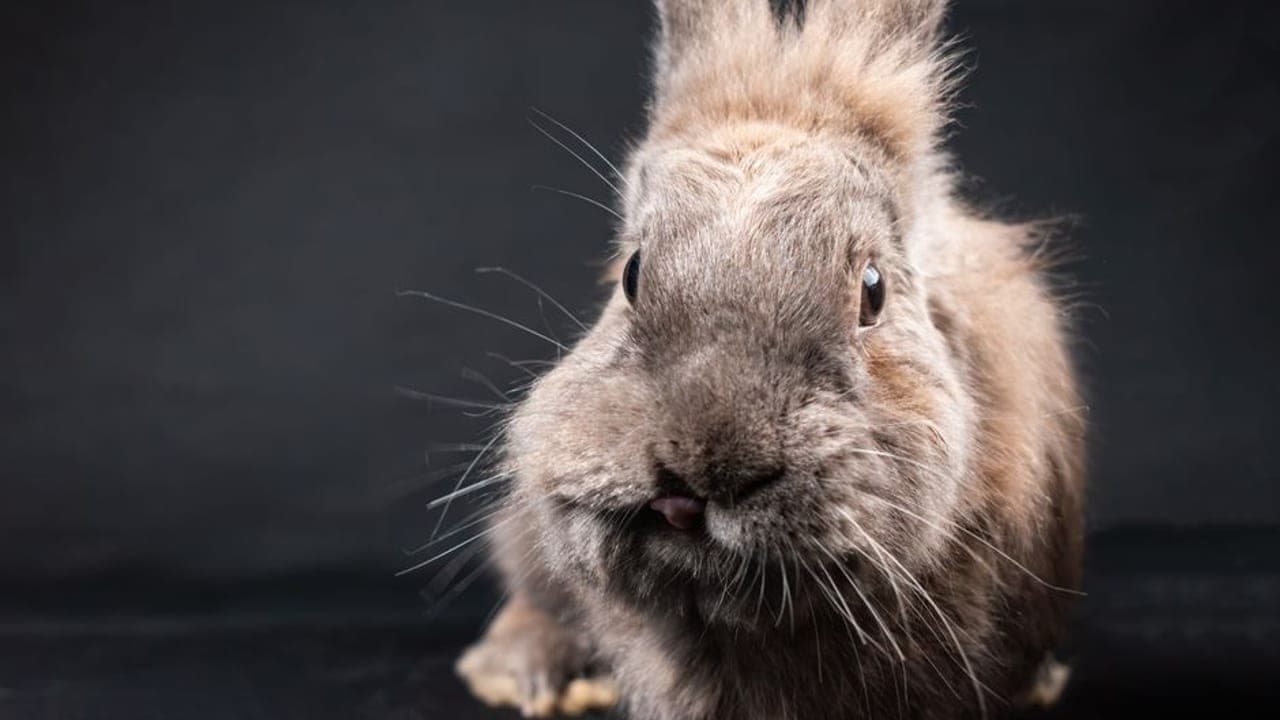
Lionhead Care Guide
Lionhead Care Overview This guide gives you a practical plan for living with a Lionhead, the small dwarf-type rabbit, capped by the ARBA standard at a maximum of 3.75 pounds, whose ring of long wool a
In This Guide
Overview
Lionhead Care Overview
This guide gives you a practical plan for living with a Lionhead, the small dwarf-type rabbit, capped by the ARBA standard at a maximum of 3.75 pounds, whose ring of long wool around the head is the whole reason people buy it and also the single biggest reason it is harder to keep than it looks. Weigh that trade-off before the cute photos do the deciding. The mane comes from a recessive gene, and in double-maned animals it adds a fringe along the flanks too, but it is not decorative fluff you can ignore: it mats readily, traps heat in summer, and when the rabbit grooms itself it swallows shed fibers that can compact in a slowing gut. A Lionhead is therefore a wooled breed with the husbandry obligations of one, which means serious, consistent grooming is a daily fact of ownership rather than an occasional chore. Temperament is the other half of the picture. Lionheads are bold, curious, and frankly opinionated for their size, engaging and full of personality but more likely to test boundaries and dislike heavy-handed handling than a placid Mini Lop. As a dwarf-type breed it sits among those VCA Animal Hospitals describes as overrepresented for dental disease, so a lifelong hay-first diet is non-negotiable — though the crowding explanation often attached to that is not what the evidence shows (see Health). Add the usual rabbit realities, an 8-to-12-year lifespan, a prey animal that hides illness, free-roam exercise, neutering, and a rabbit-savvy exotics vet, and the Lionhead becomes a genuinely rewarding companion for an owner willing to do the grooming and the dental vigilance the mane and the face demand. Go in expecting a low-effort lap rabbit and you will be caught out. This guide walks through the daily routine, diet, exercise, grooming, health, and real costs.
Daily Care
Daily Routine
A Lionhead's day runs on a routine that, more than any other breed in this cluster, is built around the coat. Each morning, top up unlimited grass hay first, because it is what keeps the molars worn, the gut moving, and the swallowed mane wool passing through rather than compacting. Refresh water in a heavy ceramic bowl, which rabbits drink from more readily than a sipper, and put down a packed cup of washed leafy greens. Scoop the litter box, since a clean box keeps a neutered Lionhead reliably trained. Then watch: the two daily non-negotiables are appetite and droppings, and any 12-hour loss of either is a same-day emergency, doubly so in a wooled breed, where shed mane adds to whatever the gut is already struggling to move. Work a short grooming session into the rhythm on most days rather than saving it for a weekly marathon, lifting and combing the mane and any flank fringe so mats never get a start. In the evening, open the enclosure for the main free-roam session, refresh hay again, and run a hands-on check of the rear for soiling, the mane for tangles or trapped droppings, and the front teeth for overgrowth. Keep handling calm and respectful, because a spirited Lionhead resents being grabbed from above. None of this is heavy work, but the coat makes consistency matter more here than in any short-haired rabbit.
Nutrition
Feeding a Lionhead
Get the diet right and you prevent most of the health problems in this guide, and in a wooled breed the hay does triple duty as gut fuel, dental therapy, and wool-block defense. The proportions matter: the PDSA puts around 85 percent of a rabbit's diet as hay and grass — timothy, orchard or meadow — because the long side-to-side chewing it forces wears the continuously growing molars down and, just as important, the steady fiber keeps swallowed mane wool moving through the gut rather than compacting into a blockage. On top of that, feed a packed cup of varied leafy greens daily, romaine, cilantro, parsley, and dandelion greens, rotated to avoid boredom and mineral excess, and only a small measured portion of plain high-fibre timothy-based pellets. The PDSA's measure is one tablespoon of nuggets a day, or twice a day for a rabbit over 3.5 kg — feed more and they eat less hay, which the PDSA links to overgrown teeth and gut stasis. Skip muesli-style mixes entirely, since rabbits selectively eat the sugary bits and leave the fibrous pellet, which drives both dental disease and the low-fiber state that makes wool block far more likely. Treats are fruit-sized and occasional, a thin slice of banana or apple and never daily, because sugar disrupts the gut flora. Keep fresh water always available, because hydration is part of keeping fiber and fur moving. Alfalfa hay is for kits under about 6 months and nursing does only; switch adults to grass hay, since alfalfa's calcium and calories cause bladder sludge and weight gain.
Exercise
Exercise & Enrichment
A Lionhead is small but bold and energetic, and confinement is a genuine welfare and health problem: a rabbit kept permanently in a hutch develops obesity, weak bones, sore hocks, and boredom-driven behavior. The old small-cage model is outdated, so plan for real floor space: the RSPCA recommends a living space no smaller than 3m by 2m and 1m high for two medium-sized rabbits, and the Rabbit Welfare Association & Fund states this footprint must be available at all times rather than for limited periods, with daily supervised free-roam on top, in a rabbit-proofed room or a large exercise pen. Rabbit-proofing is literal: cover or block electrical cords, because a chewed cord can electrocute or burn, and remove toxic houseplants and anything you mind being gnawed, since chewing is a need rather than a vice. An inquisitive Lionhead that will challenge a new piece of furniture rather than hide from it needs real stimulation, so provide cardboard castles and tunnels, a digging box of shredded paper or hay, and a few toss-and-chew toys, rotated weekly to keep a spirited mind occupied. A content, well-exercised Lionhead binkies and flops, the signs the enrichment is right. Exercise also doubles as health monitoring: a rabbit that suddenly stops moving, hunches, or grinds its teeth is signalling trouble, and in this breed a sudden slump can be the first sign of wool block.
Grooming
Grooming
Grooming is where the Lionhead earns its reputation, and unlike most rabbits the work here is non-negotiable and frequent. Brush the mane and any flank fringe three or more times a week year-round, and daily during the spring and autumn molts, because matted wool traps heat and moisture against the skin and, more dangerously, a rabbit that swallows shed fibers on a low-fiber diet is a prime candidate for wool block, a form of GI stasis. Work mats apart gently or clip them out carefully rather than leaving them to tighten into painful pulls and skin infection. Never bathe a rabbit, because full immersion terrifies them and can cause fatal shock, and a soaked wool mane is nearly impossible to dry; spot-clean a soiled rear with a damp cloth instead. In summer, consider trimming the mane to cut the heat load on a small wooled body. Trim nails every 4 to 6 weeks, since overgrown nails change how the rabbit sits and worsen sore hocks, and glance at the front teeth while you groom, because incisor overgrowth is common in rabbits and dwarf breeds are overrepresented for dental disease, and early catches are a hay-and-vet matter rather than surgery. Treat grooming as preventive medicine, not vanity, for this breed.
Health
Health
The Lionhead's defining risk is gut stasis. "Wool block" is the fancy's name for it, but VCA Animal Hospitals notes that rabbits normally carry some hair in the stomach without it causing problems — hair tends to accompany a gut that has already slowed rather than to start the problem. A long mane means more shed fibre in the mix, which is a reason to keep the coat and the fibre intake under control, not a separate disease. Prevent it by grooming the mane several times a week, daily in molt, and keeping unlimited hay in front of the rabbit, and treat any appetite loss as an emergency, because a stalled gut turns critical fast. Mane matting is the related coat problem, with neglected wool tangling into tight mats that trap heat, moisture, and droppings against the skin; a consistent brushing routine is the only prevention. Dental malocclusion is the next concern. VCA Animal Hospitals allows an inherited or congenital component and names dwarf and lop-eared rabbits as overrepresented — but the crowding mechanism usually quoted does not survive testing: a study of 435 pedigree rabbits found no dental abnormalities associated with a shorter, more brachycephalic head shape, and concluded conformation appears less important than husbandry factors. Unlimited grass hay drives the wearing chew and a vet should check the back teeth at least yearly, watching for drooling and weight loss. Heat stroke is a serious threat too: at well under 2 kg and wrapped in insulating wool, a Lionhead has little thermal mass and cannot sweat, so keep indoor temperatures below about 26°C, provide shade, airflow, and frozen water bottles, and consider a summer mane trim. Finally, uterine adenocarcinoma is common in unspayed does after about age three, which is why spaying before age two is preventive medicine. Line up an exotics or rabbit-savvy vet before you bring the rabbit home.
Costs
The Real Cost of a Lionhead
The purchase price is the smallest number in rabbit ownership, and treating it as the budget is the classic first-time mistake. A Lionhead from a reputable breeder or a rescue typically runs 40 to 100 dollars, but the setup costs more: an enclosure or pen meeting the RSPCA/RWAF minimum of 3m by 2m and 1m high, a heavy water bowl, a litter box and rabbit-safe litter, hay racks, and starter toys add up to roughly 150 to 300 dollars before you account for the pens and cord covers to rabbit-proof a room. A wooled breed also needs a proper grooming kit, a fine comb and a slicker brush, which is a small but real line item the short-haired breeds skip. Then there is the ongoing bill. Unlimited hay, fresh greens, a measured amount of pellets, and litter come to roughly 40 to 70 dollars a month, more for premium hay delivered. The cost that surprises people is veterinary: a Lionhead needs an exotics vet, which means a higher first-visit fee, a one-time spay or neuter usually in the 150 to 400 dollar range, and an emergency fund, because GI stasis, wool block, or dental work can run into the hundreds quickly. Wool block in particular can mean an emergency visit if the grooming routine slips, so the brush genuinely protects the wallet across the rabbit's 8-to-12-year life. Budget realistically and a Lionhead is an affordable companion; budget only for the rabbit itself and the first vet emergency becomes a crisis.
Frequently Asked Questions
How do I tell whether I am buying a single-maned or a double-maned Lionhead?
Judge the animal, not the label. PetMD describes a single mane as a ring that encircles the head when young but is often wispy and usually diminishes as the rabbit ages, while a double-maned Lionhead keeps a thick mane for life and can carry extra wool along the flanks and back legs. Run your hands down the flanks before you commit, because that hidden wool is the part that never recedes and never stops needing you.
My Lionhead's mane has thinned out since he was a baby. Is he unwell?
Probably not. PetMD notes that the single-maned coat starts wispy and usually diminishes with age, so a mane that quietly recedes is a coat type revealing itself rather than a symptom. Read his health off appetite and droppings instead. VCA Animal Hospitals warn that a rabbit which stops eating can go from off-colour to life-threatening within hours, so that pairing is a same-day exotics vet call.
Which Lionheads can actually be entered at a show?
Two separate hurdles, and neither is the mane. Weight is the first: ARBA sets 3.75 pounds as the ceiling for the breed, and it has only recognised the Lionhead in the United States since 2014. Colour is the second gate: the North American Lionhead Rabbit Club lists tort and REW passed in 2013, chocolate, seal and siamese sable in 2016, black in 2019 and smoke pearl in 2022. Check a prospective show rabbit against that list, not against how impressive its wool looks.
Does the Lionhead's short dwarf face make bad teeth inevitable?
No. VCA Animal Hospitals do name dwarf and lop-eared rabbits as overrepresented for dental disease, and allow that malocclusion may carry a hereditary or congenital component. That is an association, not a mechanism. Screening 435 rabbits drawn from 49 breeds, one study found the shorter-skulled, brachycephalic animals carried no extra dental abnormality at all, and ranked husbandry above conformation. This is species-level care, so fix the hay and book a vet dental check rather than reading the skull.
Will the mane itself block my rabbit's gut?
Not on its own. Some hair in a rabbit's stomach is normal and does not usually cause trouble, and VCA Animal Hospitals place the hair found beside a stalled gut as a consequence of the slowdown rather than its trigger. That holds for short-coated rabbits too. What the mane changes is volume, more shed wool going down and mats that hide the skin underneath. Keep hay unlimited and treat any drop in appetite or droppings as an emergency.
Sources
This guide draws on the following published references. Each opens in a new tab so you can check it against what you have read here.
North American Lionhead Rabbit Club
Accepted Varieties of Lionhead Rabbits(opens in a new tab)ARBA
Lionhead — recognised breed entry(opens in a new tab)American Rabbit Breeders Association
Lionhead — Breed Information(opens in a new tab)PetMD
Lionhead Rabbit(opens in a new tab)House Rabbit Society
Rabbit Diet & Nutrition(opens in a new tab)Merck Veterinary Manual
Routine Health Care of Rabbits(opens in a new tab)Merck Veterinary Manual
Skin Disorders of Rabbits(opens in a new tab)Merck Veterinary Manual
Diet for Rabbits(opens in a new tab)VCA Animal Hospitals
Dental Disease in Rabbits(opens in a new tab)VCA Animal Hospitals
Gastrointestinal Stasis in Rabbits(opens in a new tab)PubMed Central (US National Library of Medicine)
Conformation and dental disease in pet rabbits (435 rabbits, 49 breeds)(opens in a new tab)
Get personalized pet care tips
Join our newsletter for breed-specific advice, care guides, and expert tips delivered weekly.
No spam, ever. Unsubscribe anytime.