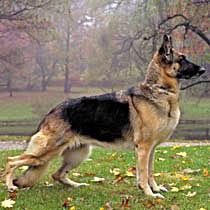
The German Shepherd is a 50-90 lb (23-41 kg) German herding dog re-engineered into the world's default working dog
Origin
🇩🇪 Germany
Life Span
9–13 years
Weight
22–40 kg
Height
55–65 cm
The German Shepherd is a 50-90 lb (23-41 kg) German herding dog re-engineered into the world's default working dog — and that working drive is the entire point, including the parts owners struggle with. The intelligence that makes it a police, military, and service dog is the same intelligence that turns destructive and reactive when it is bored. The protectiveness people want is the same trait that, without early socialization and structure, bec…
very high
Exercise
moderate
Grooming
high
Shedding
Yes
Good with Kids
The German Shepherd was created from scratch by cavalry officer Captain Max von Stephanitz starting in 1899, when he bought a working herding dog named Hektor Linksrhein, renamed him Horand von Grafrath, and registered him as the first German Shepherd. Von Stephanitz founded the breed club (the SV) and bred relentlessly for working ability — herding flocks across open, unfenced pasture demanded a dog with stamina, trainability, nerve, and the jud…
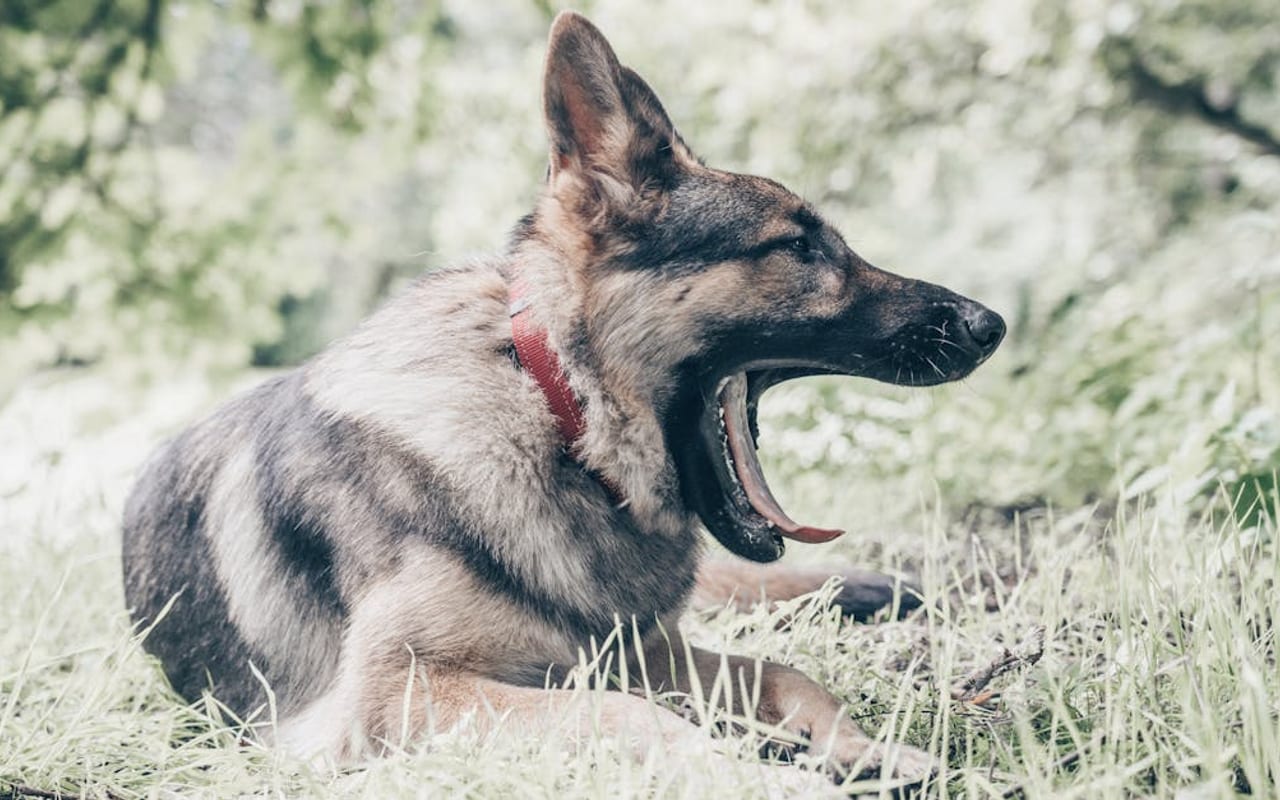
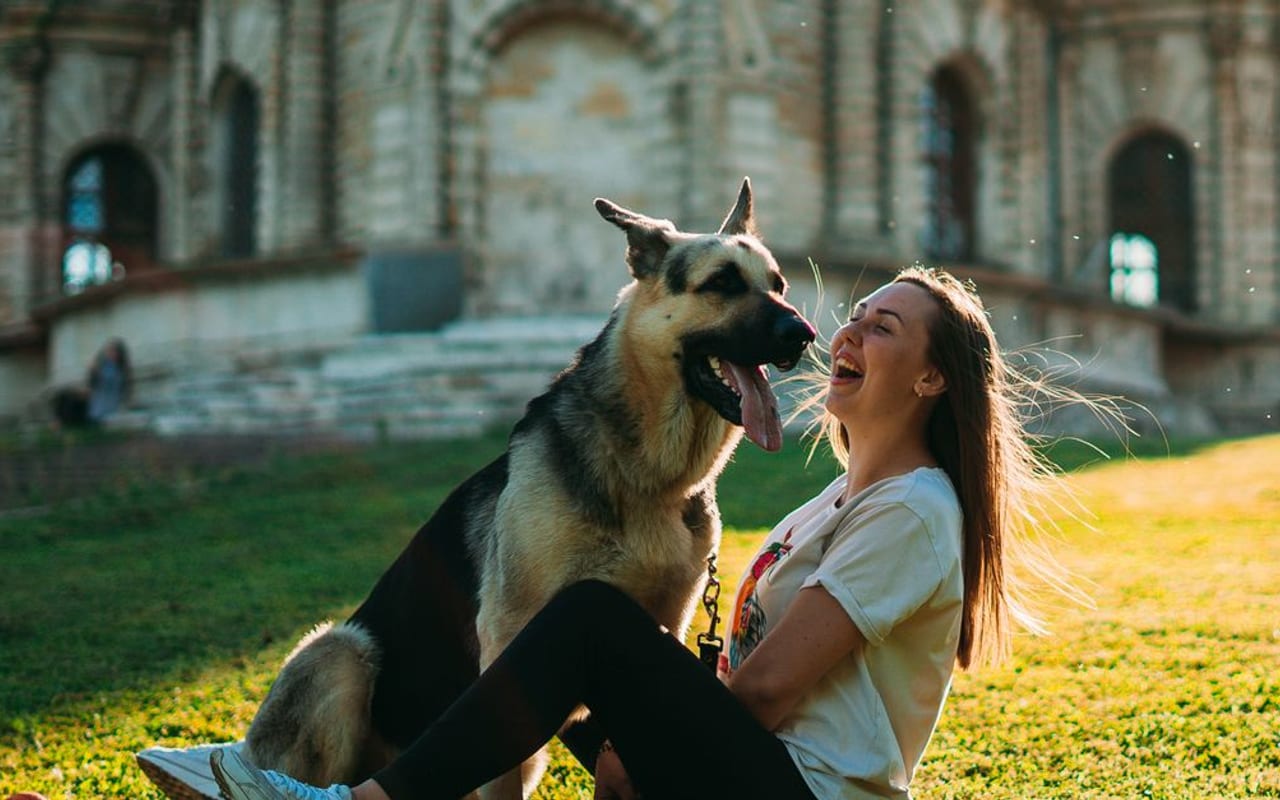
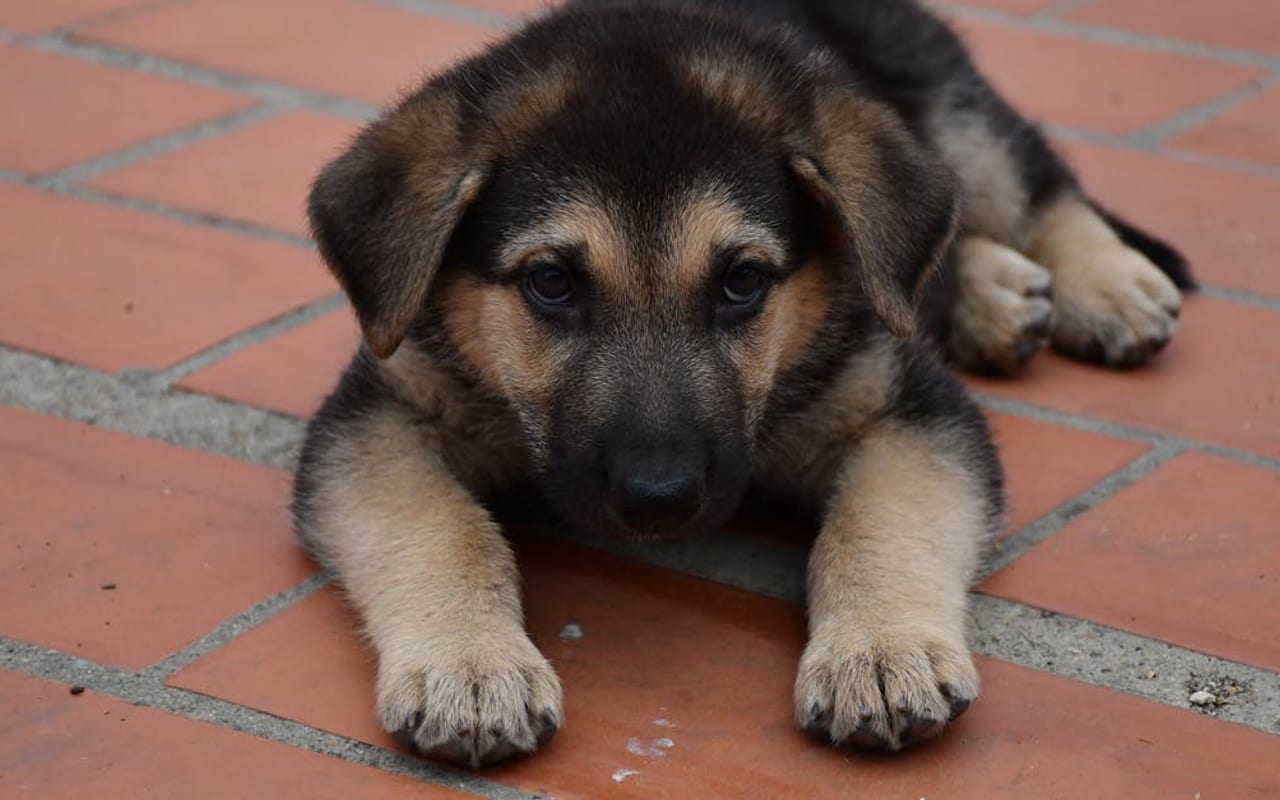
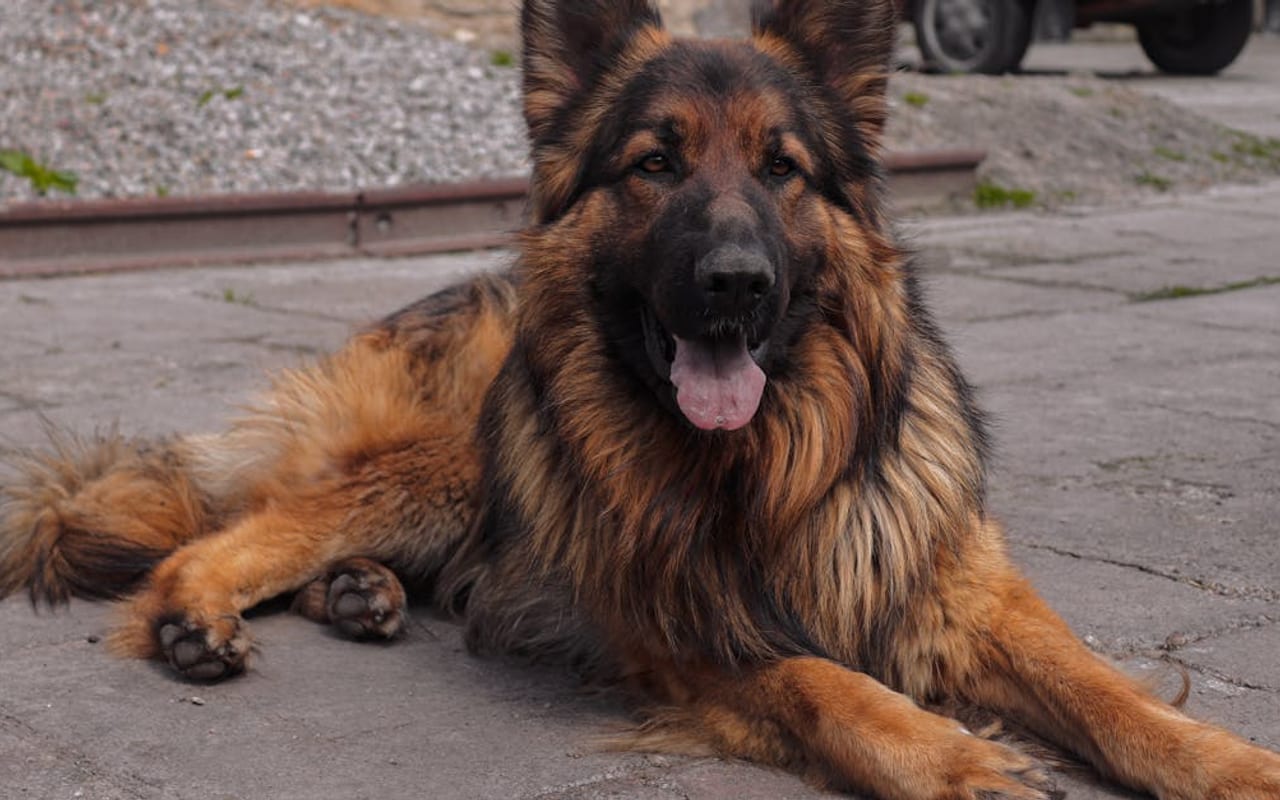
German Shepherds have the remarkable ability to distinguish between over 500 different scents and can remember them throughout their life.
The breed served in both World Wars as messenger dogs, rescue dogs, and sentries.
Strongheart and Rin Tin Tin, two famous German Shepherds in early Hollywood films, significantly boosted the breed's popularity in America.
Unlike many large breeds, German Shepherds don't reach full maturity until they're 2-3 years old, retaining puppy-like characteristics longer than expected.
The first Seeing Eye guide dog in America was a German Shepherd named Buddy, beginning the breed's long history of service to humans with disabilities.
Purchase Price
1000–3500 USD
Monthly Cost
~$160 USD
As an Amazon Associate, we earn from qualifying purchases made through these links, at no extra cost to you.
A German Shepherd costs $1,000–$3,500 to purchase from a reputable breeder, plus roughly $160/month in ongoing expenses — food, veterinary care, grooming, and insurance. Over a 9–13-year lifespan, total lifetime ownership cost runs $17,280–$24,960. Adopting from a rescue ($50–$500) reduces the upfront cost significantly. The first year is always the most expensive due to initial setup costs ($300–$800) on top of the purchase price.
Prices vary based on lineage, breeder reputation, location, and whether the German Shepherd is pet-quality or show-quality. Adopting from a rescue or shelter typically costs $50–$500 and gives a German Shepherd a second chance at a loving home.
| Expense | Estimated Range |
|---|---|
| Food & treats | $56–$72/mo |
| Veterinary care (wellness) | $32–$48/mo |
| Grooming | $16–$24/mo |
| Pet insurance | $30–$70/mo |
| Toys, supplies & misc | $13–$19/mo |
| Total monthly estimate | ~$160/mo |
Purchase
$1,000–$3,500
Initial setup
$300–$800
crate, bed, bowls, collar, leash
12 months care
~$1,920
This estimate includes routine food, veterinary wellness visits, grooming, insurance, and supplies — but does not include emergency veterinary care, boarding, or specialized training. Actual costs vary by location, lifestyle choices, and your German Shepherd's individual health needs.
All costs are approximate U.S. averages and vary by location, breeder, veterinary clinic, and individual needs. Updated March 2026.
A German Shepherd's care is built around three pillars: a job for the mind, structured exercise for the joints, and proactive screening for the back end. Exercise and work: 60-90 minutes of physical exercise daily — walking, fetch, structured runs — plus 15-30 minutes of training, scent work, or obedience. Mental work is not optional enrichment here; an unworked Shepherd invents its own job, usually destruction or reactivity. Cap high-impact exercise (long runs, repetitive jumping) until growth plates close around 18 months to protect at-risk joints. Coat: the double coat sheds steadily all year and 'blows' heavily twice a year for 2-3 weeks. Brush 2-3 times a week, daily during a blow. Plan for visible hair year-round; never shave the double coat. Weight and joints: keep the dog lean — you should feel ribs without seeing them, weigh monthly. Every extra pound accelerates hip dysplasia and arthritis this breed is predisposed to. Discuss joint support and a large-breed diet with your vet, and feed in a raised, slowed manner given the deep-chested bloat risk. Budget realistically: $1,800-$3,500 a year for food, prevention, training, and routine vet. The hidden costs are orthopedic and neurologic: hip surgery (FHO or total hip replacement) runs $4,000-$7,000+ per side, and degenerative myelopathy means months of mobility care. Puppy-onset insurance ($50-$90/mo) is the rational hedge. Decision rule: if you cannot commit to daily training plus exercise and first-year socialization, do not get this breed — an unworked, unsocialized German Shepherd is not a bad dog, it is a powerful working animal failing at a job you never gave it, and that is how bites and surrenders happen.
Dive deeper into everything German Shepherd — costs, care, and expert insights.
How Much Does a German Shepherd Cost?
Purchase price, monthly costs, and lifetime expenses
Complete German Shepherd Care Guide
They move with a purpose that smaller dogs don't possess — a fluid, ground-covering trot that tells...
How Long Are Dogs Pregnant? A Week-by-Week Timeline (+ When to Call the Vet)
Dogs are pregnant about 63 days (range 58–68). A week-by-week timeline of what to expect, how to...
Emergency Vet Costs: What 12 Common Emergencies Actually Cost (and How to Prepare)
What the 12 most common pet emergencies actually cost, how big an emergency fund needs to be, and...
Is Pet Insurance Worth It in 2026? A Real-Numbers Decision Guide
Pet insurance averages $62/mo for dogs and $32 for cats in 2026 — but 'worth it' is arithmetic, not...
Considering a cat instead?
Browse Cats Breeds