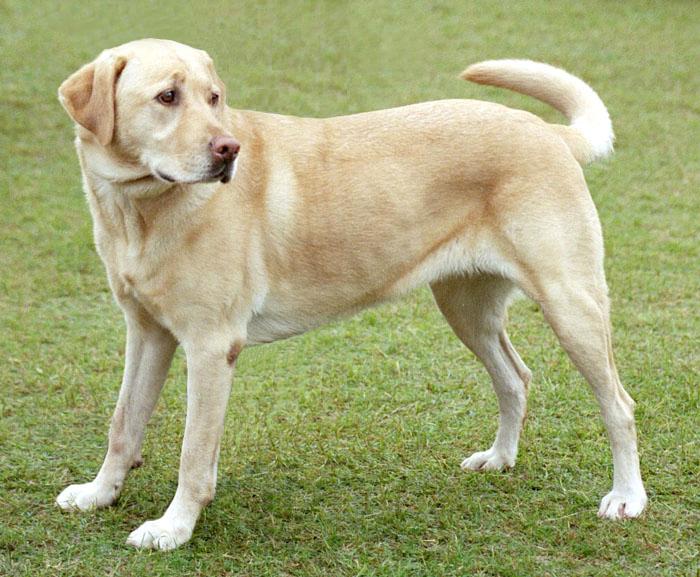
The Labrador Retriever has been the most-registered dog in the world for decades, and that popularity is the first thing a buyer should understand
Origin
🇨🇦 Canada
Life Span
10–12 years
Weight
25–36 kg
Height
53–62 cm
The Labrador Retriever has been the most-registered dog in the world for decades, and that popularity is the first thing a buyer should understand — it means the gene pool is enormous, the quality range is enormous, and where you source the dog matters more than the breed name on paper. A well-bred Lab is a 25-36 kg sporting dog: friendly, biddable, food-motivated to a fault, and built to work all day retrieving from cold water. The double coat (…
very high
Exercise
moderate
Grooming
high
Shedding
Yes
Good with Kids
Yes
Good with Pets
The Labrador Retriever did not originate in Labrador. The breed was developed from the St. John's water dog of Newfoundland, Canada — a hardy fisherman's dog that hauled nets and retrieved fish in frigid Atlantic water. In the early 1800s these dogs were imported to England, where landed estates refined them into a dedicated gundog for retrieving waterfowl. The Earl of Malmesbury and the Dukes of Buccleuch are credited with stabilizing the early …

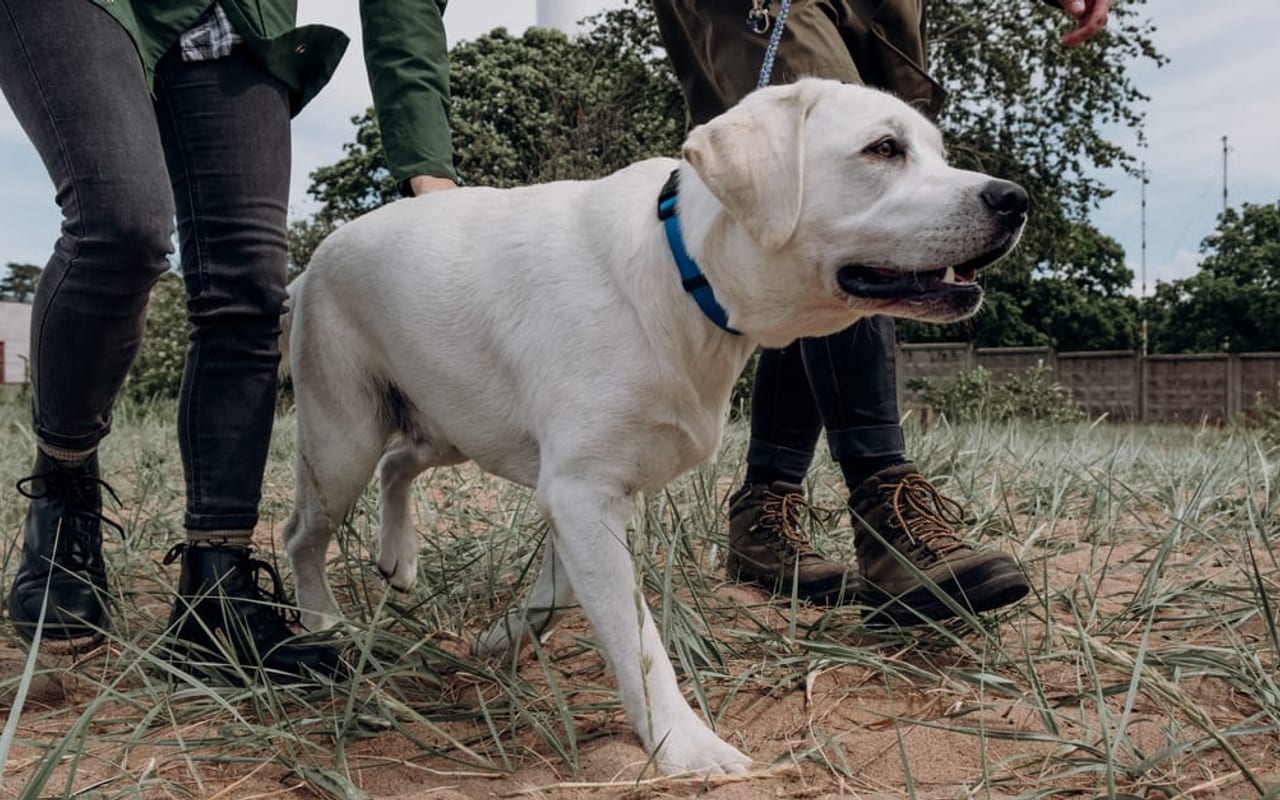



Marley & Me
Film based on the memoir about a family's experiences with their challenging but beloved yellow Labrador Retriever.

Old Yeller
Classic Disney film featuring a Labrador Retriever/Mastiff mix who becomes a loyal family dog.

Far From Home: The Adventures of Yellow Dog
Adventure film about a boy and his Labrador Retriever trying to survive in the wilderness after being shipwrecked.
Labrador Retrievers have been the most popular dog breed in America for 31 consecutive years (as of 2022).
Their coat is actually water-resistant, with a special oily outer layer that repels water.
Labs have webbed feet that make them exceptional swimmers.
They come in three official colors: black, yellow (ranging from cream to fox-red), and chocolate.
A Labrador named Endal was considered the most decorated service dog in the world, able to perform over 100 different tasks for his disabled owner.
Purchase Price
800–3000 USD
Monthly Cost
~$140 USD
As an Amazon Associate, we earn from qualifying purchases made through these links, at no extra cost to you.
A Labrador Retriever costs $800–$3,000 to purchase from a reputable breeder, plus roughly $140/month in ongoing expenses — food, veterinary care, grooming, and insurance. Over a 10–12-year lifespan, total lifetime ownership cost runs $16,800–$20,160. Adopting from a rescue ($50–$500) reduces the upfront cost significantly. The first year is always the most expensive due to initial setup costs ($300–$800) on top of the purchase price.
Prices vary based on lineage, breeder reputation, location, and whether the Labrador Retriever is pet-quality or show-quality. Adopting from a rescue or shelter typically costs $50–$500 and gives a Labrador Retriever a second chance at a loving home.
| Expense | Estimated Range |
|---|---|
| Food & treats | $49–$63/mo |
| Veterinary care (wellness) | $28–$42/mo |
| Grooming | $14–$21/mo |
| Pet insurance | $30–$70/mo |
| Toys, supplies & misc | $11–$17/mo |
| Total monthly estimate | ~$140/mo |
Purchase
$800–$3,000
Initial setup
$300–$800
crate, bed, bowls, collar, leash
12 months care
~$1,680
This estimate includes routine food, veterinary wellness visits, grooming, insurance, and supplies — but does not include emergency veterinary care, boarding, or specialized training. Actual costs vary by location, lifestyle choices, and your Labrador Retriever's individual health needs.
All costs are approximate U.S. averages and vary by location, breeder, veterinary clinic, and individual needs. Updated March 2026.
A Labrador's care plan is dominated by two levers you control completely: calories and exercise. Weight is the single highest-impact decision in this breed. Labs carry a documented POMC gene deletion that blunts satiety — they are genuinely hungrier than most dogs and will eat themselves obese if you free-feed. Obesity is not cosmetic here; it directly accelerates the hip, elbow, and arthritis problems Labs are prone to. Feed two measured meals from a scale, keep ribs easily palpable with a visible waist from above, and recut portions by 10% if the waist disappears, rechecking in three weeks. Exercise: budget 60-90 minutes daily of real activity — retrieving, swimming, scent work, structured walks — not a 15-minute leash loop. An under-exercised Lab is a destructive Lab. Swimming is ideal: high cardio, joint-sparing, and the breed loves it. Coat: brush 2-3 times weekly, daily for 2-3 weeks during spring and autumn shed. Plan for hair on everything; a deshedding tool and a robust vacuum are non-negotiable budget items. Joints: keep growing puppies lean and avoid forced repetitive exercise (long jogs, stairs) before 12-14 months while growth plates close — overloading a growing Lab is a preventable cause of early dysplasia. Ears: the drop ears trap moisture, especially in a swimming dog. Check and dry weekly to prevent recurrent infections that cost $150-$300 each visit. Decision rule: if your Lab is gaining weight or destroying the house, the answer is almost never a diet pill or a crate — it is more exercise and a measured bowl. Fix the inputs before treating symptoms.
Dive deeper into everything Labrador Retriever — costs, care, and expert insights.
How Much Does a Labrador Retriever Cost?
Purchase price, monthly costs, and lifetime expenses
Labrador Retriever Care Guide: Everything You Need to Know
Your [Labrador Retriever](/dogs/labrador-retriever) is America's favorite dog for a reason — loyal,...
Can Dogs Eat Chocolate? Toxicity by Weight + What to Do Right Now
No — chocolate is toxic to dogs. How much is dangerous by your dog's weight and the chocolate type,...
The Real Lifetime Cost of Owning a Dog (A 12-Year Itemized Budget)
What a dog actually costs over its whole life — itemized year-by-year by size class, separating...
Can Dogs Eat Grapes & Raisins? Why Even One Can Be Dangerous
No — grapes and raisins are toxic to dogs, and there is no established safe amount. Why even one...
Considering a cat instead?
Browse Cats Breeds