
I Didn't Want a Cat. The Cat Decided Otherwise.
Story Subject
Harold
Type
Cat
Read Time
7 min
Shared By
Ben Ashford
Editor
Mr Pet Lover Admin
In This Guide
I am going to be precise about this: I did not want a cat.
I have documentation. I told my neighbor — when he asked if I'd seen an orange cat around the neighborhood — "I don't really do cats." I told the vet — when I brought Harold in for a check, still intending to locate his owners — "This isn't my cat, I'm doing the responsible thing."
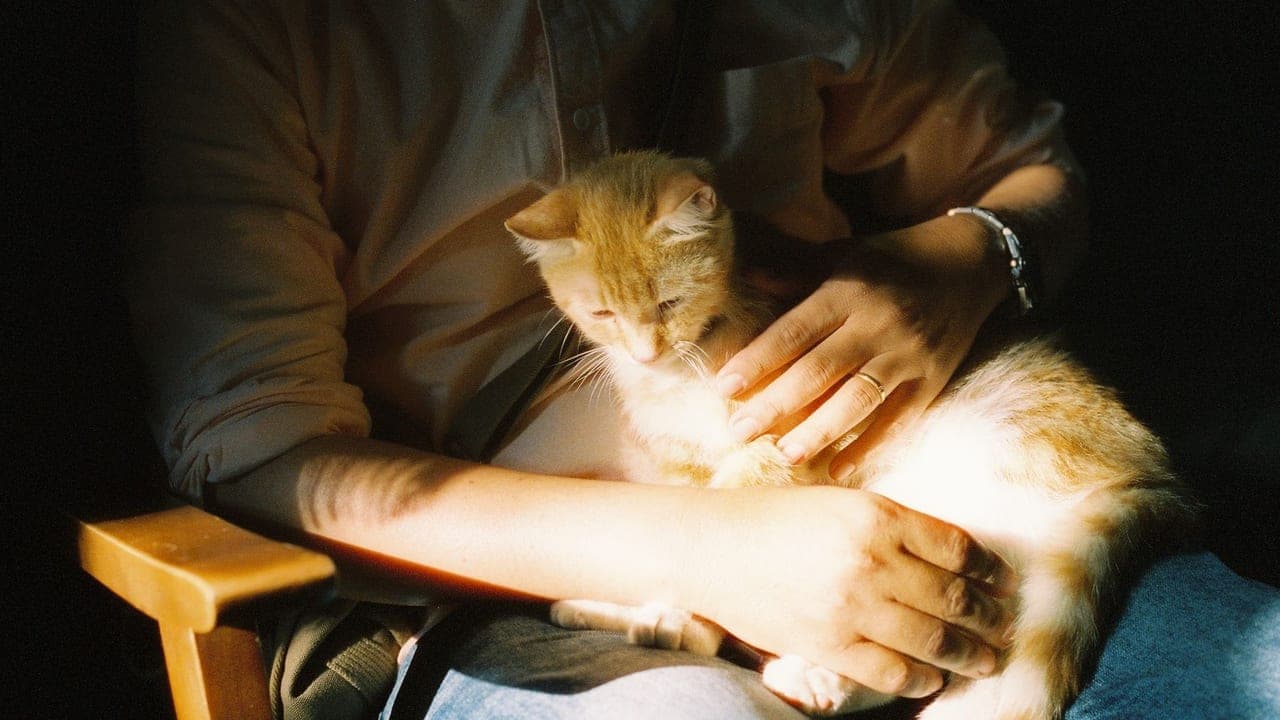
Harold did not acknowledge any of this. Harold walked through my front door on a Thursday, found the warmest register in the house, and has been sleeping on it for three years.
How It Started
He appeared on my porch in October — large, orange, clearly not feral (made eye contact without flight response, approached without hesitation, rubbed his face against my hand without invitation). I put water out. I did not put food out, because I was not adopting a cat.
He was on the porch the next morning.
I checked the neighborhood apps. Posted his photo. Called the local shelter to ask about lost cat reports. No matches. The vet's microchip scanner found nothing.
I bought cat food on day four, reasoning this was temporary.
What I Discovered About Cats
I had only ever had dogs. What I knew about cats: they were aloof, independent, and interested in people primarily as food delivery services.
Harold was none of these things. Harold was interested in me specifically, with the sustained focus of an animal that has decided on a person and intends to hold that position. He slept pressed against my leg. He followed me from room to room. When I was sick for five days with a bad flu, he did not leave my bed.
My theory: Harold had been owned before. He knew what it was. He wanted it again.
The Current Arrangement
Harold weighs approximately 14 pounds. He has opinions about breakfast timing that he shares at 5:47am daily. He has never once damaged furniture he wasn't supposed to damage, which I attribute to some prior training rather than innate virtue.
I have been a cat person for three years. I tell people I was late to the realization. Harold appears unbothered by the timeline.
Found a stray cat? Check for a microchip at any vet clinic, post on Nextdoor and local Facebook groups, and contact your local shelter to report the found animal before assuming they're homeless.
What a dog person actually has to learn about cats
If you back into cat ownership the way I did — reluctantly, insisting it's temporary — the biggest surprise isn't the emotional part. It's how much of what "everyone knows" about cats being self-sufficient is wrong. A cat is not a low-effort dog, and most first-timer mistakes come from applying dog logic to it.
Food is where dog instincts fail hardest. Cats are obligate carnivores — biologically required to eat animal protein for nutrients like taurine they can't make themselves, per our cat nutrition guide. They also evolved as desert hunters with a weak thirst drive, so a cat fed only dry kibble lives in low-grade chronic dehydration that stresses the kidneys and urinary tract over years. The fixes are unglamorous: make wet food the foundation, feed two measured meals a day rather than free-feeding (a leading driver of feline obesity), and never let a cat go 24–48 hours without eating — unlike a dog, a fasting cat can trigger a dangerous liver condition. I knew none of this when I bought that first bag "reasoning this was temporary."
Then there's the environment. Our indoor cat care guide explains that an indoor cat depends entirely on you for the stimulation an outdoor cat gets by hunting — and the payoff for getting it right is real: indoor cats average roughly 12–18 years versus 2–5 for cats living outdoors. The requirements are a short list I wish someone had handed me: vertical space (a cat tree, a shelf, a window perch), scratching surfaces, a hiding spot, rotating toys, and a puzzle feeder for a bored indoor hunter. Litter has its own rule — one box per cat, plus one extra, scooped daily, unscented clumping litter, somewhere quiet. And even an indoor-only cat needs an annual vet exam and core vaccines; "he never goes outside" is not a substitute for a checkup.
How a cat decides you're its person
The part that genuinely reorganized my assumptions was watching a cat choose. Harold didn't warm to me gradually the way the aloof-cat stereotype predicts. He fixed on me early and held the position — sleeping in contact, following me between rooms, refusing to leave the bed during a week of flu. Close-contact sleeping, shadowing you, face-rubbing on your hands, and staying near you when you're unwell are everyday affiliative behaviors cats direct at a person they've bonded to, and they mapped exactly onto what I was seeing.
Understanding a cat's rhythm lets you meet it halfway. Cats are creatures of habit — the indoor cat guide flags disrupted routine as a top cause of feline stress — and they're crepuscular, wired to be most active at dawn and dusk, which is the real explanation for Harold's 5:47am opinions about breakfast. The tool isn't scolding; it's the play-eat-groom-sleep sequence: a focused 10–15 minute wand-toy session that lets him "catch" the prey, followed immediately by dinner, resets a cat into grooming and then sleep — the same loop the indoor cat care guide recommends to shut down 3am zoomies. Two sessions a day, morning and evening, is the baseline. To see how our breed profiles and cat resources fit together, the cats section is the place to start. A cat isn't ignoring you — it's running its own schedule, and once you sync to it, the relationship stops feeling like a negotiation.
What Harold taught a dog person about cats
Three years in, the thing I got most wrong wasn't a fact about litter or food — it was the assumption underneath all of them, that a cat is a lower-effort, lower-affection version of a dog. Harold dismantled that by moving in and being specific about me. What changed my mind wasn't sentiment; it was learning the actual rulebook — obligate-carnivore nutrition, the hydration problem behind dry food, the litter math, the crepuscular schedule that explains a 5:47am cat, the enrichment that keeps an indoor hunter sane. Meet those, and a cat isn't aloof at all. It's a companion that chose you on purpose — and, in Harold's case, appears entirely unbothered that the human took three years to catch up.
Questions About Harold
Common questions answered to help you better understand this story
Cats aren't low-effort dogs. Feed a wet-food-forward diet in two measured meals — cats are obligate carnivores with a weak thirst drive, so dry-only feeding risks dehydration and obesity (cat nutrition guide). Add vertical space, scratching surfaces, rotating toys and daily play, keep one litter box per cat plus one extra, and book an annual vet exam even for an indoor-only cat (indoor cat care).
Cats bond to individuals, not just to whoever fills the bowl. A cat that has chosen you seeks physical closeness, follows you between rooms, face-rubs your hands, and stays near you when you're unwell — the exact behaviors my rescue Harold showed from the first week. Consistency helps it form: cats are creatures of habit, and predictable routine is what turns a wary stray into a settled companion (indoor cat care).
Less demanding than a dog in some ways, but "low maintenance" oversells it. Cats need litter scooped daily, two measured meals, interactive play morning and evening, environmental enrichment, and annual veterinary care (indoor cat care). Skip those and you quietly invite obesity, urinary disease and stress behaviors. The effort is real — just different from a dog's, and easy to underestimate.
Match the cat's biology instead of fighting it. Feed a complete, wet-food-forward diet on a schedule (cat nutrition guide); build an enriched indoor space with vertical territory and puzzle feeders; run two short daily play sessions ending in a "catch" then dinner; keep litter boxes clean and plentiful; and protect a stable routine, since disruption is a top stressor for cats (indoor cat care).
Sleeping pressed against you, following you room to room, face-rubbing and head-bumping, kneading, and staying close when you're sick are everyday ways a bonded cat signals attachment to its chosen person. Harold did essentially all of them — none of it matching the "aloof, independent" stereotype I'd carried in from a life of dogs. A settled, contact-seeking cat with a stable routine has usually decided you're home.
Didn't find your answer?
Get in touch →More Stories

Get more stories like this
Weekly heartwarming pet stories and care tips, straight to your inbox.
No spam, ever. Unsubscribe anytime.