
The Dog Park Failure That Became Our Best Training Outcome
Story Subject
Mochi
Type
Dog
Read Time
8 min
Shared By
Kevin Park
Editor
Mr Pet Lover Admin
In This Guide
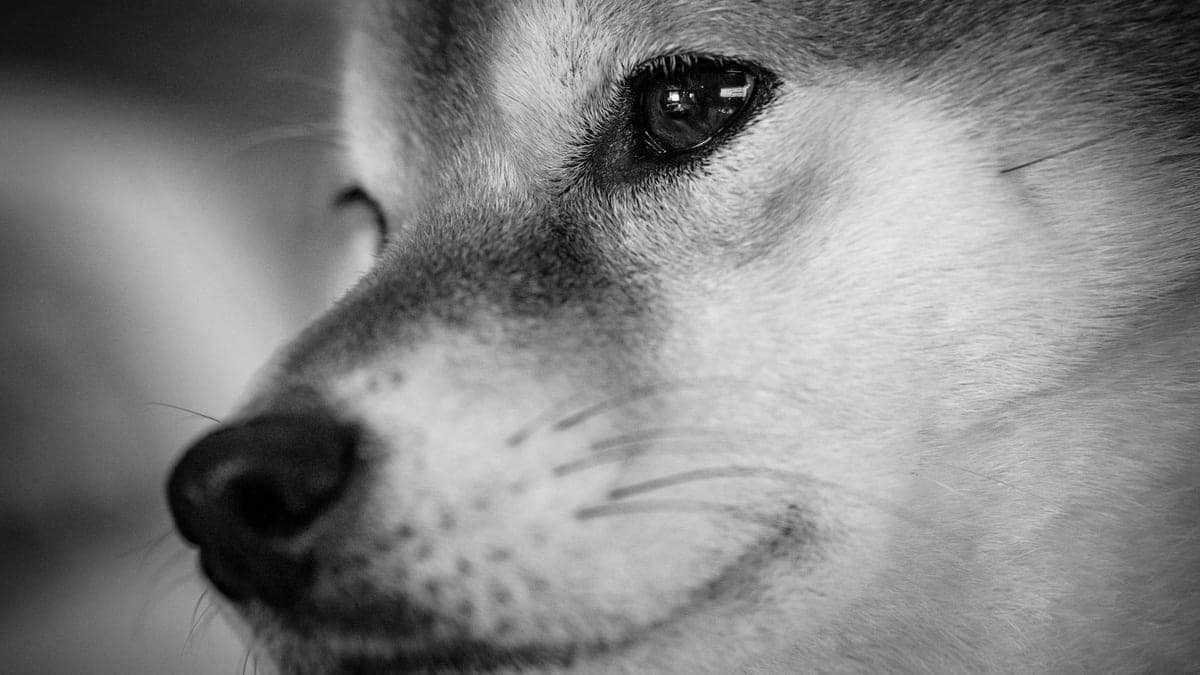
I took Mochi to the dog park three times. The first time, she pressed herself to my leg for forty minutes and refused to interact with any other dog. The second time, a large Labrador bounded toward her and she screamed — and I mean screamed, the distinctive Shiba Inu scream that sounds like a medium-sized opera disaster.
The third time, she bit a Vizsla. It was a single, clear correction — no puncture — but that was the end of the dog park experiment.
What I Misunderstood
Shiba Inus were bred as solitary hunters in dense Japanese terrain. They are not pack dogs. They are not bred for the kind of chaotic, all-dog-together social environment that the dog park represents. They often find it intensely stressful, even when the other dogs involved are friendly.
This is not a socialization failure. It is a breed characteristic.
What the trainers I consulted agreed on: Mochi didn't need to learn to love the dog park. She needed structured, controlled interactions with selected dogs whose energy matched hers — calm, predictable, non-invasive.
What We Did Instead
We replaced dog park visits with "parallel walking" — meeting a neighbor's well-matched dog at a quiet time, walking side-by-side for 20 minutes without pressure to interact. Over months, Mochi relaxed into this format.
We found one specific dog — a calm, five-year-old female Corgi named Daisy — who Mochi would actually approach and sniff voluntarily. They now play together in Daisy's fenced yard once a week. Mochi has met no other dog with the same tolerance.
That's enough. That's exactly enough.
The Lesson
The dog park is a training environment designed for a subset of dog personalities — high-sociability, high-resilience, all-dog-friendly dogs. That's not every dog. Forcing an incompatible dog into that environment doesn't build socialization; it builds negative associations.
Know your dog's breed tendencies. Build socialization around who they actually are.
Mochi is three. She has one dog friend, a stable human family, and the particular dignity of a Shiba who has decided what she likes.
Shiba Inus have unique personality traits that require breed-specific socialization approaches. Our Shiba Inu breed guide covers what to expect from this independent breed.
Why a dog park is the wrong tool for a Shiba Inu
Mochi pressing herself to Kevin's leg wasn't stubbornness or a gap in her training — it was breed doing exactly what breed does. Our Shiba Inu breed profile describes the Shiba as an "ancient Japanese hunting spitz with a fox-like look and a cat-like operating system," bred to flush game alone in dense mountain brush and to make decisions without a handler. Independence is hardwired: a Shiba is aloof by design, "a dog that respects you rather than worships you," and the profile is blunt that this is the wrong dog if what you want is "a dog park regular."
Two hardwired traits make the open, all-dogs-together environment especially poor for the breed. Same-sex dog aggression and resource guarding are common Shiba characteristics that "need early management," not signs of a broken dog — which is why our profile rates the Shiba as not naturally easy with other dogs. And the breed is famously "not an easy first dog": its reactivity is heritable enough that experienced breeders screen the parents' temperament for nerve. Drop a dog wired like this into a churn of unfamiliar, high-arousal strangers and you are not building sociability — you are running the one experiment most likely to end the way Kevin's third visit did. Every breed brings its own social wiring, and the first step in any socialization plan is reading your own dog's honestly; our dog breed profiles lay that out breed by breed.
What good socialization actually looks like
Here is the distinction that reframes the whole story: socialization is not exposure to as many dogs as possible — it is building positive, confident associations through controlled, gradual experiences. The two are almost opposites. A dog park maximizes quantity and surrenders all control over who your dog meets; genuine socialization does the reverse.
Professional guidance places the most influential window early — our puppy socialization guide frames it across the first 0–16 weeks, and the Shiba profile specifically urges owners to start handling exercises (paws, mouth, restraint) inside the first twelve weeks so vet and grooming visits stay survivable. But the underlying principle holds at any age: keep exposures positive and below the dog's stress threshold, because a single flooding experience — being swarmed, cornered, or frightened — can lay down a lasting negative association that takes months to undo. Quality beats quantity every time, and short, upbeat sessions with high-value rewards suit the Shiba's low tolerance for drilling far better than an hour of forced mingling.
That is precisely why Kevin's replacement plan worked. Parallel walking with one calm, well-matched dog, no pressure to interact, at a quiet time, is a textbook controlled exposure. The single Corgi friend Mochi chose to approach is not a thin consolation prize — it is what success in this breed genuinely looks like.
Reading the difference between play and trouble
Part of why dog parks fail owners is that healthy play and rising conflict can look similar from across a field, so it helps to know the tells. Good play is loose, bouncy, and reciprocal: wiggly bodies, exaggerated "play bows," self-handicapping (a bigger dog rolling over or letting itself be caught), and — the most reliable signal — frequent pauses and role reversals, where the dogs take turns chasing and being chased and keep voluntarily re-engaging.
Trouble looks stiff and one-sided: a frozen or rigid posture, raised hackles, one dog relentlessly targeting another that is trying to escape, pinning with no breaks, a tucked tail, or a dog repeatedly hiding behind a person — exactly what Mochi did when she flattened against Kevin's leg. When one dog is clearly not consenting and can't get relief, that is the moment to calmly leave, not to "let them work it out." And some dogs should skip the park altogether: dogs that are fearful, reactive, recovering from illness or surgery, guarding-prone, or simply built to find crowds stressful. For a Shiba like Mochi, "opting out" was never a problem to fix — it was information to act on.
Meeting Mochi where she is
The failure at the dog park was never really Mochi's, and it wasn't Kevin's either — it was a mismatch between one independent, dignified breed and an environment designed for a different kind of dog. What turned it into their best training outcome was Kevin reading the breed honestly, dropping the goal of "loves every dog," and building socialization around who Mochi actually is: one trusted Corgi friend, quiet parallel walks, and the freedom to decide what she likes. For a Shiba, that isn't a scaled-back compromise. It's the whole win.
Questions About Mochi
Common questions answered to help you better understand this story
For some — high-sociability, resilient, dog-friendly dogs — a park can be a good outlet. For many others it is the wrong environment. Dog parks surrender all control over who your dog meets and mix unfamiliar dogs at high arousal, which can create fear or conflict. Breeds bred to be independent or dog-selective, like the Shiba Inu, often find them stressful even when every other dog is friendly.
Often it is temperament or breed, not a training gap. Independent, dog-selective, fearful, or easily over-aroused dogs can find the crowding and unpredictability genuinely stressful. Freezing, hiding behind you, screaming, or snapping are signs the environment doesn't suit that individual — as our Shiba Inu profile notes, same-sex aggression and reactivity can be breed characteristics. The fix is usually a calmer, controlled format, not more park visits.
Watch for stiffness and one-sidedness: a frozen or rigid body, raised hackles, one dog relentlessly chasing or pinning another that is trying to escape, a tucked tail, or a dog repeatedly hiding behind its owner. Healthy play, by contrast, is loose and reciprocal, with play bows, self-handicapping, and frequent pauses and role reversals. If one dog clearly isn't consenting and can't get relief, calmly end the interaction.
Didn't find your answer?
Get in touch →More Stories
Get more stories like this
Weekly heartwarming pet stories and care tips, straight to your inbox.
No spam, ever. Unsubscribe anytime.