
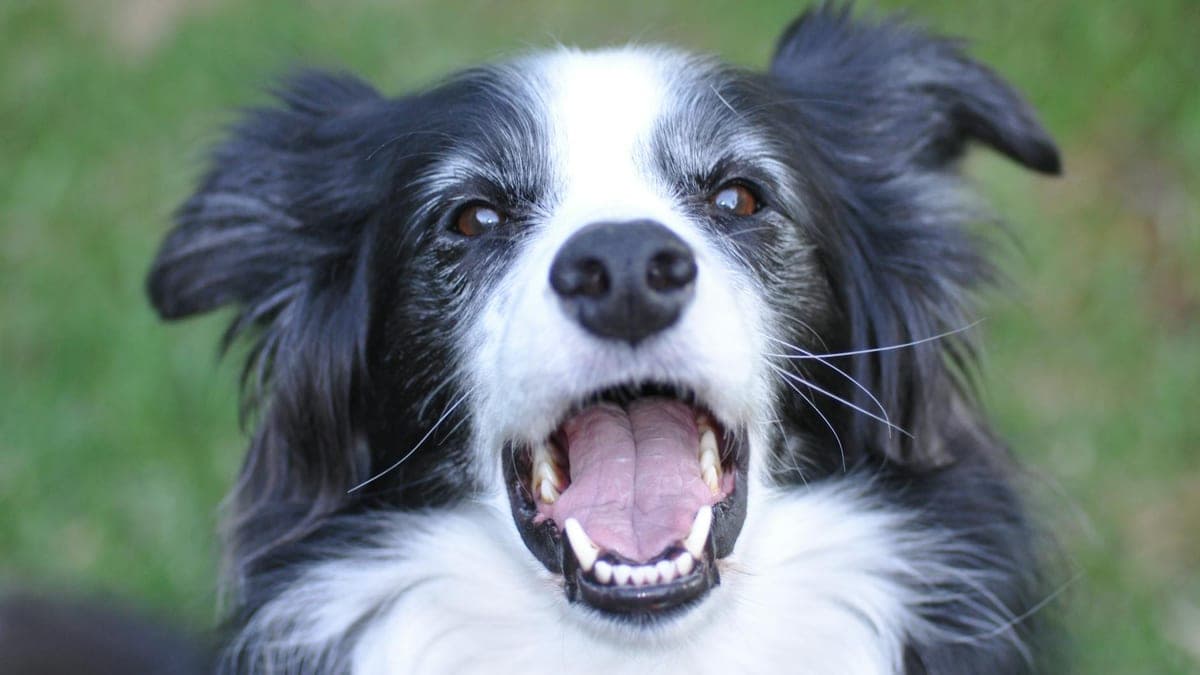
My Dog's Separation Anxiety Almost Cost Me My Career — Until We Fixed It
Story Subject
Bear
Type
Dog
Read Time
7 min
Shared By
Marcus Williams
Editor
Mr Pet Lover Admin
In This Guide
Bear cost me three laptops.
Not all at once. Over six months, between the time I returned to office after my company went remote, then came home again, then my job changed, then my schedule became unpredictable — Bear's Border Collie anxiety turned catastrophic.
I should have seen it coming. Border Collies are bred for all-day work alongside humans. They are not designed for eight hours alone in a city apartment.
What Separation Anxiety Really Looks Like
People imagine a dog that whines a little. Bear was something else. My neighbors texted about barking that lasted "literally all day." I installed a camera and watched footage of Bear pacing, panting, and dismantling anything reachable — including the $1,200 laptop I'd left on the coffee table.
The destruction wasn't spite. Dr. Kamara, the veterinary behaviorist I eventually found, explained it clearly: "He's not punishing you. He's having a panic attack. Everything he destroys is an attempt to release cortisol. It's the canine equivalent of someone stress-eating an entire pantry."
That reframe was important. I stopped being angry. I started problem-solving.
What Didn't Work
I tried a lot of things that didn't help: puzzle toys (he ignored them while panicking), a dog walker at noon (Bear was too dysregulated to engage), a "calm" collar (useless). I tried leaving the TV on. I tried classical music. I left a piece of my worn clothing near his bed.
None of it touched the underlying anxiety.
The Protocol That Actually Worked
Dr. Kamara put Bear on a systematic desensitization program. The concept is simple; the execution is hard: you teach the dog that departure cues are neutral, then you practice absences starting at seconds, not minutes.
Week one: I picked up my keys and sat back down. Fifty times a day. Bear stopped reacting to the keys by day four.
Week two: I walked to the door, opened it, stood outside for ten seconds, came back in. Fifty times. Boring. Necessary.
It took eleven weeks to get Bear comfortable with two-hour absences. During that period, I worked from a coffee shop whenever I needed more than an hour away. It was inconvenient. It was the right call.
Bear Now
Bear is three and a half. I leave for four to six hours several days a week. He sleeps, chews his designated bone, and greets me at the door when I return — tail wagging, not vibrating with panic.
The $1,200 laptop fund has been redirected to annual vet visits.
If you have a high-drive breed and a variable schedule, the time to address this is before the first laptop dies.
Border Collies need more than most owners expect. Read our Border Collie breed guide before you adopt.
Why the return-to-office transition triggers it — and what actually helps
Bear's collapse tracked a pattern behavior professionals see constantly: the anxiety spikes not because a dog is "spoiled" but because a predictable presence becomes an unpredictable absence. A schedule swinging between all-day company and long, variable solitude is one of the hardest arrangements for a bonded dog to read. The widely accepted, force-free approach rests on a few consistent principles rather than any single trick:
- Desensitize the departure cues first. Keys, shoes, a coat by the door — dogs learn these predict abandonment and are often panicking before you've even left. Repeating the cues without leaving, until they stop meaning anything, is the groundwork every graduated-absence plan is built on.
- Build absences by duration, not willpower. Start below the threshold where panic begins — seconds, then a minute, then several — and only extend when the dog stays relaxed. Pushing past that threshold sets the work back, which is why "just leave him longer" tends to make anxiety worse.
- Keep arrivals and departures boring. Dramatic goodbyes and euphoric homecomings raise the emotional stakes; calm, low-key exits and returns teach a dog that your leaving is unremarkable.
- Train independence while you're home. A dog who can settle alone in another room while you're present has a foundation for settling alone when you're gone. Enrichment helps a mildly under-stimulated dog, but as Bear's story shows, it does nothing for one already in a panic state — the anxiety has to come down first.
Our own dog separation anxiety care guide lays out this graduated-absence protocol step by step; it's the on-site companion to this story.
When to stop DIY-ing and bring in a professional
The single most useful thing Bear's owner did was find a qualified professional early. Genuine separation anxiety — as opposed to boredom or under-exercise — is a clinical panic condition, and it's time to escalate when the distress happens only while the dog is alone, when home efforts have plateaued, or when you need a medical cause ruled out first. Underlying pain can mimic or worsen anxiety, so a veterinary exam is a legitimate starting point; for moderate-to-severe cases a vet or veterinary behaviorist may add anti-anxiety medication as a bridge that makes the behavior work possible — always vet-directed, never a substitute for the training. Look for real credentials rather than a self-applied "expert" label: a board-certified veterinary behaviorist (DACVB), a veterinarian, or a certified trainer through a recognized body. Bear improved because the plan came from a veterinary behaviorist and was followed with unglamorous consistency — not because of any product.
What Bear taught me about leaving
Bear didn't need me home forever. He needed me to teach him, in seconds-long doses, that leaving wasn't the end of the world — and to stop treating three ruined laptops as bad behavior instead of a medical alarm. The turning point wasn't a gadget or a calming collar; it was finding a real behaviorist and grinding through eleven weeks of boring, graduated absences. If your dog falls apart when you walk out the door and your work life is about to change, don't wait for the first laptop to die. Start the desensitization work early, get a qualified professional in your corner, and measure success the way I now do: a dog asleep on his bone, not one vibrating at the door.
Questions About Bear
Common questions answered to help you better understand this story
Treat the schedule change as the trigger it is. Before the transition, rehearse the new routine: practice graduated absences that start below your dog's panic threshold and extend only while they stay calm, and desensitize departure cues so keys and coat stop predicting abandonment. Keep goodbyes and homecomings low-key, and arrange midday relief for the early weeks. For a true panic case, loop in a vet or certified behaviorist early.
The hallmark is that the distress happens only when the dog is alone. Common signs include persistent barking or howling, pacing, panting and drooling, destruction aimed at doors and windows, and house-soiling in a house-trained dog. A camera is the clearest way to confirm it, since owners rarely see the worst of it. If these appear only in your absence, treat it as anxiety rather than misbehavior.
It's more accurate to say it's managed, often very successfully. With a consistent, graduated-desensitization plan — and, for moderate-to-severe cases, veterinary support that may include temporary medication — many dogs reach the point of being calmly left alone for normal working stretches, as Bear did. There's no overnight fix; progress is measured in gradual gains, and the aim is a dog that's relaxed alone.
No — and blame is the least useful frame. Separation anxiety is a panic response, not disobedience, and it's frequently driven by things outside an owner's control: breed predisposition, big routine changes, rehoming, or a shift from constant company to long solitude. As Bear's behaviorist put it, the dog isn't punishing you — it's panicking. The productive move is to start a structured plan.
Didn't find your answer?
Get in touch →More Stories


Get more stories like this
Weekly heartwarming pet stories and care tips, straight to your inbox.
No spam, ever. Unsubscribe anytime.