
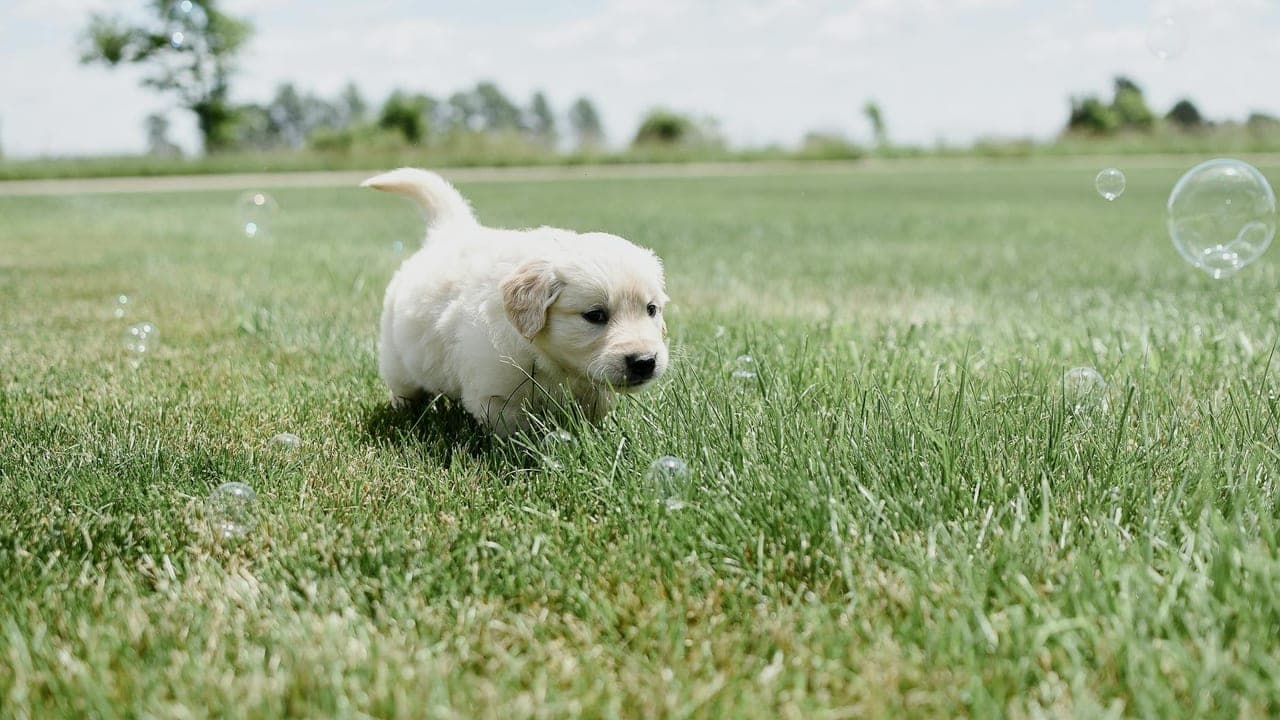
The Golden Retriever Puppy That Nearly Broke Us (And Then Saved Us)
Story Subject
Sunny
Type
Dog
Read Time
8 min
Shared By
Sarah Chen
Editor
Mr Pet Lover Admin
In This Guide
My husband Daniel and I spent four months researching Golden Retrievers before we brought Sunny home. We read books. We watched training videos. We bought a crate, a playpen, two types of chew toys, and a carpet cleaner "just in case."
We were not ready.
The First Week
Sunny arrived at eight weeks old — a butterscotch-colored tornado who had not yet learned that shoes were not food. Within 48 hours, she had chewed through one Bluetooth speaker cable, unraveled a full roll of toilet paper across three rooms, and cried every night from 11pm to 3am without stopping.
"She's grieving her littermates," the breeder told us. "Give her a warm water bottle wrapped in a towel. It simulates another puppy."
We did. It helped slightly. We still didn't sleep for six weeks.
The Destruction Phase
Month two brought what we now call The Destruction Phase. Sunny learned that anything at floor level was fair game: a TV remote, two pairs of Daniel's work shoes, a book I had borrowed from a friend, and one corner of our couch.
We spent more on replacements than we had spent on the puppy herself.
Our trainer, Marisol, told us something that reframed everything: "A bored puppy is a destructive puppy. She doesn't have bad intentions — she has excess energy and zero outlets."
We started two walks a day, a morning training session, and a frozen Kong every afternoon. The destruction slowed dramatically. Not because Sunny changed — because we did.
Month Six: The Turning Point
By six months, something shifted. Sunny learned "sit," "down," "stay," and "leave it." She stopped eating the furniture. She slept through the night.
And she started doing something neither of us expected: she began sitting with us during difficult moments. When Daniel came home after a brutal day and slumped onto the couch, Sunny climbed up beside him, rested her head on his lap, and didn't move for an hour. No prompting. No training. Just presence.
"How does she know?" Daniel asked.
She does. That's the thing nobody tells you about Golden Retrievers — the chaos of year one is the price of admission for what comes after.
Where We Are Now
Sunny is two years old. She greets every person who enters our home like they are the most important arrival of her life. She has never once met someone she didn't like. She has learned the difference between her toys and our belongings (mostly).
The carpet cleaner gets used every few weeks. The couch has a slipcover.
We would do all of it again.
Thinking about a Golden Retriever? Read our full Golden Retriever breed guide for honest info on energy levels, grooming needs, and training.
Why a golden retriever puppy's first year is genuinely this hard
If year one nearly broke you, that is the breed working exactly as designed. Our Golden Retriever breed profile is blunt about it: a Golden is "a high-energy working breed in a friendly wrapper, not a low-maintenance family ornament." It was bred in the Scottish Highlands to mark a fallen bird, swim out, and carry it back undamaged — and almost every hard part of puppyhood traces back to that job. The chewing, the counter-surfing, and the "won't settle" phase that ambushes owners between roughly 8 and 14 months is, in the profile's words, "a soft-mouthed bird dog with nothing to retrieve." Sunny unravelling toilet paper across three rooms wasn't defiance; it was a retriever with excess drive and, as Marisol put it, zero outlets. The turnaround her owners found — two walks, a training session, a frozen Kong — is the same one the breed data prescribes: physical exercise plus mental work, every single day.
How much exercise a golden puppy really needs (and the growth-plate rule)
New owners get caught in both directions here. An adult Golden needs 60–90 minutes of real exercise a day — a brisk walk plus fetch, swimming, or off-leash play, split into two sessions, plus 10–15 minutes of training or puzzle work — according to our Golden Retriever care guide; a leashed potty walk does not count. But a puppy is the exception. Because a Golden's growth plates don't close until around 12–18 months, high-impact activity — forced jogging, repetitive stairs, jumping — should be capped until then to protect joints the breed is already predisposed to injure (hip and elbow dysplasia sit first on its health list). So year one isn't about distance. It's about draining energy through brain work and low-impact play — training reps, scent games, puzzle feeders, gentle fetch on soft ground — the outlets that settle a bored retriever without stressing a still-forming skeleton.
When do golden retrievers calm down?
Later than you want, and in two stages. Physically, the frantic destruction eases once you're reliably meeting the exercise-and-enrichment need — for Sunny that click came around six months. But mentally, Goldens "don't fully mature until they're 3–4 years old," per our breed profile, "maintaining their puppy-like enthusiasm well into adulthood." The stretch to brace for is adolescence, roughly 6–18 months, when even an eager-to-please Golden "may test boundaries, requiring consistent reinforcement of training." The owners here weren't wrong that something shifted at six months — but the honest expectation is a good, trainable adolescent by a year and full mental settling closer to three. Consistency through the testing phase is what carries you there.
Chewing, biting, and house training: what actually works
A Golden puppy mouths everything, and the reason matters: "it mouths everything because it is a retriever," notes our breed FAQ, so the effective move is to redirect the behaviour, not punish it — "channel the mouthing into fetch rather than punishing it." Pair that with the teething timeline and the specific swaps in our puppy teething and biting guide. Two things from the breed data do the heavy lifting: Goldens are "sensitive and respond poorly to harsh methods," so reward-based redirection beats correction; and a tired puppy bites less, so the frozen Kong that helped Sunny doubles as a chew outlet and an energy drain. House training tends to be the easy part — it "typically progresses quickly with consistent scheduling and positive reinforcement" — and crate training earns its keep beyond housebreaking, giving a breed "prone to separation anxiety" a secure space and preventing unsupervised destruction. The full month-by-month arc is in our first-year puppy care guide.
What Sunny's first year actually taught us
The line the owners land on — "Not because Sunny changed — because we did" — is also the accurate one. A Golden Retriever puppy isn't broken during the chaos of year one; it's a working retriever doing exactly what it was bred to do, with more drive than a new household knows how to absorb. The turnaround here wasn't obedience magic at six months. It was two walks, a training session, and a frozen Kong meeting an energy need that had been going unmet — the same prescription the breed data gives. If you're in the toilet-paper-across-three-rooms stage right now, the useful thing to hear is that it's temporary, predictable, and answers to routine rather than willpower. The devotion Sunny showed on the couch was always coming. Year one is just the cost of admission for one of the most people-loving dogs you can raise — and it's the part you can actually manage.
Questions About Sunny
Common questions answered to help you better understand this story
Expect a high-energy working dog, not a calm family ornament. Our breed profile describes the Golden as "a high-energy working breed in a friendly wrapper" that needs 60–90 minutes of daily exercise plus mental work. The chewing and restlessness that peak around 8–14 months are a bird dog without an outlet. Meet the exercise and enrichment need consistently and most "destructive puppy" problems ease; skip it and they intensify.
The worst destruction usually eases once you're reliably meeting the exercise need — often around six months — but Goldens don't fully mature mentally until 3–4 years old, keeping their puppy enthusiasm well into adulthood. The phase to prepare for is adolescence, roughly 6–18 months, when they test boundaries and need consistent reinforcement. Aim for a trainable adolescent by a year and full settling closer to three.
Redirect, don't punish. A Golden mouths everything because it's a retriever, so the breed guidance is to "channel the mouthing into fetch rather than punishing it." Goldens are sensitive and respond poorly to harsh methods, so reward-based redirection works best — offer a toy and withdraw attention when teeth meet skin. A tired puppy bites less, so a frozen Kong or puzzle feeder helps too.
Less high-impact exercise than an adult, for a specific reason: a Golden's growth plates don't close until about 12–18 months, so forced jogging, repetitive stairs, and jumping should be capped until then to protect the joints. Drain energy through brain work and low-impact play — training reps, scent games, puzzle feeders, gentle fetch — rather than mileage. Adults need 60–90 minutes a day; puppies need mental work more than distance.
Generally yes. Our breed profile notes that house training "typically progresses quickly with consistent scheduling and positive reinforcement," because Goldens are food-motivated and eager to please. The key word is consistent — same schedule, reward the right behaviour immediately. Crate training helps both housebreaking and the breed's tendency toward separation anxiety, giving the puppy a secure space and preventing unsupervised destruction.
Didn't find your answer?
Get in touch →More Stories

Get more stories like this
Weekly heartwarming pet stories and care tips, straight to your inbox.
No spam, ever. Unsubscribe anytime.