
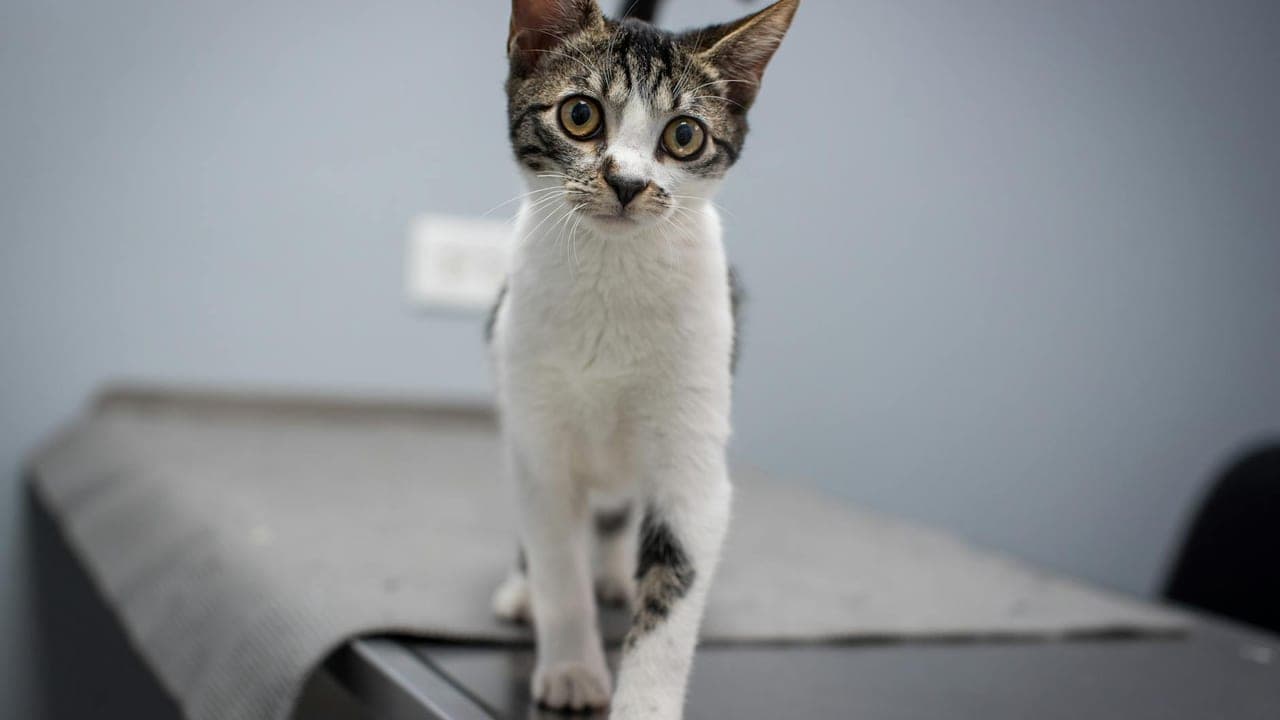
Our Diabetic Cat: Two Years of Insulin, Curves, and Unconditional Love
Story Subject
Mango
Type
Cat
Read Time
9 min
Shared By
Linda and Steve Farrow
Editor
Mr Pet Lover Admin
In This Guide
The words "feline diabetes" landed in the exam room and I started crying before Dr. Osei finished the sentence.
I'm not proud of this. I'm sharing it because every diabetic cat owner I've since spoken to describes the same moment. The word sounds catastrophic. The reality, we learned, is something most cats and owners manage with a routine that becomes second nature within weeks.
Mango is eleven. He was diagnosed at nine. He is currently asleep on the radiator, the picture of an animal without a single concern.
What Feline Diabetes Actually Means
Cats develop Type 2 diabetes most commonly from a combination of genetics, diet, and weight. Mango had been slightly overweight for years — something I thought was just "big cat energy" that I managed to laugh off at successive vet visits.
Diabetes in cats requires twice-daily insulin injections and regular blood glucose monitoring — either via vet visits or, as we eventually learned, a home glucometer designed for cats.
The injections sound terrifying. Dr. Osei showed us on a model first, then on Mango, then coached us through doing it ourselves. The needle is smaller than it looks. Cats' scruffs have relatively few nerve endings there. Mango notices about as much as he notices being brushed — he's mildly annoyed and then over it within seconds.
The First Three Months
The learning curve is real. We had to track his glucose, adjust his diet (high-protein, low-carb is now the standard recommendation for diabetic cats), and learn to recognize hypoglycemia — which looks like wobbling, disorientation, or sudden weakness and requires immediate corn syrup on the gums.
This happened once. We handled it. We now keep a tube of glucose gel in every room.
Three months in, Mango went into what's called diabetic remission — his glucose normalized and he no longer needed insulin for four months. This happens in roughly 25% of diabetic cats with good weight management and diet change. It came back. That's also normal.
Two Years In
Our routine: 7am shot, 7pm shot. Weekly weight check. Monthly vet glucose curve every few months. Annual bloodwork.
The cost is real — insulin, syringes, vet monitoring — approximately $80–120 per month. We budgeted for it.
What nobody warned us about: how little Mango cares. He adapted faster than we did. He is healthy, engaged, and apparently uninterested in allowing a diagnosis to diminish his enthusiasm for breakfast.
Feline diabetes is manageable for most owners. If your cat was recently diagnosed, connect with a veterinary internal medicine specialist for a personalized monitoring plan.
What managing a diabetic cat at home actually looks like
Linda and Steve's rhythm above — a shot at 7am, a shot at 7pm, a weekly weigh-in, periodic vet glucose curves and annual bloodwork — is the shape most feline diabetes management takes. General veterinary guidance for a newly diagnosed cat rests on three pillars: twice-daily insulin at consistent times, ideally paired with meals; regular glucose monitoring (at the clinic or with a home glucometer or vet-placed sensor); and weight and diet control. The insulin type and dose are always set and adjusted by your veterinarian from your cat's own glucose readings — never estimated at home.
The routine works because it stops being remarkable — what feels overwhelming in the exam room becomes, as the Farrows describe, "second nature within weeks." Our senior cat care guide puts diabetes squarely among the common conditions of older cats, and its monitoring backbone applies here: after age eleven, a glucose panel is part of routine bloodwork, alongside biannual wellness exams. Diabetes isn't a diagnosis you manage once; it's one you monitor, and the monitoring is what keeps a cat like Mango asleep on the radiator instead of in a crisis.
How to give a cat insulin (and why most cats barely notice)
The injection is the part every new owner dreads and, almost universally, the part they stop thinking about first. Feline insulin is a small subcutaneous injection under the loose skin of the scruff, where the needle is short and fine and there are few nerve endings — which is why Mango, above, is "mildly annoyed and then over it within seconds." The technique is best learned hands-on, with your vet demonstrating and coaching you before you do it alone (the FAQ below covers the safety points to hold onto). What the routine really asks of you isn't medical skill; it's consistency — the same two times each day, paired with food, so the insulin always has a meal to work against.
The diet that does half the work
Diet is the lever an owner controls every day, and for a diabetic cat it matters more than almost anything else you do between vet visits. The consensus diabetic-cat diet is high-protein and low-carbohydrate, which isn't a fad — it's what a cat's body is built for. As our cat nutrition guide explains, cats are obligate carnivores "designed for a low-carbohydrate diet," needing protein at a minimum of 26–30% of the diet. A meat-first, moisture-rich (canned) diet aligns the food with the metabolism, and for many diabetic cats that shift is part of what makes glucose control — and sometimes remission — achievable.
Weight is the other half. Mango was, in Linda's words, "slightly overweight for years," and that matters: the nutrition guide is blunt that an overweight cat faces "dramatically elevated risks of type 2 diabetes." But weight loss in cats must be slow and vet-supervised — no more than 0.5–1% of body weight per week — because crash dieting can trigger hepatic lipidosis, a life-threatening liver condition. So the plan is not "feed less"; it's feed the right food, in measured meals, and let the weight come off gradually while the vet watches the glucose. Our general cat care hub covers the broader feeding and weight routine.
Spotting low blood sugar — the one emergency every owner must know
If there is one thing to learn cold, it's the signs of hypoglycemia — blood sugar dropping too low, usually after a dose lands harder than expected. General veterinary guidance describes it as wobbling or unsteadiness, disorientation, weakness or lethargy, and, in severe cases, tremors, collapse or seizures. The Farrows saw it once, handled it, and now keep glucose gel in every room — exactly the recommended preparedness. The standard first response is to rub corn syrup or glucose gel onto the gums and call your vet or an emergency clinic immediately; low blood sugar escalates quickly and is treated as an emergency, not wait-and-see.
This is why diet, dose and monitoring interlock: consistent feeding protects against the dose acting on an empty stomach, and regular glucose checks catch a dose that has crept too high before it becomes a crisis. Our senior cat care guide also flags increased thirst and urination, weight loss and increased appetite as the classic early warning signs of feline diabetes — the cluster worth acting on fast, because early control is where the good outcomes live.
What Mango's two years taught the Farrows
The lesson in this house isn't that feline diabetes is easy — it's that it is ordinary, in the best sense. Linda cried in the exam room because the word sounded like an ending; two years on, the reality is a shot at 7 and 7, a diet that matches what a cat's body was built to eat, glucose gel in every room, and an eleven-year-old asleep on the radiator without a single concern. The hard part was never the needle. It was trusting that a routine could hold a chronic illness steady — and then, morning and night, showing up for it. For any owner still in the crying-in-the-exam-room stage: the diagnosis is a beginning, and one most cats and their people learn to carry well.
Questions About Mango
Common questions answered to help you better understand this story
Home management rests on three consistent habits: twice-daily insulin at set times, ideally with meals; regular glucose monitoring (clinic curves, a home glucometer, or a vet-placed sensor); and weight and diet control. Our senior cat care guide adds the monitoring backbone — a glucose panel in routine senior bloodwork and biannual exams. Your vet sets the insulin dose; your job is the routine, which most owners say becomes second nature within weeks.
Insulin is a small subcutaneous injection under the loose scruff skin, where the needle is fine and the area has few nerve endings, so most cats barely react. Standard veterinary practice is to have your vet demonstrate and coach you before you do it alone. Give it at the same two times daily, paired with food. If your cat won't eat, vomits, or you're unsure the dose went in, don't repeat it — call your vet, since a double dose is more dangerous than a missed one.
The consensus is high-protein, low-carbohydrate, which suits a cat's biology. Our cat nutrition guide notes cats are obligate carnivores "designed for a low-carbohydrate diet," needing 26–30% protein minimum, best delivered by meat-first, moisture-rich food. If your cat is overweight — a major diabetes risk factor — weight loss must be gradual (0.5–1% per week) and vet-supervised, because rapid loss can trigger dangerous liver disease. Always confirm the plan with your vet.
Hypoglycemia typically shows as wobbling or unsteadiness, disorientation, weakness or lethargy, and in severe cases tremors, collapse or seizures. Per general veterinary guidance the first response is to rub corn syrup or glucose gel on the gums and contact your vet or an emergency clinic immediately — it's treated as an emergency. Keeping glucose gel on hand, as Mango's owners do, is standard preparedness for any insulin-treated cat.
Yes. As our senior cat care guide states, "many diabetic cats achieve remission with early treatment" — meaning glucose normalizes and insulin can sometimes be stopped, most often when good weight management and a low-carb, high-protein diet accompany prompt insulin therapy. Remission isn't guaranteed and can end, as it did for Mango, whose diabetes returned after several insulin-free months. Continued monitoring matters even during remission, because relapse is common and manageable when caught early.
Didn't find your answer?
Get in touch →More Stories


Get more stories like this
Weekly heartwarming pet stories and care tips, straight to your inbox.
No spam, ever. Unsubscribe anytime.