
Rex type
Mini Rex
People reach for a Mini Rex because of the coat — and the coat is exactly what a prospective owner should understand first, because it changes the care in ways the breed's gentle reputation tends to hide.
Size
3-4 lb
Lifespan
8-10 years
Free-roam
3-4 hours free-roam
Experience
Rabbit-savvy planning
Decision first
Is a Mini Rex right for you?
Start with fit before history or trivia. These are ownership signals, not guarantees about any individual rabbit.
Best suited for
- Owners prepared for hay-first feeding, litter care, and daily supervised free-roam time.
Think carefully if
- You need a pet with almost no daily feeding, litter, and health-monitoring routine.
- You cannot keep up with grooming and preventive care.
- You cannot access a rabbit-savvy veterinarian for routine and urgent care.
Conditional fit
Apartment living may be difficult unless the owner can provide a large exercise pen or safe room for daily movement.
Daily reality
Mini Rex commitment snapshot
Daily free-roam
3-4 hours free-roam
Match movement, enrichment, and rabbit-proofing to age, health, heat, and housing.
Coat care
Low
Grooming needs vary by coat, shedding, and lifestyle.
Health monitoring
Needs planning
Most rabbits need daily appetite, droppings, litter, teeth, ears, and behavior checks.
Structured facts
Mini Rex at a glance
The measurements and traits that most affect day-to-day life with this breed.
Origin
United States
Group
Rex
Weight
3-4 lb
Height
7-9 in
Lifespan
8-10 years
Temperament
Gentle | Active | Intelligent
View all characteristics and methodology
Lifestyle fit
- Indoor housing
- Needs caution
- Child friendliness
- Needs caution
- Bonding potential
- Individual match
- Handling styleMost rabbits are safer and calmer when interaction happens close to the ground.
- Floor-level preferred
Owner commitment
- Free-roam time
- 3-4 hours free-roam
- Grooming
- Low
- Litter routineClean litter supports hygiene and makes appetite or droppings changes visible.
- Daily
Behavior
- Sociability
- Breed-specific
- Energy
- Moderate
- Trainability
- Moderate
- Noise
- Quiet
Environment and health
- Dental monitoring
- Routine priority
- Heat sensitivity
- Needs indoor climate control
- Health risk
- Needs planning
- Vet type
- Rabbit-savvy or exotics
Ratings combine structured breed data, visible breed fields, and editorial context. They are planning aids, not predictions for an individual rabbit.
Daily life
Mini Rex temperament and behavior
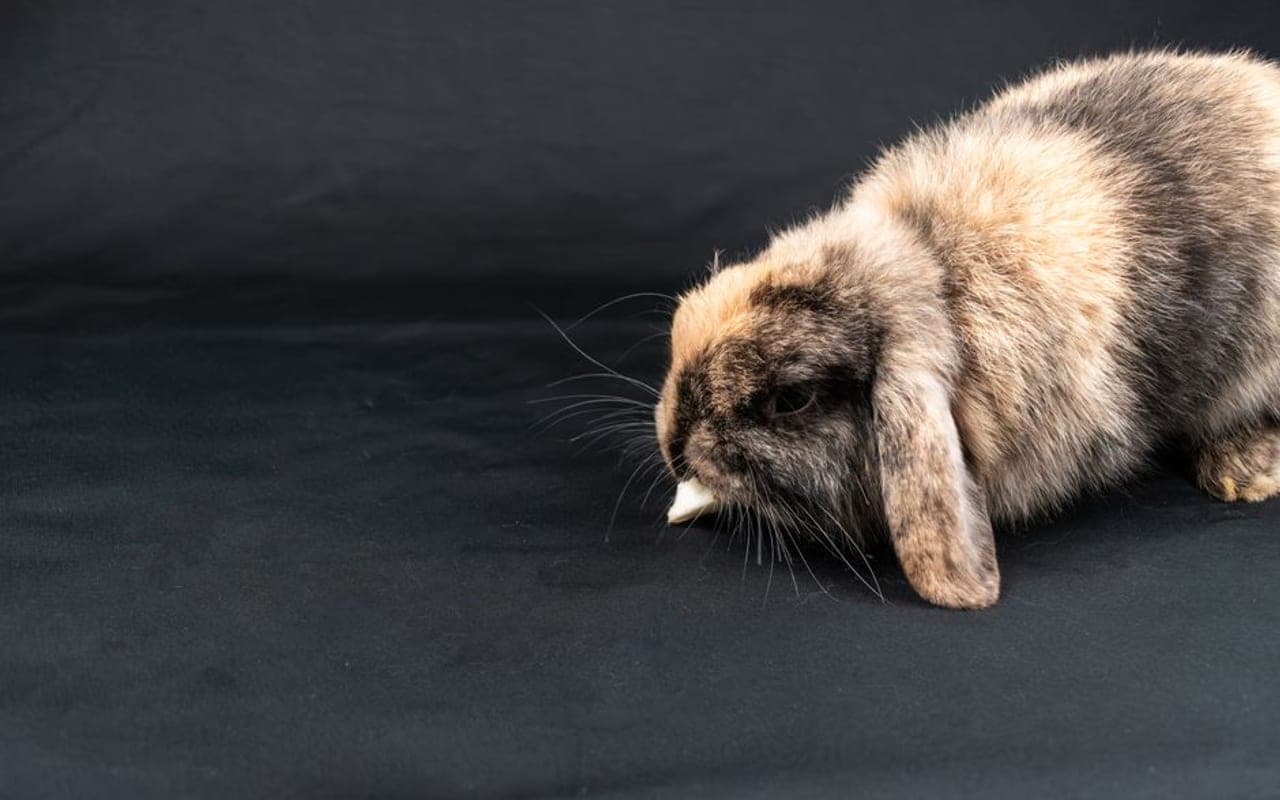
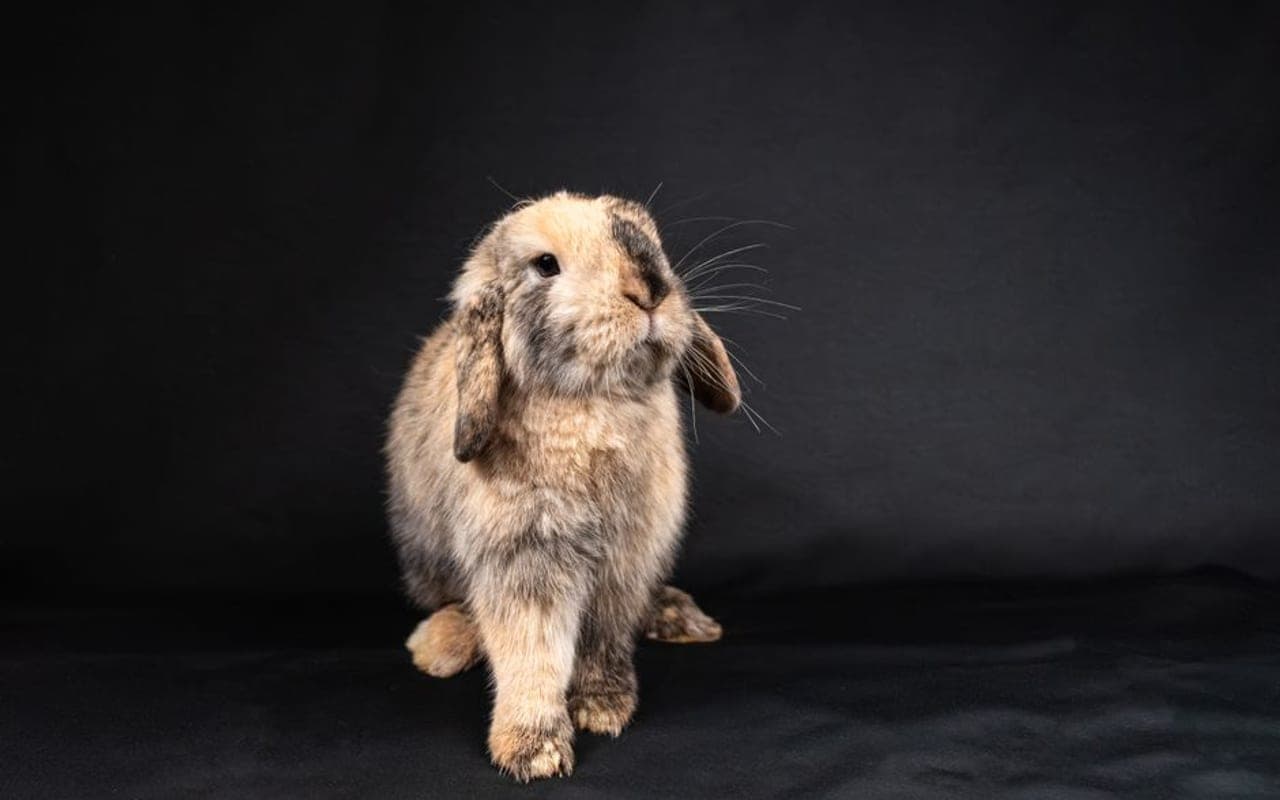
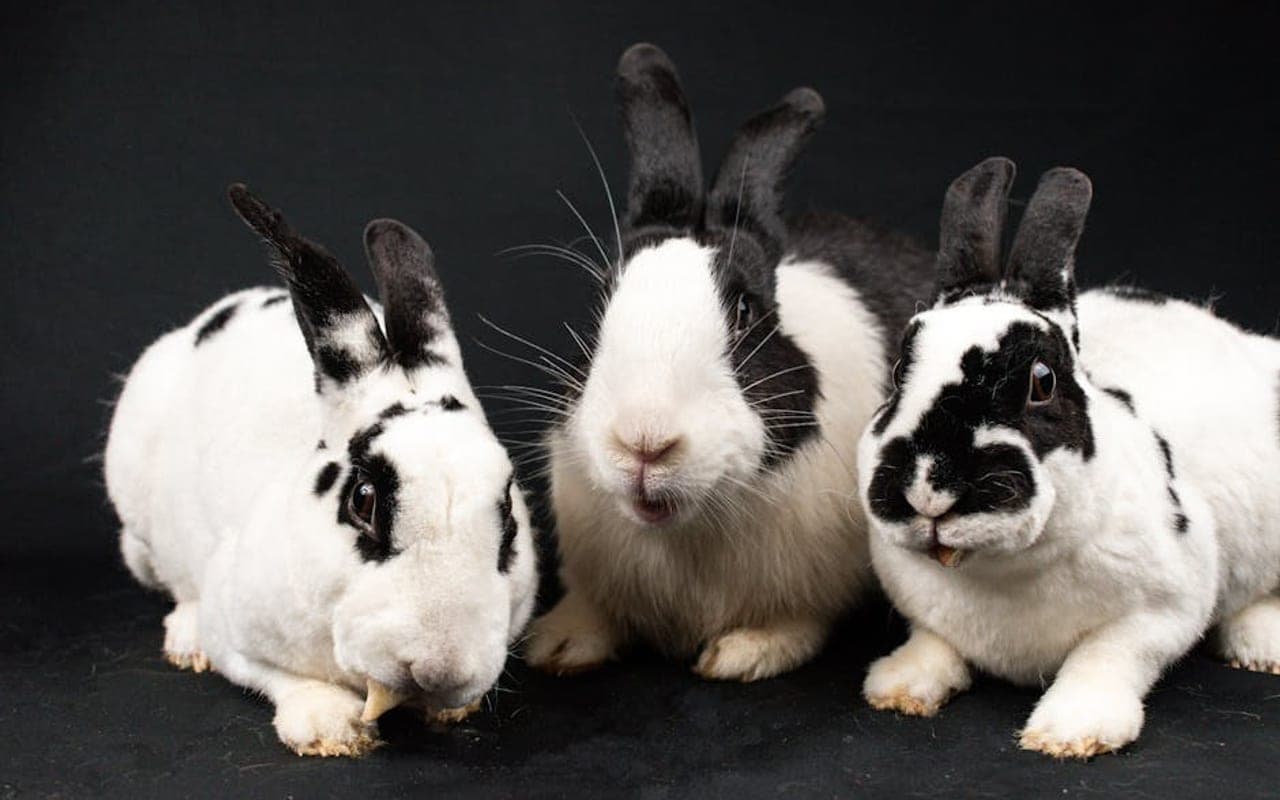
People reach for a Mini Rex because of the coat — and the coat is exactly what a prospective owner should understand first, because it changes the care in ways the breed's gentle reputation tends to hide. The Mini Rex is a compact American breed of roughly 1.4 to 2.0 kg (about 3 to 4.5 pounds) carrying the recessive 'rex' gene, which shortens the guard hairs so the whole coat stands upright at an even length and feels like dense plush velvet. That texture is genuinely distinctive and is the breed's calling card, but the same gene that makes the body coat so soft also thins the protective fur on the underside of the feet, which is why Mini Rex are notably more prone to sore hocks than ordinary-coated breeds. The flip side is a real grooming advantage: the short rex coat barely sheds and almost never mats, so unlike a wooled breed a Mini Rex needs little brushing and is at low risk of wool block. Temperament is the breed's other strength — Mini Rex are generally calm, gentle, and tolerant of handling, which makes them one of the more genuinely beginner-friendly rabbits and a fixture of 4-H and show tables alike. None of that removes the standard rabbit obligations. A Mini Rex is an 8-to-10-year commitment, a prey animal that hides illness, an obligate hay-eater whose continuously growing teeth need a hay-first diet, and an animal that needs hours of daily free-roam exercise, neutering, and a rabbit-savvy exotics vet. Source from an ARBA-registered breeder or a rescue rather than a pet-store tank, give it solid resting surfaces to protect those vulnerable feet, and keep it cool, and the Mini Rex rewards you with a strikingly tactile, even-tempered companion that asks for far less grooming than its looks suggest.
Gentle | Active | Intelligent
Gentle
A common Mini Rex temperament descriptor that should be interpreted alongside housing, gentle handling, diet, and health monitoring, and household fit.
Active
A common Mini Rex temperament descriptor that should be interpreted alongside housing, gentle handling, diet, and health monitoring, and household fit.
Intelligent
A common Mini Rex temperament descriptor that should be interpreted alongside housing, gentle handling, diet, and health monitoring, and household fit.
Owner note
Temperament labels are starting points, not guarantees. Meet the individual rabbit and ask about behavior history whenever possible.
Care essentials
How to care for a Mini Rex
What looking after one actually involves: diet, grooming, habitat, bonding and routine health.
DietAs needed
- Unlimited grass hay — timothy, orchard, or meadow — is the foundation of a Mini Rex's diet: it should be the bulk of every day's food, and it is what keeps the gut moving and wears down teeth that grow for life. Add a measured daily pellet portion sized for a 1.4–2 kg rabbit, a rotating variety of washed leafy greens, and constant fresh water.
HousingAs needed
- A Mini Rex rabbit needs room to run, not just a hutch: space to take several consecutive hops and to stand fully upright on its hind legs, with solid flooring rather than wire mesh, at least one hide, and a toilet corner cleaned daily. Give solid flooring and a soft resting mat in particular: the thin fur on a rex-coated breed's feet turns hard or wire floors into a sore-hock hazard.
ExerciseAs needed
- Give a Mini Rex several hours of daily free-roaming time in a safe, rabbit-proofed space; confinement without it causes both muscle and bone problems. This is a gentle breed that stays busy, so tunnels, dig boxes, and forage toys earn their keep.
GroomingAs needed
- A Mini Rex's short, plush, velvet-like coat needs a light touch — smooth it weekly with a soft brush or a damp hand and avoid heavy brushing, which damages the dense pile; step up to daily in a moult, check the hocks for sore or bald skin, and check the rear daily for soiling, which draws flystrike in warm weather.
VeterinaryAs needed
- Line up a rabbit-savvy vet before you need one and keep to twice-yearly checks. A Mini Rex that stops eating or stops passing droppings is a same-day emergency — call a rabbit-savvy vet that day, because gut slowdown (GI stasis) can turn life-threatening within hours. This breed is prone to sore hocks (pododermatitis), so have the vet inspect the feet and raise any sore or bald patch early. Ask about RVHD and myxomatosis vaccination for your area, and consider neutering for its health and behaviour benefits.
Health planning
Mini Rex health risks and screening
Every rabbit breed has individual health variation. Use this profile for planning and discuss diet, dental care, gut health, and urgent symptoms with a rabbit-savvy veterinarian.
Ownership cost
How much does a Mini Rex cost?
Cost figures are structured so first-year and lifetime estimates do not conflict with the underlying line items.
| Acquisition | $25-$60 |
|---|---|
| Adoption | |
| Initial setup | |
| Routine monthly | About $40/month |
| Routine annual | About $480/year |
| First-year estimate | $505-$540 |
| Lifetime routine estimate | $3,840-$4,800 routine costs |
Currency: USD. Region: United States. Updated: . Typical ranges for this breed. Equipment, insurance, emergency veterinary care, boarding and training are NOT included: we hold no sourced figures for them, and estimating them would be a guess presented as data.
Responsible ownership
Finding a Mini Rex responsibly
What to ask a breeder or rescue is the same conversation for every breed, so we keep it in one place and keep it current.
Health documentation, meeting the parents or foster, contracts and return support, and the warning signs worth walking away from.
Original purpose
Mini Rex history
History is useful when it explains today's behavior, coat, exercise needs, and care style.
Read the breed history
The Mini Rex is an American breed, developed in the United States in the 1980s by crossing the standard Rex — a larger breed prized for its plush velvet coat — with small Netherland Dwarf-type rabbits to miniaturize the body while keeping the distinctive rex fur. The defining coat comes from a recessive rex gene that shortens the guard hairs to the length of the undercoat, so the fur stands upright and even rather than lying flat. The American Rabbit Breeders Association recognized the Mini Rex in 1988, and the breed's combination of a luxurious coat, a manageable small size, and a calm temperament drove rapid popularity in both the show ring and the pet trade. It remains one of the most commonly shown and most-registered rabbit breeds in North America, and breeders have since fixed a wide array of colors and patterns on the same plush coat foundation.
Gallery
Mini Rex photos
Images are cropped consistently and loaded progressively to keep the page responsive.
Lower-page context
Mini Rexs in culture
Where the breed shows up in film, sport, work and folklore — the enjoyable part, once the practical questions are answered.
Fun facts
- The Mini Rex's velvet feel comes from a recessive gene that shortens the guard hairs to the length of the undercoat, so the whole coat stands upright and even.
- The breed is fully American — developed in the United States in the 1980s and recognized by ARBA in 1988 by miniaturizing the standard Rex.
- The same plush coat that makes Mini Rex so tactile also leaves their feet under-padded, which is why solid flooring matters more for this breed than most.
- Mini Rex come in an exceptionally wide range of show colors, from castor and otter to broken and tri-color patterns, all on the same velvet coat.
- Mini Rex are one of the most-shown rabbit breeds in North America, valued for coat density and a compact, well-rounded body type.
Mini Rex FAQs
How often should I groom a Mini Rex?
Far less often than the plush coat suggests. The rex gene shortens the fur so it barely sheds and almost never mats, so a light brush about once a week is enough, increasing only slightly during the spring and autumn molts. This is one of the breed's real advantages: unlike wooled rabbits, a Mini Rex is at low risk of wool block. You should never bathe a rabbit, as it causes dangerous stress and chilling; spot-clean any soiling instead and fix its dietary cause.
Are Mini Rex rabbits good for beginners?
Yes, among rabbits they are one of the more beginner-suited breeds. They tend to be calm, gentle, and tolerant of handling, their short coat needs minimal grooming, and at a few pounds they are an easy size to manage indoors. The important caveats are universal to rabbits rather than specific to the breed: they need a hay-first diet, hours of daily exercise, neutering, and a rabbit-savvy vet, and they live 8 to 10 years, so the commitment is real even though the day-to-day care is straightforward.
Why are Mini Rex prone to sore hocks?
The same recessive gene that gives the Mini Rex its velvet coat also thins the protective fur on the underside of the feet, leaving the hocks less cushioned than in an ordinary-coated rabbit. On wire or hard flooring, or in an overweight animal, that thin padding lets pressure sores form on the foot pads. Prevent it by providing solid, padded resting surfaces, avoiding wire floors entirely, keeping bedding clean and dry, keeping the rabbit lean, and checking the foot pads weekly for redness or hair loss.
What temperature is best for a Mini Rex?
Cool is essential. A small rabbit cannot sweat and overheats quickly, so aim to keep indoor temperatures below about 21°C/70°F and treat anything above roughly 26°C/80°F as dangerous. Provide good airflow, shade away from direct sun, and frozen water bottles wrapped in a cloth for the rabbit to lie against during warm spells. Signs of heat stress — fast shallow breathing, lethargy, or wet nose and mouth — are an emergency, so cool the rabbit gradually and call a vet.
How long do Mini Rex rabbits live?
With good care a Mini Rex typically lives 8 to 10 years, a longer commitment than most first-time owners expect from a small pet. Lifespan depends heavily on a hay-first diet, protecting the vulnerable hocks, neutering (which prevents reproductive cancers in does), cool indoor housing away from predators, and access to a vet who actually treats rabbits. Plan for the better part of a decade of daily care and the recurring exotics-vet costs that come with it.
Similar breeds to consider
Worth comparing if this breed appeals but you want a different fit on family life, grooming, energy, size or temperament.
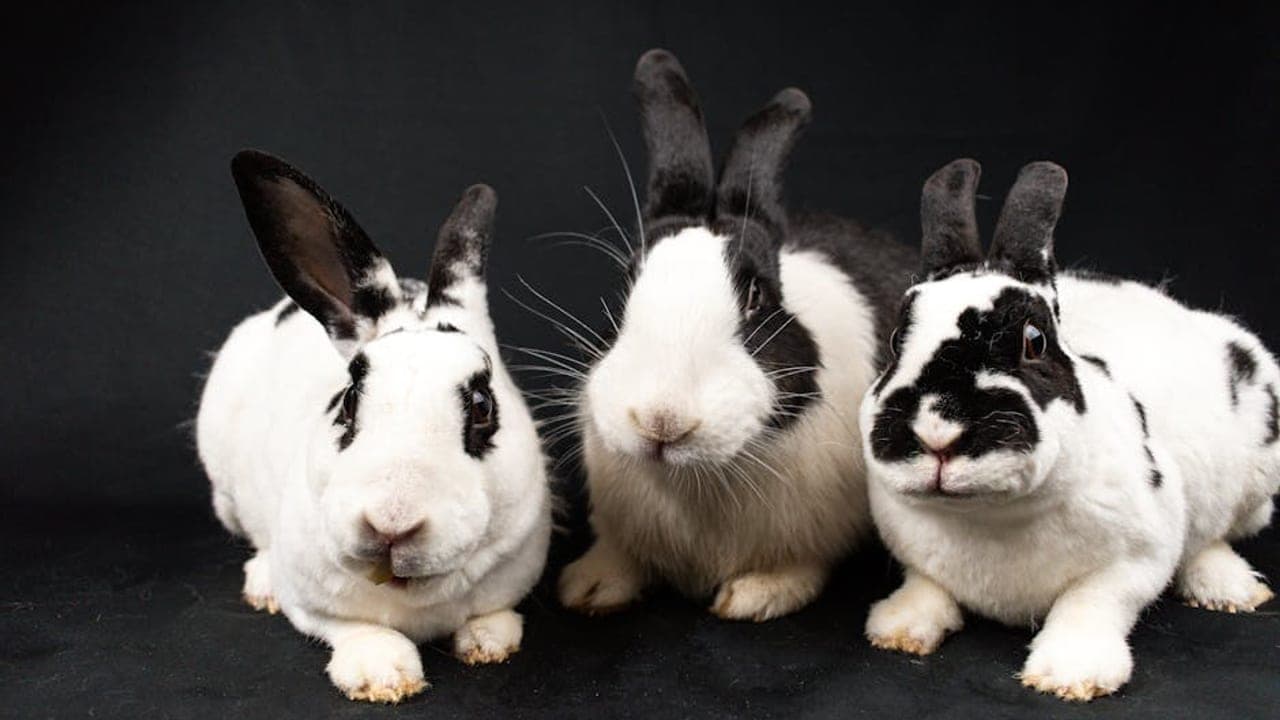
Rex
Also in the Rex group, with different size, housing, grooming, and health tradeoffs.
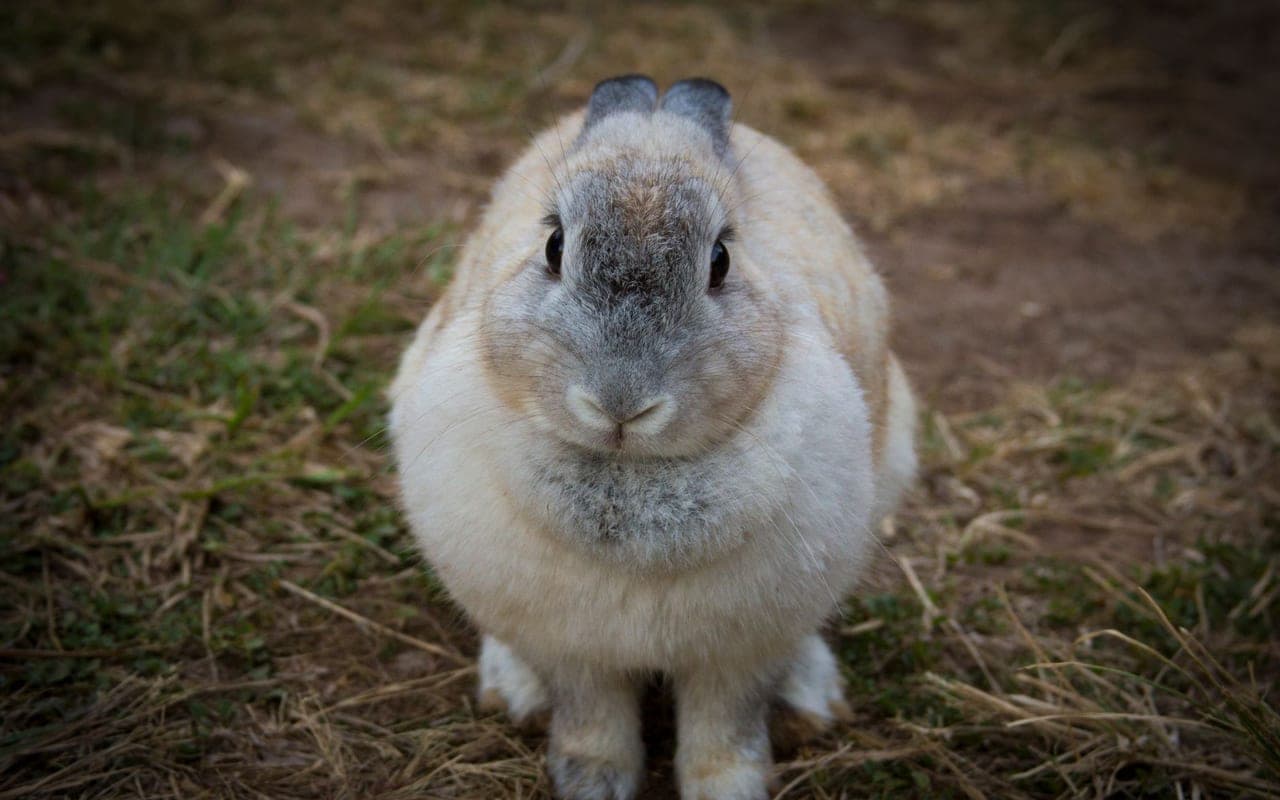
Tan
Compare size, grooming, free-roam needs, handling tolerance, and health planning before deciding.
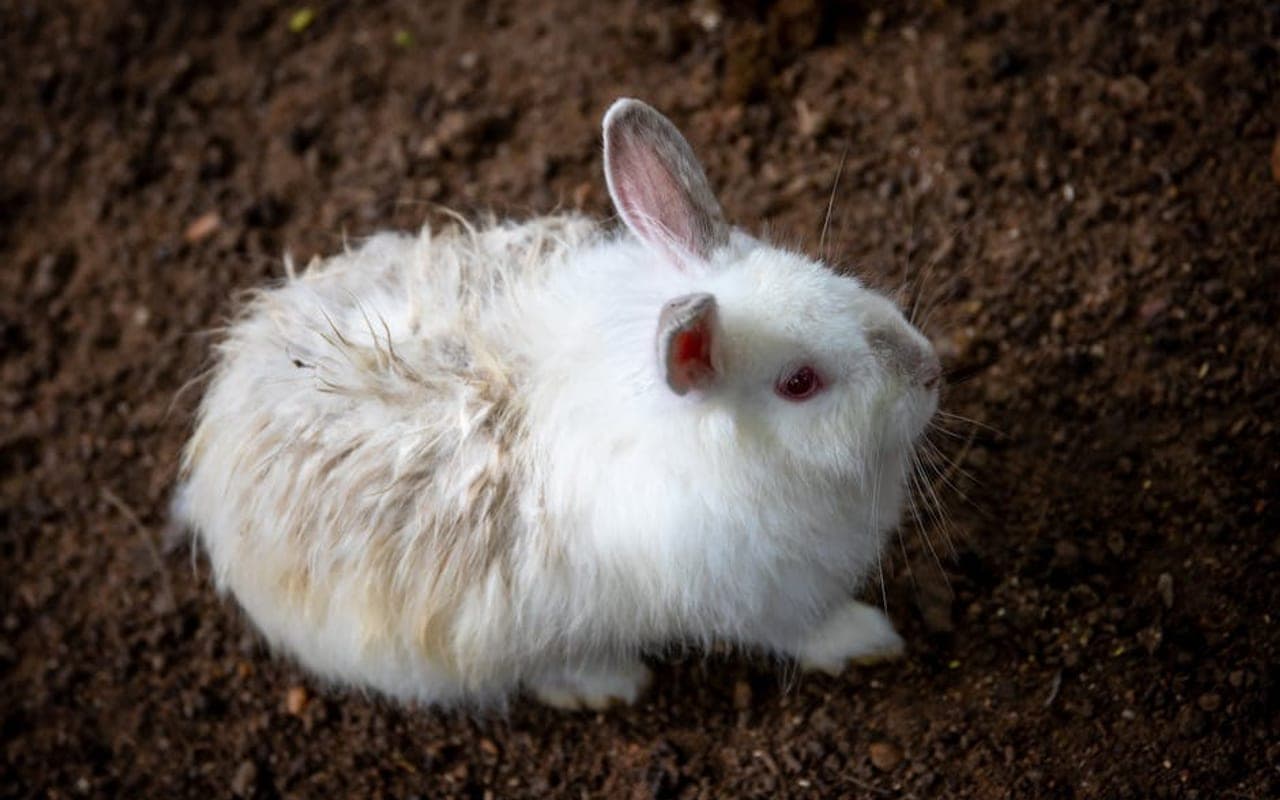
Jersey Wooly
Compare size, grooming, free-roam needs, handling tolerance, and health planning before deciding.
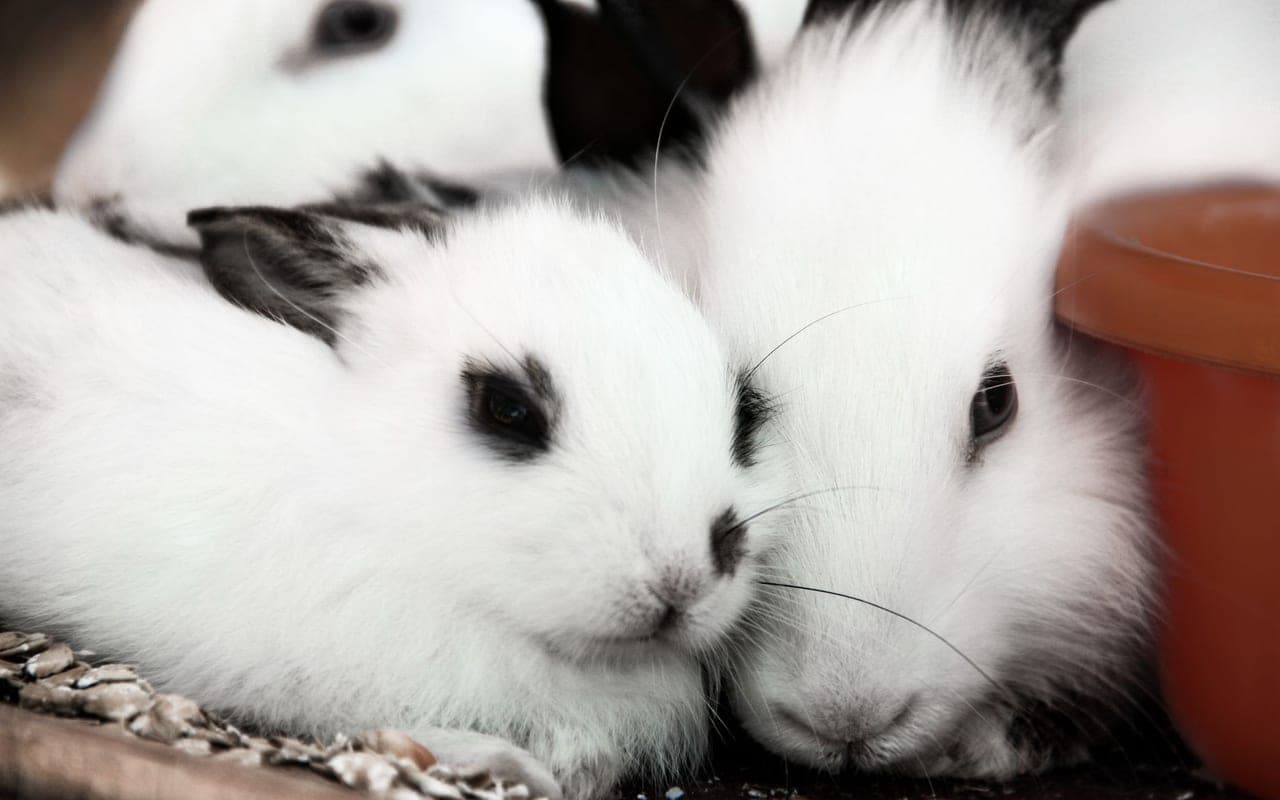
Himalayan
Compare size, grooming, free-roam needs, handling tolerance, and health planning before deciding.
Explore More About Mini Rex
Dive deeper into everything Mini Rex — costs, care, and expert insights.
How Much Does a Mini Rex Cost?
Purchase price, monthly costs, and lifetime expenses
Mini Rex Care Guide
This guide gives you a working plan for living with a [Mini...
Considering a guinea pig instead?
Browse Guinea Pigs