
Feline Lower Urinary Tract Disease (FLUTD): A Complete Guide
Not individually reviewed by a veterinarian. Read our editorial standards.
Last updated:
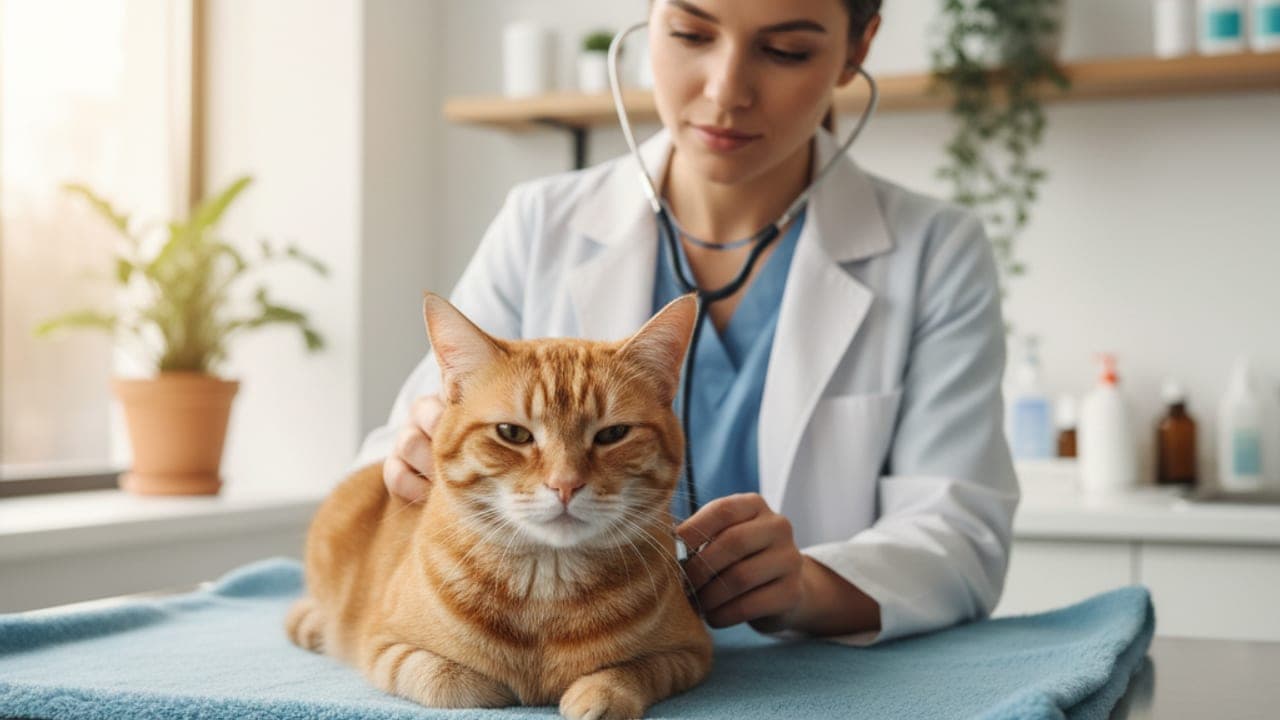
- FLUTD is an umbrella term for conditions affecting the bladder and urethra
- Male cats with complete urinary blockage need emergency veterinary care within hours
- Symptoms include straining to urinate, blood in urine, and crying in the litter box
- Stress is a major trigger — environmental enrichment helps prevent episodes
- Prescription urinary diets can significantly reduce recurrence
Noticing your cat straining to urinate or finding blood in the litter box can send any owner into a panic. Take a breath — FLUTD is one of the most common conditions in cats, and with the right knowledge, you can help your cat recover and prevent future episodes.
What Is FLUTD?
Feline Lower Urinary Tract Disease isn't a single disease — it's an umbrella term for conditions affecting the bladder and urethra in cats. It affects approximately 1-3% of cats each year, with the highest incidence in cats between 1 and 10 years of age.
FLUTD can be caused by multiple factors, and in many cases, the exact trigger is never identified. When no underlying cause is found, the condition is called Feline Idiopathic Cystitis (FIC), which accounts for roughly 55-65% of cases.
What Causes FLUTD?
The most common causes include:
Feline Idiopathic Cystitis (FIC) — stress-related bladder inflammation without infection. This is by far the most common cause. The bladder wall becomes inflamed and painful, often triggered by environmental stress, changes in routine, or anxiety.
Urinary crystals and stones — minerals in the urine crystallize and form either microscopic crystals or larger stones. Struvite and calcium oxalate are the two most common types. Diet plays a major role in crystal formation.
Urinary tract infection (UTI) — bacterial infections are actually uncommon in young cats (less than 5% of FLUTD cases) but become more frequent in cats over 10 years old, especially those with kidney disease or diabetes.
Urethral plugs — a combination of crystals, mucus, and inflammatory debris that can block the urethra. This is a life-threatening emergency.
Certain breeds may be more susceptible. Persians and Siamese appear in some studies more frequently, though FLUTD can affect any cat.
Recognizing the Symptoms
Watch for these signs that your cat may have a urinary problem:
- Frequent trips to the litter box with little or no urine produced
- Straining or crying while urinating
- Blood in the urine (pink or red-tinged litter)
- Urinating outside the litter box — often on cool, smooth surfaces like bathtubs or tile (if this sounds familiar, read our guide on cats avoiding the litter box)
- Excessive licking of the genital area
- Decreased appetite and lethargy
- Hiding or behavioral changes
These symptoms can come and go, especially with stress-related FIC. Many cats experience flare-ups during stressful events like moving, new pets, or changes in household routine.
Emergency: Urinary Blockage in Male Cats
This is the one scenario where FLUTD becomes a true emergency. Male cats have a long, narrow urethra that can become completely blocked by crystals, mucus plugs, or urethral spasms.
Warning signs of a complete blockage:
- Frequent, unproductive attempts to urinate
- Vocalizing or crying in the litter box
- Vomiting
- Lethargy or collapse
- A hard, distended abdomen
A blocked cat can die within 24-48 hours. The blocked urine backs up, causing the kidneys to fail and potassium levels to spike dangerously, which can stop the heart. If you suspect your male cat is blocked, go to the emergency vet immediately — do not wait until morning.
Diagnosis
Your veterinarian will typically perform:
- Urinalysis — checking for crystals, blood, bacteria, and urine concentration
- Urine culture — to identify bacterial infection (if suspected)
- Blood work — to assess kidney function and check for metabolic issues
- Imaging — X-rays or ultrasound to look for stones, masses, or structural abnormalities
- Physical exam — palpating the bladder to check for distension or pain
Treatment Options
Treatment depends on the underlying cause:
For FIC (stress-related):
- Pain medication (buprenorphine or meloxicam) for acute episodes
- Environmental enrichment and stress reduction (see below)
- Increased water intake to dilute urine
- Prescription urinary diets
- In severe cases, anti-anxiety medication (amitriptyline or gabapentin)
For crystals and stones:
- Struvite stones can often be dissolved with prescription diets
- Calcium oxalate stones require surgical removal
- Long-term diet management to prevent recurrence
For urinary blockage:
- Emergency catheterization under sedation or anesthesia
- IV fluids to flush toxins and restore kidney function
- Hospitalization for 24-72 hours with an indwelling catheter
- For cats that reblock repeatedly, a perineal urethrostomy (PU) surgery may be recommended
For bacterial UTI:
- Antibiotics based on urine culture results
- Typically 7-14 days of treatment
- Follow-up urinalysis to confirm resolution
Stress Reduction: The Most Underrated Treatment
Since stress is the primary trigger for FIC — the most common form of FLUTD — reducing stress is genuinely therapeutic:
- One litter box per cat, plus one extra, scooped daily
- Multiple water sources — many cats prefer running water (consider a fountain)
- Vertical space — cat trees and shelves give cats a sense of control
- Safe hiding spots — covered beds, boxes, or dedicated quiet rooms
- Consistent routine — cats thrive on predictability
- Feliway diffusers — synthetic facial pheromones that reduce anxiety in many cats
- Play sessions — 15-20 minutes of interactive play daily
Diet and Water: Your Best Prevention Tools
Increasing water intake is the single most protective dietary change for FLUTD prevention:
- Wet food — canned or pouch food is 70-80% water versus 10% in kibble. Switching from dry to wet food can double your cat's water intake
- Multiple water bowls throughout the home, away from food and litter
- Cat water fountains — many cats prefer moving water
- Prescription urinary diets — formulated to produce dilute urine and manage mineral content
Your vet can recommend the best diet based on your cat's specific crystal type or condition. For more on feline nutrition, see our guide on what to feed your cat.
Prognosis and Long-Term Management
Most cats with FLUTD respond well to treatment, but recurrence is common. Approximately 50% of cats with FIC will experience another episode within 12 months without environmental management.
The good news: with consistent stress reduction, diet management, and attention to water intake, recurrence rates drop significantly. Many cats go years between episodes, and some never experience another one.
When in doubt about any urinary symptoms, call your vet. It's always better to have a false alarm than to miss a blockage.
FAQ
Is FLUTD the same as a UTI?
No. FLUTD is a broad term that includes several conditions. Actual bacterial UTIs account for less than 5% of FLUTD cases in young cats. The most common form, FIC, involves bladder inflammation without infection.
Can FLUTD be fatal?
FLUTD itself is rarely fatal. The exception is complete urinary blockage, which occurs primarily in male cats and is a life-threatening emergency requiring immediate veterinary care.
Do only male cats get FLUTD?
Both male and female cats develop FLUTD at similar rates. However, male cats are far more likely to develop a complete urinary blockage because their urethra is longer and narrower.
Can stress really cause urinary problems in cats?
Yes. Stress is the primary trigger for Feline Idiopathic Cystitis, the most common form of FLUTD. The cat's stress response directly affects the bladder wall, causing inflammation and pain without any infection present.
What diet is best for a cat with FLUTD?
Wet food is generally recommended for all cats with FLUTD history because it dramatically increases water intake. Your vet may prescribe a specific urinary diet based on the type of crystals found. Never change to a prescription diet without veterinary guidance.
Mr Pet Lover Team
The Mr Pet Lover team is dedicated to providing warm, accurate, and practical pet care advice backed by veterinary research and real-world experience.
Related Articles
Dental Disease in Cats: The Silent Health Threat
Most cats over 3 years old have some degree of dental disease, yet it often goes unnoticed. Here's how to spot it and what your cat needs.

Can Dogs Eat Chocolate? Toxicity by Weight + What to Do Right Now
No — chocolate is toxic to dogs. How much is dangerous by your dog's weight and the chocolate type, the symptoms to watch, and exactly what to do right away.

How Long Are Dogs Pregnant? A Week-by-Week Timeline (+ When to Call the Vet)
Dogs are pregnant about 63 days (range 58–68). A week-by-week timeline of what to expect, how to count the due date, and the exact signs that mean call the vet now.