
How to Puppy-Proof Your Home: A Room-by-Room Guide
Not individually reviewed by a veterinarian. Read our editorial standards.
Last updated:
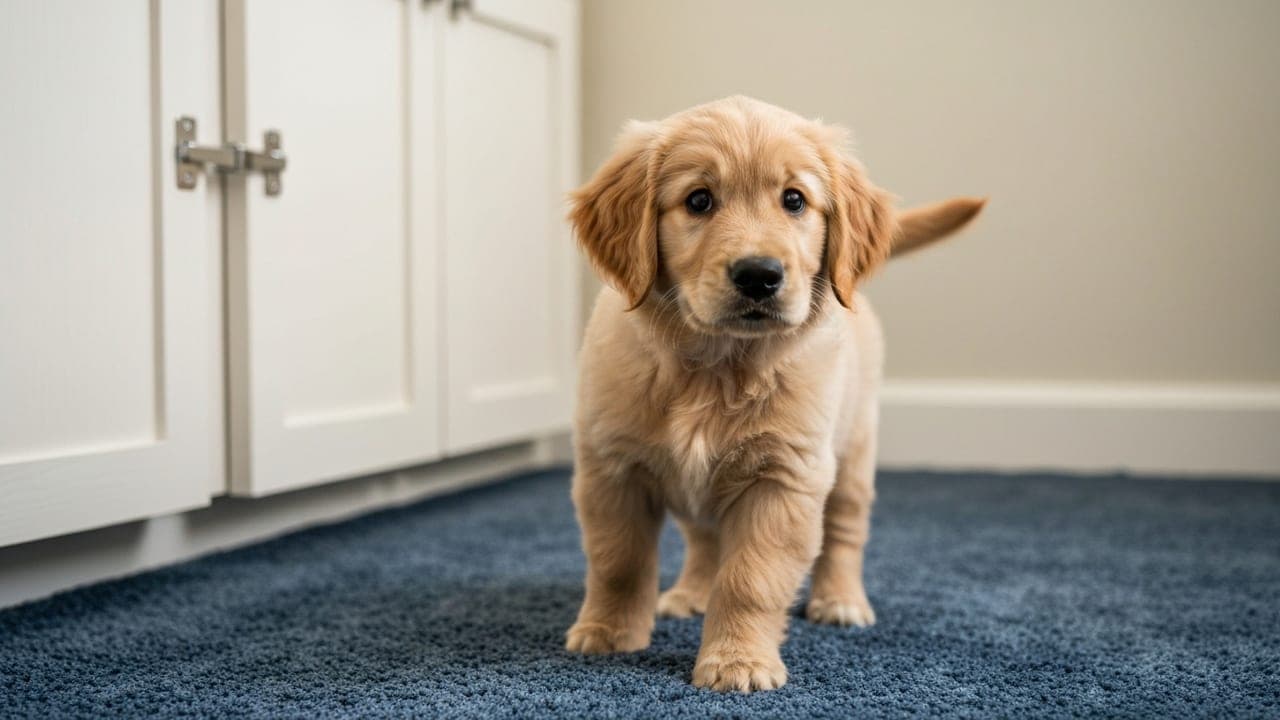
- Electrical cords, medications, and small objects are the top puppy hazards
- Check every room at puppy eye level — if they can reach it, they'll chew it
- Secure trash cans with lids and store chemicals on high shelves or behind locks
- Certain houseplants (lilies, sago palms, pothos) are toxic to puppies
- Baby gates create safe zones while your puppy learns house rules
You just brought home a tiny bundle of energy, and within thirty minutes she has already chewed through a phone charger. Puppies explore the world with their mouths, and if you haven't prepared your home for those razor-sharp baby teeth, expensive damage — or worse, a veterinary emergency — is only a matter of time.
Puppy-proofing isn't a one-afternoon project. It's an ongoing process that evolves as your puppy grows taller, faster, and more creative at getting into trouble. This room-by-room guide will help you catch the hazards before your puppy does.
Why Does Puppy-Proofing Matter?
The ASPCA Poison Control Center handles more than 400,000 cases each year, and a significant portion involve puppies who ingested household items. Electrical cord bites send thousands of dogs to the vet annually. Most of these incidents are preventable with a few thoughtful changes to your living space.
If you're still in the planning stage, our new puppy habits guide covers the routines that set you and your puppy up for success from day one.
Kitchen Hazards
The kitchen is statistically the most dangerous room for puppies. Food scraps, cleaning chemicals, and sharp objects all live within reach.
Trash cans are puppy magnets. Invest in a can with a locking lid or store it inside a latched cabinet. Chicken bones, coffee grounds, chocolate wrappers, and spoiled food can all cause serious harm.
Cleaning products under the sink should be secured with childproof cabinet locks. Bleach, ammonia-based cleaners, dishwasher pods, and oven cleaner are all toxic. Even "natural" cleaners can irritate a puppy's digestive system.
Toxic foods need to be stored on high shelves or in closed pantries. The biggest offenders include chocolate, grapes and raisins, onions, garlic, macadamia nuts, and anything containing xylitol (an artificial sweetener found in sugar-free gum, peanut butter, and baked goods). For a full list, check out our safe human foods guide.
Stove knobs should be covered or removed when not in use. A curious puppy standing on hind legs can accidentally turn on a gas burner.
Kitchen Checklist
- Locking trash can or cabinet-stored trash
- Childproof locks on lower cabinets
- Toxic foods moved to upper shelves
- Stove knob covers installed
- No food left on countertops unattended
- Dishwasher kept closed (detergent residue is toxic)
Bathroom Dangers
Bathrooms are smaller, so owners often overlook them. But they contain a concentrated collection of hazards.
Medications are the leading concern. A single ibuprofen tablet can cause kidney failure in a small puppy. Acetaminophen is equally dangerous. Keep all medications — human and pet — in a closed medicine cabinet or high shelf. This includes vitamins and supplements.
Toilet bowls should stay closed, especially if you use automatic bowl cleaners. The chemical concentration in treated toilet water can poison a small dog.
Personal care products like razors, dental floss, cotton swabs, and hair ties are common foreign body ingestion items. Dental floss, in particular, can cause life-threatening intestinal obstructions if swallowed.
Bathroom Checklist
- Medications stored in closed cabinets
- Toilet lid kept down
- Trash can with lid or stored in cabinet
- Razors, hair ties, and dental floss out of reach
- Cleaning products secured
Living Room Risks
Your living room probably has more hazards than you realize, especially at puppy-eye level.
Electrical cords are one of the most dangerous items in any room. Chewing through a live wire can cause burns, cardiac arrest, or electrocution. Run cords behind furniture, use cord covers, or apply bitter-tasting deterrent spray. Pay special attention to lamp cords, phone chargers, and TV cables.
Small objects on coffee tables, bookshelves, and floors are choking hazards. Remote controls, pens, coins, rubber bands, and children's toys are all fair game. Get down on your hands and knees and look at the room from your puppy's perspective — you'll be surprised what you find.
Houseplants deserve special attention. Many popular varieties are toxic to dogs, including pothos, philodendron, sago palm, dieffenbachia, and lilies. The ASPCA maintains a searchable database of toxic and non-toxic plants. When in doubt, move it out of reach or replace it with a pet-safe alternative like spider plants, Boston ferns, or parlor palms.
Furniture stability matters more than you think. Puppies jump, climb, and lean. Tall bookshelves, TV stands, and floor lamps should be anchored to the wall.
Living Room Checklist
- Electrical cords hidden or covered
- Small objects removed from puppy-height surfaces
- Toxic plants removed or elevated
- Furniture anchored to walls
- Candles and fragrance diffusers out of reach
- Fireplace screened off
Bedroom Concerns
Bedrooms tend to accumulate small, chewable items that puppies find irresistible.
Clothing and shoes left on the floor are guaranteed targets. Beyond the cost of replacing chewed shoes, socks and underwear are the most common surgically removed foreign bodies in dogs. A swallowed sock can cause a bowel obstruction that requires emergency surgery.
Jewelry and accessories — earrings, hair clips, rubber bands, and watch batteries — are serious choking and toxicity hazards. Watch batteries, in particular, can cause chemical burns in the digestive tract.
Bedside items like reading glasses, lip balm, hand lotion, and charging cables should be kept in a closed drawer when not in use.
If your Labrador Retriever puppy is anything like the breed's reputation, she will find the one item you forgot to put away. Every time.
Bedroom Checklist
- Dirty laundry in a closed hamper
- Shoes stored in closed closet
- Small items in drawers, not on nightstands
- Charging cables unplugged when not in use
- Closet doors kept shut
Outdoor and Garage Dangers
The garage and yard contain some of the most lethal substances your puppy can encounter.
Antifreeze is the single most dangerous garage product. Its sweet taste attracts dogs, and even a small amount can cause fatal kidney failure. Switch to propylene glycol-based antifreeze (less toxic) and clean up any spills immediately.
Garden chemicals — fertilizers, herbicides, pesticides, cocoa mulch, and slug bait — should be locked in a high cabinet. Cocoa mulch contains the same toxic compounds as chocolate.
Toxic plants in your yard include azaleas, rhododendrons, oleander, sago palms, tulip and daffodil bulbs, and lily of the valley. Research every plant in your yard before giving your puppy unsupervised access.
Fencing should be inspected at ground level. Puppies can squeeze through surprisingly small gaps. Walk the entire perimeter and check for gaps, loose boards, and spots where a determined digger could tunnel under.
Pools and ponds need barriers. Puppies can fall in but may not be able to climb out. Install a pool fence or cover, and teach your puppy where the pool steps are.
Outdoor Checklist
- Antifreeze and chemicals locked away
- Toxic plants identified and removed or fenced off
- Fence inspected for gaps (ground level)
- Pool or pond fenced or covered
- Compost bin secured
- Garden tools stored out of reach
Essential Puppy Safety Supplies
A few inexpensive products make puppy-proofing much easier:
Baby gates ($15–40 each) block access to unsafe rooms. Pressure-mounted gates work for most doorways. Use hardware-mounted gates at the top of stairs.
Cord covers ($8–15) protect electrical cables. Spiral wrap covers and cord channels both work well.
Bitter spray ($8–12) deters chewing on furniture legs, baseboards, and anything you can't move.
Cabinet locks ($10–15 for a pack) secure kitchen and bathroom cabinets. Magnetic locks are the most puppy-resistant.
A crate or exercise pen ($30–80) gives your puppy a safe space when you can't supervise. Crate training also helps with housebreaking and prevents destructive behavior when you're away.
How Puppy-Proofing Changes Over Time
A ten-week-old puppy can't reach the kitchen counter. A six-month-old Lab absolutely can. Revisit your puppy-proofing every month during the first year.
At 8–12 weeks, focus on floor-level hazards. At 4–6 months, your puppy will start jumping and climbing — reassess counter height and furniture. At 6–12 months, your adolescent dog has the size of an adult but the judgment of a toddler. This is peak destruction age. Stay vigilant.
A Final Thought
No home will ever be 100% puppy-proof. Supervision is still your best tool. But removing the most dangerous hazards means that when your puppy inevitably finds something she shouldn't have, it's a chewed slipper rather than a trip to the emergency room.
Looking to build great habits from day one? Check out our guide to the five habits every new puppy owner needs, and take our dog breed quiz if you're still deciding on the right breed for your lifestyle.
FAQ
What age do puppies stop chewing everything?
Most puppies outgrow the intense chewing phase between 12 and 18 months, after their adult teeth have fully come in. However, some breeds — particularly retrievers and terriers — remain enthusiastic chewers well into adulthood. Providing appropriate chew toys throughout their life helps redirect the behavior.
Is bitter spray safe for puppies?
Yes, most commercial bitter sprays are non-toxic and safe for puppies. They contain denatonium benzoate, the most bitter compound known, which deters chewing without causing harm. Test it on a small area of fabric first, as some formulas can stain.
Should I keep my puppy in one room?
For the first few weeks, confining your puppy to one or two fully puppy-proofed rooms is an excellent strategy. It prevents overwhelm, makes housetraining easier, and reduces the number of hazards you need to manage. Gradually expand access as your puppy learns the house rules.
What household items are most dangerous for puppies?
The five most dangerous household items for puppies are: medications (especially ibuprofen and acetaminophen), chocolate, xylitol-containing products, electrical cords, and small objects that can cause bowel obstructions (socks, hair ties, small toys). Keeping these secured prevents the majority of puppy emergencies.
How do I know if my puppy swallowed something dangerous?
Watch for vomiting, drooling, pawing at the mouth, loss of appetite, lethargy, abdominal pain (hunched posture), or changes in stool. If you suspect your puppy ingested something toxic, call your vet or the ASPCA Poison Control Center (888-426-4435) immediately — don't wait for symptoms to appear.
Mr Pet Lover Team
The Mr Pet Lover team is dedicated to providing warm, accurate, and practical pet care advice backed by veterinary research and real-world experience.
Related Articles
How to Start a Dog Breeding Business
Most guides to this business will tell you how to register an LLC. None of the six ranking guides we read in full will tell you that when the 2004 UK Kennel Club/BSAVA purebred dog health survey covered 22,005 litters from 13,141 bitches across 151 breeds, more than 80% of litters in Boston Terriers, Bulldogs and French Bulldogs were delivered by caesarean section.
Can Dogs and Cats Live Together? A Practical Guide
Dogs and cats can absolutely coexist — with the right introductions, personality matching, and resource management. Here's how.

Dog Walking Etiquette: 12 Rules Every Owner Should Follow
Leash manners, greeting protocols, right of way, managing reactive dogs — the complete guide to polite and safe dog walking.