
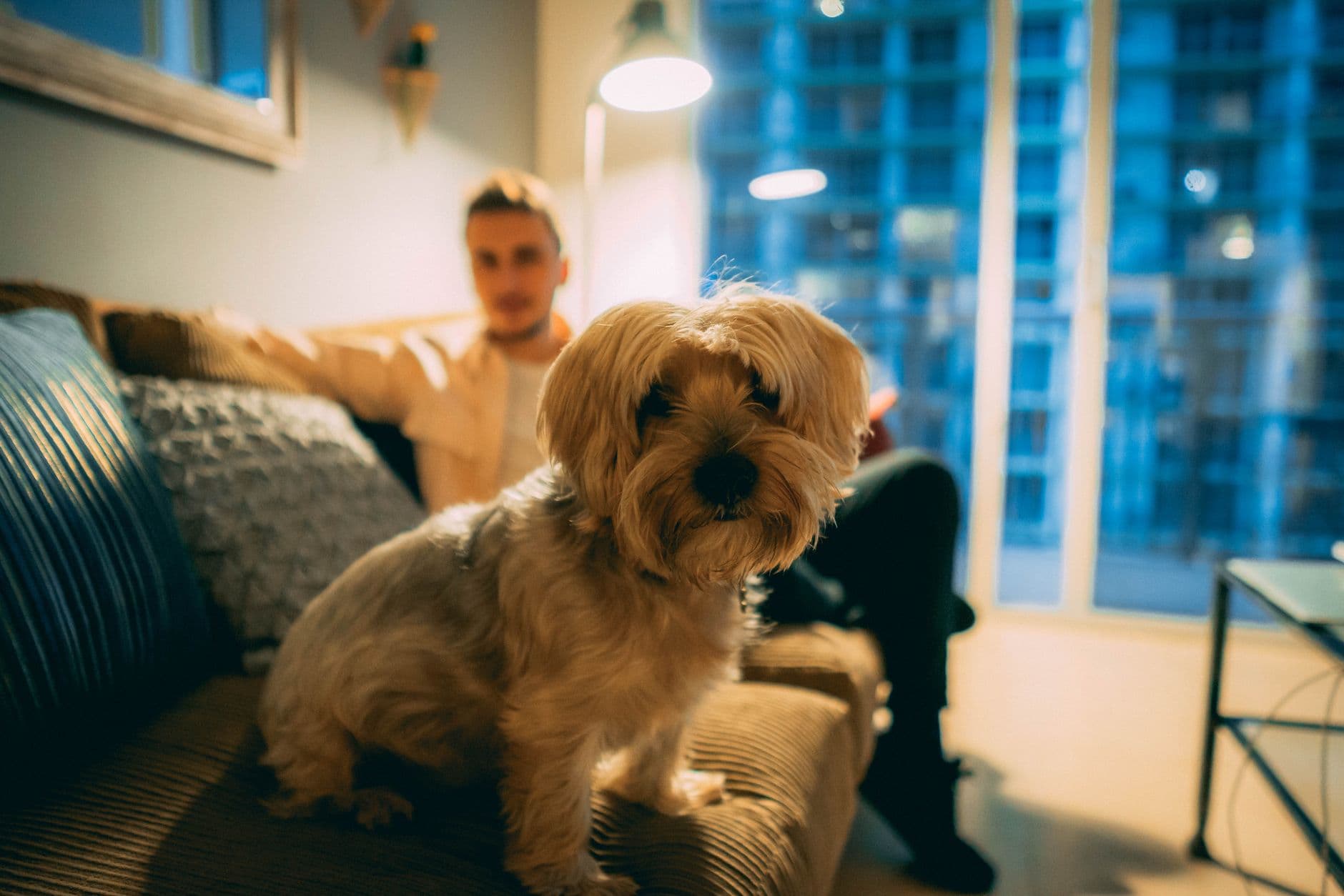
Apartment Dog Care: Breeds, Tips & Daily Routines
The Apartment Dog Myth The most persistent misconception in dog ownership is that apartment living requires a small dog. Walk through any high-rise building and you will find Labrador Retrievers, Grey
Reading Time
📖 13 min read
Guide Type
📋 General
Last Updated
📅 Sep 9, 2026
Breed
🐶 All Pets
In This Guide
Overview
The Apartment Dog Myth
The most persistent misconception in dog ownership is that apartment living requires a small dog. Walk through any high-rise building and you will find Labrador Retrievers, Greyhounds, and even Great Danes living contentedly in 600-square-foot studios. Meanwhile, Jack Russell Terriers and Siberian Huskies are miserable in sprawling suburban houses with untrained owners. Size is not the determining factor. Energy level, trainability, noise output, and your commitment to a structured daily routine matter far more than whether a dog weighs 12 pounds or 120.
The Three Factors That Actually Matter
Before choosing an apartment dog, evaluate three things: energy level, barking tendency, and exercise flexibility. A dog with low-to-moderate energy that settles calmly between walks is an ideal apartment companion regardless of size. A dog that barks reactively at hallway sounds, elevator dings, and neighboring footsteps will create conflict with neighbors and building management within weeks. And a dog whose exercise needs can be met through two or three quality daily walks, rather than two hours of off-leash running, adapts far better to urban life.
Breeds that consistently thrive in apartments include the Bulldog, French Bulldog, Cavalier King Charles Spaniel, Greyhound, Bichon Frise, Shih Tzu, Pug, Maltese, and Pomeranian. What these breeds share is not small size. They share lower exercise ceilings, relatively calm indoor temperaments, and a natural inclination to rest between activity bursts.
Breeds that genuinely struggle in apartments include the Siberian Husky (bred for 100-mile sled runs and prone to destructive howling), the Border Collie (will herd your furniture if not given a job), the Australian Shepherd (same working-dog problem with added vocal frustration), and the Jack Russell Terrier (small body, enormous engine, digs through walls). These breeds are not bad dogs. They are purpose-built athletes placed in an incompatible environment.
The Greyhound Surprise
No apartment recommendation generates more surprise than the Greyhound. At 60-80 pounds with a history of racing, the Greyhound appears to be everything an apartment dog should not be. The reality is that retired racing Greyhounds are among the calmest indoor companions in the dog world. They were bred for explosive short-distance speed, not endurance. After a 20-minute walk, a Greyhound will sleep for six hours. They are gentle, quiet, and adapt to small spaces with remarkable ease. Their only apartment-specific considerations are thin skin that bruises on sharp furniture corners and a strong prey drive that requires a securely leashed walk at all times.
Building Etiquette and Manners
Successful apartment dogs are trained dogs. The (nothing-in-life-is-free) training approach, where dogs earn meals, attention, and play through a simple sit or down command, produces calmer, more respectful animals without harsh correction. In elevator situations, train your dog to sit against your leg and ignore other passengers. In hallways, a solid (leave it) command prevents reactive lunging at sounds behind doors. In lobbies, a reliable (wait) command at doorways prevents bolting into traffic.
Noise complaints represent the most common reason apartment residents are asked to surrender dogs. Debarking surgery is cruel, irreversible, and illegal in many countries and some U.S. states. The behavioral alternative works better: identify the trigger (isolation anxiety, alert barking, boredom), address the root cause, and use positive interruption training to teach an incompatible quiet behavior.
Making It Work Long-Term
The compensation strategy for apartment dogs is built on three pillars. Multiple shorter walks (three to four daily) are more enriching than one long walk because dogs process environmental information intensely and tire mentally as well as physically. Sniff walks, where the dog sets the pace and investigates every scent, provide 20 minutes of mental work equivalent to 45 minutes of physical exercise. Puzzle feeders replace the boredom of an empty food bowl with problem-solving that occupies the brain during your workday.
Apartment dog ownership is entirely achievable with the right breed match and a consistent daily structure. The dogs that fail in apartments are almost always dogs placed there without thought given to their actual behavioral profile. Browse dog breeds to compare energy ratings before committing.
Daily Care
Morning Routine
Apartment dogs thrive on predictable structure. A morning walk of 20-30 minutes before breakfast sets the tone for a calmer day. Walk first, feed second. Dogs that eat before walking are more likely to have digestive upset and are harder to motivate outdoors. The morning walk is also the highest-value sniff opportunity of the day since nighttime scent trails from other animals are fresh.
Midday Management
If you work from home or can return at lunch, a 15-minute midday walk prevents the afternoon restlessness that often drives destructive behavior in apartment dogs. If you are absent for eight or more hours, a dog walker or midday daycare visit is not optional for most breeds under four years old. An unsupervised apartment dog with unmet energy needs will find ways to meet them through your furniture, baseboards, and personal belongings.
Mental Stimulation Tools
Puzzle feeders, Kong toys stuffed and frozen the night before, snuffle mats, and lick mats are the apartment owner's most useful tools. A dog that works for its breakfast across a 20-minute puzzle session arrives at midmorning settled and ready to rest. Rotate puzzle toys weekly to prevent habituation. A dog that has solved the same puzzle 30 times is no longer stimulated by it.
Evening Decompression
The evening walk should be the longest of the day for most apartment dogs, ranging from 30-45 minutes depending on breed. Allow significant sniff time rather than pace-walking. After the walk, the (nothing-in-life-is-free) protocol applies: before receiving dinner, attention, or play, the dog completes a simple command. This five-second ritual reinforces deference and produces noticeably calmer apartment behavior over four to six weeks of consistent practice.
Elimination Logistics
Apartment dogs must hold bladder through elevator rides, lobby crossings, and building exits before reaching relief areas. Most healthy adult dogs can hold for six to eight hours. Puppies cannot. If you have a puppy in an apartment, a midday potty trip is mandatory and an indoor potty solution (artificial grass pad) may be necessary for early morning trips when building exit is not practical. Never punish accidents that occur because your schedule did not allow adequate outdoor access.
Nutrition
Caloric Needs for Lower-Activity Dogs
Apartment dogs, even well-exercised ones, typically log fewer daily steps than dogs with yard access. Adjust caloric intake accordingly. The feeding guidelines on dog food packaging are formulated for moderately active dogs and routinely overestimate needs for apartment animals. A Cavalier King Charles Spaniel receiving two walks daily needs roughly 15-20% fewer calories than the same dog with free outdoor access.
Feeding Schedule vs Free Feeding
Scheduled feeding twice daily (morning and evening) is strongly preferred over free feeding for apartment dogs. Controlled portions allow you to monitor appetite changes that signal health problems, maintain predictable elimination schedules (critical in apartments), and use meal anticipation as a training motivator throughout the day. Fill a Kong or puzzle feeder with the measured meal rather than a bowl to add ten minutes of enrichment to each feeding.
Breed-Specific Nutritional Flags
Brachycephalic apartment favorites (Bulldogs, French Bulldogs, Pugs, Shih Tzus) are prone to weight gain that worsens their breathing. Keep these breeds lean year-round - you should be able to feel the last two ribs without pressing hard. Cavalier King Charles Spaniels have documented sensitivity to grain-free diets that may contribute to dilated cardiomyopathy. Use grain-inclusive formulas from established manufacturers for this breed. Greyhounds have unusually low body fat and higher muscle mass than appearance suggests - do not underfeed based on their lean look.
Treat Economy
Apartment training relies heavily on treats for hallway, elevator, and lobby commands. Account for training treats in the daily caloric budget. If your dog receives 20 training treats daily, reduce the meal portion by an equivalent amount. High-value soft treats (freeze-dried meat, small cheese pieces) can be cut to pea-size without reducing motivation.
Water Access
Always ensure fresh water is available. Dogs that eliminate predictably based on a watering schedule are easier to manage in apartments. Remove the water bowl two hours before bedtime to reduce nighttime elimination needs in puppies and senior dogs.
Exercise
Quality Over Distance
Apartment dogs benefit more from three purposeful 20-minute walks than one unfocused 60-minute walk. Each walk should include at least five minutes of unrestricted sniffing, one to two training repetitions (sit, down, leave it), and a pace variation that allows the dog to trot naturally rather than be dragged or held back. A trotting pace is the dog's natural cardio sweet spot.
Sniff Walks as Mental Exercise
Urban environments are extraordinarily rich sensory environments for dogs. A single city block contains scent information from dozens of other dogs, small animals, food, and humans. Allow your apartment dog to control the pace during at least one daily walk. This sniff walk is the most tiring walk you can offer, activating the olfactory cortex in ways that pure physical movement does not. A 20-minute sniff walk produces more post-walk calm than a 40-minute brisk march.
Indoor Exercise Options
On days when outdoor exercise is compromised by weather or schedule, indoor alternatives prevent behavioral deterioration. Stairwell climbs (three to four flights repeated twice) provide cardiovascular work in most apartment buildings. Indoor fetch in a long hallway works for low-impact breeds. Tug games with clear start and stop rules channel arousal constructively. Training sessions of ten minutes, teaching new commands or refreshing known ones, produce genuine mental fatigue.
Dog Parks and Social Exercise
Urban dog parks are a valuable supplement but not a replacement for structured walks. Off-leash social play builds appropriate dog communication skills. However, off-leash parks also concentrate poorly socialized dogs in small spaces. Supervise closely, recognize early stress signals (lip licking, yawning, stiff posture), and leave before your dog is overwhelmed rather than after. See related guides at /care-guides for socialization protocols.
Exercise Cautions by Breed
Brachycephalic breeds (Bulldogs, Pugs, French Bulldogs) cannot thermoregulate efficiently and must avoid outdoor exercise when temperatures exceed 75 degrees Fahrenheit. Exercise these breeds in early morning and after sunset in warm months. Greyhounds require a leashed walk at all times - their prey drive and speed make off-leash urban exercise genuinely dangerous.
Grooming
Small-Space Grooming Logistics
Grooming an apartment dog requires adapting standard grooming routines to a confined space. A rubber mat in the bathroom tub is the most practical grooming station for most apartment owners. A handheld shower attachment allows controlled rinsing without soaking the entire bathroom. Establish a grooming routine from puppyhood so that the bathroom becomes a neutral or positive environment rather than one associated only with stress.
Coat Types Among Common Apartment Breeds
Apartment-friendly breeds span every coat type. Bichon Frises and Poodles have continuously growing hair that does not shed but requires professional grooming every six to eight weeks. Shih Tzus and Maltese have long silky coats that mat quickly without daily brushing or a short puppy clip. French Bulldogs and Pugs have short smooth coats requiring minimal brushing but significant attention to skin folds, which trap moisture and cause infection if not cleaned weekly with a dry cloth or pet-safe wipe. Cavaliers shed moderately year-round and benefit from twice-weekly brushing.
Nail Care in Urban Environments
Apartment dogs that walk primarily on grass rather than concrete may have faster nail growth because pavement naturally files nails. Check nails every three weeks and trim before they make clicking sounds on hard floors. Long nails alter a dog's gait and contribute to joint discomfort over time. If nail trimming causes extreme stress, a veterinary technician visit every three to four weeks is worth the cost.
Ear and Dental Care
Droppy-eared apartment favorites (Cavaliers, Shih Tzus, Maltese) are prone to ear infections from trapped moisture and reduced airflow. Check ears weekly for redness, odor, or discharge. Dental care is particularly important for smaller apartment breeds prone to periodontal disease. Daily tooth brushing with dog-formulated toothpaste is the gold standard. Dental chews are a useful supplement but not a replacement for brushing.
Professional Grooming Relationships
For apartment dogs requiring regular professional grooming, establish a relationship with a groomer who uses low-stress handling techniques. Mobile groomers who come to your building eliminate the transport stress that makes some dogs dread grooming days.
Health
Barking-Related Health Signals
Sudden increases in barking from a previously quiet apartment dog can signal pain, cognitive decline in senior dogs, or anxiety disorders rather than behavioral problems. Rule out medical causes before implementing behavioral interventions. A veterinary exam costs less than six weeks of wasted training on a dog that is actually hurting.
Respiratory Concerns in Brachycephalic Breeds
Bulldogs, French Bulldogs, Pugs, and Shih Tzus all have varying degrees of brachycephalic airway syndrome - narrowed nostrils, elongated soft palate, and sometimes a narrowed trachea. Mild cases require only heat and exercise management. Severe cases benefit from corrective surgery, ideally performed before 18 months of age. Signs requiring veterinary attention include audible breathing at rest, blue-tinged gums after light exertion, sleep apnea, or collapse after minimal activity.
Anxiety and Urban Stressors
Chronic low-level anxiety is a genuine health issue for apartment dogs exposed to constant urban stimulation without adequate decompression. Signs include panting at rest, inability to settle, repetitive behaviors, and digestive upset. Veterinary-prescribed interventions (trazodone, fluoxetine, gabapentin for acute events) are legitimate tools alongside behavioral modification. Do not rely on over-the-counter calming supplements as primary anxiety management.
Weight Monitoring
Apartment dogs have a higher obesity risk than dogs with yard access. Weigh your dog monthly at a veterinary office and maintain a weight log. Body condition scoring (1-9 scale, ideal is 4-5) is more informative than absolute weight. A French Bulldog that should be 25 pounds but weighs 32 pounds has a dramatically higher risk of breathing problems, joint disease, and diabetes.
Veterinary Access in Urban Areas
Urban veterinary clinics often book two to three weeks out for non-emergency appointments. Establish care with a primary veterinarian before your dog needs one urgently and identify the nearest 24-hour emergency veterinary hospital as part of your move-in preparation. Know the travel route to that emergency clinic before you need it at 2 AM.
Costs
Monthly Budget Expectations
Apartment dog ownership in an urban area carries specific costs that suburban owners do not face. Budget the following monthly:
- Food: $40-90 depending on size and brand
- Dog walker or midday daycare (if working full-time): $200-600
- Pet-friendly building premium (rent): $100-300/month above market rate in most cities
- Professional grooming (every 6-8 weeks, amortized): $40-80/month
- Toys and enrichment rotation: $20-40
- Monthly heartworm, flea, and tick prevention: $20-40
Building-Related Costs
Most pet-friendly apartment buildings charge a one-time pet deposit ($200-500, often refundable) and a monthly pet rent ($25-100). Some buildings charge per pet. Calculate these costs before signing a lease and clarify whether the deposit is credited against actual damages or forfeited automatically.
Veterinary Cost Planning
Urban veterinary practices frequently charge 30-50% more than suburban practices for equivalent services. Budget $500-800 annually for preventive care (annual exam, vaccines, dental cleaning) and maintain a $1,500-2,000 emergency fund or pet insurance policy. Brachycephalic breeds have higher-than-average surgical costs if airway correction becomes necessary ($1,500-4,000).
First-Year Costs
First-year costs are significantly higher than ongoing costs. Add to the above: spay or neuter ($300-600 at urban clinics), puppy or adult dog training classes ($150-300 for a six-week course), initial supplies (crate, leash, collar, food bowl, bed, grooming tools: $200-400), and veterinary first visit with vaccines ($150-300).
Long-Term Perspective
Greyhounds and Cavaliers, two excellent apartment breeds, have specific long-term costs worth noting. Cavaliers have a high incidence of mitral valve disease, with many requiring cardiac medication by age eight to ten. Greyhounds require a veterinarian familiar with sighthound anesthesia protocols due to their low body fat and atypical drug metabolism.
Sources
This guide draws on the following published references. Each opens in a new tab so you can check it against what you have read here.
AVMA
Selecting a Pet Dog(opens in a new tab)AVMA
What's Your Pet's Life Stage?(opens in a new tab)ASPCA
General Dog Care(opens in a new tab)Merck Veterinary Manual
Providing a Home for a Dog(opens in a new tab)Merck Veterinary Manual
Routine Health Care of Dogs(opens in a new tab)
Get personalized pet care tips
Join our newsletter for breed-specific advice, care guides, and expert tips delivered weekly.
No spam, ever. Unsubscribe anytime.